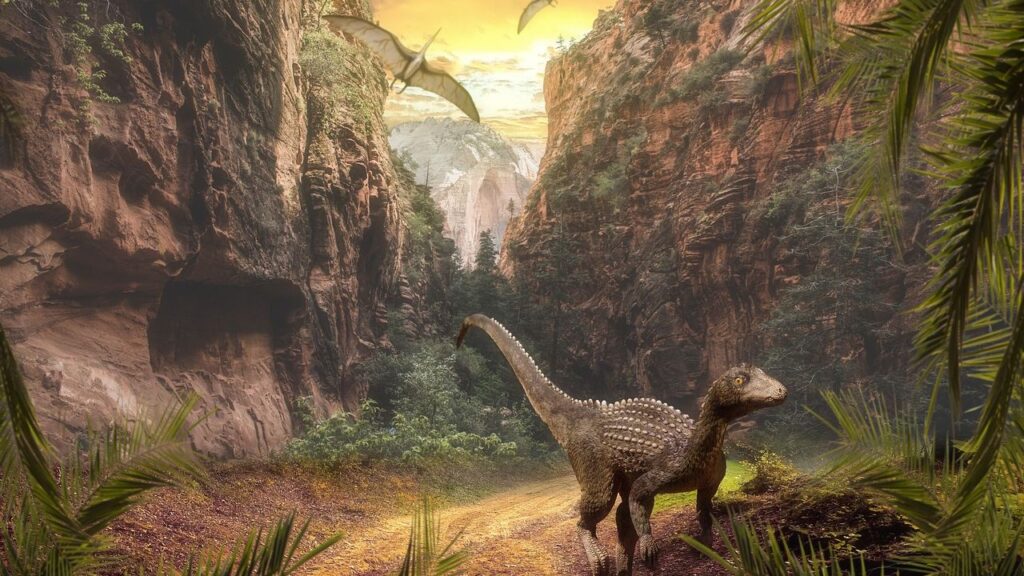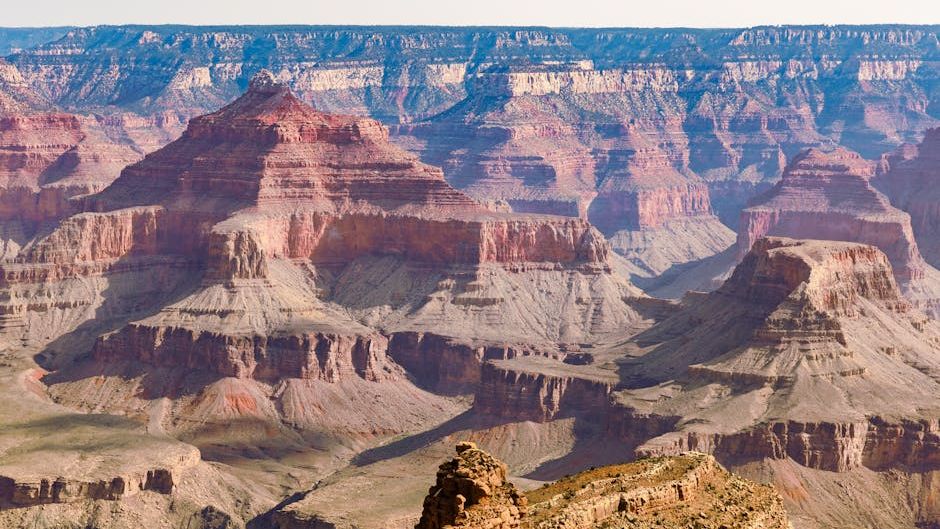
You probably think of the Grand Canyon as a place of dizzying cliffs, roaring rapids, and crowded overlooks. But beneath the scenic viewpoints and selfie spots lies a story that stretches back hundreds of millions of years, long before people ever set eyes on its walls. If you could peel back the canyon layer by layer, you’d be walking through ancient oceans, river deltas, and deserts where strange creatures once lived, died, and were buried in stone.
When you start to see the canyon this way, it stops being just a spectacular landscape and turns into something closer to a time machine. Each colored band in the rock tells you about a vanished world and the animals and plants that once thrived there. You are not just standing at the edge of a hole in the ground; you’re standing on top of a stack of lost ecosystems, stacked so deep that human history barely registers as a thin scratch on the surface.
The Canyon as a Time Machine You Can Walk Through
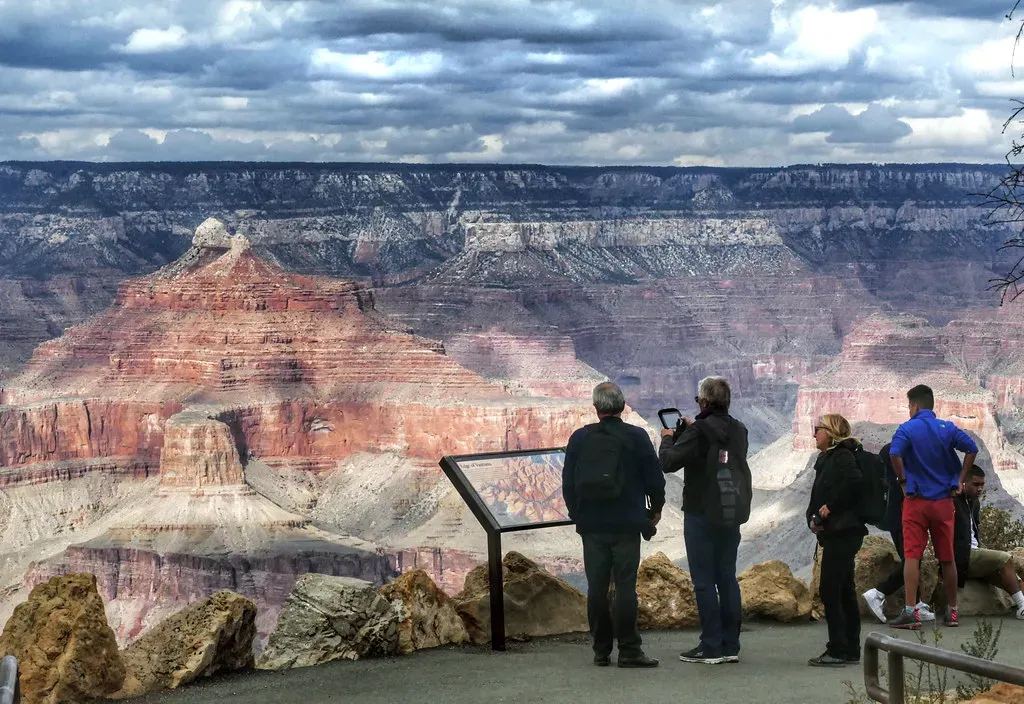
Imagine walking down a trail in the Grand Canyon and with every few steps, you move millions of years back in time. That is essentially what you do on hikes like Bright Angel or South Kaibab, where the layers you pass are not just pretty stripes but chapters in Earth’s deep history. Near the rim, you are still in relatively “young” rocks, and as you descend, you travel into older and older worlds that no human eye ever saw alive.
By the time you reach the bottom, you have crossed a span of time so long it’s hard to wrap your head around it. You go from environments shaped by ancient seas, then coastal plains, then even deeper into rocks that formed before most complex life appeared. The canyon does not just show you a slice of time; it lets you move through it vertically, the way you might leaf through a book from the last page to the very first, except here the pages are cliffs and the ink is fossilized bone and shell.
Ancient Seas and the Creatures Beneath Your Feet
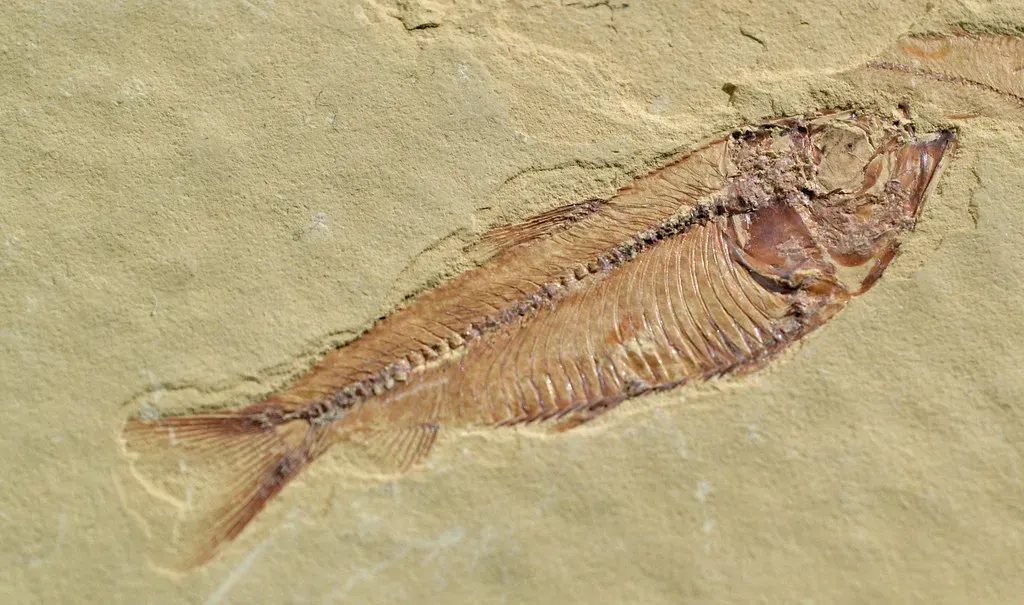
When you stand on many of the canyon’s ledges today, you’re actually standing on the floors of long-vanished oceans. Several of the canyon’s major rock layers were laid down as sediments in warm, shallow seas that once covered this region. In those seas, invertebrates such as brachiopods, crinoids, and trilobites crawled, swam, and filtered food from the water, leaving behind shells and skeletons that later turned into fossils.
As you hike and notice small, rounded shapes or delicate patterns in the limestone, you are often looking at the remains of those ancient marine communities. You might see what looks like petals or tiny beads trapped in stone, which are actually pieces of animals that lived on the seafloor hundreds of millions of years ago. Those remains tell you that the canyon’s story starts not with dry cliffs, but with bustling underwater worlds that came and went long before the Colorado River ever carved a channel.
Trilobites, Sea Lilies, and Other Forgotten Ocean Dwellers
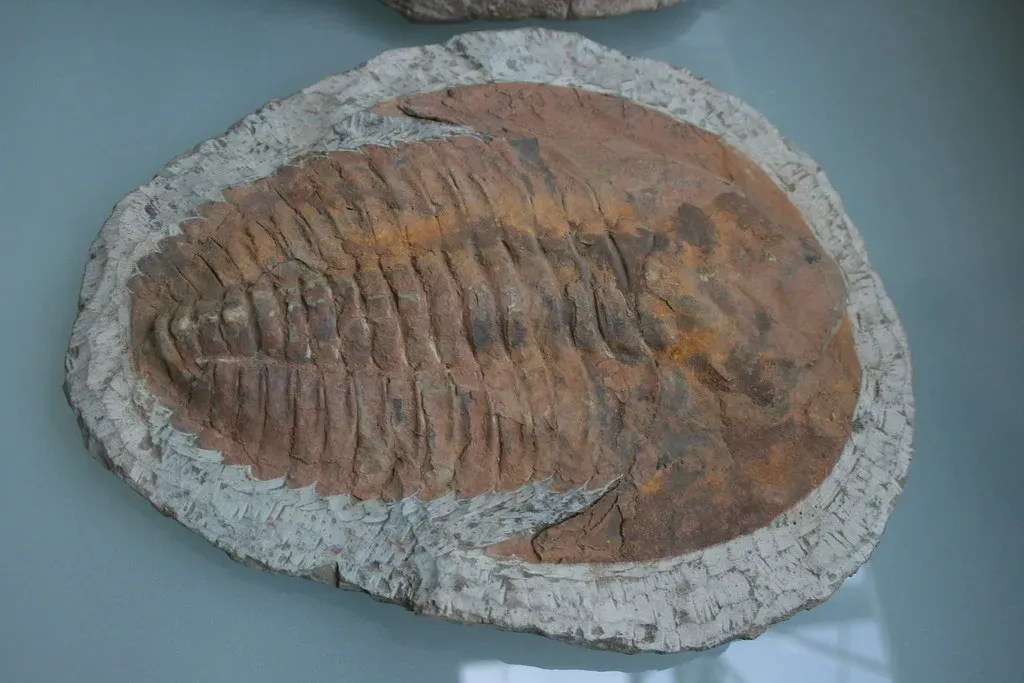
One of the most iconic prehistoric inhabitants locked in Grand Canyon rocks is the trilobite, a hard-shelled arthropod that scuttled over the seabed like a cross between a horseshoe crab and a pill bug. When you hear about fossils in the canyon, trilobite remains are some of the classic finds, often preserved as flattened, segmented impressions. These creatures lived in huge numbers, so when they died and were buried by sediment, their exoskeletons helped build up the layers you walk on today.
You also find the fossilized stems and plates of crinoids, sometimes called sea lilies, which were animals that looked like flowers on stalks anchored to the seafloor. Alongside them are brachiopods, clam-like creatures that lived in sturdy shells and filtered food from the water. When you picture these organisms together, you start to reconstruct an ancient reef-like community beneath your feet, not unlike what you’d see in a coral-rich shallow sea today, just with very different cast members.
Shorelines, Swamps, and the First Steps Onto Land
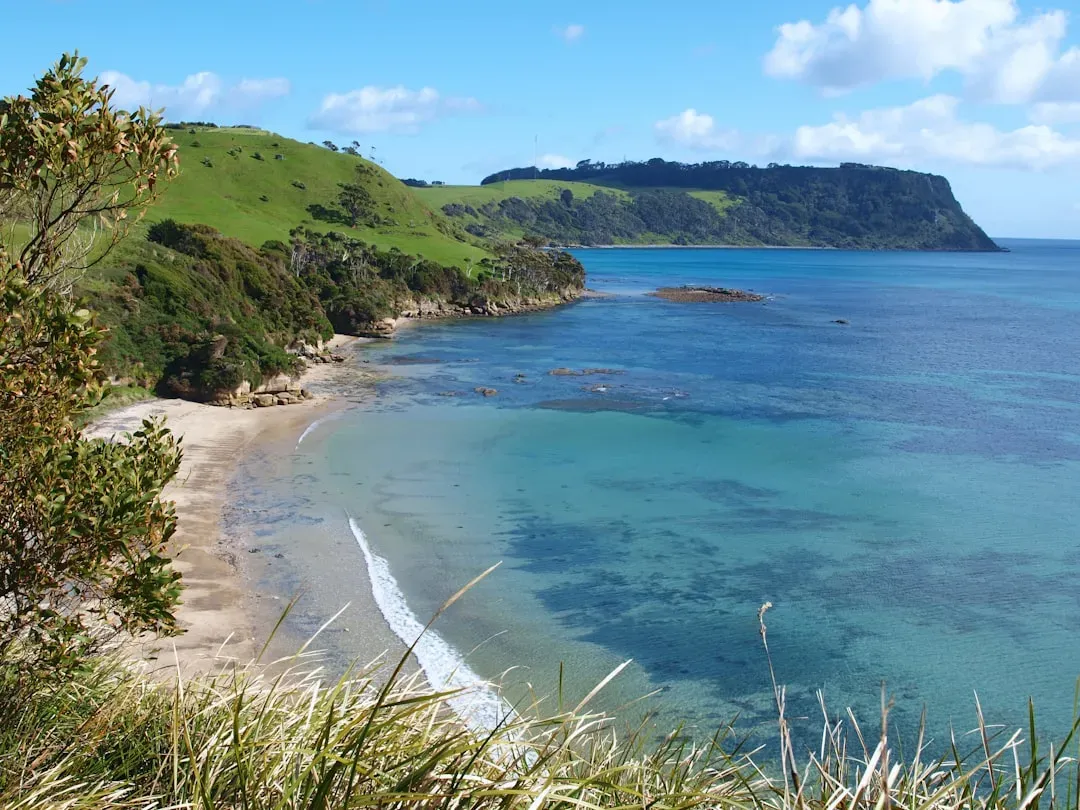
Not all of the canyon’s fossils come from deep water; some layers record coastlines, tidal flats, and nearshore environments where life was testing the boundary between sea and land. In some of these rocks, you find traces like burrows, trackways, and ripple marks that show where animals crawled through mud or where waves shaped the shore. You may not see a full skeleton, but you see the imprints of behavior, which can be even more revealing.
As you follow the story upward through time, you step into intervals when early plants and animals were beginning to colonize solid ground around the edges of those seas. Root traces, plant fragments, and certain types of track fossils suggest that these in-between zones were busy places where life adapted to shallower water, changing tides, and the first real soils. For you, those subtle marks are like footprints in half-remembered dreams, hinting that the shift from purely marine life toward land-based ecosystems was already underway here.
Reptiles, Amphibians, and Mysterious Footprints in the Stone
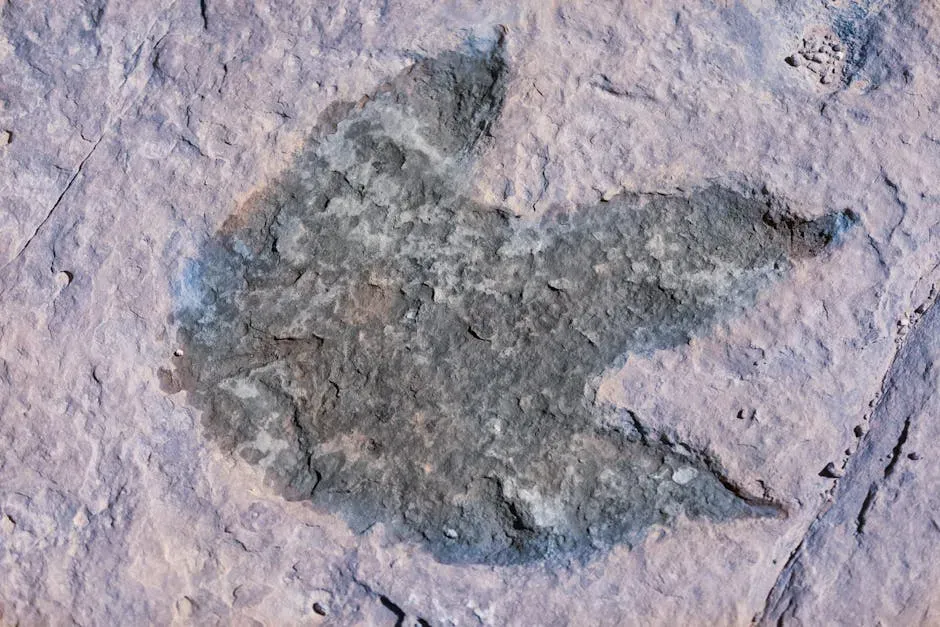
As Earth’s history moved forward, vertebrates like amphibians and early reptiles became part of the Grand Canyon region’s story, even if their bones are far rarer than shells. Some rock surfaces in and near the canyon preserve trackways that researchers interpret as the footprints of early four-legged animals walking on sand dunes or coastal plains. When you look at these prints, you can almost imagine a lizard-like creature pausing, turning, and continuing on its way across a landscape that is now turned to stone.
These track fossils give you a glimpse of the first confident steps taken on land long before mammals or dinosaurs appeared. You are not just seeing random marks; you are seeing evidence of animals that breathed air, carried their bodies on limbs, and hunted or foraged in environments that alternated between wet and dry. To appreciate those faint trails is to realize that the canyon’s deeper story isn’t only about oceans; it is also about the earliest experiments in land-based life surviving and thriving in harsh conditions.
Fossils of the Ice Age: Mammoths, Giant Sloths, and Early Humans
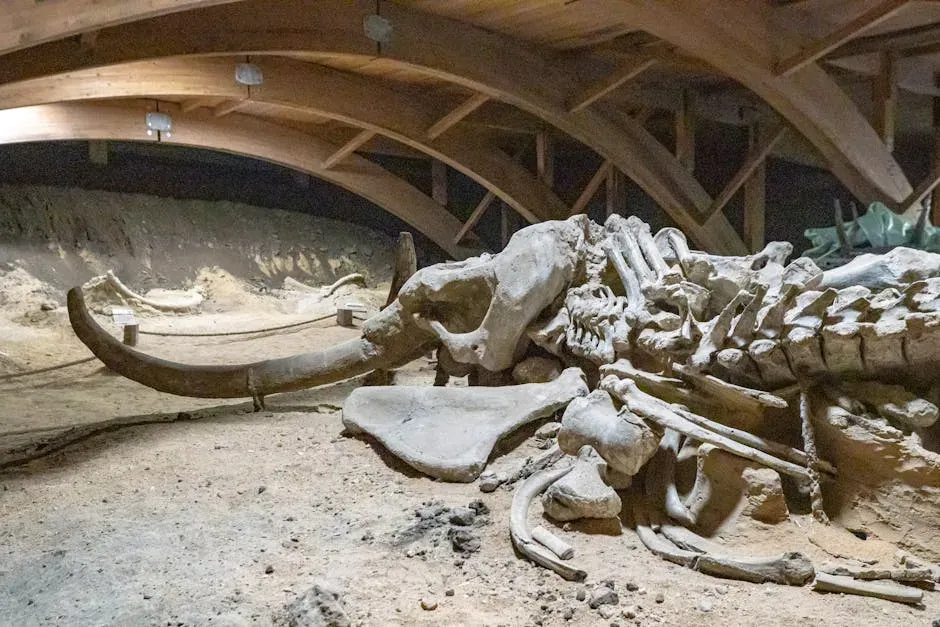
Fast forward to the more recent Ice Age, and the canyon’s inhabitants start to look more familiar, even if they were much larger than what you see today. In caves and sediments around the Grand Canyon region, researchers have found remains of mammoths, giant ground sloths, and other large mammals that roamed the plateaus and valleys. You can picture shaggy, tusked giants and towering sloths browsing on vegetation where you now drive, camp, and hike.
During this same broad window of time, early humans and their ancestors were present in the greater region, adapting to changing climates and landscapes. While the canyon’s Ice Age record is not as rich in dramatic skeletons as some other sites, you still encounter clues in bones, dung, and other preserved remains that speak of a very different ecosystem. When you stand at a viewpoint and feel the wind, it’s worth remembering that people, mammoths, and sloths all once shared versions of this environment, each trying to make a living in their own way.
Ancient Peoples and Their Connection to an Even Older Landscape
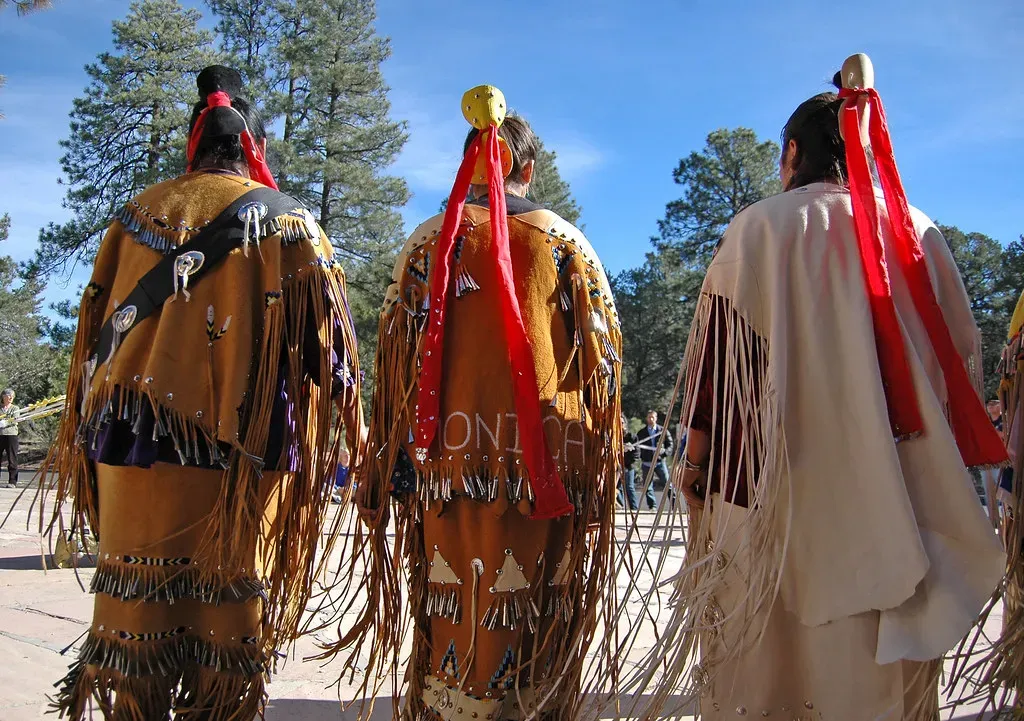
Long after mammoths vanished, Indigenous peoples developed deep relationships with the Grand Canyon, building homes, farming, and traveling through the same terrain that hides all those older fossils. When you explore sites in and around the canyon, you see cliff dwellings, pottery fragments, rock art, and other traces of cultures that understood this landscape in ways modern visitors are only beginning to grasp. For many tribal nations, the canyon is not just scenery; it is an ancestor, a relative, and a living presence that connects past and present.
As you think about prehistoric animals in the canyon, it’s important to recognize that many Indigenous stories and traditions also carry ancient insights about the land. Those perspectives often treat the rocks, animals, and rivers as part of an interconnected whole rather than just objects to be studied. When you combine scientific evidence from fossils with long-held cultural knowledge, you get a richer sense that the canyon’s past is not just buried in stone; it also lives on in memory, language, and ongoing stewardship.
How You Can Read the Rocks Like a Storybook
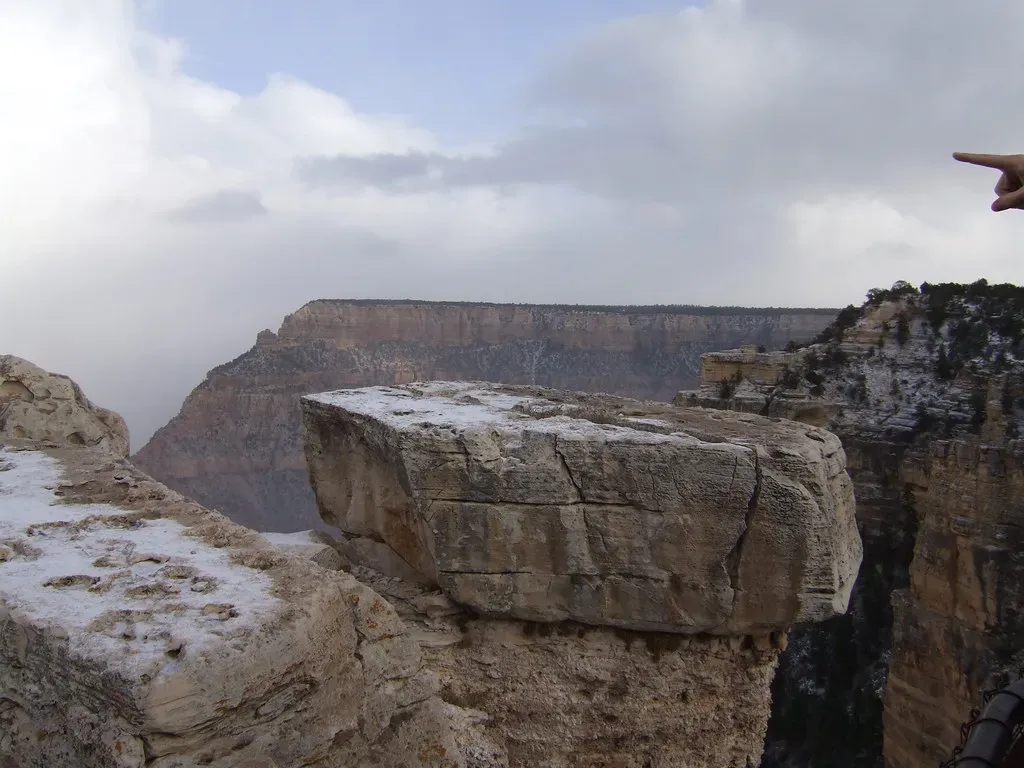
Once you know what to look for, the Grand Canyon stops being a random pile of rocks and starts reading more like a layered storybook you can learn to interpret. You begin by paying attention to color changes, the thickness of layers, and the types of rock, because each combination points to a different ancient environment. Limestones often signal seas, sandstones can record beaches or deserts, and mudstones might tell you about floodplains or quiet shallows.
As you connect those rock types with the fossils they hold, you’re effectively teaching yourself to see life where most people only see scenery. A small shell imprint here, a ripple pattern there, a strange pattern that turns out to be a crinoid stem – all of these are sentences in the canyon’s long narrative. The more you practice, the more confidently you can say, “This was once a sea,” or “Here, animals walked on soft sand,” and in doing so, you bring those lost worlds a little closer to the present.
Why This Deep Past Matters to You Today
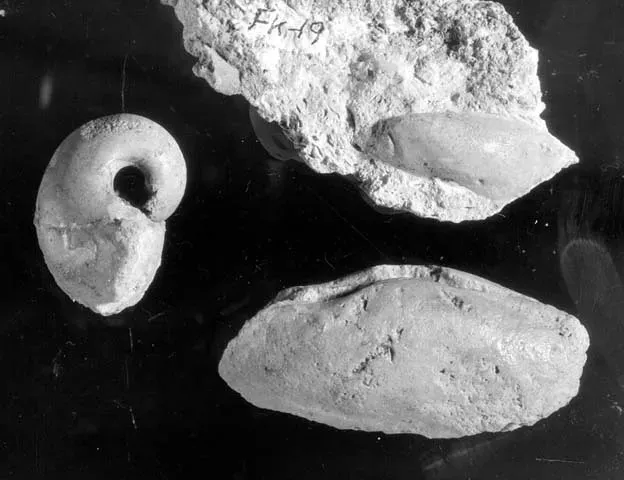
It might seem like the trilobites, sea lilies, and Ice Age giants of the Grand Canyon have nothing to do with your life now, but they quietly reshape how you think about time and change. When you realize that entire oceans and ecosystems rose and vanished in the same place you are standing, everyday problems start to feel smaller, but the stakes for caring for the planet feel bigger. You begin to see that Earth has always changed, yet living things – including you – have had to adapt or disappear.
Understanding this deep history can also make you a more attentive and respectful visitor. Instead of rushing from viewpoint to viewpoint, you start to slow down and notice the rock layers and the stories they encode. You might feel a responsibility to support protection efforts, listen to Indigenous voices, and treat the canyon not as a theme park but as a rare archive of life on Earth. In that sense, the prehistoric inhabitants you never meet still influence how you move through the world today.
Conclusion: Standing at the Edge of Deep Time
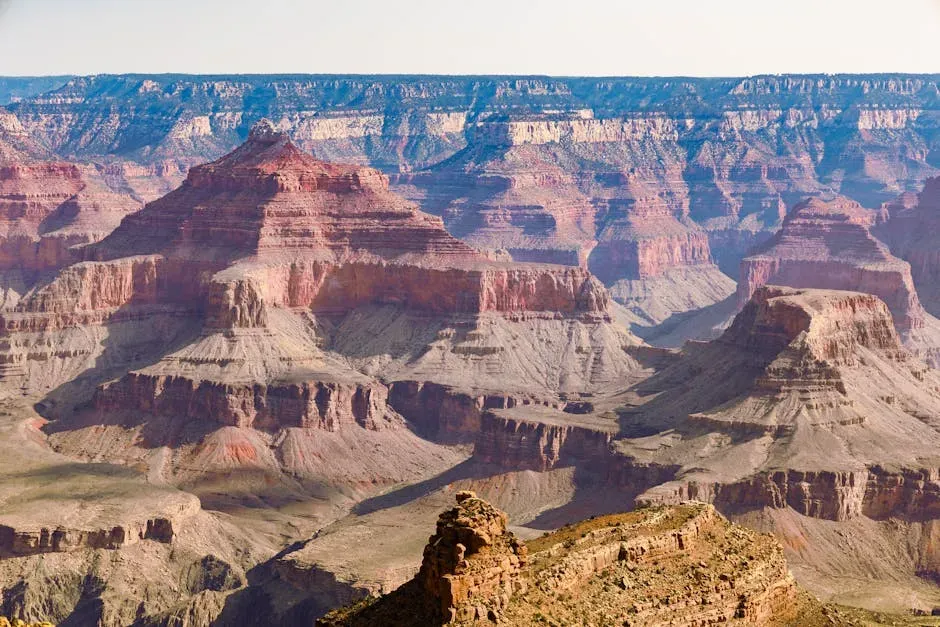
When you put all these pieces together – the ancient seas, the early land animals, the Ice Age giants, and the human histories layered on top – you start to see the Grand Canyon as far more than a dramatic cut in the desert. You are really standing at the edge of deep time, looking into a cross section of Earth’s memory, where each fossil and rock band is a line in a story that began long before your species existed. That realization can be humbling, but it is also strangely comforting, because it reminds you that you are part of a much longer continuity of life adapting to a restless planet.
The next time you visit, or even just look at a photograph, you can let your imagination run down those trails and into those layers, picturing creatures and worlds that will never return but still whisper through the stone. If you learn to listen, the canyon will talk to you about survival, extinction, resilience, and connection across staggering spans of time. And once you hear that quiet, ancient conversation, you may never look at a cliff, a fossil, or even your own brief moment in history the same way again – what hidden past will you notice first when you stand on the rim?