
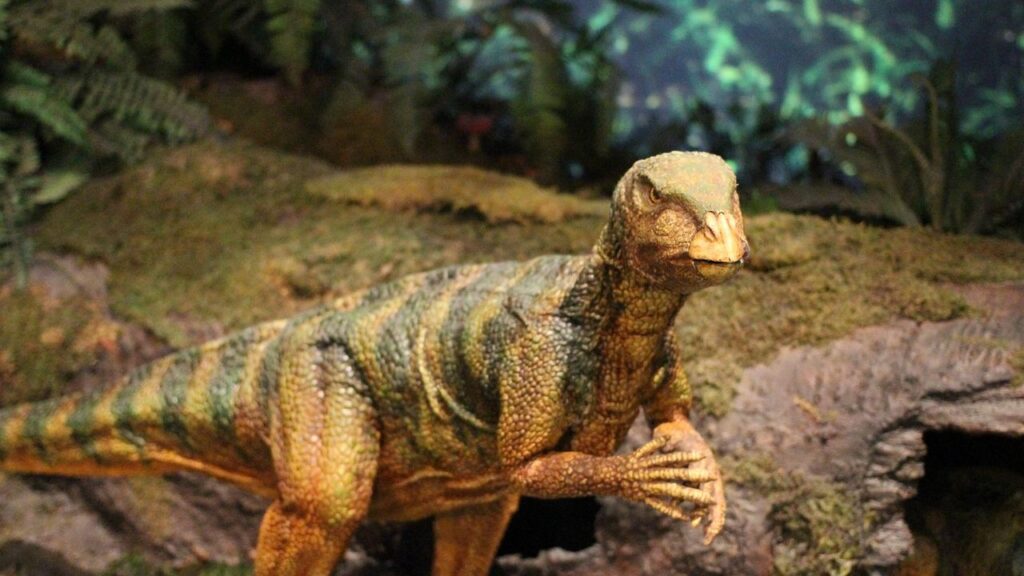
You probably know the celebrity dinosaurs by heart: Tyrannosaurus, Triceratops, Velociraptor, maybe even Spinosaurus. But behind those star names is a huge cast of creatures that almost never make it into documentaries or toy shelves. Their bones sit in drawers, in out‑of‑the‑way quarries, or in newly translated scientific papers that most people never read. If you want to feel like you’ve stepped behind the curtain of prehistory, these are the dinosaurs you need to meet. Their fossils fill in awkward gaps in the story of how giants evolved, how birds took to the sky, and how different continents once shared surprisingly similar wildlife. As you read, you’ll notice something fun: the more obscure the dinosaur, the stranger and more vivid the ancient world starts to feel.
1. Huadanosaurus: The Feathered Predator That Died Mid‑Meal
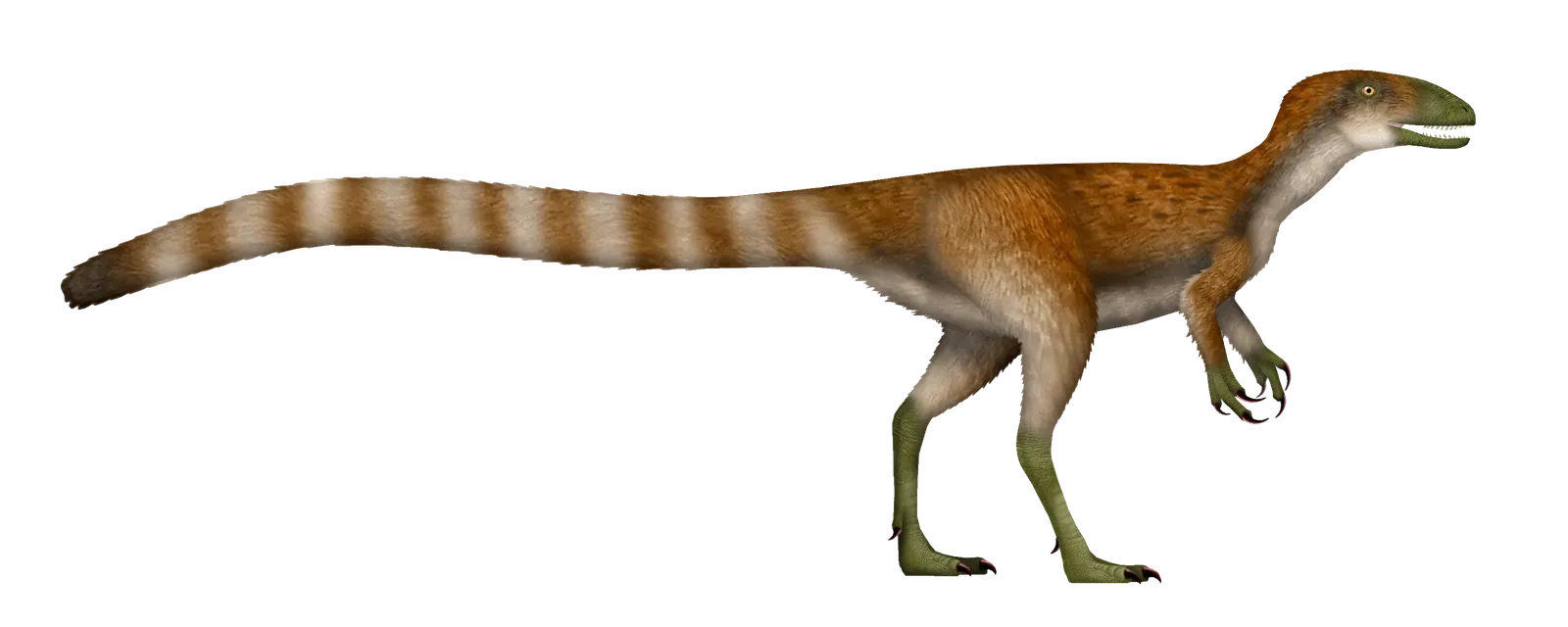
Imagine looking at a fossil and realizing you’re not just seeing the predator, you’re also seeing what it ate for dinner. That is what you get with Huadanosaurus, a feathered, bird‑like predator from what is now China. You’re looking at an early member of the group of small, agile theropods that sat close to the bird side of the dinosaur family tree, covered in filamentous feathers rather than big scales.
What really grabs you, though, is its last meal: inside its ribcage, paleontologists found the skeletons of two tiny mammals. You’re not just staring at bones; you’re catching a frozen crime scene from roughly one hundred twenty million years ago. It pulls you straight into a Cretaceous night where small, warm‑blooded hunters were already stalking other small, warm‑blooded prey, long before humans ever showed up.
2. Fujianvenator: The “Weird Hunter” That Scrambles Bird Evolution
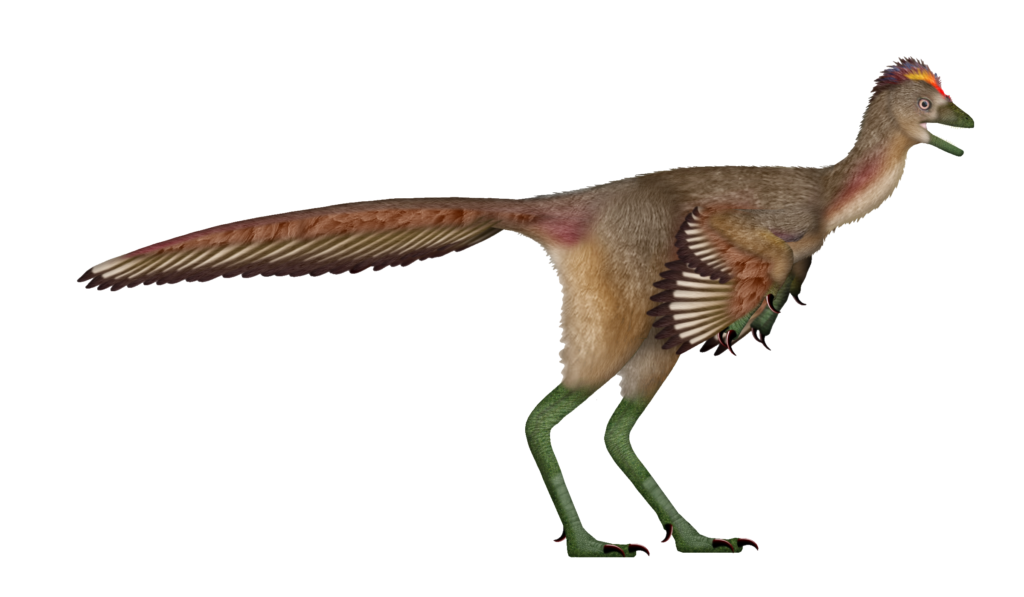
When you think of early bird relatives, you probably picture something like a small raptor with feathered wings gliding between trees. Fujianvenator, discovered in southeastern China, completely messes with that mental image. Its skeleton shows it was an early bird‑line dinosaur, but parts of its body, especially its legs, look stretched and specialized in odd ways, as if you mashed together a runner and a wader.
This leaves you with a wild possibility: instead of just gliding through forests, some early bird‑like dinosaurs may have sprinted through wetlands or picked their way through shallow water. The animal forces you to drop the neat, straight‑line story you’ve probably heard about bird evolution. Instead, you have to picture an experiment‑filled world where different body plans were tried, abandoned, or pushed in bizarre directions before modern birds finally settled on their winning formula.
3. Spinosaurus mirabilis: The Desert Giant You’ve Never Met
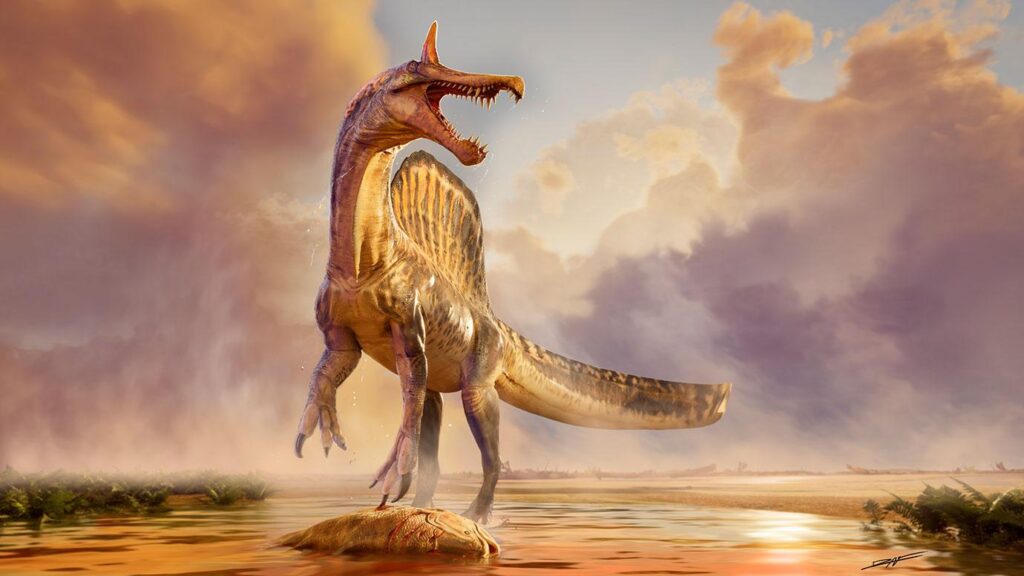
You’ve almost certainly heard of Spinosaurus, the sail‑backed river monster. What you probably have not heard is that scientists recently named a new species within that famous genus: Spinosaurus mirabilis, known from Niger in the Sahara. You’re not dealing with some random foot bone; you’re looking at remains that hint at an enormous predator with its own distinctive crest and proportions, separate from the classic North African form.
This desert species reminds you that even the “big names” in dinosaur lore aren’t just single characters; they can be entire lineages spread across time and geography. When you picture Spinosaurus now, you have to imagine different regional versions, each adapted to its own rivers and floodplains. The story suddenly feels less like a single monster movie and more like a complex family saga unfolding across a whole continent.
4. Baiyinosaurus: The Quiet, Armored Grazer from Jurassic China
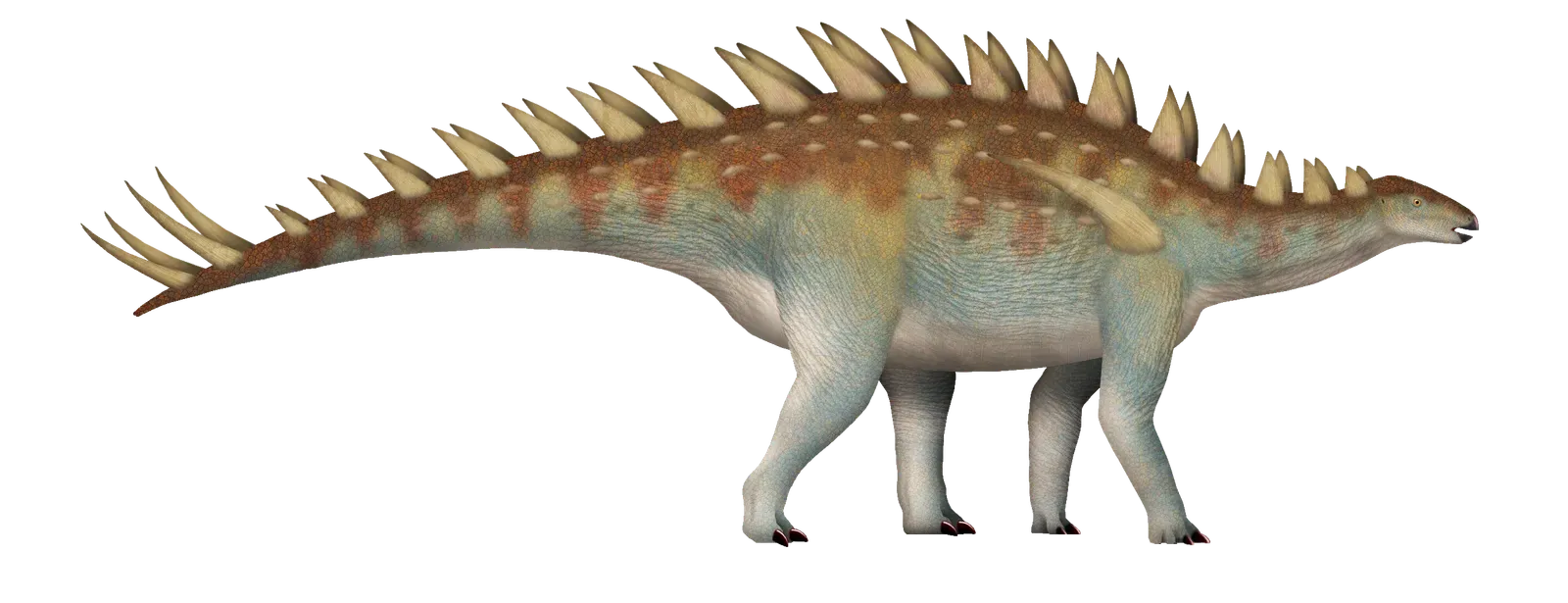
When you think of plated dinosaurs, Stegosaurus probably pops into your mind first, dragging its spiky tail through Late Jurassic Colorado. Baiyinosaurus, a recently named stegosaur from Gansu Province in northwestern China, quietly tells you that this style of plant‑eating armor was far more widespread and varied than one iconic species. Its bones, coming from rocks laid down in the Middle Jurassic, push the presence of stegosaurs into a time and place you might never have suspected.
By adding this little‑known herbivore to your mental map, you can start to see entire herds of low‑browsing, plate‑backed dinosaurs spreading across ancient Asia. Instead of assuming that “real” stegosaurs are only in North America or western Europe, you get to picture a broader, messier reality: early armored grazers experimenting with different plate shapes and body sizes while sauropods and other big plant‑eaters shuffled nearby.
5. Qianjiangsaurus: The Duck‑Billed Dinosaur with a Built‑In Sound System
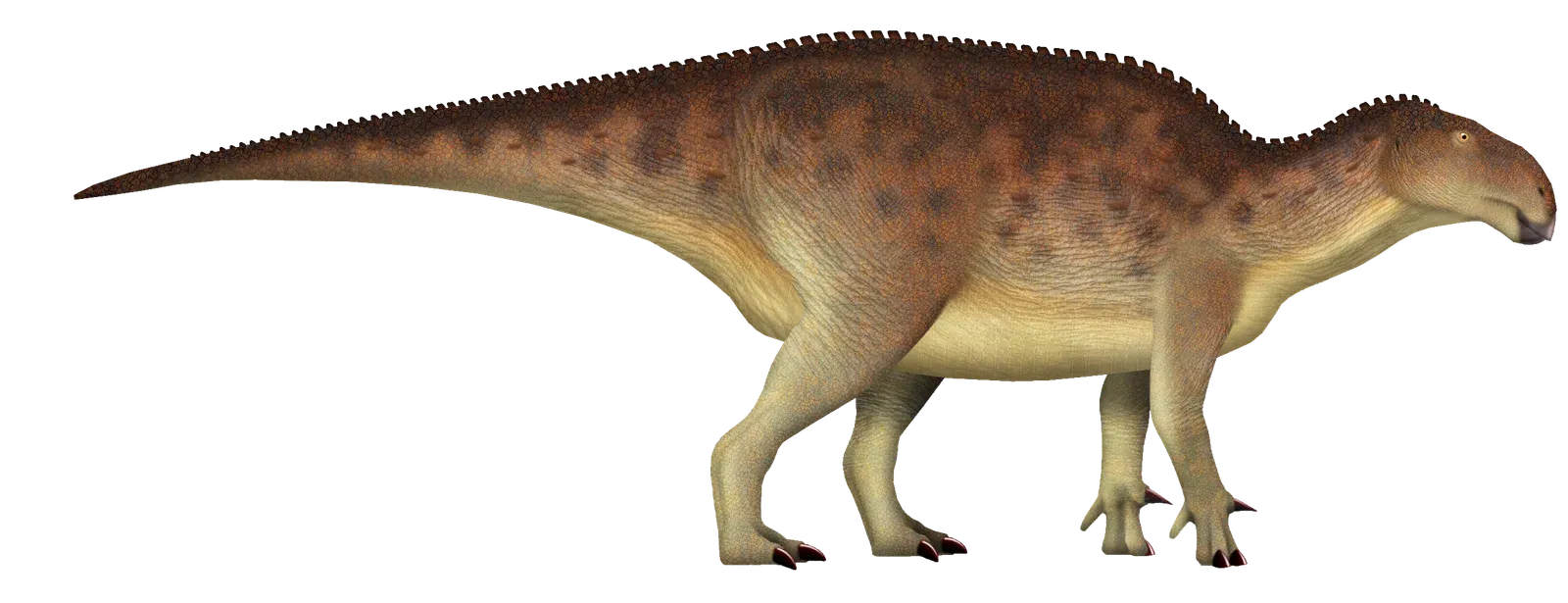
You already know the stereotype of duck‑billed dinosaurs: gentle herd animals chewing plants and honking through hollow crests. Qianjiangsaurus, discovered in southwestern China, takes that idea and drops it into a much earlier, more primitive branch of the group. It sits outside the classic, fully developed hadrosaur family but still shows signs of a hollow crest in its skull, like a half‑finished musical instrument.
When you picture this animal, you’re seeing the early stages of one of the strangest dinosaur inventions: resonating tubes in the head that could amplify calls. Instead of a silent, drab herbivore, you can imagine an animal capable of low, echoing sounds across floodplains, long before its more famous relatives evolved the full, elaborate “duck‑bill” package. It lets you appreciate evolution as a tinkering process you can almost eavesdrop on.
6. Yizhousaurus: The Almost‑Giant on the Road to Sauropods
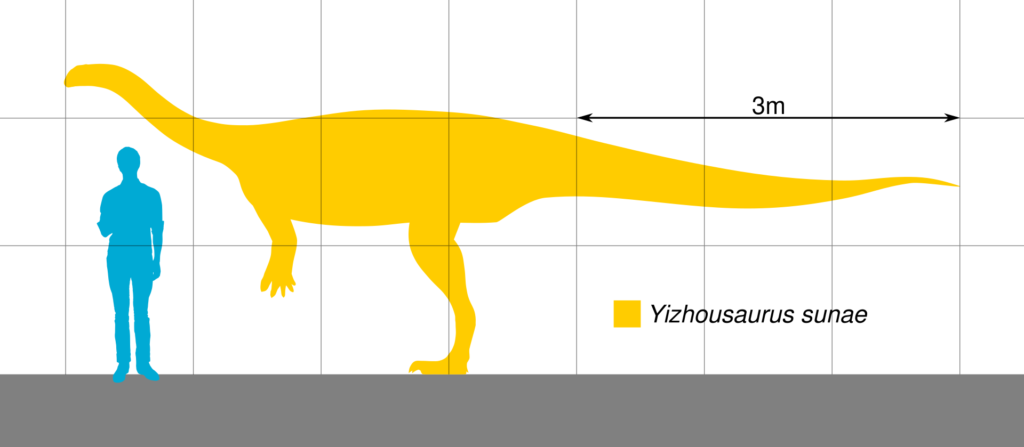
Sauropods, the classic long‑necked giants, feel almost unreal with their massive bodies and tiny heads. Yizhousaurus, from early Jurassic rocks in China, drags you back to a time when that extreme look was still under construction. It has a skull that already leans toward the sauropod style, but its body is a little less extreme, closer to the more general “prosauropod” dinosaurs that came before.
By meeting Yizhousaurus, you get to watch the transition from mid‑sized, two‑leg‑capable plant‑eaters into the full‑blown four‑legged behemoths that would later dominate whole ecosystems. You can see the neck stretching, the skull adapting to heavy plant‑based diets, and the limbs trending toward pillar‑like supports. It’s like catching an evolutionary rehearsal before the main performance of the truly colossal sauropods you already know.
7. Huadanosaurus’s Cousins: The Early Feathered Crowd in Your Blind Spot
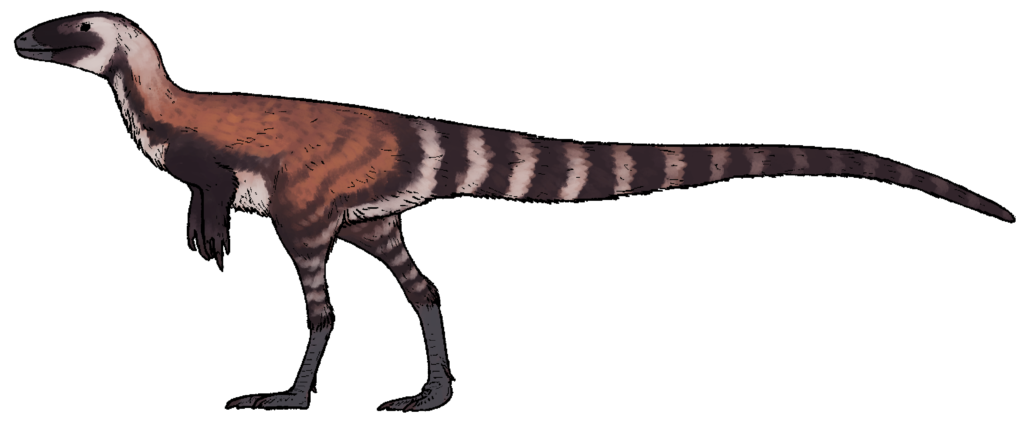
Once you learn that Huadanosaurus existed, you realize it was not alone. It belonged to a broader group of small, feathered predatory dinosaurs in northeastern China that rarely get named outside technical papers. When you look at these animals together, you start seeing dense ecosystems full of bird‑like hunters, more like a tangled thicket of evolutionary experiments than a simple ladder leading to modern birds.
For you, the important shift is mental: instead of picturing early feathers as a rare, strange feature, you have to imagine them as common equipment among many small theropods. These creatures flitted through forests, chased insects and mammals, and probably flashed patterns of color you’ll never fully recover from the rock record. The “background cast” suddenly feels just as dynamic and important as the stars of the dinosaur world.
8. An Unnamed “Mystery Dinosaur” from the Museum Basement
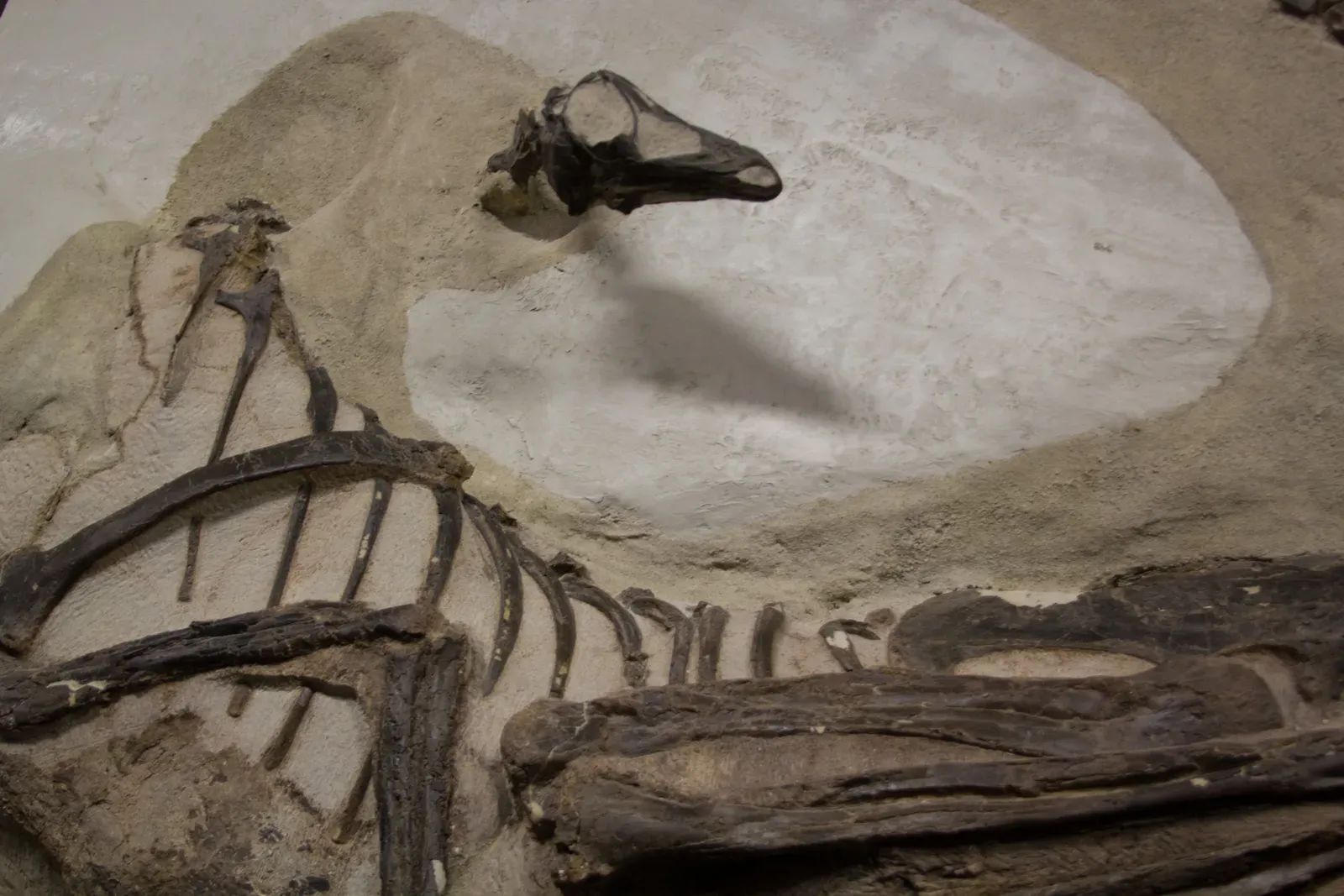
Uploaded by FunkMonk, CC BY 2.0)
If you walked into a big natural history museum today and wandered behind the exhibits, you’d find rows of bones in storage, many with labels that quietly say things like “indeterminate” or “cf. [similar genus].” Some of these have already turned out to be completely new dinosaurs once someone finally took a fresh look at them. One recent example involved material that had been casually linked to a known small ornithischian, only for careful study to reveal a distinct, newly named species.
When you think about those shelves, you start to realize that “new dinosaur discoveries” are not just happening in windswept deserts. They’re also happening in cardboard boxes and old cabinets where specimens have sat for decades. For you, that means the dinosaur list you grew up with is guaranteed to keep changing, not simply because new fossils are being dug up, but because old ones are finally getting the attention they always deserved.
9. The Last Giants and the Lost Names You Will Hear Next
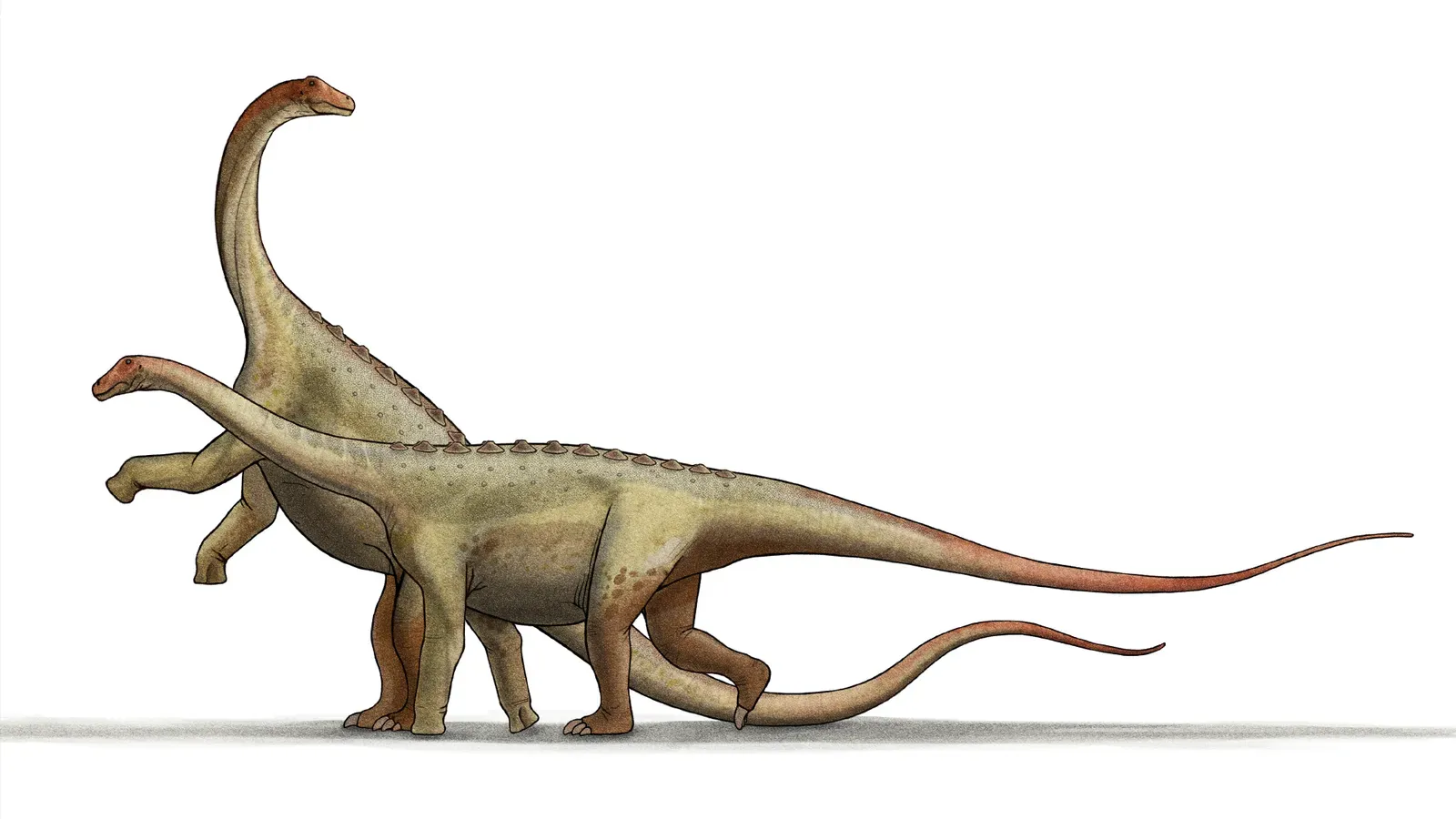
In recent years, paleontologists have described long‑necked sauropods in Europe that lived right up near the end of the Cretaceous, among the last truly huge land animals on that continent. One such dinosaur, known from an unusually complete skeleton, helps you picture towering herbivores still lumbering along river valleys while the asteroid impact that would end their world loomed in the geological near future. You’re peeking into the final chapters of the dinosaur age, and it is not empty or fading; it is still packed with giants.
That same pattern repeats all over: odd armored species from North Africa, new horned dinosaurs from North America, and strange spinosaur relatives popping up in places you never associated with semi‑aquatic predators. For you, the takeaway is simple but thrilling: every year, the list of species you have never heard of grows faster than the one you know. The dinosaurs you learned in childhood are just the table of contents, not the whole book.
Conclusion: Your Dinosaur World Just Got Bigger
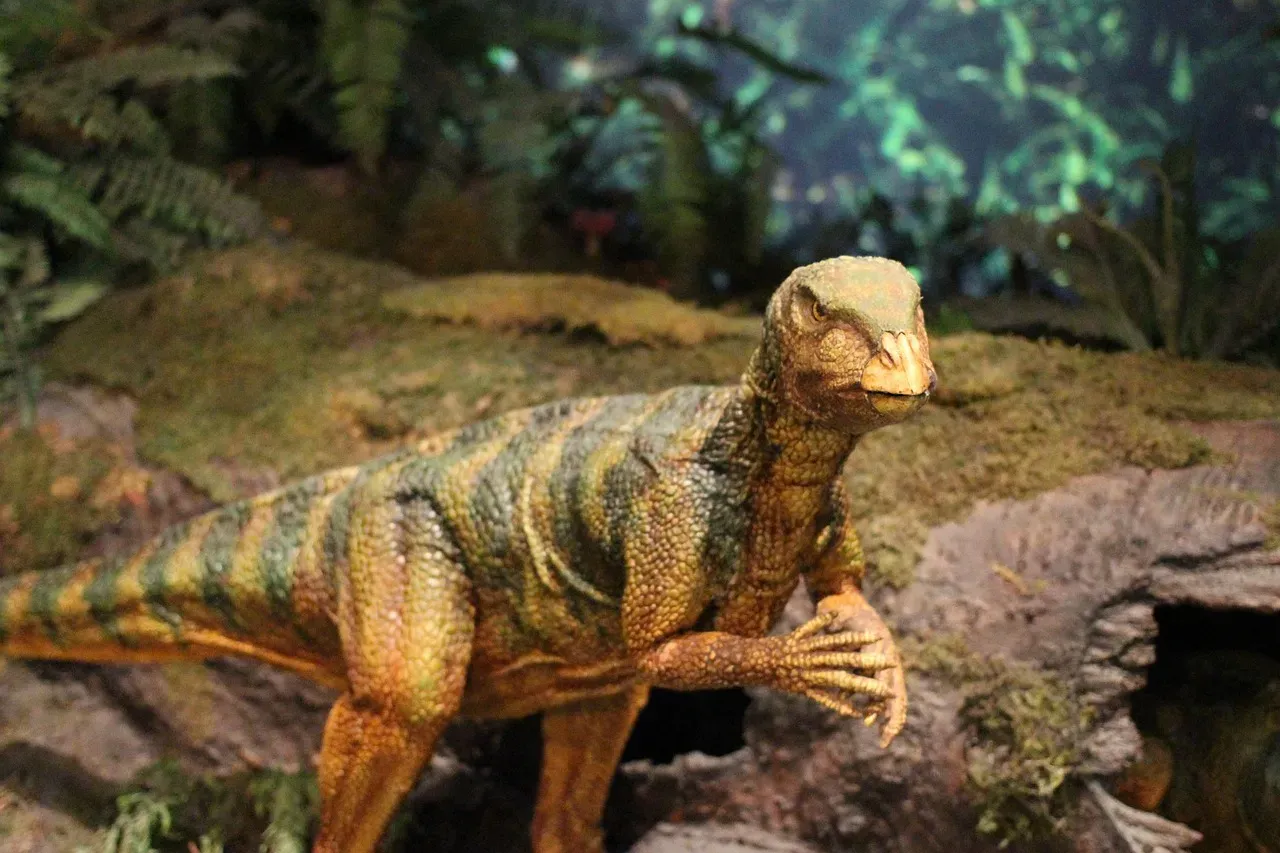
When you pull all these obscure names together, you start to see dinosaurs less as a handful of blockbuster monsters and more as a sprawling, messy, living world. You’ve met early feathered predators dying mid‑meal, half‑finished sauropod giants, armored grazers far from the famous quarries, and bizarre bird‑line oddballs that force you to rewrite neat evolutionary stories in your head. Each one turns the past from a simple backdrop into a detailed landscape full of sounds, colors, and dramas you can almost feel.
The best part is that this list will be out of date sooner than you think. Somewhere, right now, a researcher is prepping a new fossil, or reexamining an old one, and realizing they’re holding yet another species you have never heard of. If a few forgotten bones can change how you see the entire dinosaur age, what will the next batch do to your picture of life on Earth?