
If you could step into a time machine and roll the clock back hundreds of millions of years, the first thing that would shock you is the map. The world you know today, with its familiar outlines of continents, simply did not exist. Continents were fused into supercontinents or torn apart into drifting islands of land, and those slow-motion collisions and breakups ruled where dinosaurs could live, what they ate, and even how they evolved.
When you hear about dinosaurs, you usually picture teeth, claws, and maybe feathers, but the real puppet master behind their story is plate tectonics. Moving plates reshaped coastlines, raised mountain chains, opened shallow seas, and isolated populations in ways that completely rewrote the rules of survival. Once you start seeing dinosaurs through the lens of drifting continents, the whole Mesozoic world suddenly feels a lot more alive, messy, and surprisingly familiar.
A World on the Move: Understanding Plate Tectonics in the Dinosaur Era
You live on a planet whose surface is broken into giant slabs of rock called tectonic plates, and during the age of dinosaurs those plates were every bit as restless as they are today. Deep inside Earth, heat causes rock to slowly flow, a bit like thick syrup, and that motion drags the plates around at the speed your fingernails grow. Over millions of years, those tiny yearly movements add up to continents drifting across entire oceans.
When you imagine the dinosaur world, you cannot freeze it as a single snapshot in time. During the Mesozoic Era, which lasted from roughly about a quarter of a billion years ago to about sixty-six million years ago, continents came together into massive supercontinents and then slowly drifted apart again. As plates collided or pulled away, they created mountain ranges, rift valleys, and new ocean basins, and every one of those changes reshaped dinosaur habitats in ways you can still trace in the rocks today.
From One Supercontinent to Many Worlds: Pangea and Its Breakup
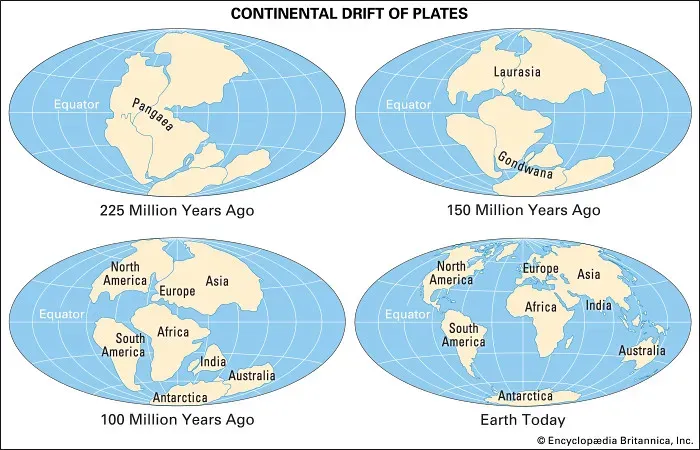
At the dawn of the dinosaur story, you would have stood on a world dominated by one enormous landmass called Pangea. If you walked from what is now North America into what is now Africa, you would not have crossed any ocean at all, just a vast continuous continent stretching almost from pole to pole. For early dinosaurs, this meant you had massive interior regions with dry, seasonal climates and far fewer coastal zones than you see on Earth now.
As time passed, Pangea began to crack apart along huge rifts that eventually filled with water and turned into new oceans. You can think of it like a giant bread loaf splitting and drifting into separate slices: first into northern and southern halves (Laurasia and Gondwana), and then into the continents you now recognize. Each new split isolated dinosaur populations, limited their movements, and allowed distinct regional ecosystems to form, which is a big reason you find different kinds of dinosaurs in places like South America, Asia, and Africa during the later part of the Mesozoic.
Climate Carved by Continents: How Plate Positions Controlled Weather
When you shift continents around, you are not just rearranging land, you are rearranging climate systems. During the time of Pangea, much of the interior of the supercontinent sat far from the cooling influence of oceans, so you would have experienced extreme seasonal swings – hot, dry interiors with strong monsoons near the margins. That kind of climate shaped early dinosaur habitats into broad, open landscapes with seasonal rivers and floodplains where only hardy plants and tough, mobile animals could thrive.
As continents moved apart, new coastlines appeared and shallow seas flooded low-lying areas, especially during times when sea level was high. Those changes smoothed out some of the temperature extremes and created humid coastal belts, inland seaways, and lush, wet environments. When you picture long-necked sauropods wandering through fern-filled floodplains or duck-billed dinosaurs browsing near coastal marshes, you are really looking at the climate consequences of continents drifting into different positions under the Sun and around the poles.
Ocean Gateways and Inland Seas: When Water Split Dinosaur Populations
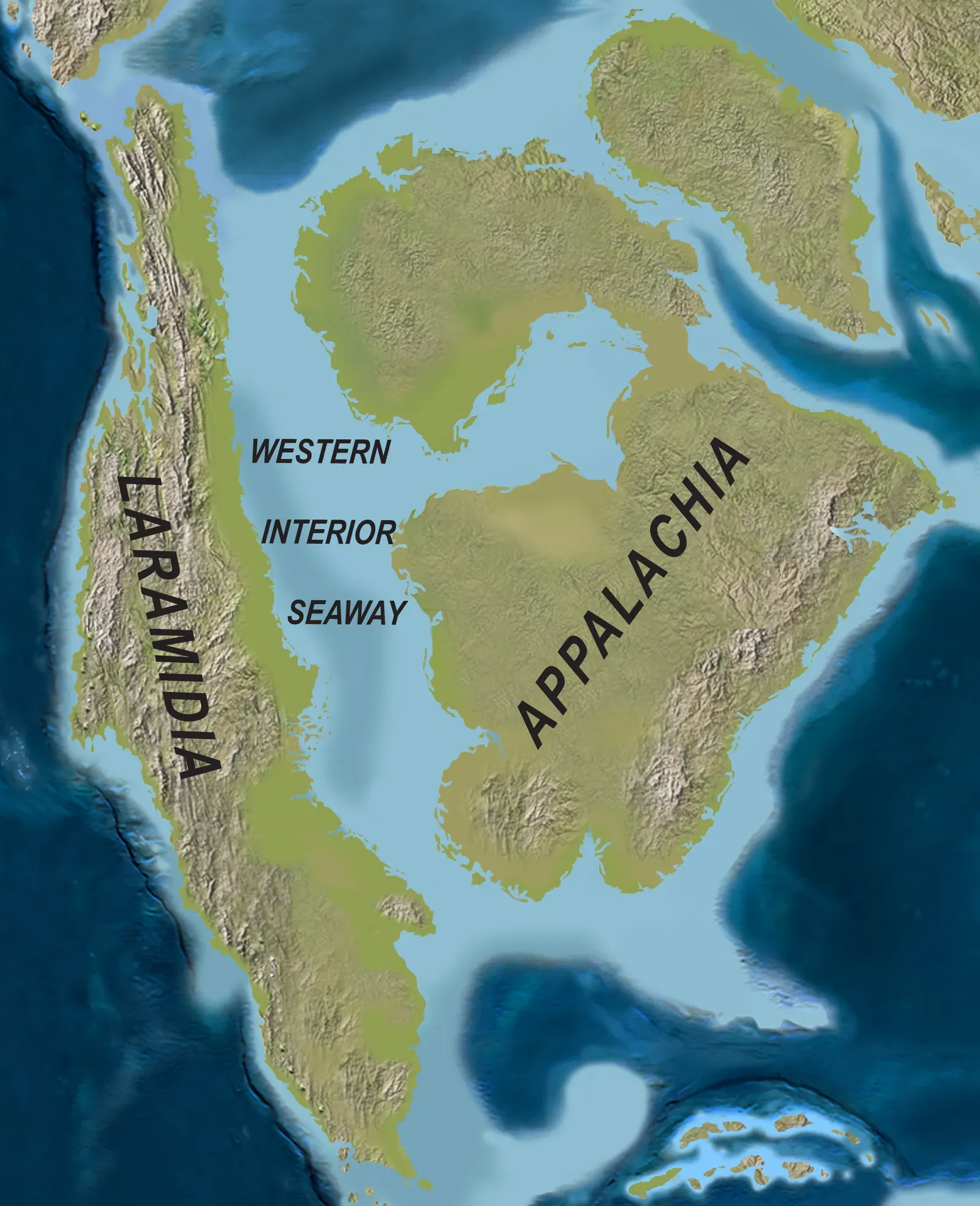
As plates shifted, they did more than sculpt continents; they also opened and closed ocean gateways that controlled how water and heat moved around the globe. When new oceans formed or narrow seaways opened, warm currents could flow into higher latitudes and shallow inland seas could spill over low continental areas. For you, that means regions that might once have been dry land transformed into vast marine habitats, with narrow strips of coastal plains where dinosaurs clung to the edges.
One striking example you can picture is the broad inland sea that once cut North America into eastern and western landmasses during the Late Cretaceous. That seaway turned the center of the continent into a shallow ocean, isolating dinosaur communities on either side. Over time, the east and west developed different dinosaur faunas, even though they started with similar ancestors, all because a plate-driven sea had split their world in two.
Mountains, Volcanoes, and Resource-Rich Valleys: Building Dinosaur Hotspots
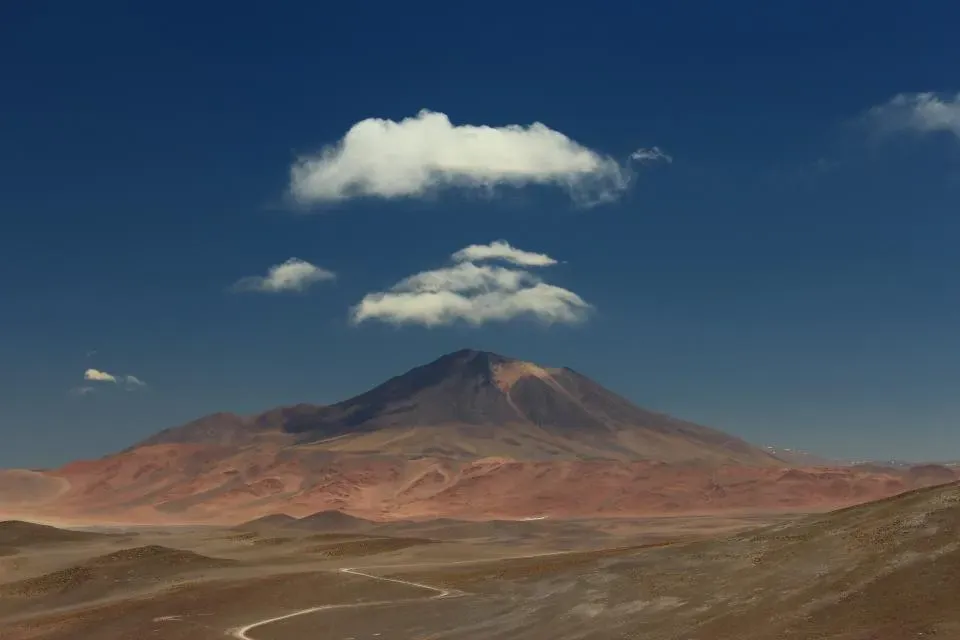
When continents collide, you do not just get new shapes on a map; you get exploding mountain ranges. As plates crash together, rock crumples and thickens, rising into towering chains like the ancient ancestors of the Rockies, Andes, and Himalayas. For dinosaurs, mountains often acted like natural walls, blocking migration and funneling populations into certain corridors, which is how you get regional clusters of species that evolved in relative isolation.
These same tectonic collisions and rifting zones also fed volcanic activity, which poured ash and lava over the land but, in the long run, created fertile soils in their wake. In many places, valleys and basins along active plate boundaries became rich, plant-filled environments, a bit like modern volcanic regions that support lush forests and productive farms. If you imagine herds of herbivorous dinosaurs crowding fertile floodplains bordered by rugged highlands, you are seeing the fingerprints of mountain building and volcanism on their favorite feeding grounds.
Isolation and Evolution: Why Different Continents Bred Different Dinosaurs
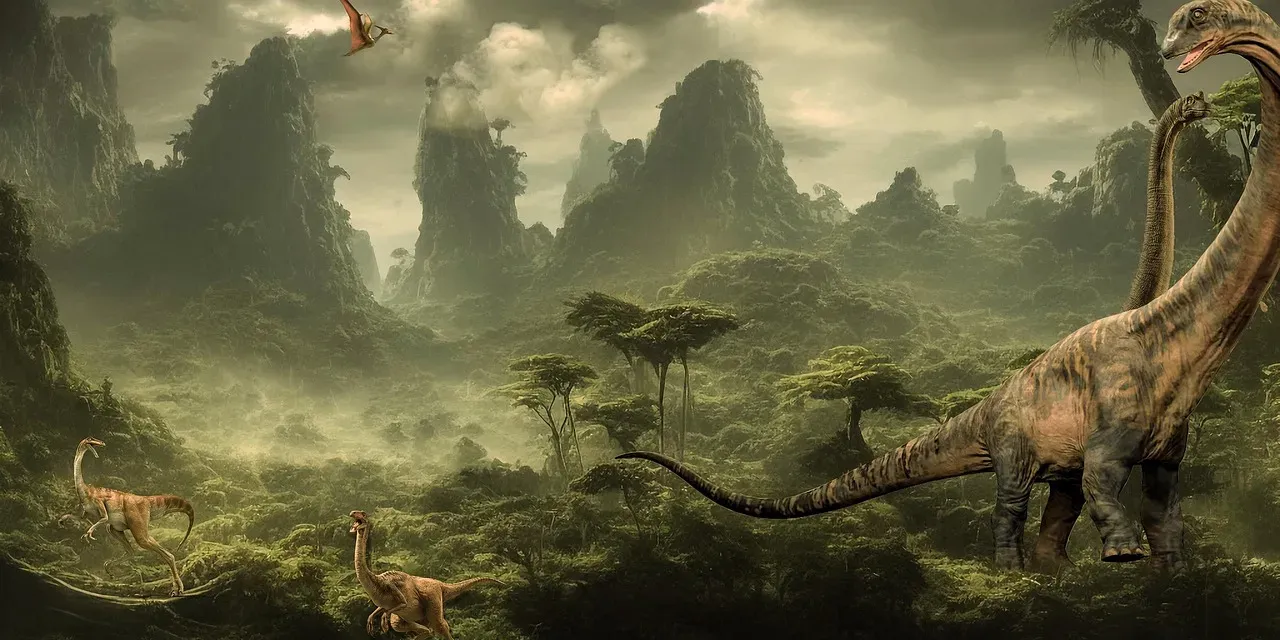
Once Pangea split into separate continents, dinosaurs were no longer roaming a single connected super-land. Instead, you had distinct landmasses like South America, Africa, and Madagascar drifting along on their own plates, and that geographic isolation acts a lot like a laboratory for evolution. When populations are cut off from each other by oceans, mountains, or inland seas, they face different climates, different vegetation, and different predators, and they adapt in different ways over millions of years.
This is why you see certain dinosaur groups flourishing in some regions and not in others as the Mesozoic progresses. For example, some large carnivorous lineages became particularly dominant in southern continents, while other predator groups and horned or duck-billed herbivores took off in northern landmasses later on. When you compare fossils from places like Patagonia, Mongolia, and Europe, you are really reading the evolutionary consequences of continents wandering off on their own tectonic journeys.
Polar Forests and Unlikely Neighbors: Life at the Edges of the Mesozoic World
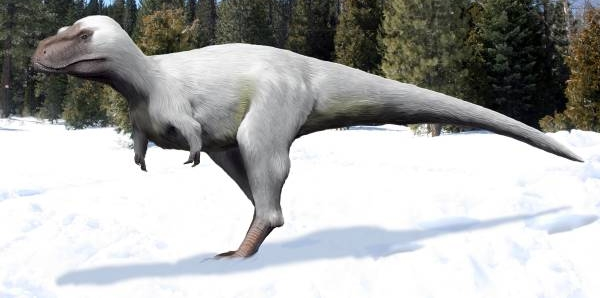
Because plates move, continents drifted toward and away from the poles during the age of dinosaurs, and that created some surprisingly mild polar regions. In certain intervals of the Mesozoic, Earth’s climate was warm enough that you would have found forests, rivers, and even diverse dinosaur communities living far closer to the poles than you might expect. These high-latitude environments had long periods of darkness in winter and continuous light in summer, which forced dinosaurs to cope with strange seasonal rhythms rather than deep freezes.
Fossil sites in what is now Antarctica, Alaska, and Australia preserve evidence of dinosaurs that either stayed year-round in these polar habitats or migrated seasonally along coastal routes shaped by plate positions. You can picture herds moving through conifer-filled valleys under twilight skies or small, possibly warm-blooded species hiding among dense undergrowth to ride out long winter nights. All of that was possible only because plate motion carried pieces of land into those polar zones at just the right times.
The End of an Era: Tectonics, Impact, and the Fall of the Dinosaurs
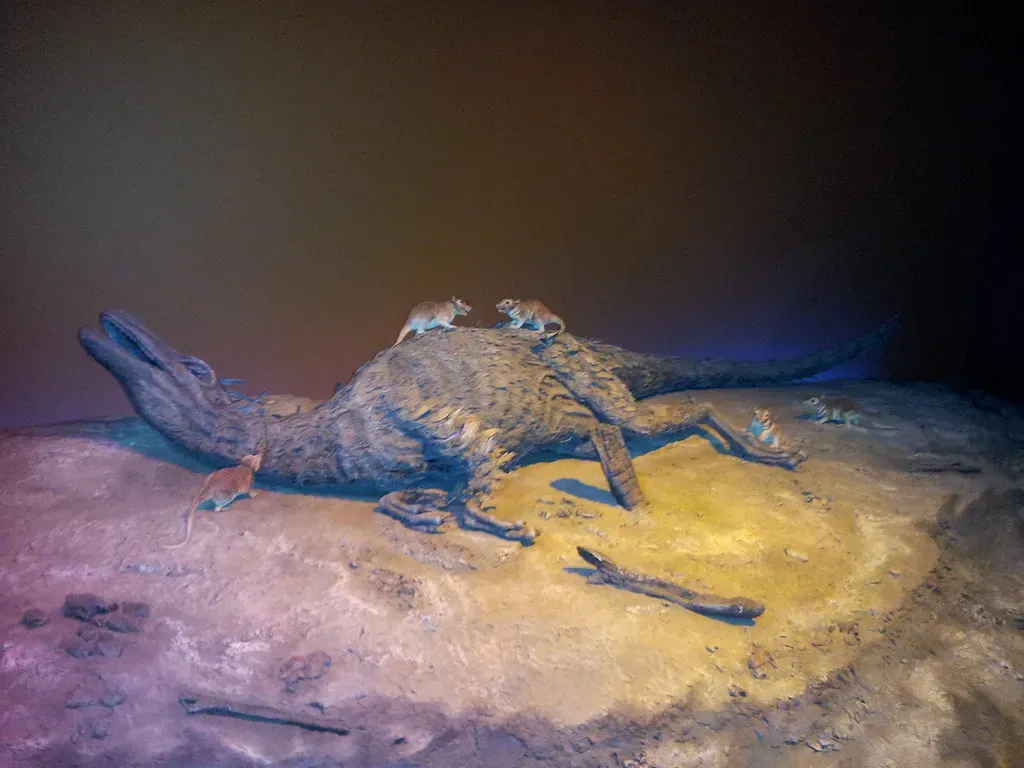
When you think of the end of the dinosaurs, your mind probably jumps straight to a massive asteroid slamming into what is now the Yucatán Peninsula. That impact really was catastrophic, but even that event is tied in some ways to the tectonic stage on which it landed. By the end of the Cretaceous, continents were closer to their modern positions, narrow seaways were shrinking or closing, and atmospheric and oceanic circulation were already shifting before the impact delivered its final blow.
At nearly the same time, enormous volcanic eruptions in what is now India poured out huge lava flows and gases into the atmosphere, and those eruptions were linked to plate movement and the opening of the Indian Ocean. When you combine all of this – drifting continents, changing sea levels, massive volcanism, and finally an asteroid – you get a planet whose systems were stressed and ready to tip. Dinosaurs had already ridden waves of tectonic change for more than one hundred million years, but in the end, the combination of shifting plates and sudden catastrophe reshaped habitats so drastically that only birds, their surviving descendants, carried their legacy forward.
Conclusion: Reading the Dinosaur World Through Moving Continents
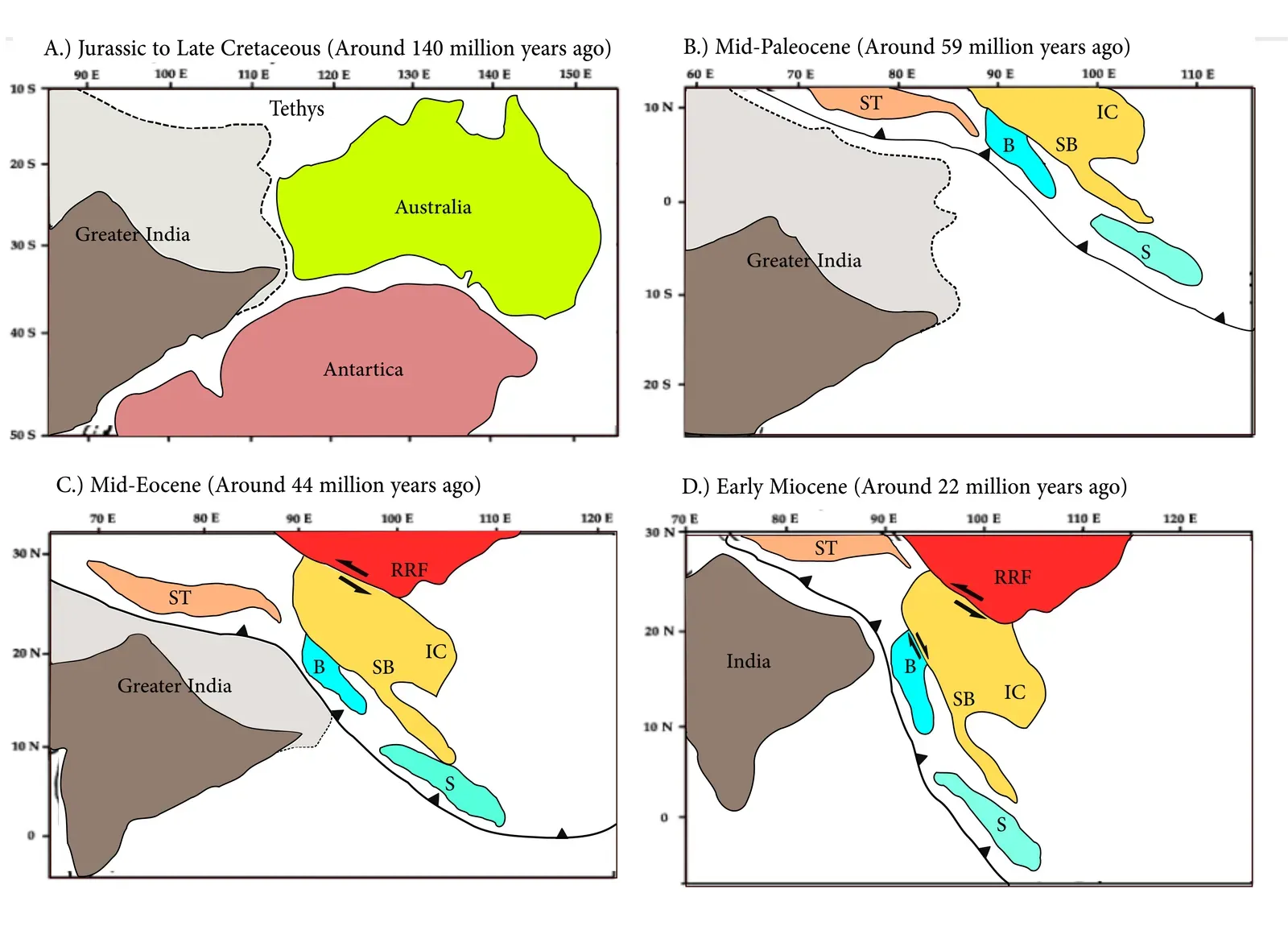
When you look at a world map today, it is easy to forget that it is just one frame in a very long movie. If you want to truly understand dinosaur habitats, you have to rewind that film and watch the continents drift, collide, and tear apart. Plate tectonics explains why you find similar early dinosaur fossils scattered across once-connected regions, why later dinosaur faunas differ so much from continent to continent, and why some places became dinosaur hotspots while others faded into the background.
The next time you see a dinosaur skeleton in a museum, you can imagine not just the animal but the moving world beneath its feet: a river plain carved by a rising mountain belt, a coastal swamp along a newborn ocean, or a polar forest riding a wandering continent near the edge of the world. In a way, you live on the same restless planet, with plates still grinding, oceans still opening and closing, and climates still shifting over time. It makes you wonder: if dinosaurs were still here to watch the continents inch along, what kind of world would they see taking shape under their feet today?