
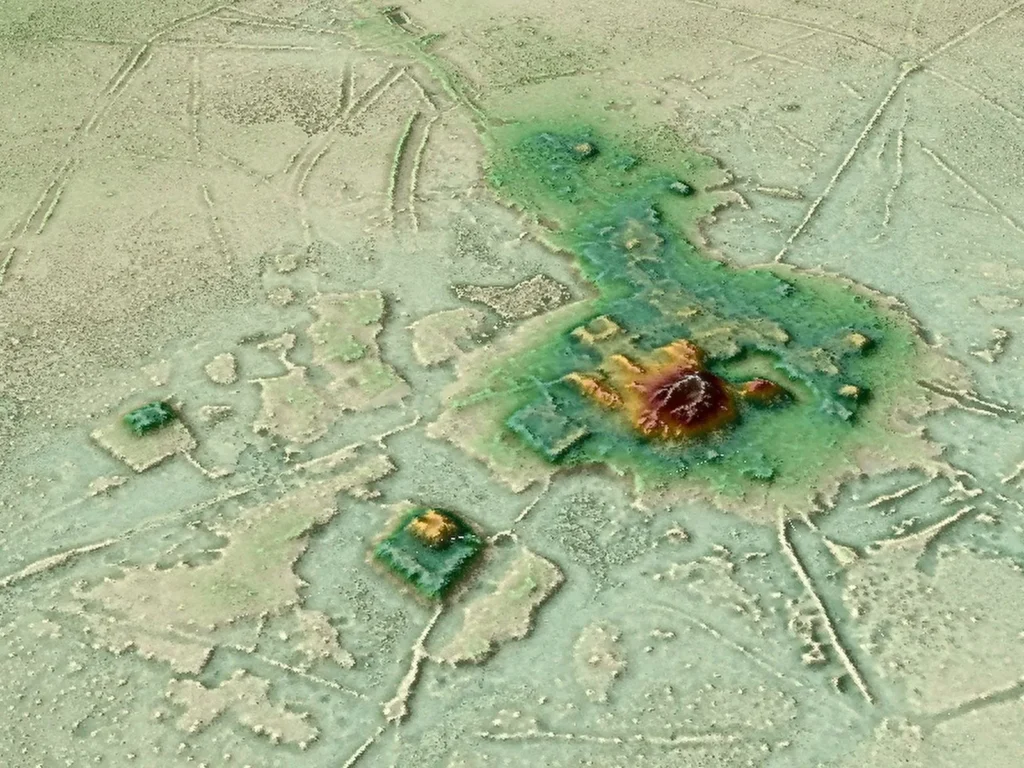
You grow up hearing that the Amazon is a wild, untouched “green hell,” a place humans barely scratched before modern times. Then archaeologists point lasers at the forest canopy and suddenly an entire lost city appears on their screens. It feels like a movie twist, except this time it’s real, and it quietly blows up almost everything you thought you knew about ancient Amazonian life.
Over the past few years, researchers working in Ecuador’s Amazon, especially in the Upano Valley, have revealed a dense network of ancient settlements, platforms, plazas, and roads that functioned very much like a city or even a whole urban region. You are not just looking at a few scattered villages; you are looking at a sophisticated landscape that supported at least many thousands of people for roughly a thousand years. When you step back and really let that sink in, the Amazon stops feeling like an untouched wilderness and starts looking more like a forgotten chapter of urban history that you are only now learning to read.
The Moment the Jungle Gave Up Its Secret
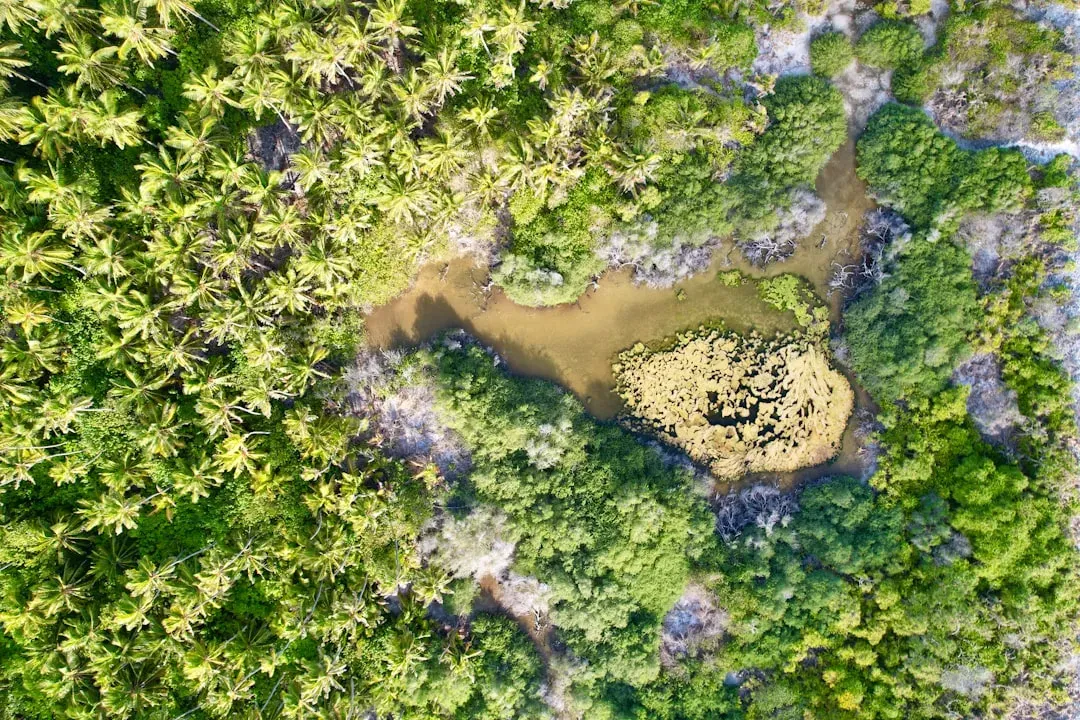
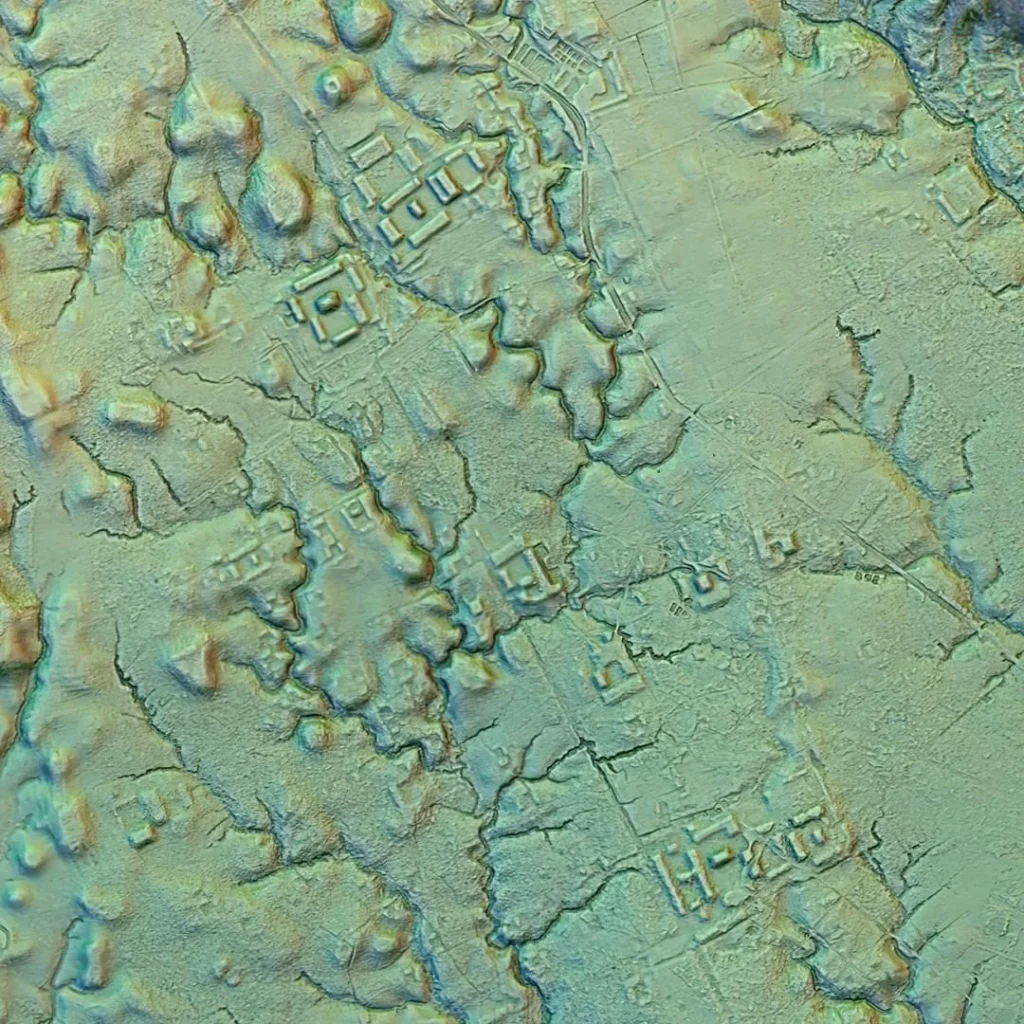
Imagine flying over endless forest, seeing nothing but green, and then a computer starts peeling away the trees on your screen like the layers of an onion. Suddenly you see straight lines, perfect rectangles, and broad avenues where, to your naked eye, there was only vegetation. That is essentially what archaeologists experienced when they ran LIDAR surveys over parts of the Ecuadorian Amazon: a hidden cityscape popped out from under the canopy, almost mocking the old idea that the rainforest was too poor and too harsh for large, complex societies to thrive there. You can picture that mix of disbelief and exhilaration as they realized those faint bumps they had walked past on earlier trips were actually the tops of engineered platforms and plazas.
For you, the astounding part is that this city was not some short-lived experiment. Evidence suggests these settlements were occupied for around a millennium, roughly two thousand years ago, which makes them more like a long-running urban tradition than a brief burst of creativity. When you hear archaeologists compare the population of this region to something like Roman-era London, you start to feel just how badly the Amazon’s past has been underestimated. You are not dealing with a tiny “lost village”; you are looking at a real city-region that somehow slipped through the cracks of history until high-tech tools finally gave it away.
How LIDAR Let You See Through a Rainforest
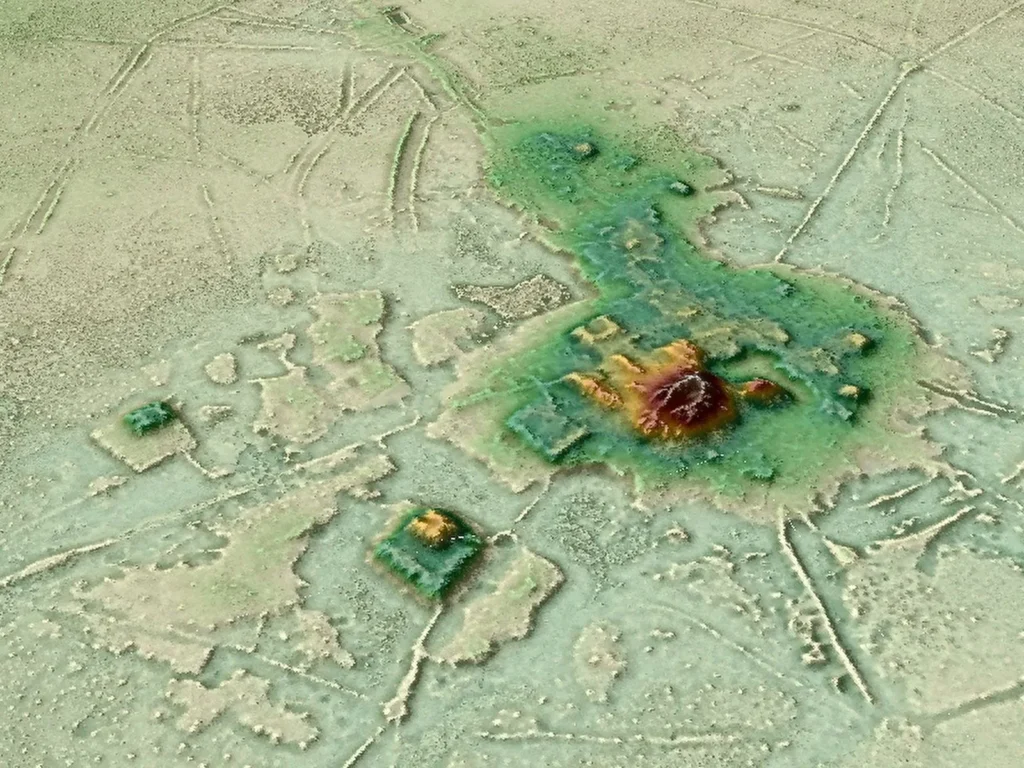
If you have ever wished you could see through walls, LIDAR is the closest thing you will get for forests. The technology works by firing rapid pulses of laser light from a plane or drone down through the canopy, then measuring how long it takes for the reflections to come back. Most pulses hit leaves and branches, but enough make it all the way to the ground that, once the vegetation returns are filtered out, you are left with a bare-bones 3D map of the actual terrain. For you as a non-specialist, the magic is that this process turns what used to be years of sweaty machete work into a digital landscape you can explore on a computer screen in minutes.
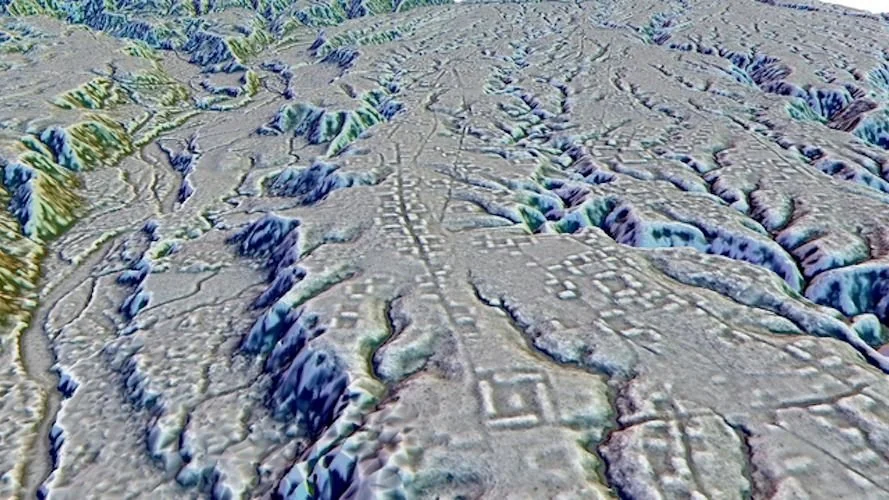
When archaeologists applied LIDAR over the Upano Valley, what looked like random forest floor irregularities resolved into thousands of rectangular platforms, sunken plazas, causeways, and wide, dug streets linking clusters of structures. You can trace roads running arrow-straight for kilometers, something you would never guess from satellite images alone. If you think of the rainforest canopy as a thick blanket thrown over a detailed model city, LIDAR is the way you gently lift that blanket without disturbing what is underneath. Once you have seen those graphics, it becomes very hard to keep imagining the Amazon as an empty stage on which history barely played.
A City of Platforms, Plazas, and Remarkably Straight Roads
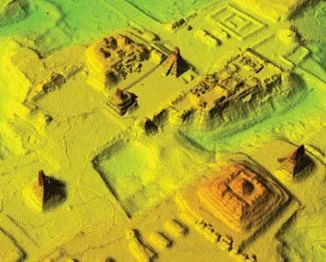
When you zoom in on this lost city, you do not find stone pyramids like in the Andes or massive temples like in Mesoamerica. Instead, you see earthen architecture on a huge scale: platforms raised above the natural ground, laid out around central open spaces that functioned as plazas. Many of these platforms are arranged in tight groups, with broad, straight streets running between them, giving you something that feels almost like a planned neighborhood. In some places, causeways and roads converge on larger complexes that look very much like ceremonial or political centers, hinting at organized public life you can almost imagine unfolding there.
You may be tempted to think of this as a “city of gardens” rather than a city of stone. The buildings themselves were likely made of perishable materials such as wood and thatch, which have long since vanished, but the earthworks remain like the bones of a once-living body. If you have ever seen the faint outlines of an old farm or fort on an aerial photo, you already know the feeling: small ridges and depressions suddenly tell you a story of streets, courtyards, and public spaces. At this Amazonian site, that story scales up to thousands of platforms and many kilometers of roads, suggesting social coordination and planning that you might not have thought possible in such a supposedly hostile environment.
Rethinking What You Were Told About the “Pristine” Amazon
Chances are you were taught that the Amazon was basically untouched until European colonizers arrived, a gigantic reservoir of wilderness with only sparse, small-scale Indigenous communities dotted here and there. This lost city, along with related discoveries across the basin, forces you to update that mental map. Instead of a single city surrounded by endless trees, you start to picture a patchwork of managed landscapes: networks of settlements, garden plots, riverine fields, earthworks, and intentionally made fertile soils. You are stepping into a version of the Amazon where people were not passive inhabitants but active shapers of their environment over many centuries.
What makes this emotionally powerful is the realization that the idea of a “pristine” Amazon was not just wrong; it also erased the achievements of the people who lived there before. You can think of it like walking into a beautifully overgrown garden and assuming it has always been wild, never realizing that someone once laid out the paths, planted the trees, and tended the soil. When you see the evidence of long-lasting cities, engineered soils, and wide transport networks, you begin to understand that pre-Columbian Amazonian societies were not simply surviving but thriving in a way that modern narratives almost completely ignored. You are, in a sense, being invited to unlearn an old story and replace it with one that gives those societies back their complexity.
How People Could Farm and Thrive in a “Poor” Rainforest
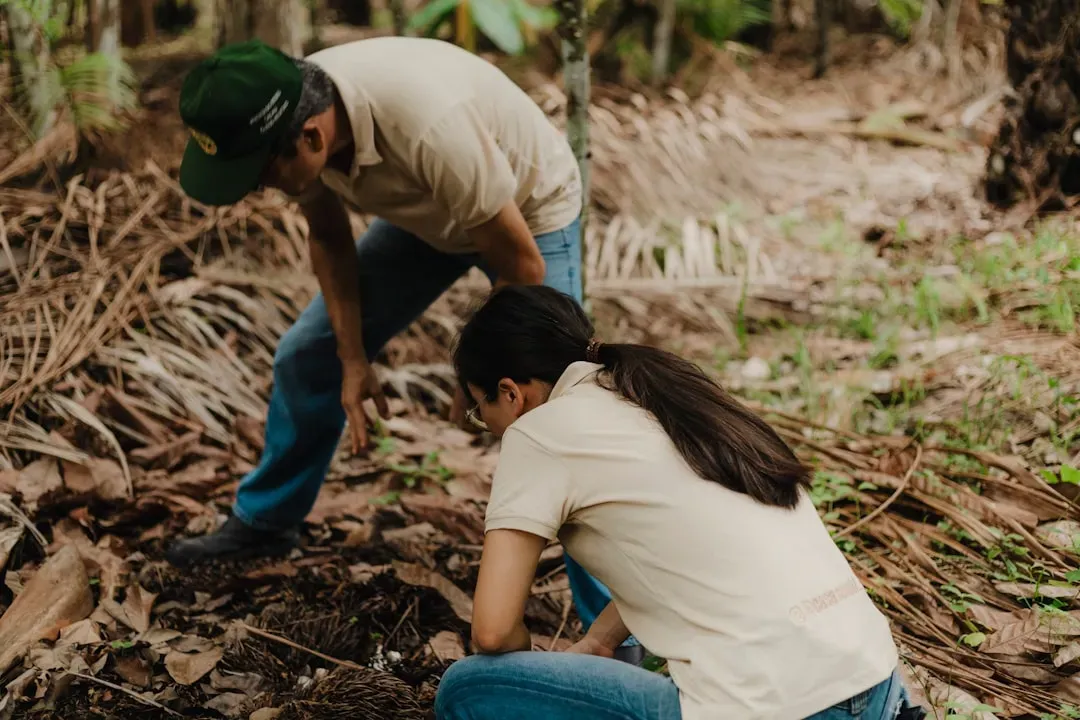
If you have ever heard that Amazonian soils are too nutrient-poor for intensive agriculture, you might wonder how a lost city there could support thousands of people for centuries. The answer is that residents did not just accept the soil they found; they transformed it. Across the Amazon, including areas near these newly mapped cities, you see evidence of “dark earth” created by people who systematically added organic waste, charcoal, and other materials to enrich the ground. When you realize that these are human-made super-soils, not natural accidents, you start to see ancient Amazonians as pioneers of long-term soil management rather than people pushed around by a harsh environment.
Instead of feeding a city with sprawling, destructive agriculture, they seem to have used smaller, intensively managed plots interwoven with forest and wetland systems. You can imagine a mosaic landscape where fields, orchards, and managed forest patches support each other, more like a carefully tended food forest than a modern monocrop plantation. For you today, used to hearing that progress always means clearing more land and extracting more resources, this way of living might feel surprisingly modern. It suggests you can have dense, organized communities without the scorched-earth attitude that often accompanies urban growth in the present.
Why This Changes Your Future, Not Just the Past
At first, a lost city in the Amazon sounds like a cool historical curiosity, something you file alongside pyramids and ruined temples. But if you look closer, you see that it speaks directly to your present-day crises. These ancient cities managed to exist for roughly a thousand years in one of the most ecologically sensitive regions on Earth, and they did it without collapsing the environment around them. When you compare that to the rapid deforestation and soil degradation you see in the same region today, the contrast is honestly uncomfortable. It pushes you to ask whether you have really advanced as much as you like to think you have.
The urbanism revealed here is low-density, green, and closely integrated with the surrounding ecosystems, a kind of city-in-a-forest rather than a city-versus-the-forest. For you, living in an age of climate anxiety and biodiversity loss, this discovery acts like a quiet challenge: if people two thousand years ago could build lasting, complex societies without stripping their landscape bare, why are you struggling so much with the same problem now? The Amazon’s lost city does not just redraw your maps of the past; it hands you a mirror and asks you what kind of footprint your own cities will leave behind.
What It Feels Like to Confront a Hidden Past
On a personal level, learning about this discovery can feel strangely humbling. You may have walked through museums or watched documentaries that treated the Amazon as a blank space on the map of ancient civilizations, and now you find out that this blank space was actually crowded with stories you were never told. For me, the first time I dug into these findings, it felt like realizing there was a whole extra season of a favorite show that had been locked away for years, filled with characters and plotlines that completely reframe what you thought the story was about. You start to sense how partial and biased your inherited version of history has been.
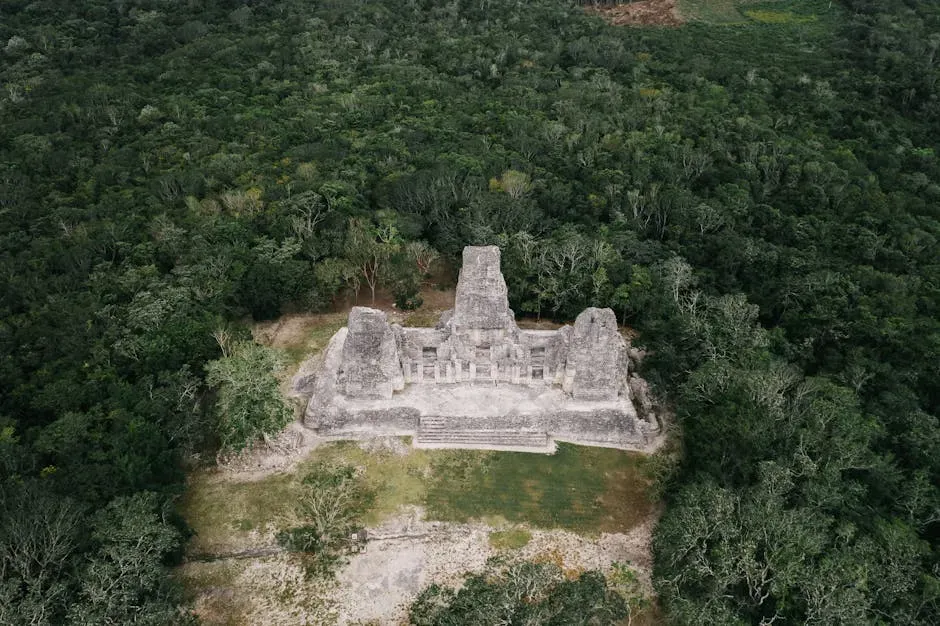
When you picture archaeologists carefully hiking along those laser-mapped lines, cutting through the undergrowth to stand on a platform that once supported homes and rituals, you can almost feel time collapsing. You are separated by centuries, languages, and belief systems, but you share the same basic urges: to build, to organize, to belong to something larger than yourself. Standing on that thought for a moment, the Amazon stops being some distant, exotic backdrop and becomes part of your shared human neighborhood, one where you are only now meeting the long-lost neighbors. That realization might be the most astounding secret of all.
In the end, this lost city in the Amazon is a reminder that the world you inhabit is full of stories still buried under leaves, soil, and old assumptions. You are living at a moment when new technologies can finally bring some of those stories into the light, but it is up to you to listen carefully and let them change how you see both the past and the future. If a city of thousands could vanish under forest and then reappear on a scientist’s laptop centuries later, what else might be waiting quietly for you to notice it – and how will you let that knowledge reshape the way you live on this planet?