You probably grew up with dinosaurs that all looked the same: muddy green, dull brown, maybe a grayish giant stomping through a foggy swamp. Those old-school movie monsters got one thing very wrong. As scientists have dug deeper into fossil evidence over the past couple of decades, a very different picture has started to appear: you are looking at a world that was likely far more colorful, patterned, and visually dramatic than most people ever imagined.
Instead of a planet full of reptilian tanks in camouflage, you should be picturing shimmering feathers, bold stripes, iridescent sheens, and even flashy displays meant to impress mates or scare rivals. You do not get a perfectly complete color photo of every dinosaur, but what you do have is solid, testable evidence that at least some species were anything but drab. Once you see how that evidence works, you will never look at a T. rex or a Velociraptor the same way again.
The Old Myth: Dinosaurs As Drab, Mud-Colored Monsters
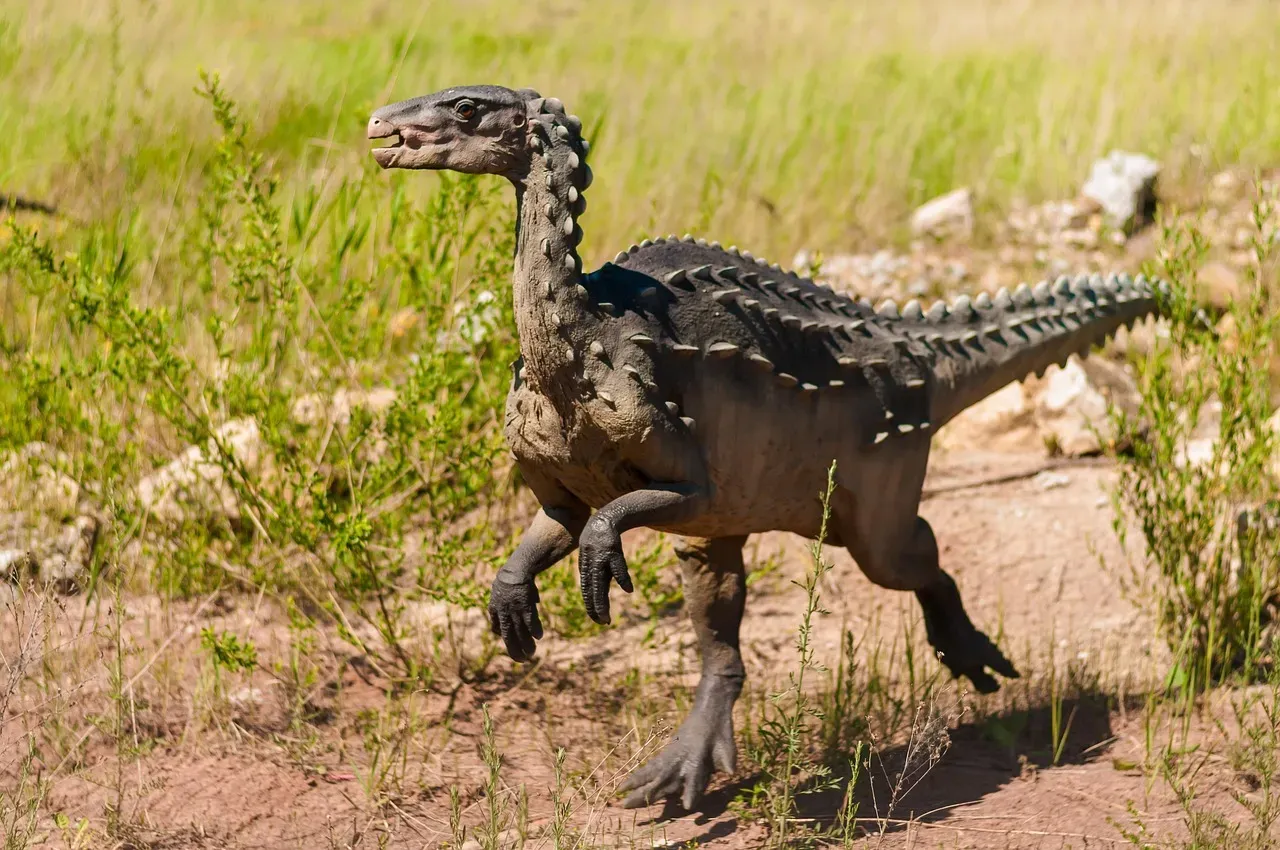
For most of the twentieth century, you were basically told that dinosaurs were big, cold-blooded, lizard-like creatures with camouflage tones to blend into their environment. That idea did not come from evidence about their color; it came mostly from assumptions. People saw that modern large reptiles like crocodiles and iguanas often have muted colors, so they simply copied that palette onto dinosaurs in books, toys, and films. You were sold a vision of a murky, swampy world where green and brown were pretty much the only options.
This drab image stuck around because, for a long time, scientists had no way to test what color fossil animals actually were. Fossils mostly preserve bones, and soft tissues like skin and feathers usually decay. Artists and filmmakers filled that gap with their own imaginations, and their imaginations leaned heavily toward military-style camouflage. Once that picture settled into your mind, it felt natural and obvious, even though it rested on almost no direct evidence at all.
How You Can Actually See Color In Fossils (Yes, Really)
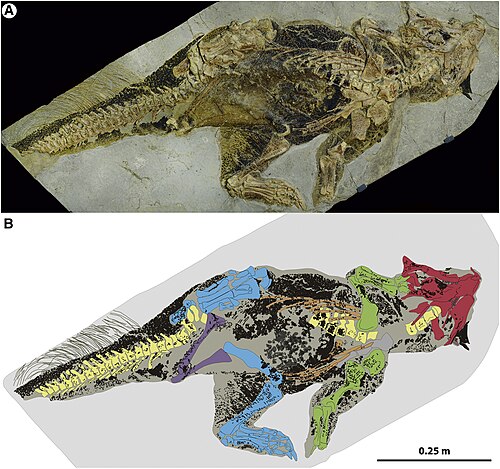
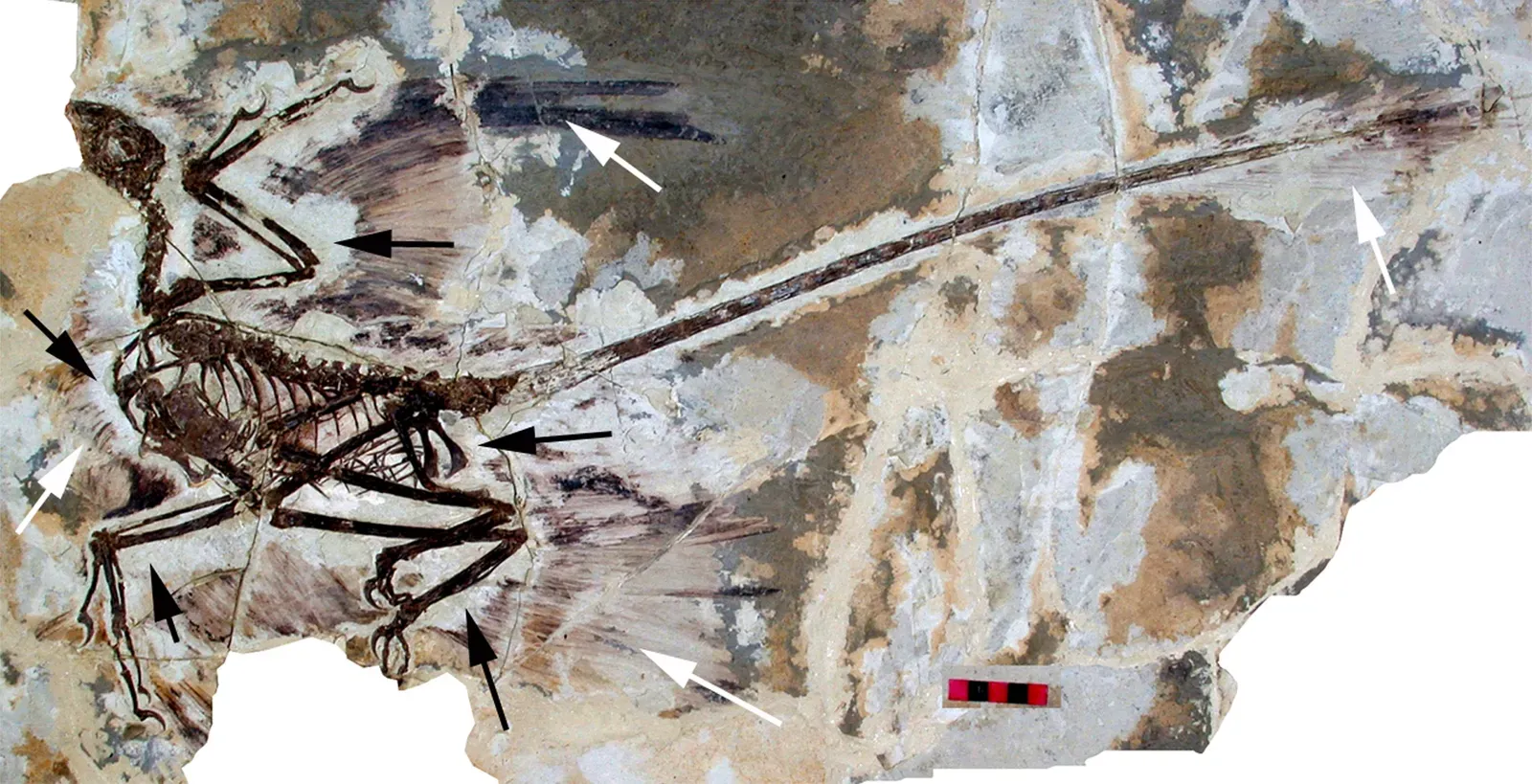
Here is where things get wild: you now have a way to infer actual colors from fossils thanks to tiny structures called melanosomes. In living animals, melanosomes are little pigment-carrying organelles inside cells that help create colors like black, brown, and reddish tones, and even help contribute to iridescent effects. Under powerful microscopes, scientists began spotting fossilized melanosomes in exceptionally well-preserved dinosaur feathers and skin impressions. You are not just guessing color anymore; you are reading clues left inside the fossil itself.
The shape and arrangement of melanosomes in modern birds and other animals correlate with certain colors and effects. Long, skinny melanosomes are often linked with iridescent, glossy colors, while rounder ones tend to create more matte shades. When researchers compare fossil melanosomes to those in living species, you get a reasonable, evidence-based estimate of original colors and patterns. It is not the same as holding a living dinosaur in front of you, but it is a massive leap beyond the blind guessing that dominated earlier art and science.
Feathered Dinosaurs: Your Mental Image Needs An Upgrade
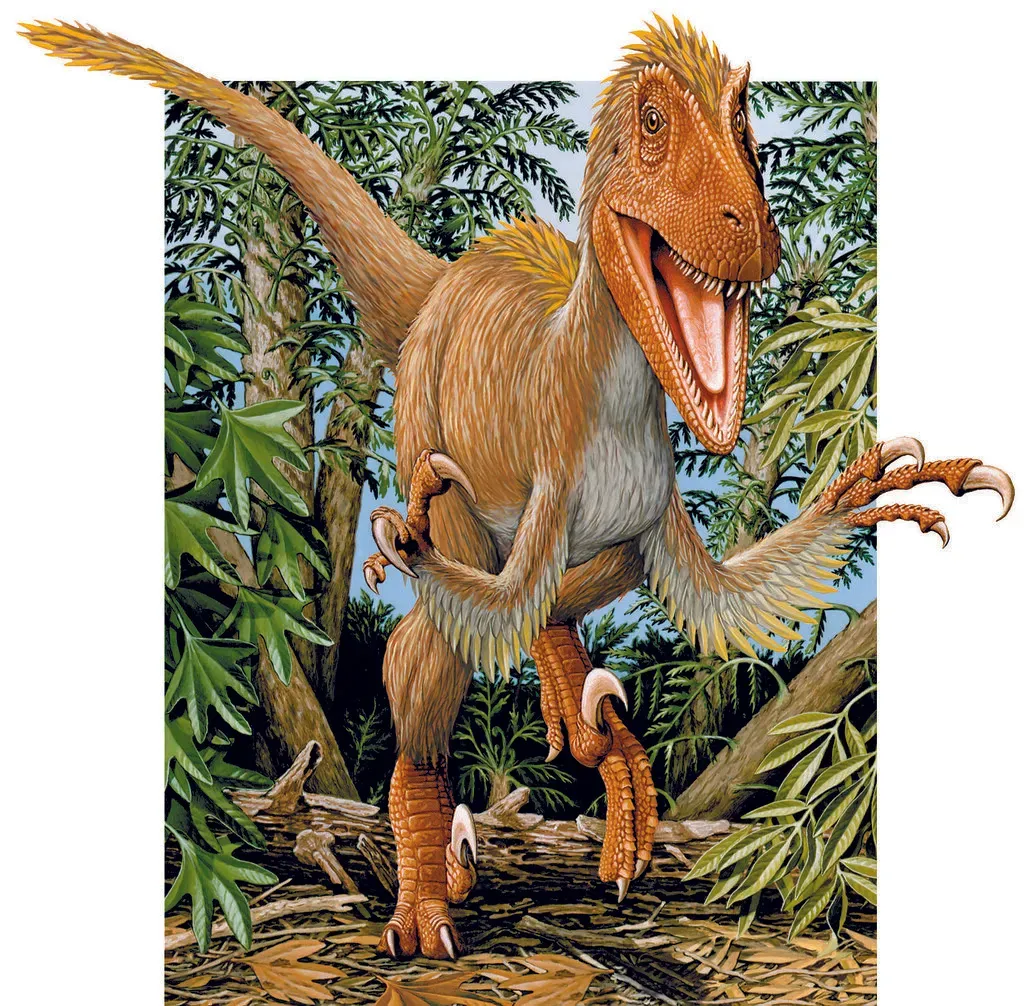
You have probably heard that some dinosaurs had feathers, but you might still be picturing them as basically scaly lizards with a few fuzzy tufts. In reality, a growing number of species are known to have had elaborate feather coverings: downy coats, long tail plumes, wing-like arms, even crests and fans that look almost birdlike. Some of these feathers preserve microscopic details, including those all-important melanosomes, which let you peek into their color schemes. Suddenly, the dinosaur world starts to look less like a line of crocodiles and more like a strange, experimental version of a bird paradise.
When you imagine these feathered dinosaurs in full color, you move away from the old, lumbering-monster vibe and toward something more agile, dynamic, and complex. You see small predators with banded tails or darker backs and lighter bellies, patterns that might help them hunt or hide. You see rooster-like head ornaments and peacock-level tail displays that could have signaled strength, health, or readiness to mate. Once you accept that feathers were common in many lineages, vibrant color stops being a weird exception and starts looking like a normal part of dinosaur life.
What Scientists Have Actually Reconstructed So Far
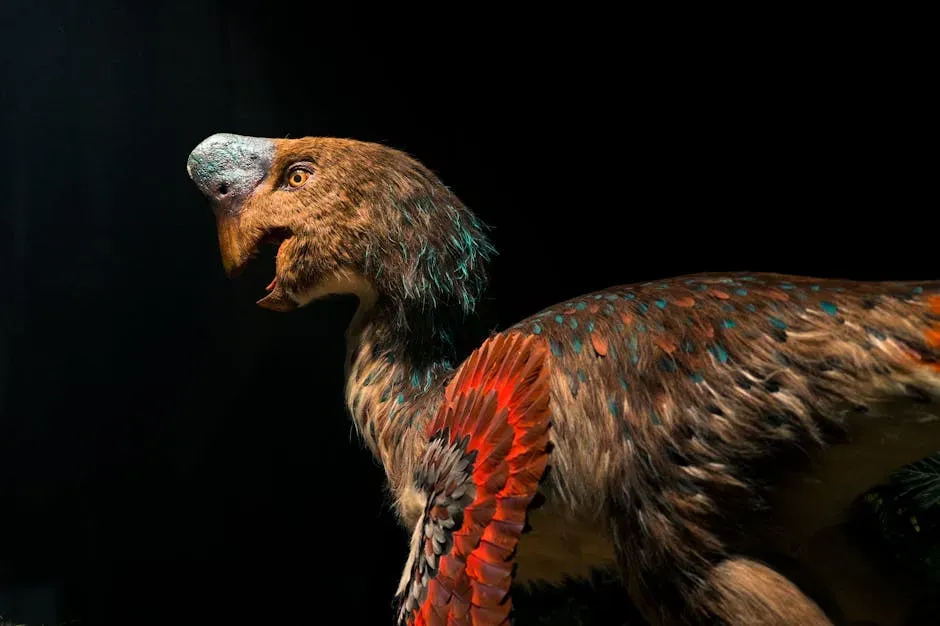
Even though you cannot know the precise color palette for every dinosaur, you do have some striking, well-supported reconstructions. In several feathered species, researchers have found evidence for banded tails, dark masks around the eyes, and contrasting back-and-belly patterns similar to what you see in many modern birds. Some fossils show signs that the body might have been mottled or speckled, which would break up the animal’s outline in dappled light. These are not wild guesses; they are grounded in preserved structures that match what you see in living animals with similar melanosomes.
You also see hints that some dinosaurs were not just colorful but specifically patterned for display. Evidence points toward darker, more saturated feathers on the head or tail in certain species, locations that are prime real estate for visual signaling. It is like seeing a bird with a dull body but a brilliantly colored crest: you know that crest means something in that bird’s world. In the same way, patches of strong color on a dinosaur might have told rivals to back off, or mates to pay attention. You can no longer honestly say you have no idea what any dinosaur looked like; in some cases, you have surprisingly vivid outlines.
Why Bright Colors Actually Make Sense For Dinosaurs
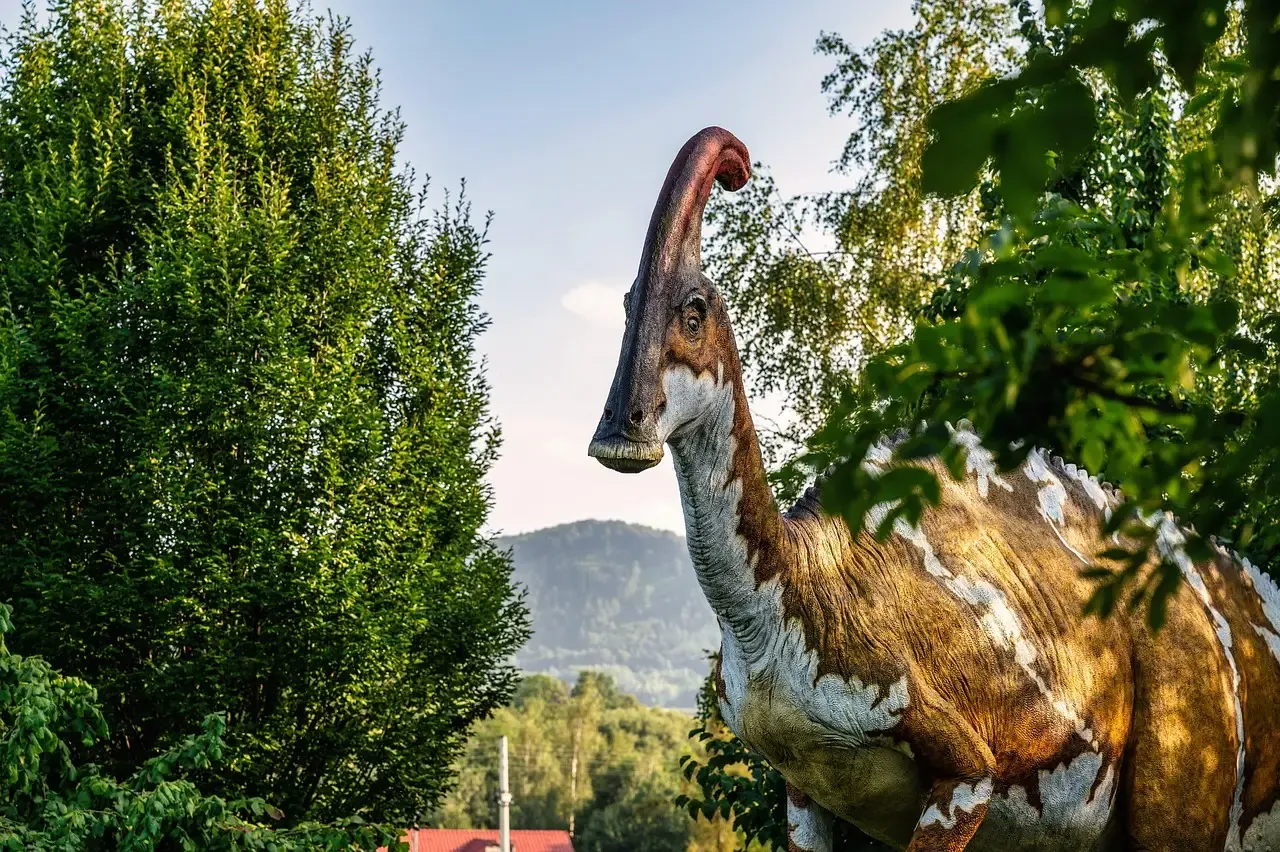
If you are thinking that bright colors would have made dinosaurs easy targets, you are half right and half missing the point. In nature, visibility is not always a bad thing. Modern animals use color to communicate, to intimidate, and to attract mates. Think about birds of paradise bursting with dramatic plumes, or poison dart frogs advertising that they are dangerous. If dinosaurs were active, social, warm-blooded or at least warm-leaning animals, as many scientists now argue, it makes sense that they would have used color in similar ways. A dull dinosaur would have been silent in a world where visibility mattered.
You also have to remember that bright does not mean neon paint from head to toe. Many dinosaurs likely had a mix of camouflage and highlight features: a pattern that kept them reasonably hidden from predators or prey, plus a flash of color on a crest, frill, tail, or throat that only appeared in certain poses or situations. Imagine a bird that looks brownish when it is sitting quietly in a bush, but when it displays its wings you suddenly see brilliant blues and reds. Dinosaurs could easily have played the same game, balancing survival with social signaling.
What You Still Do Not Know (And Why That Matters)
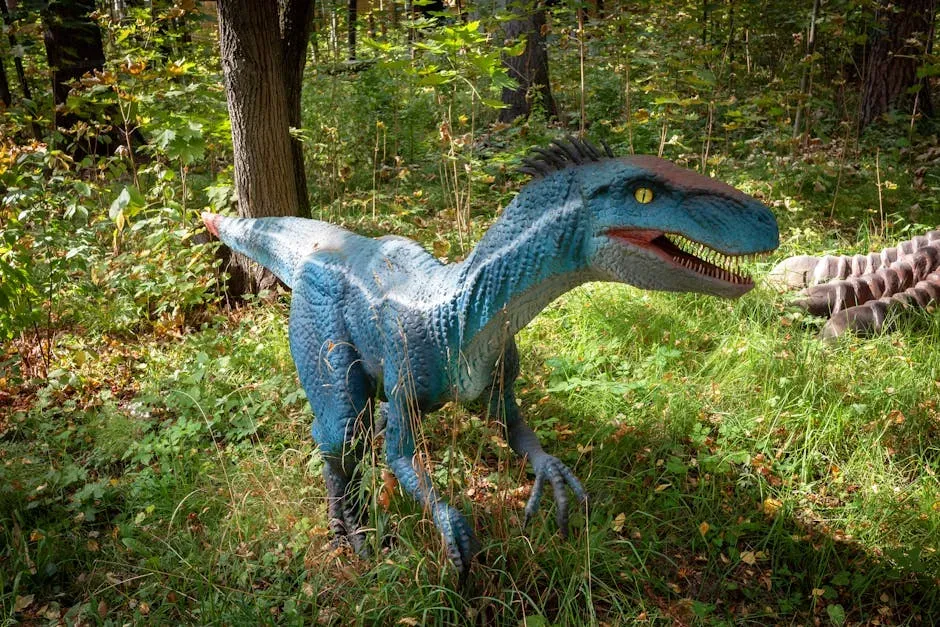
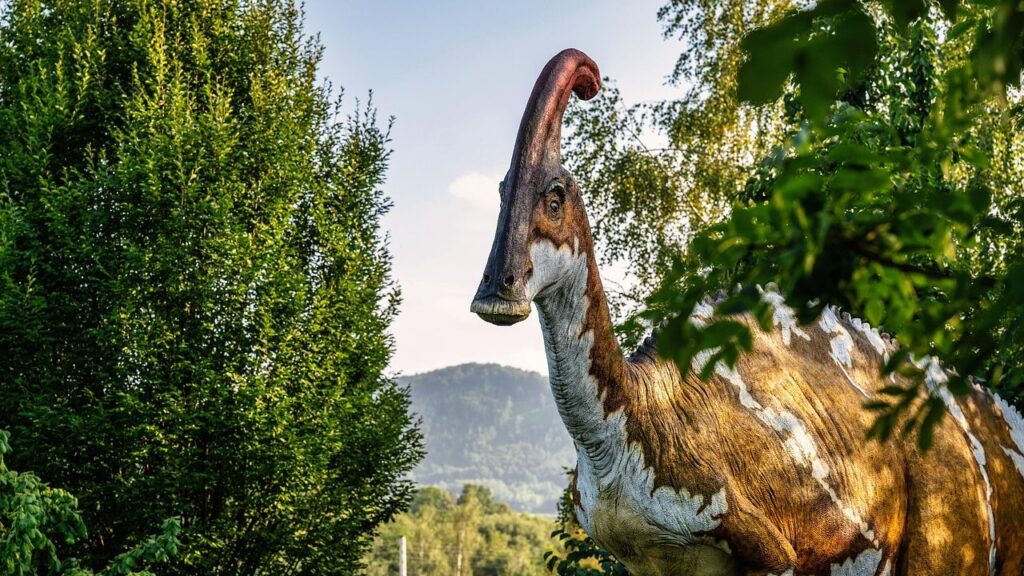
As exciting as the colorful dinosaur story is, you need to keep one thing clear in your mind: you still only have direct color evidence for a limited number of species, and mostly for those that preserved feathers or skin exceptionally well. For many famous dinosaurs, especially the huge sauropods and some horned giants, you simply do not have enough soft tissue detail to say exactly what color they were. Any reconstruction you see of those animals, no matter how cool it looks, still contains a big dose of informed imagination. You should treat those images as artistic hypotheses, not photographs from time travel.
You also have to be careful not to swing from one extreme to the other. Just because some dinosaurs were colorful does not mean every single one looked like a tropical parrot. In many ecosystems, there is strong pressure for animals to blend in, and some dinosaurs likely followed that path with more subdued tones. The responsible way to think about dinosaur color is to see a spectrum: some drab, some moderately patterned, some spectacular, and lots in between. That uncertainty is not a flaw; it is what keeps the science honest and leaves room for new discoveries to surprise you.
How This Changes The Way You Imagine The Ancient World
Once you accept that dinosaurs were likely more colorful than the gray-green stereotypes, the entire Mesozoic world comes alive in a new way. You can picture forests and floodplains full of animals flashing patterns, displaying feathers, and signaling each other visually, much like modern birds and mammals do today. The idea of dinosaurs as slow, half-awake reptiles fading into the background no longer fits the evidence. Instead, you are looking at ecosystems with visual drama, constant movement, and layered social signals written in color.
This shift also changes how you connect dinosaurs to the present. When you watch birds in your backyard, you are not just seeing distant cousins of dinosaurs; in a very real sense, you are seeing living dinosaurs carrying on ancient visual traditions. Their iridescent necks, bright bills, barred wings, and contrasting chest patches are modern expressions of an evolutionary toolbox that goes back many tens of millions of years. Once you see that continuity, the gap between then and now feels smaller, and you realize you have been living among the colorful heirs of the dinosaur age all along.
What This Means For You As A Dinosaur Fan
![What This Means For You As A Dinosaur Fan (did it myself based on [1],[2],[3],[4],[5],and [6], Public domain)](https://nvmwebsites-budwg5g9avh3epea.z03.azurefd.net/dinoworld/168570092481f9b1d9f0db35997b42f2.webp)
If you love dinosaurs, this new understanding frees you from the old, boring color palette you probably grew up with. You are allowed, even encouraged, to imagine them as visually striking animals, as long as you keep one foot in the evidence. When you look at modern reconstructions, you can ask smarter questions: Is this based on fossil melanosomes? Is it inspired by patterns seen in related birds? Or is it mostly artistic flair? Instead of just accepting whatever a movie or toy line shows you, you can evaluate how grounded or speculative those colors really are.
At the same time, you can let yourself enjoy the wonder of not knowing everything. There is a special kind of thrill in realizing that some of the most iconic creatures in Earth’s history are still visually mysterious. You might one day see new fossils that reveal a shimmering crest here, a striped tail there, or a surprising splash of color on a dinosaur you thought you already knew. Until then, you sit in a sweet spot between evidence and imagination, where science gives you enough to guide your thoughts but not enough to shut the door on creativity.
Conclusion: A More Colorful Past Than You Were Ever Shown
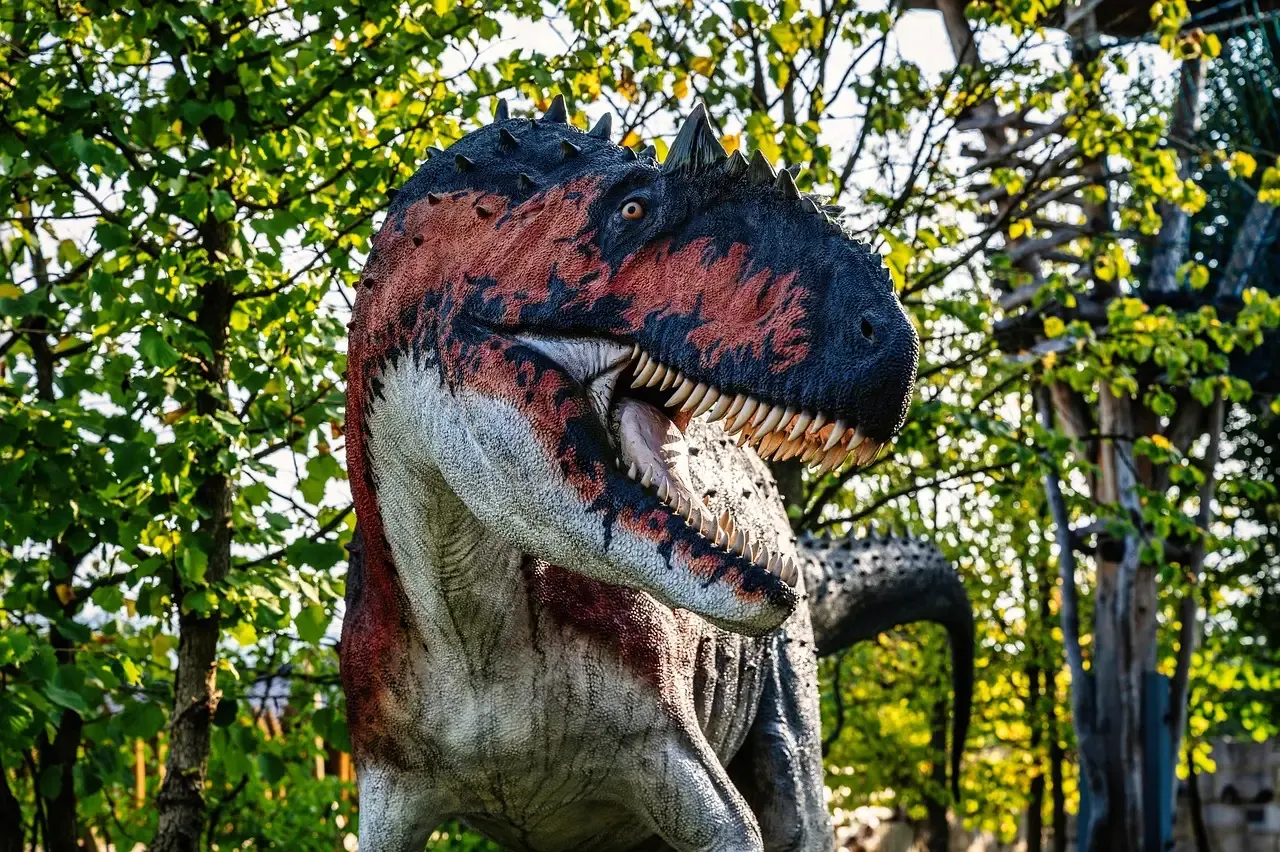
When you pull all of this together, you end up with a past that looks nothing like the washed-out worlds you saw in older textbooks and films. You now know that at least some dinosaurs wore feathers in vivid patterns, that microscopic structures in fossils can hint at real colors, and that display and communication likely mattered just as much to them as they do to modern birds. The old myth of the eternally drab dinosaur has cracked, and through those cracks you can already see flashes of rich browns, deep blacks, rusty reds, and perhaps even iridescent sheens. The story is still incomplete, but it is moving clearly in one direction: toward vibrancy, not monotony.
As new discoveries roll in, your mental image of dinosaurs will keep evolving, shedding another layer of cinematic cliché and gaining another layer of scientific nuance. You may never get a perfect color chart for every species, yet you already have enough to know that the truth is more surprising, more complex, and far more beautiful than the old swamp-monster stereotype. The next time you picture a dinosaur, will you still see a dull green lump, or will you let the evidence push you toward something brighter, bolder, and more alive than you ever expected?