Toronto — The Royal Ontario Museum prepares to launch its original exhibition on raptor dinosaurs, set to open on December 19, 2026. This showcase delves deeply into the evolution, physical traits, and behaviors of these Cretaceous-era predators, long popularized by films like Jurassic Park. Visitors will encounter a nuanced portrait of raptors as intelligent, social creatures closely linked to modern birds, through fossils, interactives, and cutting-edge digital immersions.
Beyond Hollywood: Unpacking Raptor Myths
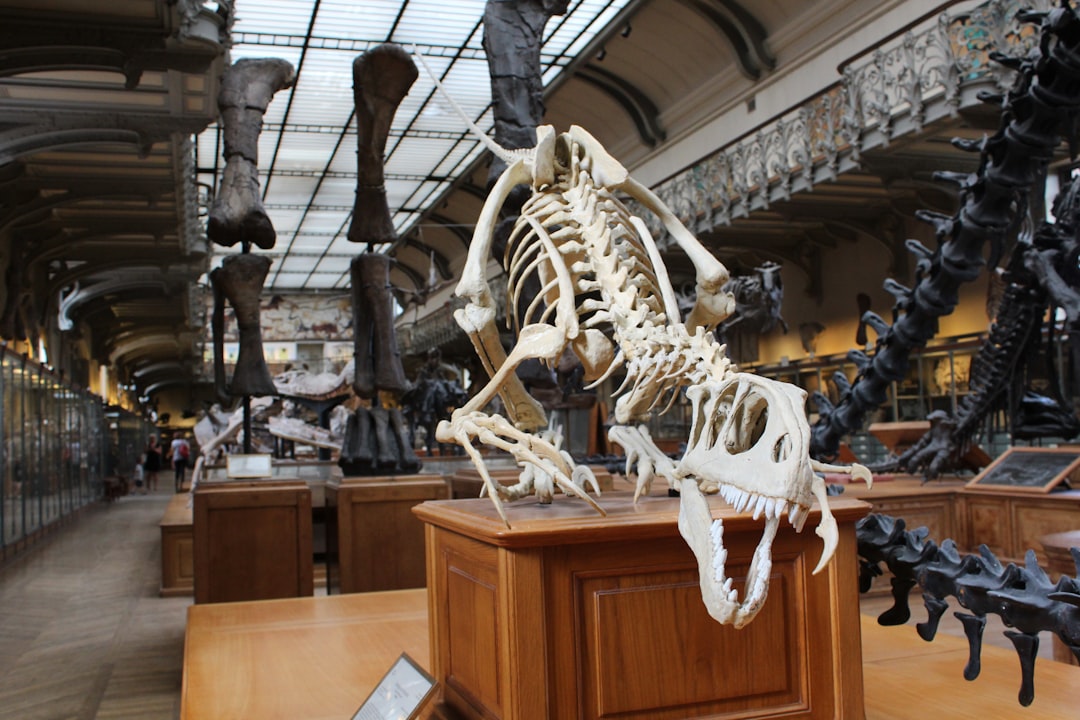
Beyond Hollywood: Unpacking Raptor Myths (Image Credits: Unsplash)
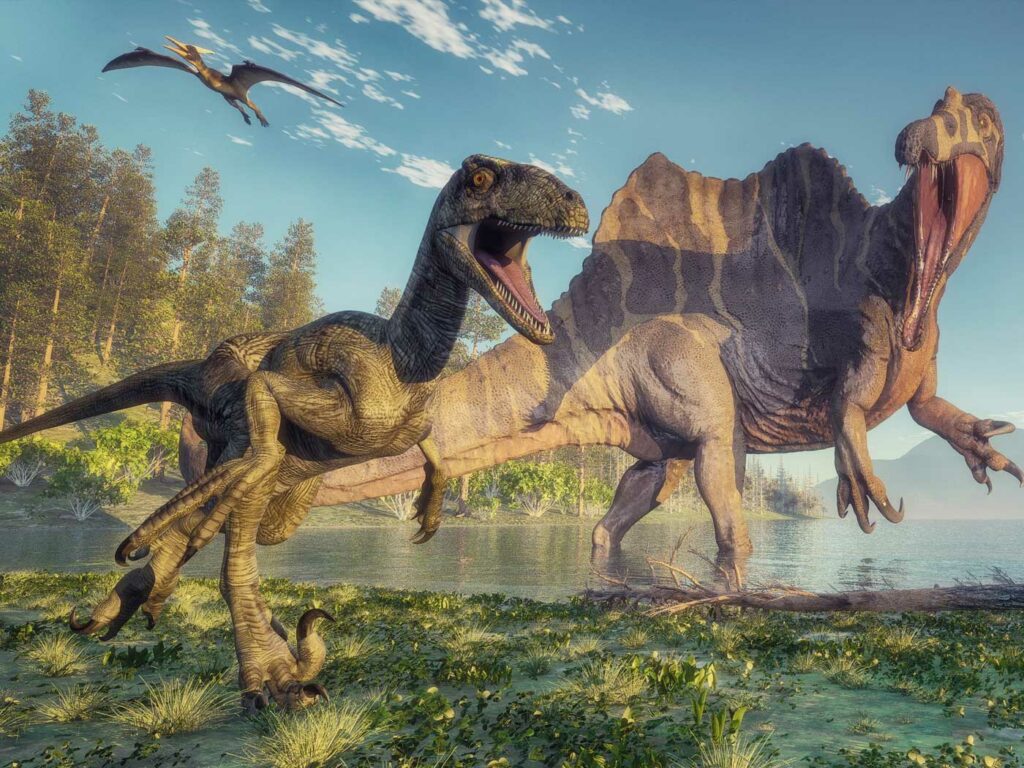
Raptors captured imaginations as sleek, scaly killers in the 1993 blockbuster, but science paints a different picture. These dromaeosaurids, named for their sickle-shaped claws, sported feathers and exhibited complex behaviors far removed from cinematic stereotypes. The exhibition challenges these preconceptions right from the start, with sections explaining what raptors truly were.
Curator Dr. David Evans, the ROM’s Temerty Chair in Vertebrate Palaeontology, leads the project. His research has uncovered new species and reshaped views on dinosaur ecology. The display contrasts movie depictions with evidence from fossils, highlighting how raptors ranged from fluffy hatchlings to formidable adults.
Diversity in Form and Function
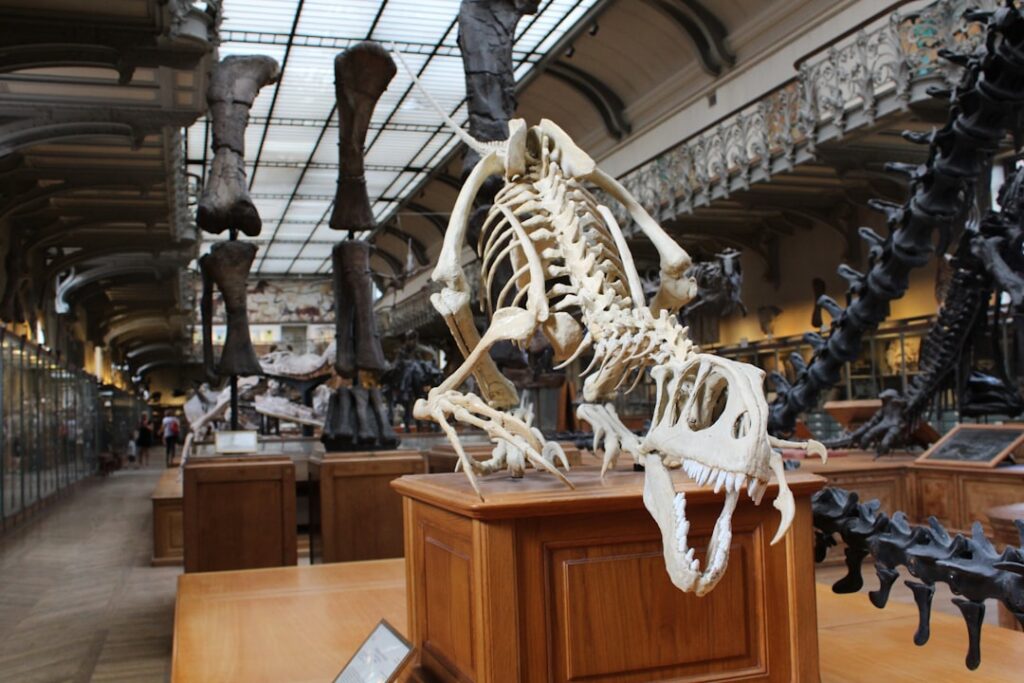
Raptors displayed remarkable variety in size, from turkey-sized Microraptor to larger predators like Deinonychus. The exhibition features over 50 objects, including original fossils and casts of more than a dozen species. Standouts include the ROM’s Acheroraptor temertyorum skull and the full skeleton of Julieraptor, alongside the iconic “Fighting Dinosaurs” cast of a Velociraptor locked in combat with Protoceratops.
Hands-on elements let visitors compare a raptor claw to a hawk’s talons or explore size charts. Scientific illustrations by paleo-artist Julius Csotonyi bring these traits to life, covering senses, feeding strategies, and locomotion. Reproduction and nurturing behaviors receive special focus, revealing pack dynamics and parental care supported by fossil evidence.
- Original Acheroraptor temertyorum fossil from ROM collections.
- Cast of “Fighting Dinosaurs” fossil block.
- Julieraptor skeleton, a rare complete specimen.
- Taxidermied modern birds like the American Kestrel and Great Horned Owl.
- Model skeletons showcasing size range and feathering.
Step into the Cretaceous: Immersive Encounters
A highlight awaits in the large-format immersive theater, where projection mapping animates fossils and transports guests to the Cretaceous world. Watch raptors hunt in packs, preen feathers, or tend to young amid lush environments teeming with other dinosaurs. Audio-visual reconstructions revive the “Fighting Dinosaurs” struggle, blending drama with paleontological accuracy.
Mechanical interactives simulate hunting and parenting, while digital touchpoints deepen engagement. Spanning 7,000 to 8,500 square feet, the bilingual exhibit runs five months per venue after its ROM debut through September 6, 2027. Families and enthusiasts alike will find curiosity-driven narratives that spark wonder.
Legacy in Wings: Raptors to Modern Birds
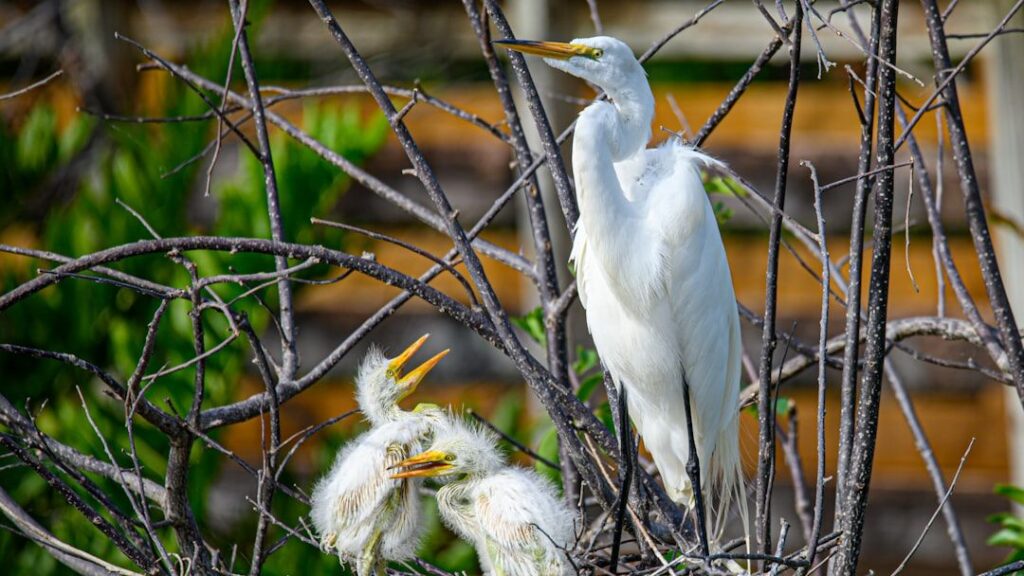
The finale bridges ancient raptors to today’s avian world, tracing evolutionary paths. Shared traits like the “killer claw” persist in birds of prey, from screech owls to swallow-tailed kites. Displayed specimens underscore this continuity, with messages on bird conservation to inspire action.
Visitors leave understanding raptors’ role in bird origins, informed by recent discoveries. The exhibition draws from ROM’s renowned dinosaur galleries, enhancing its permanent collections.
| Raptor Trait | Dinosaur Example | Modern Bird Parallel |
|---|---|---|
| Sickle Claw | Velociraptor | Hawk Talons |
| Feathering | Microraptor | Owl Plumage |
| Social Hunting | Deinonychus | Falcon Pairs |
Key Takeaways
- Raptors were feathered, intelligent pack hunters, not the scaly villains of films.
- Immersive tech brings their Cretaceous habitat to life.
- Direct evolutionary link to birds emphasizes conservation today.
This exhibition redefines raptors as multifaceted marvels, blending science and spectacle. As it tours globally from 2028, it promises to captivate audiences worldwide. Plan your visit to the Royal Ontario Museum and step into prehistory. What fascinates you most about these feathered predators? Share in the comments.