If you have even a hint of dinosaur fever, the word “Badlands” probably sends a little shiver down your spine. You picture striped cliffs, lonely buttes, and somewhere out there, a weathered bone just waiting for you to spot it. The truth is, the world’s badlands really are some of the richest dinosaur graveyards on Earth – but they’re also tightly protected, brutally hot, and not at all like a casual stroll with a shovel.
In other words, if you dream of hunting dinosaur bones in the Badlands, you absolutely can step into that world – but you need to know where to go, what’s legal, and how to keep yourself (and the fossils) safe. Think of this as your no-nonsense, boots-on-the-ground guide: you’ll walk through the legendary formations, understand the rules, and learn how you can actually get your hands dirty without getting in trouble.
The Badlands: Why Dinosaur Bones Turn Up Here So Often
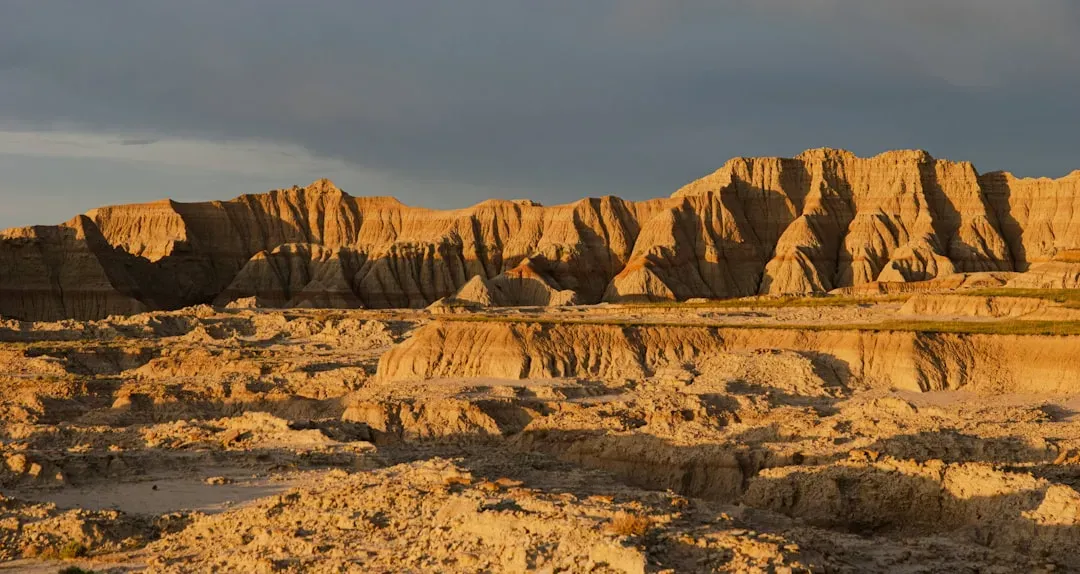
You might wonder why the Badlands seem to hoard dinosaur bones while other landscapes look like nothing but dirt and grass. The secret is that badlands are really just ancient sedimentary layers peeled open by erosion, like a history book with half the pages ripped out and left fluttering in the wind. When soft mudstones and sandstones get carved by water and wind, they expose the bones and teeth that have been buried for tens of millions of years, leaving them right at eye level if you know what you’re looking at.
In places like the Hell Creek and Judith River formations of the northern Great Plains, badland erosion has exposed thick stacks of Late Cretaceous rocks that once held thriving dinosaur ecosystems. You’re essentially walking across fossil-rich floodplains that were laid down near the very end of the dinosaur age. That combination – the right age of rock, the right kind of environment, and aggressive erosion – is why badlands are a magnet for bone hunters, museum teams, and scientific expeditions from all over the world.
Hell Creek and Judith River: Legendary Dinosaur Graveyards
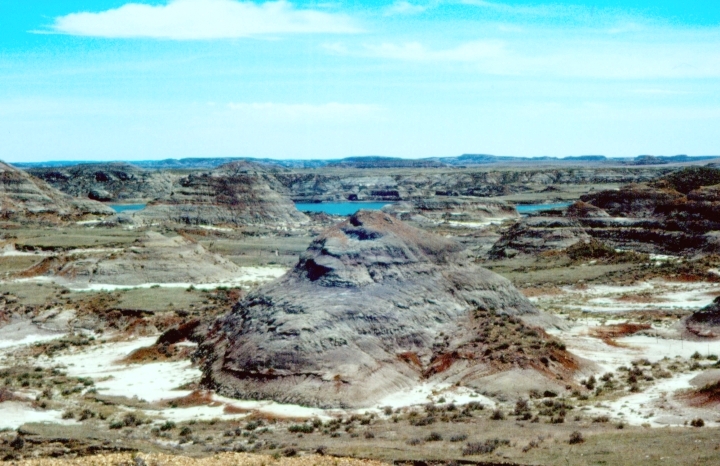
When you hear paleontologists talk about the Badlands in dinosaur terms, you’ll often hear two names repeated like a mantra: Hell Creek and Judith River. These rock formations, exposed in the badlands of Montana, North Dakota, South Dakota, and parts of Wyoming, have produced a ridiculous number of famous dinosaurs, including large carnivores, horned dinosaurs, and duck-billed giants. If you have ever stared at a big Cretaceous dinosaur skeleton in a North American museum, there’s a decent chance some of its bones came from these very badlands.
For you as a would‑be dinosaur bone hunter, that means these formations are the big leagues. They are where you join organized digs, where you hike with a trained crew along eroded gullies, and where you learn how to spot a fragment of bone in a sea of rock chips. They’re also some of the most studied rocks on the continent, so you’re not stumbling through a blank map: you’re stepping onto ground that has shaped modern dinosaur science for more than a century.
What You Can Actually Do: Laws, Permits, and What’s Off-Limits
Here’s the part most people do not realize until it’s too late: in the United States, you generally cannot just wander into badlands on public land and start pocketing dinosaur bones. On federal land like national parks, national monuments, and most lands managed by agencies such as the Bureau of Land Management or the U.S. Forest Service, vertebrate fossils – anything with a backbone, including dinosaurs – are legally protected. You’re allowed to look, take photos, and report finds, but not dig up or collect bones unless you’re covered under a scientific permit and working with an approved research team.
On private land, the rules change completely, because vertebrate fossils usually belong to the landowner. That’s why so many commercial digs and private expeditions in the Badlands happen on ranches, family properties, and leased parcels where the owner has given explicit permission. For you, that means your legal, hands‑on options fall into three main categories: surface collecting on some public lands where only certain kinds of fossils are allowed, joining permitted museum or university digs, or paying to join a structured commercial or educational dinosaur dig that already has all the necessary permissions in place.
Joining a Public Dinosaur Dig: Your Best Hands-On Option
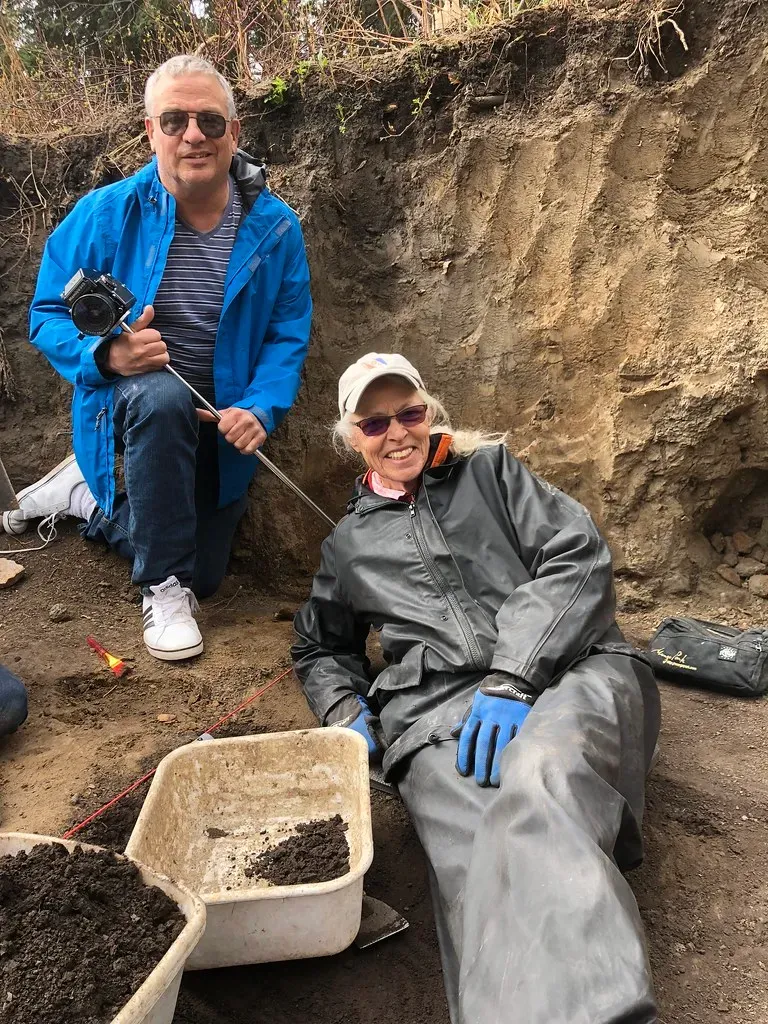
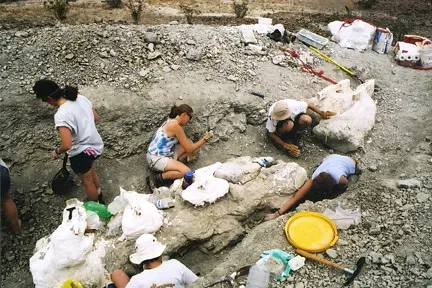
If you really want to touch dinosaur bone rather than just stare at it behind glass, your most realistic path is to sign up for a public dig in the Badlands. Several organizations and museums operating in Hell Creek and Judith River country run week‑long or multi‑day programs where you stay nearby, ride out to active sites, and spend your days prospecting, brushing, and carefully excavating fossils under professional supervision. You do not have to be a scientist; you just need to be willing to follow instructions, handle delicate material, and tolerate long, hot days outside.
On a typical day, you might start by hiking across eroded hillsides, scanning the ground for small bone fragments that hint at something bigger in the slope above. Later, you could be at a known quarry, chiseling around a limb bone or helping jacket a block of rock and bone in plaster. You’re not just playing in the dirt; you’re contributing to real collections that end up in museums and research projects. It feels a bit like joining a film crew on a big production: you’re not the director, but you’re undeniably part of something much larger than yourself.
Reading the Rocks: How to Spot Dinosaur Bone in the Badlands
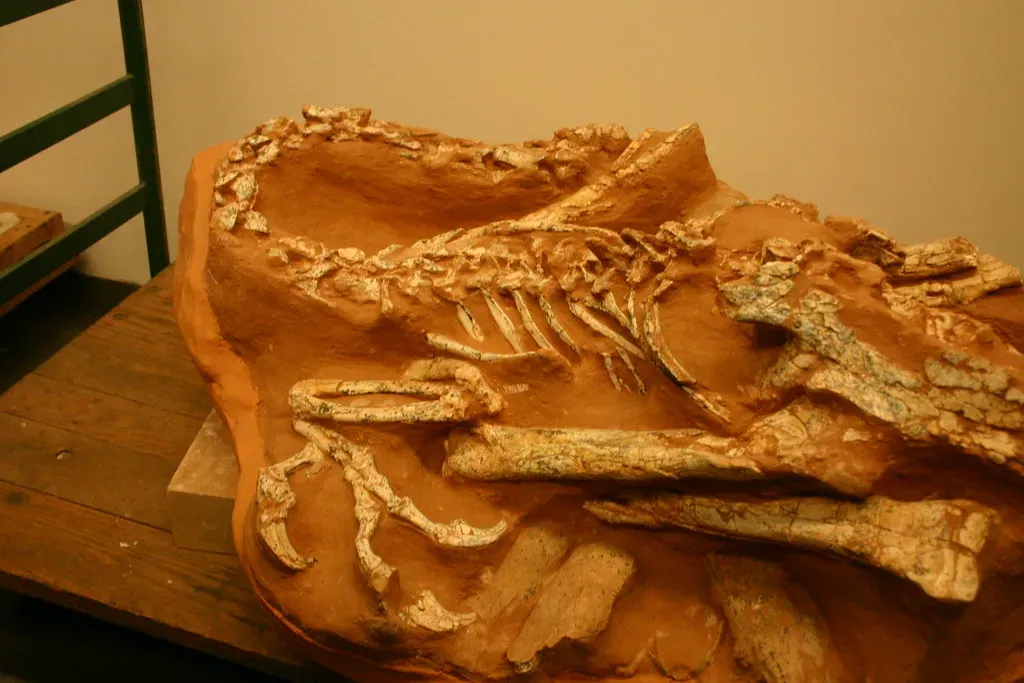
Even if you are on a guided dig, you still need to train your eyes, because dinosaur bones in the Badlands rarely look like movie‑ready skeletons sticking out of a cliff. More often they show up as little weathered chunks scattered on a slope, slightly different in color and texture from the surrounding rock. You’ll notice they can have a subtle sheen, tiny pits or pores on the surface, and a heavier, more solid feel in the hand compared with ordinary stones. Once you spot your first real fragment, your brain starts to lock onto the pattern, and suddenly the hillside around you looks completely different.
Understanding the basic geology helps too. You learn to look in the right layers – those soft, often greenish, gray, or brownish mudstones and sandstones that match the formations known for dinosaur bones. You might trace a trail of small fragments upslope, like breadcrumbs, until you find where the bone is eroding out of the hill. At that point, if you are in a permitted dig or on private land with permission, that’s when the real work of careful excavation starts. If you’re on public land without those permits, that’s your cue to back off, take photos, grab GPS coordinates, and report the find instead of touching a thing.
Staying Safe in Harsh Country: Heat, Terrain, and Wildlife
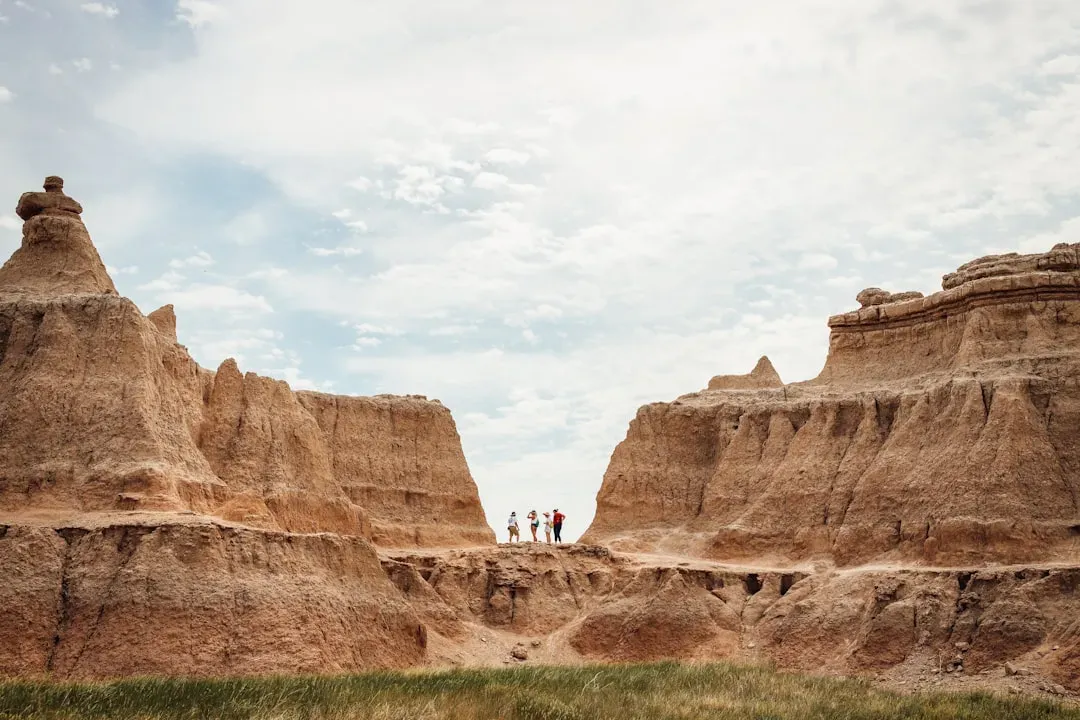
From a distance, the Badlands look like a stone playground, but when you’re actually in them, the landscape can be punishing. Steep, crumbly slopes, loose scree, and sudden drop‑offs turn simple walks into careful, slow traverses. The clay‑rich rocks can be like concrete when dry and like soap when wet, so a surprise thunderstorm can instantly turn a safe path into a slide. If you’re not used to hiking off‑trail in rough ground, a guided outing is worth it just for the safety net and route‑finding alone.
Then there’s the weather. You’re often dealing with blazing sun, dry air, and very little shade, which means dehydration and heat exhaustion creep up on you faster than you expect. Add in things like rattlesnakes, prickly plants, biting insects, and the remoteness of many dig locations, and you start to see why responsible organizers insist on safety briefings, proper boots, hats, water, and first‑aid plans. The romantic image of you walking alone into the Badlands to find a dinosaur bone is powerful, but the smarter, safer version is you walking with a group, well‑prepared, and living to brag about it afterward.
Ethics and Respect: Leaving Fossils for Science and the Future
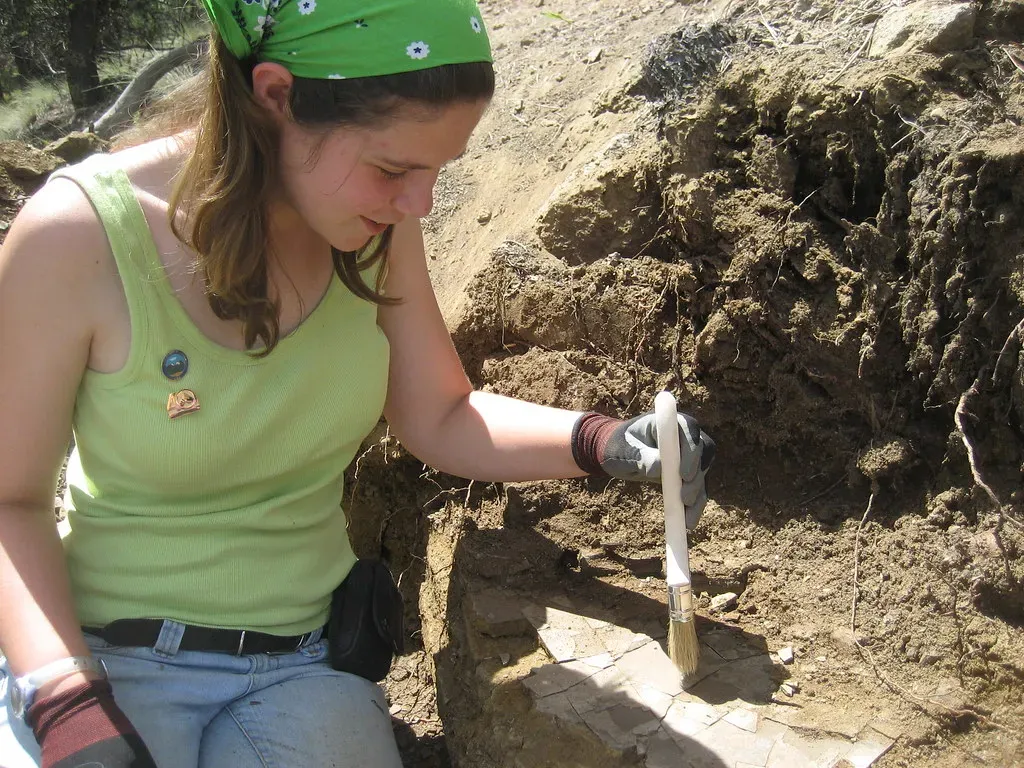
When you first imagine finding a dinosaur bone, your instinct is probably to think about what you can take home and put on a shelf. Once you spend a little time in the Badlands, that mindset usually starts to shift. You see how fragile fossil sites are, how one careless excavation can destroy critical information about how the animal died, what it was buried with, and how the environment around it looked. You realize that a bone in your living room is just an object, while a bone documented correctly in the field becomes data that can change how science understands the ancient world.
That’s why, even on legal digs, you’re encouraged to treat every fossil like it belongs to the public and to the future, not just to you or the landowner. You learn to record positions, note what other fossils occur nearby, and resist the urge to pry at something until the surrounding rock is ready. Outside formal digs, the ethical approach is simple: obey the laws, leave vertebrate fossils on protected lands where they are, and report significant finds instead of quietly pocketing them. It can feel counterintuitive at first, but the payoff is that the Badlands stay rich enough in fossils that future generations – including future you – can keep discovering new things instead of wandering through stripped‑bare hillsides.
Planning Your Own Badlands Dinosaur Adventure
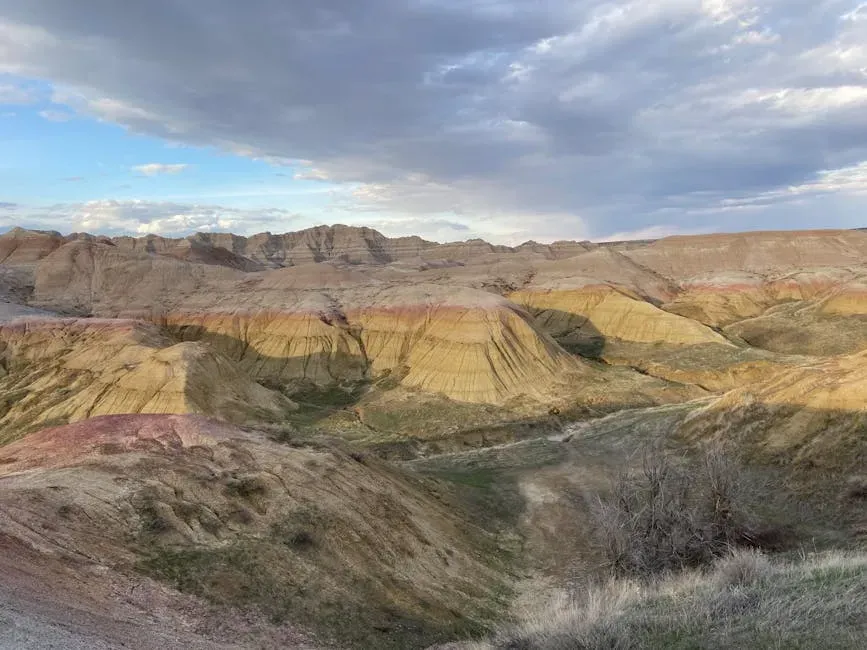
If you’re ready to turn your dinosaur daydream into a real trip, you’ll want to plan with both logistics and legality in mind. Start by deciding what kind of experience you’re after: a museum‑led dig with structured days and lodging included, a more rugged field camp with a research crew, or a sightseeing trip where you focus on hiking, museums, and guided tours rather than active excavation. From there, you can narrow down regions – maybe the classic ranchlands of eastern Montana, the badlands of western North Dakota, or the famous formations near the borders of South Dakota and Wyoming.
Before you go, you’ll want to read up on local regulations, check what you’re allowed to collect (if anything) on the lands you plan to visit, and book your spot early if you want a dig experience; many of the good programs fill up fast. Pack as if you’re going on a serious backcountry outing: sturdy boots, long sleeves, sun protection, more water than you think you’ll need, and a mindset that balances excitement with patience. When you finally find yourself standing on an eroded ridge, with striped cliffs on every side and the possibility of dinosaur bone under your boots, you’ll be glad you did the homework.
In the end, exploring the Badlands as a dinosaur bone hunter is less about owning a fossil and more about stepping directly into deep time. You’re walking the same ground where huge reptiles once trudged through mud and floodplains, and you’re helping, in however small a way, to bring their stories back into the light. The bones are part of that story, but so are the laws, the ethics, the science, and the patience it takes to do things the right way. When you picture yourself out there now, do you see just a treasure hunt – or a chance to be part of something much bigger and much older than you ever imagined?