
You can probably spot a pigeon on a city sidewalk in seconds, but would you believe you are looking at the last surviving dinosaurs on Earth? It sounds dramatic, yet that is exactly where decades of fossil discoveries and careful research have led. You are living in a world where the fiercest survivors of the Age of Dinosaurs are not gigantic tyrannosaurs, but sparrows, hawks, and hummingbirds.
Once you start looking at the fossils, the illusion that dinosaurs are gone starts to crumble fast. Feathered skeletons, dinosaur tails with preserved plumage, and “dino-birds” with wings and teeth all tell the same story: birds are not just related to dinosaurs, they are dinosaurs. As you meet nine of the most important fossils behind that conclusion, you will see how paleontologists, one bone at a time, pieced together the shocking truth that the robin outside your window is a tiny, high-tech T. rex cousin.
1. Archaeopteryx: The Iconic “First Bird” That Looked Like a Dinosaur in Disguise
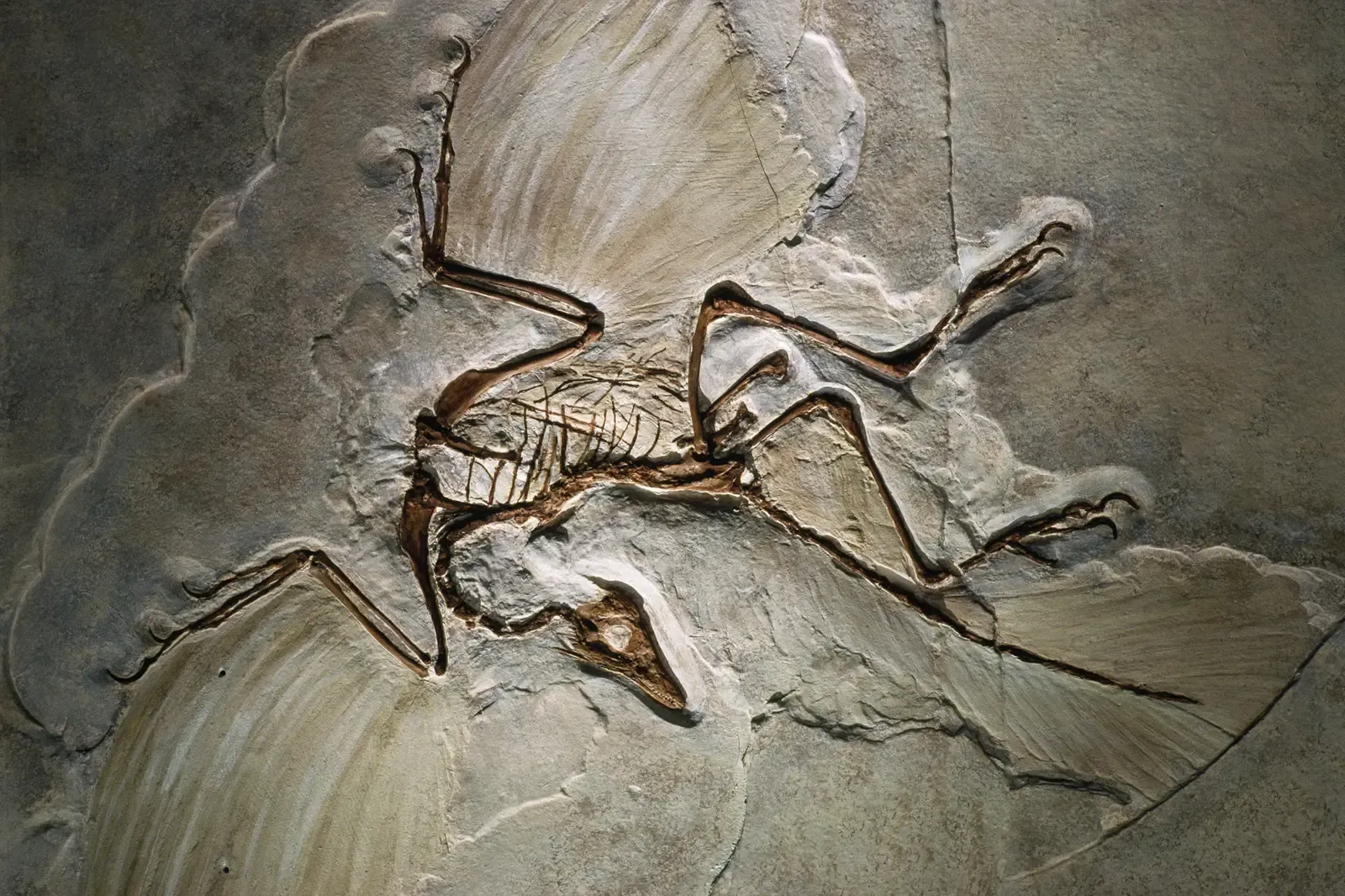
If you could pick one fossil that forced scientists to admit birds and dinosaurs are deeply connected, you would pick Archaeopteryx. When you look at this Jurassic animal, you see a perfect mash‑up: long, feathered wings and a wishbone like a bird, but also sharp teeth, clawed fingers, and a long, bony tail straight out of a classic theropod dinosaur. The skeleton is so similar to small meat‑eating dinosaurs that, without the feathers, you would probably just call it a little predatory dino that happens to glide.
What makes Archaeopteryx even more powerful evidence is how complete and well‑preserved the fossils are. You can literally trace the individual flight feathers, which are shaped and arranged much like those of modern birds, and then follow the tail vertebrae all the way down a fully dinosaur‑style tail. New research has even shown complex tongue bones and mouth structures that you also see in living birds, pushing bird‑like features back into the Jurassic. When you put those traits together, you are not looking at a vague “missing link” but at an early flying dinosaur that already behaves like a very primitive bird.
2. Anchiornis: A Small, Four-Winged Dino That Lets You ‘See’ Colorful Dinosaur Feathers
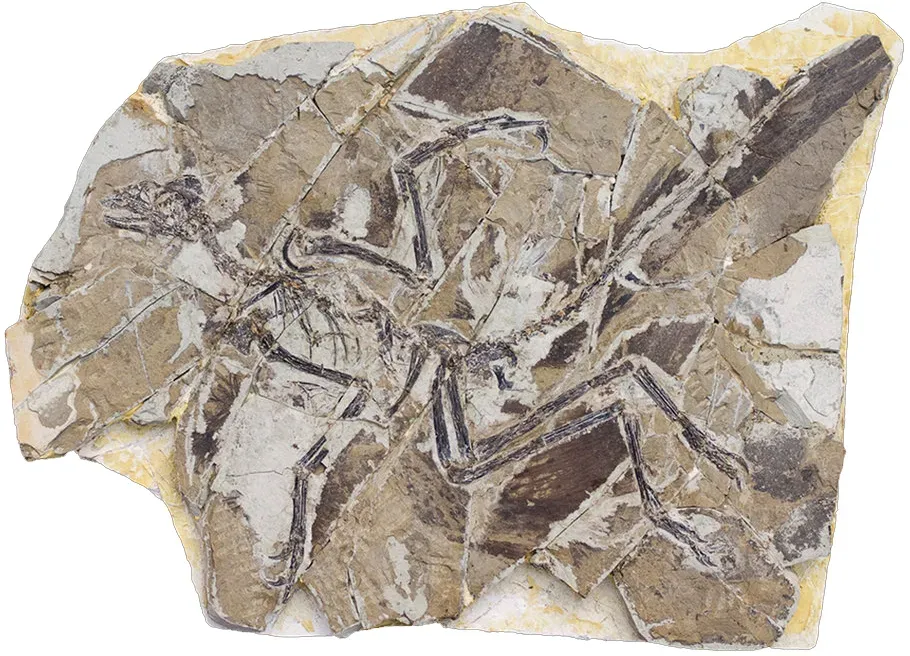
Anchiornis is one of those fossils that makes the dinosaur‑bird connection feel real, almost personal. This crow‑sized dinosaur from China was covered head to toe in feathers, including long plumes on both its arms and legs, giving it what amounts to four wings. When you picture it clambering through Jurassic trees, you are essentially picturing a strange, experimental bird cousin testing out different ways to glide or flap.
The real jaw‑dropper with Anchiornis is how much detail you can see in the preserved plumage. Researchers have been able to look at microscopic pigment structures in its feathers and reconstruct its color patterns, showing you that this animal had a patterned, probably black‑and‑white and rusty‑colored coat. That means you are not just told “some dinosaurs had feathers” in an abstract way; you can actually imagine a specific dinosaur, with specific colors, hopping around like a flashy, long‑tailed bird. Once you do that, the mental barrier between dinosaurs and the sparrows you feed at the park starts to vanish.
3. Microraptor: The Four-Winged Predator That Shows How Flight Evolved in Dinosaurs
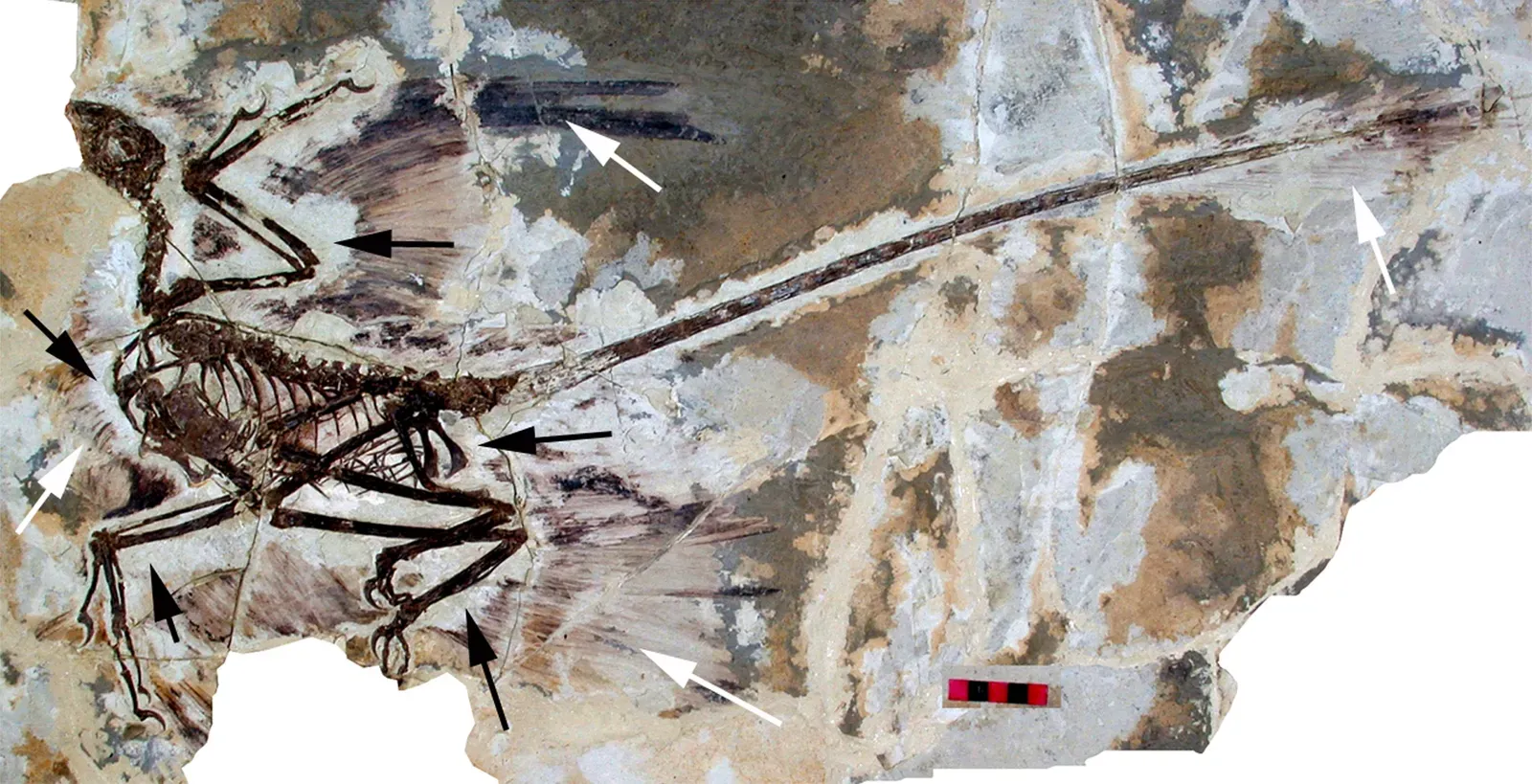
When you meet Microraptor in fossil form, you are staring at one of the most striking arguments that birds emerged from small, tree‑climbing theropods. This tiny dinosaur had long, flight‑style feathers on its arms, legs, and tail, giving it four distinct aerodynamic surfaces. In other words, you are looking at a dinosaur that seems to have been experimenting with different versions of wings before the streamlined bird body plan you know today took over.
You also see in Microraptor a lifestyle that feels halfway between raptor and crow. Studies of its skeleton and preserved stomach contents suggest it hunted small vertebrates and spent a lot of time in trees, gliding or flapping between branches. The claws, teeth, and long tail scream “dinosaur,” but the feather layout and wing structure look familiar if you have ever watched a magpie glide. You are watching, in stone, the sort of animal that bridges the gap between ground‑running predators and the agile flyers that now dominate the skies.
4. Confuciusornis: The Toothless, Beaked Bird That Still Carried Dinosaur Claws
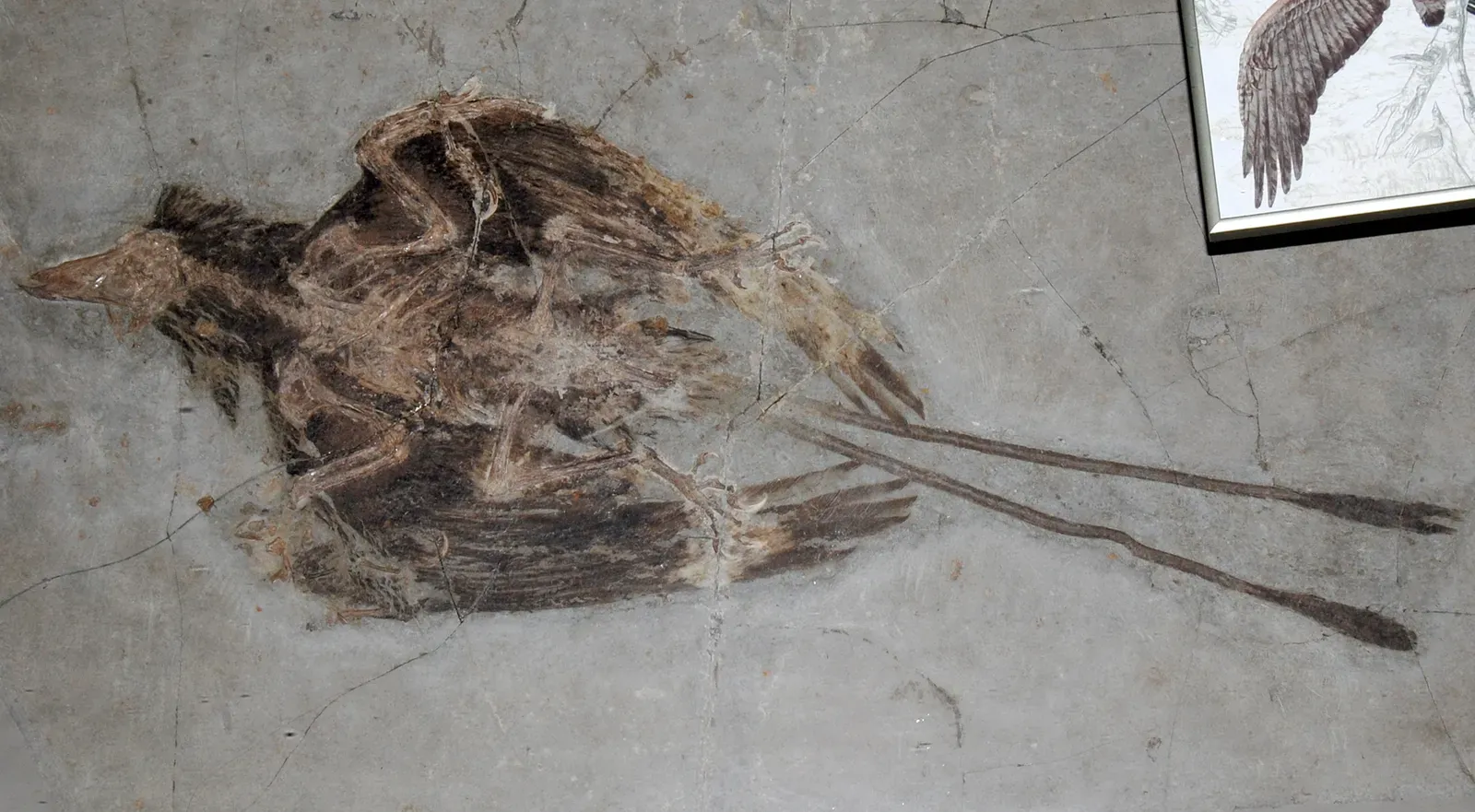
Uploaded by FunkMonk, CC BY 2.0)
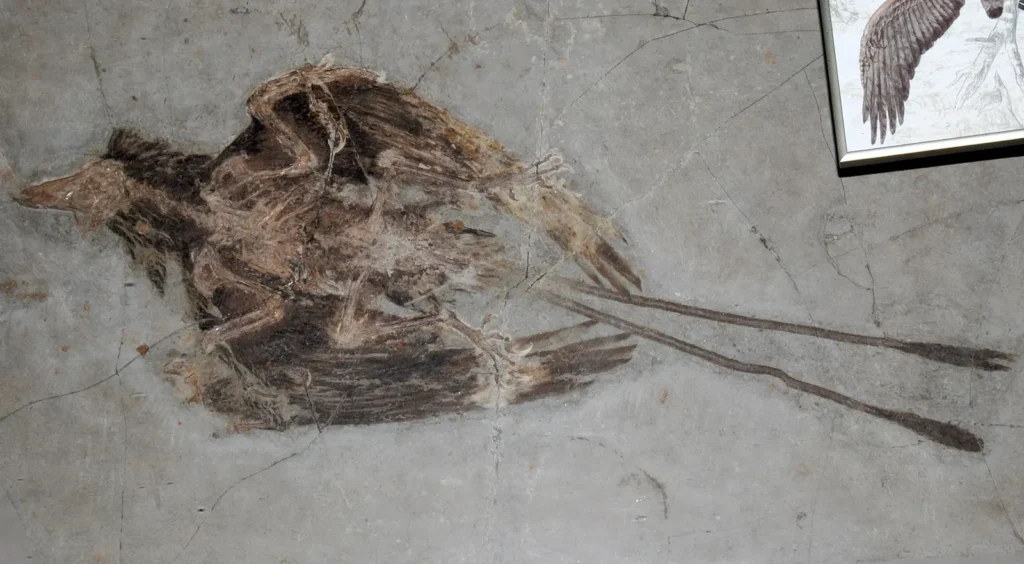
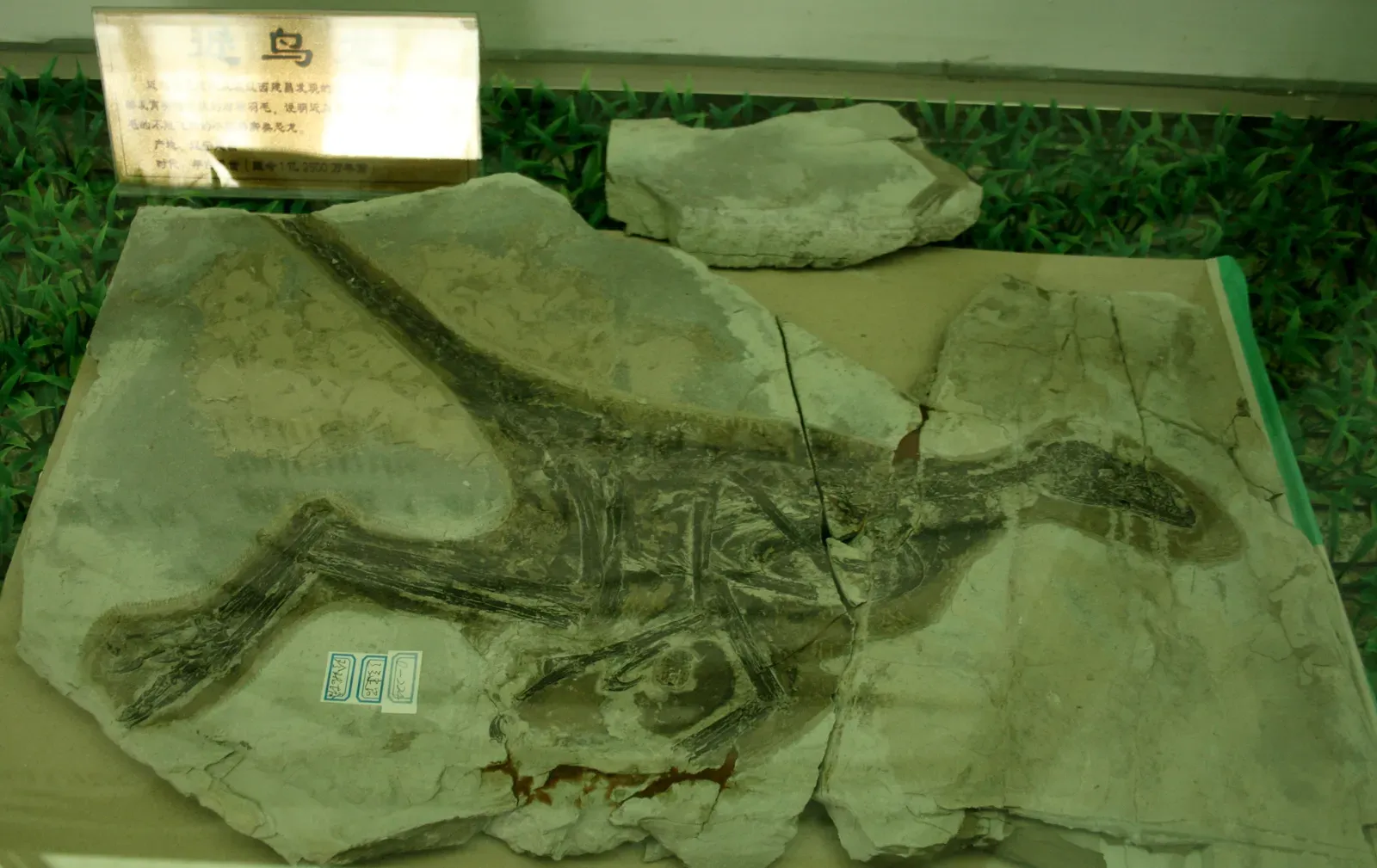
Confuciusornis moves you a step closer to the birds you know today, while still keeping one dinosaurian foot firmly in the past. This early Cretaceous bird from China already has a toothless beak, which is a very modern avian feature, and some individuals sported long, ribbon‑like tail feathers that remind you of display plumes in living birds. When you handle reconstructions of its skull, you can instantly recognize the beak‑based feeding style that many modern species rely on.
Yet, when you drop your gaze from the head to the hands, the dinosaur ancestry hits again. Confuciusornis still carried clawed fingers on its wings, a trait you do not see in living birds but that you do see in non‑avian theropods. Its skeleton also shows a blend of primitive and advanced features in the shoulder and chest that indicate it could fly but was not yet as efficient as a modern swift or swallow. In this one fossil, you watch a dinosaur lineage gradually swapping teeth for a beak and claws for more refined wings, without ever stopping being a dinosaur.
5. Sinosauropteryx: The “Fluffy” Dinosaur That Proved Feathers Were Not Just for Flight
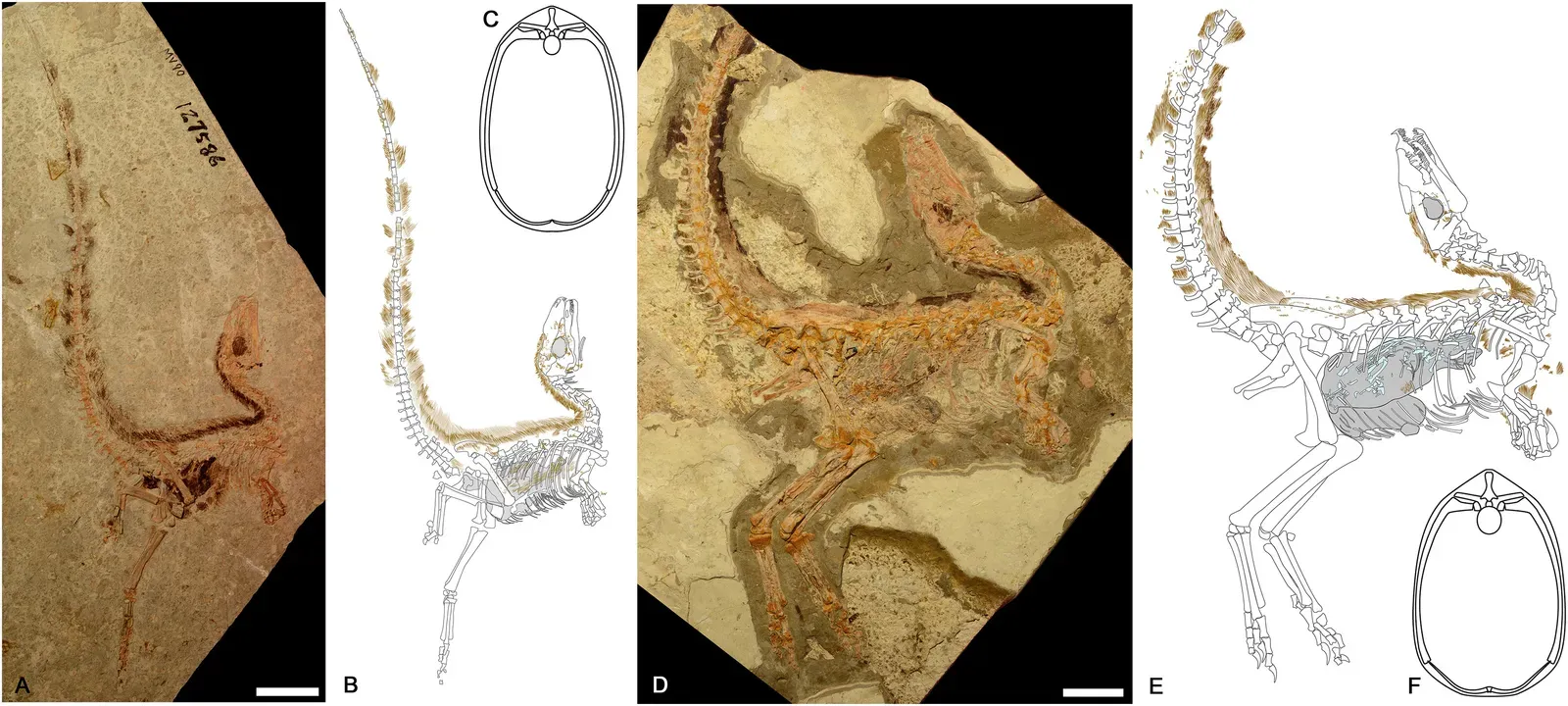
Sinosauropteryx does something very important for your understanding of birds as dinosaurs: it shows that feathers began as simple filaments on land‑dwelling theropods long before true flight. This small, carnivorous dinosaur from China is preserved with a halo of fuzzy structures running along its back and tail. Those “proto‑feathers” look more like hair or down than the sleek flight feathers you see on an eagle, but they are built from the same basic material and grow from the skin in similar ways.
When you picture Sinosauropteryx trotting around with its striped, filament‑covered tail, you are seeing a dinosaur that probably used its feathers for insulation, display, or both. That matters because modern birds use feathers for many of the same reasons, not just for flying. By the time you reach true birds in the fossil record, feathers have already been around for a long time inside dinosaur lineages, evolving into more complex shapes and functions. You are not looking at birds suddenly sprouting feathers out of nowhere; you are watching dinosaurs gradually refine feather technology into the full‑blown wings that keep your backyard birds aloft.
6. Caudipteryx: The Ground-Running Dinosaur With Proper Tail Fan and Wing Feathers
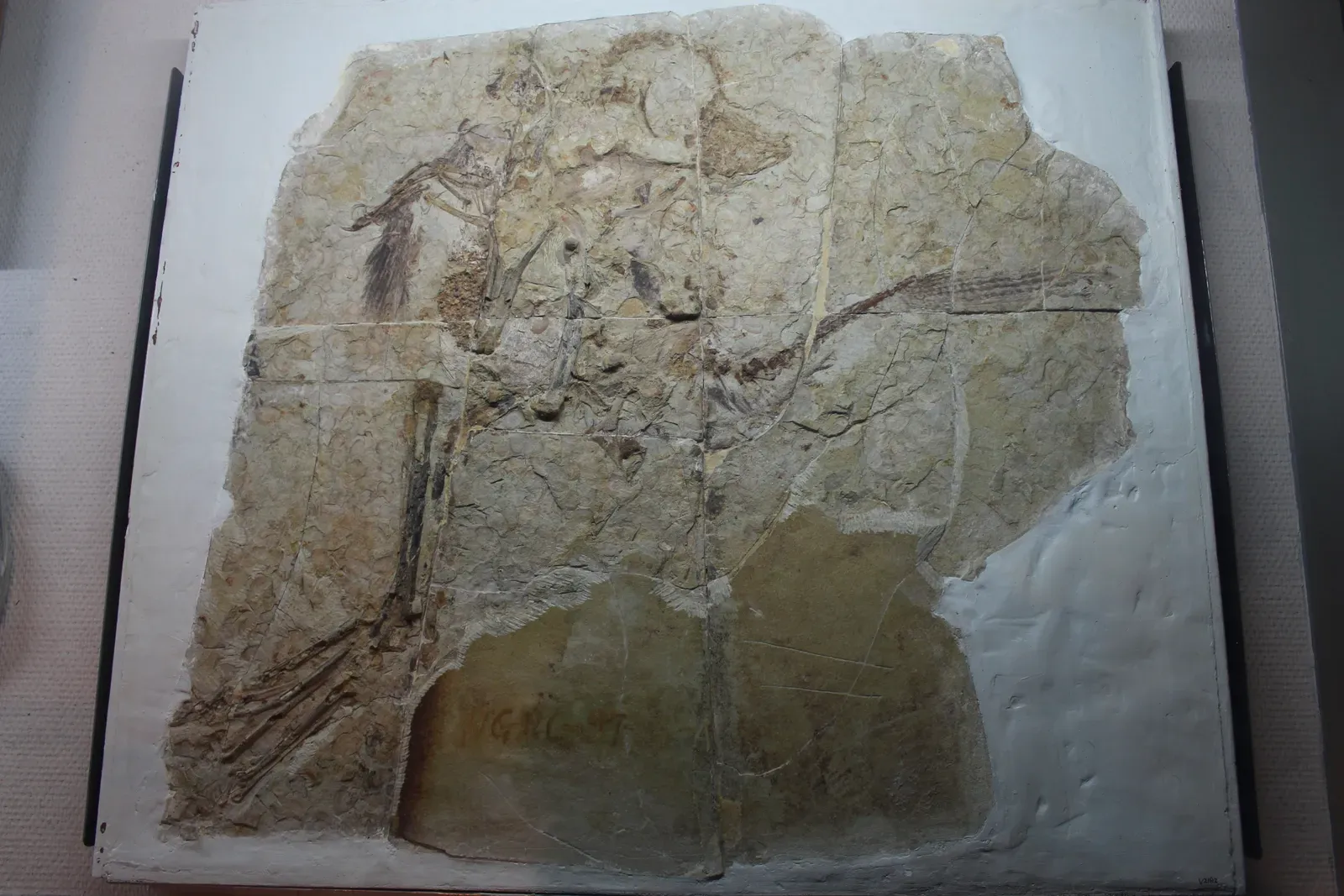
Caudipteryx is one of those fossils that makes you do a double take, because on first glance it looks downright bird‑like. This small, ground‑running dinosaur from the early Cretaceous had a short tail tipped with a fan of long feathers, plus vaned feathers on its arms that resemble primitive wings. The body is built more for sprinting than soaring, so you are likely looking at a dinosaur that used its feathers for display, balance, or brief bursts of controlled movement, not sustained flight.
What matters for you, though, is how modern the feathers themselves appear. They have central shafts and branching barbs, just like the flight feathers you find dropped by a pigeon. That tells you the complex feather structure you see in birds did not evolve after birds split away from other dinosaurs; it was already present in some non‑avian species like Caudipteryx. When you accept that, you are forced to see feathers, wings, and tail fans as dinosaur inventions that birds inherited and fine‑tuned, rather than purely bird traits that dinosaurs somehow borrowed.
7. A Dinosaur Tail in Amber: A Tiny Time Capsule of Feathers From the Age of Dinosaurs
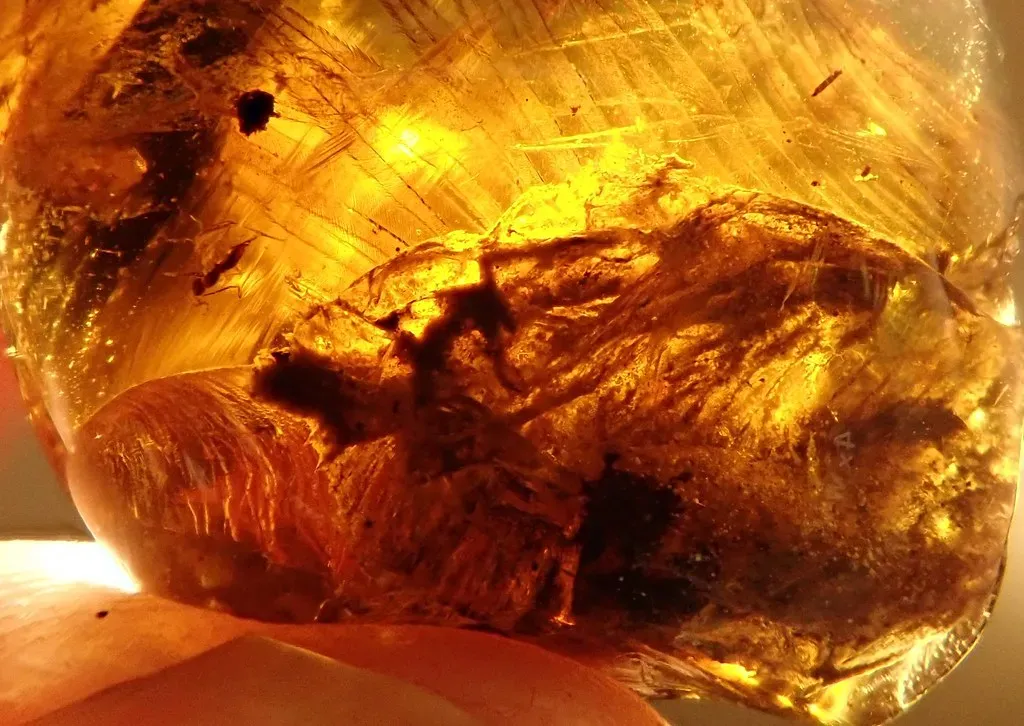
One of the most mind‑bending fossils you can look at is a small piece of amber holding a dinosaur’s feathered tail from the mid‑Cretaceous. Instead of a flat impression in rock, you are staring at three‑dimensional feathers, complete with color, barbs, and even tiny details that show how they attached to the skin. The tail vertebrae locked inside are arranged in a way that tells you they belonged to a non‑avian dinosaur, not a modern‑style bird with a fused tail bone.
This little time capsule answers a question you might have had: were dinosaur feathers really like bird feathers, or just something vaguely similar? In amber, you can see that many of the same design solutions birds use today were already present tens of millions of years ago. Branched barbs, soft downy sections, and more rigid portions all sit there, frozen in tree resin, showing you that complex feathers evolved inside dinosaur groups. When you hold that mental image next to a chickadee’s feather on your hand, the continuity from Cretaceous dinosaur to modern bird becomes very hard to deny.
8. Early Ornithuromorph Birds: Powerful Fliers That Narrow the Gap to Modern Species
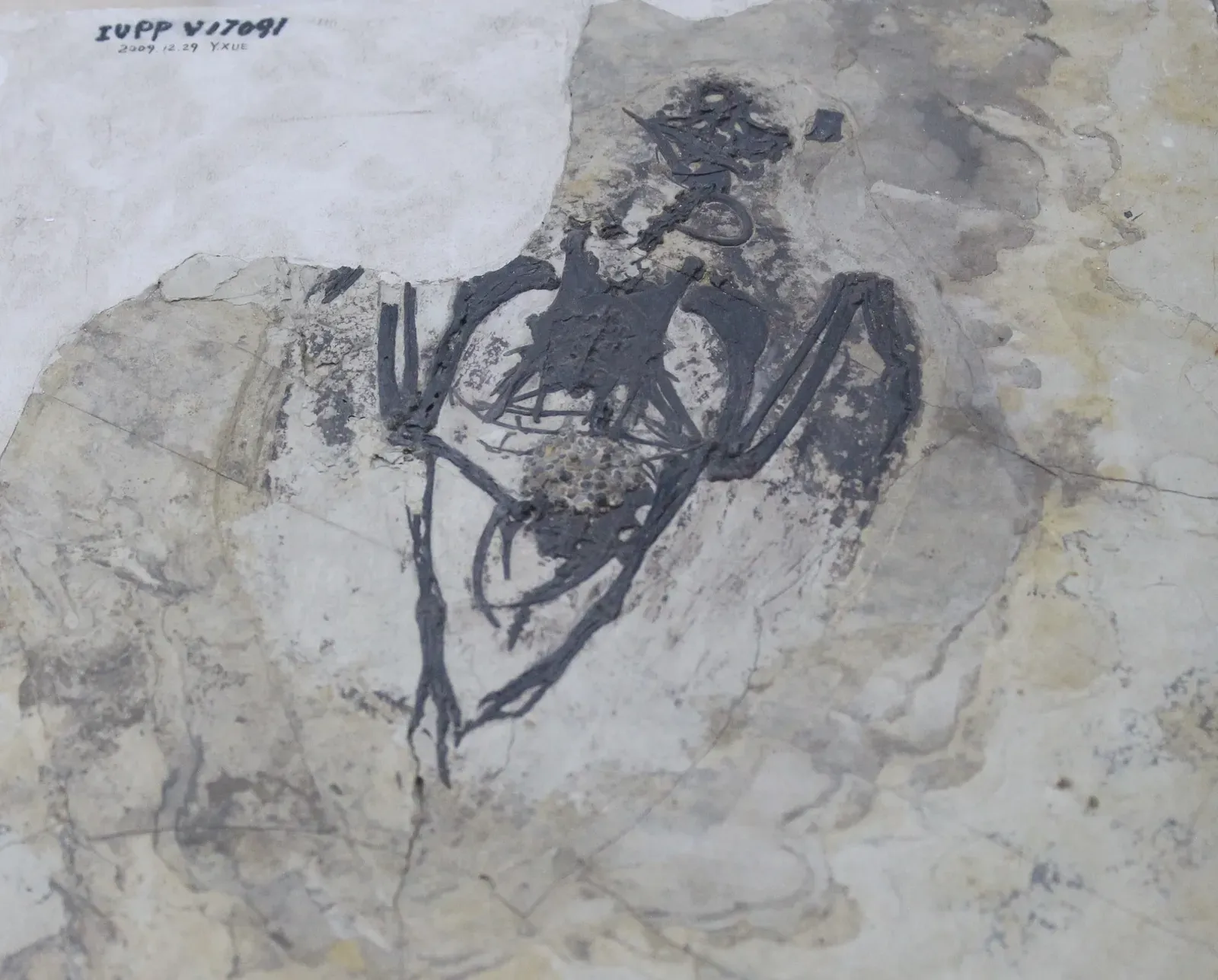
As you move forward in time into the Cretaceous, you start meeting early members of the group that directly leads to living birds, often called ornithuromorphs. Fossils like Archaeorhynchus show you birds with strong, modern‑style wings, streamlined bodies, and tail structures closer to the short, fused arrangement that most species use today. Some even preserve feathers around the neck and head, hinting at plumage patterns and flight capabilities that feel very familiar.
From your perspective, these animals look less like “halfway” creatures and more like slightly odd versions of shorebirds, swallows, or ducks. Yet, they still sit firmly inside the broader dinosaur family tree, sharing key skeletal features with earlier theropods. That means when you trace a line from a small, bird‑like dinosaur to these early ornithuromorphs and then forward to modern finches, you are not jumping between unrelated groups. You are following one continuous dinosaur line that gradually refines its body for powered flight, efficient breathing, and high metabolic demands until it becomes the birds you see everywhere today.
9. Velociraptor and Other Feathered Raptors: Predators That Already Wore Bird-Like Coats
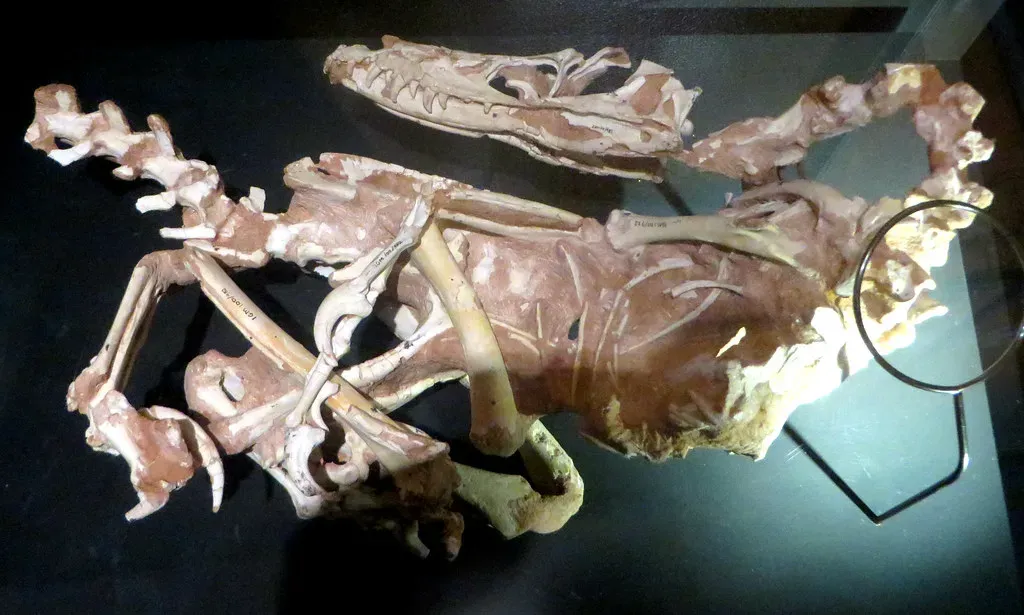
It is tempting to picture Velociraptor as a scaly, lizard‑skinned movie monster, but the real animal undermines that image and supports the bird‑dinosaur link. Fossils of Velociraptor and its close relatives preserve quill knobs on the arm bones, which are small bumps where large feathers anchor in living birds. That tells you these predators had well‑developed arm feathers, even if they were too heavy‑bodied to fly, and probably carried body plumage too. When you see that in a classic, sickle‑clawed raptor, it is hard not to think “oversized, flightless bird of prey.”
More broadly, a whole suite of raptor‑like dinosaurs show combinations of feathers, hollow bones, specialized breathing systems, and bird‑style hips and wrists. You can think of them as the extended family that sits around birds at the dinosaur family reunion. They are not birds in the strict modern sense, but they share so many anatomical and even behavioral hints that calling birds “avian dinosaurs” is more than poetic. Once you accept that a feathered, winged, clawed predator like Velociraptor is just one branch of a larger, feather‑bearing dinosaur group, seeing pigeons as the last living raptors of that dynasty feels far less exaggerated.
Conclusion: Once You See It, You Cannot Unsee the Dinosaur in Every Bird
Uploaded by FunkMonk, CC BY-SA 2.0)
When you stack Archaeopteryx, Anchiornis, Microraptor, Confuciusornis, Sinosauropteryx, Caudipteryx, amber‑preserved tails, early ornithuromorphs, and feathered raptors side by side in your mind, a very clear picture emerges. You are not dealing with a vague similarity or a convenient story; you are looking at a dense, overlapping web of fossils that tie birds tightly into the dinosaur lineage. Feathers, hollow bones, specialized lungs, beaks, wishbones, and even detailed mouth structures all appear step by step inside theropod dinosaurs before you ever reach a modern sparrow.
Once you absorb that, everyday life feels a little more extraordinary. The crow calling from a power line, the goose hissing at you in a park, the tiny hummingbird hovering at a feeder are not just “like” dinosaurs, they are what is left of them. You share your cities, forests, and coastlines with the last branch of a once‑dominant dynasty that survived an extinction that wiped out their giant cousins. The next time you hear wings beating overhead, will you be able to stop yourself from thinking, just for a second, that a dinosaur just flew by?