
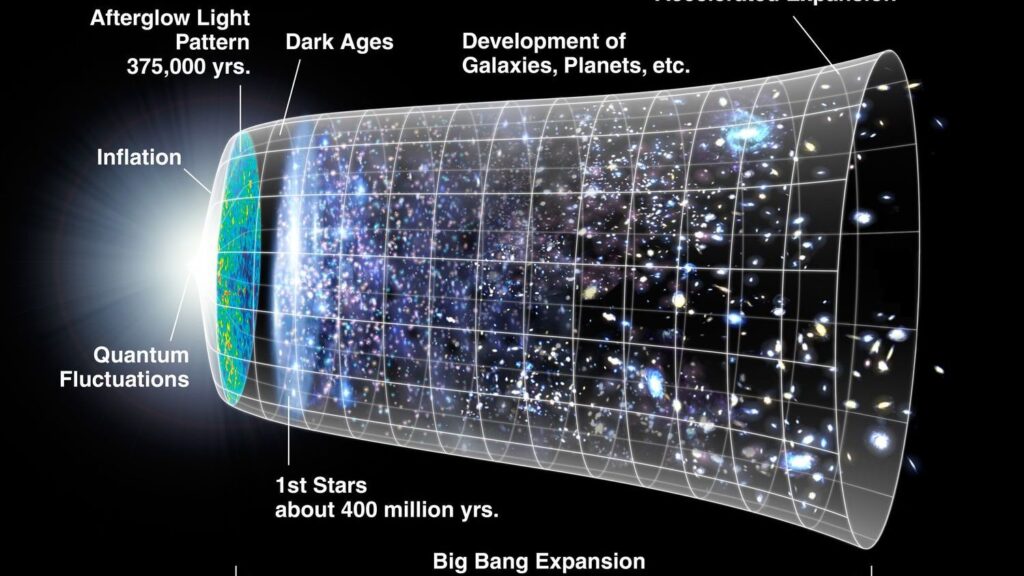
If you could step outside the universe and watch it from a distance, you’d see something almost unsettling: everything is rushing away from everything else, and the pace is changing over time. You are living in a cosmos that is not static or settled but in motion, layered with eras that rise and fade like chapters in a very long book. What we call “cosmic epochs” are those chapters, each one ruled by different physics and different dominant ingredients of the universe.
As telescopes sharpen and theories mature, you keep discovering that the universe’s story is more dramatic than you were taught in school. Expansion is not just a background detail; it is the main plot. It shapes how galaxies form, how stars live and die, and even how far into the future your universe remains habitable. When you understand these epochs, you start to see that your moment in cosmic time is surprisingly special: not at the beginning, not at the end, but in a rare in‑between window where you can still read most of the story.
The First Flicker: From Quantum Fluctuations to Cosmic Inflation
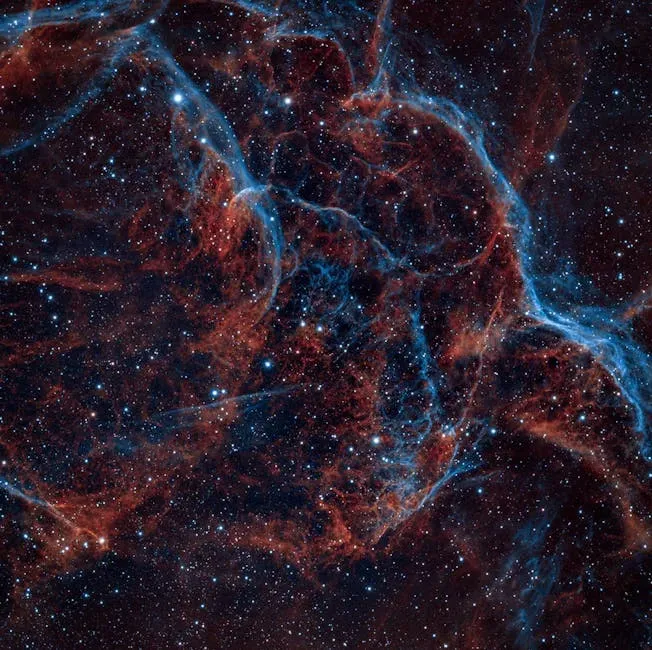
To grasp how your universe got its large‑scale structure, you need to start with something incredibly small: quantum jitters in an infant cosmos. In the very earliest fraction of a second, space itself seems to have been filled with tiny fluctuations, like ripples on a microscopic pond. Then, an ultra‑brief but furious growth spurt called inflation stretched those quantum ripples to astronomical sizes. In just a blink, the universe grew from subatomic scales to something vastly larger than the part you can ever see.
You can think of inflation like pulling a balloon covered in tiny ink specks; when you blow it up rapidly, those specks become the seeds of a pattern. In your universe, those seeds grew into the web of galaxies and clusters you observe today. Without that early burst, the cosmos could have remained an almost perfectly smooth soup, with no galaxies, no stars, and no place for you to exist. When you read about “cosmic epochs,” this inflationary flash is the mysterious prologue, short in duration but huge in consequences.
The Afterglow Era: Reading the Cosmic Microwave Background
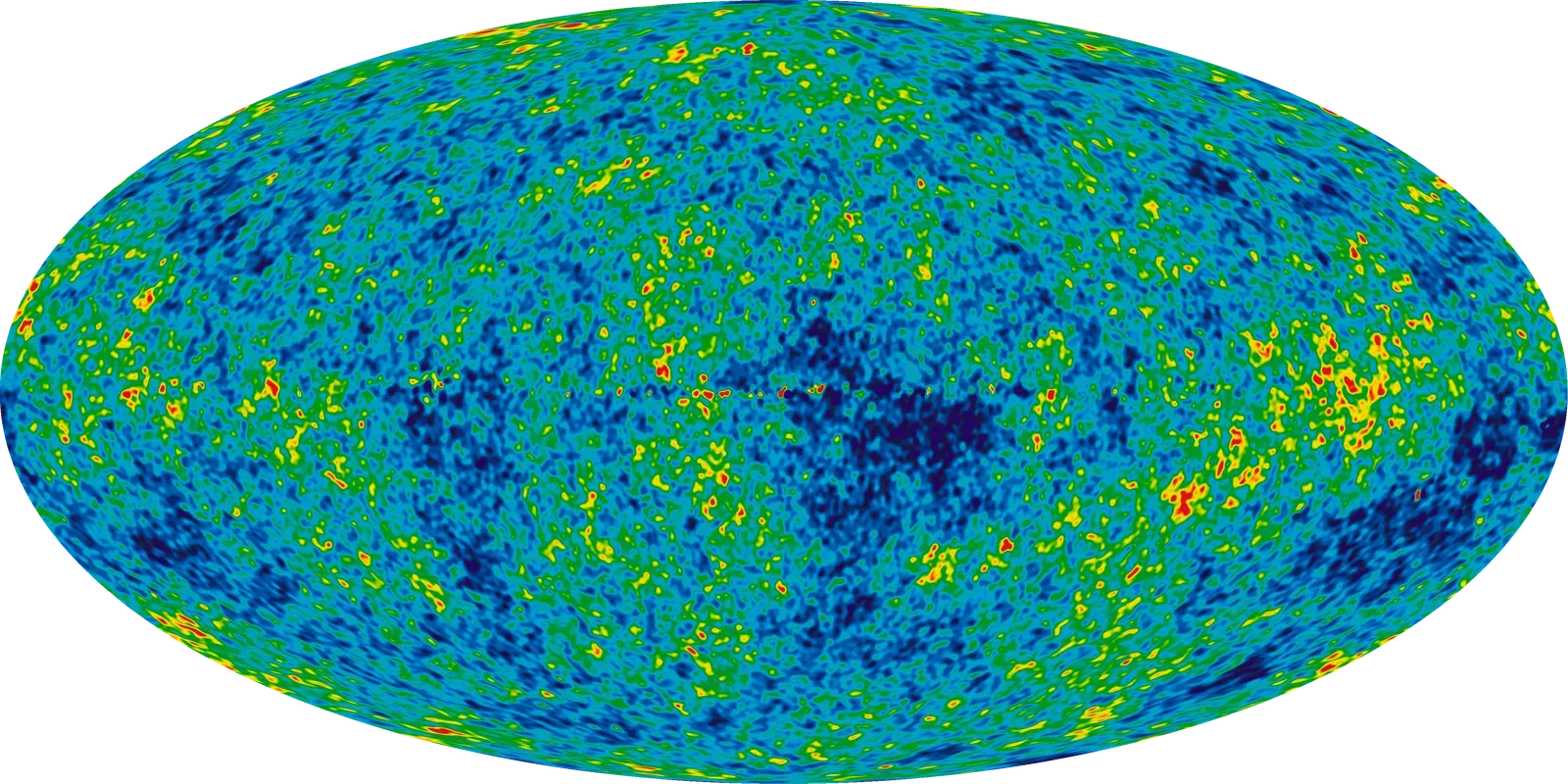
Roughly about four hundred thousand years after the beginning, your universe cooled enough for electrons and protons to combine into neutral atoms. For the first time, light could travel freely through space instead of constantly bouncing off charged particles. That light is still around you today as the cosmic microwave background, a faint radio glow bathing the entire sky. When you see those colored maps from space telescopes, you’re effectively looking at a baby picture of the universe.
In that afterglow, you can actually read the fingerprints of earlier cosmic epochs. Slight temperature differences from spot to spot show you where matter was just a bit denser, destined to collapse into galaxies and clusters. The remarkable thing is that you, sitting in the twenty‑first century, can decode this fossil light like an archaeologist brushing dust from a relic. By studying this era, you are not just peeking into the past; you’re checking whether your models of cosmic expansion and composition even make sense.
The Primordial Forge: When the First Elements Took Shape
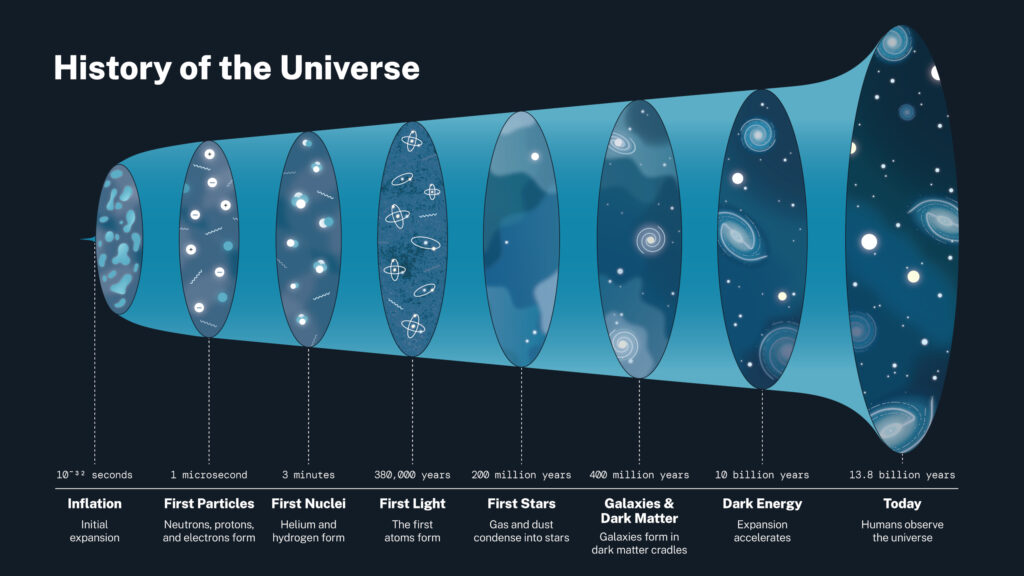
Before the universe produced fully formed atoms in the afterglow era, it went through a brief but crucial phase called Big Bang nucleosynthesis. In the first few minutes, temperatures and densities were so extreme that protons and neutrons smashed together to form the lightest elements. You ended up with a cosmos dominated by hydrogen, with a substantial amount of helium and just traces of lithium and a few others. This quiet‑sounding detail has enormous impact on how stars and galaxies later evolve
When you compare the predicted amounts of these primordial elements with what you actually observe, you are testing your entire understanding of the early universe. The match is strikingly good, which is why cosmologists trust that your universe really did pass through this hot, dense, rapidly expanding state. In everyday terms, it means the atoms in your body are part of a chain that started in these early nuclear reactions. You are literally built from material cooked in one of the first cosmic epochs, long before any star ever ignited.
The Cosmic Dawn: First Stars, First Galaxies, First Light
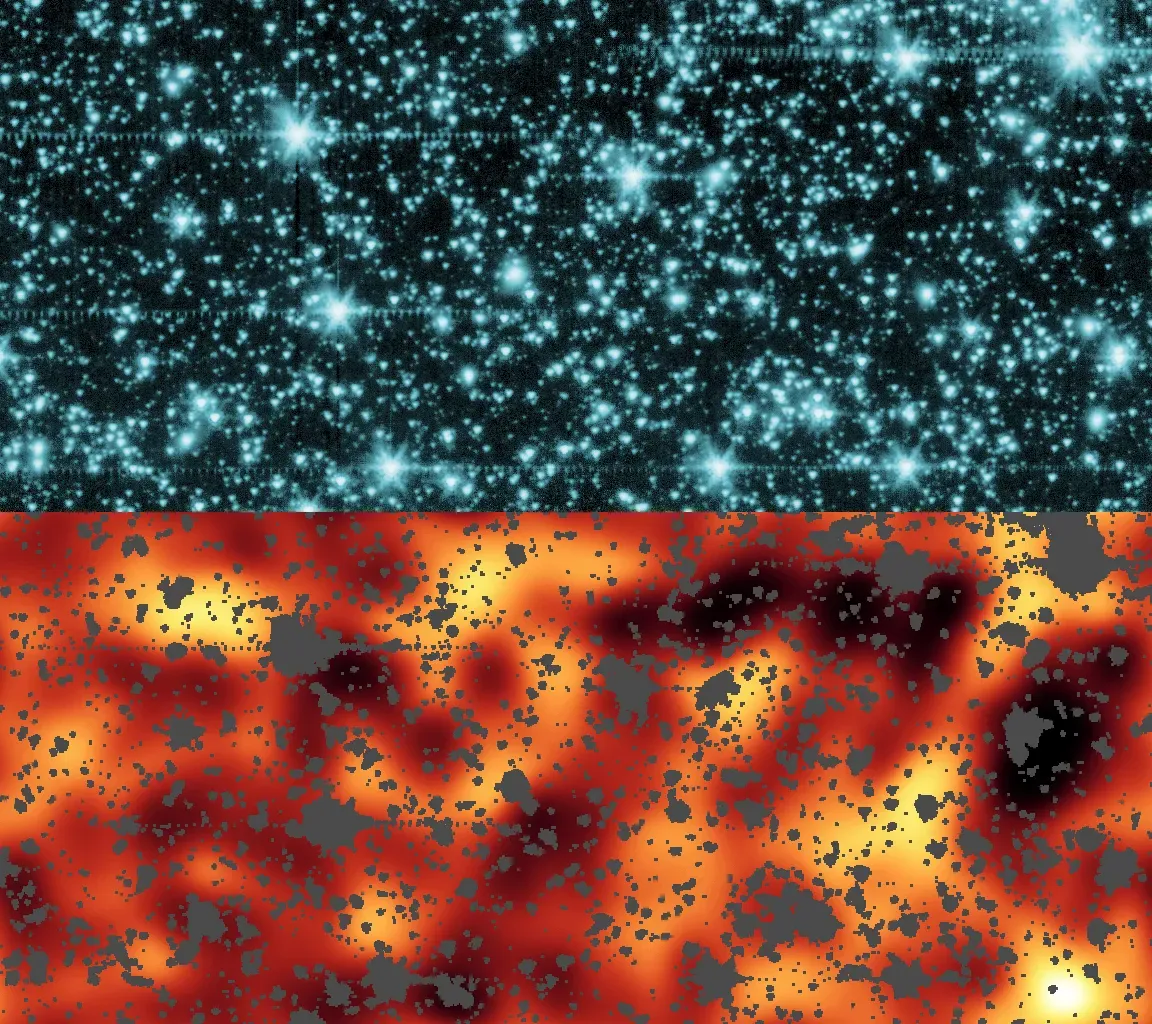
After the afterglow faded and the universe entered its so‑called “dark ages,” there were no stars yet, only clouds of neutral hydrogen and dark matter. Then, hundreds of millions of years later, something dramatic happened: the first stars flickered into existence. You call this turning point the cosmic dawn. These first stars were likely massive, short‑lived, and extremely bright, flooding space with ultraviolet light powerful enough to tear electrons from atoms again in a process called reionization.
For you, this epoch is like the moment a city’s lights come on at night when you look down from an airplane. Suddenly, structure becomes visible. As those first stars exploded and new generations formed, galaxies assembled and merged, creating the diverse zoo of shapes you now see through telescopes. When you look at the deepest images from modern observatories, you are literally catching the universe as it transitions from quiet darkness into a universe busy with star factories and swirling galaxies.
The Matter‑Dominated Era: Gravity Builds the Cosmic Web
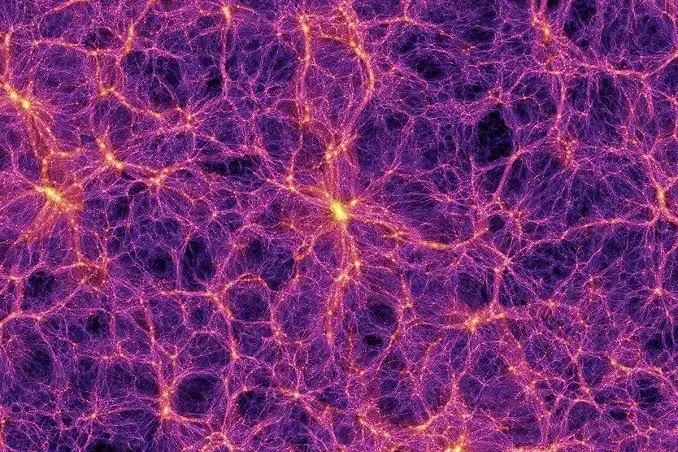
For a long stretch of cosmic history, ordinary matter and dark matter took center stage in shaping the universe’s structure. During this matter‑dominated era, gravity had time to amplify tiny density differences into vast cosmic architecture. You can picture it like dough rising in an oven, with certain spots puffing up into loaves while others lag behind. Under the pull of gravity, matter flowed into filaments and nodes, weaving the cosmic web that connects clusters of galaxies across hundreds of millions of light‑years.
If you could hover outside time and watch this period unfold in fast‑forward, you’d see galaxies forming, merging, and transforming in epic slow motion. This is the era that directly set the stage for your own Milky Way, your Sun, and eventually your planet. It is also the phase where the expansion of the universe was still slowing down under gravity’s pull. For a while, it might have looked as if the cosmos would keep decelerating forever. You now know that was only a temporary chapter, not the whole story.
The Dark Energy Takeover: Accelerated Expansion and a New Epoch
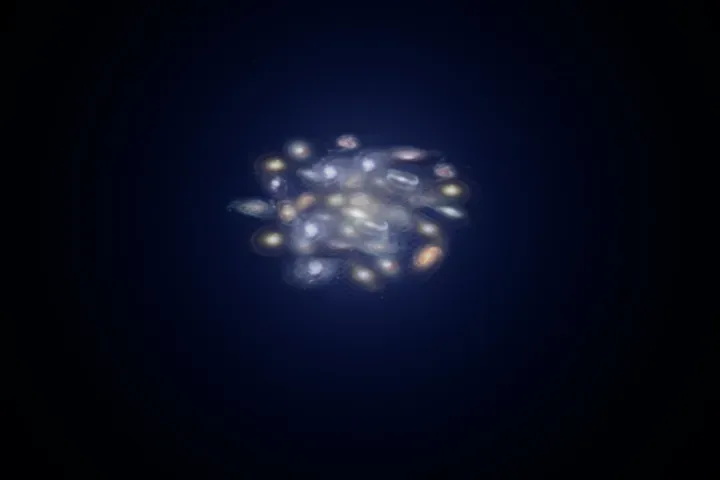
Billions of years into the universe’s history, something deeply counterintuitive became clear: instead of slowing, the expansion began to speed up. You give the name dark energy to the mysterious driver behind this acceleration, even though you still do not know its true nature. In this dark energy‑dominated epoch, space itself seems to be pushing galaxies away from one another faster and faster over time. That shift marks a profound turning point in the cosmic narrative.
You happen to live right around the transition between matter domination and dark energy domination, which is a surprisingly lucky vantage point for doing cosmology. From your position, you can still observe the afterglow of the early universe, trace the cosmic web of galaxies, and also measure the recent acceleration. In the very far future, many of those clues may fade from view as distant galaxies slip beyond your observable horizon. That means the window you occupy is uniquely rich for uncovering how all these epochs fit together.
Future Epochs: A Fading Night Sky and the Long Dark
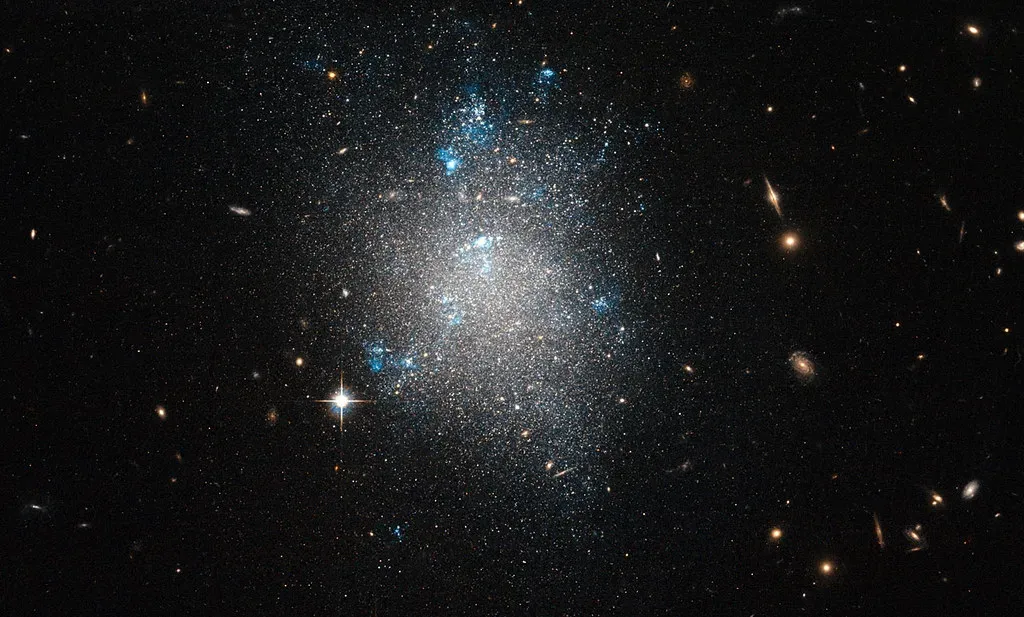
When you project your current models forward, the universe’s expansion sketches a stark picture of the distant future. As dark energy drives accelerated expansion, more and more galaxies will move so far away that their light will never reach you. To an observer living trillions of years from now, the night sky could look almost empty, limited to the remnants of a single bound structure like a large galaxy or cluster. In that far‑off epoch, the clues you rely on today to reconstruct cosmic history would be gone.
Even on smaller scales, time keeps eroding the universe’s bright, active features. Stars will burn through their fuel, leaving behind white dwarfs, neutron stars, and black holes. Over enormously long timescales, even those leftovers will cool, decay, or evaporate. You are living in what some cosmologists call the stelliferous era, the age of starlight. Compared to what comes later, your universe right now is buzzing with activity, rich in heavy elements, and full of environments where life can thrive, at least locally.
How New Telescopes Are Letting You Time‑Travel Through Epochs
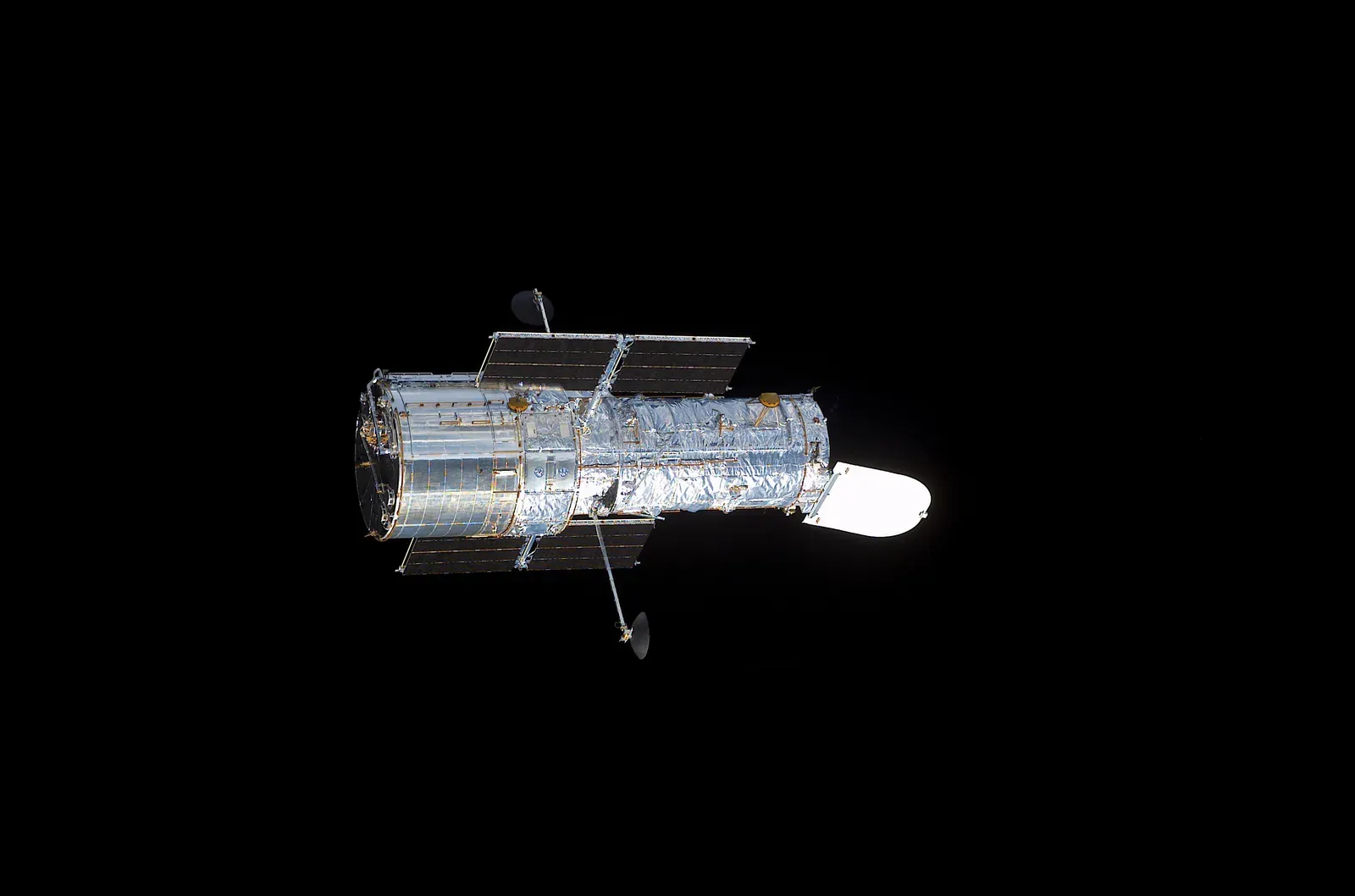
Every new generation of telescopes effectively hands you a better time machine. Space observatories that can see in infrared, microwave, X‑ray, and other wavelengths allow you to peer back into different stages of the universe’s past. When you look at extremely distant galaxies, their light has been stretched by expansion and delayed by billions of years, so you are seeing them as they were in earlier epochs. In one image, you might be looking at a galaxy that formed shortly after the cosmic dawn, while another object in the same frame belongs to a much later chapter.
On top of that, gravitational wave detectors are starting to give you another way of listening to the universe’s history, by catching ripples from violent cosmic events. As technology improves, you may even be able to probe closer to the first fractions of a second after the beginning than you ever thought possible. Each new instrument adds another piece to the puzzle of how your universe expanded, cooled, and switched from one dominant ingredient to another. In a very real sense, you are learning to watch the cosmic epochs unfold instead of only inferring them from theory.
Conclusion: Living Between Yesterday’s Fire and Tomorrow’s Silence
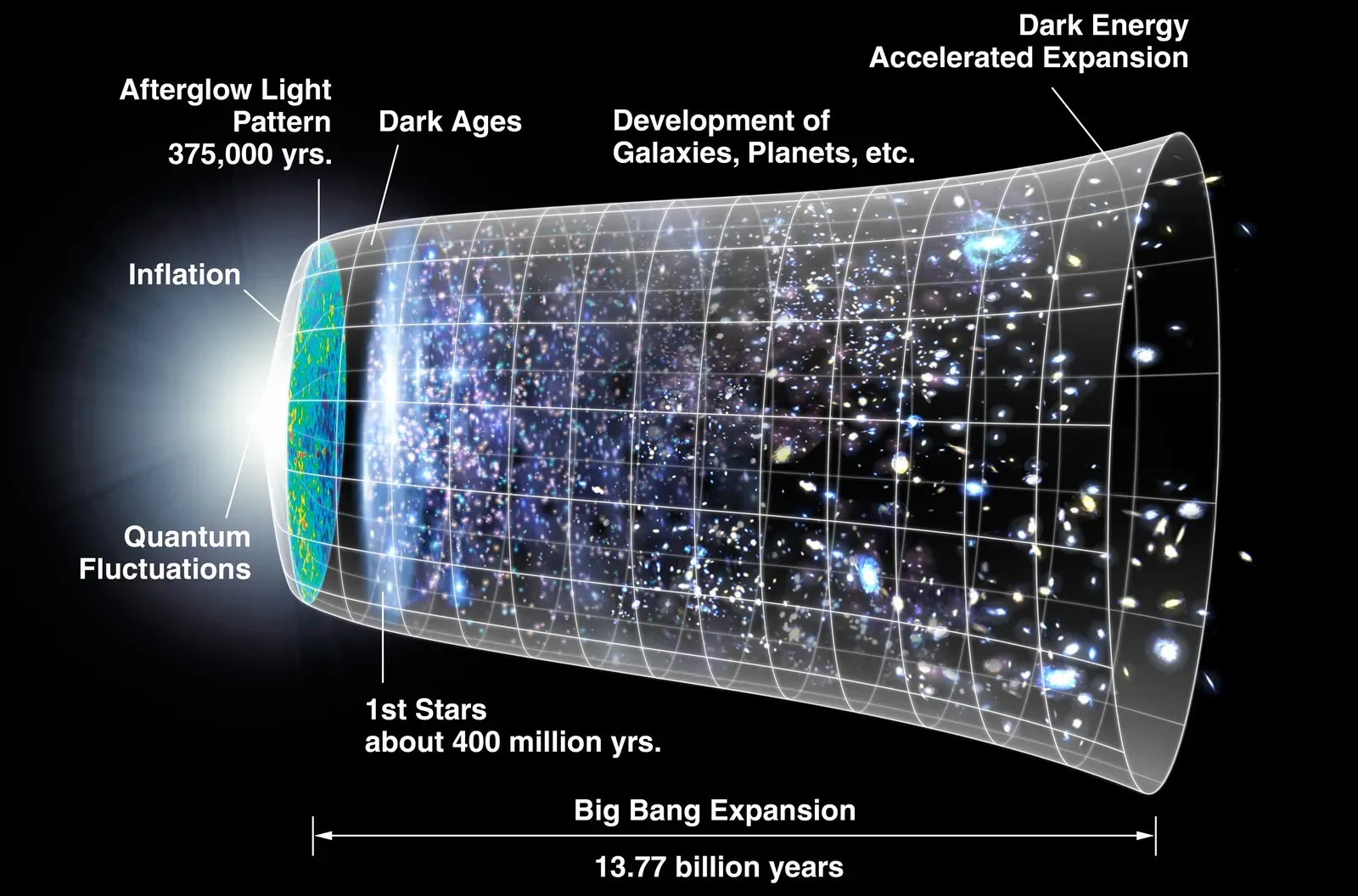
When you step back and look at the big picture, you realize you are living in a universe that has already passed through several radically different phases and is heading toward others that will be just as strange. From the blistering quantum beginnings to the first stars, from gravity‑driven structure to dark energy’s quiet push, expansion has been the thread stitching all these epochs together. Your current era, with its wealth of starlight and its unique mix of matter and dark energy, is a fleeting but extraordinary chapter where the universe is both knowable and alive with activity.
By studying how expansion changes over time, you are not just cataloging exotic physics; you are figuring out why you exist now and not in some other cosmic age. The more you understand these epochs, the more you see your own moment as balanced between yesterday’s fire and tomorrow’s silence. You may never know every detail of what happened in the first instants or what will unfold in the ultimate future, but you can keep sharpening the picture with each new observation. When you look up at the night sky tonight, can you feel that you are looking not just at space, but at time itself layered in front of you?