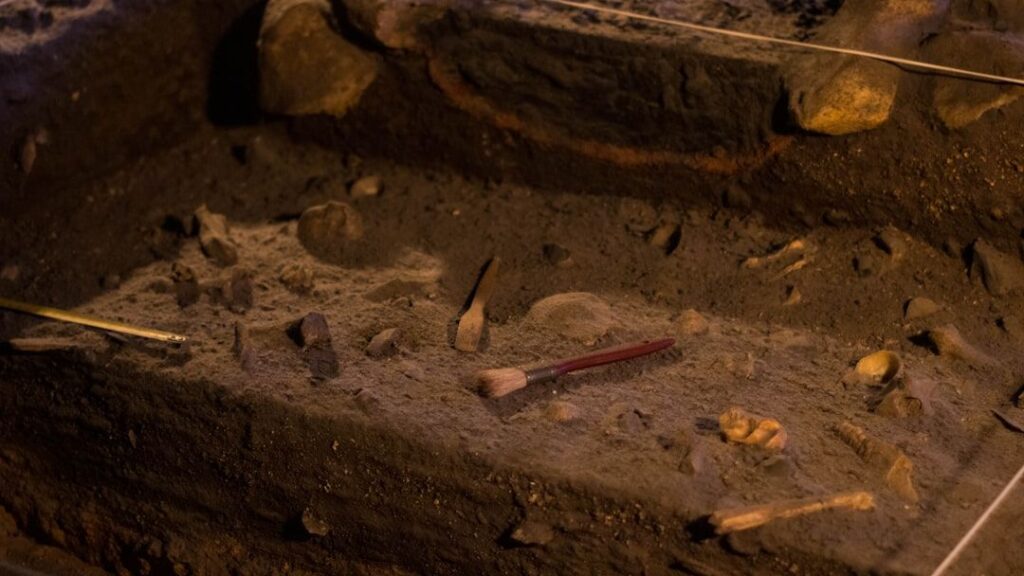
Suffolk – Archaeologists working on the Sizewell C nuclear power project have unearthed the remnants of a rare funeral pyre at the Goose Hill site. This find, reported on April 22, 2026, reveals a timber structure once used for cremation rites, positioned on a slope overlooking the ancient coastline. The discovery highlights how preparatory excavations continue to illuminate thousands of years of human activity in the area.
A Striking Location with a Commanding View
A Striking Location with a Commanding View (Image Credits: Unsplash)
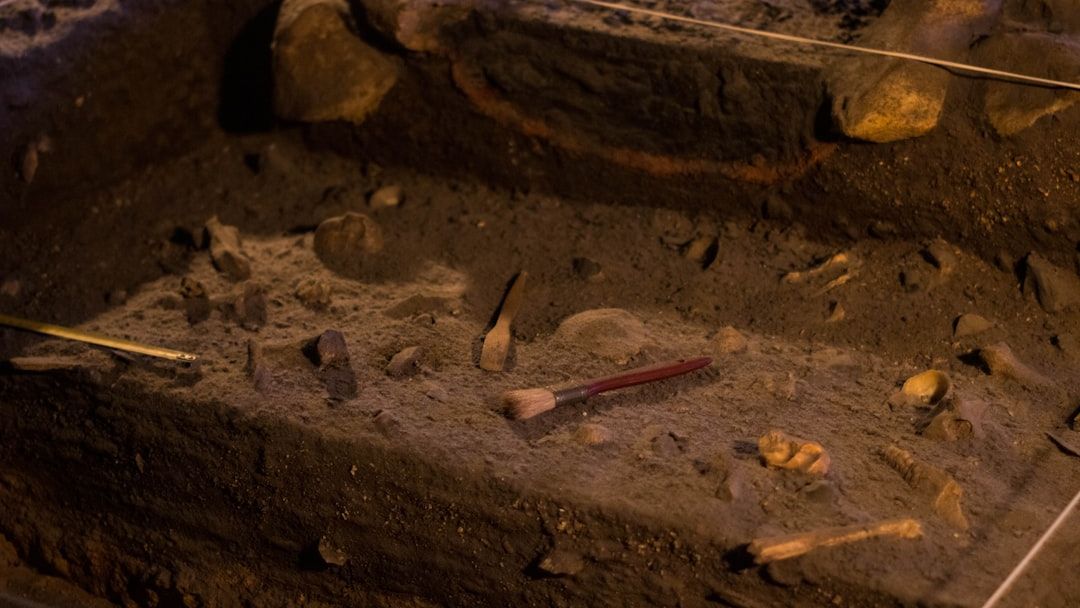
The pyre occupied a prominent spot on a south-facing slope, offering views toward what is now the Suffolk coastline. Excavators noted its rectangular outline, measuring roughly 3 meters by 2 meters, formed by a lattice of stacked timbers possibly rising to 1.5 meters high. Up to six postholes encircled the feature, suggesting standing posts supported the platform where the body lay before ignition.
Disturbance from World War II training activities had impacted the site, yet core elements endured. Charcoal-blackened soil and patches of pinkish sand, heated to high temperatures, marked the burn area. Such preservation is exceptional, as pyres typically vanish due to ploughing and erosion.
Traces of Ritual in Charred Remains
Within the dark soil spread, teams recovered occasional fragments of burnt bone, now slated for detailed analysis. Specialists will determine if the remains are human, assess the individual’s sex, age, and any health conditions, and explore the cremation process. The limited bone quantity points to post-cremation collection, likely for urn burial elsewhere on the site or nearby.
Plans include radiocarbon dating of bone and charcoal samples, alongside studies of burnt plant material to identify fuels like heath scrub and kindling. Any accompanying artifacts will reveal more about the deceased’s status and the local environment. These efforts aim to pinpoint the ritual’s timing and cultural context.
- Rectangular charcoal-rich soil deposit
- Burnt bone fragments for osteological analysis
- Pinkened sand from intense heat
- Postholes indicating structural supports
- Potential grave goods or environmental samples
Embedded in a Broader Ancient Landscape
The pyre sat off-center within a ring ditch, possibly once capped by a mound eroded by later farming. No central burial appeared, though a later ditch had cut through the area. An Iron Age pit truncated the ring ditch’s edge, confirming its earlier origin.
Goose Hill has yielded other mortuary evidence, including a Bronze Age cremation in a Collared Urn dated around 1950–1600 BC and another possible urned cremation. A polished flint axe from the Early Neolithic period turned up in the infilled ditch, likely redeposited over time. These layers paint a picture of repeated ritual use across millennia.
Uncertain Dates and Enduring Rarity
Preliminary assessments favor a prehistoric date for the pyre, perhaps Bronze Age or Iron Age, over later Roman or Anglo-Saxon periods. A known Anglo-Saxon pyre exists 8 kilometers away at Snape, but activity at Goose Hill waned then. Final dating awaits lab results.
Chris Fern, PX Project Manager, and Ed Tolley, Goose Hill Area Lead at Oxford Cotswold Archaeology, flagged the discovery. Their work underscores the pyre’s national importance as a surface feature rarely preserved intact. Ongoing Sizewell C excavations have already revealed Anglo-Saxon burials and Bronze Age urns elsewhere, enriching Suffolk’s archaeological narrative.
Key Takeaways
- A timber pyre platform for cremation, surviving against odds.
- Analysis to reveal deceased’s identity and ritual details.
- Part of Goose Hill’s multi-period ritual landscape.
This pyre not only survives as a testament to ancient fire rites but also prompts reflection on how modern infrastructure projects safeguard the past. What secrets will further testing unlock from Suffolk’s sands? Share your thoughts in the comments.