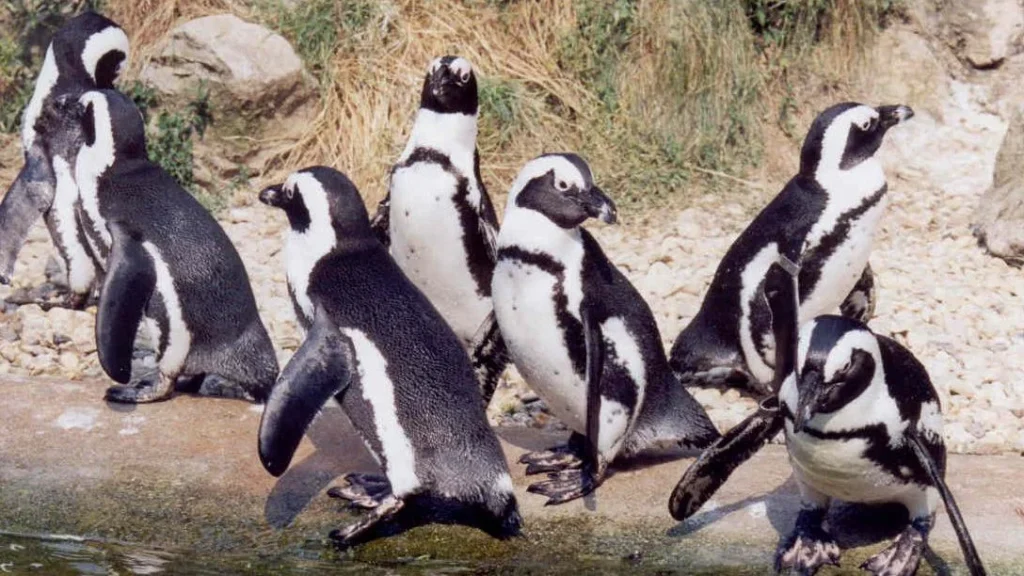
African penguins face an uncertain future as the only penguin species native to the continent grapples with severe food shortages. Scientists have turned to innovative weight-monitoring technology to assess their health and determine if they secure enough nourishment amid plummeting fish populations. This approach highlights the urgent pressures from environmental changes threatening these birds’ survival.
A Unique Presence in African Waters
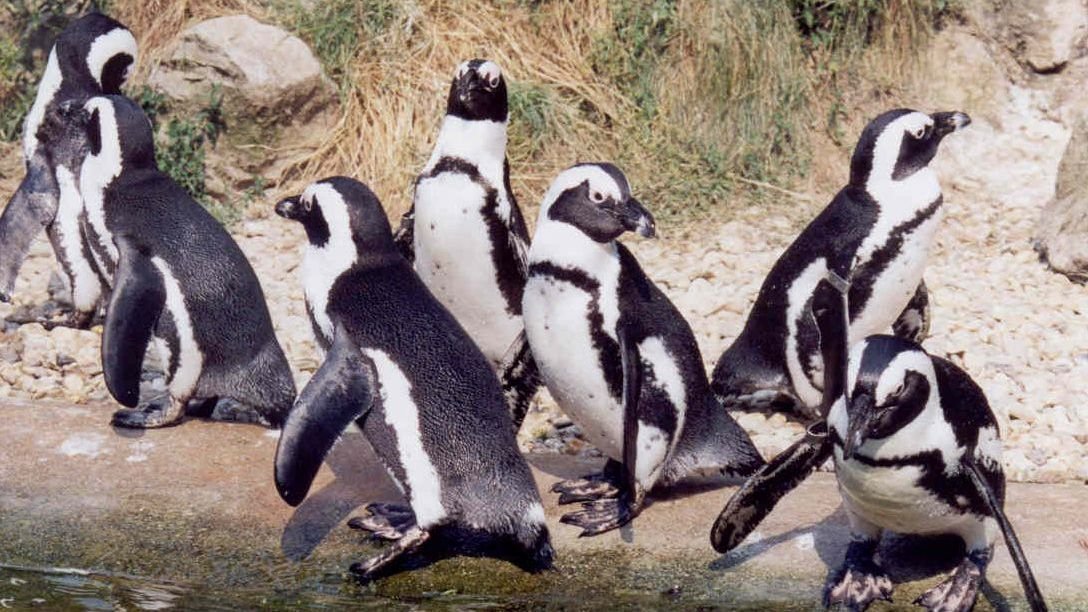
A Unique Presence in African Waters (Image Credits: Upload.wikimedia.org)
African penguins stand apart as the sole penguin species found on the African continent. They inhabit coastal regions where they once thrived in sizable colonies. Recent decades, however, have brought steep population declines, earning them critically endangered status from conservation authorities.
These birds depend heavily on the ocean’s bounty for daily sustenance. Their presence underscores Africa’s distinctive role in global penguin diversity, even as habitats shrink and threats mount. Efforts to protect them now draw international attention to preserve this regional icon.
Fish Stocks Vanish, Hunger Follows
Sardines and anchovies dominate the diet of African penguins, providing essential energy for foraging, breeding, and chick-rearing. Fish populations that once supported robust colonies have dwindled dramatically in recent years. Penguins now travel farther for meals, often returning empty-beaked and weakened.
Rising ocean temperatures disrupt prey distribution, pushing sardines and anchovies to cooler waters beyond easy reach. Pollution degrades marine habitats, while overfishing by commercial fleets depletes stocks faster than they replenish. These combined factors create a perfect storm, leaving penguins malnourished and breeding success rates in freefall.
Precision Tech Enters the Fray
Researchers have introduced advanced technology to track penguin weights with meticulous accuracy. Automated scales at nesting sites capture data during routine weigh-ins, revealing patterns in body mass over time. This method offers real-time insights into feeding success and overall condition.
Healthy penguins maintain stable weights that fluctuate predictably with breeding cycles. Drops signal inadequate food intake, prompting targeted interventions like protected fishing zones. The technology proves scalable, allowing monitoring across multiple colonies without constant human presence.
What matters now: Weight data not only flags individual health risks but also maps broader ecosystem shifts, guiding policy on fishing limits and pollution controls.
Conservation’s Next Steps
Monitoring initiatives build on years of fieldwork documenting the penguins’ plight. Data from weight trackers informs strategies to restore fish stocks and safeguard breeding grounds. Collaborations between scientists, governments, and fisheries aim to balance human needs with wildlife demands.
Success hinges on sustained action against climate-driven changes and industrial pressures. Early results from these efforts show promise in stabilizing some colonies, though challenges persist.
As African penguins navigate emptier seas, this weight-focused vigilance serves as a vital lifeline. It transforms raw data into actionable conservation, offering a measured path toward recovery for a species hanging by a thread.