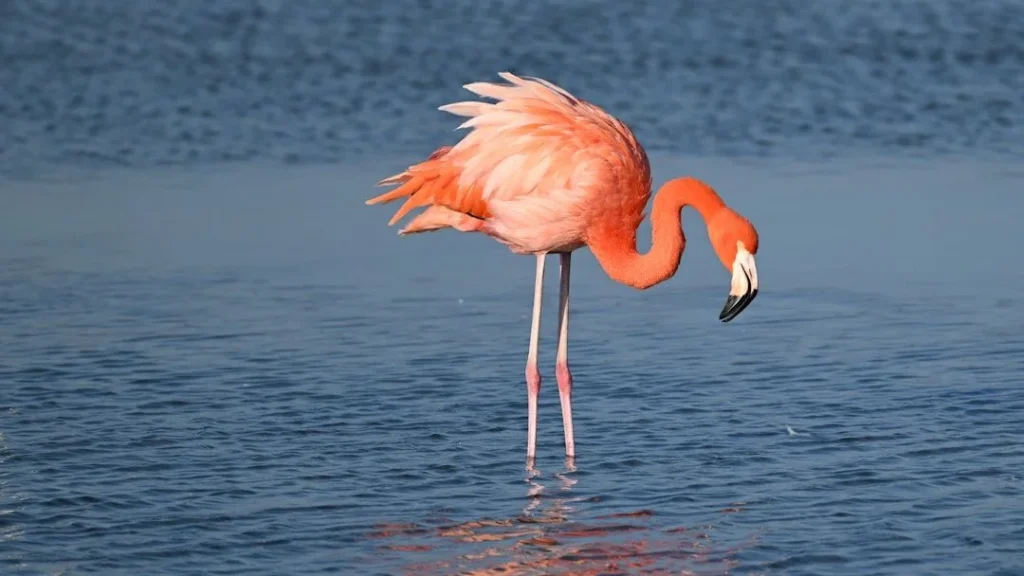
In the heart of New York City’s Times Square, a vibrant 3D anamorphic display recently drew crowds to celebrate the American flamingo, courtesy of a partnership between the National Wildlife Federation and LG Electronics. This spring spotlight, tied to Earth Day 2026 events, underscores the bird’s gradual resurgence in Florida after decades of scarcity. Conservationists view the moment as timely, highlighting both progress and persistent challenges to the species’ coastal habitats.
Striking Features Rooted in Diet and Adaptation
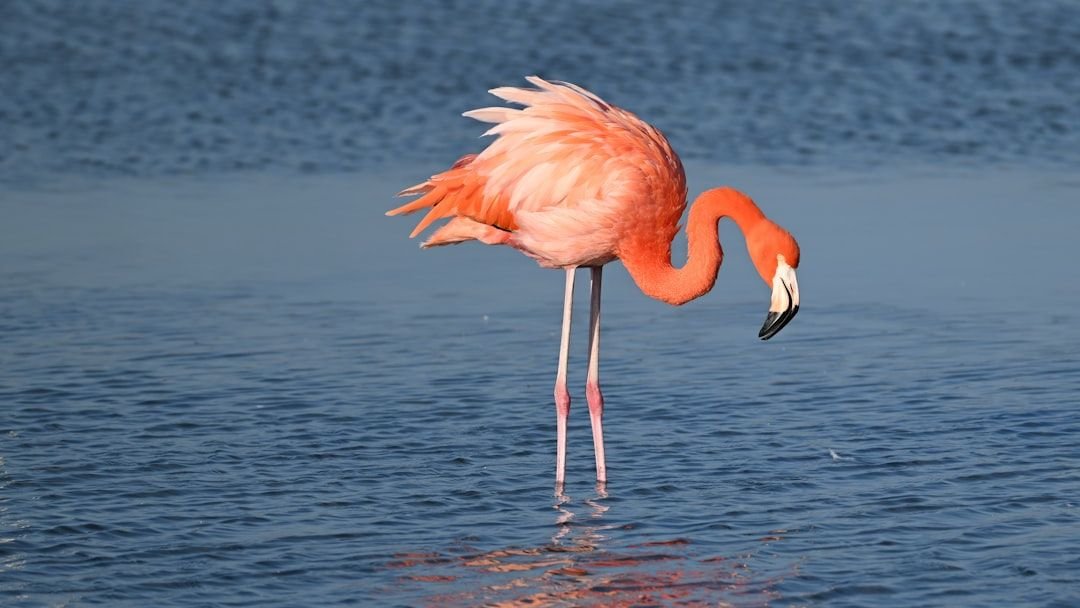
Striking Features Rooted in Diet and Adaptation (Image Credits: Unsplash)
The American flamingo stands out as one of the tallest flamingo species, reaching heights of up to five feet thanks to its elongated neck and legs. Its signature coral-pink plumage stems directly from a diet rich in small shrimp, mollusks, invertebrates, algae, and plant matter, which the bird sifts from shallow waters using specialized comblike lamellae in its beak. Variations in color, from pink to red or orange, reflect differences in food sources across regions.
These adaptations enable the flamingo to thrive in brackish environments, where it filters meals upside down with its head submerged. Such efficiency has supported population stability globally, even as local pressures mount. The bird’s vivid appearance not only aids camouflage in sunset-hued lagoons but also serves as a barometer for ecosystem health.
Range Spans Coasts from Florida to the Caribbean
Native to coastal wetlands, the American flamingo inhabits salt lagoons, alkaline lakes, and mangrove fringes. In the United States, sightings concentrate in Florida, particularly the Everglades, Biscayne Bay, and the Florida Keys, though numbers remain modest. The species extends through Mexico, much of South America, and Caribbean islands, forming one of six recognized flamingo types worldwide.
These areas provide the warm, shallow waters essential for feeding and nesting. Florida’s colonies, once decimated, now show tentative growth, with birds returning to historic grounds. Monitoring efforts track movements to better understand migration patterns influenced by seasonal shifts.
From Near Extinction to Cautious Rebound
By the late 1800s and early 1900s, American flamingos had vanished from most of Florida due to unchecked hunting and habitat loss. Their populations plummeted, leaving the state without reliable sightings for generations. Today, the species holds a “least concern” status on the IUCN Red List, with overall numbers stable or rising internationally.
Yet Florida’s recovery remains fragile, prompting some researchers to advocate for enhanced safeguards. Development encroaches on vital wetlands, while pollution degrades water quality critical for the flamingo’s prey. These threats underscore the need for vigilant habitat preservation to sustain the rebound.
What Matters Now: While global populations hold steady, localized vulnerabilities in places like Florida demand targeted action to prevent setbacks.
Federal Safeguards and Public Engagement Efforts
The Migratory Bird Treaty Act offers key protections for American flamingos in the U.S., prohibiting their killing, capture, harm, possession, sale, or trade without federal permits. This law covers feathers, nests, and eggs, deterring illegal activities that once ravaged flocks. Enforcement has aided the slow repopulation of Florida wetlands.
The National Wildlife Federation and LG Electronics amplified awareness through the Times Square installation, blending spectacle with education on Earth Day 2026. Interactive elements encouraged visitors to connect with nature, emphasizing recovering wildlife. Complementary resources target families, including reading materials like “Pink in the Wild” and “A Flamingo Named Bob,” craft ideas such as thumbprint flamingos, games like Kahoot quizzes, and videos of flamingo dances.
- Explore wetlands through guided Green Hour activities.
- Learn backyard bird support strategies.
- Discover remarkable bird parenting behaviors.
- Plan local birdwatching outings.
As American flamingos reclaim their pink prominence in Florida’s skies, their story reflects broader wetland conservation dynamics. Steady global trends offer optimism, but localized fragility calls for sustained habitat defense and public involvement. Protecting these icons ensures vibrant ecosystems endure for future generations.