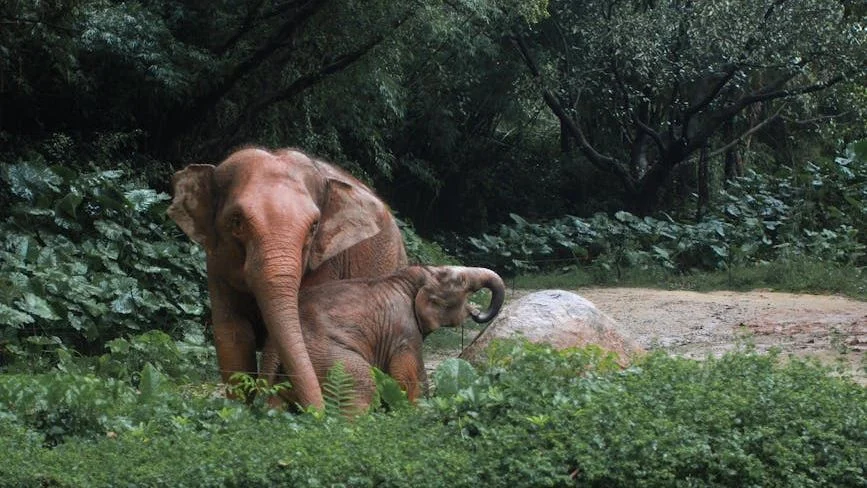
Peninsular Malaysia – Asian elephants face mounting challenges from habitat fragmentation, yet new research shows they respond by altering their diets in unexpected ways. Scientists examined dung samples from two contrasting areas to map these changes, revealing both adaptability and vulnerability. The findings underscore how logging and agricultural expansion force wildlife into new feeding patterns, with potential ripple effects for conservation efforts.
Unveiling Diets Through Dung Analysis
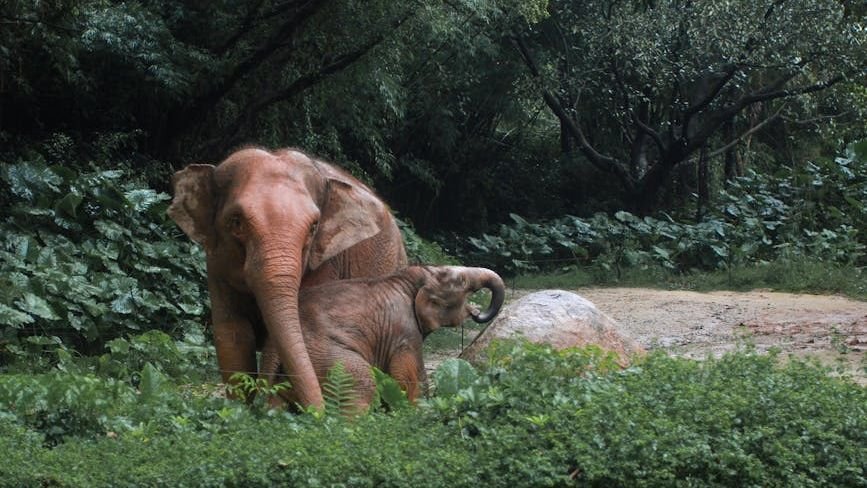
Unveiling Diets Through Dung Analysis (Image Credits: Pexels)
Researchers turned to an innovative approach to understand elephant feeding behaviors. They collected feces from wild Asian elephants, or Elephas maximus, in Peninsular Malaysia and applied DNA sequencing to identify plant remnants. This method provided a detailed snapshot of what the animals consumed without disturbing them directly.
The study compared two landscapes shaped by human activity. One featured primary and secondary forests disrupted by extensive logging and a hydropower dam project. The other had shifted dramatically to oil palm plantations since the 1980s, leaving only a thin forest corridor.
Flexible Feeding in Fragmented Forests
In the logging-impacted area, elephants demonstrated remarkable dietary breadth. They foraged across grasslands, secondary forests, and regenerating patches, consuming a wide array of plants. This flexibility allowed them to meet nutritional needs even as preferred foods dwindled due to disturbances.
The researchers noted that elephants ventured beyond protected reserve boundaries to access these varied resources. Such behavior highlights their resilience in dynamic environments but also exposes them to greater risks outside safe zones. Forest disturbances clearly prompted this expansion, as elephants sought alternatives to scarce staples.
Reliance on Crops in Plantation Zones
Conditions differed sharply in the oil palm landscape. Here, elephants stuck to a narrower selection of plants, with cultivated oil palm – Elaeis guineensis – dominating their intake. The predictable abundance of these crops shaped their habits in this transformed setting.
This specialization carries hazards. Frequent raids on plantations heighten chances of human-elephant conflicts, as animals drawn to easy food sources clash with farmers. The study suggests long-term adaptation to such availability, potentially locking elephants into riskier patterns.
What Matters Now
- Elephants show dietary resilience in logged areas but crop dependence in plantations.
- Habitat changes push foraging beyond reserves, increasing exposure to threats.
- Conservation must address both fragmentation and agricultural encroachment.
Balancing Resilience and Warning Signs
These dietary shifts offer a dual message for wildlife managers. On one hand, elephants prove capable of adjusting to altered habitats, sustaining themselves amid change. On the other, the patterns signal intensifying pressures that could undermine long-term survival.
Protecting diverse native vegetation emerges as key. Strategies might include buffering reserves with varied habitats or mitigating crop attractions in plantations. The research, drawn from Mongabay reporting, calls for nuanced approaches to ease these growing strains.
Ultimately, the elephants’ adaptations reflect broader ecological shifts in Southeast Asia. As landscapes evolve, sustaining their flexibility will prove essential to averting conflicts and preserving populations.