
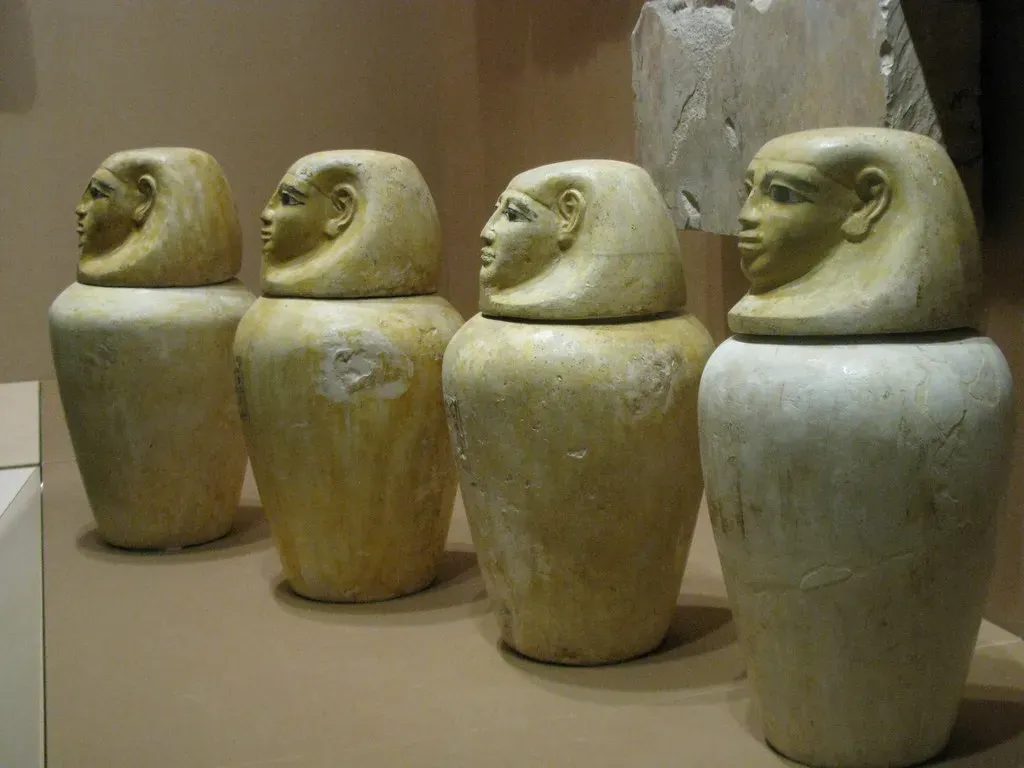
You probably grew up with a simple picture of the past: cavemen with clubs, villagers in mud huts, and ancient people just stumbling their way toward civilization. Then you start digging into what archaeologists are uncovering today, and that neat little picture falls apart almost overnight. The story that emerges is not one of slow, clumsy progress, but of surprising brilliance, delicate craftsmanship, and complex thinking that often looks uncomfortably similar to your own.
When you look at the latest discoveries with open eyes, you begin to realize something unsettling and exciting at the same time: you’ve been underestimating your ancestors. They were solving engineering problems you still struggle with, mapping the sky with a precision that challenges your assumptions, and organizing societies in ways that feel more sophisticated than the stereotype of “primitive people.” Once you see it, you can’t unsee it – and it completely reshapes how you think about human intelligence.
Ancient Engineering That Still Baffles Modern Experts
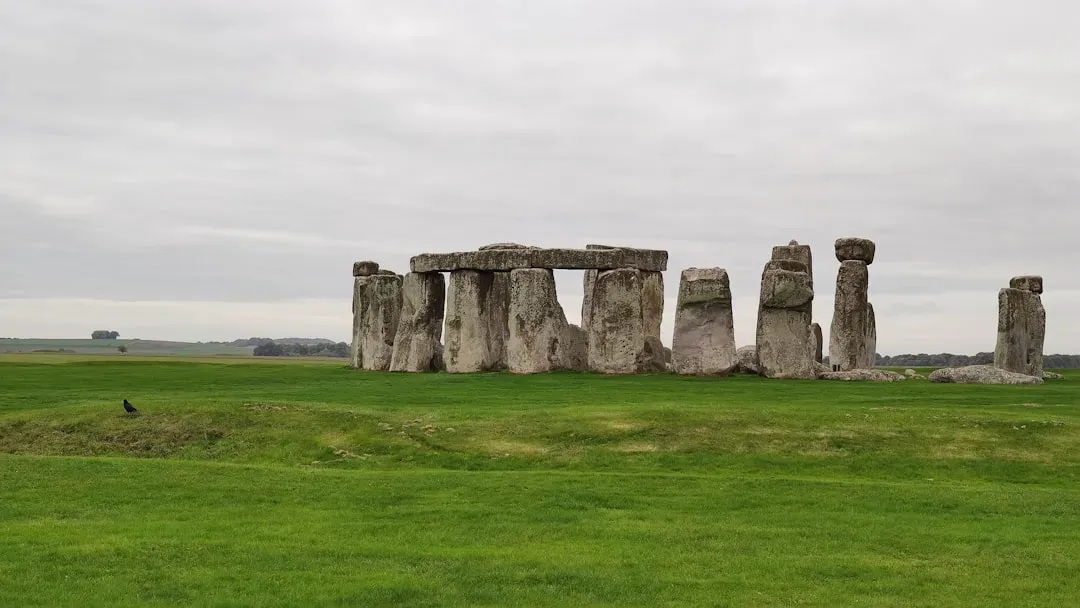
Imagine walking up to a stone monument that weighs as much as a fully loaded commercial airliner, then realizing people moved it into place thousands of years before cranes, steel cables, or diesel engines existed. You’re looking at something your ancestors managed with ropes, wood, and sheer ingenuity, and you’re left wondering how, exactly, they pulled it off. Sites around the world – megalithic circles, step pyramids, gigantic stone platforms – show you that earlier societies mastered large-scale construction and logistics on a level that would challenge even a modern project manager.
When you study these sites more closely, you start to notice the uncomfortable details: joints so tight you can’t slide a knife blade between the stones, blocks aligned with cardinal directions, and building layouts that appear to track astronomical events. You find evidence of ramps, rollers, levers, but often not enough to fully explain the precision or the speed at which these structures had to be built. Instead of shrugging and assuming brute force, you’re nudged to picture careful planning, experiment-based knowledge, and collaborative engineering on a scale that feels much more like a high-performing modern construction team than a disorganized group of villagers dragging rocks.
Surprisingly Advanced Tools, Materials, and Craftsmanship
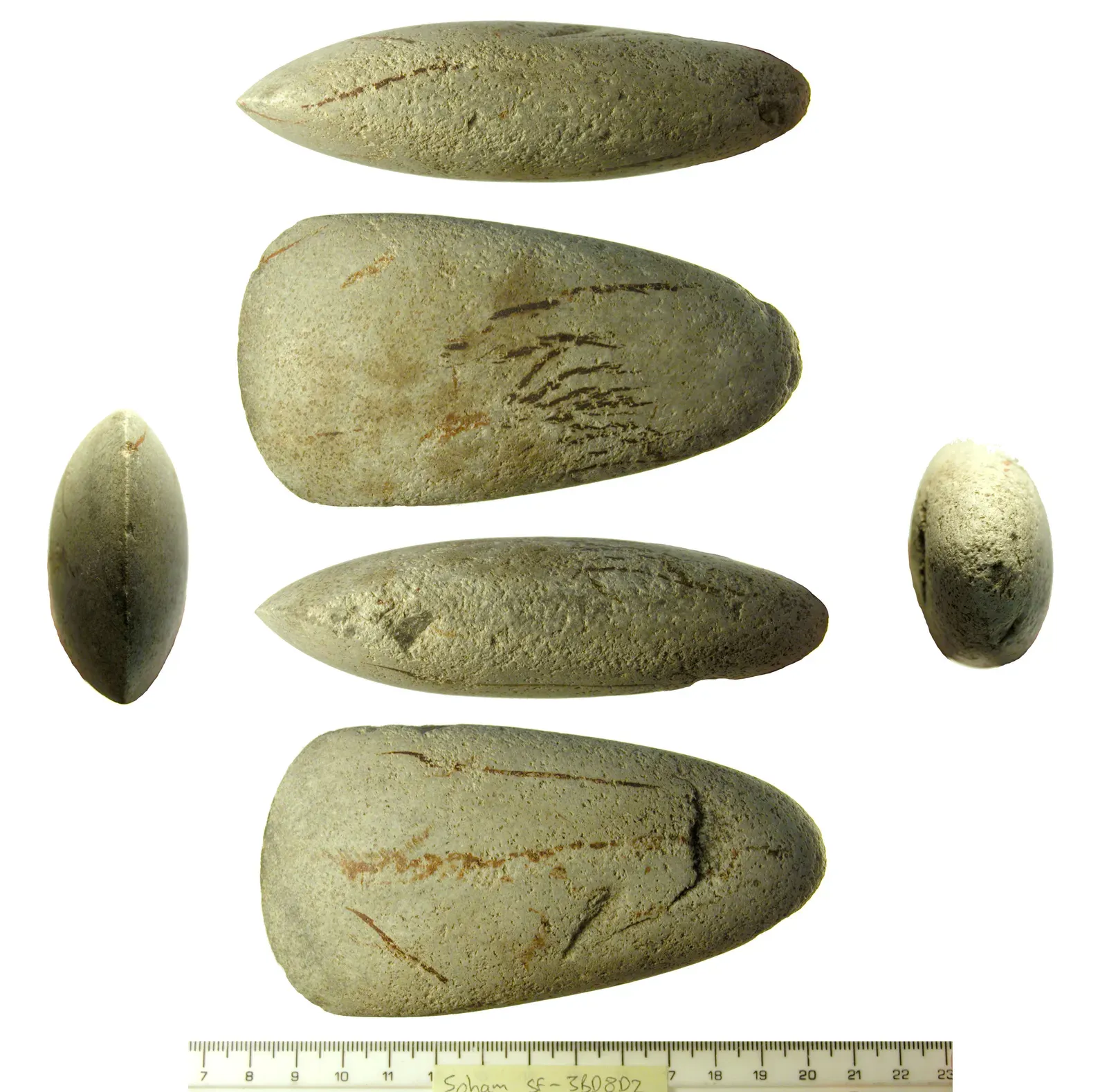
If you walk through a museum display of ancient tools expecting only crude stone axes, you’re in for a shock. In many collections, you’ll notice finely polished stone blades with razor-sharp edges, metal objects cast with impressive accuracy, and jewelry that requires steady hands and a deep understanding of materials. When you see microscopic drilling on tiny beads or perfectly straight drill holes in hard stone, you have to admit that whoever made those objects wasn’t just “making do” – they were mastering their craft.
You also find evidence that your ancestors understood materials in ways that sound almost scientific today. Early metalworkers learned to control heat to harden or soften metals; potters discovered that certain clays, tempers, and firing methods created stronger vessels; builders experimented with different mortars and plasters that could endure weather for centuries. Rather than random trial and error, this looks like cumulative knowledge passed down and improved over generations, much like how you rely on shared manuals, tutorials, and best practices – only theirs were spoken, demonstrated, and remembered instead of written down.
Ancient Knowledge of the Sky and the Seasons
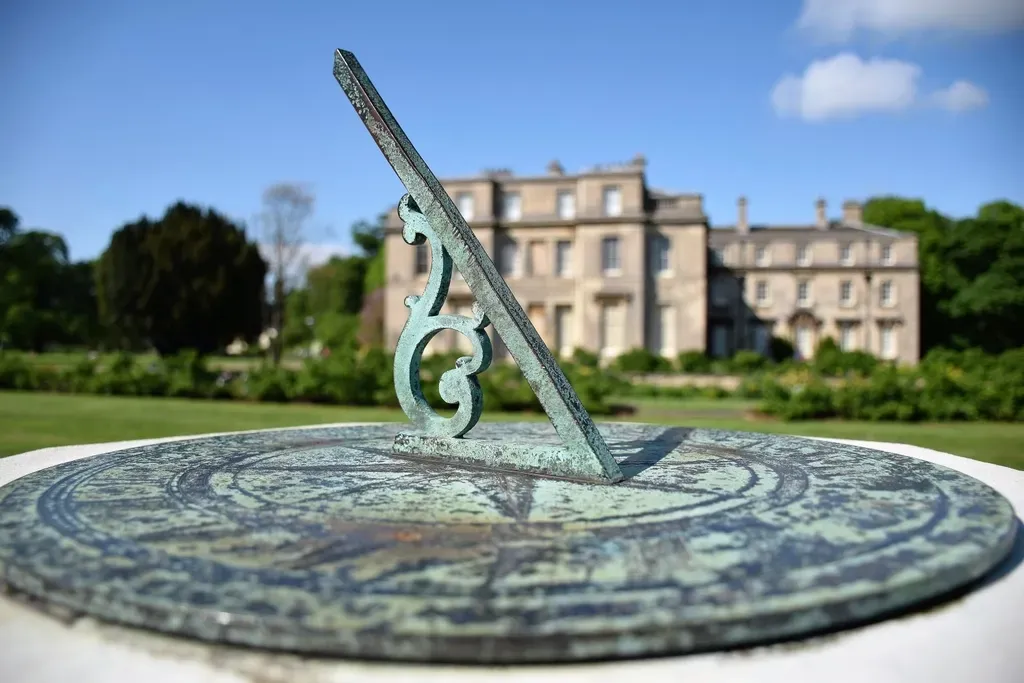
The more carefully you look at ancient monuments and artifacts, the more you realize how obsessed your ancestors were with the sky – and how good they became at reading it. Some sites line up with solstices and equinoxes in a way that allows you to mark the changing seasons almost like a living calendar. By watching sunlight shine through specially placed openings or line up with standing stones on specific days, people could predict crucial points in the agricultural cycle – when to plant, when to harvest, when to expect floods or seasonal rains.
When you realize how much depends on timing in a pre-industrial world, it makes sense that earlier societies treated the sky like their most important textbook. By tracking the rising points of bright stars, the movement of the sun, and the phases of the moon, they built knowledge that resembles practical astronomy. You can picture someone spending years – maybe an entire life – carefully watching the horizon and passing on what they learned. That is not romantic superstition; it is careful observation and pattern recognition, the same mental muscles you rely on in science, just applied with naked eyes instead of telescopes and satellites.
Unexpected Evidence of Trade, Travel, and Cultural Networks

You might assume your ancestors mostly stayed near their home villages, but artifacts tell a different story. When archaeologists find shells from the coast deep inland, or obsidian tools made from rock that comes from a distant volcano, you’re seeing the traces of long-distance exchange. Sometimes the goods traveled hundreds or even thousands of kilometers, which means people were organizing trade routes, negotiating relationships, and maintaining knowledge of faraway places long before maps or compasses as you know them.
As you connect the dots, you start to see whole regions as buzzing networks instead of isolated communities. Ideas, religious symbols, artistic styles, and technologies spread along with goods, weaving societies together into something closer to an ancient version of globalization. You recognize familiar patterns: people seeking better resources, forming alliances, and traveling for opportunity, marriage, or pilgrimage. When you step back, you’re not looking at scattered, primitive tribes; you’re looking at complex systems of interaction that would feel oddly recognizable if you could visit them for a day.
Rewriting What You Think You Know About “Primitive” Brains
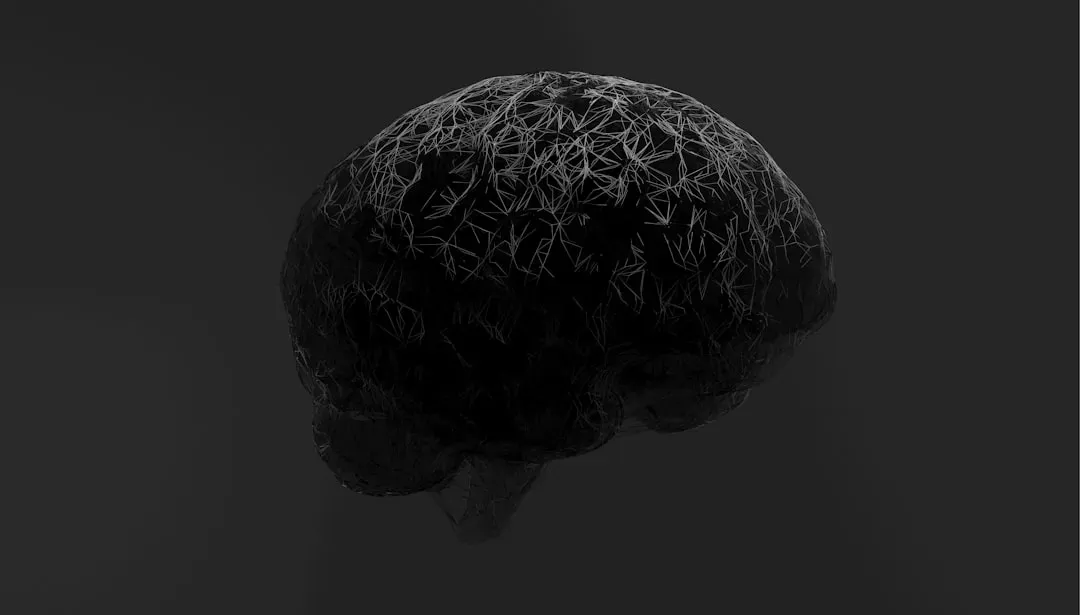
Deep down, you may have absorbed the belief that ancient people were basically you, but less smart – like adults with a child’s mental toolkit. The more evidence you see, the harder that is to defend. Early humans survived extreme climates, navigated dangerous landscapes, and developed detailed knowledge of plants, animals, and ecosystems. They encoded this knowledge in myths, rituals, and oral stories, turning culture into a kind of living library. Even if you would not call that “science” in the modern sense, it still represents systematic observation and problem-solving.
Recent work in cognitive archaeology pushes you to recognize that your brain has not changed dramatically in a few thousand or even tens of thousands of years. What changed is access to accumulated knowledge, tools, and institutions. If you were born twenty thousand years ago, you would probably be just as capable of learning to track animals, identify medicinal herbs, and navigate by stars as your ancestors were. That realization is humbling: it means that when you look back at ancient art, tools, and monuments, you are seeing the work of people who were just as clever and emotionally complex as you are today – people whose intelligence was shaped by different problems, not weaker minds.
Why These Discoveries Matter for Your Future, Not Just the Past
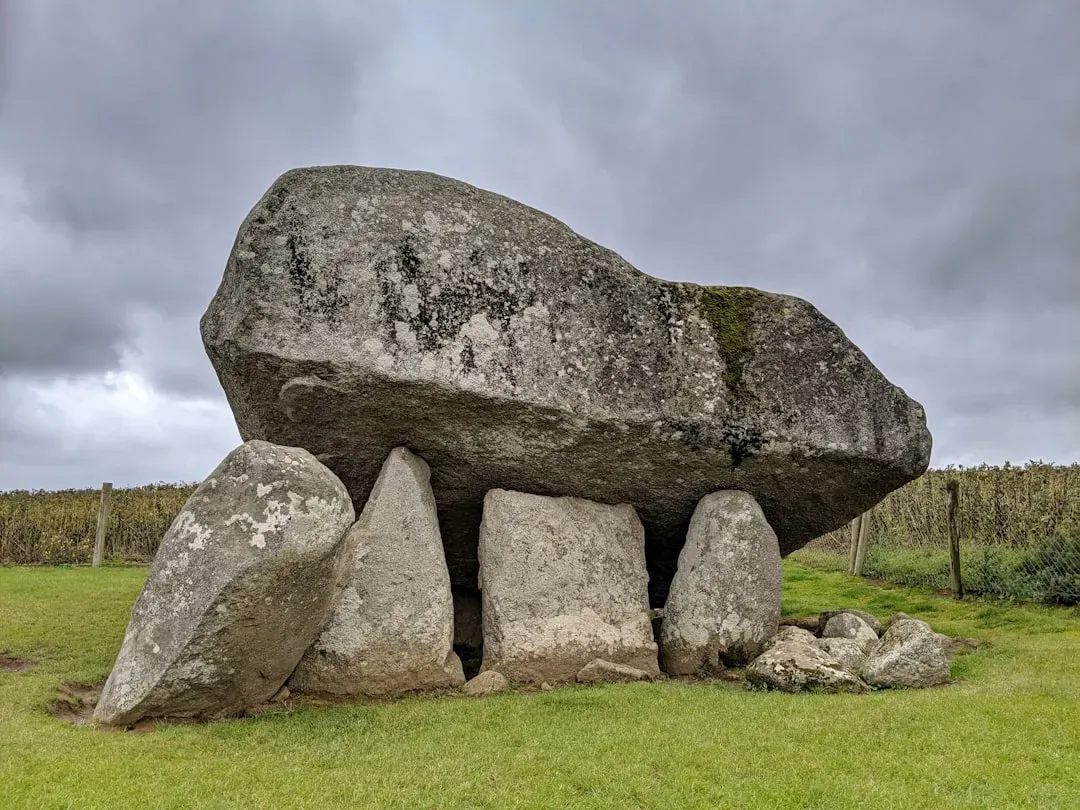
It is tempting to treat archaeology like a slow, dusty hobby that only concerns forgotten ruins and broken pots, but when you think about what these discoveries say about human potential, the stakes feel much higher. If your ancestors could construct massive stone complexes, manage trade networks, interpret the sky, and survive brutal environments with limited tools, what does that say about the range of skills humans can develop under pressure? Instead of seeing them as a baseline you have left behind, you can see them as proof of just how adaptable and inventive the human mind is.
That shift in perspective can hit you personally. The next time you feel overwhelmed by a new technology, social change, or environmental crisis, it helps to remember that you come from a long line of people who figured things out with far fewer advantages. Their story is not one of constant failure and savagery; it is an ongoing demonstration of resilience, creativity, and cooperation. When you let that sink in, the past stops being a distant, inferior world and becomes a mirror, quietly reminding you that you carry the same raw abilities they did – and that you might be underestimating yourself just as much as you once underestimated them.
The New Humility: Seeing Yourself as Part of a Much Longer Story
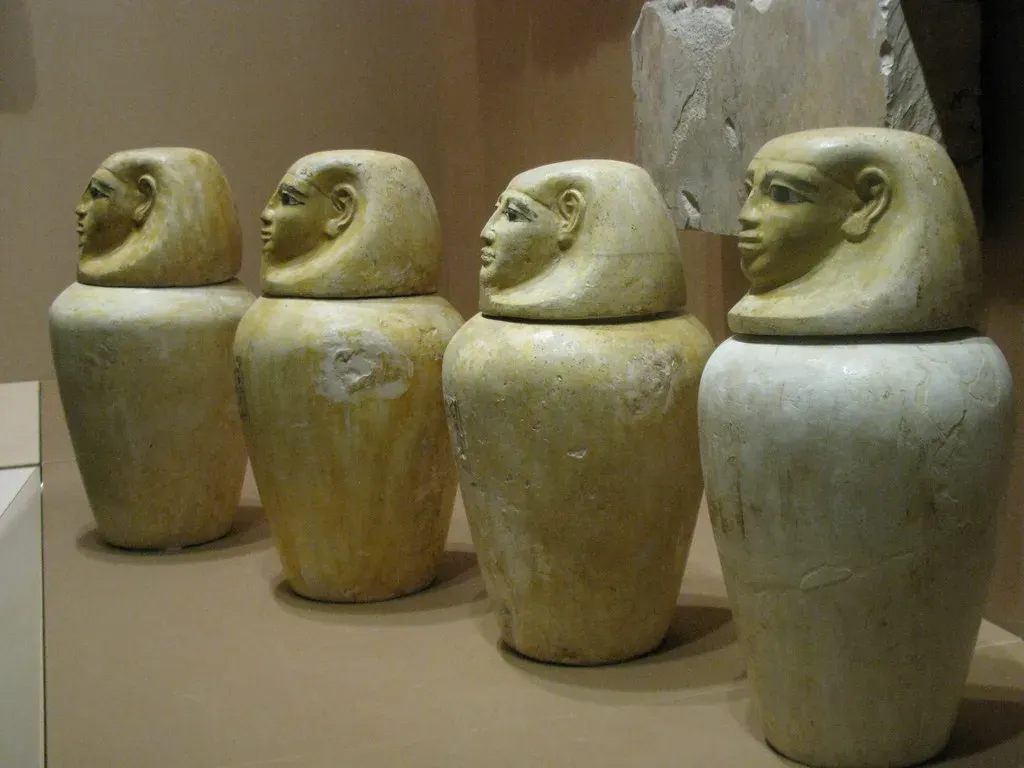
Once you accept that your ancestors were more sophisticated than you gave them credit for, something subtle shifts in how you see yourself. You are no longer the clever modern standing on top of a long staircase of progress, looking down at the poor souls who came before. Instead, you are one chapter in a very long book, building on ideas you did not invent and handing off a world that someone else will have to make sense of. That realization can feel slightly uncomfortable, but also strangely grounding.
When you walk through an ancient site or handle an old artifact, you are not just looking at relics; you are shaking hands with people who faced different versions of the same big questions you face today: how to live together, how to understand the world, how to leave something that lasts. Their solutions were not always gentle or wise, but they were rarely stupid. If anything, they remind you that humility is a kind of intellectual honesty – you do not stand above them, you stand with them, inside a continuous human experiment where each generation thinks it is the most advanced, and each generation is a little bit wrong.
In the end, the new archaeological finds are not just proving that ancient people were clever builders or sharp observers; they are gently forcing you to rewrite your mental script about what humans are capable of. The line between “modern” and “primitive” turns out to be much thinner than you imagined, more like a faint pencil mark than a deep canyon. When you see that clearly, you can approach both the past and the future with more respect, more curiosity, and a lot less arrogance. So now that you know your ancestors were far more sophisticated than the old stories claimed, what else about history – and about yourself – are you ready to question?