
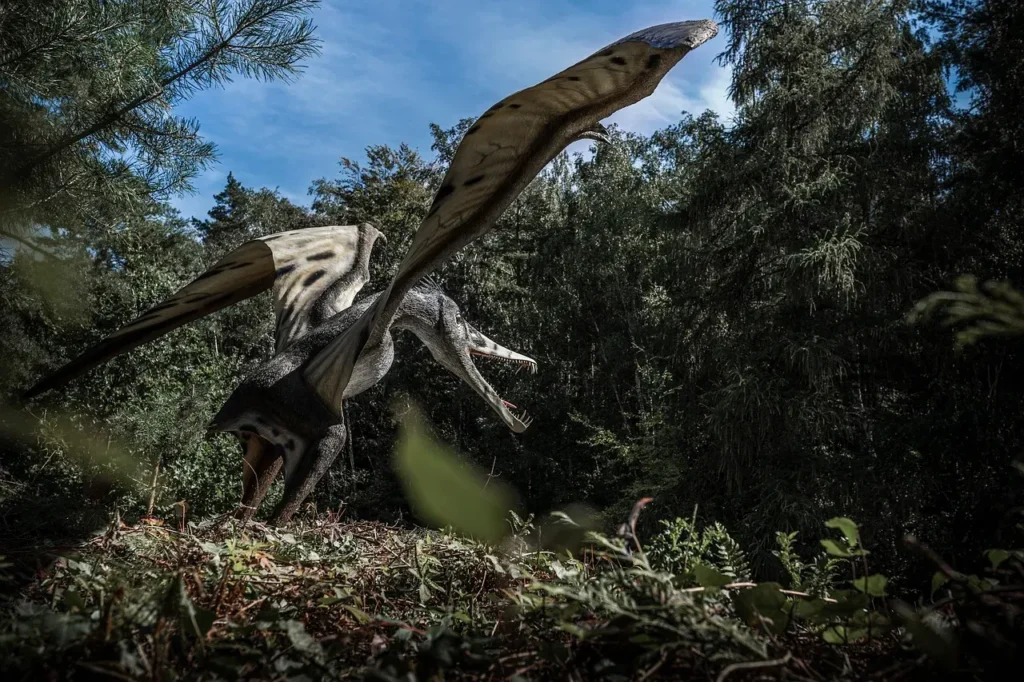
If you grew up picturing pterosaurs as clumsy, leathery-winged “dinosaurs of the sky” that glided like oversized bats, you’re not alone. For decades, that was pretty much the public image. But in the last few years, a rush of new fossils, high-tech scans, and re‑examined specimens have quietly rewritten that picture. When you look at the latest discoveries, you’re suddenly dealing with agile, brainy, warm‑blooded fliers with complex lives and surprising origins.
What makes this moment exciting is that you’re catching pterosaur science mid‑revolution. Fresh finds from Germany, China, Argentina, and the American Southwest are forcing you to rethink how these animals evolved, how they flew, how they raised their young, and even how they strutted around on the ground. Instead of being a strange side‑branch in reptile history, pterosaurs start to look like a bold evolutionary experiment that succeeded faster and more dramatically than anyone expected.
Flight May Have Evolved Shockingly Early And Rapidly
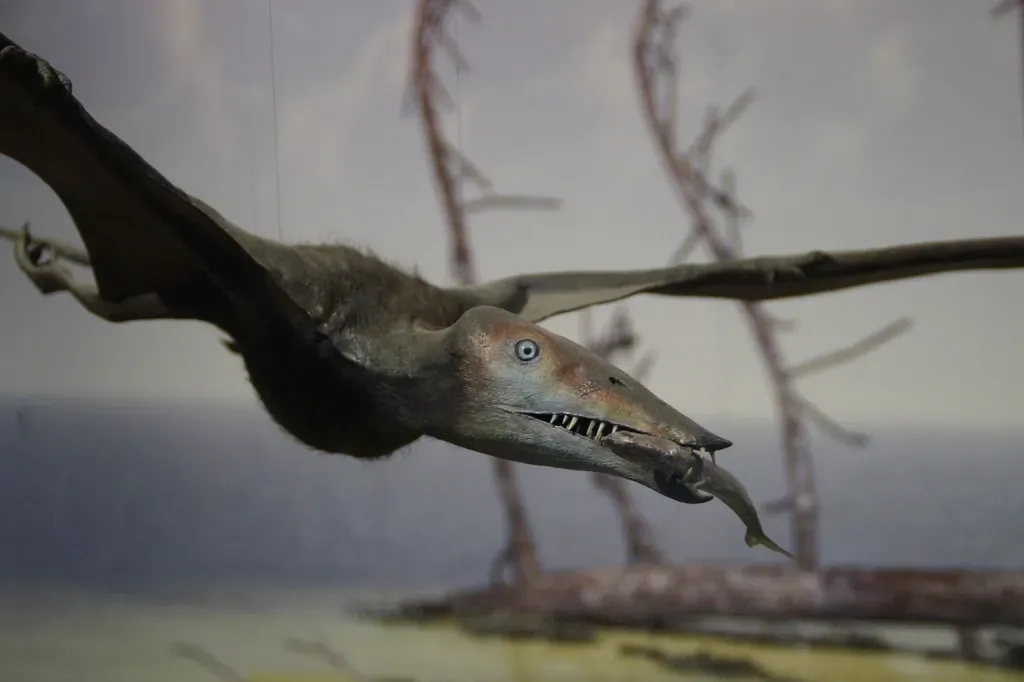
You might assume pterosaurs slowly “worked up” to powered flight, passing through long stages of awkward gliding. But new brain and inner‑ear scans of early pterosaur fossils are telling you a different story. Using advanced imaging, researchers have found that even some of the oldest known pterosaurs already had brains and balance organs tuned for full, powered flight rather than casual gliding. That suggests you’re looking at animals that went from ground‑dwelling ancestors to confident fliers in a geologically brief burst.
When you compare these early pterosaur brains to those of birds and non‑flying reptiles, you see that regions linked to coordination, balance, and rapid sensory processing were already enlarged. For you, that means flight likely appeared near the very base of the pterosaur family tree, instead of being a late refinement. Instead of a long staircase of half‑measures, you may be staring at a leap: once the right body plan, wings, and neural wiring came together, pterosaurs took off – literally – and never looked back.
Soft Tissues And “Pycnofibers” Are Redefining How You See Their Bodies
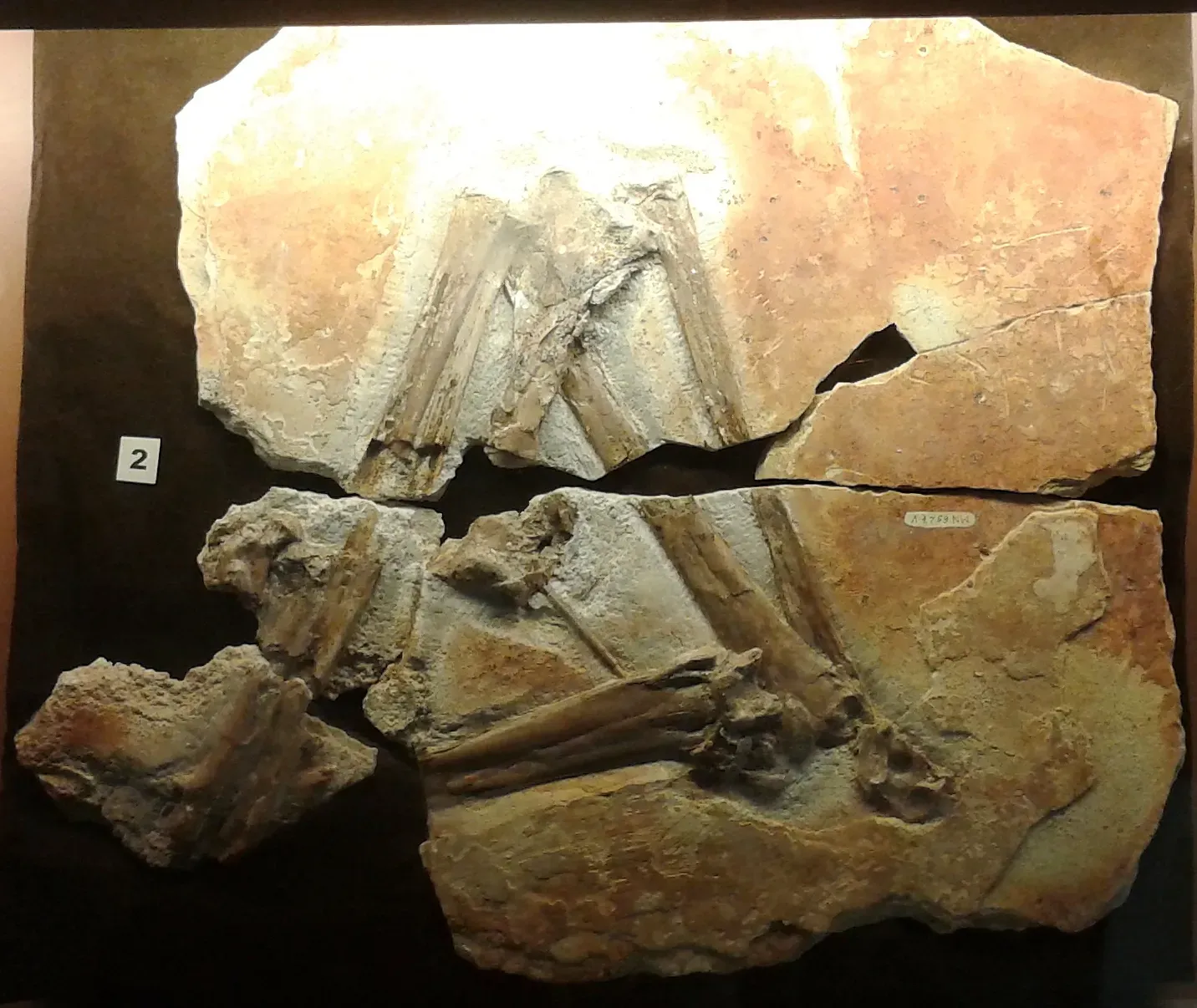
If you still imagine pterosaurs as naked, rubbery‑winged lizards, you’re a couple of decades out of date. Exceptionally preserved fossils, especially from fine‑grained limestones in places like Bavaria and northeastern China, have revealed wing membranes with intricate internal fibers, muscle attachments, and blood vessel traces. When you look closely, you’re not seeing a simple flap of skin; you’re seeing a highly engineered wing with built‑in reinforcement and fine control, more like a living hang glider than a balloon.
On top of that, several fossils show pycnofibers – hair‑like filaments or fuzz – that may have helped pterosaurs regulate body temperature. For you, this pushes them closer to the warm‑blooded, high‑energy end of the spectrum. Instead of sluggish reptilian gliders, you’re probably dealing with active, fast‑metabolism animals that could sustain long flights and quick bursts of movement. Once you picture a fuzzy, warm‑running pterosaur with powerful muscles and a refined wing structure, the whole animal feels less like a sideshow creature and more like a serious aerial athlete.
Eggs, Embryos, And Babies Are Exposing Their Family Lives
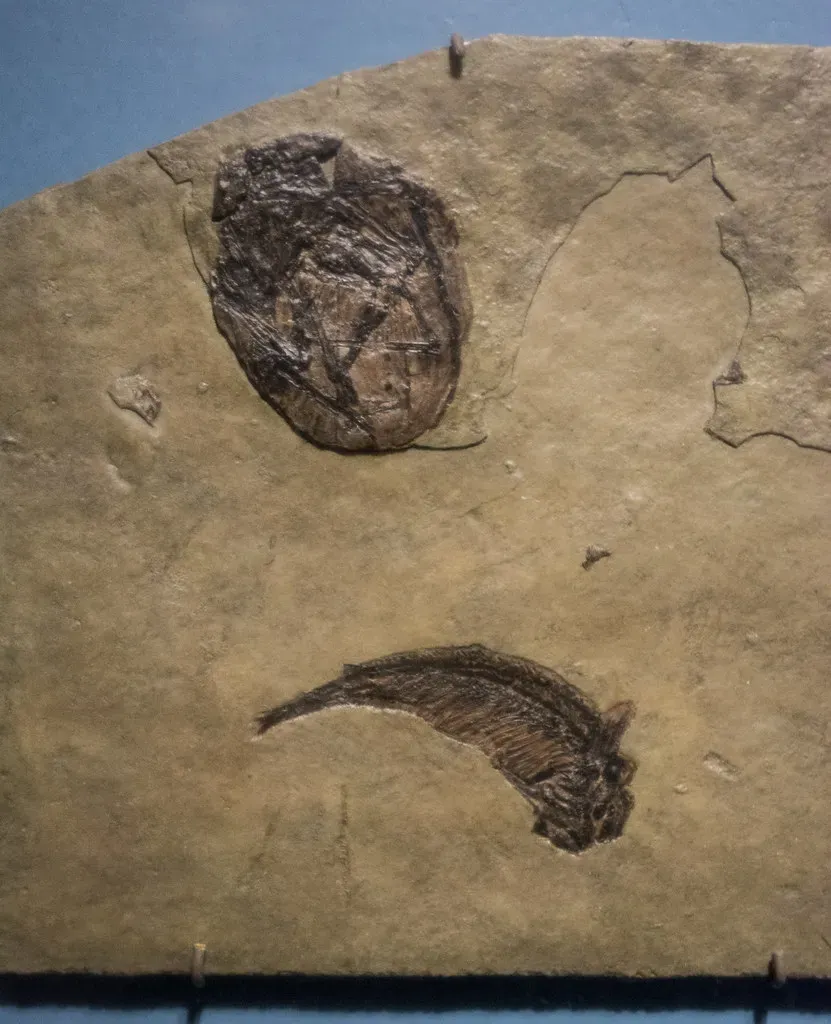
Not long ago, you could barely talk about pterosaur parenting because you had almost no direct evidence. That changed dramatically when paleontologists uncovered large clusters of eggs and embryos, particularly from Early Cretaceous sites in China and South America. In one remarkable case, you can look at hundreds of eggs from a single locality, many with bones preserved inside, giving you a rare time‑capsule glimpse of how these animals developed before hatching. It is the kind of discovery that flips vague guesses into concrete life‑history stories.
When you examine the embryos and very young individuals, you see limbs and bones that look capable but not fully ready for powerful flight, hinting that hatchlings may have needed a growth period before taking to the air. Baby skulls and wing bones suggest you are not dealing with fully independent mini‑adults the moment they broke out of the egg. Taken together, the egg clutches, nesting evidence, and crowding of individuals in certain layers all point you toward colonies, repeated nesting at the same sites, and at least some level of parental care or protection. In other words, you’re seeing social, seasonal patterns, not just lone wanderers drifting over ancient seas.
Trackways Show You Pterosaurs Were Confident Walkers, Not Awkward Crawlers
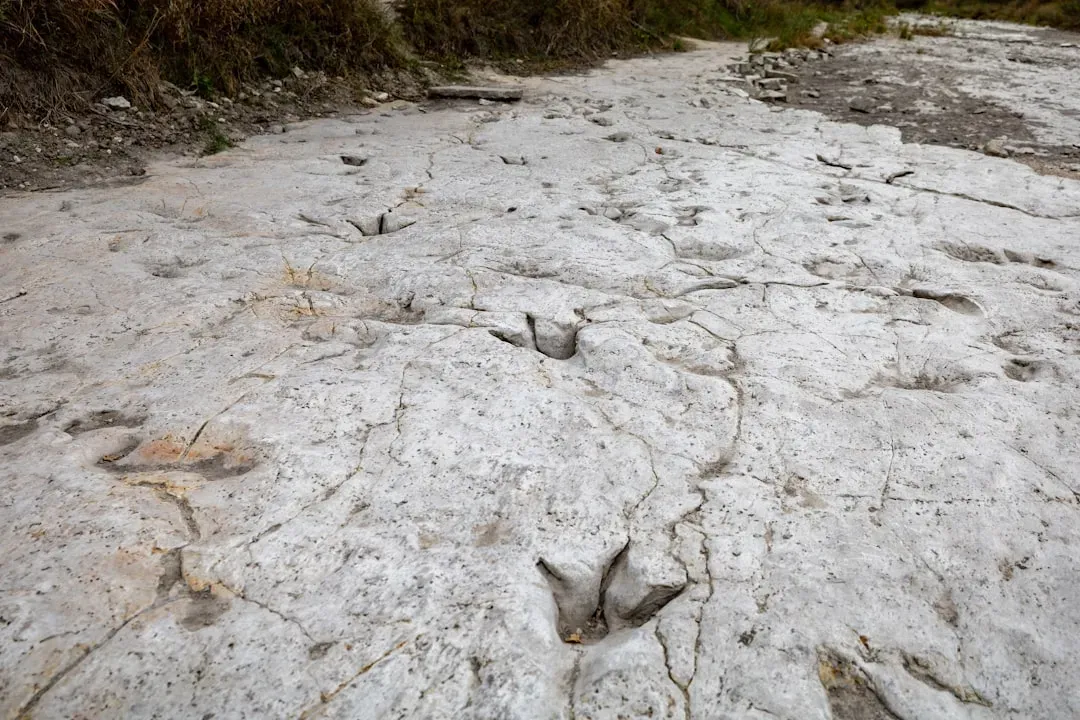
If you’ve ever imagined pterosaurs as barely functional on the ground, new fossil trackways should snap you out of that. At sites in Europe and elsewhere, you can literally follow their footprints – both hands and feet – across ancient shorelines and tidal flats. These prints show clear, consistent quadrupedal walking, with hands and feet placed in coordinated patterns that look far from clumsy. For you, that means pterosaurs were perfectly comfortable strolling, launching, and landing on all fours.
Even more intriguingly, some trackways capture rare moments like landings and transitions into normal walking. When you study the spacing, depth, and orientation of the prints, you see animals flaring their limbs, bracing, and then shifting into steady gaits. This evidence tells you that pterosaurs did not live suspended in permanent flight; they were versatile, moving through complex coastal landscapes, wading, walking, and taking off as needed. Think less “awkward kite dragging itself along” and more “stilt‑legged, confident beachgoer switching between air and ground without missing a beat.”
Crests, Colors, And Sexual Dimorphism Hint At Dramatic Social Lives
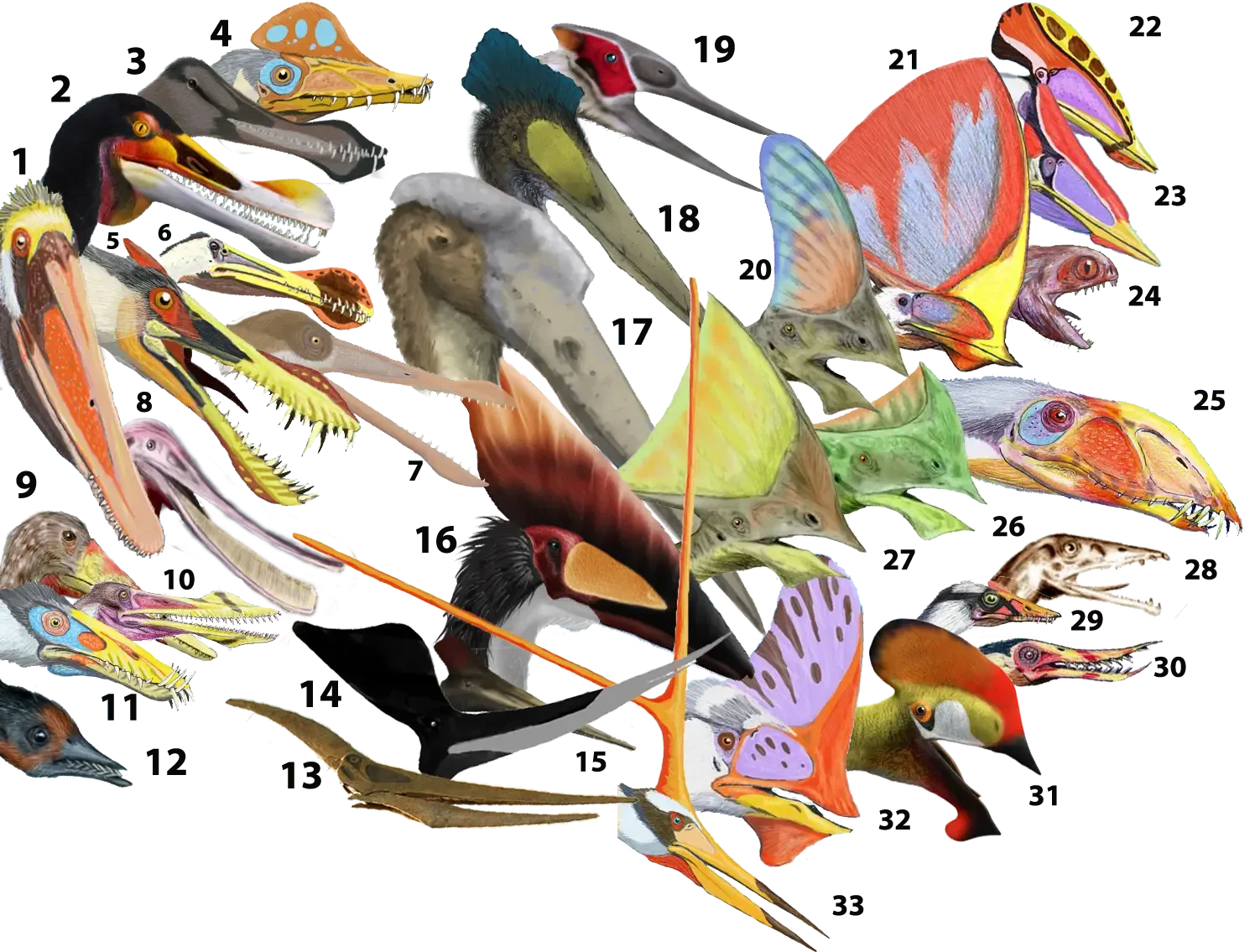
For years, those outrageous pterosaur head crests looked like an unsolved visual joke: huge blades and sails of bone and soft tissue sticking up for no obvious reason. Now, with better samples and new species described from places like the Solnhofen limestones, you can start connecting crest size and shape to age, sex, and social behavior. When you examine large collections of closely related specimens, you often see two distinct size classes, some with small or modest crests and others with truly extravagant ones, pointing you toward sexual dimorphism and display.
From your perspective, that means crests were probably doing double duty: signaling to potential mates, intimidating rivals, and maybe even playing secondary roles in thermoregulation by shedding or absorbing heat. Some species show juveniles with downsized ornaments that only fully flourish in adults, echoing patterns you can see in modern birds with showy plumage. When you picture a crowded coastal colony filled with pterosaurs flashing bright crests, vocalizing, and posturing, you start to feel that their social world might have been as noisy and visually intense as a seabird rookery today.
New Species Are Rewriting Where And When Pterosaurs Lived
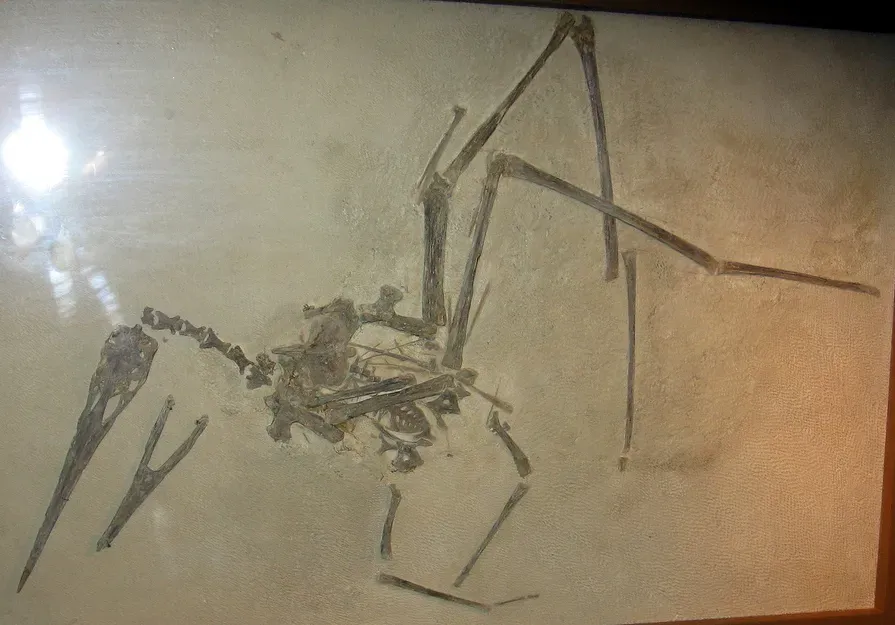
One of the most striking shifts you’re seeing comes from new finds that push back the age and expand the geography of known pterosaurs. A recently described small pterosaur from Arizona, for example, has been identified as the oldest known pterosaur from North America, living in the Late Triassic over two hundred million years ago. That puts these fliers in river systems on what would become the southwestern United States far earlier than many researchers expected, and it forces you to rethink how quickly they spread across the planet after their origin.
At the same time, newly named species from classic fossil regions like Bavaria show transitional body plans and unusual combinations of traits. Some combine primitive features with advanced wings or strange crests, hinting that early pterosaur evolution was full of experimentation rather than a neat linear march. For you, that means the old textbook diagrams, with a simple ladder from “primitive” to “advanced,” are giving way to something more like a tangled tree, with side branches, dead ends, and surprising early innovations popping up in different places.
Catastrophic Death Assemblages Reveal Their Vulnerability And Ecology
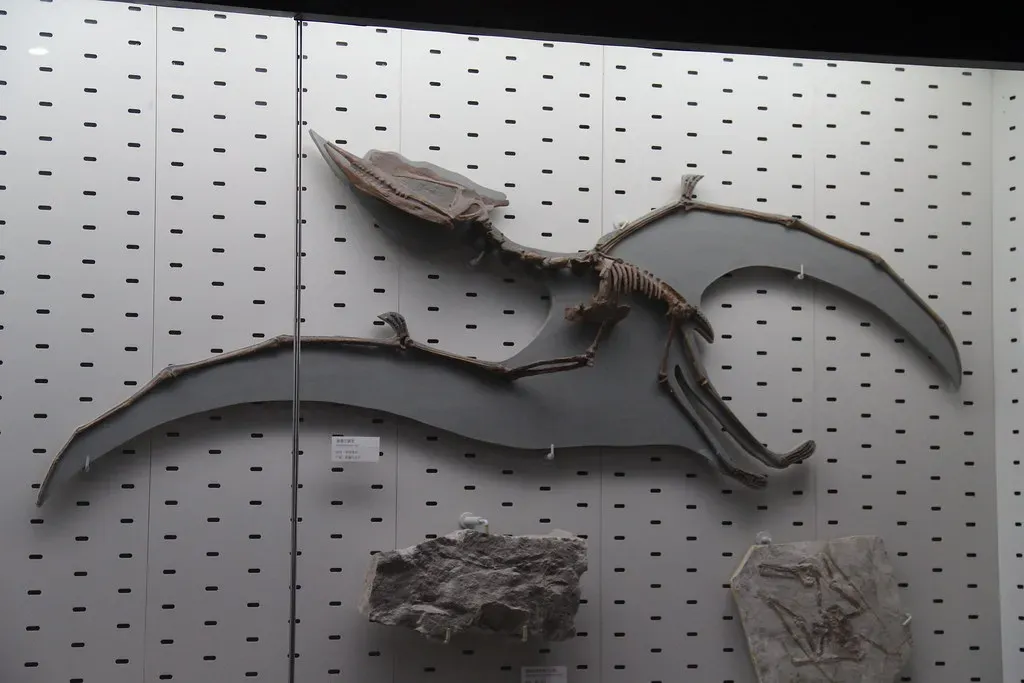
One of the most haunting kinds of pterosaur fossils you encounter today comes from mass‑death layers – sites where storms, floods, or other disasters killed many animals at once. Recent research on delicately preserved baby pterosaurs from Germany, for instance, suggests they died in violent Jurassic storms that swept them into lagoons. Their tiny, hollow bones, some barely larger than those of modern bats, tell you how incredibly fragile these animals were, even as adults ruled the skies. It is a reminder that being an aerial specialist did not make them invincible.
From these tragic scenes, you also pull valuable ecological clues. You can infer nesting near coastlines, seasonal breeding cycles, and the ever‑present risk of sudden weather events in warm, shallow seas. When you step back, you see pterosaurs living on a knife‑edge balance: perfectly adapted to soaring and gliding over water, yet highly exposed when storms rolled in. Those layers of tangled skeletons and scattered bones let you glimpse not just how they died, but how their world felt – risky, dynamic, and full of rapid environmental swings.
What All These Discoveries Really Mean For How You Picture Pterosaurs
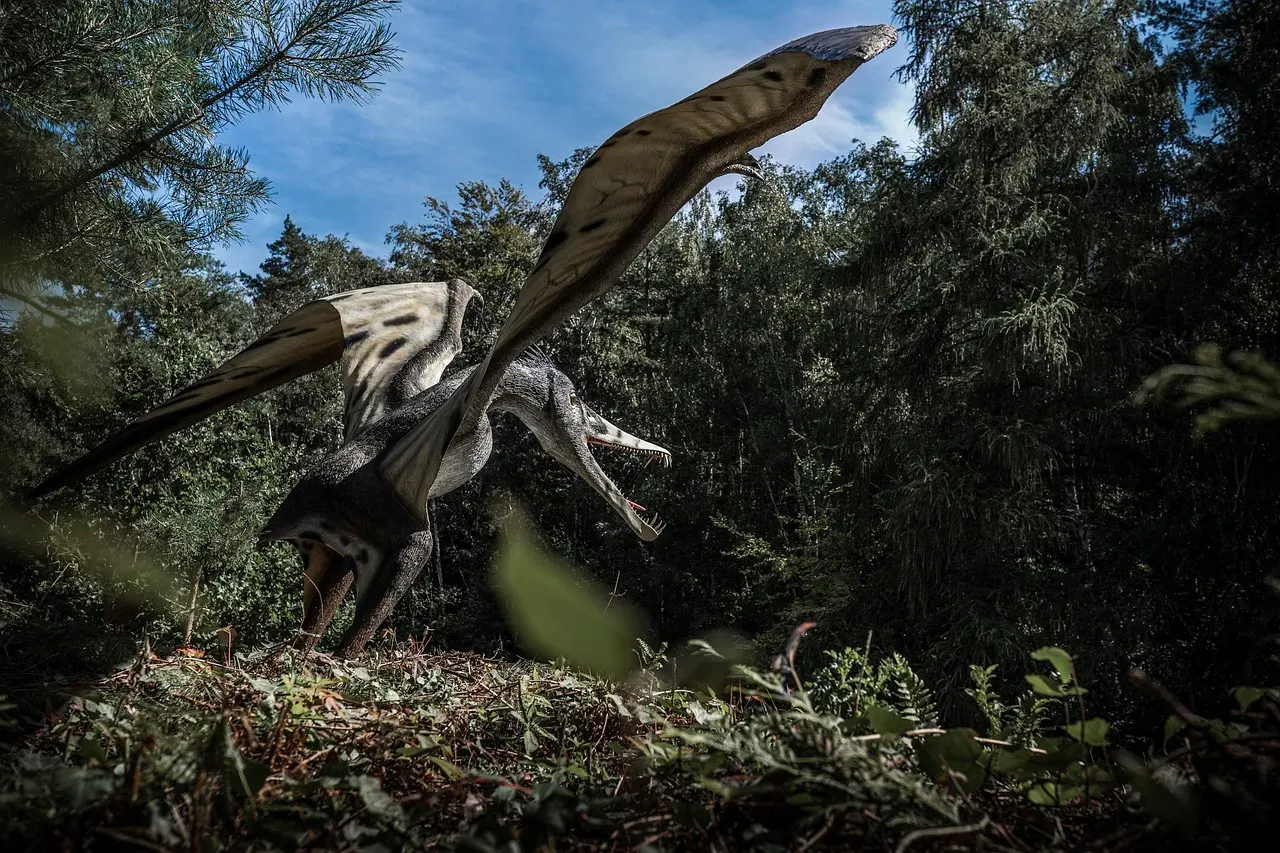
When you add it all up – the early, rapid evolution of flight, the soft tissues, the eggs and babies, the trackways, the crests, the new species, and the storm‑killed youngsters – you end up with a very different pterosaur in your mind. You are no longer dealing with awkward gliders tacked onto dinosaur stories as an afterthought. Instead, you see agile, warm‑running, socially complex animals that mastered the air with impressive speed and then diversified into an array of sizes, shapes, and lifestyles. The more data you get, the more pterosaurs start to feel like a fully realized chapter in vertebrate history, not a weird footnote.
For you personally, the biggest shift might be emotional rather than technical. Once you imagine these creatures fuzz‑covered, bright‑crested, nesting in crowded colonies, pacing confidently along beaches, and dodging storms, they become less like monsters and more like real animals you could almost have watched from a safe cliff. The fossils keep telling you that the prehistoric sky was more vibrant, more dangerous, and more surprising than you were ever taught in school. The next time you see a gull banking over the ocean or a bat flicking through city lights, will you catch yourself wondering just how much of that effortless grace pterosaurs had already figured out long before you ever arrived?