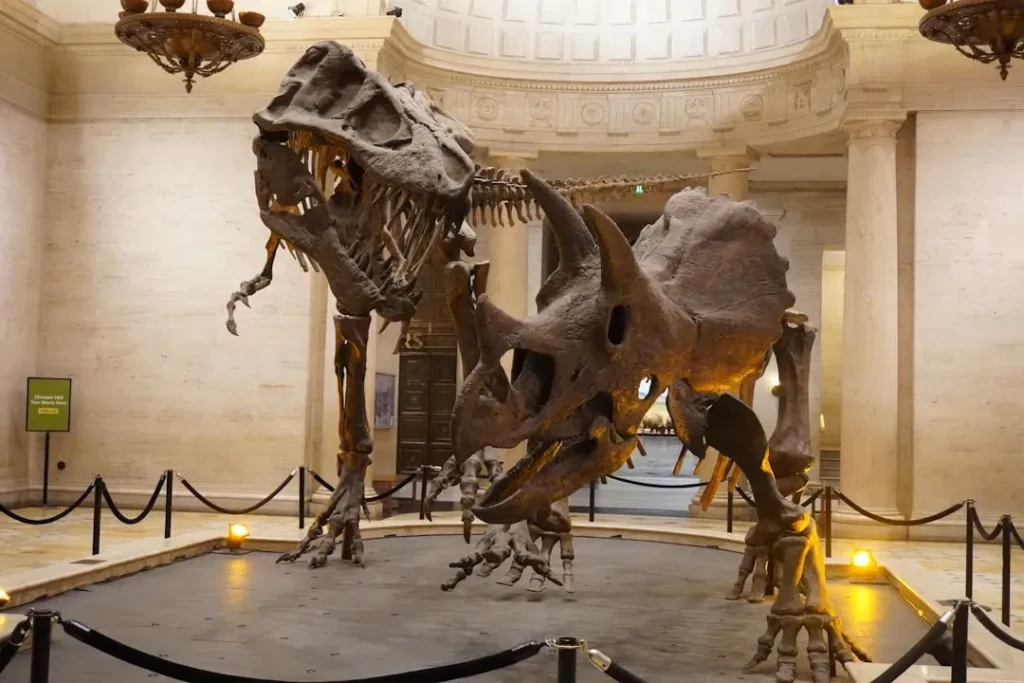
If you could stand in a Mesozoic forest for just five minutes, you’d probably be shocked by how familiar some dinosaur behavior would feel. Parents guarding nests, rivals squaring off, herds on the move, scavengers lurking at the edge of danger – it sounds like something you might see on a modern wildlife documentary. The twist is that you only know this world through stone, and those silent bones are a lot more talkative than they look.
When you look closely, you start to realize something surprising: dinosaur fossils are not just static skeletons. They are crime scenes, growth charts, medical files, and sometimes even snapshots of social drama. In this article, you’re going to see how paleontologists squeeze stories out of bones – what you can really say about dinosaur parenting, fighting, herding, and more, and where the evidence forces you to stay honest and say, “we do not know… yet.”
The Clues Hidden in Bones: How You Actually Read Dinosaur Behavior
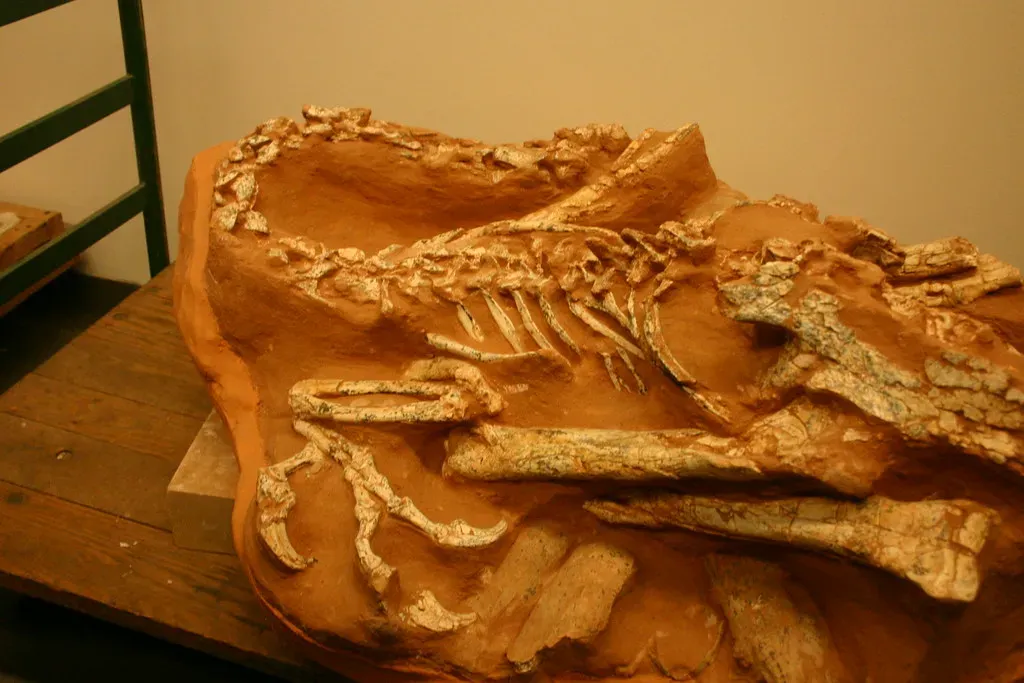
You might think a bare skeleton can’t tell you much about how an animal behaved, but once you know what to look for, it feels like learning a new language. The shape of joints, the attachment sites for muscles, and the thickness of certain bones let you reconstruct how a dinosaur moved, how fast it could turn, whether it was built for short sprints or long-distance walking. When you see deep, roughened areas where muscles anchored, you are basically seeing a fossilized workout record, telling you which parts of the body did the heavy lifting.
Then you add bone microstructure into the mix. If you slice through a fossil (carefully) and study it under a microscope, you can read growth rings and blood vessel patterns that reveal growth rates, age at death, and periods of stress or illness. These tiny details help you infer life history: Did this species grow quickly and reach adulthood fast, like many birds, or did it grow slowly over many years, more like big mammals? Once you understand that timing, you can start asking bigger behavioral questions about things like maturity, breeding, and social roles.
Family Matters: What Nests and Juvenile Bones Say About Parenting
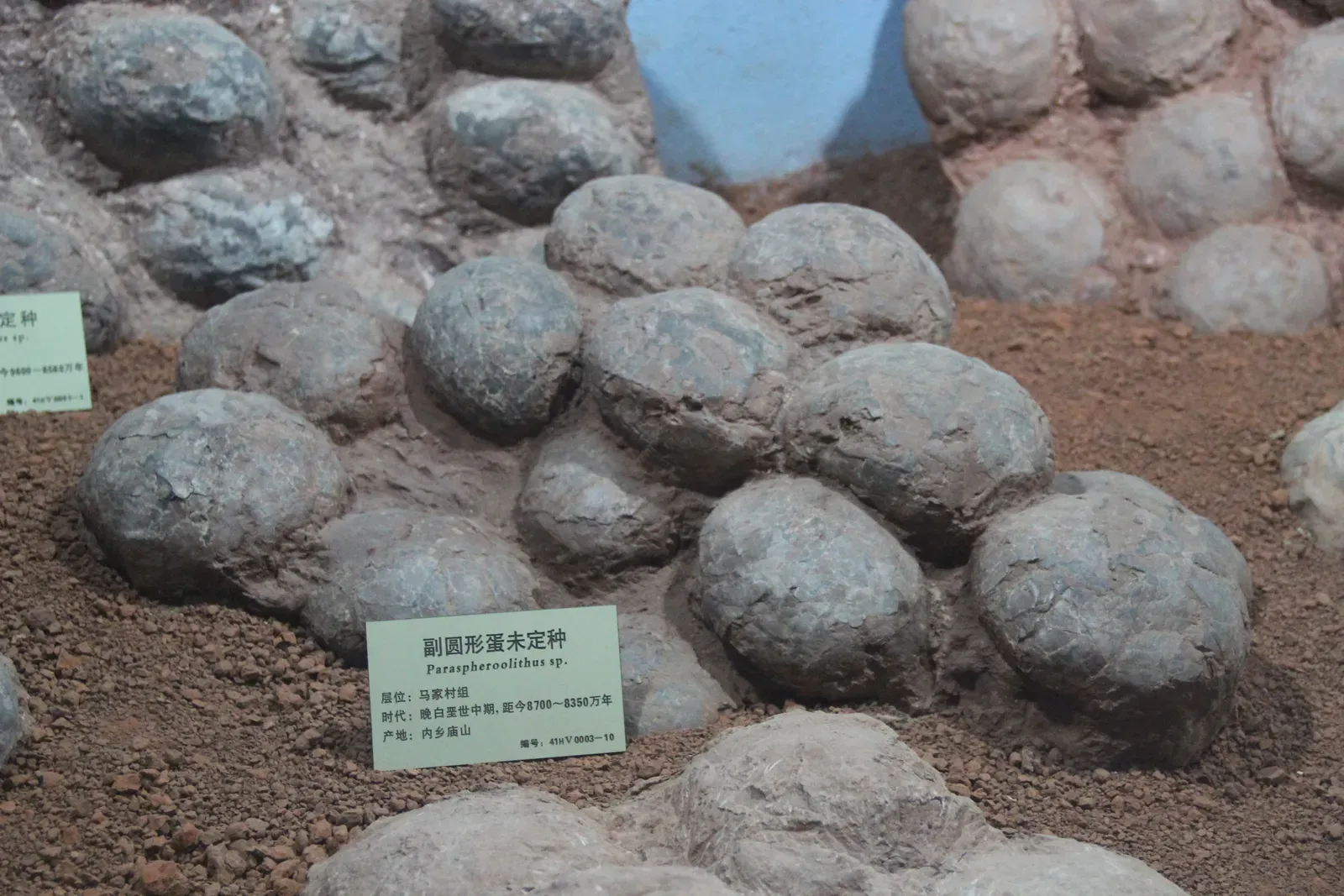
One of the most emotionally striking discoveries you’ll come across is that some dinosaurs clearly invested in their young. When you see fossil nests with arranged eggs and embryos, or clusters of juveniles preserved together, you are not just looking at reproduction – you are seeing parenting strategies. Some sites show multiple layers of nests stacked on top of each other in the same spot, which strongly suggests you are dealing with animals that returned to a traditional nesting ground, season after season, similar to what you see with modern seabirds or turtles.
You also find small juveniles preserved near adults of the same species, which hints that at least some dinosaurs did not just lay eggs and walk away. Bone studies show that many youngsters grew extremely fast, suggesting that they needed a lot of food and, in some cases, protection to make it through their vulnerable early years. When you put that together with nest sites and juvenile groupings, a picture emerges of certain dinosaurs acting as attentive parents or at least as members of a protective group, rather than cold, indifferent reptiles.
Tooth Marks, Fractures, and Healed Wounds: Violence Written in Bone
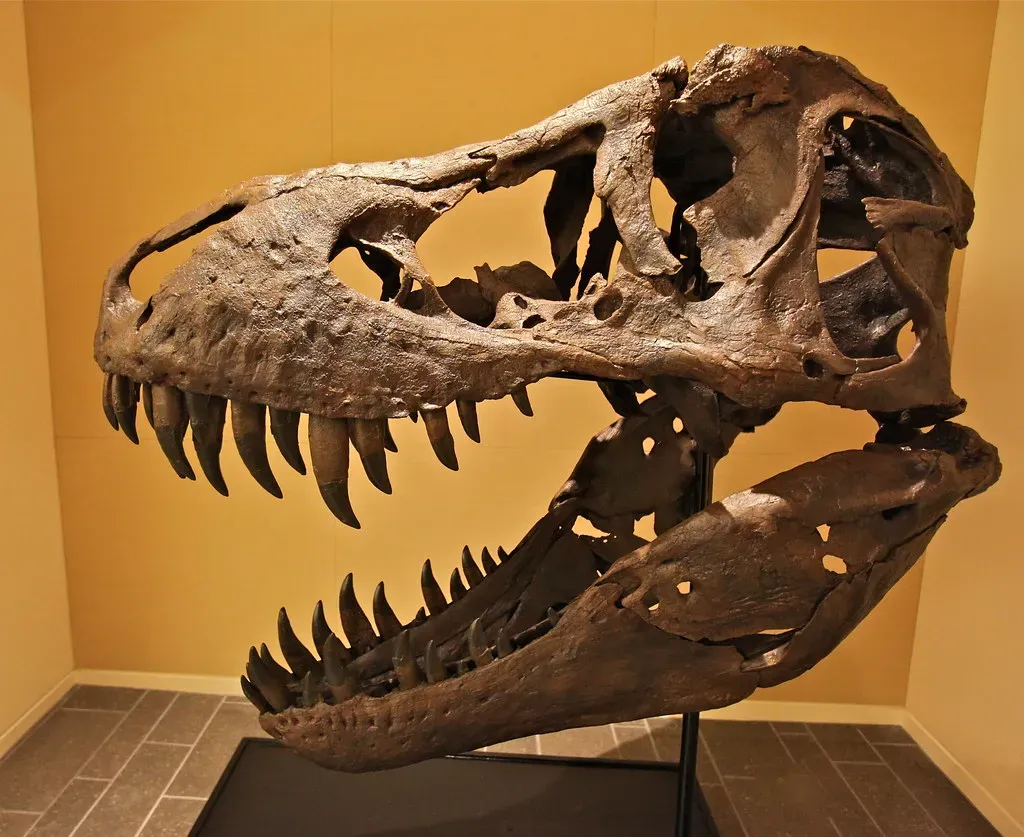
The darker side of dinosaur life is also written clearly in their bones – and you can read it better than you might expect. When you see bite marks with clean edges and no healing, you are probably looking at something that happened around or after death, like scavenging. But when bite marks have rounded edges and regrown bone tissue, you know the animal survived an attack. That tells you not only that it was preyed upon but that it lived long enough afterward for healing to occur, which can hint at resilience, social support, or pure luck.
Healed fractures and repeated injuries show you individuals that lived rough lives full of falls, combat, and possibly risky hunting strategies. In some species, you see the same kinds of injuries over and over again in similar places, suggesting characteristic behaviors like head-butting, tail-lashing, or grappling. When many individuals share similar damage, you are likely seeing a behavioral pattern, not a random accident – almost like a signature of how that species fought, hunted, or defended itself.
Herds, Migrations, and Crowd Scenes: When Group Fossils Tell a Bigger Story
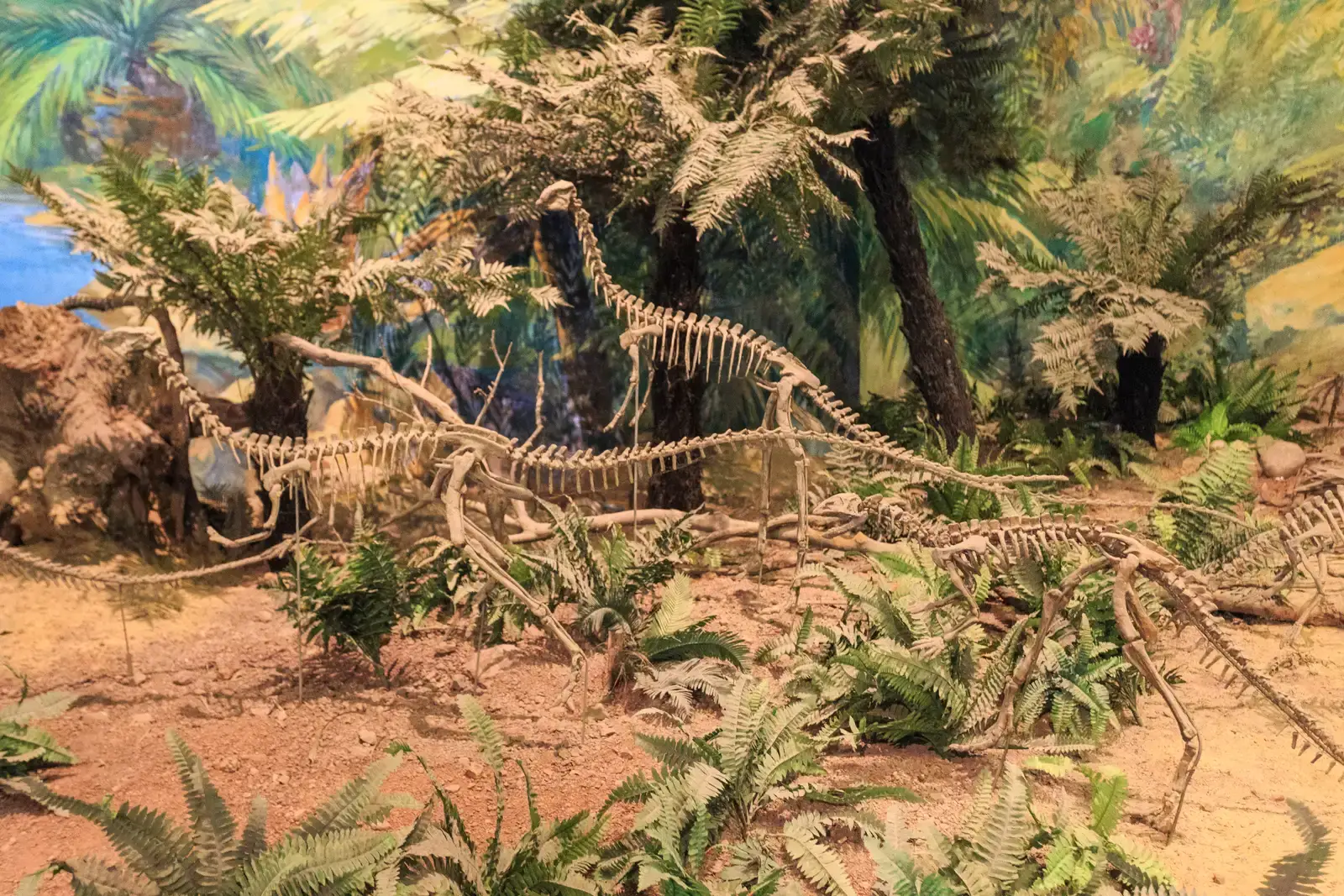
When you find dozens or even hundreds of individuals from the same species buried together, you are not just looking at a mass grave; you are looking at a snapshot of social life frozen in time. Bonebeds with a mix of juveniles and adults suggest group living, possibly herds or family groups that moved together. In some cases, trackways show multiple animals walking in the same direction at similar speeds, giving you a rare, direct hint of coordinated movement, something you’d associate with herds or flocks today.
You also see clues that hint at possible seasonal migrations. If many individuals die together in what looks like a drought-stricken or floodplain environment, one plausible scenario is that they were moving through a risky landscape, perhaps following water or food, and were caught by a sudden catastrophe. You cannot be fully certain they migrated long distances like modern caribou, but the combination of numerous animals, age diversity, and environmental context lets you reasonably infer that at least some dinosaurs did not live solitary, static lives. Instead, they navigated their world together in groups, with all the social complexity that implies.
Armor, Horns, and Crests: What Extreme Anatomy Says About Display and Defense
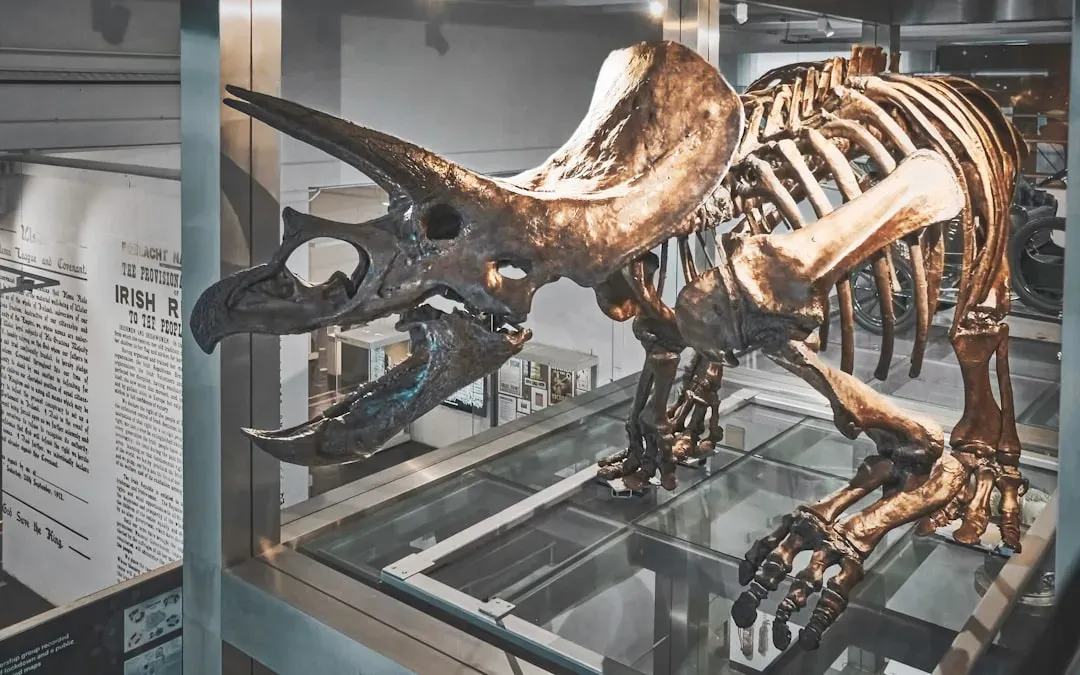
Some of the boldest behavioral clues are written on the outside of dinosaur skulls and backs, in the form of horns, frills, crests, plates, and armor. When you see extravagant structures that look oversized for simple defense – like massive head frills, tall crests, or elaborate horns – you are likely seeing displays used for communication, intimidation, or mate attraction. These features often vary between species and sometimes between sexes or age groups, which hints at complex social signaling, much like the antlers of deer or the tail of a peacock.
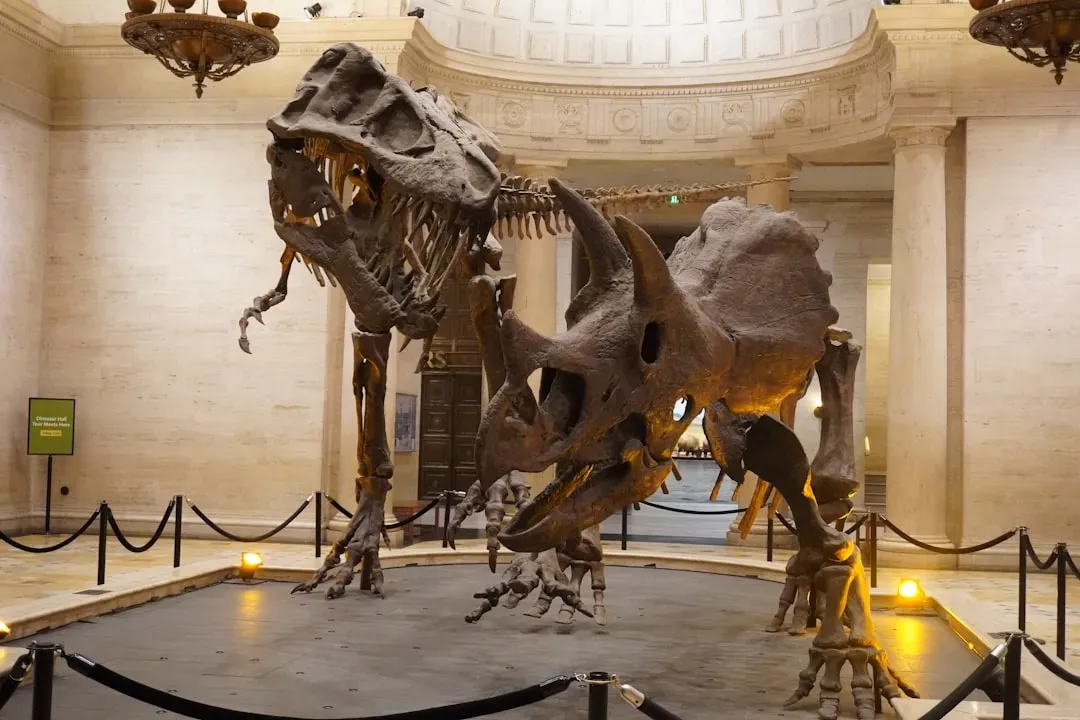
At the same time, you cannot ignore the defensive potential of these structures. Many horned dinosaurs show damage on their skulls and frills consistent with combat or predator attacks. In some armored species, healed injuries cluster around areas that would have been exposed during defense, implying that armor plates and spikes were not just for show. The most reasonable picture is a blend: these animals likely used their dramatic ornaments both to communicate with one another and to survive in a world of large predators, balancing beauty and brutality in the same body.
From Bones to Brains: What Skull Cavities Reveal About Senses and Intelligence
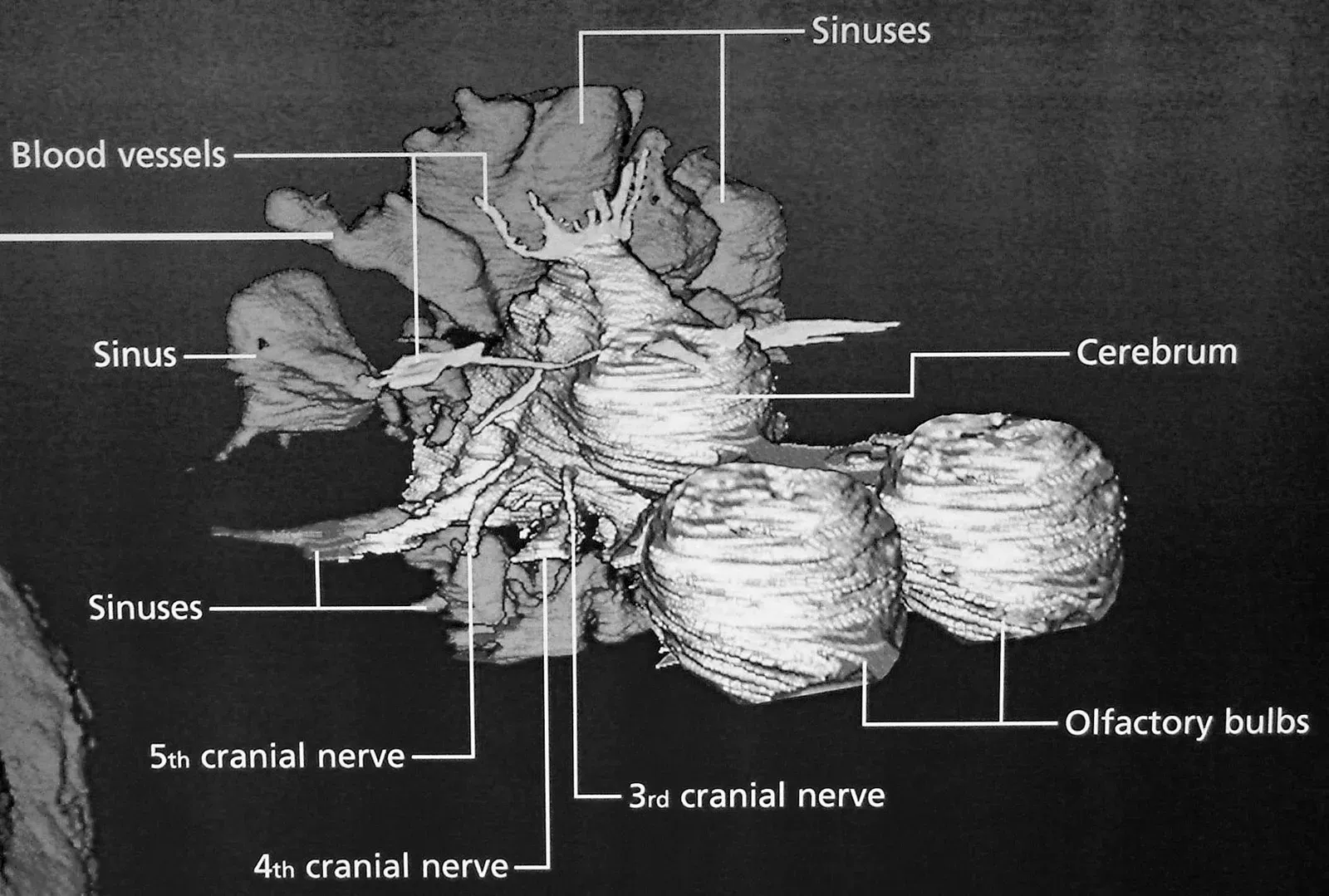
You might be surprised at how much you can learn about behavior from the empty spaces inside a dinosaur skull. When paleontologists create digital models of braincases, they can estimate the size and shape of brain regions related to smell, vision, balance, and coordination. If the part associated with smell is huge, it suggests an animal that relied heavily on scent for hunting, scavenging, or navigation. If the inner ear structures are well developed, that points to good balance and possibly agile movement or refined head and eye control.
Brain size alone does not give you a neat intelligence score, but it does allow careful comparisons. When you compare dinosaurs to modern birds and reptiles, some groups show relatively larger brains and more complex sensory regions, pointing toward more flexible behavior. You still need to be cautious and avoid jumping straight to claims about advanced problem-solving or culture, but you can confidently say that certain dinosaurs were likely more alert, responsive, and behaviorally sophisticated than the old stereotype of slow, lumbering reptiles suggests. Their bones quietly contradict that outdated image.
Feathers, Soft Tissues, and Bird Connections: Behaviors You Can Almost See
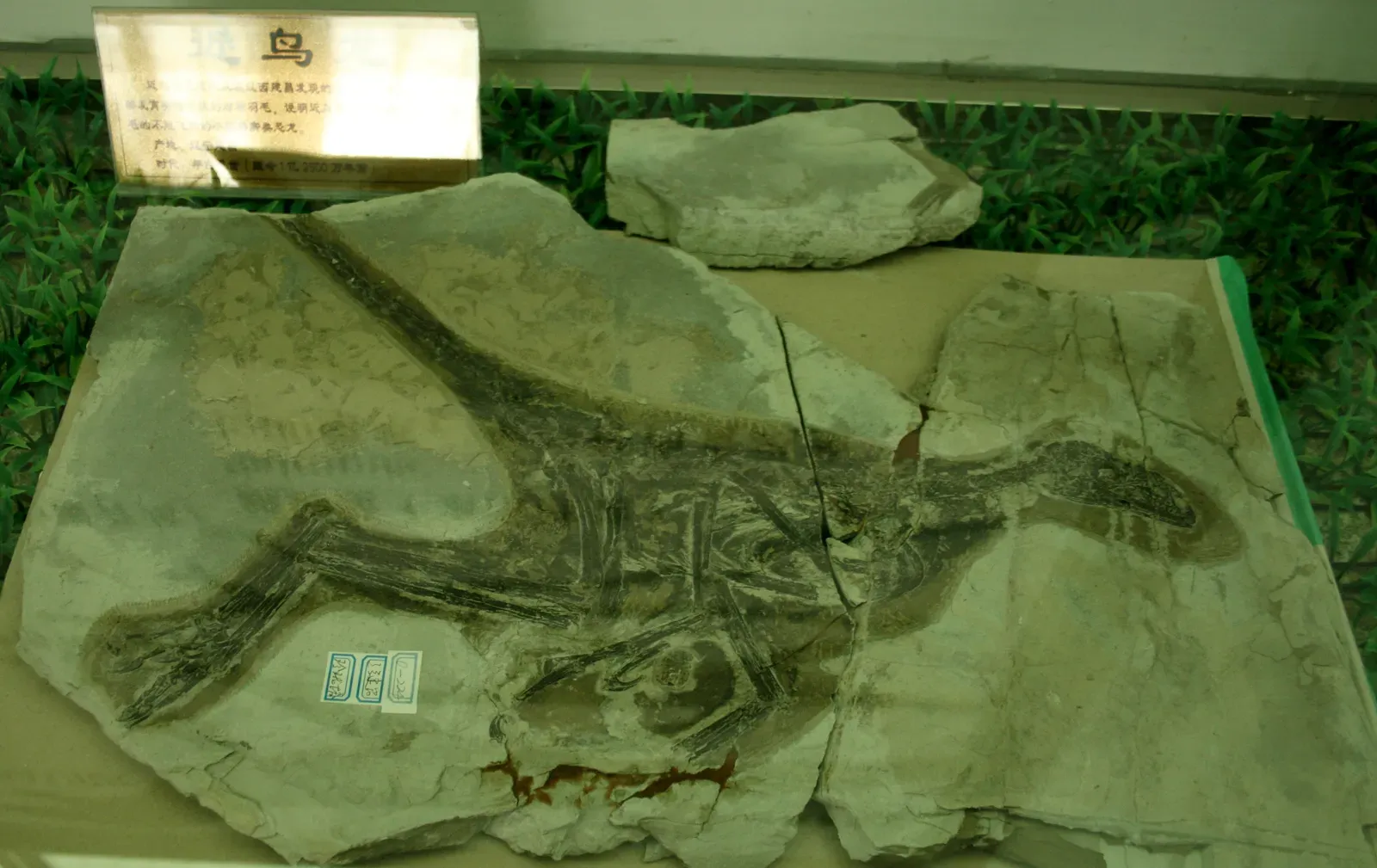
The rare fossils that preserve feathers, skin impressions, or soft tissues give you some of the clearest behavioral hints of all. When you see dinosaurs with fully developed feathers or feather-like coverings, you immediately gain new possibilities for behavior: temperature regulation, visual signaling, and, in some lineages, gliding or powered flight. Color patterns, where they can be reconstructed, can point toward camouflage, display, or species recognition, echoing the roles that plumage plays in modern birds.
You also start to understand that many dinosaur behaviors may have looked remarkably birdlike. Perching, preening, mating displays, and complex vocal communication become more plausible when you see just how close some dinosaurs were to the first true birds anatomically. While you cannot directly watch a dinosaur dance or sing, you can look at the feathers, limb proportions, and chest structures and reasonably infer that many of the social and reproductive behaviors you see in birds today had deep roots in their dinosaur ancestors.
What You Still Cannot Know (Yet): Limits, Myths, and Honest Uncertainty
As powerful as these bone-based clues are, you still need to be honest about what you simply cannot know with confidence. You cannot reconstruct the exact color patterns of most dinosaurs, their specific calls, or the details of individual personalities. Many popular images – a particular species raising its young in a certain way, or performing a precise courtship dance – go beyond the evidence and slide into artistic imagination. Those stories might be fun, but you should treat them as possibilities, not facts carved in stone.
The most responsible way to read dinosaur behavior is to think in terms of ranges and likelihoods. You can say a species very likely lived in groups based on repeated mass finds, or that it probably used its horns in combat because of consistent damage patterns. But when it comes to fine-grained social rules, rituals, or emotions, the fossils fall silent. That silence is not a disappointment; it is an invitation to stay curious and let future discoveries surprise you, rather than forcing old bones to answer questions they were never meant to solve.
When you step back, you realize that dinosaur bones are much more than relics of extinct monsters. They are fragments of real lives: parents hustling to protect nests, predators taking dangerous risks, herds chancing a river crossing, individuals surviving injuries and carrying their scars for years. Every healed wound, every nest site, every trackway adds one more piece to a puzzle you will never fully complete, but can always understand a little better.
You live in a time when new finds and new technologies keep rewriting the details of that story, often overturning what everyone thought was settled just a decade earlier. That uncertainty can feel frustrating, but it is also what keeps the secret lives of dinosaurs alive in your imagination: always half-known, always just beyond reach, always inviting one more question. If you could walk alongside them for a day, how much of what you think you know now do you think would surprise you most?