If you picture dinosaurs as cold, uncaring reptiles that just stomped around and roared at each other, the fossil record of eggs and nests is about to flip that image upside down for you. Across deserts, badlands, and windswept plateaus, you can actually see traces of nesting colonies, half-hatched clutches, and parents caught in the act of guarding their young. It feels less like dry science and more like walking into a frozen family drama that has been on pause for tens of millions of years.
As you explore these eggs and nests, you’re not just looking at stones; you’re peeking into moments of risk, care, and sometimes tragedy. You’ll meet “good mother” dinosaurs that raised their young in colonies, feathered relatives of birds that brooded like modern hens, and giant long‑necked titans that turned entire landscapes into hatcheries. By the end, you may find yourself feeling oddly connected to creatures that disappeared long before humans ever existed.
1. Oviraptor: From Egg Thief to Devoted Brooding Parent
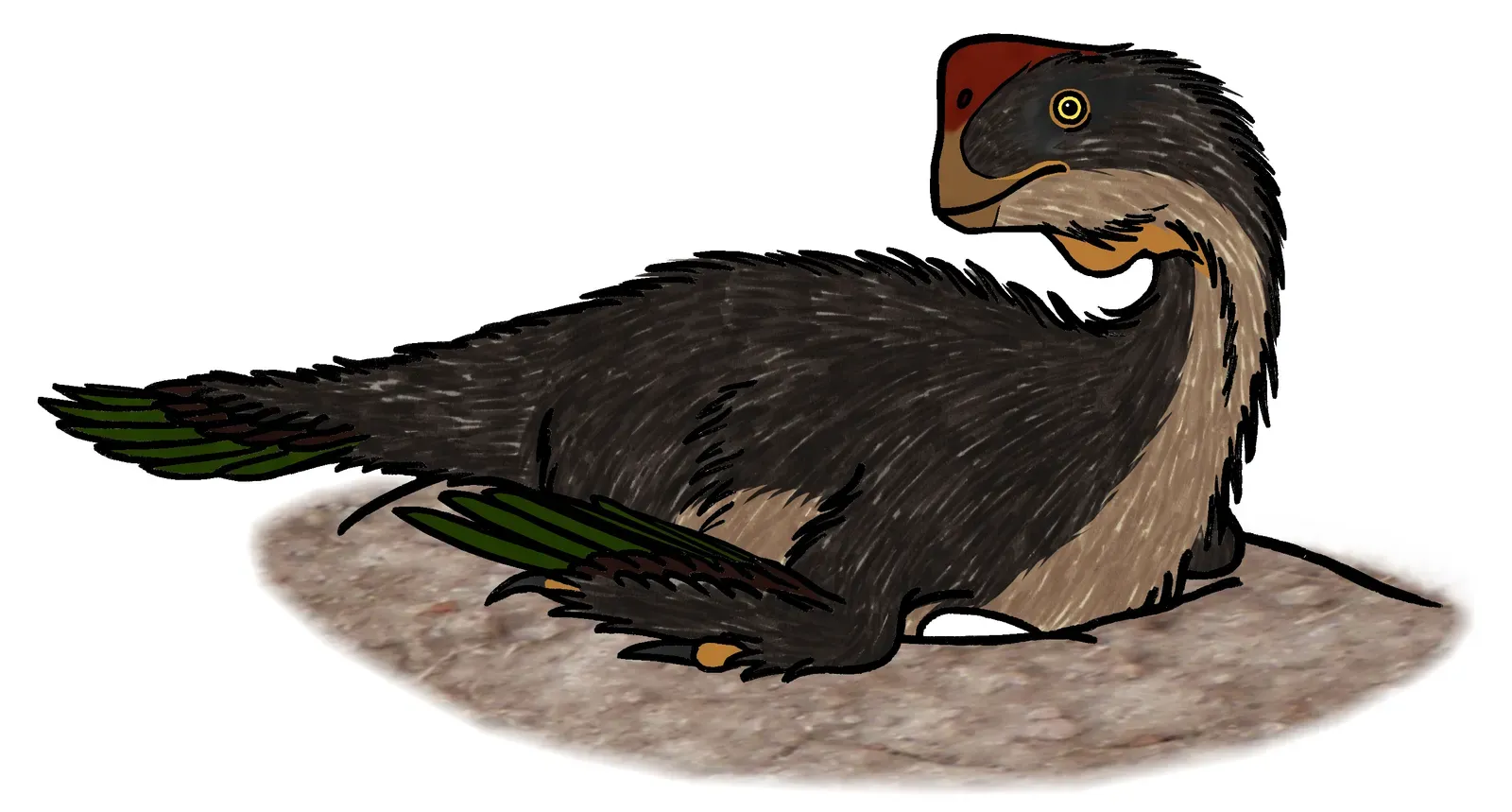
For years, if you had seen the name Oviraptor, you’d have pictured a sneaky egg thief raiding someone else’s nest. The very name means “egg thief,” because the first skull was found near a clutch of eggs that scientists assumed belonged to another dinosaur. Later, when embryos inside similar eggs turned out to be oviraptorids themselves, the whole story flipped: the supposed thief was probably a parent guarding its own brood, not stealing snacks.
Several fossils now show oviraptorids crouched over ring-shaped nests, arms spread in a pose that looks eerily like a bird brooding its eggs. When you imagine that animal sitting there, exposed to sandstorms or sudden floods, you start to see a creature investing real effort and risk into its offspring. Instead of a villain, you’re looking at a parent caught in the act of caring, frozen at the exact moment disaster struck. It’s a reminder that one mistaken assumption can color an entire reputation for decades.
2. The Ganzhou Oviraptor Nest: A Parent Caught Mid-Brood
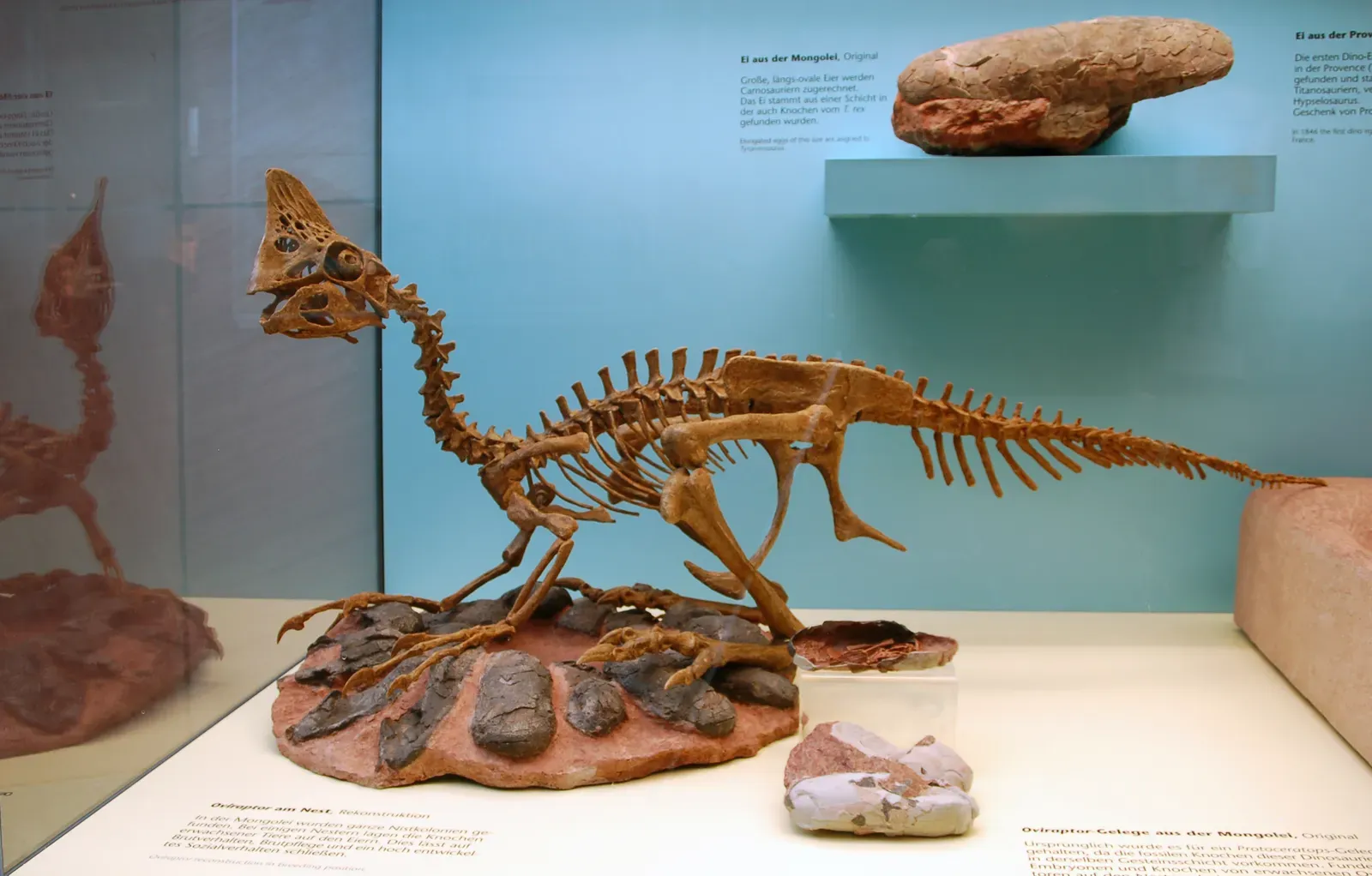
One of the most dramatic parenting snapshots you can picture comes from southern China, near Ganzhou, where a large oviraptorid was found literally sitting on a nest of at least two dozen eggs. Some of those eggs still hold embryos that were close to hatching, which means you are not just looking at a skeleton – you’re seeing a family scene. The adult’s limbs and body are positioned over the clutch in a posture that is almost painfully familiar if you’ve ever watched a bird settle on its nest.
Studies of the eggshell chemistry suggest that the eggs were being actively incubated, not just buried and abandoned. That implies the parent had already been on the nest for a while, keeping the clutch warm and probably leaving only briefly to feed. When you think of that, the fossil stops being a pile of bones and becomes a story of a parent that stayed just a little too long when catastrophe hit. You are looking at the cost of care preserved in stone.
3. Maiasaura at Egg Mountain: The “Good Mother” Dinosaur
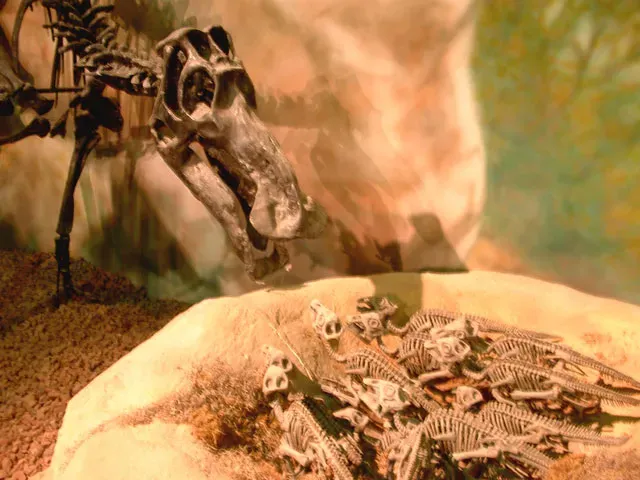
When you hear that a dinosaur’s name translates to something like “good mother lizard,” you know there’s a parenting story behind it. In Montana’s Egg Mountain site, you can trace the lives of Maiasaura from egg to juvenile, all in the same ancient nesting ground. Nests packed with broken eggshells, tiny bones, and growth stages suggest that the young stayed in the nest for a while and were not sprinting off on their own the moment they hatched.
In some nests, the babies’ bones are too weak to support a fully active lifestyle right away, hinting that parents may have brought food back, a bit like seabirds returning to a crowded colony. You can imagine herds of these duck-billed dinosaurs returning to the same spot year after year, turning a stretch of landscape into a noisy nursery. If you have ever stood in a modern bird colony, with chicks crying and parents coming and going, you have a rough emotional sense of what Egg Mountain once felt like.
4. Auca Mahuevo: A Titanosaur Hatchery Frozen in Time
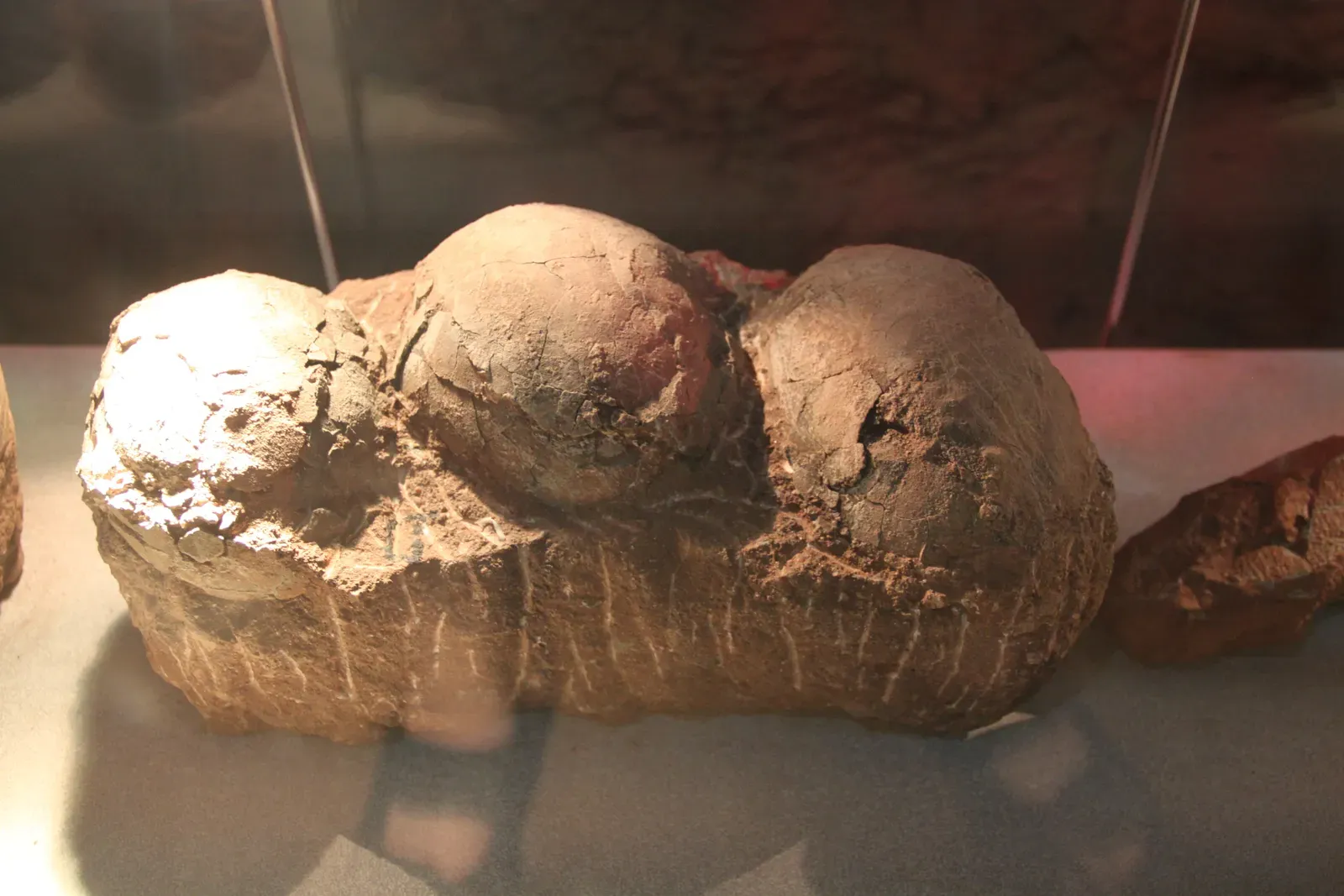
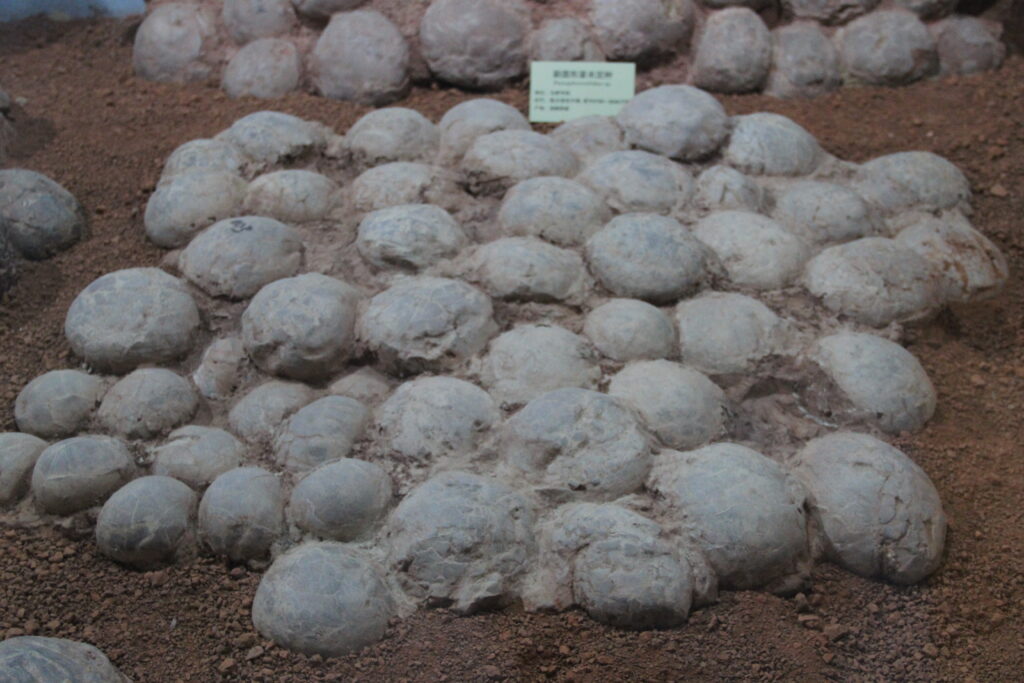
In Patagonia, the vast Auca Mahuevo site lets you step into the world of giant long‑necked titanosaurs as they turned a floodplain into an industrial-scale hatchery. Here you find thousands of eggs – many arranged in shallow pits – with some containing embryos and even impressions of scaly skin. You’re not dealing with a random scattering of shells; you are looking at layer upon layer of ancient nesting activity built up over multiple seasons.
The pattern suggests that female titanosaurs dug elongated pits, laid clutches of eggs, and then covered them, more like modern sea turtles than backyard birds. Rather than hovering over the nests, these giants appear to have relied on warm sediment and sunlight to incubate the eggs. When you visualize huge herds returning to the same area, digging, laying, and leaving, you see a completely different parenting strategy: one that banks on safety in numbers and the sheer scale of reproduction instead of direct, hands‑on care.
5. Troodon Nests: The Clever Predator with Careful Clutches
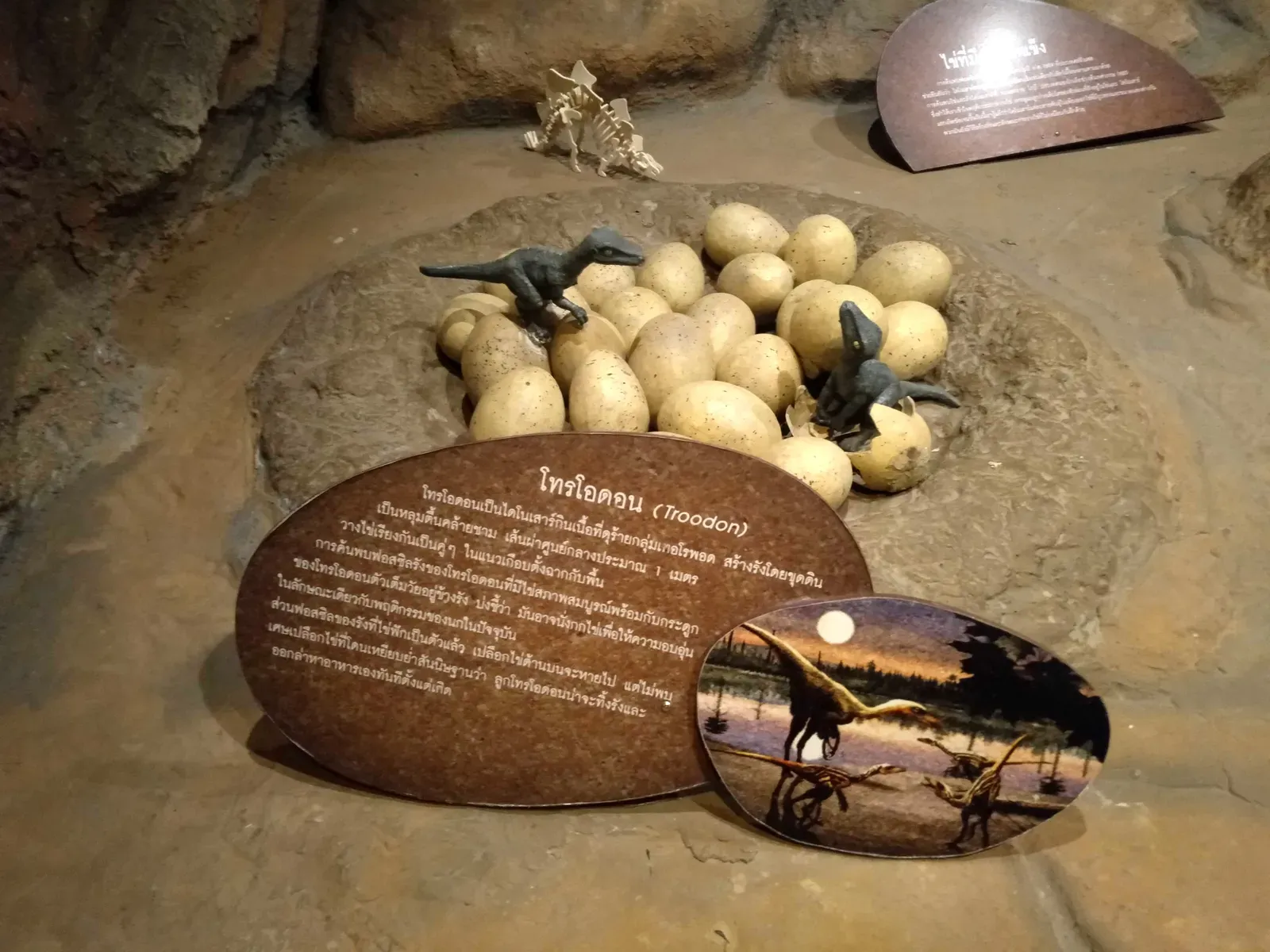
If you imagine a sharp-toothed predator, you probably don’t immediately picture it fussing over eggs, but Troodon forces you to rethink that. In Montana and nearby regions, nests associated with this small, big‑brained predator show eggs arranged upright, with their pointed ends down in the sediment. You might picture each egg like a partially buried vase, carefully positioned and then covered around the lower portion, leaving the tops more exposed.
The way these eggs are arranged suggests that Troodon may have brooded its clutches, using its body to regulate temperature much like modern birds do, while still relying on the soil’s warmth. Some studies have even tried to estimate how many adults might share incubation duties based on eggshell and bone chemistry. When you picture Troodon, with its keen eyes and grasping hands, sitting quietly on a nest instead of attacking, you feel how complex dinosaur behavior may have been.
6. Protoceratops and the Mystery of Soft-Shelled Eggs
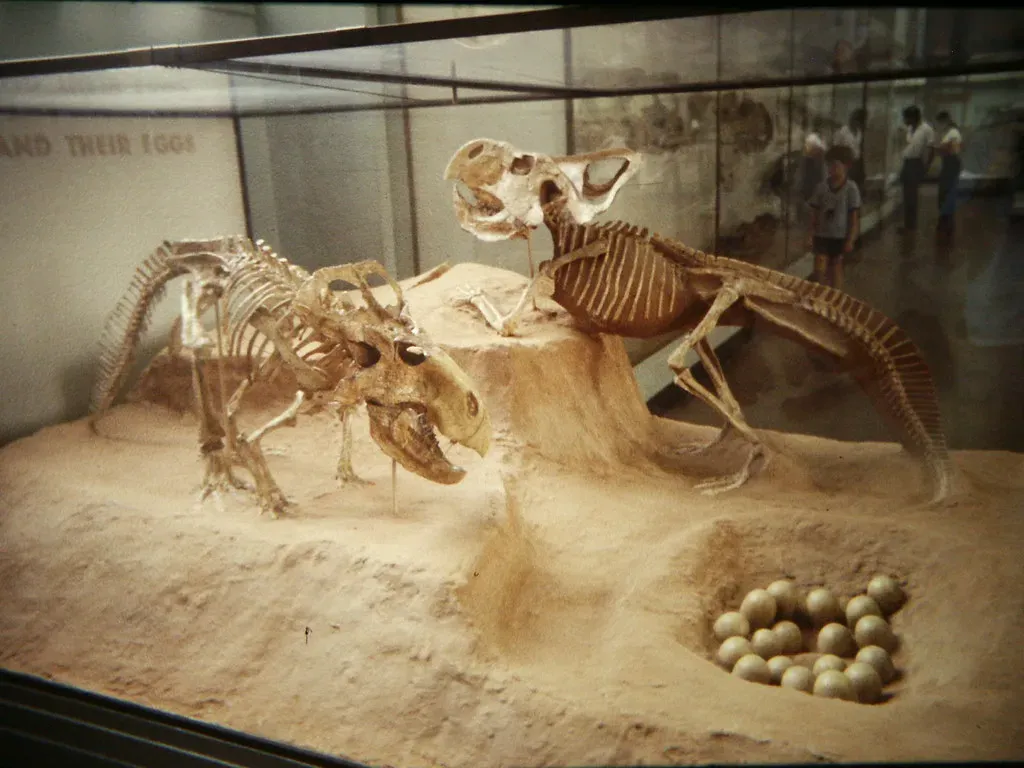
For a long time, ceratopsian dinosaurs like Protoceratops seemed strangely absent from the fossil egg record, even though their skeletons are abundant. That gap led many people to assume that their eggs simply had not been found yet. Recently, research on clutches linked to Protoceratops suggested a different answer: you might not see their eggs much because many early dinosaurs laid softer, leathery eggs more like lizards and turtles, which are far less likely to fossilize.
One clutch from Mongolia shows eggs that appear to have had thinner, more flexible shells, offering a powerful clue to a different nesting world. This means that when you picture a Protoceratops nest, you may need to think less about crisp, chalky birdlike eggs and more about pliable, easily damaged shells. From a parenting point of view, that kind of egg might require careful burial or shaded, protected spots, pushing you to see these horn-faced dinosaurs as more subtle nest managers than their fossil record initially suggests.
7. Baby Yingliang: An Oviraptor Embryo Curled Like a Modern Chick
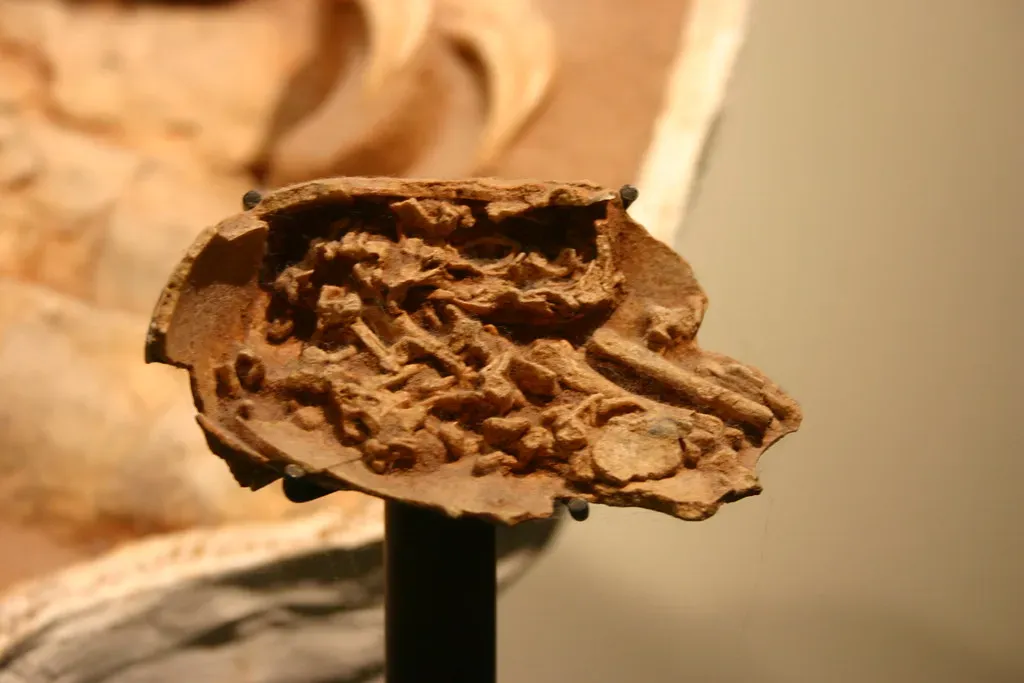
One of the most haunting fossils you can imagine is an embryo nicknamed “Baby Yingliang,” preserved inside an oviraptorid egg from southern China. When scientists studied the tiny skeleton, they found the embryo tucked into a curled posture that looks strikingly similar to how modern bird embryos arrange themselves before hatching. You are basically watching a 70‑million‑year‑old chick analogue preparing for its first crack at the outside world.
This tucked posture is not just cute; it is a precise hatching strategy that helps the embryo coordinate its final movements and successfully break the shell. Seeing that same choreography in a dinosaur tells you that some very specific behaviors evolved long before birds officially appeared. When you compare a modern chick wiggling inside an egg to this fossil, you are stepping across a gulf of time and watching a shared script unfold in both.
8. Sauropod Eggs with Embryos: Giant Babies in Fragile Shells
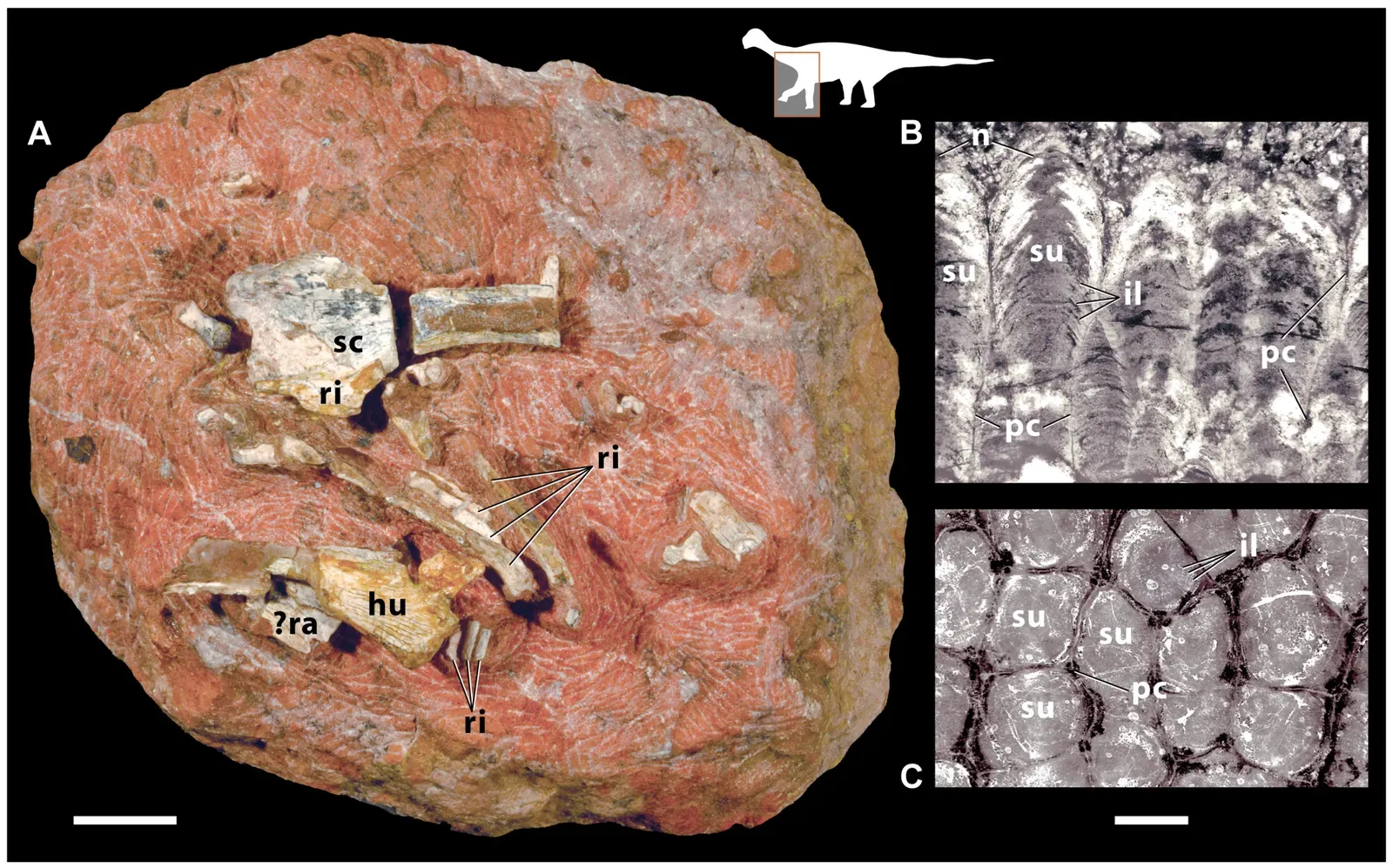
At sites like Auca Mahuevo and others, paleontologists have found sauropod eggs with tiny embryos inside – miniature versions of the long‑necked giants you usually see towering in museum halls. In some cases, you can even make out bits of skin texture, giving you a sense of what these babies would have looked like before they ever took a breath. It is a rare kind of intimacy; instead of just a skeleton, you’re seeing a life that never quite started.
These embryos confirm that the eggs belonged to titanosaurs and help you understand how their bodies developed before hatching. When you imagine an entire nesting ground full of such eggs, you see thousands of potential giants, many of which never got the chance to grow up. That harsh reality hints at why sauropods may have relied on vast numbers of eggs rather than intensive parental care: when your world is full of predators and environmental hazards, you spread your bets wide.
9. The Gobi Desert Egg Fields: Sandstorms, Mislabels, and New Stories
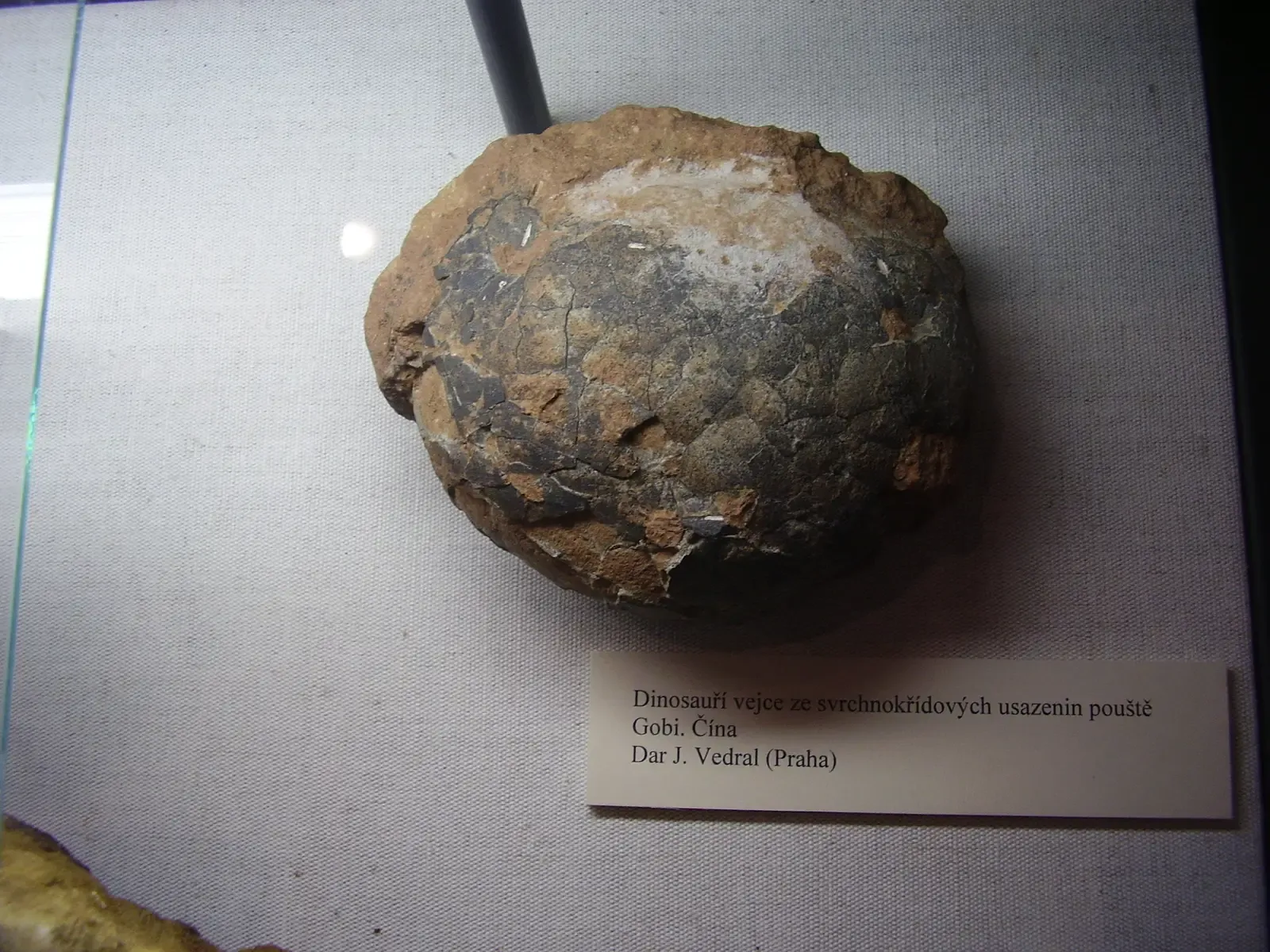
In Mongolia’s Gobi Desert, field crews have uncovered countless dinosaur eggs, some of which were originally assigned to the wrong parents. Early expeditions found eggs near Protoceratops skeletons, and because those plant‑eaters were everywhere, it made sense at the time to link the eggs to them. Only later, when an embryo inside one of those eggs turned out to be an oviraptorid, did the narrative shift dramatically.
Now, when you picture those Gobi egg fields, you see not just scattered clutches but an entire web of relationships that scientists are still untangling. The same dunes that buried nests and parents together can also confuse you about who laid what. Yet each new embryo that emerges from an egg helps straighten out the family tree a bit more. You get a front‑row seat to the way science corrects itself as more evidence comes to light.
10. Dinosaur Egg Experiments: Recreating Nests with Foam and Sunlight
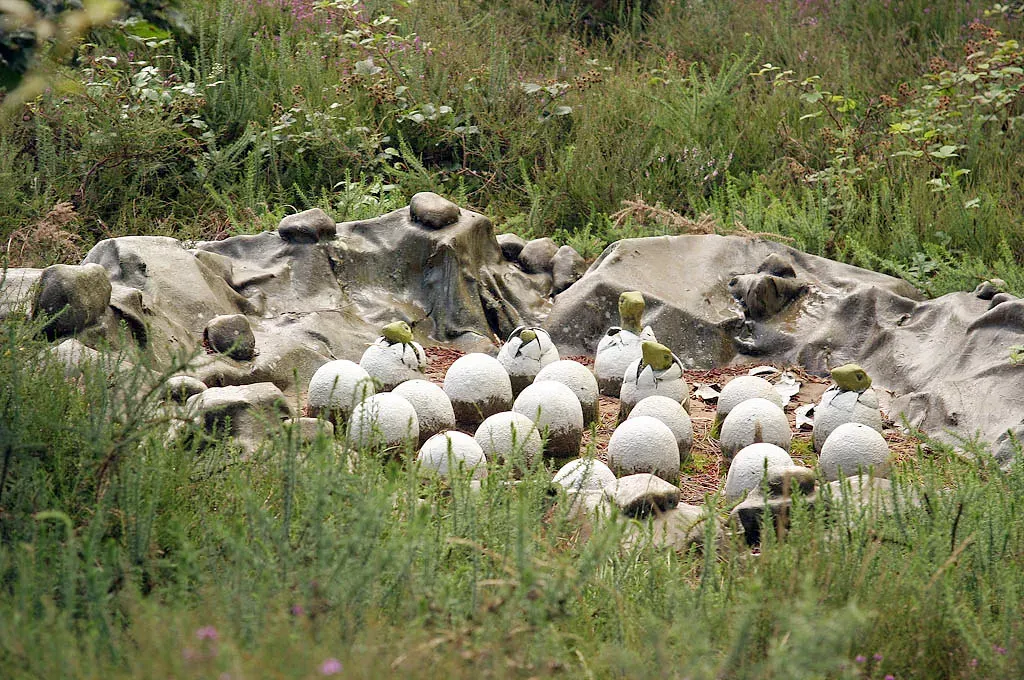
You might think that once fossils are in a museum, the story is over, but recent experiments show how alive these questions still are. Researchers have actually built life‑sized models of dinosaur nests – complete with fake oviraptor bodies and replica eggs – just to test how heat from the sun and a brooding parent would have warmed the clutch. By placing eggs in circular double rings, the same way fossils show them, they could measure exactly how much warmth reached each egg.
Those tests suggest that some dinosaurs used a hybrid strategy, relying partly on their own body heat and partly on the sun, a bit like living halfway between a reptile that buries its clutch and a bird that fully broods. When you watch modern experiments like that, you realize you are not just reading about fossils; you’re watching people try to reverse‑engineer parenting strategies from tiny clues in rock. It feels almost like reconstructing an ancient recipe by tasting the crumbs.
11. Soft-Shelled Dinosaur Eggs: A Hidden Side of Prehistoric Parenting
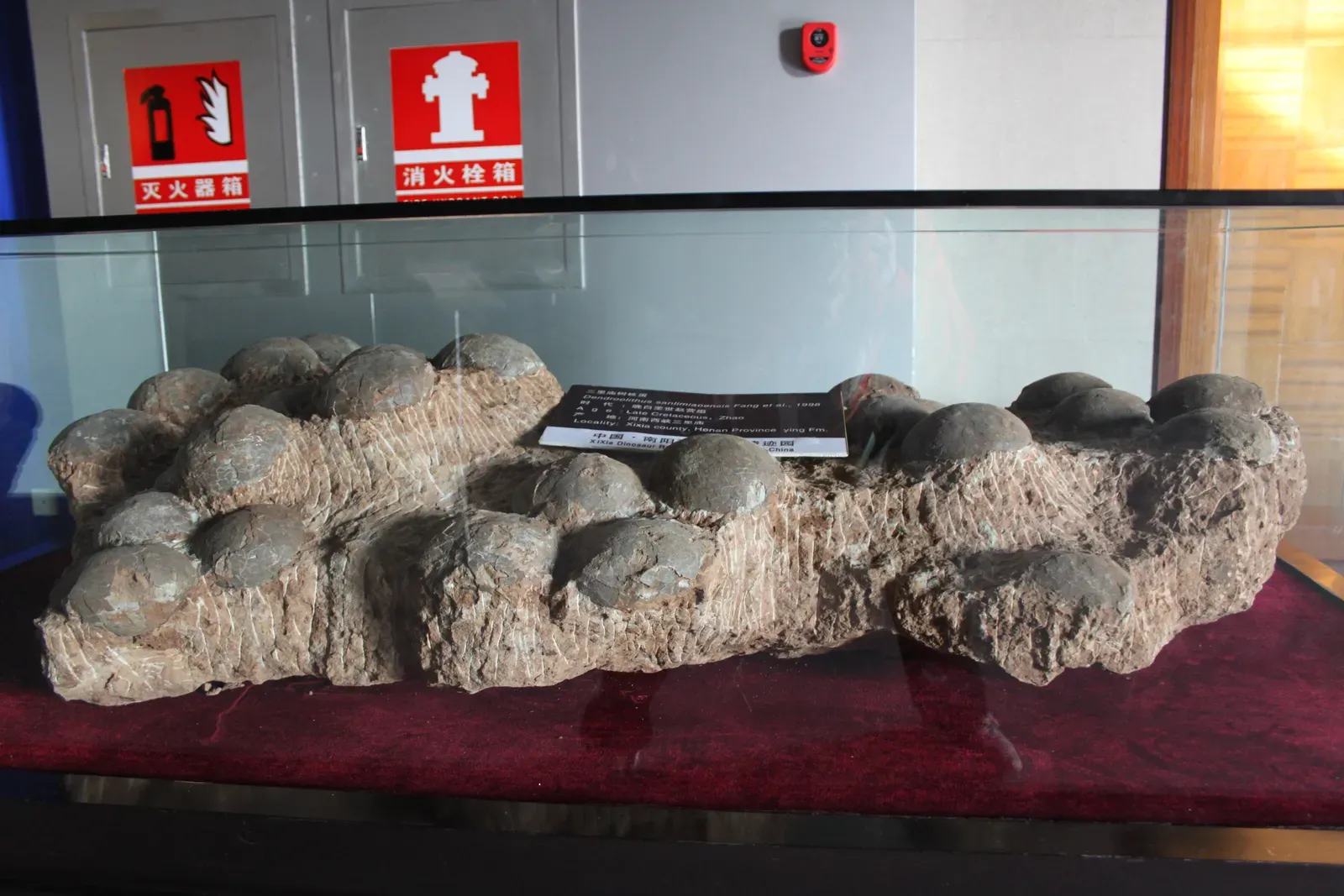
For a long time, it was easy to assume that all dinosaur eggs were hard-shelled, because those are the ones that preserve best and end up in displays. But newer research shows that some early dinosaurs and relatives laid soft or semi-soft eggs, more like those of modern turtles. If you imagine holding such an egg, it would feel leathery and flexible rather than rigid and brittle, which has huge implications for how the parents handled them.
Soft-shelled eggs usually need more protection from drying out and being crushed, so they are often buried or carefully covered. That means when you look at a rocky outcrop and see no eggs at all, you cannot conclude there were no nests – those delicate shells just may not have survived. This invisible side of reproduction forces you to be humble: much of dinosaur parenting may have played out in nests that simply never had a chance to become fossils.
12. What These Eggs Really Say About Dinosaur Family Life
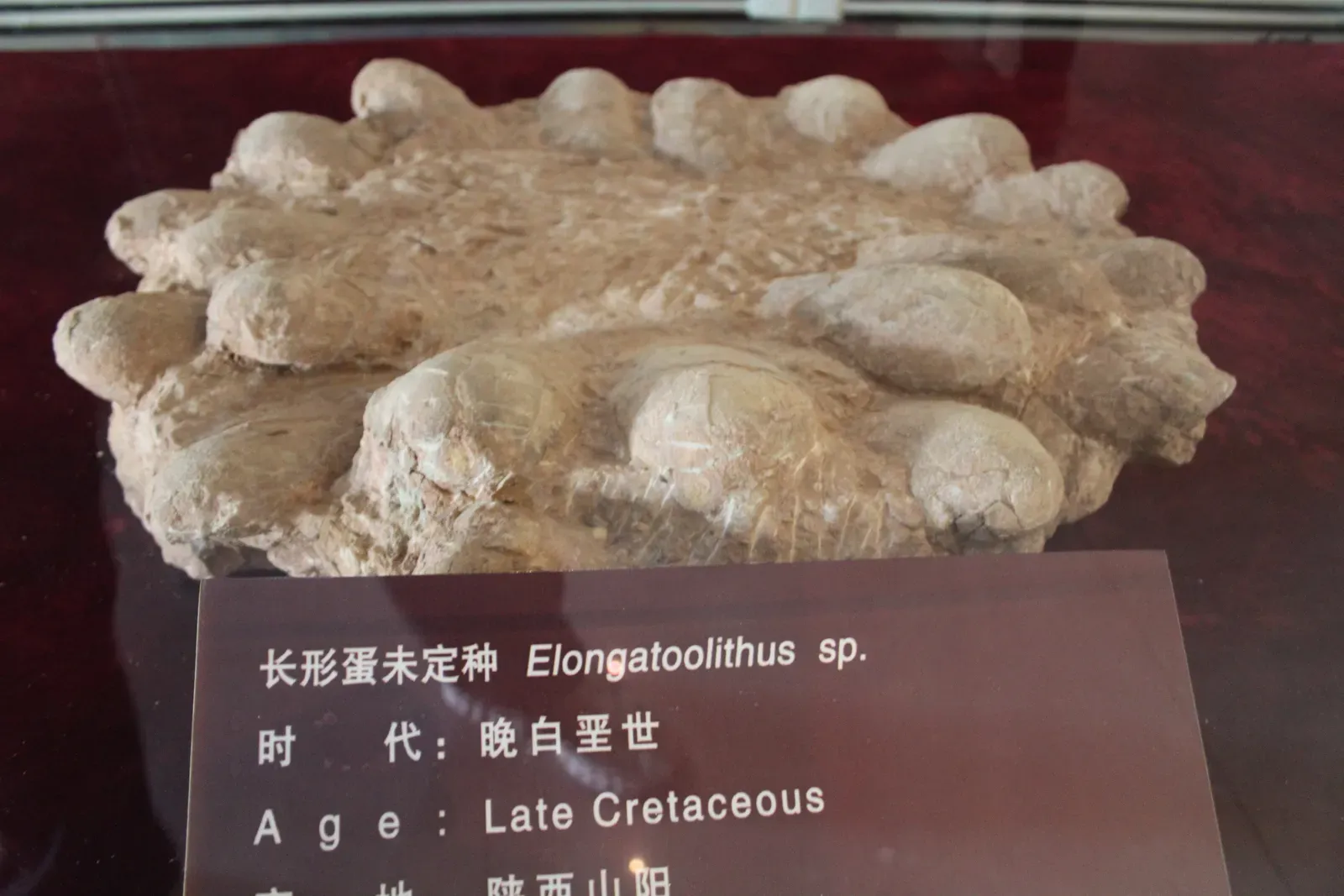
When you step back and look across all these nests – from Maiasaura colonies to oviraptor brooding poses – you start to see a remarkable range of parenting styles. Some dinosaurs invested heavily in individual clutches, sitting on them, guarding them, and possibly feeding the young. Others seemed to rely more on mass nesting and environmental heat, betting that enough hatchlings would make it simply through sheer numbers.
If you compare that variety to modern reptiles and birds, you notice that dinosaurs sit right in the middle of that spectrum, blending traits from both worlds. That makes sense when you remember that birds are living dinosaurs; their nest‑building and chick‑rearing behavior did not appear out of nowhere. As you think about a brooding oviraptor, a bustling Maiasaura nursery, and a titanosaurs’ egg‑packed floodplain, you are really asking yourself what it means to care for young in a dangerous world – something that has not stopped being relevant today.
Conclusion: Rethinking Dinosaurs Through Their Cradles of Stone
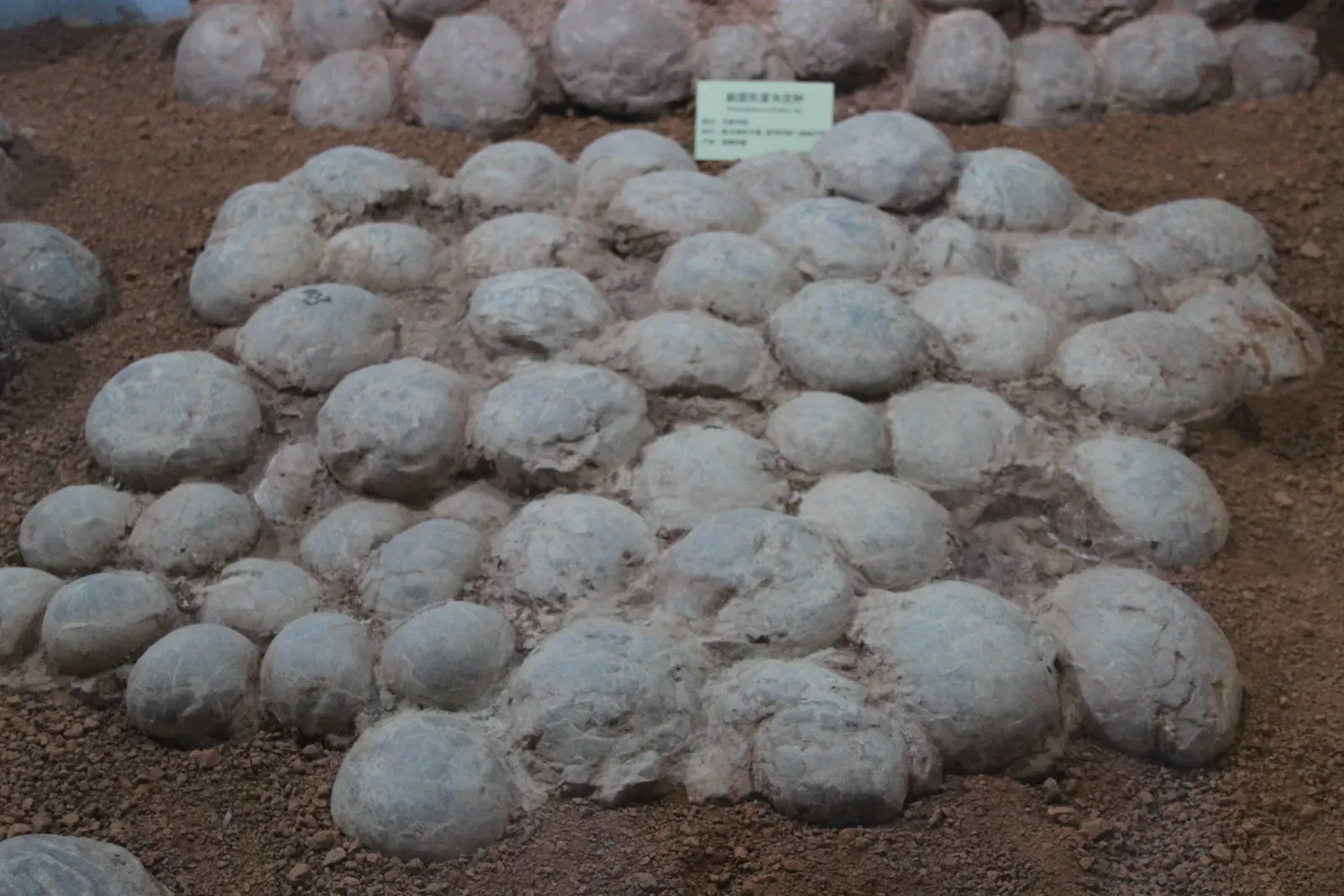
When you first hear about dinosaur nests, it is easy to picture them as just another category of fossils, tucked between bones and footprints in a museum case. But once you understand how much behavior is locked into those eggs and clutches, you start to feel like you are reading diaries instead of just looking at rocks. Each nest tells you something different: a parent that stayed too long, a colony that returned year after year, a baby that never hatched but still preserves its final curled pose.
If you let these stories sink in, they nudge you away from the stereotype of dinosaurs as mindless monsters and toward a much richer view: animal parents trying to give their offspring a chance against impossible odds. That struggle, on some level, is one you already know from your own life and from the animals around you now. So the next time you see a little bird on its nest or turtles hauling themselves up a beach, will you picture, just for a moment, the dinosaur parents that once did something very similar?