You usually picture dinosaurs and other prehistoric giants as dramatic skeletons in museums or monsters in movies, frozen in time and locked in poses that someone else chose. What you almost never imagine is the moment-by-moment reality of their lives: where they walked, how fast they moved, who they walked with, and even when they slipped in the mud. That is exactly what fossilized footprints quietly capture, and once you start paying attention to them, those ancient bones suddenly feel a lot more alive.
Instead of staring at a dead end of stone, you’re following tracks like a detective at a crime scene, except the “crime” happened tens of millions of years ago. Each trackway is a snapshot of motion, a frozen bit of behavior from a day that began and ended long before humans existed. When you learn how to read those prints, you stop seeing them as simple holes in rock and start seeing them as the ghostly remains of morning walks, panicked sprints, lazy strolls, and crowded watering holes. It turns out you can know a surprising amount about an animal from the way it stepped.
The Moment a Footprint Becomes a Time Machine
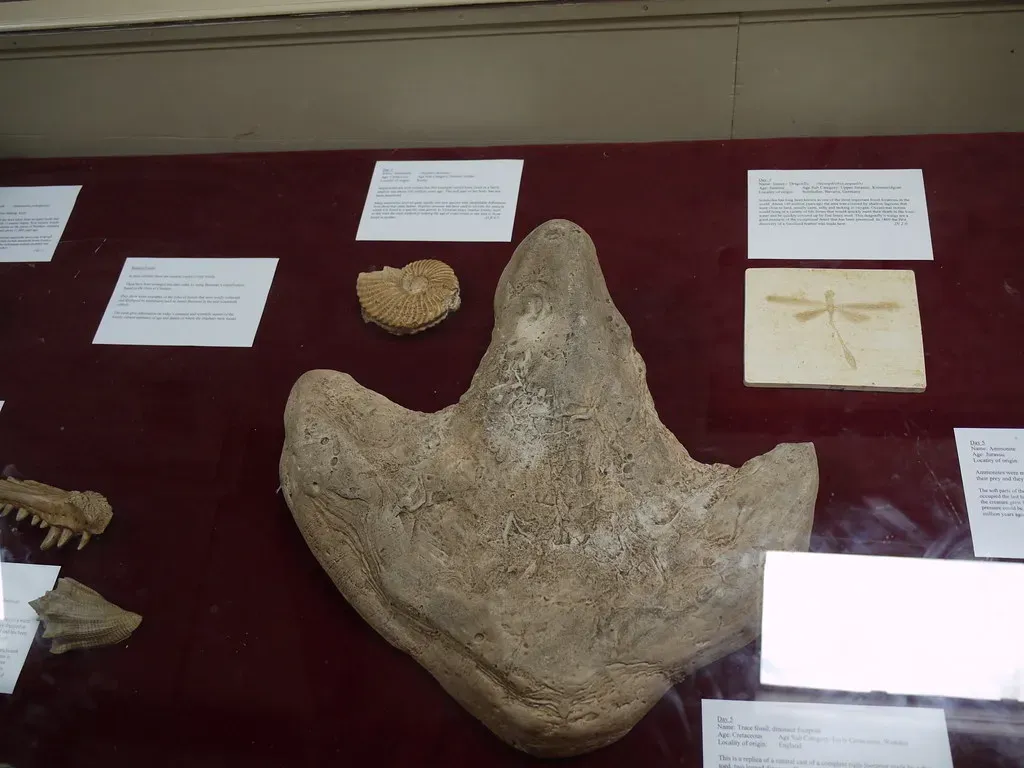
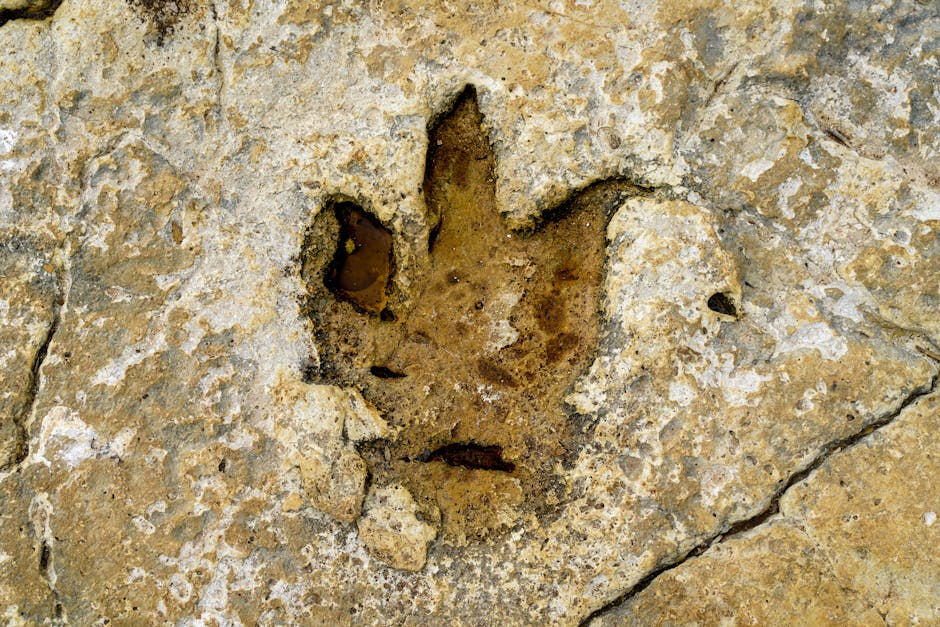
When you stand in front of a slab of stone covered in ancient tracks, you’re basically looking at a fossilized moment that used to be soft, wet ground under the feet of living animals. At some point, a dinosaur, an early mammal, or even a human ancestor stepped into mud, sand, or volcanic ash, leaving a shallow impression that should have washed away within hours. Instead, sediment quickly filled the print, hardened, and turned to rock over millions of years, preserving not only the outline of the foot but also the motion that created it.
What makes this powerful is that, unlike bones, footprints record what an animal was actually doing at a precise moment. Bones can drift after death, be scattered by scavengers, or be jumbled by floods before they’re buried, so you rarely know what that animal was doing in life. Tracks, on the other hand, sit exactly where the animal chose to place its feet. When you look down at a trail of prints, you are literally standing where that creature walked, at almost the exact angles and spacing it used, as if the ground itself decided to keep a diary for you to read much later.
How You Read Speed, Size, and Stride from Stone
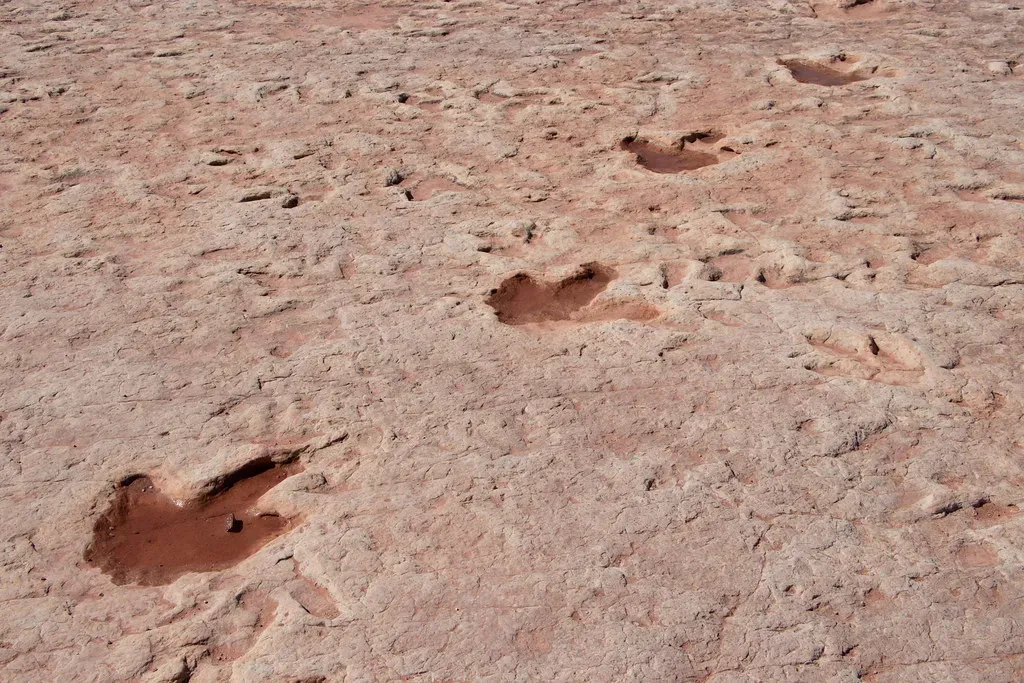
Once you know what to look for, a trail of footprints starts to feel like data instead of random dents in rock. You can measure the distance between footprints to estimate stride length, then compare that to the size of the foot, and suddenly you have a surprisingly decent idea of how fast the animal was moving. Long, widely spaced prints usually point to a faster walk or run, while short, tightly packed steps suggest a slow, careful stroll, maybe over slippery ground or rough terrain.
You can also use the width and depth of the prints to infer the animal’s weight and body shape. Heavier creatures leave deeper impressions in the same kind of sediment, and the way the toes splay or the heel digs in can hint at whether you’re looking at a predator built for speed or a bulky plant-eater built for stability. Sometimes you even see skid marks, drag traces, or tail swipes, clues that something unexpected happened in that moment. In your hands, a tape measure and a notebook suddenly become tools for resurrecting movement from a world that no longer exists.
Social Lives Written in Parallel Tracks
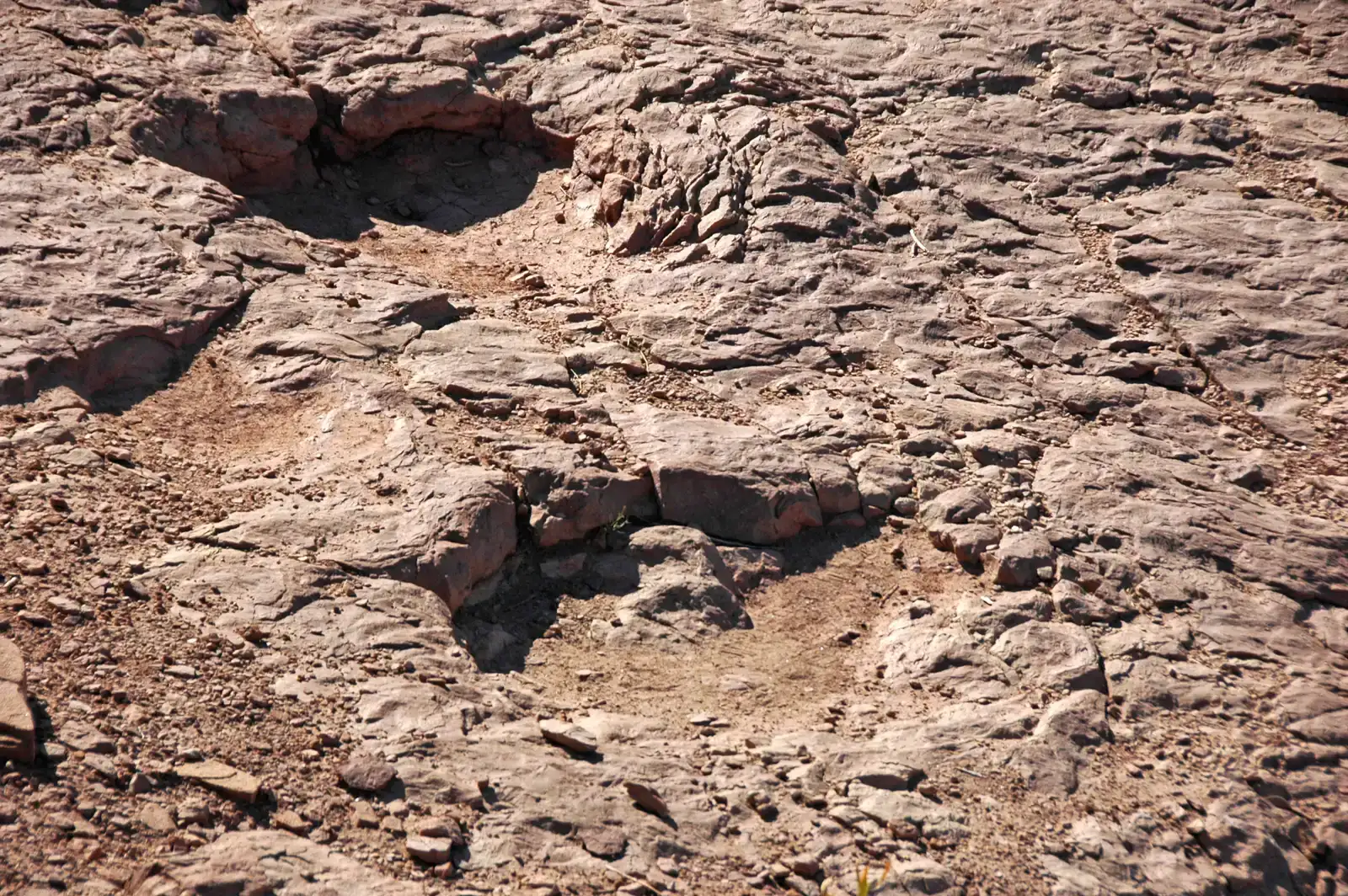
One of the most surprisingly emotional things you can see in fossil trackways is evidence that those prehistoric giants did not always walk alone. When you find sets of parallel footprints that stay close together over a long distance, with similar stride lengths and directions, you’re probably looking at animals moving as a group. In some sites, you can see large and small footprints traveling side by side, hinting at adults and juveniles walking together, like a prehistoric family out on the move.
There are trackways where you can follow what looks like a herd of plant‑eating dinosaurs moving in the same direction, with predators’ prints cutting across their path. That kind of scene shows you not just who lived in that ecosystem but how they might have interacted. Instead of imagining each dinosaur as a lonely statue, you start to see them as social animals with routines, group behavior, and maybe even some level of coordination or protection, something you can relate to the way people walk together across a beach or a parking lot today.
Hunting, Fleeing, and Sudden Drama in the Tracks
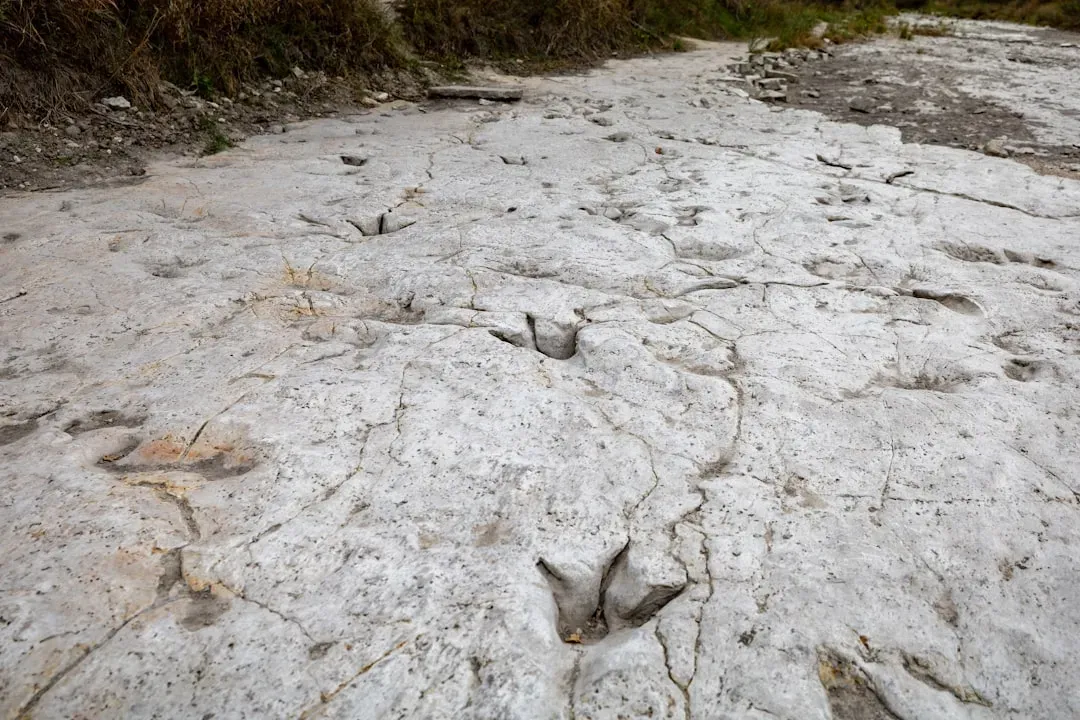
Some fossil trackways are calm and orderly, but others look like frozen action scenes. You might see a series of plant‑eater footprints suddenly change from neat, slow steps to longer, more stretched-out ones, showing the moment that animal broke into a run. If a set of carnivore tracks curves toward that panicked path, closing the distance, you can almost feel your heart rate pick up as you imagine the chase that once took place on what is now quiet stone.
Researchers have found trackways where animals pivot sharply, slip, or dig their toes deep into the sediment in what looks like a desperate push for speed. Sometimes the predator’s prints overlap or nearly merge with those of the prey, hinting that the chase reached a close, maybe even brutal, conclusion. While you’ll almost never get the final frame of the story the way you would in a movie, the footprints let you see enough of the sequence that your brain fills in the missing seconds, turning dry geology into a vivid, dangerous moment you can almost step into.
Ancient Playgrounds, Nurseries, and Quiet Moments
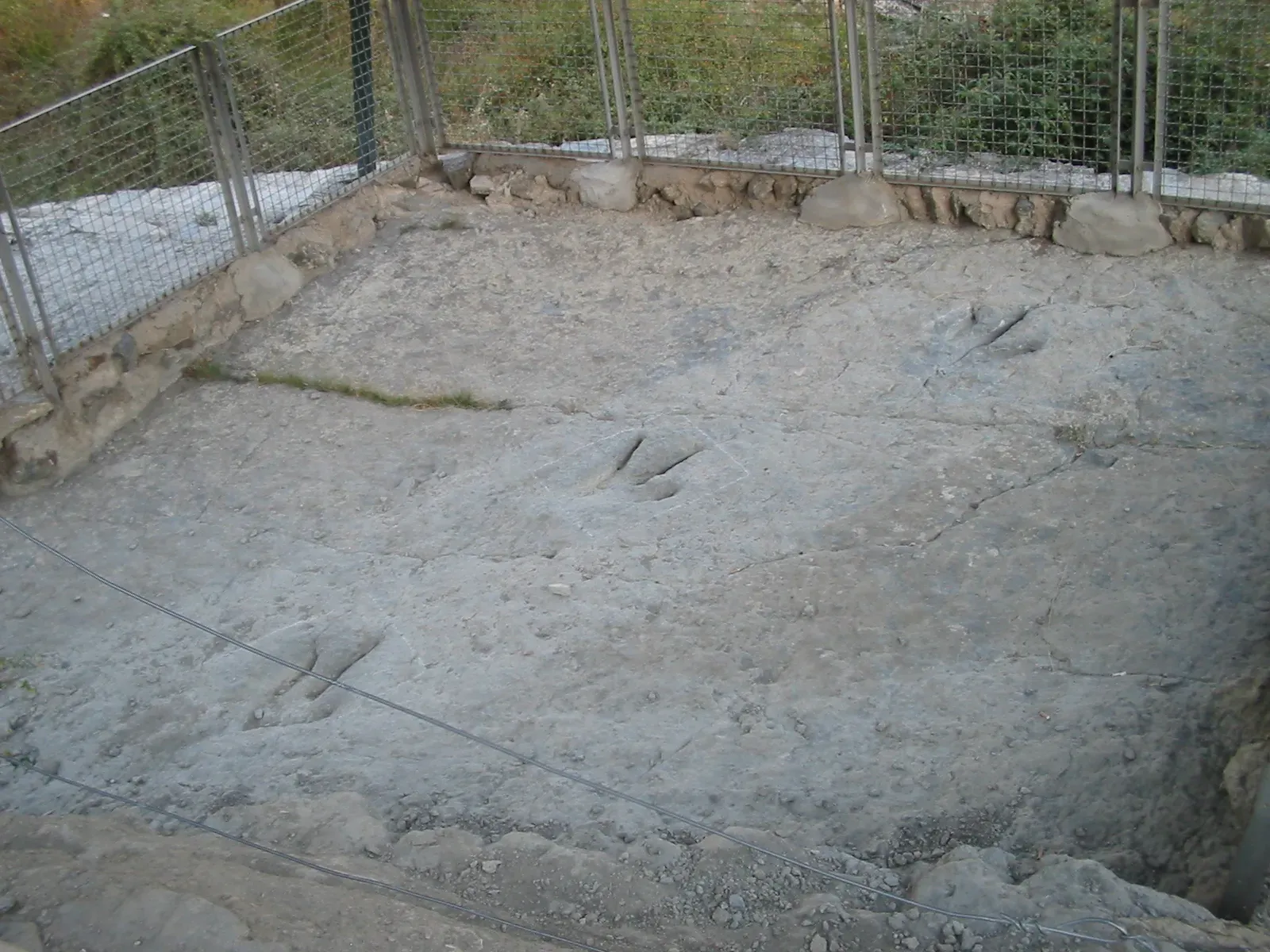
Not every fossil footprint records drama; some show the softer, quieter side of prehistoric life that skeletons almost never reveal. At certain sites, you can find clusters of small footprints scattered around larger ones, suggesting groups of young animals milling around adults. You might spot short, looping trackways that do not really go anywhere useful, more like aimless wandering or playful movement than a purposeful journey, the kind of thing you see when young animals experiment with their legs.
There are also prints that show animals approaching and leaving ancient shorelines, waterholes, or riverbanks, repeating the same paths day after day. The overlapping tracks tell you that these places acted as daily or seasonal gathering spots, not unlike a modern city park or a popular café. In those moments, you realize you’re not just glimpsing a hunt or a migration, but the rhythm of daily life: going for water, following a parent, exploring, resting. That quiet normalcy can be just as powerful as any chase scene because it makes those giants feel less like monsters and more like animals simply trying to live.
Some footprints even capture physical imperfections or struggles that bones might miss or hide. A limping gait, irregular strides, or uneven toe impressions can all point to injured or disabled animals who still managed to walk, feed, and survive, at least for a while. When you recognize those patterns, you are reminded that life back then involved accidents, old age, and recovery in ways that parallel what you see in living animals today. That connection across time makes the stone beneath your feet feel strangely personal.
What Early Human Footprints Whisper to You
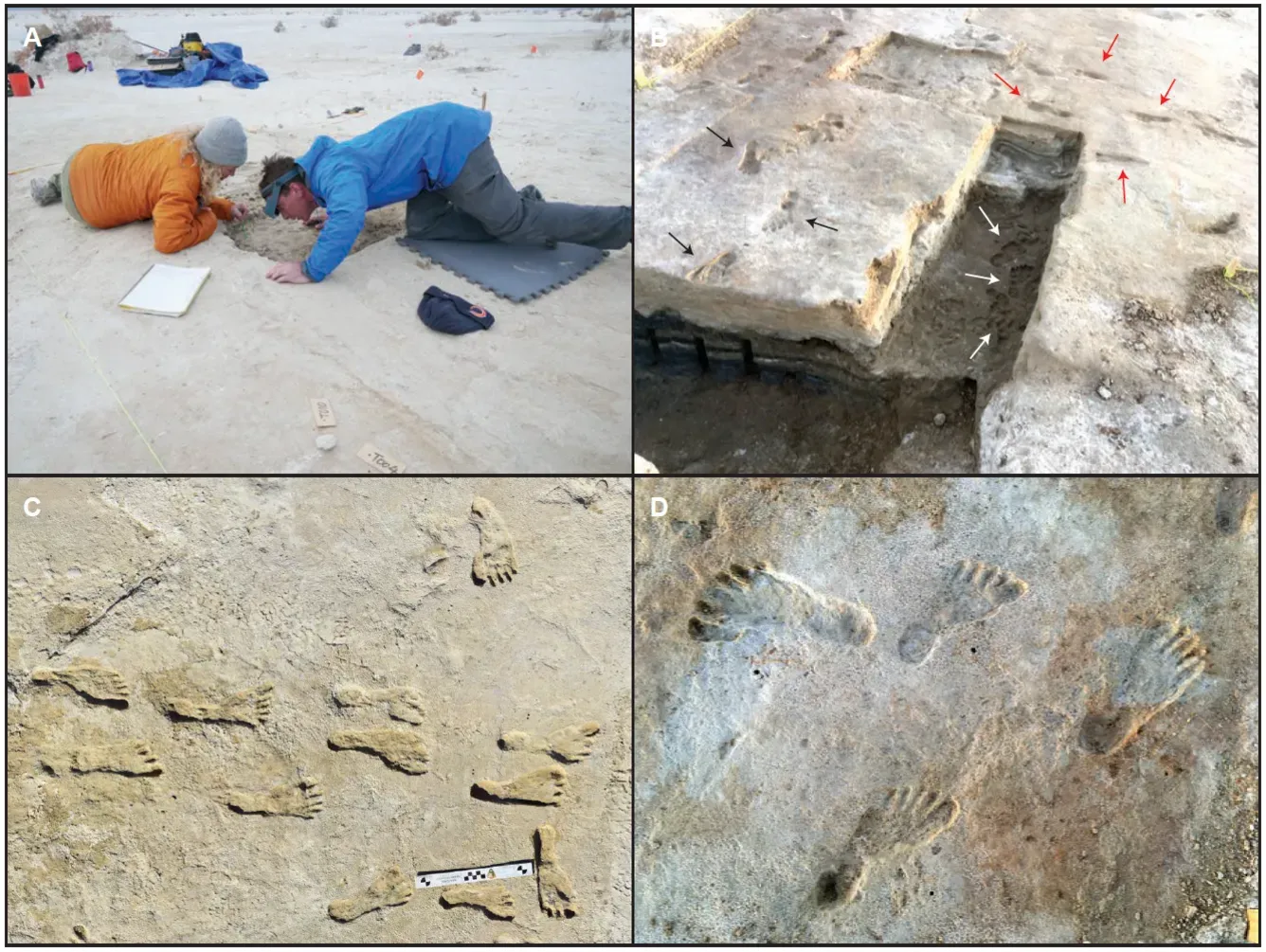
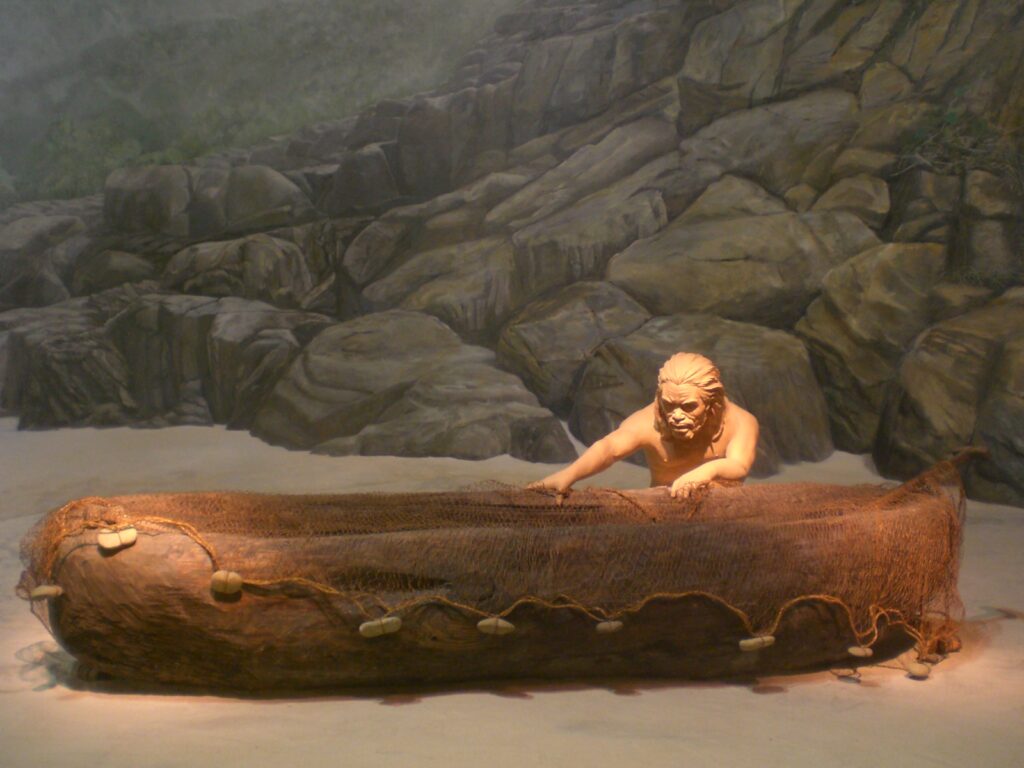
Fossilized footprints are not just about dinosaurs; they also capture episodes from your own species’ deep past. At some sites, you can follow the tracks of early humans and their relatives as they walked across fresh volcanic ash or soft mud, sometimes barefoot, sometimes carrying loads, sometimes alongside animals. These tracks can reveal whether they walked upright, how big their feet were, how long their legs might have been, and even whether multiple individuals were traveling together.
In a few cases, you can spot differences in stride and depth that suggest one person was carrying a child, or that people walked as a group at a steady pace over a long distance. Those details are not written in bone but in the pattern of steps, the tiny asymmetries that only appear when a living body is in motion. When you compare your own footprints on a wet beach to those ancient ones locked in stone, the gap between you and them suddenly feels smaller. You are seeing your ancestors not as abstract names in a timeline but as real walkers moving through their own landscapes, leaving behind the same kind of fleeting marks you make every time you cross a muddy path.
Why Footprints Can Be Tricky – and How You Stay Honest
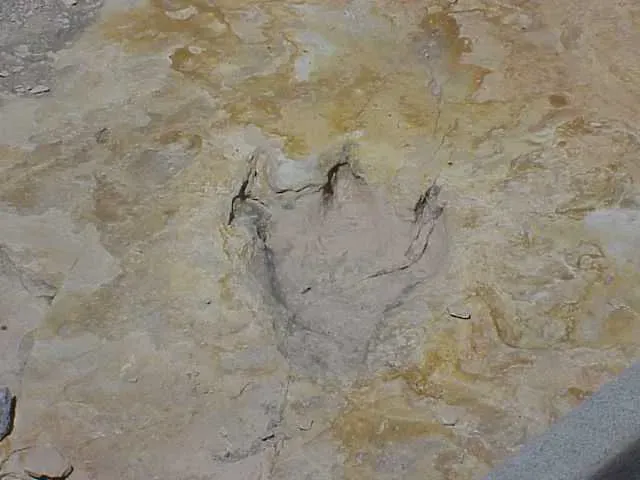
As powerful as fossil footprints are, they can also mislead you if you are not careful. The shape and size of a print can change depending on how soft the ground was, how much it later eroded, or how deeply the foot sank, so you have to be cautious about turning every odd mark into a dramatic story. Two different animals can leave similar-looking tracks in the right conditions, and the same animal can produce very different prints on different surfaces, which means you always deal with some uncertainty.
To stay grounded, researchers compare footprints to many possible living and extinct animals, test how modern tracks form in similar sediments, and use physics-based models of motion rather than just intuition. You can think of it like reading smudged handwriting from a stranger: you might guess a word, but you check the surrounding context to see if it makes sense. When you approach footprints this way, you still get to enjoy the vivid stories they hint at, but you also respect the limits of the evidence. That balance keeps the science honest while still letting your imagination walk alongside those prehistoric giants.
Conclusion: Walking Beside Shadows of Giants
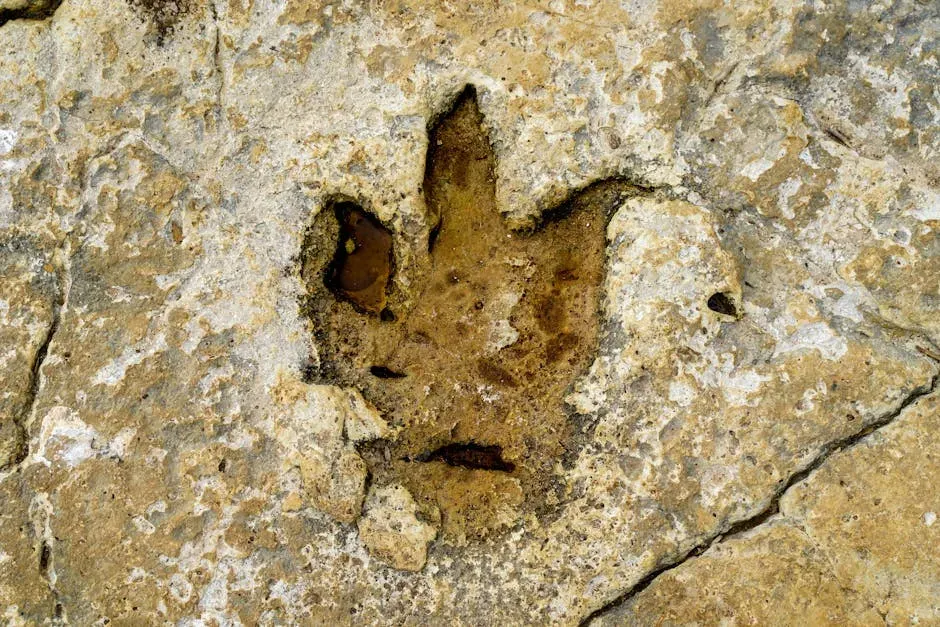
When you step back and think about it, fossilized footprints are some of the most intimate relics the prehistoric world has left for you. Bones tell you what these giants were, but their tracks tell you what they did, where they went, and sometimes even who they were with. By learning how to read stride, depth, direction, and patterns in the rock, you gain access to scenes of hunts, family walks, quiet visits to water, and long journeys across vanished landscapes.
The next time you see a slab of ancient tracks in a museum or in a photo, you can let yourself imagine not just the shape of the animal but the feel of that day: the softness of the ground, the urgency or laziness of its pace, the presence of others just out of frame. Those footprints are not just holes in stone; they are the last physical echoes of lives once in motion, inviting you to trace them with your eyes and fill in the gaps with informed curiosity. When you look at them now, can you still see only rock, or do you feel you are walking beside giants who left just enough behind for you to follow?