If you grew up picturing dinosaurs as giant, scaly reptiles stomping through swamps, you’re not alone. But over the last few decades, that mental image has been quietly, and sometimes controversially, rewritten. You now live in a world where many scientists confidently tell you that some dinosaurs were fluffy, feathered, and surprisingly bird-like.
Once you start digging into the story of dinosaur feathers, you realize it is not just a niche scientific detail. It completely reshapes how you understand evolution, flight, and even what it means to be a bird. By the time you reach the end of this journey, you may never look at a pigeon, a crow, or even a chicken the same way again.
How You Went from Scaly Monsters to Feathered Dinosaurs
You probably inherited an old-school image of dinosaurs from movies, textbooks, and plastic toys: cold-blooded, lizard-like, and covered in scales. That picture started to crack when fossils from the late twentieth century onward revealed something shocking embedded in stone around certain dinosaur skeletons: delicate, hair-like filaments and more complex feather structures. At first, many people, including some scientists, resisted the idea, because it felt like it broke a childhood myth.
As more fossils turned up, especially from finely layered rocks in northeastern China, you started to see a pattern that was hard to ignore. Small carnivorous dinosaurs closely related to birds kept turning up with clear feather impressions or quill-like structures. When you see feathered fossils appearing again and again across different species and sites, it becomes very hard to argue this is a one-off fluke. Bit by bit, your picture of dinosaurs had to evolve.
What Dinosaur Feathers Actually Looked Like
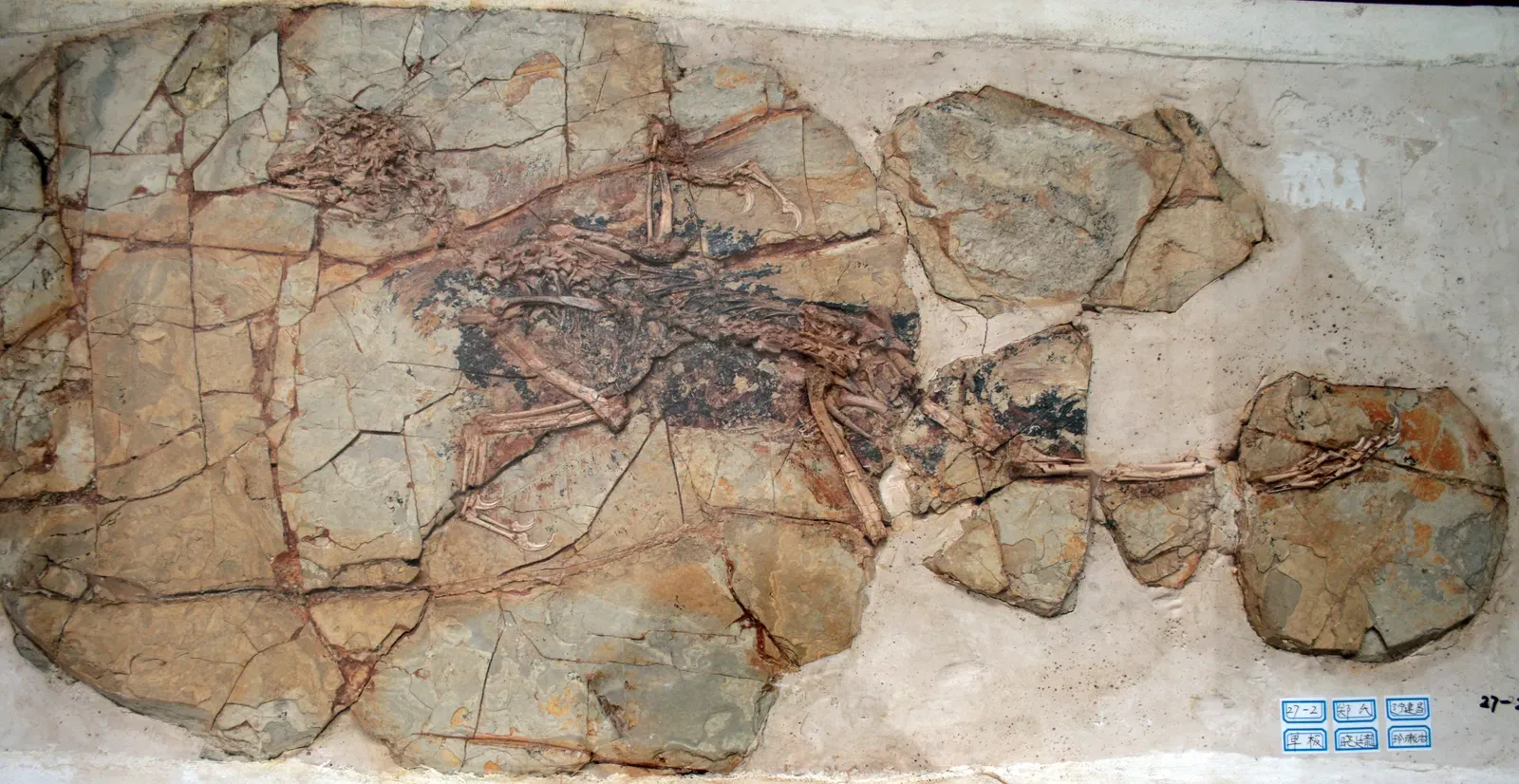
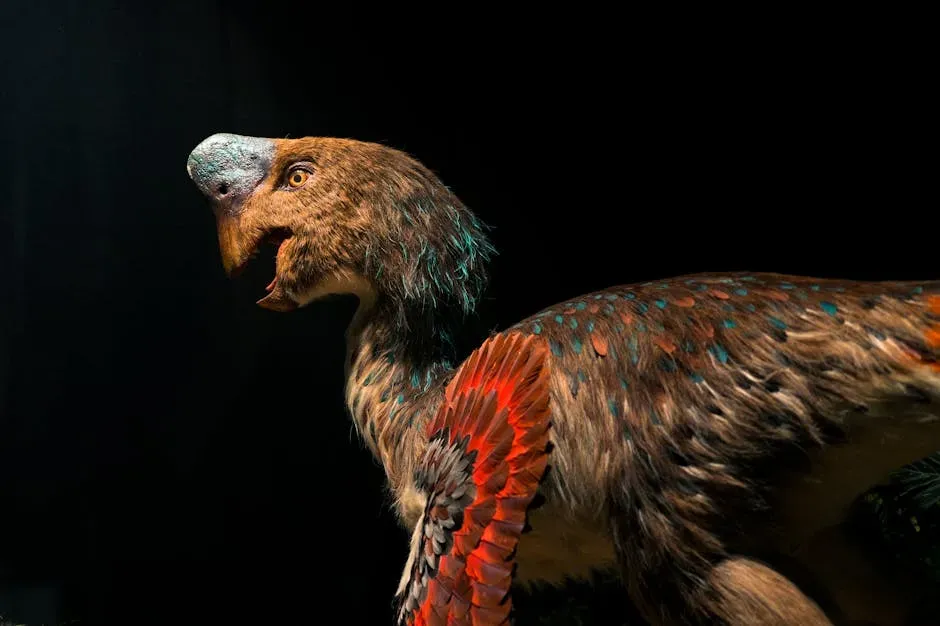
If you imagine a T. rex covered head to toe in fluffy plumage like a giant chick, you might be going too far, but you are right to think many dinosaurs were not just bare-skinned. Early feathers in dinosaurs often looked more like simple filaments or fuzz, sometimes described as downy coatings, rather than the sleek, aerodynamic feathers you see on a hawk today. These simple structures could branch into more complex, tufted forms as you move through different dinosaur groups.
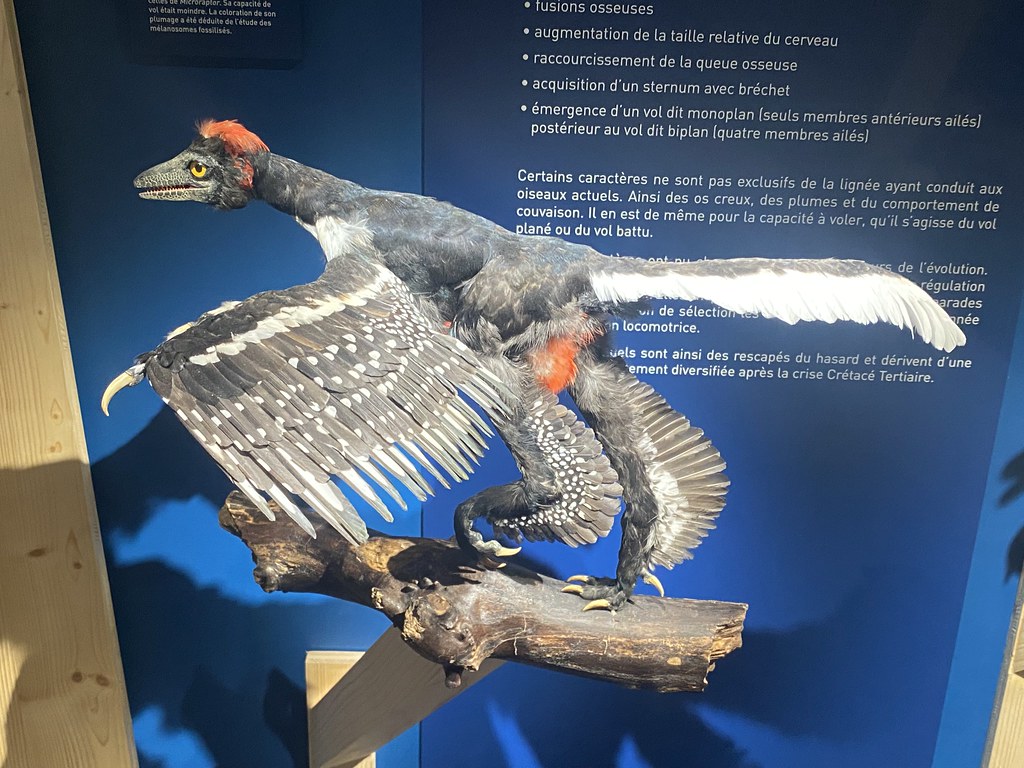
As you explore the fossil record, you find some dinosaurs with surprisingly advanced feathers, including forms that clearly resemble the stiff, vaned feathers used for flight by modern birds. Not all feathered dinosaurs could fly, though, which tells you feathers did not evolve just once flight was needed. Instead, you see a progression: from simple insulating fuzz, to decorative plumes, to specialized feathers that could eventually support gliding and powered flight.
Why Feathers Evolved Long Before Flight
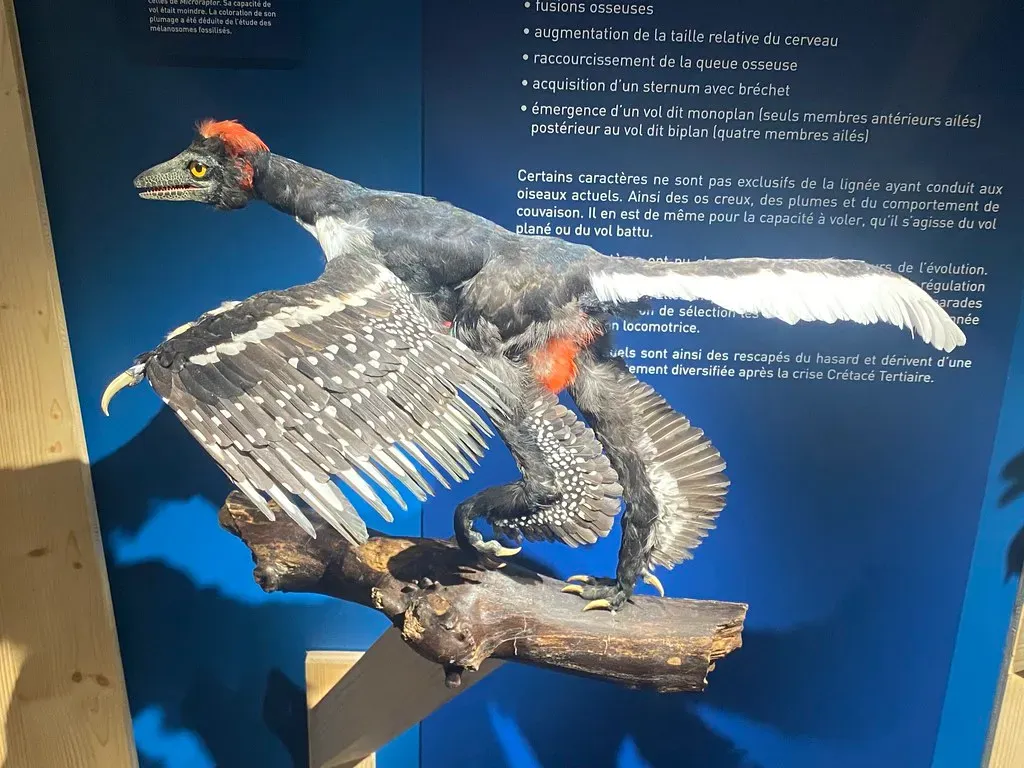
If you assume feathers must have evolved for flying, the fossil evidence nudges you to rethink that story. Many feathered dinosaurs were clearly too big, too heavy, or too poorly built aerodynamically to ever get airborne. When you see these animals wearing thick coats of filamentous or tufted feathers, it makes much more sense to think of warmth as one of the earliest drivers. Feathers trap air in tiny spaces, helping animals keep their body temperature stable, which would have been a huge advantage if many dinosaurs were more active and warm-blooded than traditional reptiles.
Beyond insulation, you can easily imagine how colors and patterns in feathers would become useful for display, camouflage, or communication. Think about peacocks, birds-of-paradise, or even a familiar duck, and how much of their social life plays out through plumage. Many dinosaur feathers probably did something similar long before any serious flying evolved. Flight, in this view, looks less like the original purpose and more like a brilliant evolutionary bonus that emerged from feathers already doing other jobs well.
How You Know These Feathers Were Real and Not Just Wishful Thinking
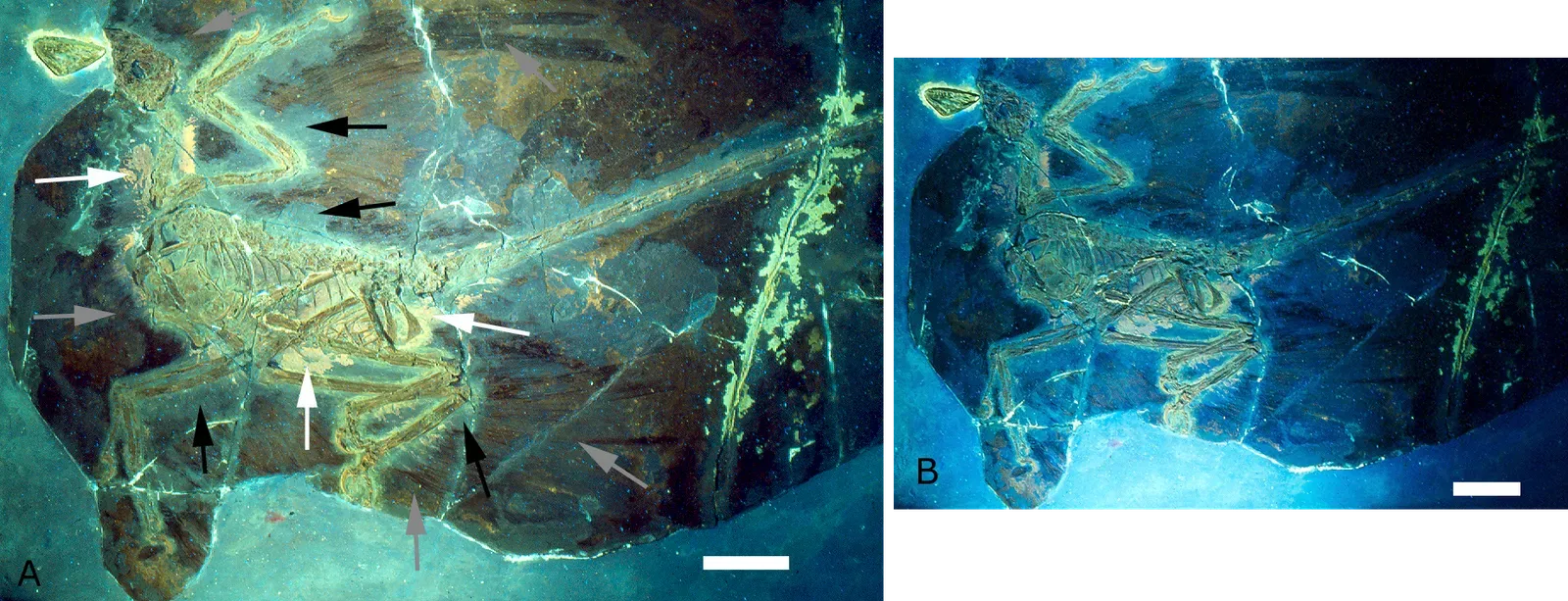
You might wonder how scientists can be so confident when all they have are rocks and impressions. The key is that modern methods let you test fossil feathers from several angles at once. When paleontologists study feathered dinosaur fossils under powerful microscopes, they find structures that match the branching patterns, shafts, and filaments seen in the feathers of living birds. In some cases, they even detect microscopic pigment-bearing bodies, which strengthens the case that these are true feathers rather than random fibers or decayed skin.
On top of that, you see consistency across time, location, and species. Different research groups, working independently, keep finding similar feather-like structures in related types of dinosaurs, particularly within the group closely tied to birds. When independent lines of evidence keep converging in this way, your confidence grows. It is less like chasing a speculative theory and more like assembling a jigsaw puzzle where more and more pieces fit together cleanly.
What Dinosaur Feathers Tell You About Birds Today
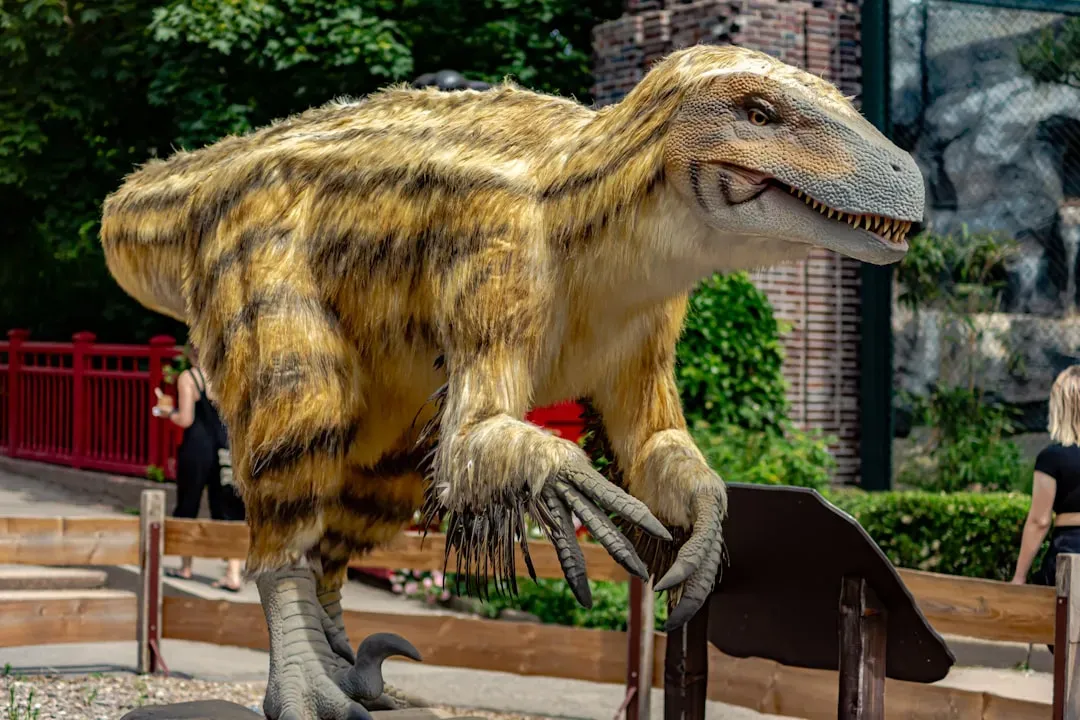
Once you accept that many theropod dinosaurs had feathers, the jump to modern birds suddenly looks a lot smaller. You are essentially looking at birds as the last surviving branch of feathered dinosaurs, not some separate invention that came later. Features like hollow bones, wishbones, and three-toed limbs already appear in their dinosaur ancestors, and feathers slot neatly into that list. When you watch a bird preen its feathers, you are quite literally seeing a behavior that rests on a deep, dinosaur-sized foundation.
This connection changes how you move through your everyday life, even if you never think about it explicitly. Each time you hear a sparrow chirping in a parking lot or see a hawk circling above a highway, you are watching a dinosaur lineage that refused to die out. The drama of the dinosaur extinction story becomes more complex, because you now know that one branch, the bird line, managed not just to survive but to diversify into thousands of species that live alongside you every day.
How This Discovery Reshapes Your Imagination of the Prehistoric World
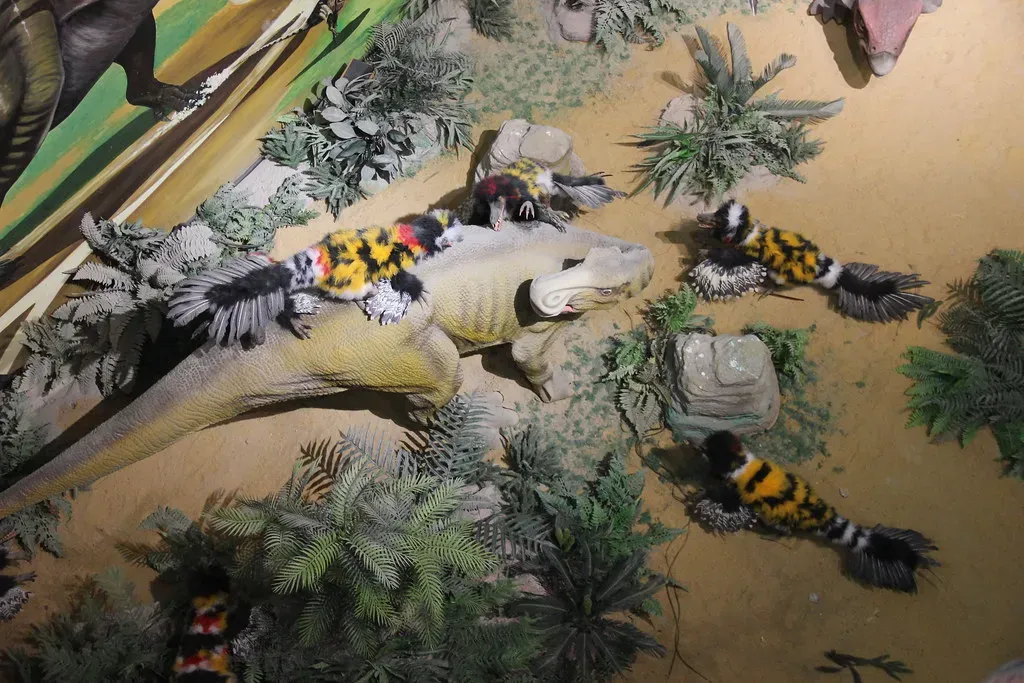
Once feathers enter the picture, the prehistoric world you picture in your mind becomes far richer and stranger. Instead of endless green swamps filled with scaly giants, you can imagine forests and plains where sleek, feathered predators stalked prey while sporting crests, manes, or tail fans. Some smaller dinosaurs may have looked, to your eye, like oversized ground birds with teeth and long tails, blurring the line between what you call reptile and bird. This visual shift makes the Mesozoic feel less alien and more like a rough draft of the world you see now.
This new image can feel almost unsettling, because it overturns so many childhood ideas at once, but it also lets your curiosity stretch further. You start to ask how color, pattern, and behavior might have looked in these feathered creatures, and whether any of them had courtship dances or rituals that would seem oddly familiar. The more you lean into this updated view, the more you realize your mental picture of the past is not fixed; it is something you keep revising as new fossils come to light and old assumptions fall away.
Looking over the story of dinosaur feathers, you can see how science forces you to keep adjusting what you think you know. Your early image of dinosaurs as scaly monsters was not foolish, just incomplete, and feathered fossils gave you the missing pieces. Now, instead of a sharp break between dinosaurs and birds, you see a long, branching continuum where feathers slowly shift roles from insulation and display to helping some animals leave the ground entirely.
In a way, that makes your world feel more connected: the sparrows in your backyard, the raptors in the sky, and the ancient predators in museum halls are all chapters of the same ongoing narrative. The next time you spot a feather on the sidewalk, you might see it less as a trivial bit of fluff and more as a tiny echo of a deep evolutionary experiment that began millions of years ago. When you picture a dinosaur from now on, will you still strip away the feathers, or will you let that ancient plumage back into the story where it belongs?