
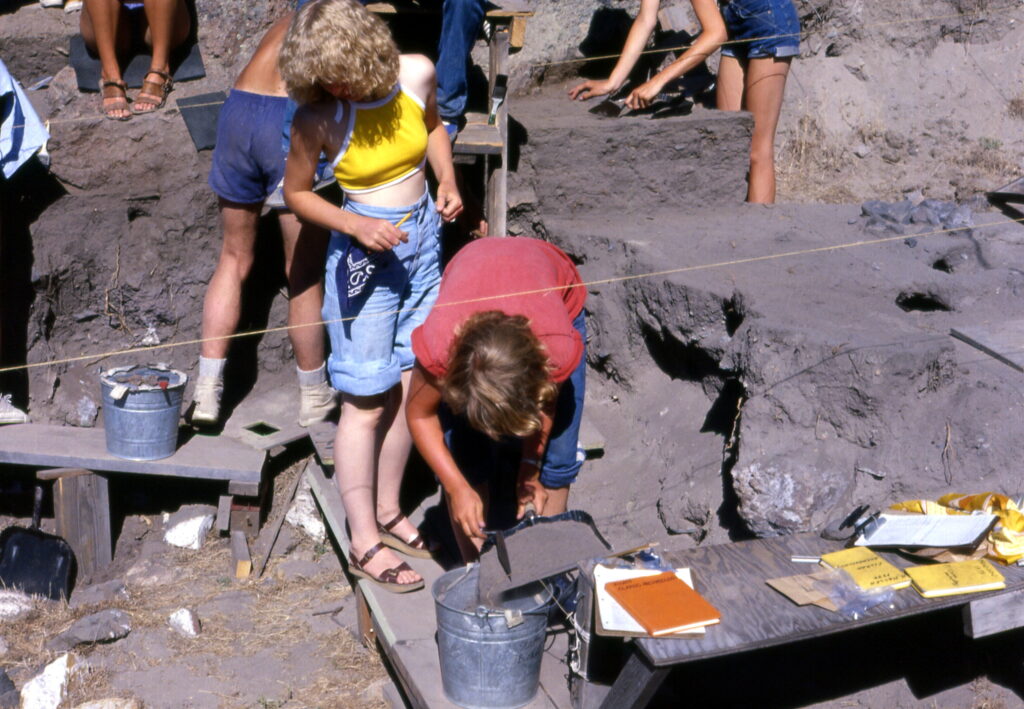
You live on a planet with a four‑and‑a‑half‑billion‑year backstory, but you only ever see the last, razor‑thin page. Paleontology is your backstage pass to everything that happened before humans showed up, from oceans full of armor‑plated fish to forests where dragonflies were the size of hawks. When you start to see rocks and fossils as pieces of a long, tangled narrative instead of dead, dusty objects, Earth suddenly feels less like a map and more like a novel you’ve barely started.
The fascinating part is that this story is not finished or fixed. Every new fossil, every fresh scan, every refined date can flip a chapter on its head, forcing you to rewrite what you thought you knew. You are not just memorizing dinosaur names; you’re watching a mystery unfold in slow motion, where the evidence is incomplete, fragile, and scattered across the globe. That is where paleontology quietly, patiently, and sometimes dramatically, changes how you understand life itself.
Reading Rocks Like a History Book
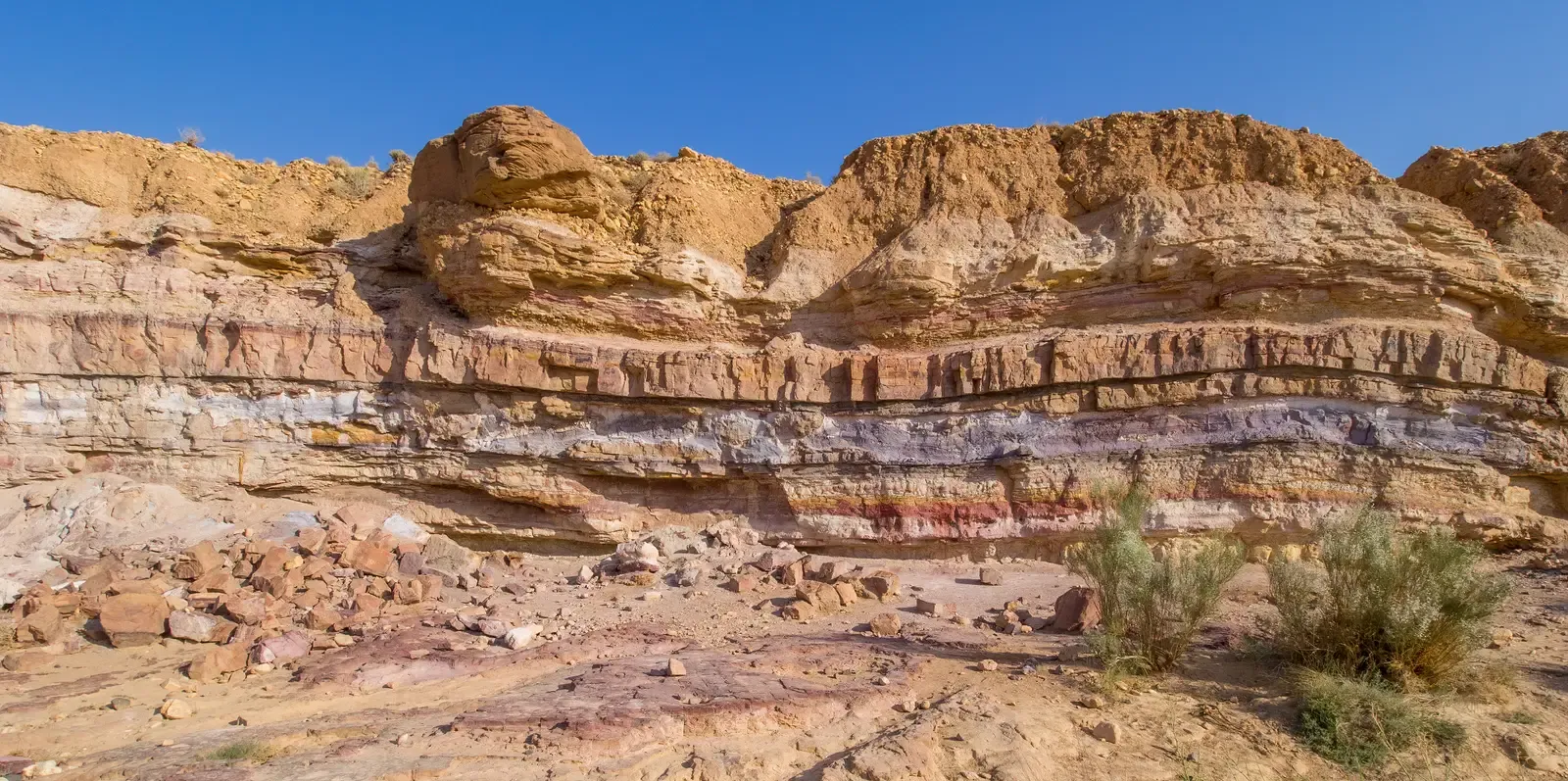
The first surprise you encounter in paleontology is that rocks are not just background scenery; they’re the pages your story is printed on. When you look at layers of rock, you’re really looking at time stacked in front of you, with the oldest layers at the bottom and the youngest at the top, unless plate tectonics has twisted and flipped them around. You learn to read grain sizes, colors, and minerals the way you’d read punctuation and paragraphs, because a sandy layer tells you something very different from a thick bed of volcanic ash.
As you get used to this rock language, you realize each layer hints at an entire environment that no longer exists. Fine, dark mudstones might whisper of quiet lake bottoms, while cross‑bedded sandstones tell you about ancient rivers or desert dunes marching across a landscape. When you place fossils inside those layers, you’re not just saying what creature lived, you’re saying how it lived, what it walked on, what it swam through, and what kind of sky it might have looked up at. Rock plus fossil is how you turn a static skeleton into a living scene.
How Fossils Actually Form (And Why They’re So Rare)
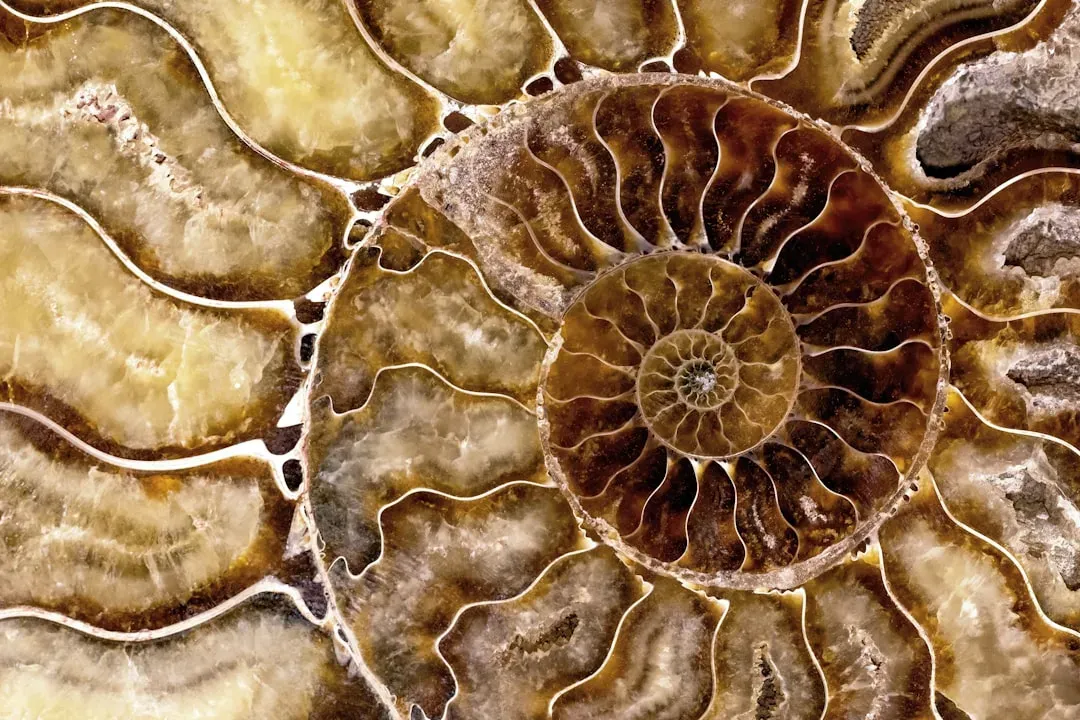
You might think fossils are everywhere, but most organisms never even come close to becoming one. For something to fossilize, you usually need rapid burial, low oxygen, and just the right chemistry, all happening before scavengers, waves, bacteria, or weather tear things apart. A dead animal lying on the ground in a forest today has a far greater chance of becoming soil than a museum specimen, which is why fossils tend to cluster in special conditions like river deltas, shallow seas, and lake bottoms.
Once an organism is buried, you step into a world of slow transformation where bone, shell, or even soft tissue can be replaced or infilled with minerals. Sometimes you only get a cast or mold of the original; other times you get permineralized bone packed with microscopic details. Very occasionally, you hit the jackpot with exceptional preservation, where fine impressions of feathers, skin, or even stomach contents survive and give you a startlingly intimate look at ancient life. When you hold a fossil like that, you’re holding a wildly unlikely survivor of a process that fails almost every time it tries.
Dating Deep Time: How You Know What Happened When
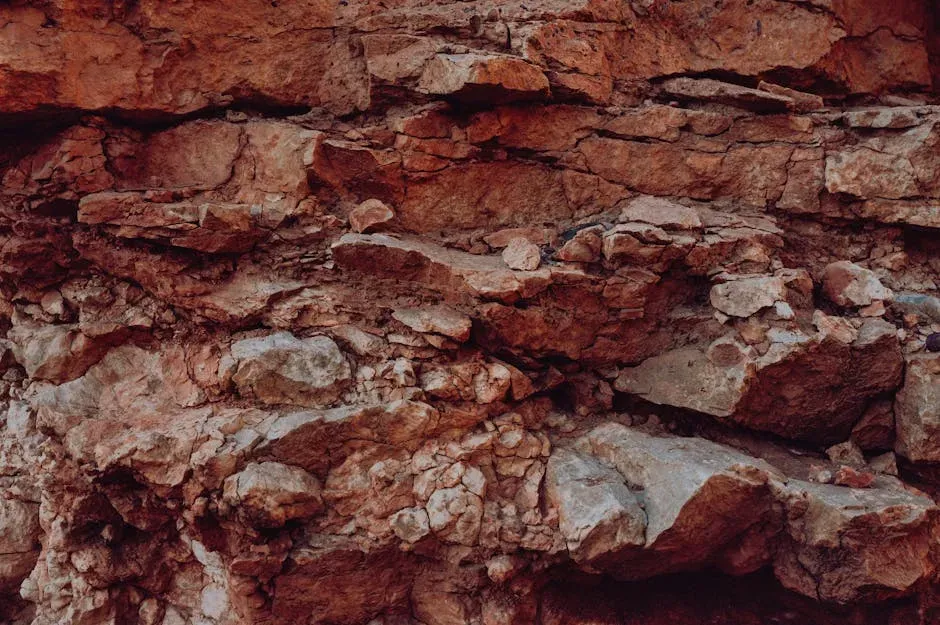
To make sense of Earth’s hidden chapters, you need more than cool bones; you need a timeline. You start with relative dating, using principles like superposition and cross‑cutting relationships to say which rocks are older or younger without knowing their exact ages. Fossils themselves help here: certain species only show up in narrow slices of time, so when you find those in a layer, you can tie your outcrop into a global sequence of events.
To pin actual numbers onto that sequence, you turn to radiometric dating, measuring how radioactive isotopes decay in minerals over millions or even billions of years. You’re not usually dating the fossil itself but the volcanic ash or igneous rocks above or below it, which give you brackets for when that organism must have lived. By combining fossil ranges, radiometric dates, and global markers like magnetic reversals or impact layers, you build a time scale that lets you say not just that dinosaurs lived before humans, but roughly how long their reign lasted and how fast or slow key changes unfolded.
Reconstructing Creatures From Scraps and Shadows
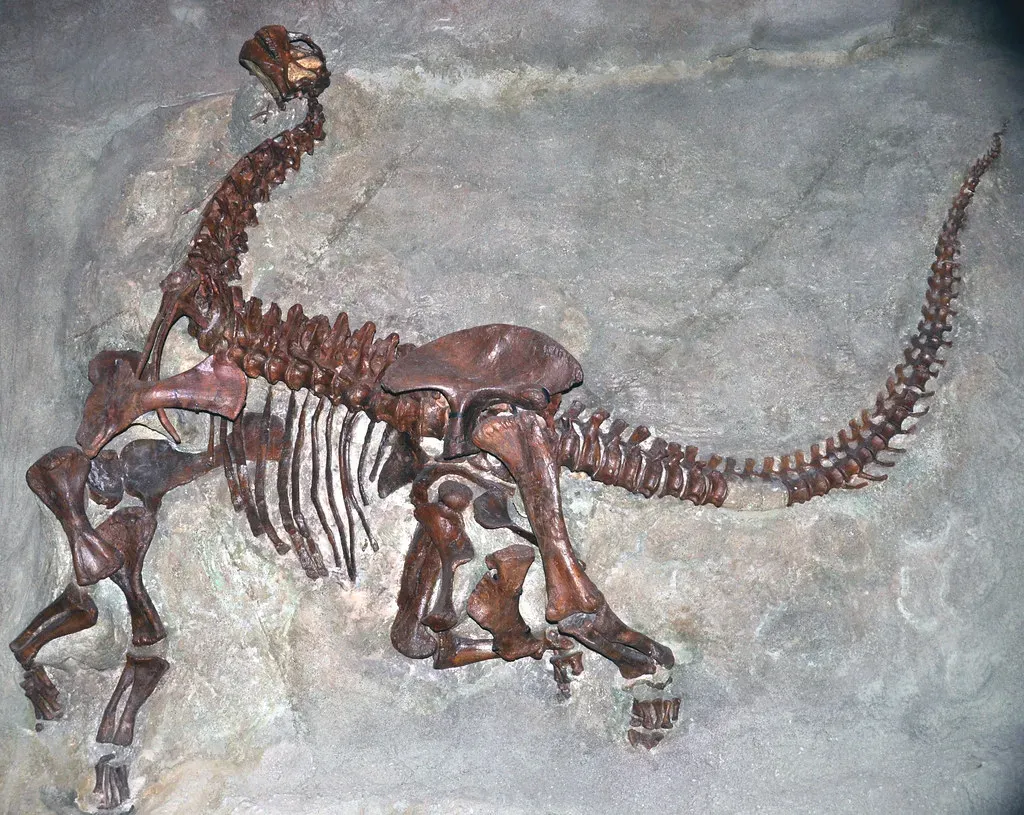
When you see a towering dinosaur skeleton in a museum, it looks so solid that you may forget how much of it is educated guesswork. In reality, you often start with scattered bones, a partial skull, or a few teeth, and you have to lean on anatomy, statistics, and comparisons with modern animals to fill in the missing pieces. You compare limb proportions, joint shapes, and muscle attachment scars to figure out how an animal stood, moved, and fed, much like a mechanic reverse‑engineering a machine from a handful of parts.
Soft tissue is where things get really interesting. You infer muscles from attachment points on bone, skin or feathers from impressions around skeletons, and colors or patterns from pigment‑bearing structures that sometimes survive at microscopic scales. Then you test your reconstructions against physics and biomechanics: could this pose support the animal’s weight, or would it snap its own bones? By moving back and forth between fragmentary fossils and living analogues, you push beyond static mounts and start to imagine these creatures breathing, hunting, nesting, and interacting in real ecosystems rather than frozen in glass cases.
Decoding Ancient Ecosystems and Climate Clues
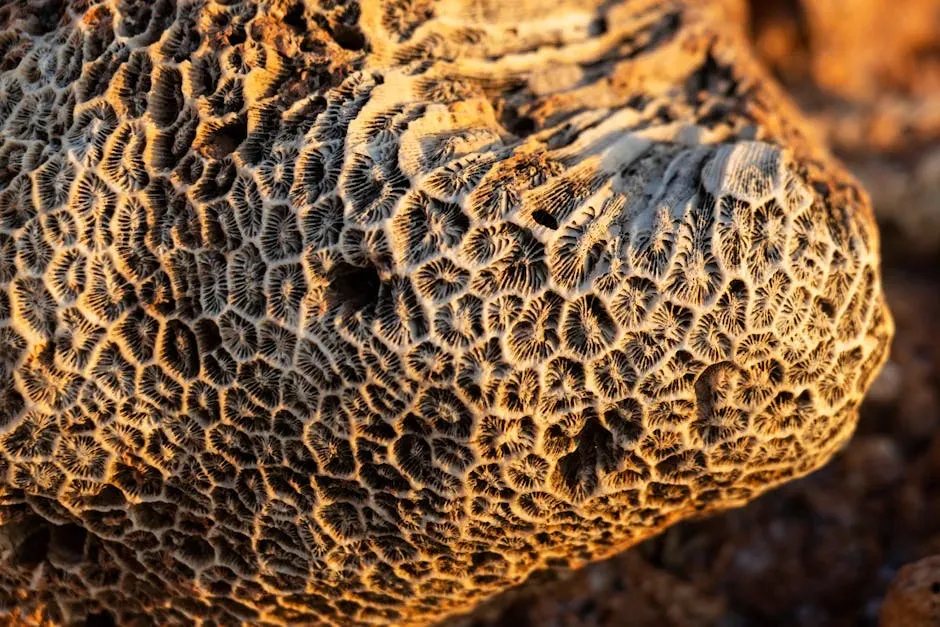
Once you know who lived where and when, you can start asking what kind of world they inhabited. Fossils tell you about diets through tooth wear, gut contents, and coprolites, those unglamorous but incredibly informative fossilized droppings. Plant fossils, from towering tree trunks to tiny pollen grains, sketch out the vegetation, which in turn shapes the food webs and habitats that supported animals from insects to apex predators.
At the same time, you read climate from subtle signals locked in rocks and shells. Oxygen and carbon isotopes in marine fossils can hint at ocean temperatures and ice volume, while growth rings in bones or trees can reveal seasonal stress, droughts, or booms in resources. When you pull these threads together, you start to see entire landscapes: warm polar forests, sprawling inland seaways, or parched supercontinents, all shifting as continents drift, mountains rise, and atmospheres change. In that sense, paleontology is not just about life; it is your best tool for watching life respond to climate over vast stretches of time.
Mass Extinctions: When the Story Takes a Dark Turn
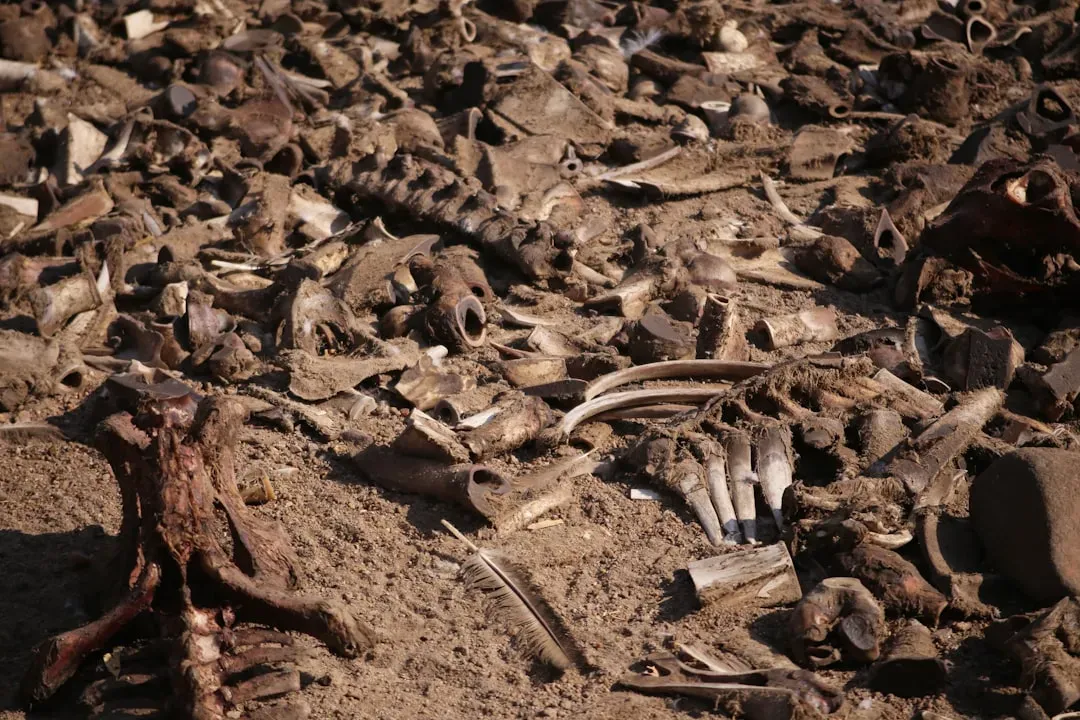
Not every chapter in Earth’s story ends gently; some end with a crash, a burn, or a long suffocation. When you study mass extinctions, you’re looking at intervals where a huge chunk of species vanish in a geological heartbeat, leaving behind a fossil record that suddenly thins or changes character. You see reef ecosystems collapse, forest communities reshuffle, and dominant groups disappear entirely, like the non‑avian dinosaurs at the end of the Cretaceous.
To figure out why, you compare evidence from different regions and rock types, looking for patterns: spikes in iridium, ash layers, sudden warming or cooling, or signs of ocean acidification and oxygen loss. Sometimes the story points to an asteroid impact, other times to runaway volcanism, shifting sea levels, or a toxic combination of factors. What you keep learning, over and over, is that life is both resilient and fragile: it rebounds spectacularly in some ways but never quite returns to what it was before. Those extinctions become powerful case studies for you today as you think about how modern ecosystems might respond to rapid environmental change.
Modern Technology: Turning Bones Into Data
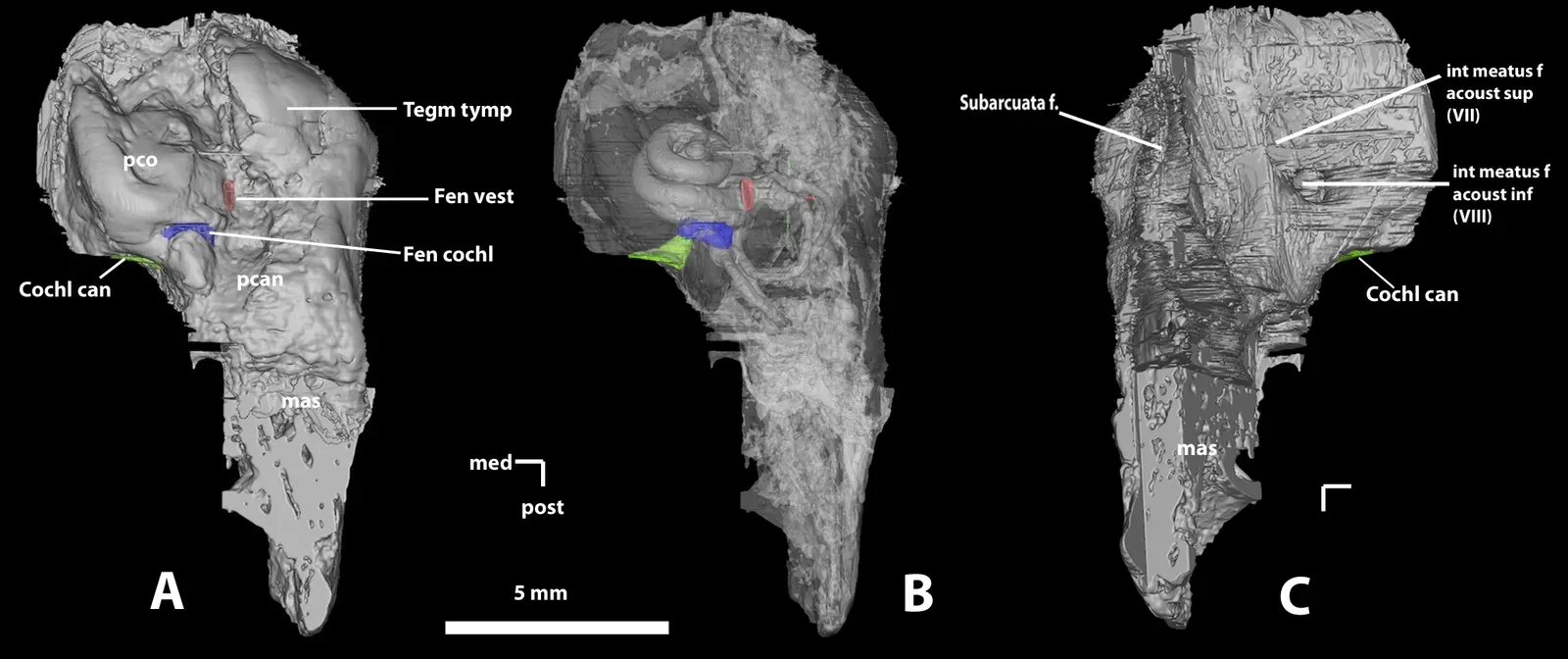
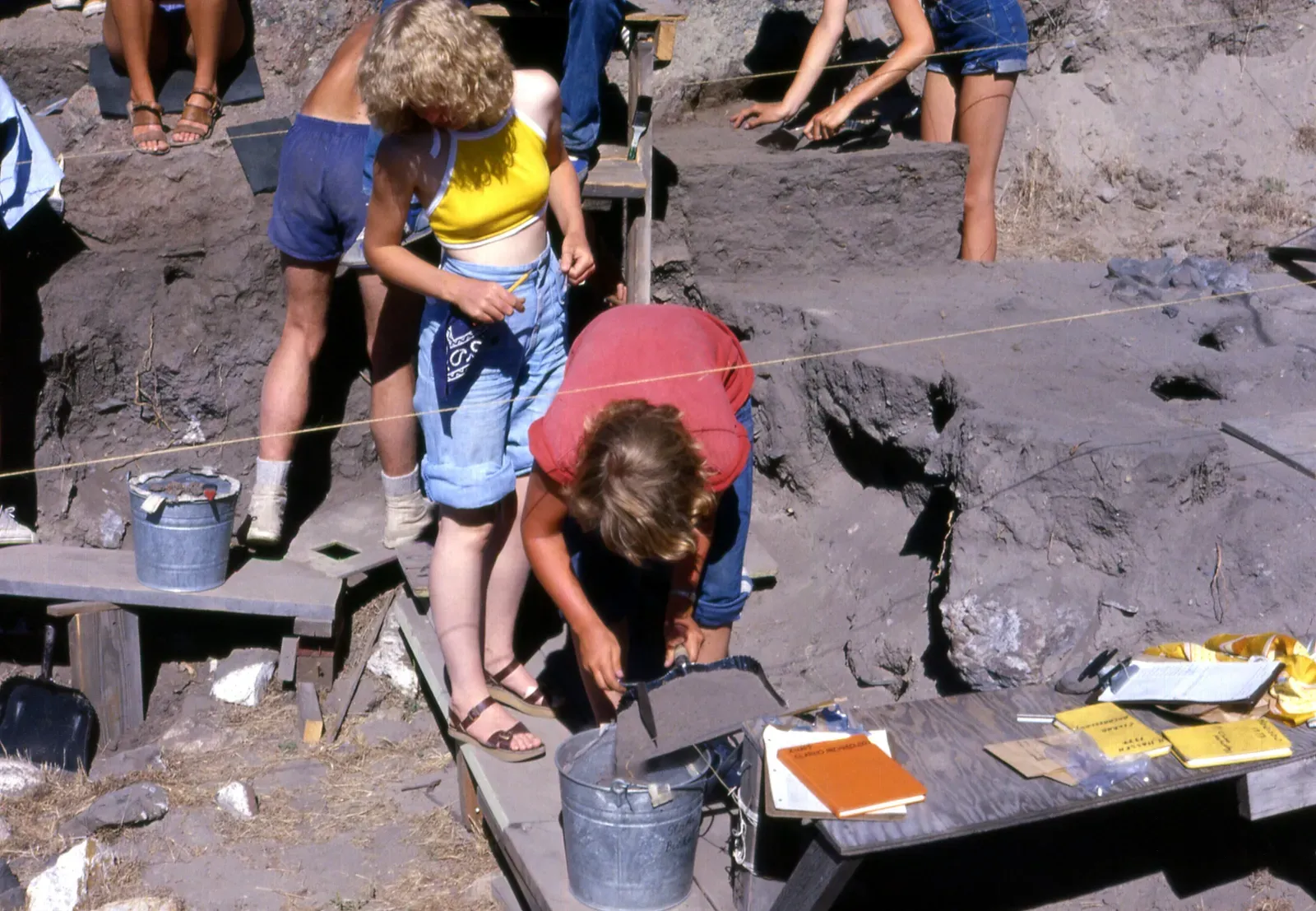
Paleontology used to rely heavily on chisels, brushes, and sharp eyes in the field, and those are still crucial, but now you also wield high‑tech tools that turn fossils into rich digital datasets. With CT scanning, you can peer inside skulls and bones without slicing them open, revealing brain cavities, inner ears, and growth patterns hidden in dense rock. Three‑dimensional modeling lets you test how jaws closed, how wings flexed, or how tails balanced bodies, without risking a single fragile bone.
On top of that, you’re now swimming in digital maps, databases, and simulation tools. Geographic information systems help you reconstruct ancient coastlines and habitats, while computational models let you simulate population dynamics, migration routes, or even how a particular dinosaur might have carried its weight while running. Molecular techniques, where fragments of ancient DNA or proteins sometimes survive in younger fossils, add another layer, letting you connect the evolutionary dots between extinct and living species. With every new technology, you turn what used to be rare, static specimens into dynamic, testable evidence that can be shared and reanalyzed across the world.
Why Paleontology Matters for Your Future
It is tempting to treat paleontology as a beautiful but distant curiosity, like an old family album you flip through once and shelve. But when you immerse yourself in it, you realize it is one of the few ways you can test how life copes with change on time scales far beyond human observation. You see how ecosystems reorganize after catastrophes, how long recovery actually takes, and which traits or strategies tended to survive repeated upheavals. That perspective gives you a sobering but empowering context for current concerns about biodiversity loss and climate change.
On a more personal level, paleontology reshapes how you see yourself. You stop thinking of humans as the inevitable peak of evolution and start seeing your species as one recent twig on a sprawling, deeply pruned tree. That shift can be humbling, but it is also strangely comforting, because it connects you to a much older and richer story than any single culture or civilization. When you next walk past a rocky hillside, you might feel that itch to look closer, to imagine what lies beneath, to wonder what chapter you are standing on. In a way, every fossil you learn about is a reminder that your present is just one brief moment in a long, unfinished book.
In the end, paleontology invites you to read Earth not as a static planet but as a character that changes, suffers, recovers, and evolves along with its inhabitants. It teaches you patience, because real change can take millions of years, and urgency, because some shifts happen in the blink of a geological eye. Most of all, it gives you a way to ground your imagination in evidence, letting you picture ancient oceans and forests without drifting into pure fantasy. When you think about it that way, the question stops being whether fossils are interesting and becomes something more challenging: now that you know how much the rocks remember, what will you choose to listen for?