If you picture a dinosaur calling out, you probably hear a deafening roar in your head, thanks to movies and TV. But as you dig into what scientists are actually learning, that mental soundtrack starts to change in surprising ways. Instead of nonstop roaring, you start to hear low rumbles, deep booms, hisses, and maybe even something that feels a little like birdsong, just filtered through a prehistoric sound system.
You live in a strange moment in history: for most of the past century, nobody could answer the question of how dinosaurs really sounded with any confidence. Now, you’re watching the puzzle slowly come together from tiny bits of bone, fossilized soft tissue, comparisons with modern animals, and a lot of careful reasoning. The honest answer today is that you still do not know exactly what a T. rex “song” sounded like – but you know enough to say that dinosaurs probably did vocalize in complex, varied ways, and some of them may have “sung” far more than you’d expect from giant reptiles.
Why Your Mental Dinosaur Soundtrack Is Probably Wrong
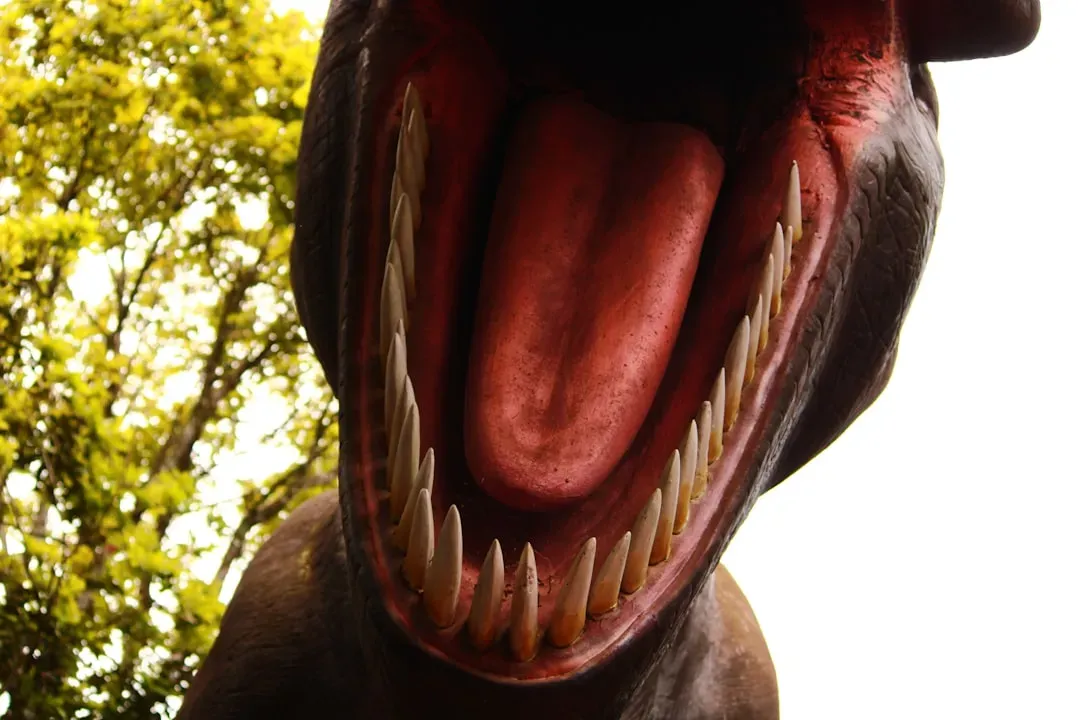
When you think about dinosaur sounds, your brain almost automatically pulls up the cinematic version: echoing roars shaking jungle trees, ear-splitting screams, and dramatic shrieks in the rain. You’ve been trained to expect that, the same way you expect a spaceship to “whoosh” in the vacuum of space even though it couldn’t. The trouble is, no one has ever found a fossil labeled with a convenient audio file, so those classic dinosaur roars are essentially creative guesses, not recorded history.
Once you look closer, you realize there’s zero direct fossil evidence for the Hollywood roar. What you actually have are bones, impressions of soft tissues in rare cases, footprints, and trackways that tell you how they moved, not what they screamed. That means any sound you attach to them has to be reconstructed from living animals and physics, not memory or movies. The more you lean on real biology instead of special effects, the more your imaginary dinosaur world starts to sound less like a monster movie and more like a wild, alien forest full of low hums, hoots, and body-shaking vibrations.
How Scientists Reconstruct Voices From Bones and Soft Tissues
You might wonder how anyone dares to talk about dinosaur vocalizations when there are no tapes or written records. The trick is that you start from what you can touch and measure: skulls, braincases, air passages, and in very rare cases, traces of soft tissue. You then compare those structures to living animals that you can actually listen to. Just as you can guess the size of an organ pipe’s sound from its shape, you can estimate what kinds of sounds might travel through a dinosaur’s head and neck.
In modern birds and crocodilians, you see a range of vocal machinery, from the bird syrinx to the crocodilian larynx and resonant throat pouches. When you match certain bony features in fossils with equivalent features in today’s animals, you start to map out what could have been possible. You are not hearing an exact replay, but you’re narrowing the options: deep, low-frequency calls fit large resonant spaces; higher, more musical tones fit smaller, more precise sound organs. From there, computer models and acoustic simulations help you explore whether a particular dinosaur was more likely to boom, hiss, coo, or something in between.
Birds, Crocodiles, and the Dino Family: Your Best Clues
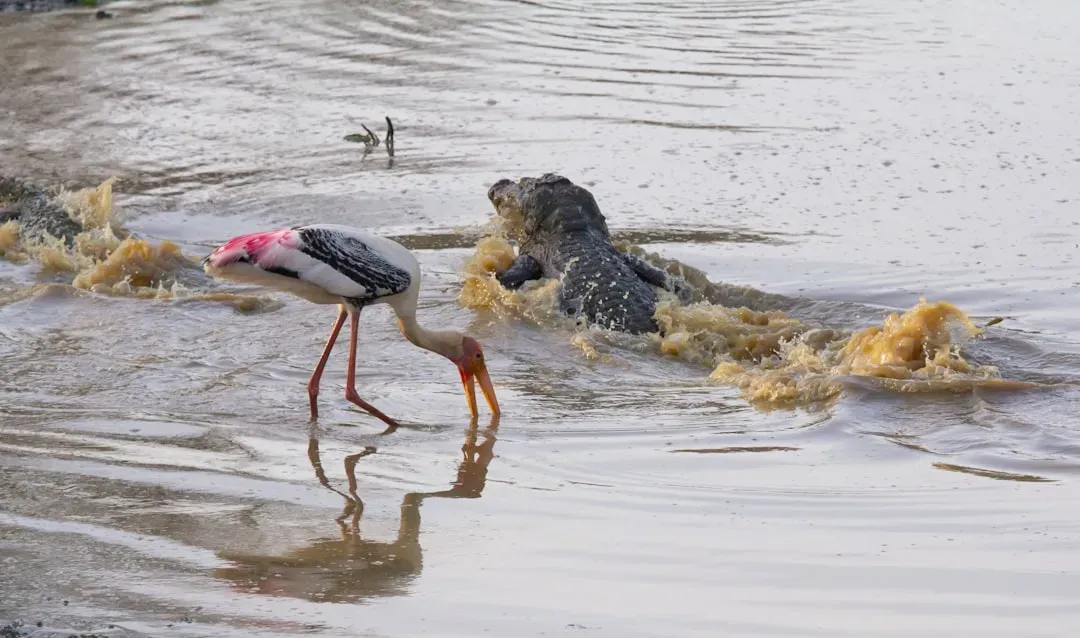
If you want to know what a dinosaur might have “sung,” you look first at the animals that share its family tree with you today. Birds and crocodilians are the living descendants and closest relatives of non-avian dinosaurs, and both groups are far from silent. You can hear crocodiles produce low rumbles that make water dance on their backs, while birds fill forests with whistles, trills, clicks, and complex songs. Put those together, and you’re staring at a lineage where vocal communication clearly matters.
Because these two groups sit on either side of the dinosaur branch, you can treat their shared traits like bracketed clues about the past. Both birds and crocodilians vocalize to defend territory, attract mates, communicate with young, and coordinate social groups, so it’s reasonable for you to suspect that many dinosaurs did, too. Their calls probably ran along the same themes: attracting partners, warning rivals, staying in contact across distance, and calming or coordinating offspring. Whether the sounds felt more like a whooping crane, a booming alligator, or something completely unique would depend on the anatomy of each species, but the basic purposes of those sounds were likely familiar to you as a social animal.
The Mystery of the Syrinx: Did Non-Avian Dinosaurs Have a “Song Box”?
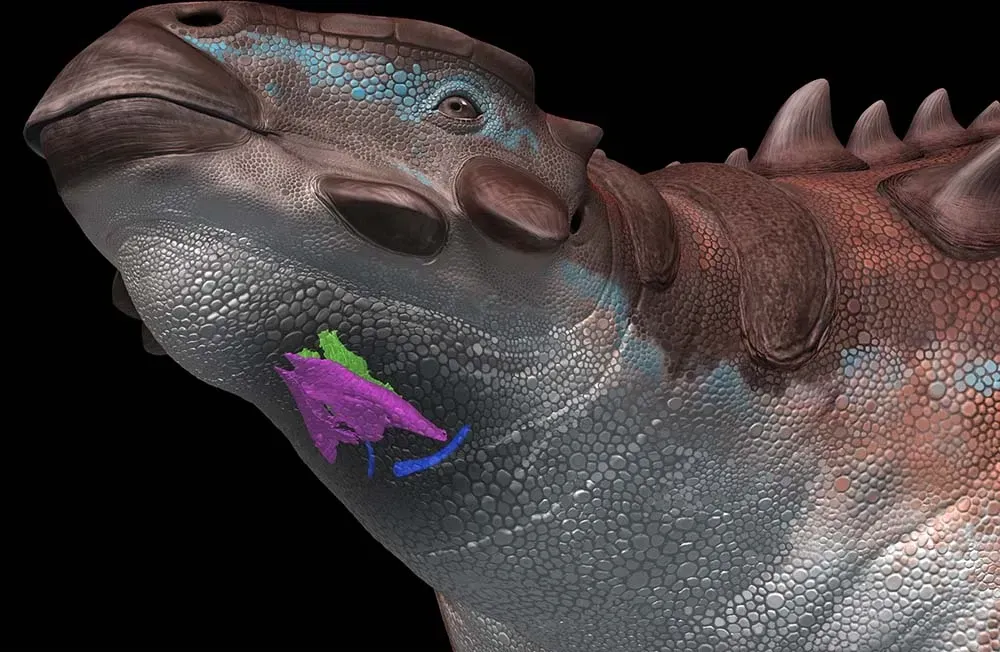
When you ask whether dinosaurs really sang, you’re usually thinking about something like a bird song: layered, melodic, and controlled by a special voice organ. In modern birds, that organ is the syrinx, a structure at the base of the windpipe that lets them produce surprisingly complex sound patterns. What’s intriguing is that the oldest known syrinx fossil comes from a bird-like animal that lived alongside non-avian dinosaurs, which tells you that this technology was at least emerging by the late dinosaur age.
However, you have not yet found a syrinx in a classic non-avian dinosaur like a big theropod or a long-necked sauropod. That absence might simply be because syrinx tissue is delicate and almost never fossilizes, or it could mean that most non-avian dinosaurs relied more on a larynx and resonant body cavities than on the flexible “song box” birds enjoy today. For you, the cautious takeaway is this: some late, bird-like dinosaurs very likely had something close to modern song abilities, while many of their larger, earlier cousins probably made simpler, lower, and less modulated calls that still carried serious emotional weight across the landscape.
Booms, Rumbles, and Closed-Mouth Calls: What Dinosaurs May Have Actually Sounded Like
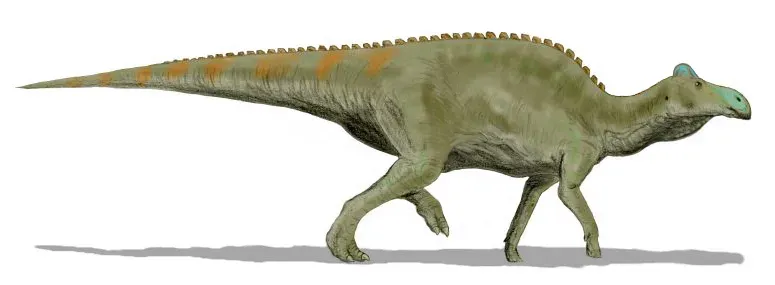
One of the most surprising turns in recent research is the idea that many dinosaurs may not have roared with wide-open mouths as often as you picture. Instead, they might have favored closed-mouth vocalizations – the same kind of deep, resonant sounds you hear when a dove coos or a crocodile bellows with its jaws mostly shut. In living birds, these closed-mouth calls are common in courtship and territorial displays, and they tend to produce low-frequency sounds that travel a long way without being painfully loud at close range.
If you picture a herd of hadrosaurs or a pair of giant theropods, you can now imagine them sending low booms through their nasal passages and chest cavities, vibrating the air and even the ground beneath your feet. Large body size is perfect for this: the bigger the resonating chamber, the deeper and more powerful the sound. Instead of endless screaming, you may be hearing a prehistoric soundscape dominated by infrasonic rumbles, rhythmic pulses, and body-felt vibrations, more like distant thunder and subwoofers than the high-pitched shrieks of a movie monster.
Dome Heads, Crests, and Horns: Built-In Dino Sound Systems
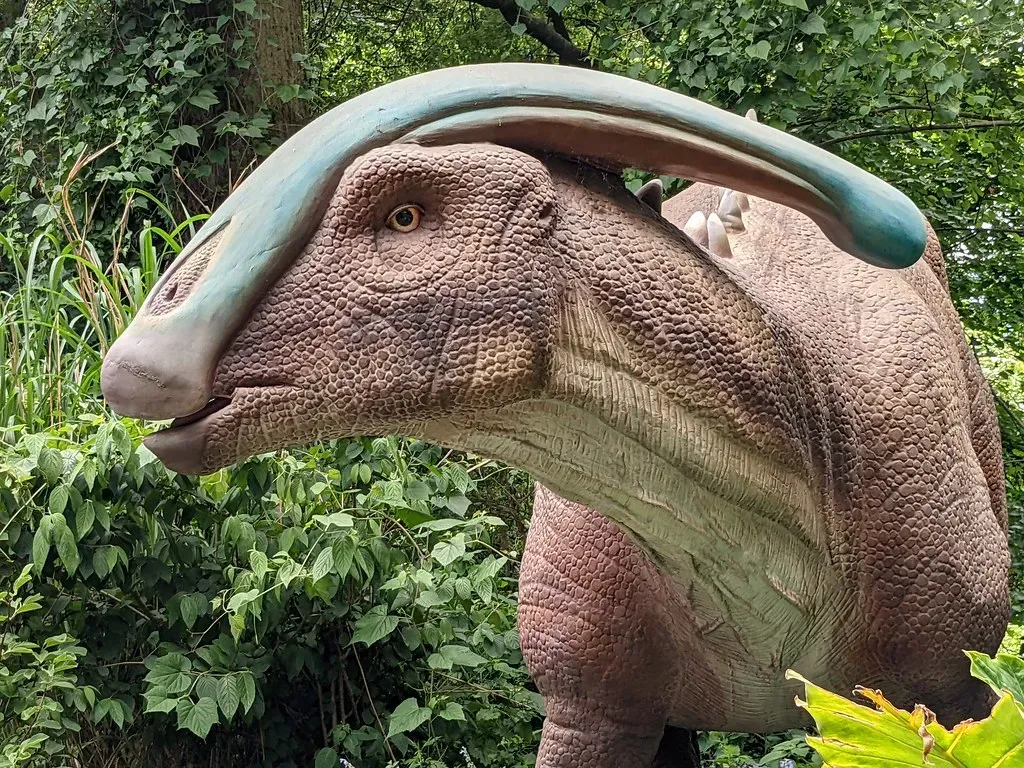
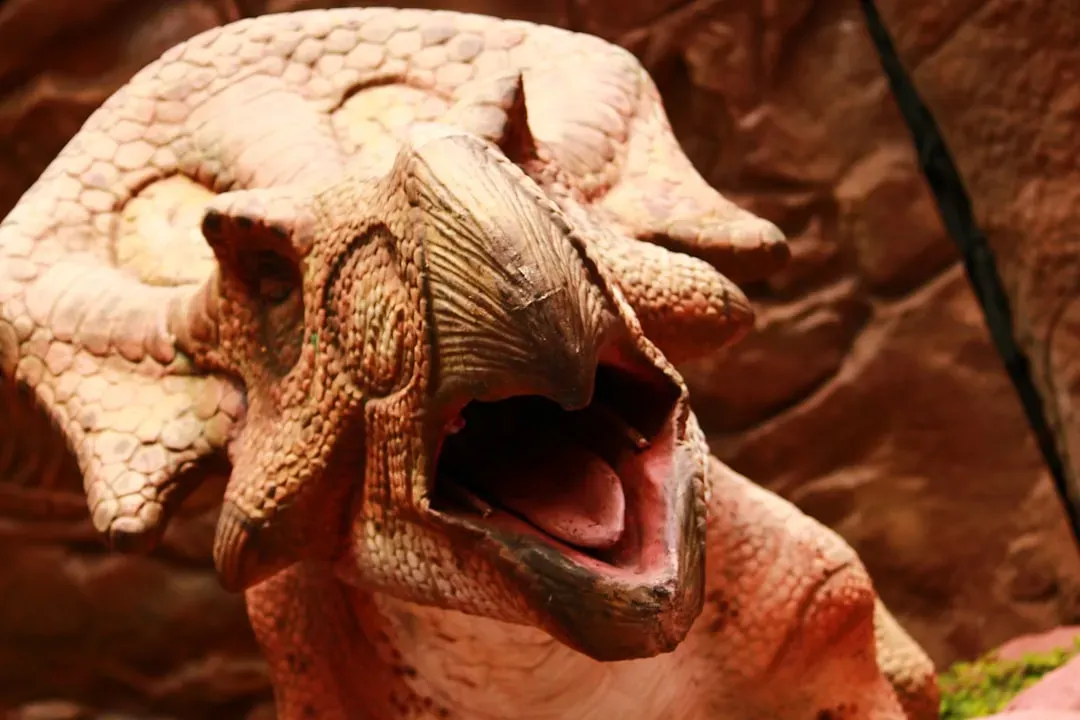
Some dinosaurs did you a favor by advertising their sound equipment right on their skulls. When you look at species with elaborate crests, domes, and horn structures, you are not just seeing visual display features; you may also be looking at custom-made resonance chambers. In hadrosaurs, for example, the hollow crests connect to nasal passages that wind through the skull like a set of strange, organic wind instruments. That sort of setup practically begs for airflow and sound production.
Computer models and physical reconstructions of these crests show that they could have produced low, haunting tones, a bit like blowing across the top of a giant bottle. As you imagine these animals living in herds, you can picture them using those built-in sound systems to coordinate movement, signal alarm, or call mates from long distances. Their world likely echoed with signature “voices” shaped by their skull architecture, so that each species had its own recognizable acoustic fingerprint, just as you can tell a trumpet from a tuba even when they play the same note.
What This Means for Behavior, Parenting, and Social Life
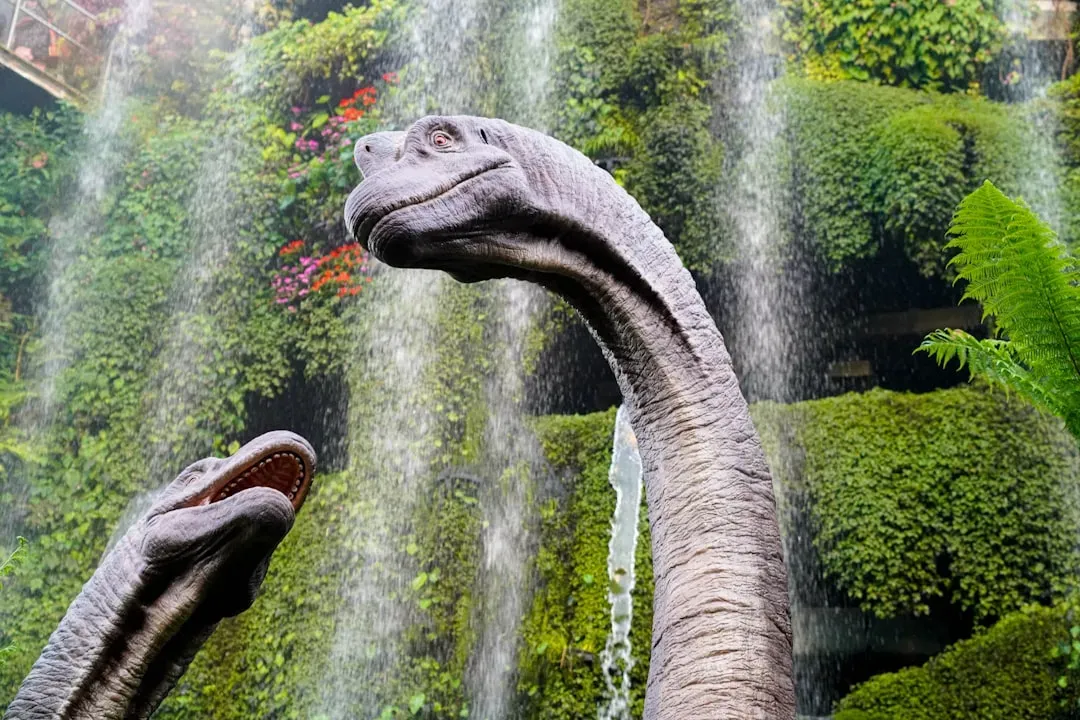
Once you accept that dinosaurs were probably not silent or limited to simple growls, you start to see their behavior in a more nuanced light. Vocal communication opens up possibilities for pair bonding, group coordination, and complex parent–offspring interactions. Modern birds and crocodilians both use calls to contact chicks, guide them to safety, and calm them in moments of stress, so it makes sense for you to imagine many dinosaurs doing the same, especially those that show evidence of nesting and long-term care.
If you think about herding dinosaurs, like some hadrosaurs and ceratopsians, a rich vocal repertoire would have been a powerful tool. Calls could keep individuals in touch through dense vegetation or low visibility, much the way you use your voice in a crowd to find a friend. Different sound types might have signaled danger, migration, readiness to mate, or even simple reassurance. You are not inventing a soap opera here; you are extending behaviors you already see in their closest living relatives into a prehistoric setting where sound was one of the cheapest and most flexible ways to share information.
So, Did Dinosaurs Really “Sing” – And What Should You Imagine Now?
When you come back to the original question – did dinosaurs really sing? – you have to answer it with careful nuance. If by “sing” you mean something like the highly structured, melodic songs of many modern birds, then only the more bird-like dinosaurs toward the end of the Mesozoic probably came close to that style. For most big non-avian dinosaurs, the soundtrack you should picture is dominated by deep booms, low rumbles, hisses, grunts, and possibly rhythmic patterns of sound that were more about power and distance than pretty melodies.
But if you take “singing” in a broader sense – using your voice in repeated, patterned ways to communicate emotion, intent, and social information – then many dinosaurs almost certainly did “sing” in their own language. You can imagine a prehistoric dawn not as silent or randomly noisy but as filled with layered calls: distant infrasonic pulses from giants, mid-range trumpeting from crested species, and sharper cries from smaller, agile predators and early birds. The next time you see a dinosaur in a documentary, you might find yourself mentally muting the Hollywood roar and replacing it with something stranger, subtler, and ultimately more real. In that quiet moment, what do you think you would actually hear if you could stand there among them?