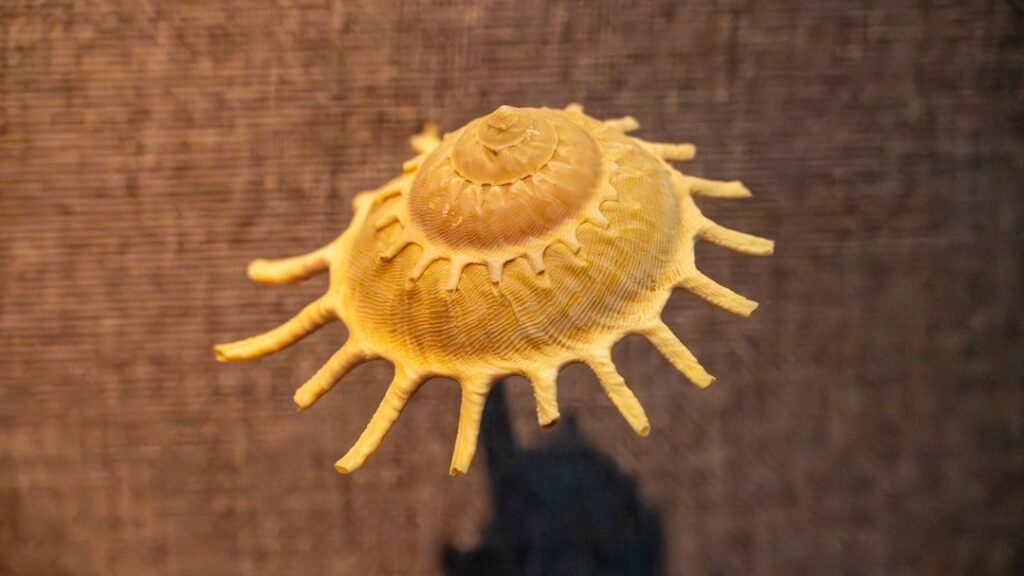
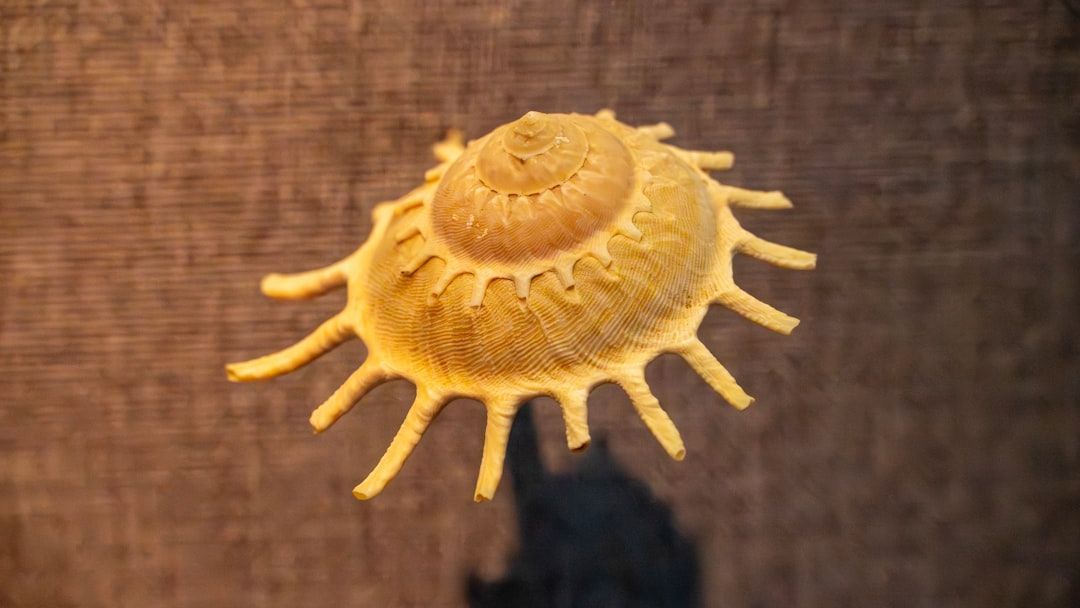
Tiny fossil shells hold two chemical signals that could skew past ocean temperatures – Image for illustrative purposes only (Image credits: Unsplash)
Researchers have identified a subtle complication in the tiny shells of plankton that scientists rely on to gauge ancient polar ocean temperatures. A study from iC3 reveals that these fossils can preserve two distinct chemical signatures within a single shell. The finding highlights how even shells formed under identical conditions might mislead efforts to reconstruct Earth’s climatic past.
The Surprising Shell Structure
Neogloboquadrina pachyderma stands out as a vital species in polar climate studies. This plankton produces foraminifera shells that fossilize in ocean sediments, serving as archives for past environmental conditions. Scientists traditionally analyze their chemical composition to infer temperatures from thousands or millions of years ago.
The new research demonstrates that these shells often feature an outer crust distinct from the inner wall. Both layers form simultaneously in the same water, yet they record different chemical profiles. This discrepancy arises during the organism’s growth process, where the crust develops as an additional layer.
Unpacking the Chemical Discrepancy
iC3 investigators examined specimens of Neogloboquadrina pachyderma under controlled conditions. They found the outer crust consistently showed a separate chemical makeup compared to the underlying shell material. Such variation persists regardless of stable surrounding temperatures or chemistry.
This dual-layer effect means standard sampling methods might capture mixed signals. Inner shell data could reflect one set of conditions, while the crust overlays another. The study underscores the need to distinguish these components for accurate readings.
Key Distinctions in Shell Layers
– Inner shell: Primary structure formed during core growth.
– Outer crust: Secondary layer with divergent chemistry, added later.
– Shared origin: Both develop in identical environmental settings.
Implications for Paleoclimate Science
Paleoceanographers frequently turn to Neogloboquadrina pachyderma for insights into polar regions, where direct records are scarce. These shells help trace ice ages, ocean circulation shifts, and global temperature swings. However, the newly documented chemical split raises questions about the reliability of prior datasets.
Overlooking the crust could introduce errors in temperature proxies, potentially exaggerating or understating past warming or cooling. The discovery prompts a reevaluation of established techniques. Researchers now face the challenge of isolating layers in minute fossils, often just fractions of a millimeter across.
Charting the Path Ahead
The iC3 study calls for refined protocols in shell analysis. Future work might employ advanced imaging or microsampling to separate crust from core reliably. Such improvements could sharpen reconstructions of polar oceans through time.
While the finding introduces uncertainty, it also opens doors to richer data. By accounting for these dual signals, scientists may uncover more nuanced views of ancient climates. The research reinforces the value of scrutinizing even the smallest proxies in climate history.