

When you look in the mirror, you probably do not think of yourself as a work in progress. Yet from your eyesight to your immune system, every part of you is the product of millions of years of evolution, and that process has not simply slammed on the brakes because you now have smartphones and supermarkets. You are part of a living experiment that is still running, even if the rules of the game have changed dramatically in the last few thousand years.
Modern medicine, global travel, digital life, and even dating apps are all quietly reshaping which genes are passed on and which fade away. You are not growing wings or laser eyes, but subtle shifts in things like disease resistance, fertility, and brain wiring are almost certainly underway right now. The fascinating question is not whether humans are still evolving, but how your world is steering that evolution in new and sometimes surprising directions.
How Evolution Works On You Today (Even If You Feel “Finished”)
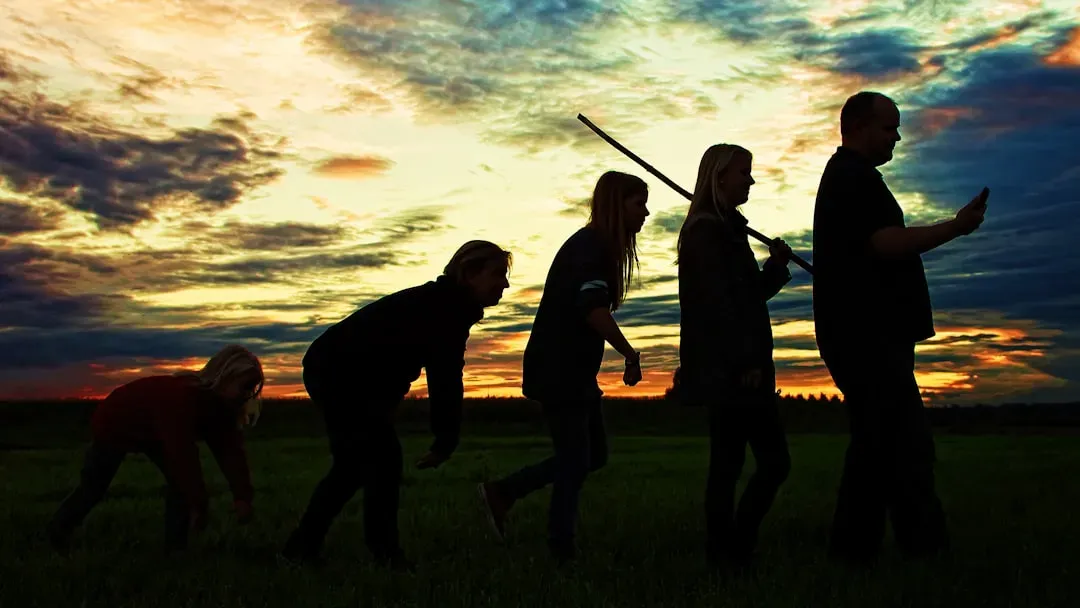
You might think evolution is something that happened long ago to cave dwellers and dinosaurs, not to someone who orders groceries online. But evolution is simply about which genes get passed on more often over many generations, and that is still happening around you all the time. You are born with a unique mix of genes; some combinations make it more likely that people with them stay healthy, have children, or survive harsh conditions, and others do not.
Because you live in a world with vaccines, surgery, and central heating, the pressures on your body are different from those that shaped your ancestors. In the past, infections, hunger, and predators were brutal filters on who survived, while today social, cultural, and medical factors play a much bigger role. You still inherit and pass on genes, but now the traits that matter may lean more toward things like fertility, behavior, and how well you thrive in a highly artificial environment rather than in the wild.
Medicine: Are You “Outrunning” Natural Selection Or Just Redirecting It?
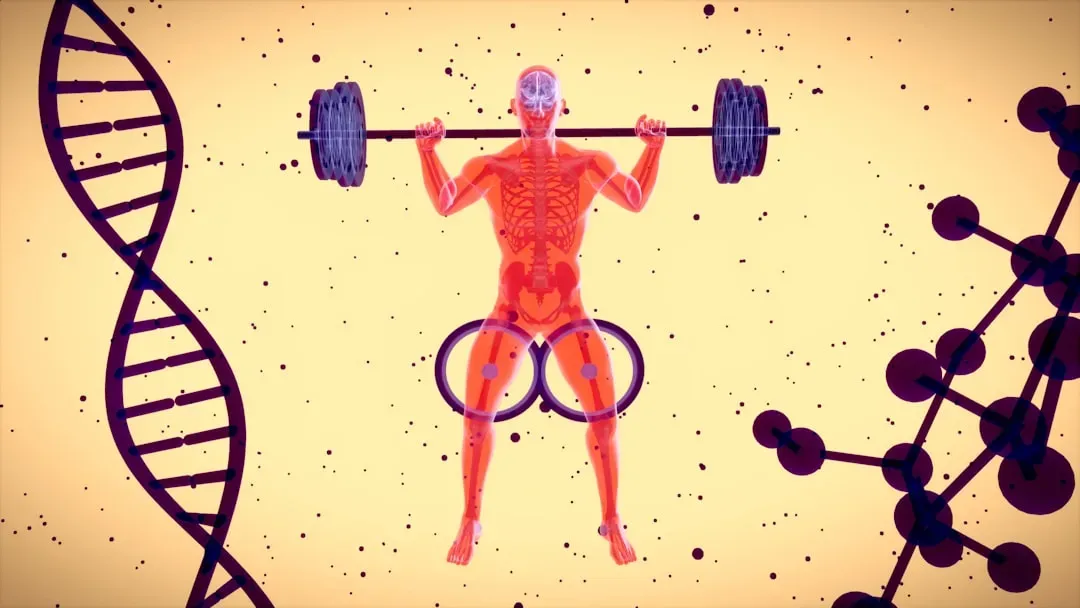
Modern medicine has dramatically changed who survives and who has children, and that includes you. In earlier times, many people with serious genetic conditions would not have lived long enough to reproduce. Now, treatments, surgeries, and medications often allow them to live full lives and have healthy families, which means those genes can remain in the population and mix with others.
This does not mean medicine cancels evolution; it simply tilts it in different directions. Instead of genes being filtered mainly by early death from infections or injuries, they are now influenced by who gets access to good healthcare, who chooses to have children, and which technologies become common, like IVF or genetic screening. You are living in an era where human choices – about who to partner with, when to have kids, and what to treat – shape the future gene pool as much as harsh survival once did.
Your Diet, Cities, And Modern Lifestyle: A New Selective Playground

The world you live in now would look alien to your great-great-grandparents, and your body is still catching up. You eat processed foods your ancestors never encountered, breathe air filled with urban pollutants, and spend long hours sitting, staring at screens. All of this creates a new environment that favors some biological traits over others, even if the effects are subtle and slow.
For example, your ability to handle certain foods, regulate your weight, or manage chronic stress may be partly genetic, so people whose bodies cope better might have a long-term advantage. Urban life also changes who meets whom, who has children, and how many, because city living often means fewer kids, later in life. Over generations, those patterns could shift things like average fertility, metabolism, or disease risk, nudging the human body toward better survival in a world of cities instead of forests and farms.
Brains, Screens, And The Future Of Your Mind
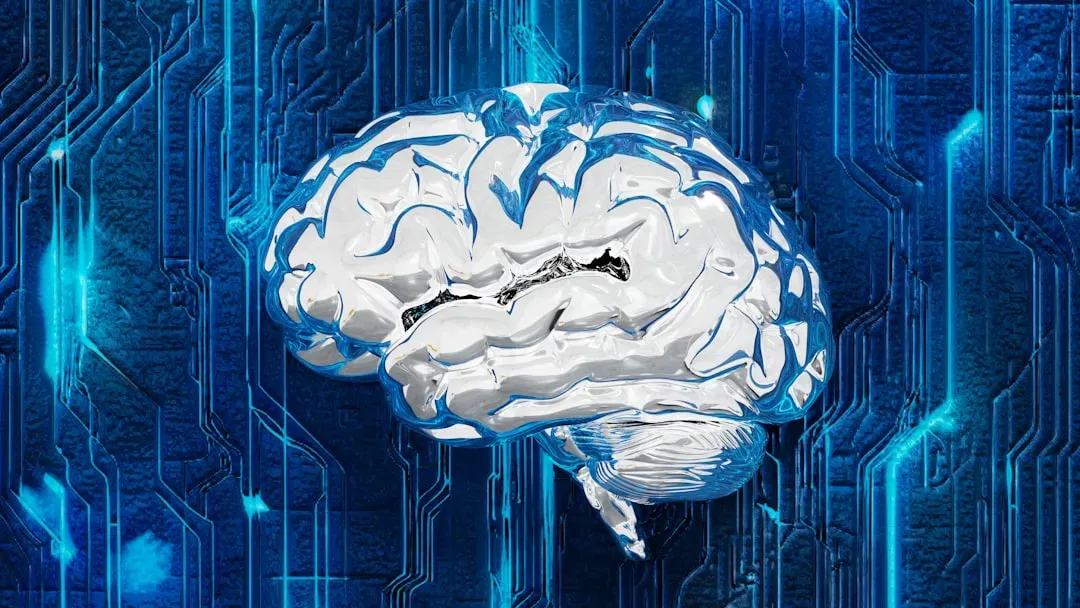
Your brain did not evolve for endless notifications, social media feeds, and complex digital tools, yet that is the environment you navigate every day. You are constantly multitasking, processing symbols, and interacting through text instead of face-to-face speech, and some researchers think this kind of mental environment will inevitably reward certain cognitive traits. People who focus well, adapt quickly to new technology, or manage information overload smoothly may end up with small but meaningful advantages in modern life.
Over many generations, even slight differences in how your mind handles attention, memory, or social cues could influence who thrives, who struggles, and who decides to have more children. At the same time, your culture and education shape your brain almost as powerfully as your genes do, so it is tricky to untangle what is inherited from what is learned. You are probably not evolving into a new kind of digital super-brain anytime soon, but your mental wiring is being tested in ways no previous generation faced, and that pressure will not simply disappear.
Immunity, Pandemics, And How Your Body Learns To Fight Back
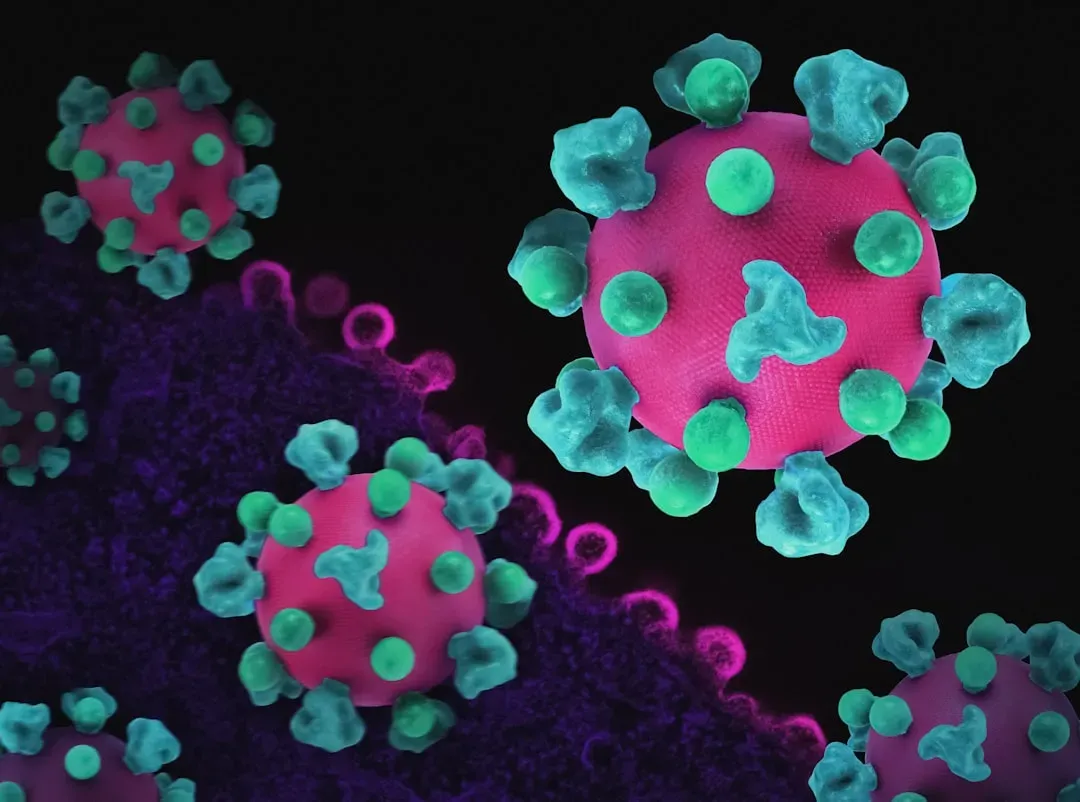
Every time a new disease spreads through human populations, it acts like an exam for your immune system. Some people get very sick, some barely notice they are infected, and a few do not get infected at all, and those differences are partly genetic. You live in a world where global travel lets viruses and bacteria spread incredibly fast, and events like recent pandemics highlight how big an impact infections still have on human health and survival.
Vaccines and public health measures protect you, but they also change which immune traits really matter most. Over the long term, people whose bodies naturally handle certain pathogens better may be slightly more likely to survive, recover, and go on to have children. That does not mean you are evolving immunity overnight, but your immune system is still part of a huge, ongoing arms race with microbes, and your genes are one of the tools your body brings to that battle.
Love, Attraction, And How Your Choices Shape Future Humans

Every time you feel drawn to someone – their face, their voice, their smell, even their sense of humor – you are participating in a quiet evolutionary process. Attraction is not random; it is influenced by cultural trends, personal experiences, and also by deeper biological cues related to things like health, fertility, and compatibility. When you choose who to date, marry, or have kids with, you are making tiny decisions that help decide which genes survive into the next generation.
Modern tools like dating apps widen your options dramatically, letting you connect with people you never would have met in a small village. That can change patterns of who pairs up with whom, mixing genes from different backgrounds more often, and sometimes reinforcing certain shared preferences. Over time, if people consistently favor traits like height, particular body types, certain personalities, or even similar education levels, those choices can gently steer the direction of human evolution without you ever thinking of it that way.
Genetic Engineering: When You Start Editing The Blueprint
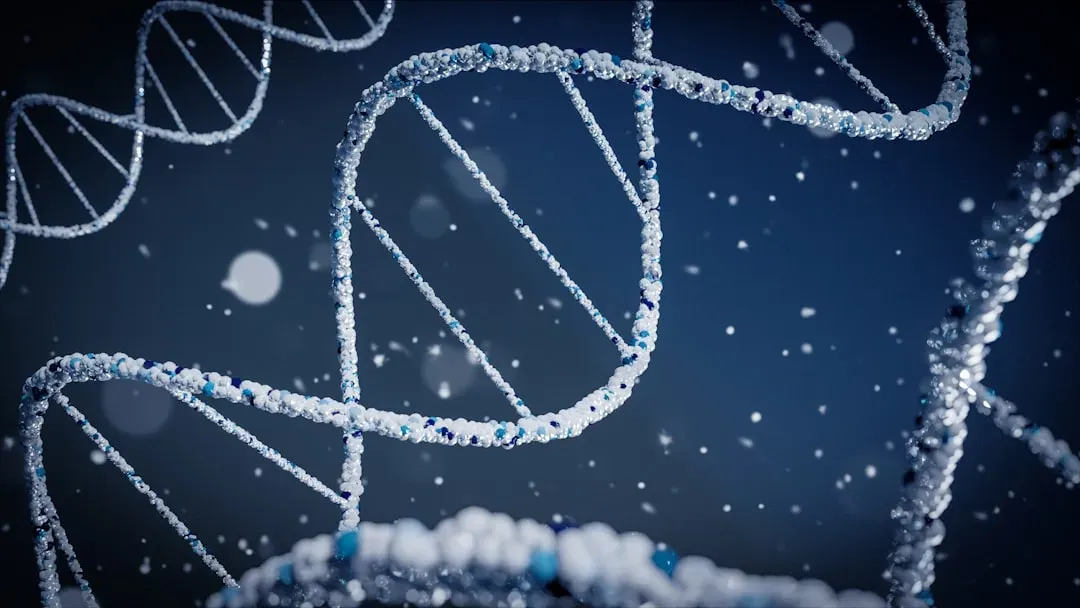
For almost all of human history, you had to accept the genes you were born with; now, you are edging into an era where you can edit them. Techniques that allow changes to DNA in embryos or cells are still heavily regulated and ethically debated, but they show that human evolution may not always be left to chance. If you or future generations begin to alter genes to avoid certain diseases or tweak traits, you are introducing a new, deliberate force into the evolutionary story.
Right now, using these tools on future children is extremely limited and controversial, and there is a lot you do not yet understand about the long-term consequences. Still, the very fact that you can even imagine choosing certain genetic traits raises huge questions. Are you guiding evolution, or risking problems you cannot predict? As these technologies advance, your decisions as a society could become as important as natural selection in shaping what future humans are like.
Climate Change And Global Movement: Adapting To A Hotter, Busier Planet
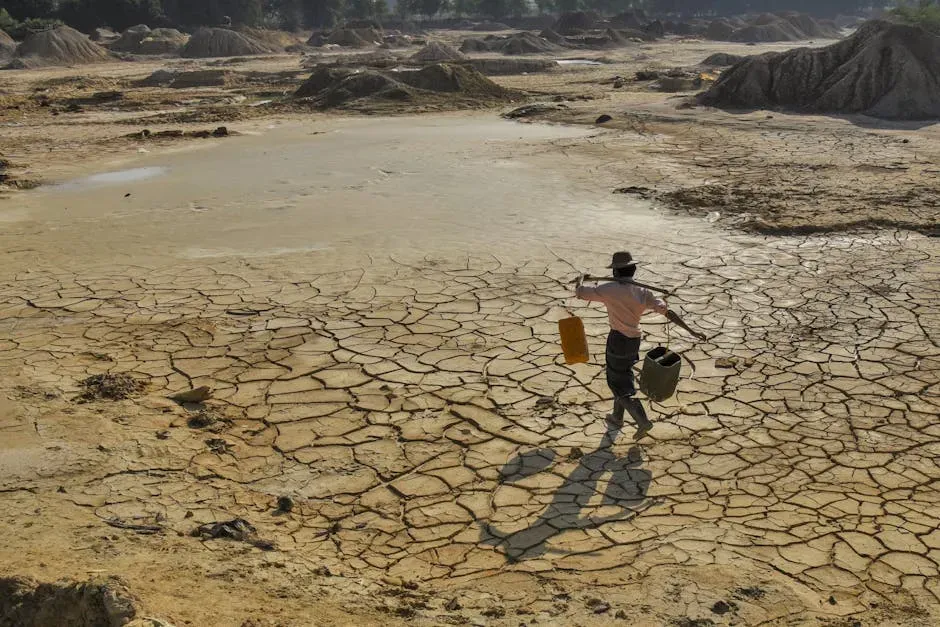
You are living through rapid climate change, with hotter temperatures, shifting weather patterns, and more extreme events becoming part of everyday life. As heat waves, droughts, and storms affect different regions, the conditions your body has to cope with will not stay the same. In some places, simply working outside or staying hydrated will become much more challenging, and how well your body manages heat, water balance, and stress could start to matter more.
At the same time, people are moving around the world on an enormous scale, blending populations that have been separate for thousands of years. You might share genes with ancestors from several continents, which brings together different adaptations to climate, sunlight, altitude, and disease. This mixing creates a more genetically diverse human population, and diversity is often a strength when environments change quickly. In a sense, your species is spreading its bets, giving future generations more potential tools to survive on a planet that is no longer predictable.
When you pull all of this together – medicine, technology, attraction, disease, climate, and personal choice – you can see that you are not standing still at all. You are part of a species being stretched and reshaped by forces your ancestors could not have imagined, from gene editing to global pandemics. The changes might be subtle to your eyes, but across hundreds or thousands of years they can add up to something profound.
You may never notice evolution working in your own lifetime, just like you do not see a tree growing from day to day, but the direction you and others choose today still matters. The way you treat the planet, design your technologies, and decide who and when to have children all feed into the story of what humanity becomes. So when you look ahead, the real question is not just whether humans are still evolving, but what kind of future human you are quietly helping to create. What part in that grand, slow transformation do you want your life to play?