You probably picture dinosaurs as movie monsters roaring across the landscape, but you almost never think about the very last thing they did before they died: eat. Yet in a handful of astonishing fossils, you can actually see what was in a dinosaur’s stomach at the moment its life ended, frozen in stone for more than a hundred million years. When you step back and realize you’re literally looking at the remains of someone’s final meal from deep time, it feels strangely intimate, almost intrusive, like peeking into a prehistoric private moment.
Paleontologists call this kind of evidence the “gold standard” for understanding ancient diets, because most of the time they’re stuck guessing from teeth, jaw shapes, and fossilized dung. Direct stomach contents are extremely rare, but when they turn up, they can completely flip your mental picture of how a dinosaur lived, what it hunted, and even what season it died in. As you walk through these discoveries, you’re not just learning what was on the menu – you’re sitting at the table with them, one last time.
When an Armored Giant Died with Ferns in Its Gut
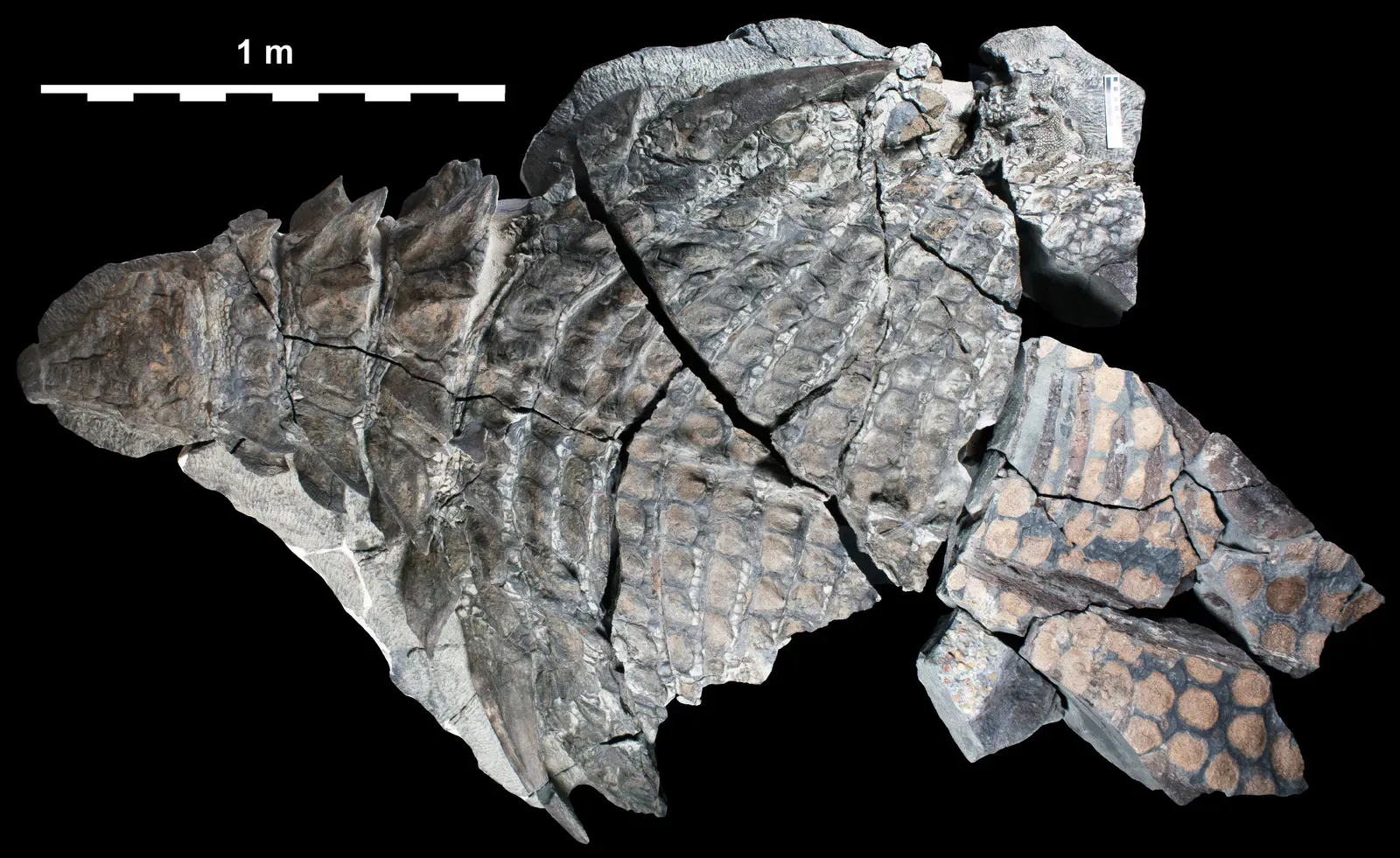
Imagine standing over a fossil so perfectly preserved that you can see armor plates, skin impressions, and even the outline of a swollen belly. That is what happened with an armored dinosaur called a nodosaur, found in an Alberta mine and often compared to a “sleeping dragon” because it looks like it just lay down and never got up again. Inside this dinosaur’s body cavity, researchers found a dense, ball-shaped mass of plant material – the actual remains of its last meal, preserved like a time capsule in stone. When you hear that scientists could still see plant cells and microscopic spores in that mass, it drives home just how freakishly lucky this fossil really is. ([nationalgeographic.com](https://www.nationalgeographic.com/science/article/borealopelta-armored-dinosaur-last-meal-fossilized-in-stunning-detail?utm_source=openai))
When that plant ball was sliced into thin, glass-like sheets and examined under a microscope, you learn that this animal was a surprisingly picky eater. You are not looking at a random salad of anything it could grab; you see mostly young fern fronds, bits of stems and twigs, and tiny pieces of charcoal from a recently burned forest floor. That charcoal tells you the nodosaur was feeding in a landscape recovering from wildfire, browsing the rich flush of ferns that often appear after a burn, just like deer will pick soft new growth after modern fires. It even swallowed small stones to help grind its food, a trick you still see in some birds today. ([nationalgeographic.com](https://www.nationalgeographic.com/science/article/borealopelta-armored-dinosaur-last-meal-fossilized-in-stunning-detail?utm_source=openai))
How a Dinosaur’s Last Meal Revealed the Season It Died
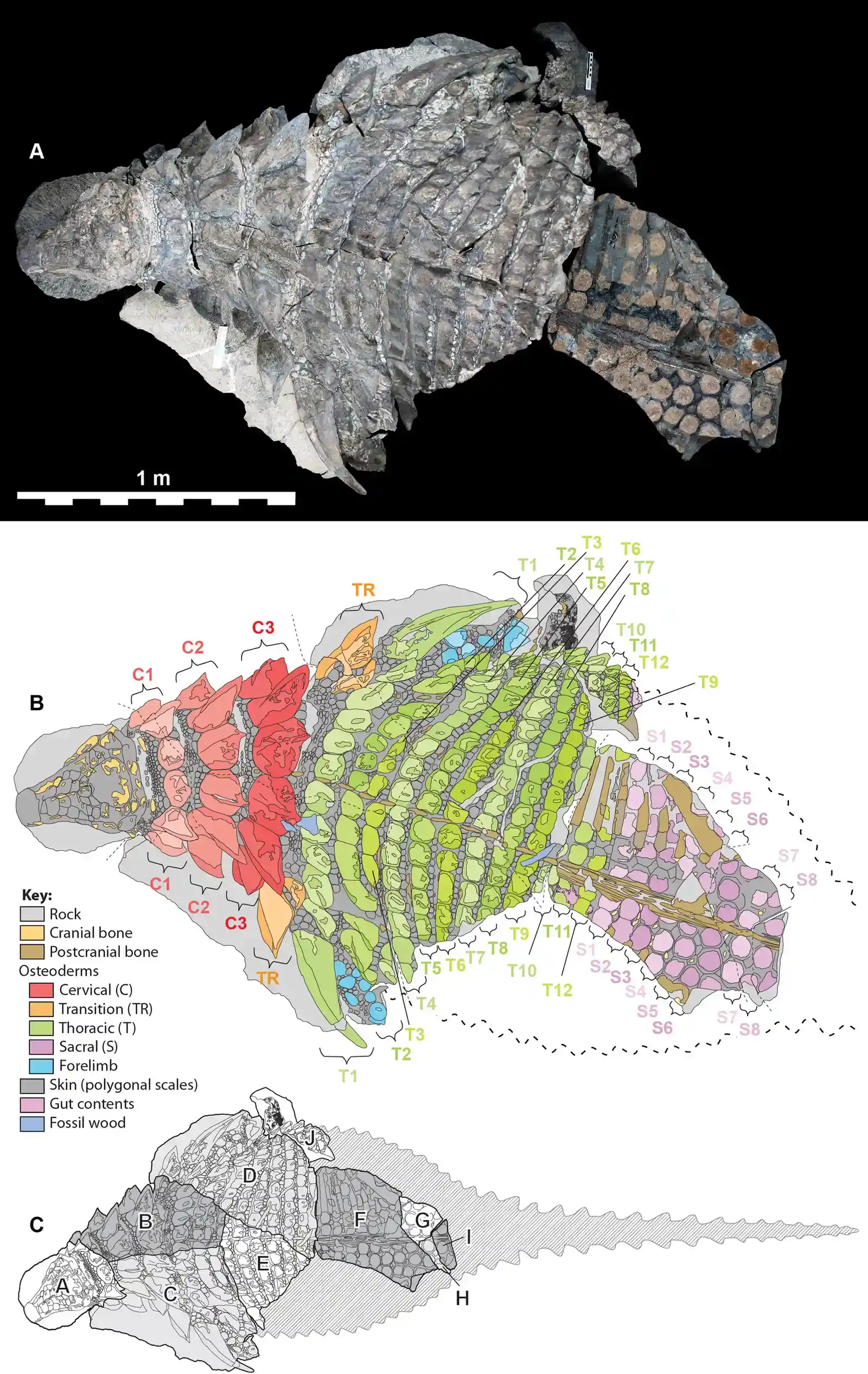
When you hear that someone can tell what season a dinosaur died in, it sounds like science fiction, but that nodosaur’s stomach pushes you close to that level of detail. The mix of plant species and the way the fern leaves were developing point you toward a particular window of the growing season, not just some vague “Cretaceous summer.” The presence of lush fern fronds with specific growth stages is what gives away the timing, very much like using budding leaves in a modern forest to guess that you’re in late spring rather than midsummer. You are suddenly not just looking at a random dinosaur; you are standing in a smoky, fern-covered clearing after a wildfire, at a particular time of year, with this animal quietly feeding. ([nationalgeographic.com](https://www.nationalgeographic.com/science/article/borealopelta-armored-dinosaur-last-meal-fossilized-in-stunning-detail?utm_source=openai))
This kind of precision matters because it lets you link dinosaur lives to real ecological events, not just abstract timelines in millions of years. You can start to ask whether certain dinosaurs routinely took advantage of post-fire habitats, or whether their favorite foods only appeared in certain seasons, which would shape migration, growth, and even reproduction. When you learn that there are only roughly a dozen decent cases of herbivorous dinosaur stomach contents ever found, and that most are far less conclusive than this one, you appreciate how fragile and skewed your picture of the past really is. Every time you get a stomach like this, it tightens the focus on a world that otherwise stays maddeningly blurry. ([livescience.com](https://www.livescience.com/nodosaur-dinosaur-ate-ferns.html?utm_source=openai))
Feathered Hunters That Ate… Almost Everything
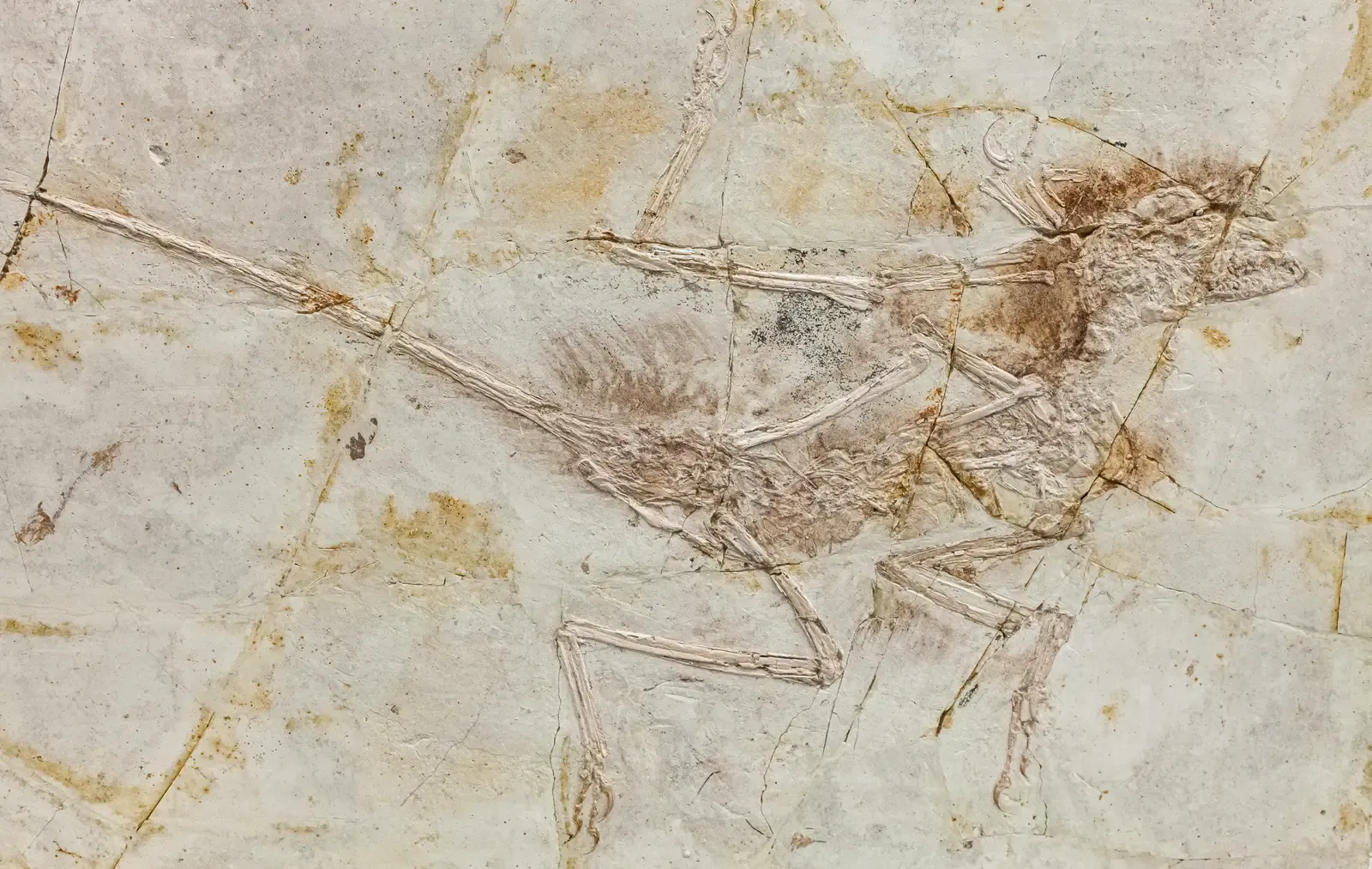
Now shift from a tank-like plant-eater to something much smaller and more agile: Microraptor, a crow-sized, four-winged predator that glided through the forests of what is now northeastern China. When you first see artwork of Microraptor, you probably picture it chasing insects or maybe small lizards, but its fossilized stomachs tell you a wilder story. In different specimens, researchers have found remains of birds, fish, lizards, and even a tiny mammal, each preserved inside the ribcage like a black-and-white X-ray snapshot taken at the moment of death. You are not guessing from tooth marks or scattered bones; you are literally staring at food mid-digestion. ([nationalgeographic.com](https://www.nationalgeographic.com/science/article/new-fossil-lizard-found-inside-microraptor-dinosaur?utm_source=openai))
What that means for you is that Microraptor starts to look less like a specialist and more like a classic “opportunistic predator” that grabbed almost anything it could catch. You can think of it like a fox that raids bird nests, hunts rodents, and snaps up fish from a stream when it gets the chance. Because multiple individuals preserve different prey types, you know this is not just one weird meal that happened to be fossilized by chance. Instead, you see a pattern: this feathered dinosaur used its gliding ability and sharp claws to exploit trees, ground, and water alike. It blurs the line between dinosaur and bird in your mind, showing how flexible and experimental early predators could be. ([nationalgeographic.com](https://www.nationalgeographic.com/science/article/new-fossil-lizard-found-inside-microraptor-dinosaur?utm_source=openai))
Inside a Tyrannosaur’s Belly: A Predator Caught Red-Handed
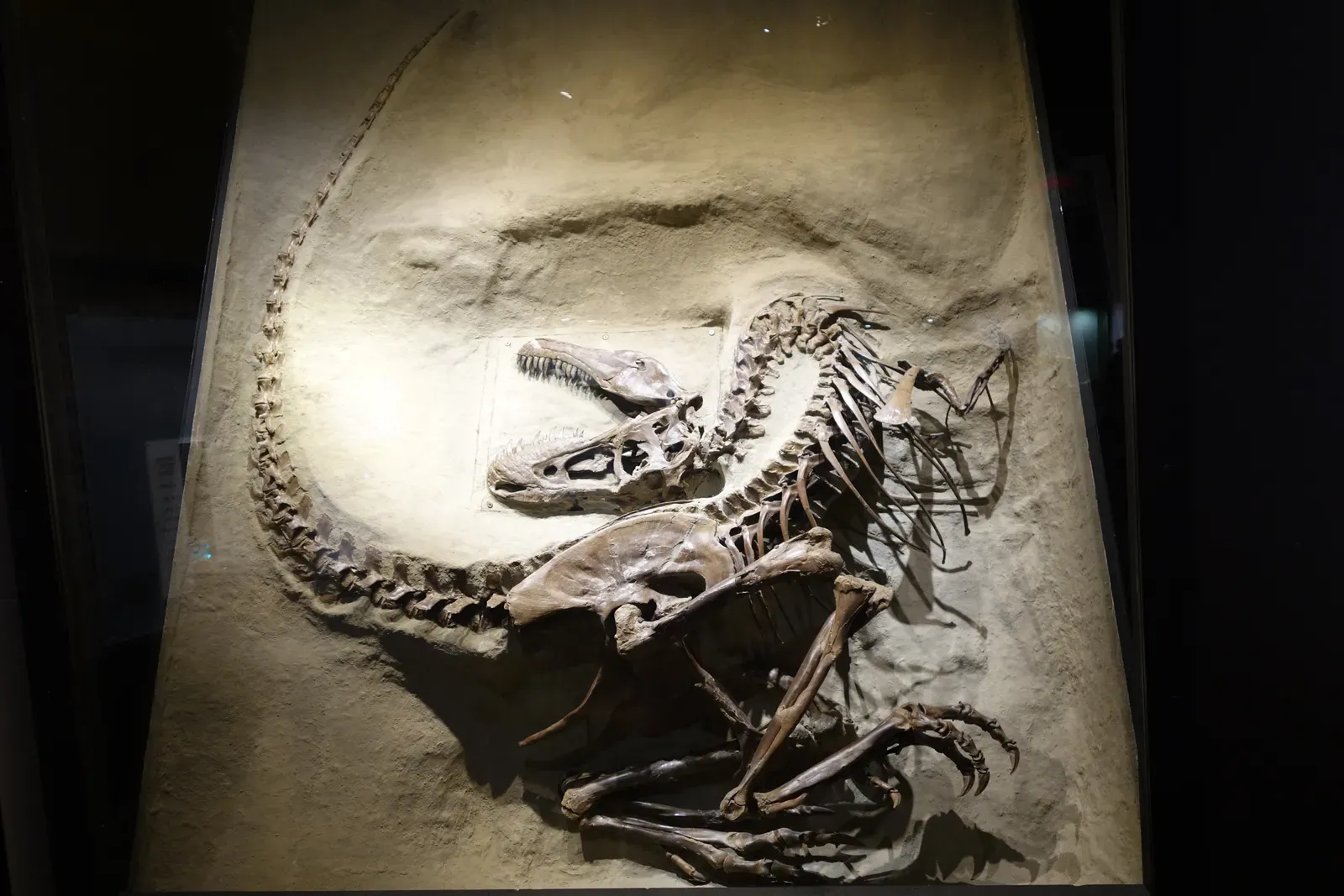
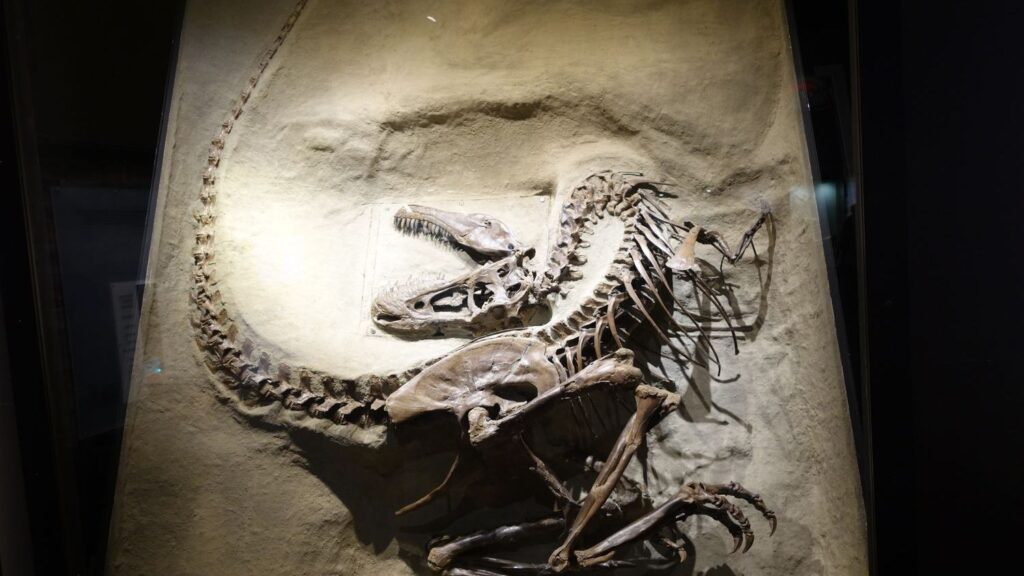
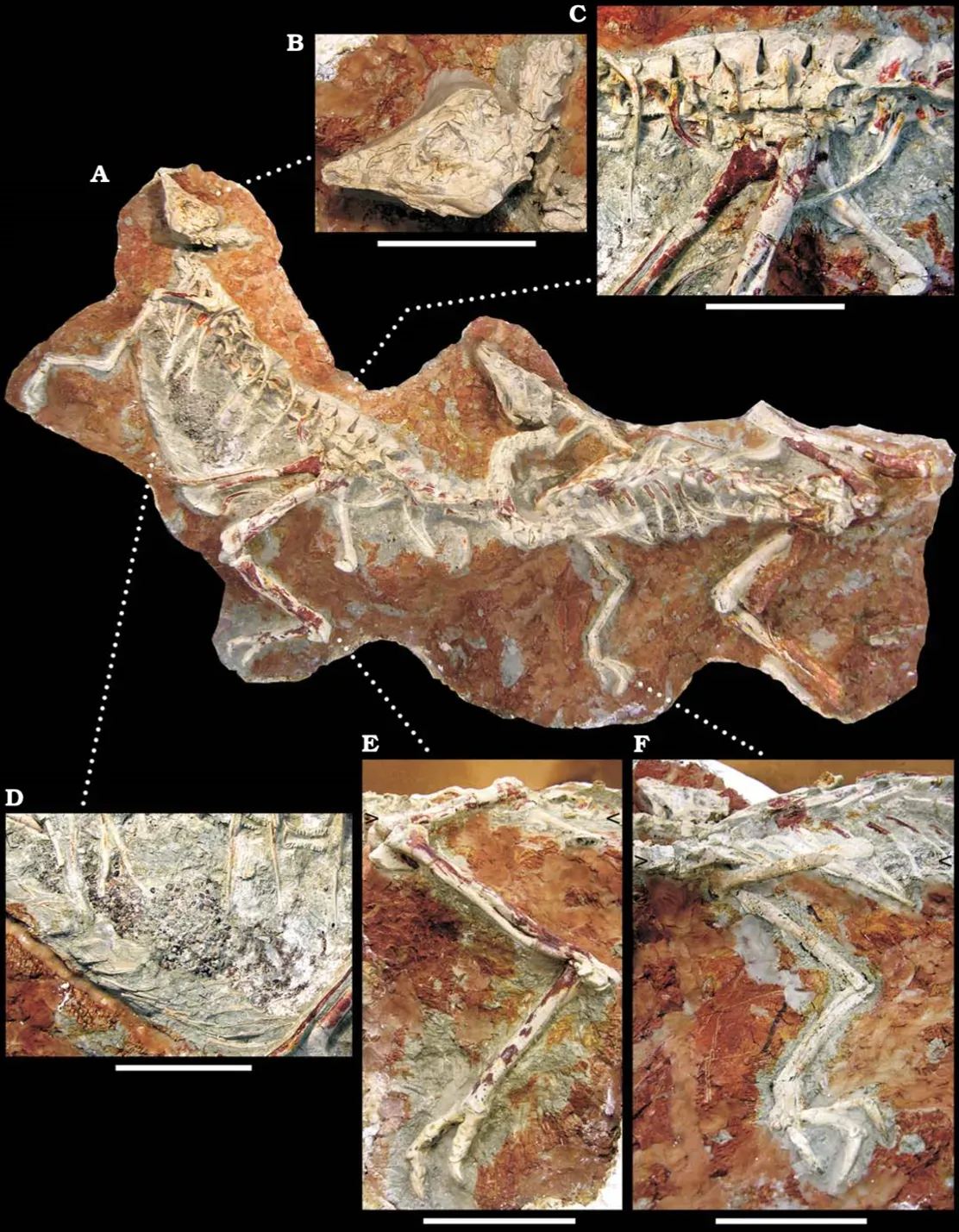
If you have ever argued with someone about whether big tyrannosaurs were hunters or scavengers, you will love what turned up in the skeleton of a young Gorgosaurus, a close cousin of Tyrannosaurus rex. For the first time, paleontologists found tyrannosaur stomach contents preserved right where the stomach would have sat, tucked inside the ribs rather than scattered around the skeleton. Those contents turned out to be the hind limbs of two smaller feathered dinosaurs called Citipes, relatives of the bird-like oviraptorosaurs. You can actually see one set of legs more digested than the other, like layers in a gruesome sandwich telling you the order of the meals. ([scientificamerican.com](https://www.scientificamerican.com/article/tyrannosaurs-stomach-contents-have-been-found-for-the-first-time1/?utm_source=openai))
For you, this fossil does more than confirm that tyrannosaur relatives ate meat; it shows how they butchered their prey. The Gorgosaurus seems to have focused on the meatiest parts, stripping off and swallowing the legs while leaving the rest of the carcasses behind, a behavior you can compare to modern predators that target high-calorie cuts first. The different stages of digestion between the two meals hint that the animal was actively hunting or feeding in short succession, not slowly gnawing on a single rotting body. When you picture tyrannosaurids now, you are not stuck with a caricature of a mindless scavenger; you have direct, physical proof of a predator that hunted, tore, and swallowed, just as you would expect from a top carnivore. ([scientificamerican.com](https://www.scientificamerican.com/article/tyrannosaurs-stomach-contents-have-been-found-for-the-first-time1/?utm_source=openai))
What Plant-Eating Dinosaurs Really Chewed Before Swallowing
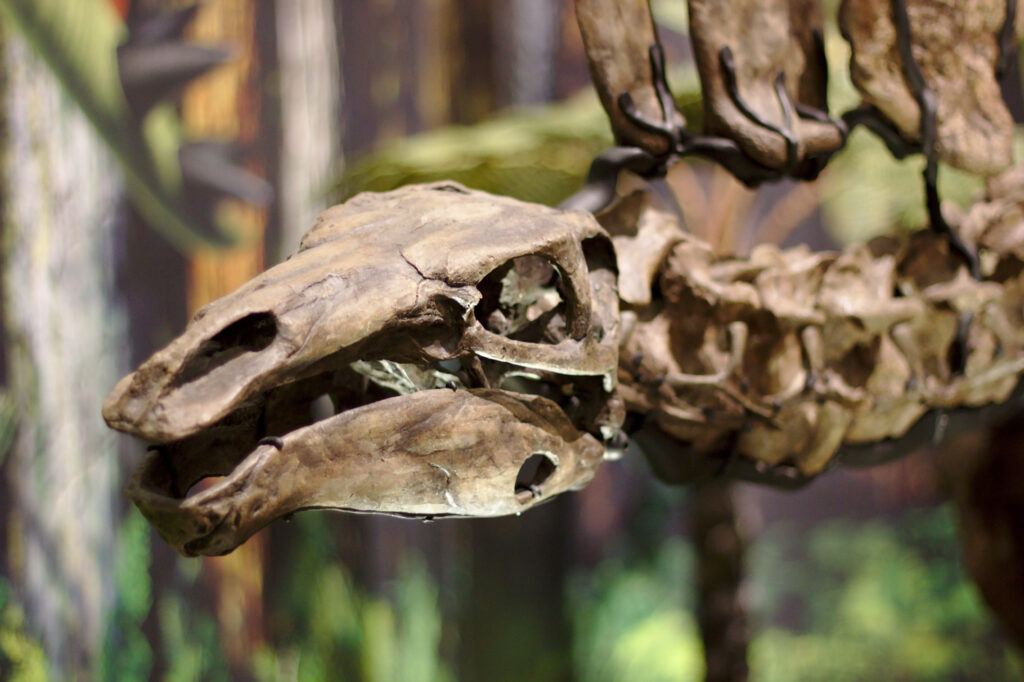
It is easy to assume all plant-eating dinosaurs just munched on generic “green stuff,” but the rare stomachs you have from herbivores say otherwise. Hadrosaur fossils – the so‑called duck‑billed dinosaurs – occasionally preserve plant material in their gut region, suggesting meals of well-chewed leaves instead of soggy water plants, as early scientists once thought. When those fossils are combined with detailed studies of hadrosaur teeth and jaw motion, you see an animal that sliced and ground plant material in a surprisingly sophisticated way, more like a giant reptilian cow than a clumsy swamp dweller. You learn that your old textbook image of a semi-aquatic, marsh-munching hadrosaur was likely off the mark. ([en.wikipedia.org](https://en.wikipedia.org/wiki/Hadrosaur_diet?utm_source=openai))
The nodosaur from Alberta adds a different twist to the herbivore story. Its stomach featured almost entirely ferns, with only tiny traces of other plants, hinting at a selective browser that was far from a mindless grazing machine. The fact that this dinosaur also carried gizzard stones for grinding shows you that plant-eaters often used multiple strategies to handle tough vegetation: mechanical chewing in the mouth, and then a stone-powered grinding mill in the stomach. When you think about dinosaur herbivores now, you are better off imagining a whole range of feeding styles, from specialized fern-lovers to broad generalists, all shaped by what their stomachs – and their fossils – could handle. ([livescience.com](https://www.livescience.com/nodosaur-dinosaur-ate-ferns.html?utm_source=openai))
Sauropod “Stomach Stones” and the Mystery of Barely Chewing Giants
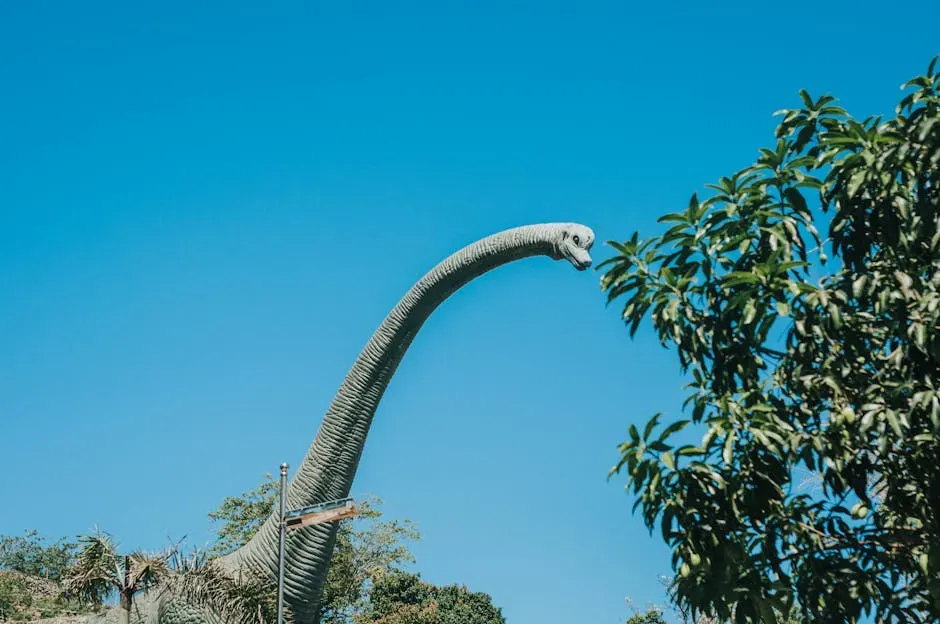
Those long-necked sauropods you see towering over museum halls seem built to do nothing but eat all day, yet their teeth are often simple, peg-like, and not obviously suited to heavy chewing. For a long time, researchers suspected that these giants relied more on their stomachs than their mouths to process food, swallowing leaves and branches in huge quantities with minimal chewing. New fossils preserving sauropod gut contents are starting to back that up, revealing plant material that appears only lightly processed before it entered an acidic, microbe-rich environment where minerals could eventually turn the whole mass to stone. You get a glimpse of a digestive system that functioned like a massive fermentation vat, rather than a finely tuned chewing machine. ([phys.org](https://phys.org/news/2025-06-fossilized-dinosaur-gut-sauropods.pdf?utm_source=openai))
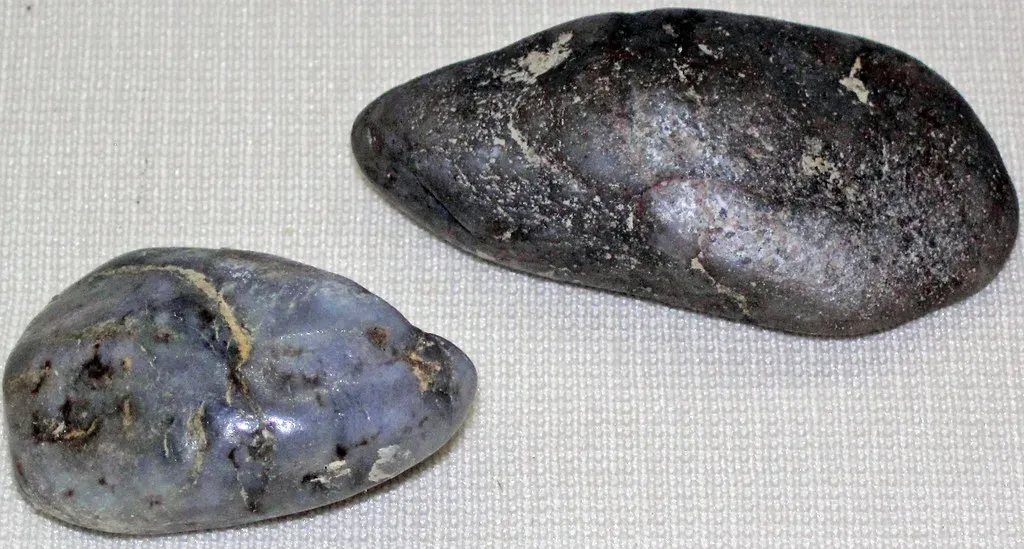
There is also the long-standing idea of sauropods using stomach stones, or gastroliths, the way some birds do today. While evidence for gastroliths is more solid in some dinosaurs than others, any time you see a tight cluster of smooth stones sealed inside the chest cavity, you can seriously consider that they helped grind food rather than just being random pebbles. The more you learn, the more you realize that these long‑necked giants probably combined simple teeth, prolonged fermentation, and sometimes stones to squeeze as much energy as possible from relatively low-quality vegetation. Instead of picturing them as slow fools stuffing their faces, you can respect them as living digestion factories, evolved to turn entire forests into muscle and bone. ([en.wikipedia.org](https://en.wikipedia.org/wiki/Dinosaur_diet_and_feeding?utm_source=openai))
Why These Fossil Stomachs Matter More Than You Think
At first glance, a dark lump inside a dinosaur ribcage might not look like much, but when you realize it is preserved stomach contents, you are suddenly staring at hard proof in a field that usually has to rely on clever guesses. Most dinosaur diet reconstructions are built from tooth shape, jaw mechanics, bite marks, and fossilized droppings, all of which can be interpreted in multiple ways. A stomach, in contrast, gives you a brutally simple statement: this individual ate this exact thing not long before it died. That kind of evidence lets you test all those earlier hypotheses, sometimes confirming them, sometimes ripping them apart. ([en.wikipedia.org](https://en.wikipedia.org/wiki/Dinosaur_diet_and_feeding?utm_source=openai))
When you look across nodosaur ferns, Microraptor’s mixed prey, tyrannosaur hind limbs, and sauropod gut contents, you see a pattern that should change how you think about the ancient world. Dinosaurs were not cartoon stereotypes locked into one food source; they were flexible, selective, and often surprisingly specialized in ways that only become obvious when you catch them mid-meal. Personally, the more I’ve read these studies, the more I feel like I’m spying on something I was never meant to see, like opening an incredibly old lunchbox and finding it still packed. It makes the deep past feel less like a distant blur and more like a real place packed with real lives, right down to that very last bite. And now that you know what was on the menu, what else do you wonder about their world that might still be hidden in stone?