If you grew up imagining dinosaurs crashing through forests and roaring across ancient plains, you probably did not spend much time wondering about something far quieter: their eggs. Yet those fragile shells and tiny embryos might be the closest thing you have to a time machine, because they freeze a moment in deep time when a dinosaur was still just a developing life hidden underground.
When you start looking at dinosaur eggs, you step into a world where paleontologists read microscopic crystals in shells the way detectives read fingerprints. You discover that some dinosaurs guarded their eggs like modern birds, that others laid them in giant colonies, and that a few embryos died mere days or weeks before they would have hatched. As you go through these nine facts, you are not just learning trivia; you are peeking into ancient nests, listening in on quiet prehistoric family stories that almost vanished forever.
1. Dinosaur Eggs Were Not All Giant
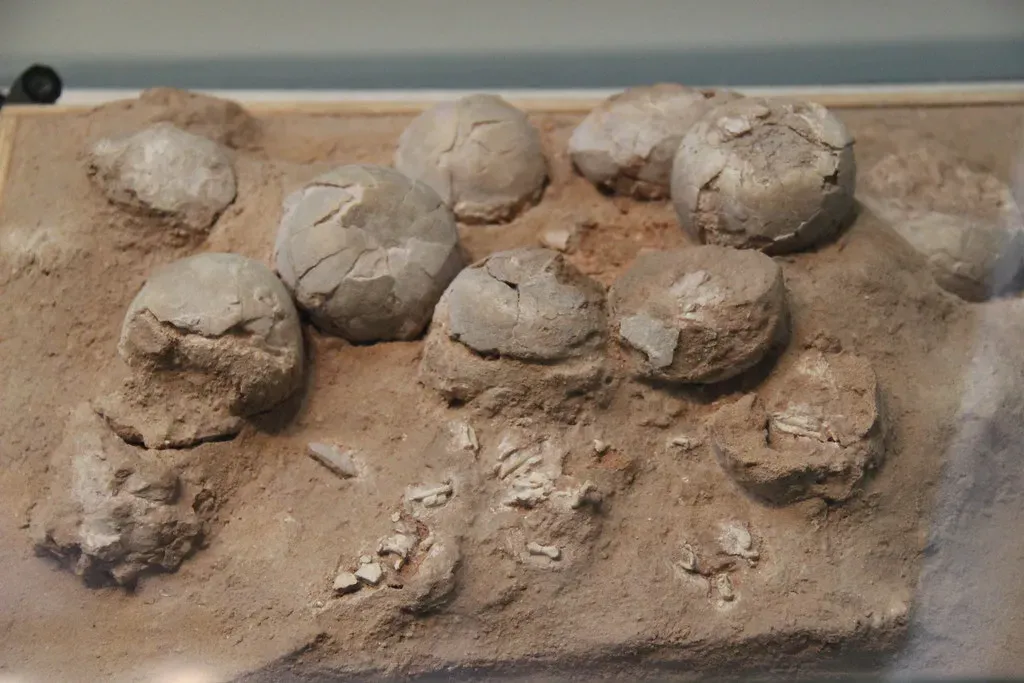
You might picture dinosaur eggs as human-sized or bigger, thanks to movies and cartoons, but in reality many were closer to the size of a chicken or goose egg. When you look at the fossil record, you find that even large dinosaurs often laid surprisingly modest eggs, because the size of an egg is limited by the need for oxygen and shell strength rather than the final size of the animal. That means a baby of a huge sauropod that could one day weigh as much as a truck started life in something you could easily hold in both hands.
If you could visit a dinosaur nesting ground, you would probably be struck not by one or two massive eggs, but by clusters of medium eggs scattered in tidy patterns. Some of the largest known eggs, likely belonging to huge meat-eating dinosaurs, are still only about the size of a rugby ball or a very large melon. You are looking at a reminder that in nature, being gigantic as an adult does not guarantee that you begin life that way, and that even the mightiest dinosaur started out small, fragile, and completely dependent on where its egg landed.
2. Eggshells Reveal Which Dinosaurs Acted More Like Birds
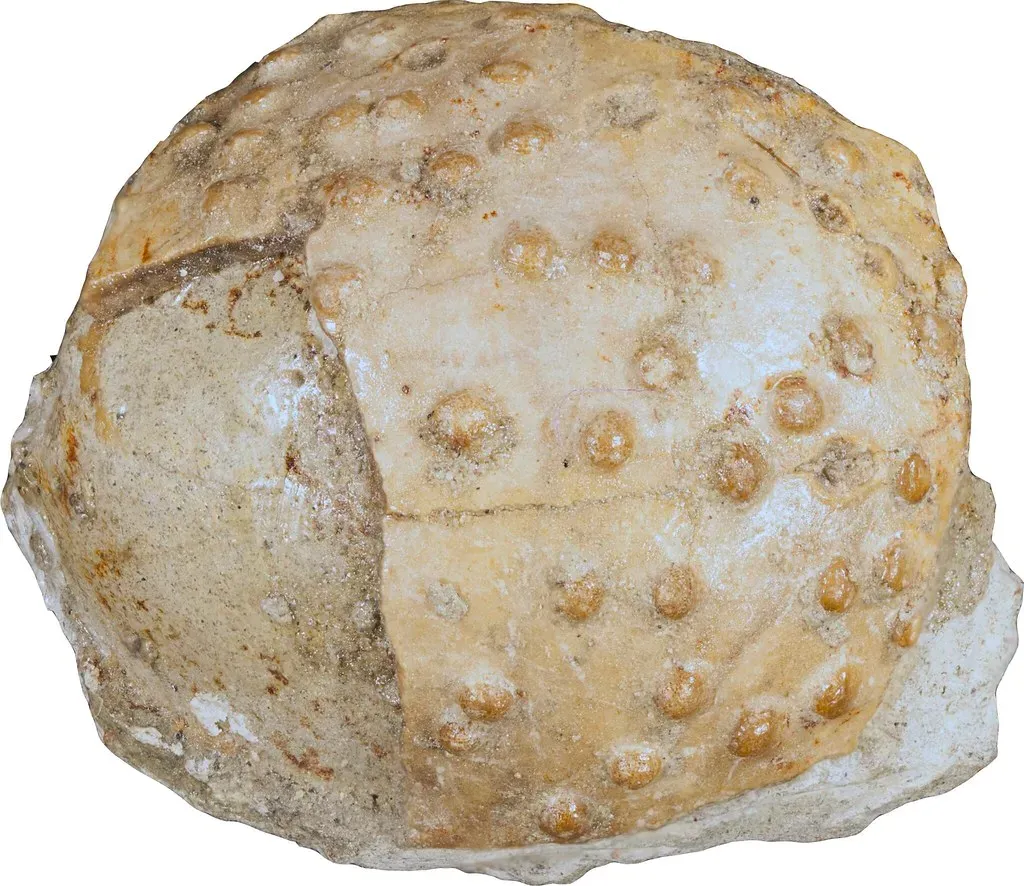
When you examine dinosaur eggs under a microscope, you can actually see clues that link some species more closely to birds than to reptiles like crocodiles. The way the shell is built in layers, the shape and arrangement of tiny crystals, and even the pores for gas exchange tell you whether a particular dinosaur had a more birdlike or reptile-like reproductive style. In some cases, the shells of certain theropods look strikingly similar to those of modern birds, hinting that you are seeing early versions of the same strategy your backyard robins use today.
You can think of an eggshell like a fossilized blueprint: it shows you how strongly the embryo needed protection, how much moisture it kept in, and how the baby dinosaur breathed inside. When you see more birdlike shells, you are probably also seeing behaviors that echo bird nests, such as brooding or more active parental care. On the other hand, thicker, more reptile-like shells suggest eggs that were buried or left in the environment to do more of the incubation work. By reading these patterns, you are essentially listening to the quiet echoes of parenting choices made tens of millions of years ago.
3. Some Dinosaurs Sat on Their Nests Like Modern Birds
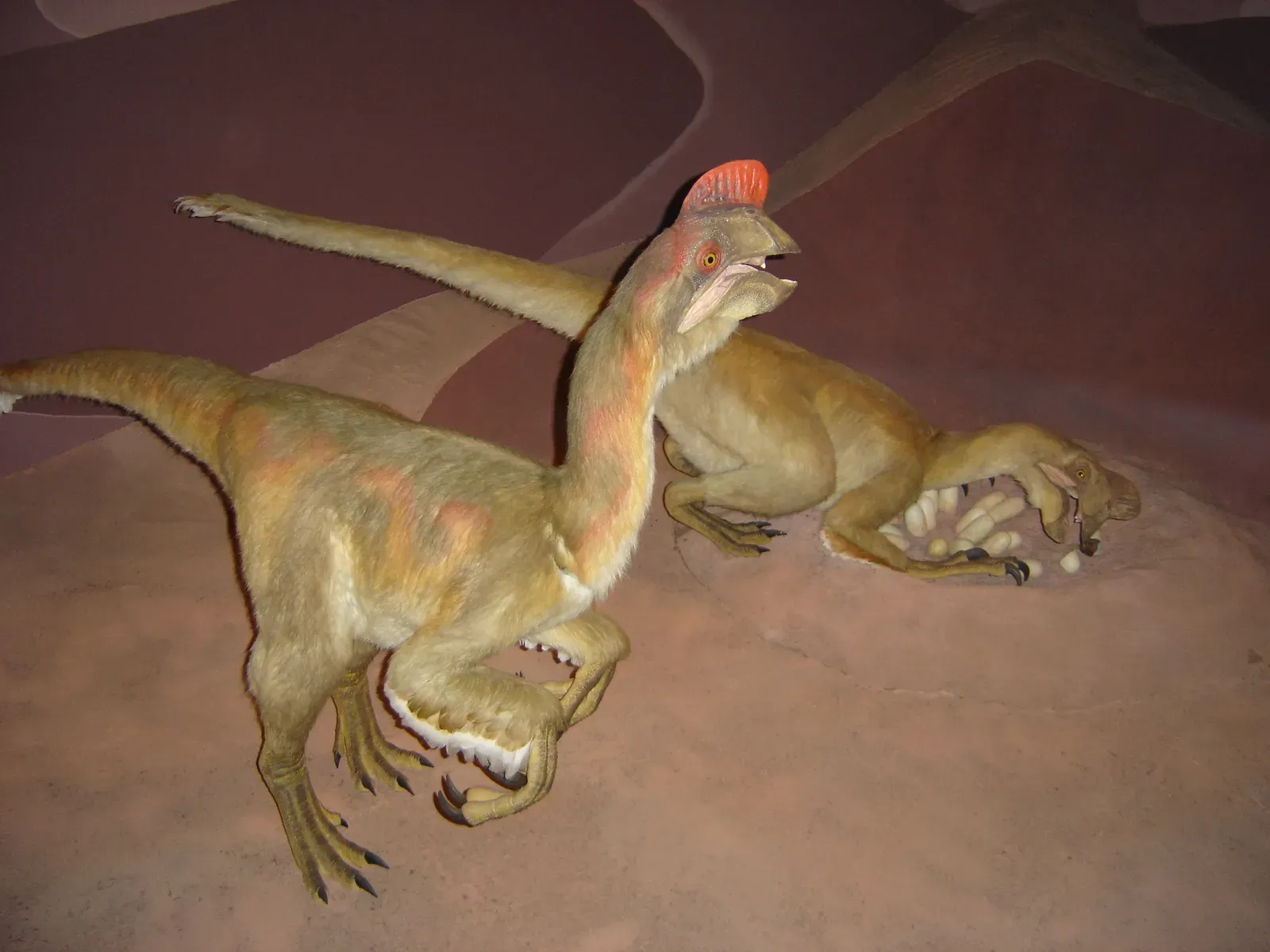
You might be surprised that paleontologists have actually found adult dinosaurs preserved on top of their nests, frozen in the act of brooding their eggs. When you see a fossil of a feathered theropod sprawled over a ring of eggs, you are looking at behavior that feels very familiar if you have ever seen a hen protecting her clutch. That kind of fossil does not just show you bones; it shows you a moment of care, possibly a last attempt to shield the eggs from a sudden storm of ash or sand.
When you picture this scene in your mind, it becomes much harder to think of dinosaurs as cold, uncaring monsters. Instead, you are seeing an animal arranging its body to cover eggs evenly, likely turning them and adjusting its posture just as many modern birds do. This suggests that warm-bloodedness and active incubation were already part of some dinosaur lifestyles long before true birds appeared. You are, in a sense, watching the early chapters in the story of bird parenting, written in stone rather than in feathers and twigs.
4. Many Dinosaur Eggs Were Buried, Not Left in Open Nests
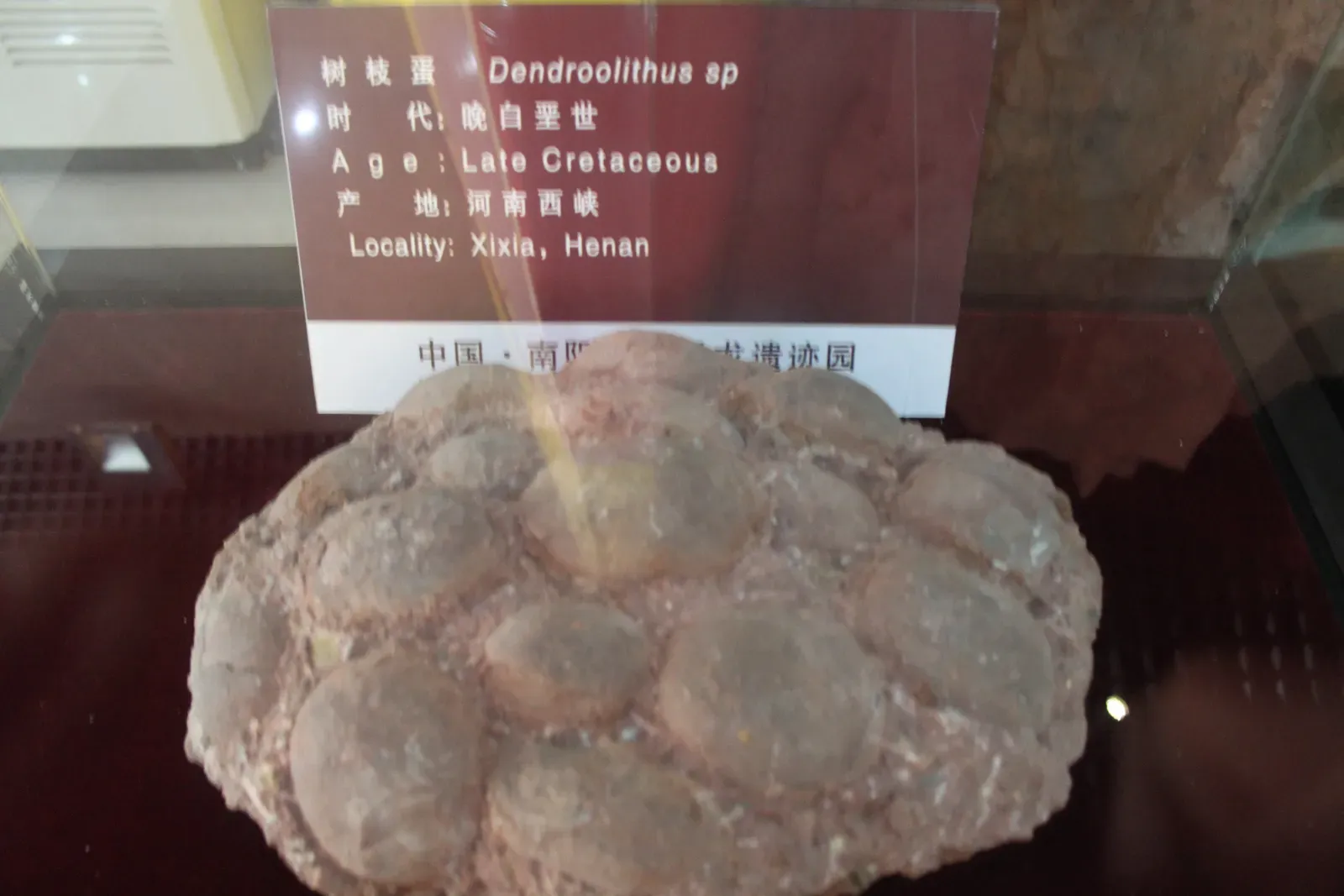
Not all dinosaurs treated their eggs like birds do today; some followed a strategy that feels much closer to crocodiles or turtles. When you study the structure and porosity of certain dinosaur eggs, you can tell they were not meant to sit in the open air, because they would have dried out or let in too much gas. Instead, these eggs were likely buried in sand, soil, or plant material, where temperature and humidity were more stable and where decomposition or sunlight did the heating job for free.
If you imagine this style of nesting, you are not picturing devoted parents perched on eggs, but animals that invested more in where they laid the eggs than in what happened afterward. These dinosaurs probably picked warm spots, floodplains, or areas with thick vegetation so that the environment could handle the incubation. For you, that means dinosaur reproduction was not a one-style-fits-all story. Instead, you are looking at a whole spectrum of strategies, from hands-off burial to intense, birdlike care, all coexisting in the same ancient landscapes.
5. Fossilized Embryos Capture Dinosaurs Just Before Hatching
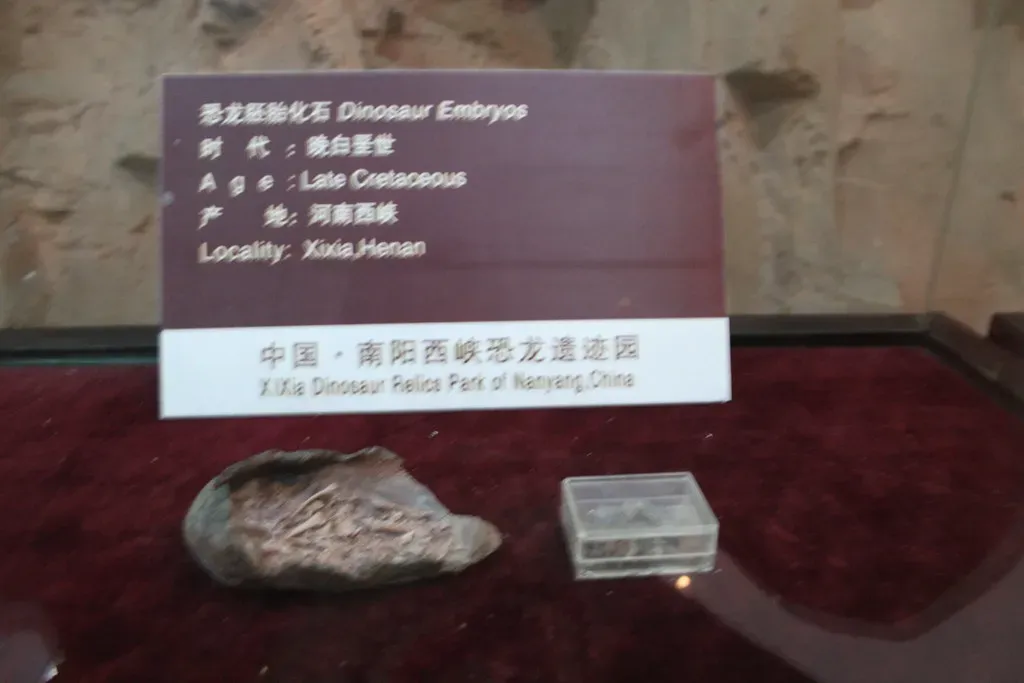
Every once in a while, paleontologists get incredibly lucky and find dinosaur eggs that still hold the delicate bones of embryos inside. When you look at these tiny skeletons curled up in their shells, you are seeing dinosaurs in a moment most animals never get to preserve: the final stages before birth. Some embryos show well-developed bones, teeth, and even hints of feather structures, clues that these babies were almost ready to hatch and start moving on their own.
These fossils let you ask questions that would be impossible otherwise, like whether a baby dinosaur could walk soon after hatching or how developed its senses might have been. In some cases, embryonic bones even show growth rings and patterns that tell you how fast they were developing in the egg. When you think about it, you are staring at the very first chapter of an individual dinosaur’s life story, a chapter that almost always disappears in modern animals and only rarely survives in fossils. It is like opening a prehistoric baby album that nature usually keeps private.
6. Egg Clutches Reveal Social Behavior and Nesting Colonies
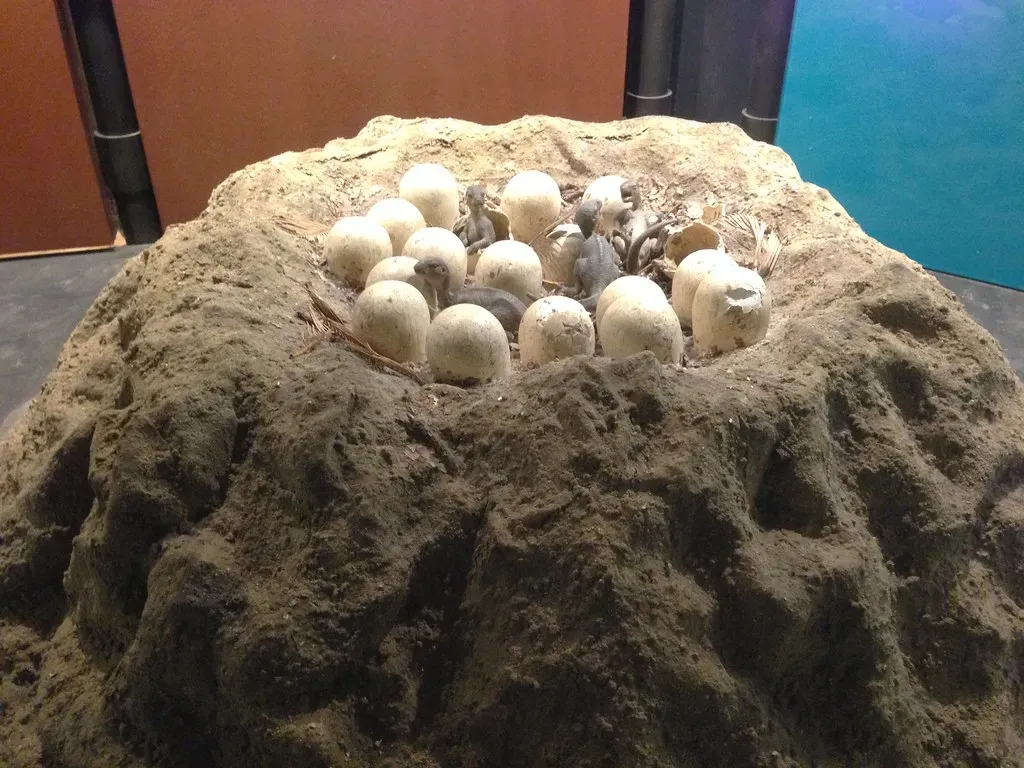
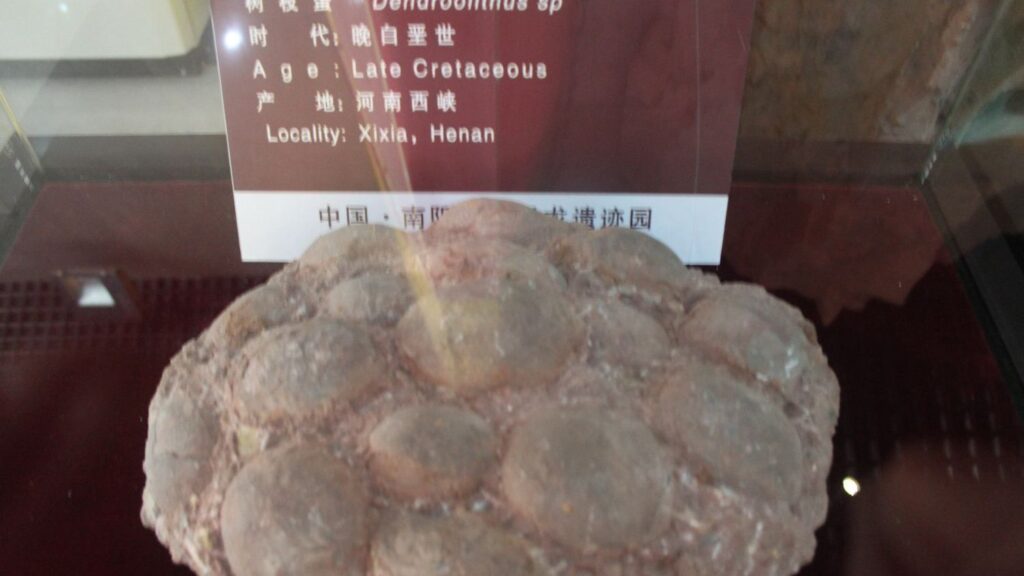
When you see a single egg in a museum, you might treat it like a standalone object, but out in the field, eggs often show up in clusters and repeating patterns. You can walk across fossil sites where nests are spaced at regular distances, suggesting that dinosaurs nested in colonies the way many seabirds do today. If you picture dozens or even hundreds of nests spread across a broad area, you are no longer imagining solitary giants but bustling prehistoric nurseries full of potential life.
The layout of these clutches also tells you how the parents arranged the eggs, whether in neat circles, long rows, or layered stacks. From that, you can infer how the adults might have moved around them, where they stood or lay while guarding, and how many eggs they invested in at once. When you consider that some species may have returned to the same nesting grounds year after year, you are looking at traditions that lasted longer than human civilization has existed. You start to realize that dinosaurs were not just individuals; they were part of complex, recurring social dramas centered on their nesting grounds.
7. Eggshell Pores Hold Clues to Ancient Climate and Incubation
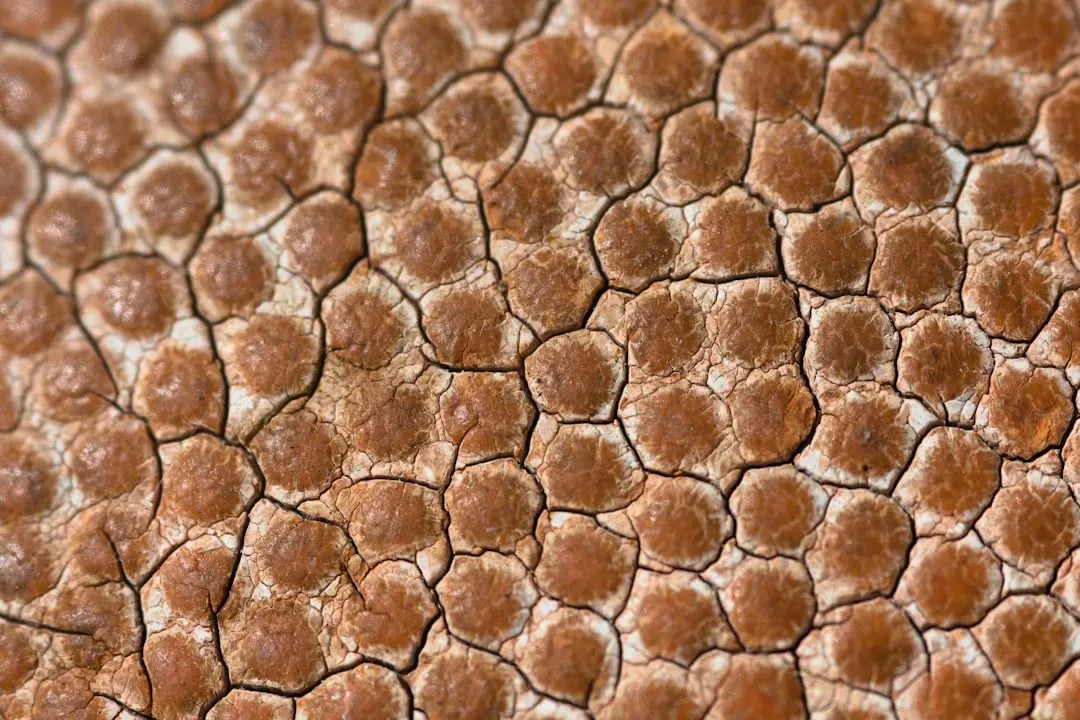
If you could shrink yourself down and walk across the surface of a dinosaur egg, you would find a landscape full of tiny pores, each one a tunnel for gas and moisture. By measuring how many pores there are and how big they are, scientists can estimate whether an egg was exposed to open air or buried, and how much water it needed to keep the embryo alive. That lets you reconstruct not just the nesting style, but even hints of the environment’s humidity and temperature at the time the eggs were laid.
In a way, you can treat eggshells like miniature weather reports fossilized in calcium carbonate. When you analyze large samples from different sites and times, you can see shifts that might reflect broader climate changes, such as drier conditions or more variable temperatures. For you, that means every cracked shell fragment is not just a relic of one animal, but a data point in a much wider story about Earth’s past climates. It is a reminder that life and environment are always tangled together, even in the quiet space of an egg.
8. Some Dinosaur Eggs Preserved Color and Surface Texture
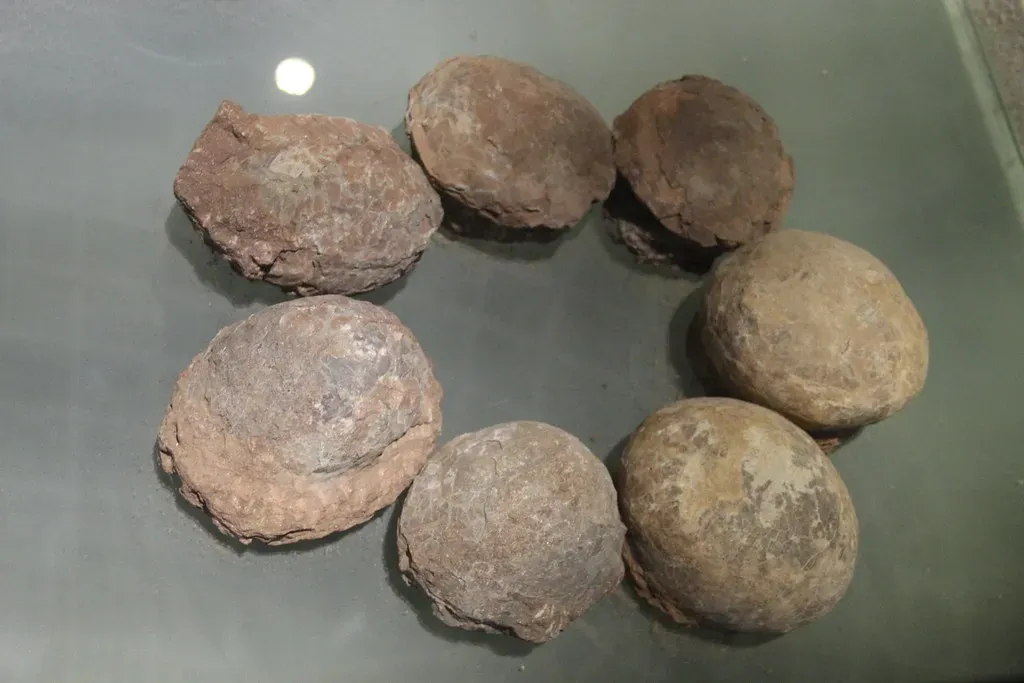
You might assume all dinosaur eggs turned the same dull stone color with age, but chemical analysis suggests that some retained traces of their original pigments. That means certain eggs were probably blue, green, or speckled, much like bird eggs you see today. If you imagine a nest filled with softly colored eggs, you are suddenly much closer to a familiar scene, where color may have helped camouflage the clutch or signal something about the parents or nesting environment.
The surface texture of eggs adds another layer of detail for you to explore. Some shells are surprisingly smooth, while others are bumpy, ridged, or decorated with tiny nodes, which may have affected how the eggs interacted with surrounding soil or vegetation. These textures might even have helped strengthen the shell or manage gas exchange more efficiently. When you realize that color and texture varied so widely, you stop thinking of dinosaur eggs as generic stone ovals and start seeing them as diverse, specialized objects shaped by evolution and environment.
9. Dinosaur Egg Studies Help You Understand the Origin of Birds
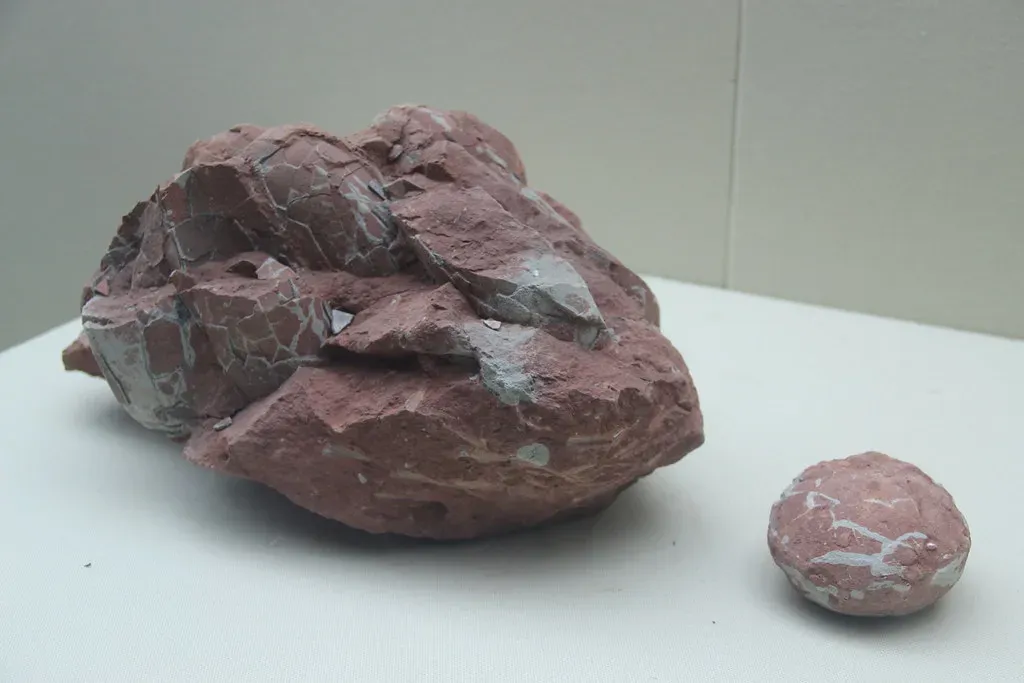
Every time you crack a breakfast egg, you are handling the end result of a long evolutionary story that runs straight through the age of dinosaurs. When you compare modern bird eggs to those of certain non-avian dinosaurs, you find shared features in shell structure, clutch arrangement, and even nesting behavior. That tells you that bird reproduction did not appear out of nowhere; it grew gradually out of dinosaur strategies honed over millions of years.
By studying dinosaur eggs, you are effectively reading the prequel to everything you see in modern bird nests, from backyard sparrows to penguins. The shift from buried to open nests, from passive to active incubation, and from soft to more rigid eggshell types all trace an arc that helps you connect ancient fossils to living animals. When you hold that idea in mind, birds stop being just pretty creatures at your feeder and start feeling like the surviving branch of a much older, wilder family tree. In a very real sense, you already live alongside dinosaurs every day; you just know them by a different name.
As you step back from these nine facts, you can see how something as small and quiet as an egg carries enormous stories about growth, care, climate, and evolution. Dinosaur eggs turn out to be more than background props; they are central clues that let you connect colossal skeletons to intimate moments of nesting, brooding, and hatching. The next time you see a fossil egg in a glass case, you might find yourself wondering not just which dinosaur laid it, but what kind of world that tiny shell once tried to bring a new life into. And now that you know how much is hiding in those shells, what detail surprised you the most?