
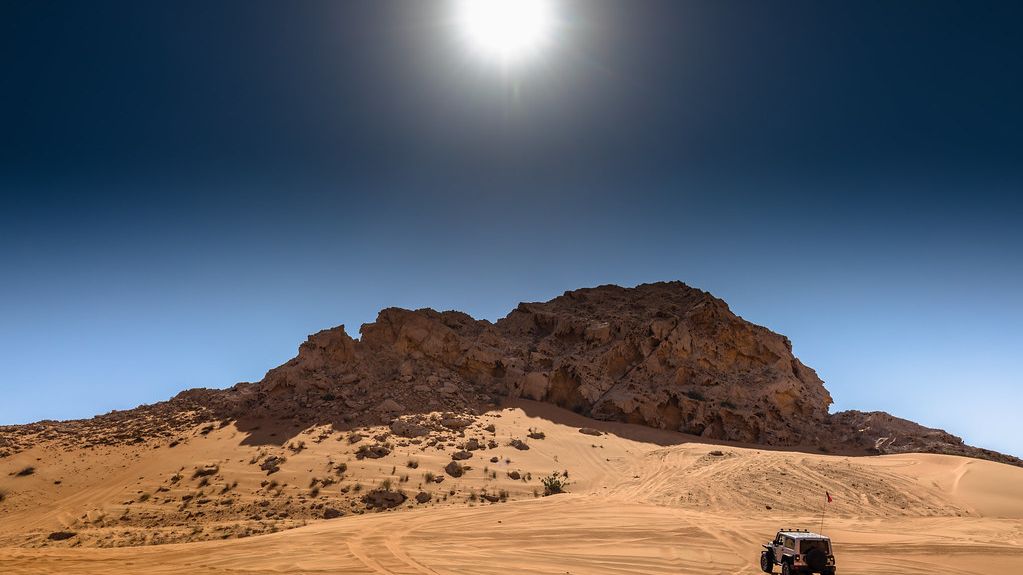
If you think of the United States as a young country, you’re only looking at the last thin coat of paint. Beneath the highways and coffee shops, you’re standing on a landscape shaped by oceans, dinosaurs, ancient forests, and ice sheets that came and went long before humans showed up. When you visit the right places, you can still see that deep-time story written in stone, bone, and fossilized footprints.
In this guide, you’ll explore eight astounding prehistoric destinations across the US that you can actually walk through, touch (where allowed), and experience with your own senses. You’ll go from dinosaur trackways to fossilized forests, from ancient reefs to mammoth-kill sites, all without leaving the present day. Think of it as time travel you can do in hiking boots, with a packed lunch and plenty of curiosity.
Dinosaur National Monument, Colorado & Utah
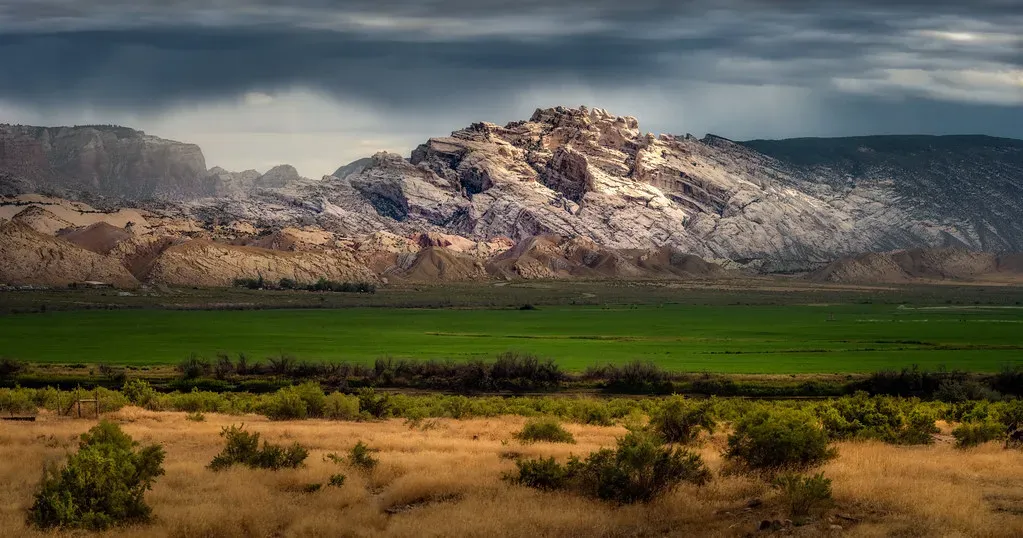
When you step into Dinosaur National Monument, you’re walking into what feels like a dinosaur graveyard frozen mid-story. The star attraction is the Quarry Exhibit Hall, where you stand just a few feet from a rock wall packed with hundreds of dinosaur bones that were buried in an ancient river channel. You’ll see partial skeletons and scattered bones from creatures like Allosaurus, Camarasaurus, and Stegosaurus, still embedded exactly where paleontologists uncovered them.
Outside the quarry, the landscape itself pulls you deeper into the past as you drive or hike through layered canyons carved by the Green and Yampa Rivers. Those tilted bands of rock are slices of time, stacked on top of each other over hundreds of millions of years. You can take scenic drives, short trails, or river trips and constantly remind yourself that the ground under your feet was once a floodplain filled with giant reptiles. If you want a place where prehistory feels huge, raw, and in your face, this is it.
La Brea Tar Pits, Los Angeles, California
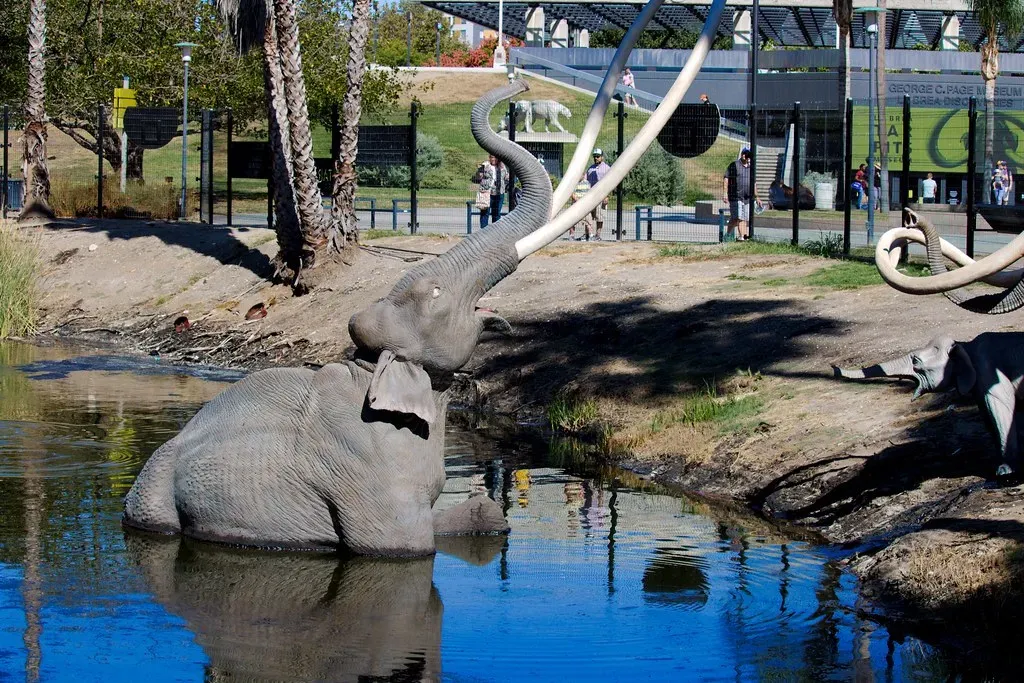
In the middle of busy Los Angeles, you can literally watch bubbles of natural asphalt rise from the ground where Ice Age animals once met their end. At the La Brea Tar Pits, you stand on the edge of ponds that trapped saber-toothed cats, dire wolves, mastodons, giant ground sloths, and even ancient camels. These animals got stuck in sticky asphalt seepage, then slowly sank, leaving behind an astonishing fossil record that scientists are still excavating today.
What makes this place so powerful is that the science is ongoing and right in front of you. You can look into glass-walled fossil labs where technicians clean and study bones pulled from the pits, often from discoveries made in just the last couple of decades. Walking the grounds, you see active dig sites, replicas of extinct animals, and museum exhibits that rebuild the Los Angeles basin as a cool, grassy landscape full of predators and huge herbivores. It’s one of the few places where you can feel like you’re visiting both a museum and a live prehistoric crime scene at the same time.
Petrified Forest National Park, Arizona
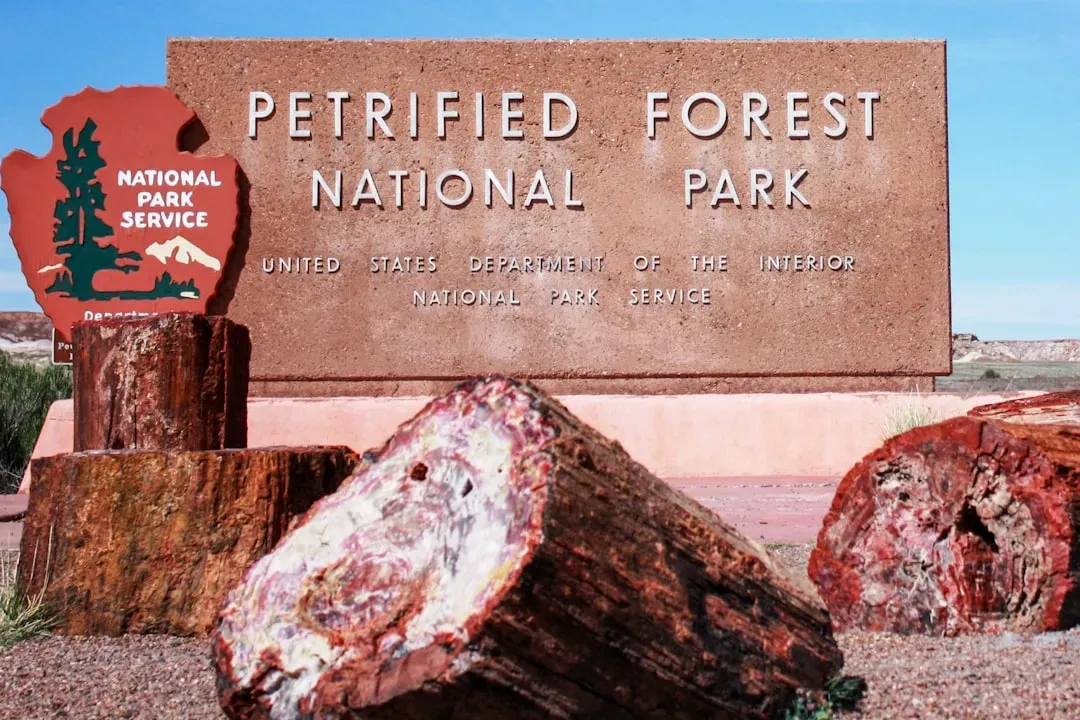
At Petrified Forest National Park, you wander through a desert that used to be a lush, swampy world near the equator about two hundred million years ago. The ground is littered with massive, rainbow-colored logs that are not wood anymore but solid stone, turned to quartz over countless ages. When you walk among them, you’re literally stepping through the mineral ghosts of an ancient forest that grew while early dinosaurs and other reptile relatives roamed nearby.
You’re not just here for the logs, though; the painted badlands of the Chinle Formation wrap around you in stripes of purple, red, and gray that record ancient rivers, lakes, and floodplains. Trails like the Blue Mesa loop or Crystal Forest let you see the petrified wood up close, along with views that look like an alien planet. Add in petroglyphs and historic structures and you’ve got a rare overlap where deep geologic time and human history share the same view. It’s one of the easiest places in the US to feel how wildly different the world once was.
Dinosaur Valley State Park, Glen Rose, Texas
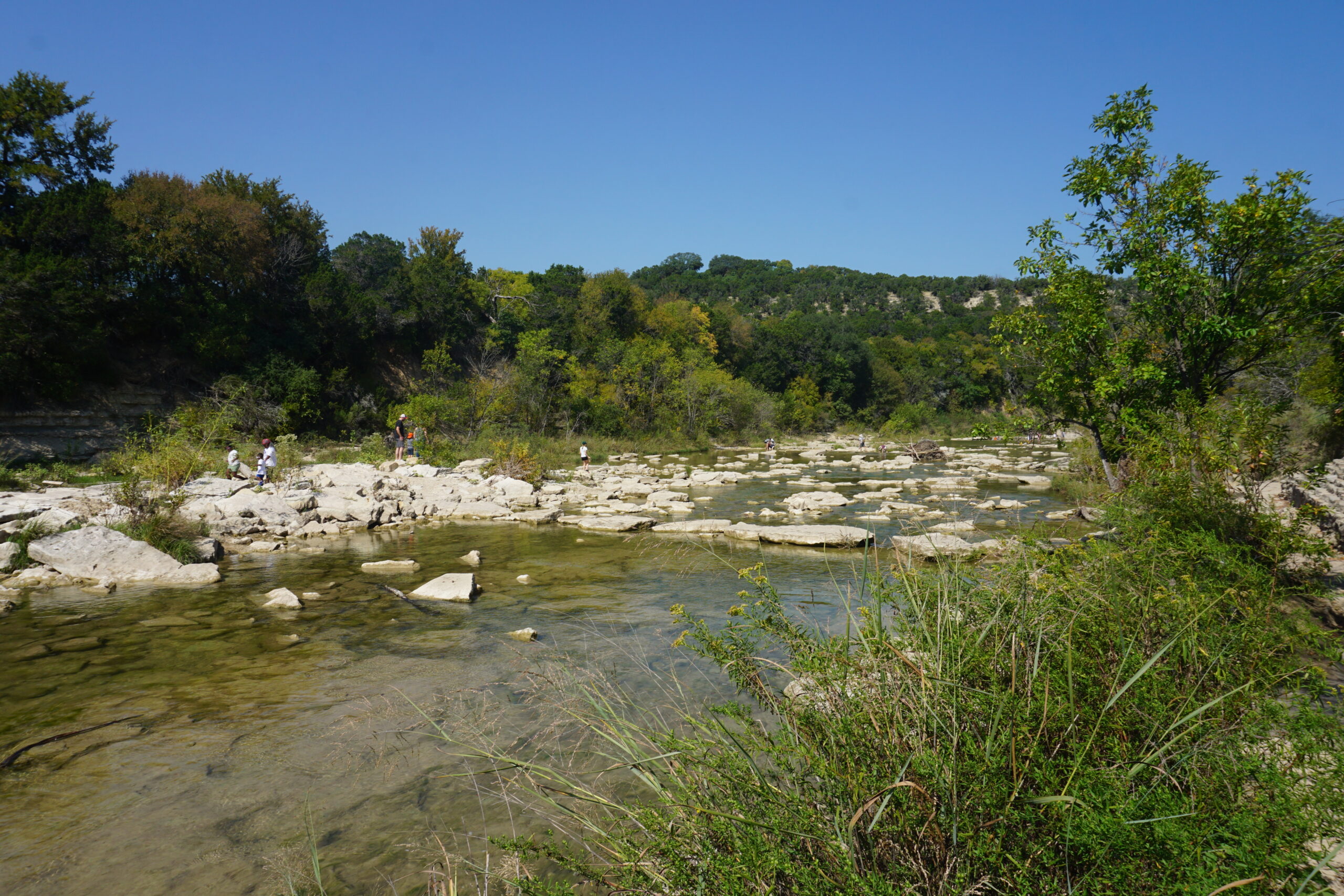
In Dinosaur Valley State Park, you do something incredibly simple and incredibly wild: you walk in dinosaur footprints. Along the Paluxy River, low water reveals long trackways pressed into limestone by massive sauropods and three-toed carnivorous dinosaurs more than a hundred million years ago. When you crouch down and place your boot inside one of those footprints, you’re literally standing where a dinosaur stepped, which is a strange and humbling feeling you don’t easily forget.
The park makes this experience surprisingly accessible. You can hike along the riverbanks, wade in shallow sections, and follow trackways that curve and cross like traffic lines frozen in time. Some tracks are big and rounded from heavy, plant‑eating giants, while others are sharp and birdlike, hinting at predators on the move. Between the campgrounds, swimming holes, and picnic spots, you get that classic Texas day-out vibe layered on top of a very deep-time story. If you ever wanted proof that dinosaurs were real and not just movie creatures, seeing their footprints stamped into rock will give it to you.
John Day Fossil Beds National Monument, Oregon
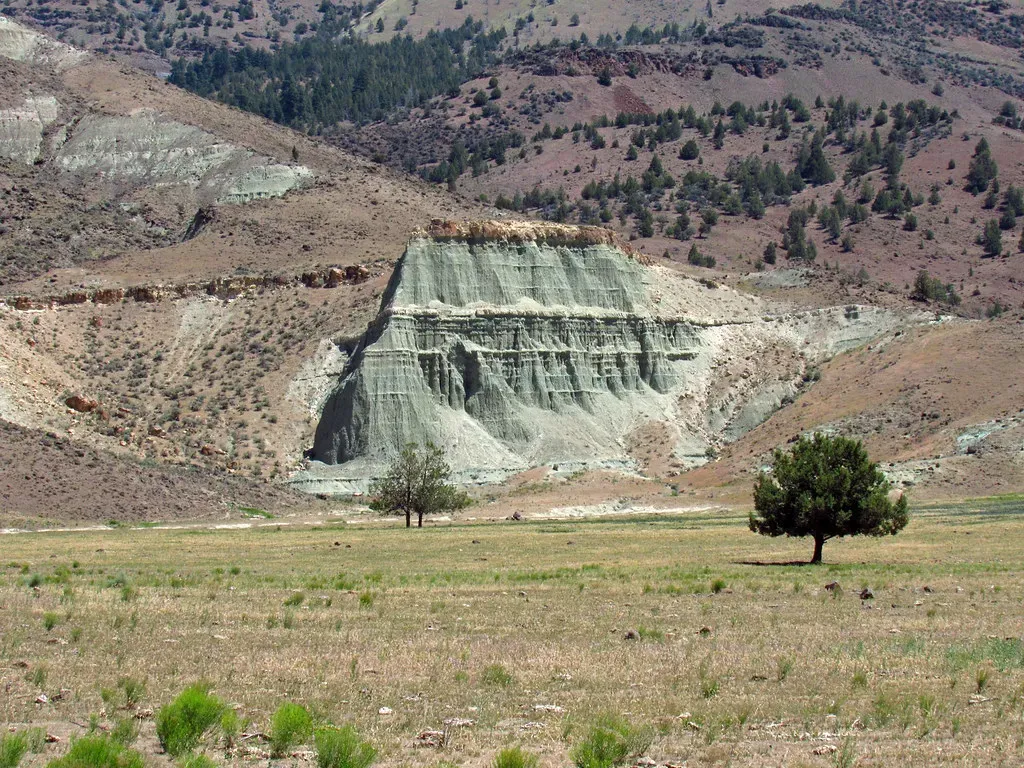
The John Day Fossil Beds are where you go to see what happened after the dinosaurs, when mammals took over and experimented with all kinds of strange body plans. Spread across three main units in eastern Oregon, this monument preserves tens of millions of years of changing ecosystems, from warm, forested valleys to cooler, open landscapes. As you walk the trails, you’re passing through rock layers that captured everything from tiny early horses to large, tusked herbivores and fearsome dog-like predators.
One of the most striking spots is the Painted Hills, where rolling mounds of red, gold, and black clay look almost unreal at sunset. Those colors come from ancient soils that tell you about long-vanished climates, like pages in a giant weather journal. At the Thomas Condon Paleontology Center, you see fossils being prepared and displayed in ways that connect the colors in the hills with real animals that once lived there. You come away with the sense that Earth’s past was not just one lost world but many, layered one on top of the other.
Badlands National Park, South Dakota
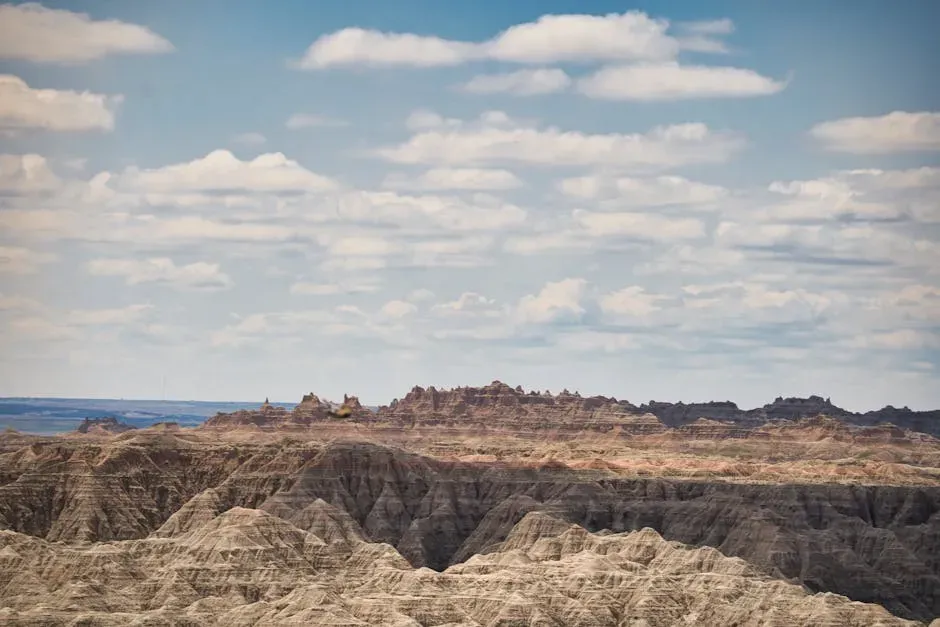
Badlands National Park feels like a place the planet forgot to finish, a maze of jagged ridges and eroded spires that look almost too dramatic to be real. Hidden in those striped buttes is a treasure trove of fossils from the Age of Mammals, including ancient rhino relatives, three-toed horses, early camels, and strange pig-like creatures. You hike along boardwalks and trails that cut right through these layers, knowing that just beneath your feet lie bones that helped scientists piece together how modern animals evolved.
The park is also a great place to think about how fast landscapes can change over time. The soft sediment here erodes quickly, which means new fossils are constantly being exposed and sometimes found by ordinary visitors who happened to look twice at a curious shape in the dirt. Rangers and exhibits teach you how to spot fossils ethically and why it matters to leave them in place for experts to study. When you combine the sweeping prairie views, the stark beauty of the formations, and the knowledge that entire vanished ecosystems are locked in the rock, the Badlands start to feel like a time machine that’s still running.
Prehistoric Trackways National Monument, New Mexico
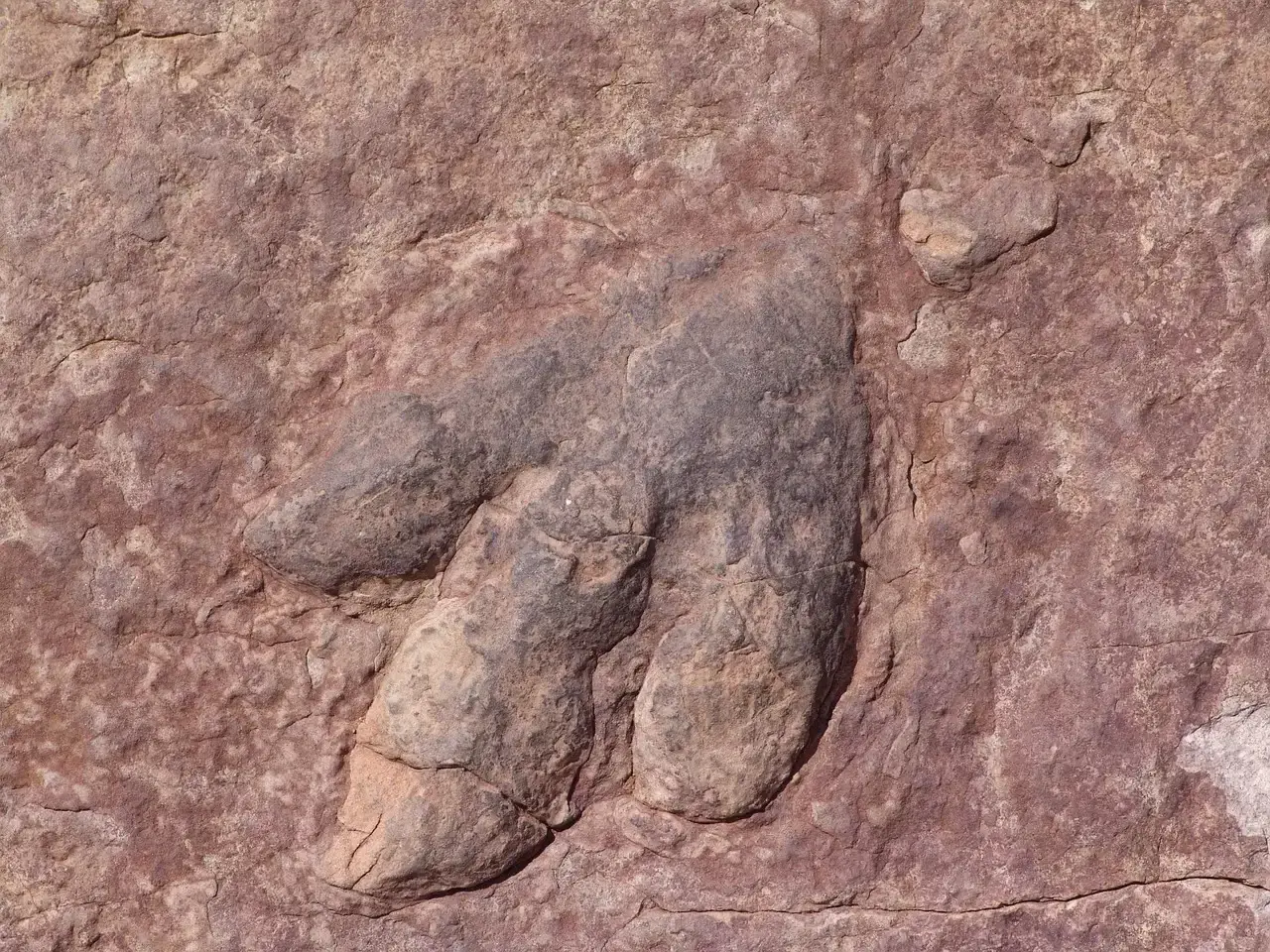
At Prehistoric Trackways National Monument near Las Cruces, you’re stepping into a world that existed long before dinosaurs ever evolved. The fossil trackways here date back roughly to the Permian period, when the land was home to reptile-like creatures, amphibians, and early ancestors of mammals. Instead of giant skeletons, you see stories written in footprints, tail drags, and swim marks pressed into ancient mud flats that later turned to stone.
Visiting the monument usually means venturing out on more rugged, less commercialized trails, which adds to the feeling that you’re genuinely exploring. You follow washes and ridges while imagining shorelines and lagoons teeming with life that would look utterly alien today. Guided hikes and ranger programs, when available, help you interpret what you’re seeing and connect individual tracks to types of animals that once shuffled, ran, or swam across these surfaces. It’s a place that rewards curiosity and patience, especially if you like the idea of reading the landscape like a detective puzzle from deep time.
Waco Mammoth National Monument, Waco, Texas
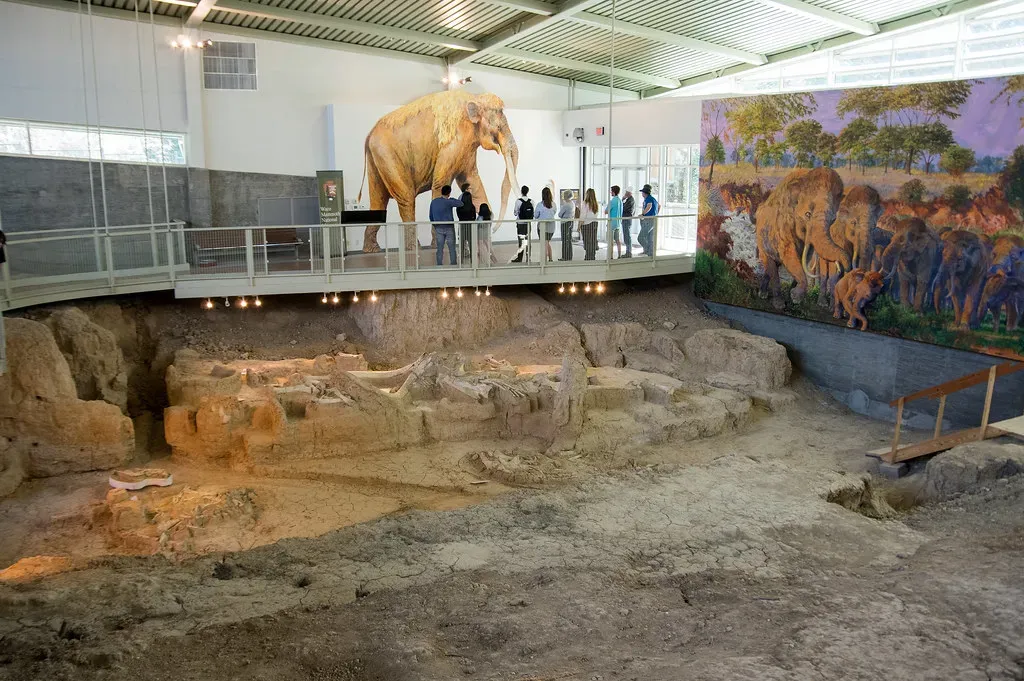
Waco Mammoth National Monument gives you an unusually intimate look at Ice Age life – and death. Here, you stand above an active dig site where the remains of a nursery herd of Columbian mammoths were uncovered in a single area, along with other animals that shared their world. Instead of seeing polished bones in glass cases, you peer down at real fossils still embedded in the ground, preserved inside a climate‑controlled shelter that protects both the site and your comfort.
As you walk the short trails and boardwalks, it’s easy to picture these enormous animals moving across a grassy landscape not that different from parts of Texas today. Exhibits explain how floods likely played a role in trapping and burying the herd, turning a tragic event into a priceless scientific snapshot. Because research is ongoing, you’re visiting a place where new findings can still change what scientists know about mammoth behavior. It’s a powerful reminder that the Ice Age ended relatively recently in geologic terms, and that the line between your world and theirs is thinner than it feels.
Bringing Deep Time Into Your Modern Road Trip
When you link these eight places together in your mind, you start to see the US less as a map of states and more as a patchwork of ancient worlds. You’ve got dinosaur rivers, petrified forests, early mammal playgrounds, and Ice Age hunting grounds all stitched into the same continent you drive across for work or vacation. That realization can make even an ordinary road trip feel different, because you know that every hill and cliff might be hiding a story written millions of years before your car rolled by.
You don’t need to be a scientist to appreciate any of this; you just need a willingness to look a little closer and let your imagination step into the footprints, forests, and fossil beds you visit. If you plan even one stop at a prehistoric site on your next trip, you’ll carry that sense of deep time home with you, and everyday landscapes may not look quite so ordinary anymore. So, next time you’re browsing maps and planning routes, which ancient world are you going to walk into first?