You probably imagine the ancient world as slow, isolated, and quiet, but if you could step back a few thousand years, you’d find something very different: a buzzing web of paths, caravans, boats, and barges moving people and goods in every direction. Long before planes, trains, and shipping containers, early traders were hauling obsidian, salt, spices, ideas, and stories across mountains and seas, often risking their lives in the process. In a way, those people laid down the first strands of the global network you live in today.
As you trace these routes, you start to see that trade was never just about stuff. It was about connection and curiosity – people wanting what others had, but also wanting to know how others lived, what they believed, what they knew. When you follow the trails of ancient merchants, you’re really following the early pathways of globalization, diplomacy, and even science. Once you see that, history stops looking like a series of isolated civilizations and starts to look like one big, messy, interwoven conversation.
The First Paths: How Simple Trails Became Global Lifelines
Imagine yourself in a small prehistoric community, where everything you own comes from the land within walking distance. At some point, someone in your group realizes that the stone they can get from a distant volcano cuts better than anything nearby, or that the shells from the coast make better ornaments than bones. So a few brave people set off, walking farther than most around them think is reasonable, following rivers, animal paths, and mountain passes. Those first journeys seem small, but they plant the seed of something enormous: regular, predictable routes between distant places.
Over time, these simple footpaths stop being one-off adventures and start turning into arteries of movement. You begin to see certain valleys, riverbanks, and passes used again and again, slowly beaten into tracks by countless feet and hooves. As more people travel them, these routes become safer, better known, and more connected: a camp here, a small market there, a place to cross the river over there. Without anyone planning it, you’re watching the birth of trade corridors – paths that will one day link entire regions and, eventually, continents.
Stone, Shells, and Obsidian: What Early Humans Were Really Trading
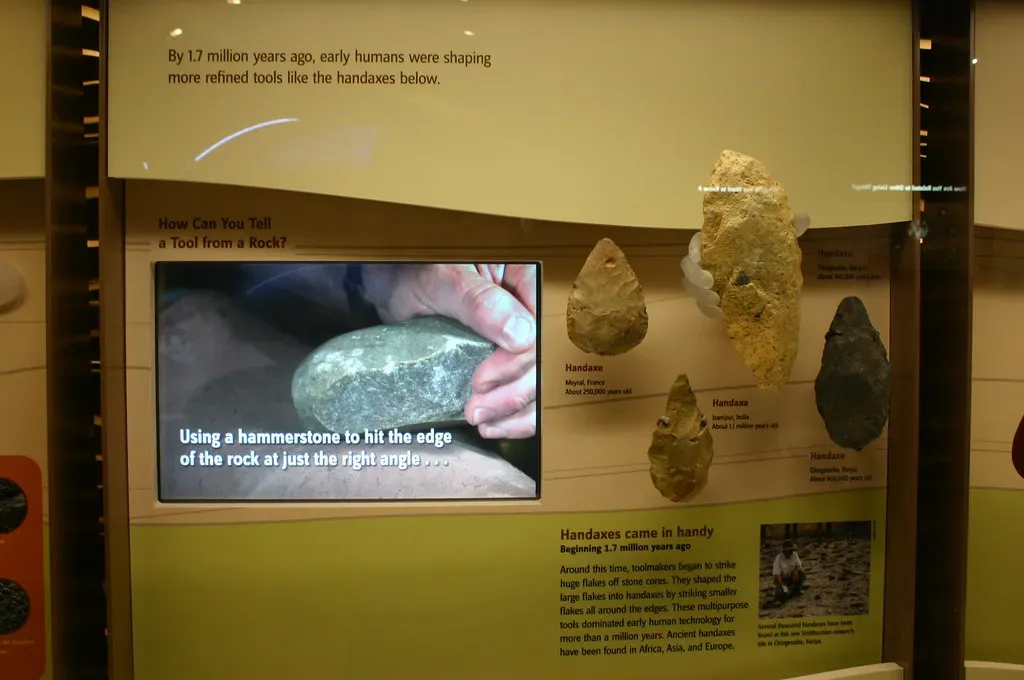
When you picture ancient trade, you might jump straight to gold and silk, but the earliest global “currencies” were often much more humble. You would have seen people trekking long distances for obsidian, a volcanic glass that could be shaped into razor-sharp blades, and for flint, prized for its reliability in making tools and starting fires. Archaeologists have traced these materials traveling hundreds of miles from their sources, which tells you that even in the deep past, people weren’t just surviving in place – they were reaching out, swapping, and specializing.
Along coastlines and rivers, shells and beads also became highly valued exchange items, moving from one community to the next like a slow, physical version of social media. When you hold something in your hand that clearly did not come from where you live – a marine shell in an inland village, or a rare stone from a distant mountain – you’re literally touching proof of a long-distance connection. These simple objects carried more than economic value; for you, they would signal status, identity, and links to people you might never meet but still rely on indirectly.
Following the Water: Rivers, Lakes, and Coastlines as Ancient Highways
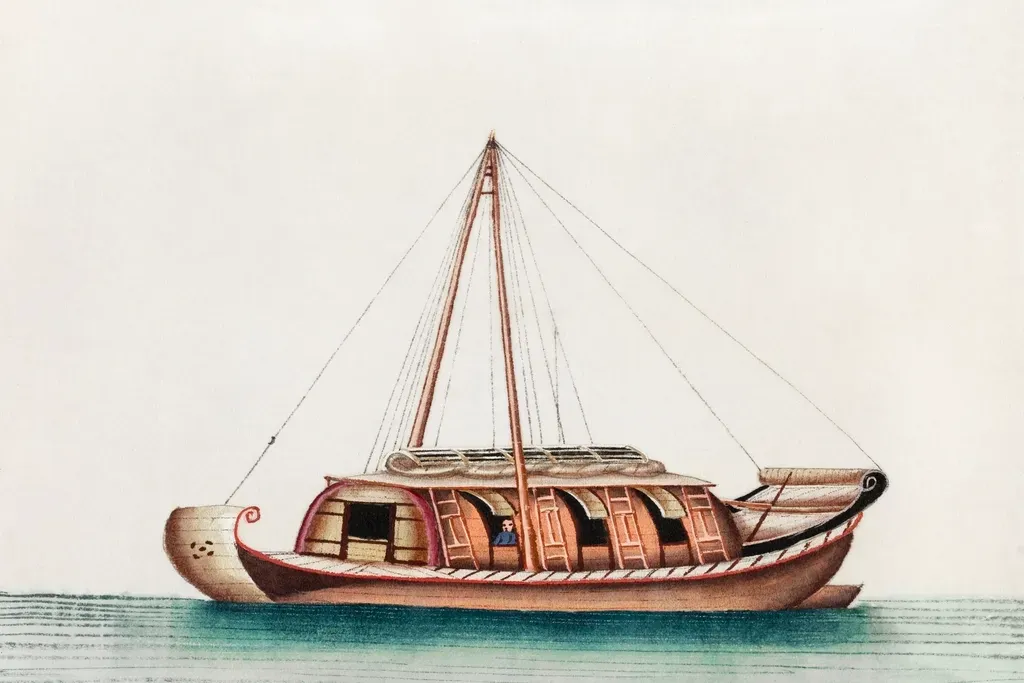
If you’ve ever tried to hike over rough ground on a hot day, you know how brutally slow land travel can be. Early traders figured out very quickly that water could do the heavy lifting for them. Instead of dragging heavy goods over mountains, you would load them onto rafts, dugout canoes, or simple boats and let the current or wind help you along. Great rivers like the Nile, the Tigris and Euphrates, the Indus, and the Yellow River were not just sources of water and fertile soil for farming – they became the original shipping lanes.
And it wasn’t just rivers. Hugging coastlines let you sail or paddle from one sheltered bay to the next without losing sight of land, slowly knitting together communities that had never met before. As you move along these watery routes, you’re not only carrying goods; you’re spreading crops, technologies, and even diseases, long before anyone has a name for any of it. When you look at a map today, those blue lines and jagged shorelines are not just geography – they’re the backbone of many of the oldest trade routes humans ever used.
Bridging Deserts and Mountains: Overland Routes and the Power of Caravans
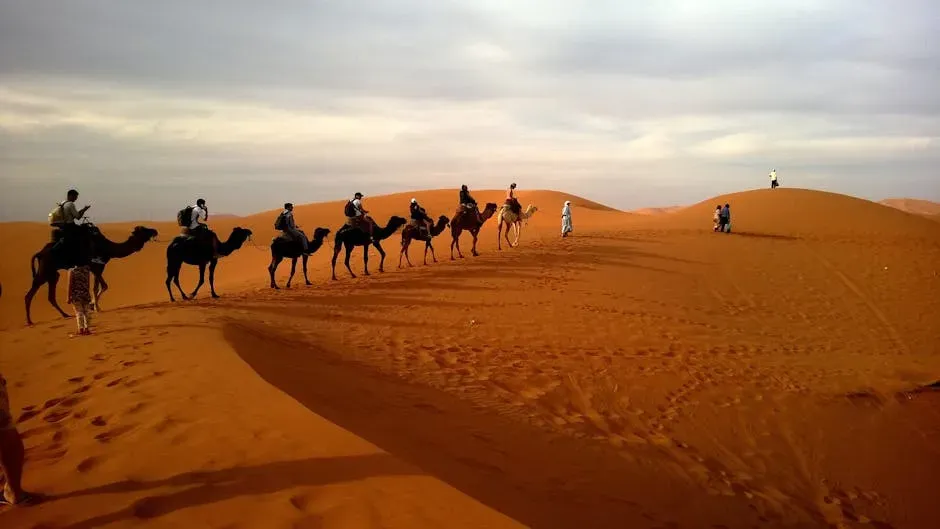
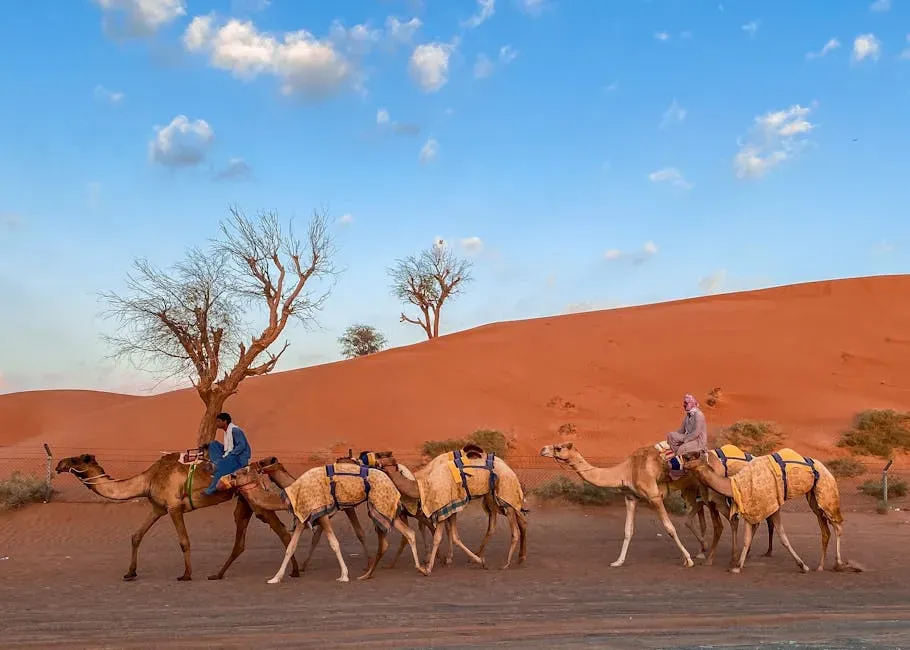
Of course, not every region had a convenient river or gentle coast, and some of the most important trade routes had to cross harsh, unforgiving landscapes. Picture yourself in a caravan stepping into a huge desert at dawn, knowing that water is scarce, the heat will be brutal, and a sandstorm could wipe away the trail. To make those journeys possible, traders traveled in large groups, using camels, horses, or donkeys, and relied on deep local knowledge of wells, oases, and safe resting spots. These caravans turned the impossible – crossing vast deserts or high mountain passes – into risky but repeatable journeys.
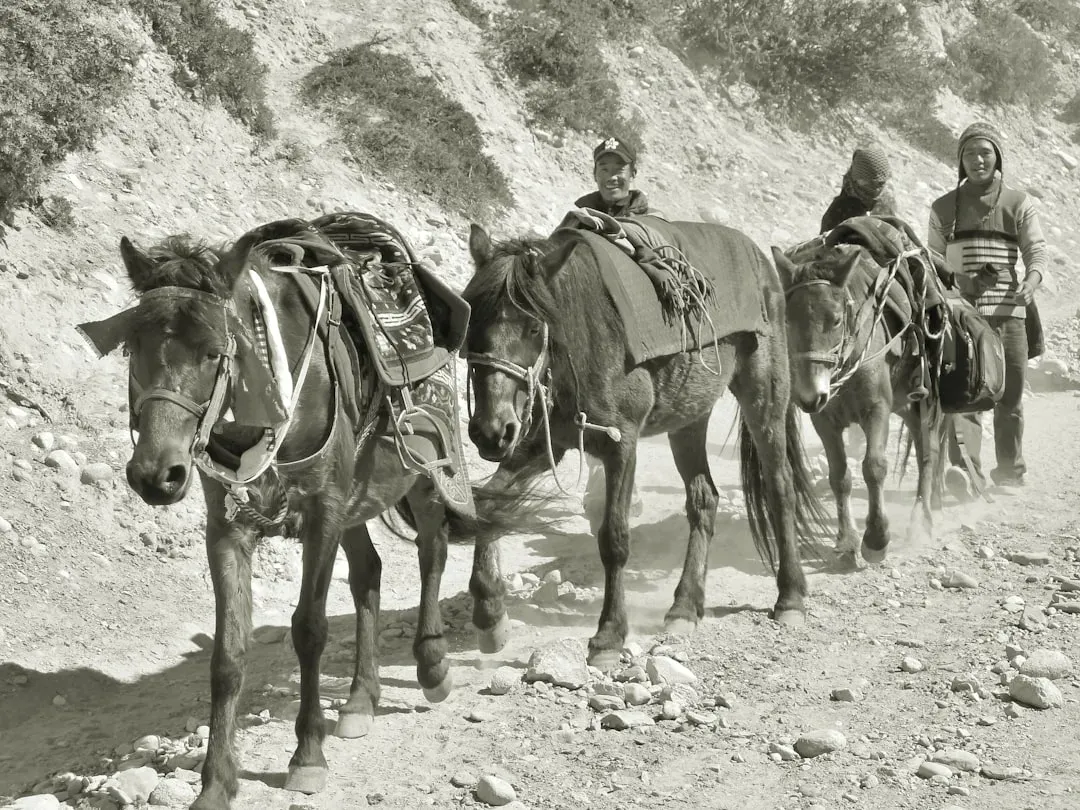
In mountain regions, you would see traders moving along narrow passes and ridges, often at altitudes where the air felt thin and every step demanded effort. There, you might rely on pack animals suited to the terrain or local guides who knew which passes were open with the seasons. Overland routes like these were slower and more dangerous than river or sea travel, but they offered something unique: they could connect entirely different environments, from highland herders to lowland farmers, from desert nomads to settled city dwellers. In doing so, they stitched together worlds that otherwise would have remained completely separate.
From Barter to Networks: How Trade Shaped Social and Cultural Exchange
At first, trade looks like a simple swap – you give someone grain, they give you tools. But as you look closer, you realize that trade routes quickly become much more than a marketplace on the move. When you travel to exchange goods, you are also bringing songs, stories, rituals, and gossip. You pick up a new farming technique in one place and share it in another; you hear about a new kind of building or tool and try it at home. Little by little, trade routes turn into channels for ideas, not just objects.
As these contacts deepen, your sense of identity shifts as well. You might start using a word you learned from another language, wearing jewelry in a style you saw on traders from afar, or adopting religious practices that first arrived with foreign merchants. Over time, certain crossroads become melting pots where you find people who speak multiple languages, know the customs of many regions, and can navigate the expectations of different groups. When you look at your own life today – how you eat food from other cultures, listen to music from distant countries, or use technology invented somewhere else – you are living out a modern version of the same process.
Risk, Reward, and Control: How Early Trade Routes Created Power
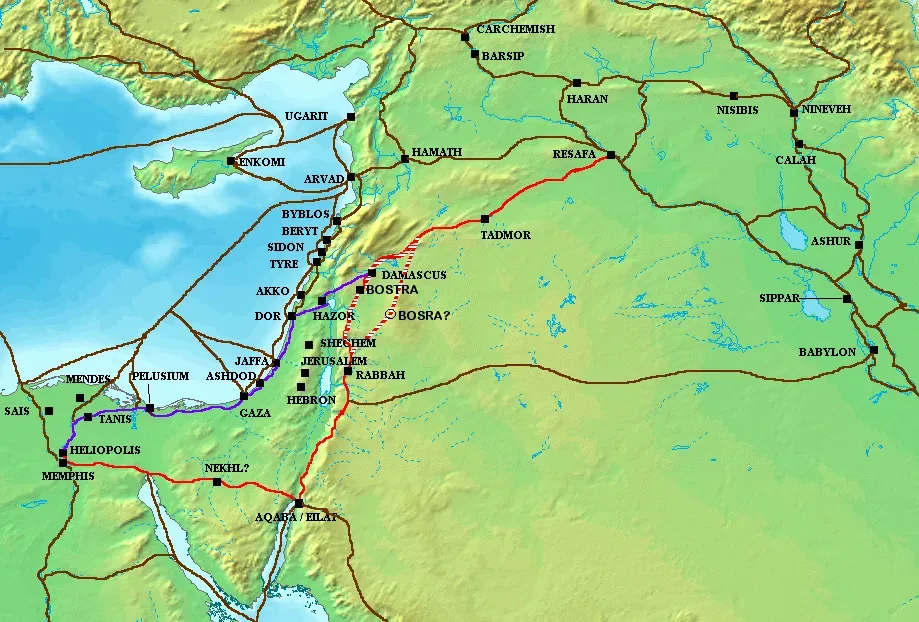
When you control a stretch of a busy trade route, you hold more than just land – you hold leverage. Ancient chiefs, city rulers, and later empires quickly realized that if they could guard a river crossing, a narrow mountain pass, or a key harbor, they could tax the goods moving through and grow rich without producing all those goods themselves. As a trader, you would often have to negotiate tolls, offer gifts, or form alliances just to move safely. The more valuable the traffic, the more tempting it became for rulers to fight over these strategic choke points.
This struggle over trade routes did not just shape local politics; it often reshaped entire regions. When one path became too dangerous, merchants looked for alternatives, sometimes opening up new corridors that shifted economic power elsewhere. If a city made trade easy, safe, and profitable, it could grow into a major center of wealth and culture, drawing in people from all directions. You can see the same pattern today when a new shipping route, canal, or logistics hub suddenly becomes crucial to the global economy – only the tools have changed, not the basic logic.
Echoes in the Present: How Ancient Routes Still Shape Your World
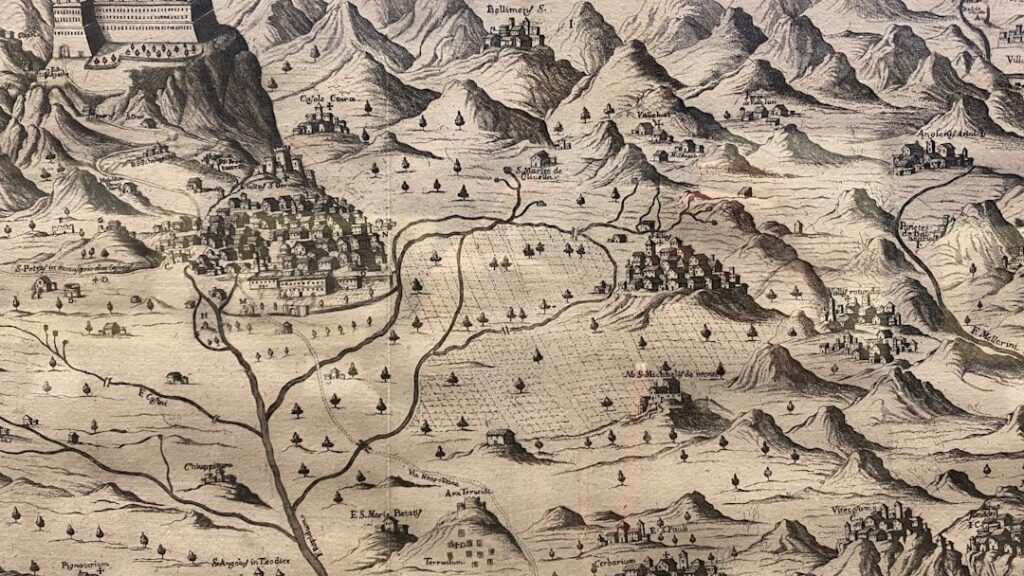
If you overlay many modern highways, rail lines, and shipping lanes onto old maps, you start noticing something eerie: you are often looking at upgraded versions of very old paths. The reason is simple: the easiest ways through difficult landscapes do not change just because you’ve invented engines and concrete. The same river valleys, coastal corridors, and mountain passes that early traders scouted are still practical routes today. In some places, bustling modern cities sit where ancient trading posts or crossroads once stood, continuing a pattern of connection that is thousands of years old.
Even your culture and daily routines still carry the fingerprints of those old exchanges. The foods you consider normal, the plants that grow in your fields or line your grocery shelves, and the technologies you take for granted often arrived in your region along trade routes long ago. When you drink a hot beverage made from a plant that originally came from another continent, or cook with spices that traveled across oceans in the past, you are participating in a very old habit: reaching beyond your immediate surroundings for things that make life richer, more varied, and more connected.
Conclusion: Seeing Yourself in the Web of Ancient Routes
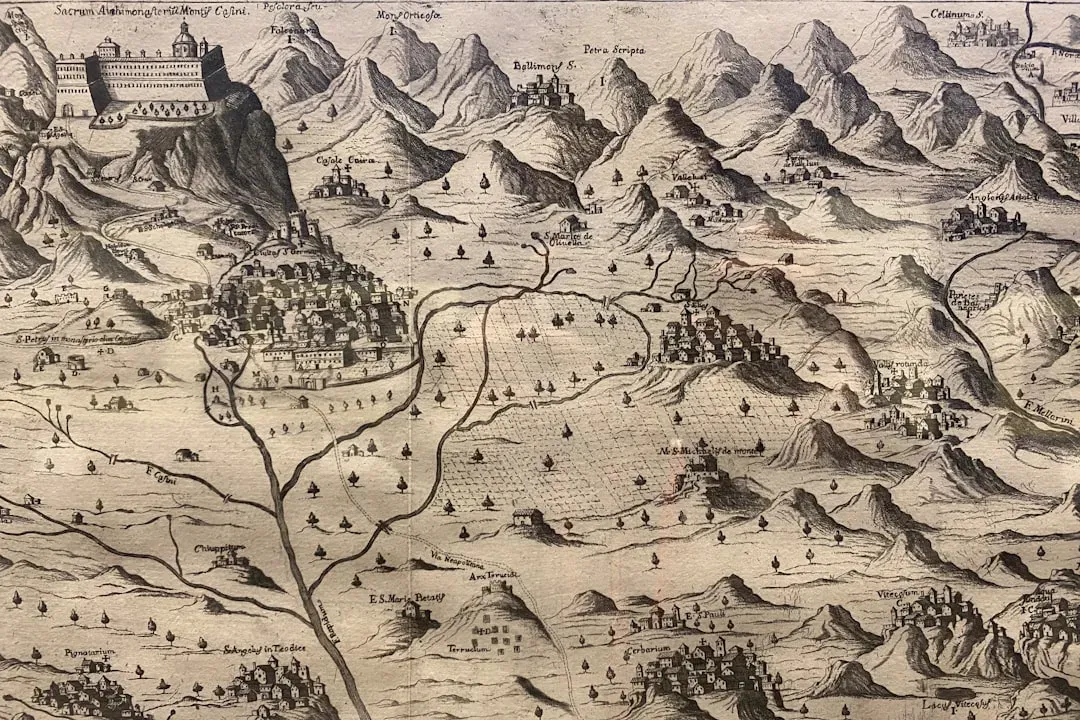
When you step back and look at the big picture, ancient trade routes stop feeling like dusty lines on a map and start to look more like an early version of the internet – slow, fragile, and risky, but astonishing in how far they could carry goods, knowledge, and hopes. You can imagine each trail, river, and coastline as a thread, and together those threads weave the first truly connected human world. Early traders did not have satellites, spreadsheets, or weather forecasts, yet through persistence, curiosity, and sometimes sheer stubbornness, they tied distant communities together in ways that still affect you now.
Next time you order something from across the globe or check where your food was grown, you can think of yourself as walking in the footsteps of those early merchants, just at a much faster speed. You are still relying on a network of routes, relationships, and shared trust that took thousands of years to build. In that sense, uncovering ancient trade routes is not just about understanding the past; it is about recognizing the deep roots of your own interconnected life. When you picture those first caravans and boats setting off into the unknown, how different do you really think you are from the people who took that risk?