
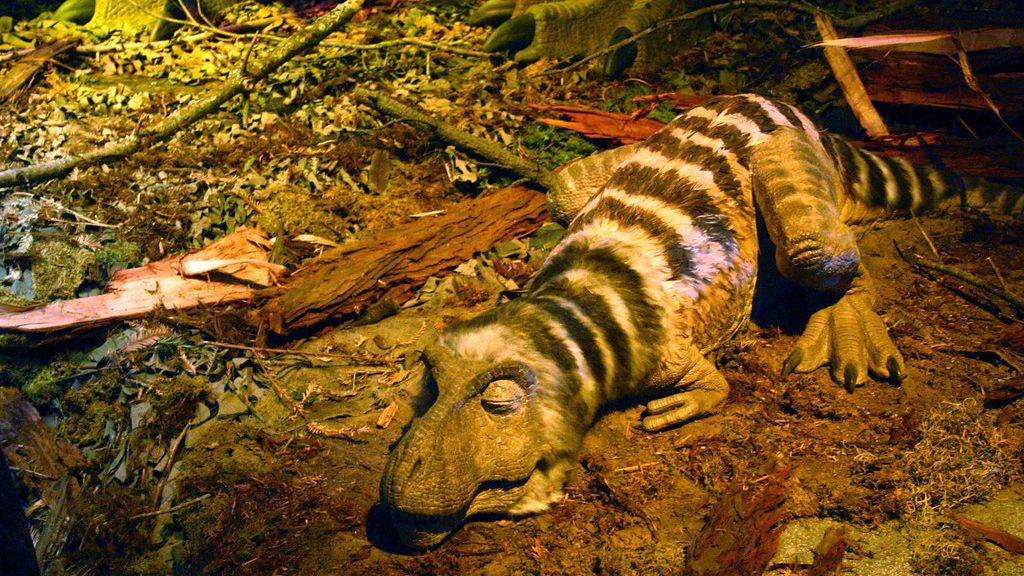
If you could go back in time and watch a herd of dinosaurs for twenty‑four hours, you probably would not see a nonstop monster marathon. At some point, even these prehistoric powerhouses had to shut down, close their eyes, and reset. The tricky part is that you and every scientist alive today are trying to figure out those ancient sleep habits from nothing more than bones, rock, and a few incredibly lucky fossils.
That might sound impossible at first, but once you know what to look for, the clues start piling up. You can read growth rings in bones like tree trunks, study tiny details in fossilized brains, and compare dinosaur anatomy to living animals that share the same evolutionary branches. When you pull all those lines of evidence together, you end up with a surprisingly rich picture of how, when, and maybe even where dinosaurs rested.
You Cannot See Sleep in Stone, But You Can See Its Footprints
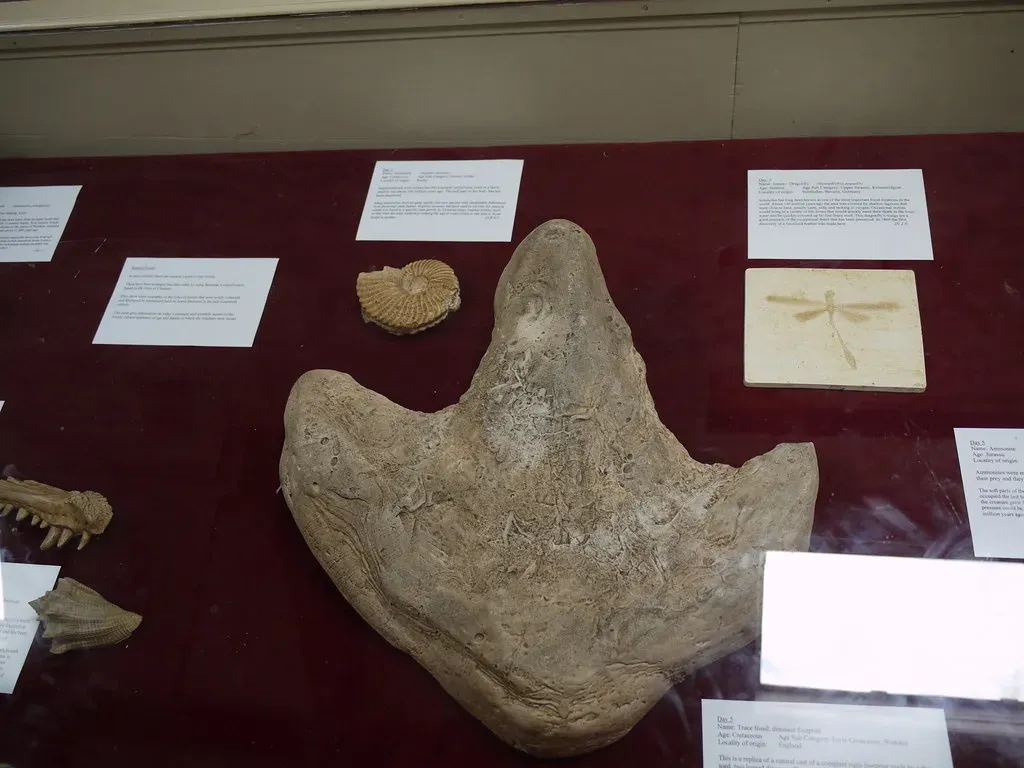
When you look at a dinosaur skeleton in a museum, you are not seeing sleep directly, but you are absolutely seeing its consequences. Just like you need regular rest to grow and repair your body, a dinosaur’s bones show patterns that only make sense if the animal cycled between activity and recovery. Inside those bones are growth rings, pauses, and rhythms that suggest periods of faster and slower growth, much like you see in modern reptiles and birds, which both clearly need sleep.
You also see indirect hints in their physiology. Large bodies, active metabolisms, and complex brains all come with energy demands that living animals manage partly through sleep and rest. If you imagine a huge sauropod or a fast‑moving raptor never stopping, you quickly run into biological limits: muscles would fail, immune systems would crumble, and growth would stall. So even if you cannot watch a T. rex yawn, the biology written in the bones tells you that regular rest was not optional.
Modern Birds and Crocodiles Are Your Time Machine
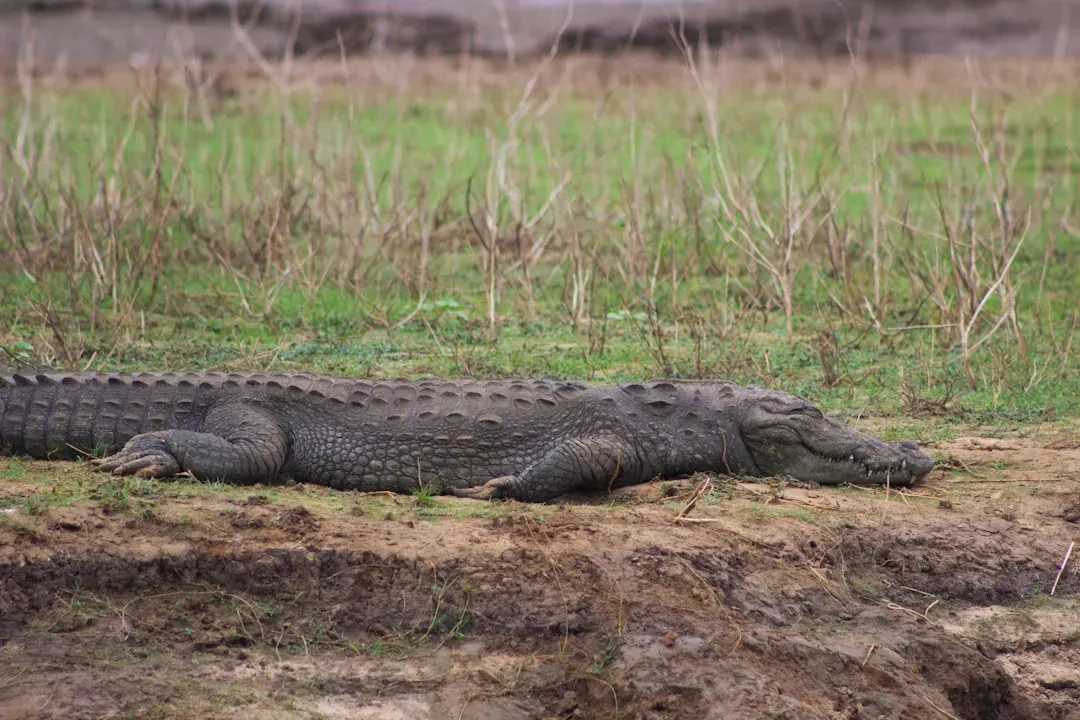
To get closer to prehistoric sleep schedules, you have to lean on the animals that bracket dinosaurs on the family tree: birds and crocodilians. You know birds are descendants of theropod dinosaurs, and crocodiles are close reptile cousins that share a more distant ancestor. Both of these groups sleep, and they sleep in some surprisingly sophisticated ways. Many birds show short, intense bouts of sleep, sometimes with one half of the brain staying awake, especially during migration or while resting on open water.
Crocodiles, on the other hand, sleep with one eye open, literally, and can keep part of their brain alert while the rest rests. When you put these patterns together, it suggests that dinosaur sleep was probably flexible and adaptive rather than simple or uniform. You are not looking at deep hibernation or permanent hyper‑alertness, but shifting balances of light sleep, deeper rest, and wakefulness that matched each species’ lifestyle, just as you see across bird and reptile species today.
Night Owls, Day Hunters, and Everything In Between
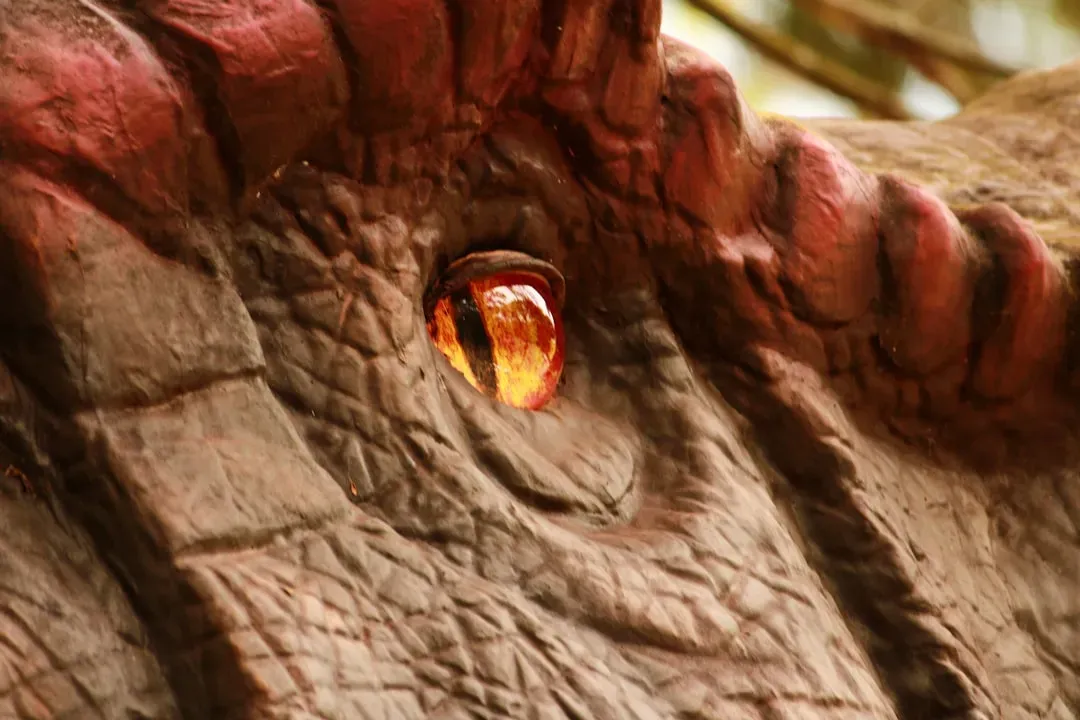
Even though you cannot ask a dinosaur whether it preferred mornings or nights, you can get clues from the eyes. In some fossils, the size and shape of the eye socket and the bony ring inside it hint at how much light those eyes were built to use. When you compare those structures to modern animals, you find that some dinosaurs had eyes more similar to daytime hunters, while others look more like dusk, dawn, or nighttime specialists.
That means their daily activity cycles – and therefore their sleep – were probably spread across the clock. A small, agile predator might have been most active at dawn and dusk, grabbing short rests between hunting windows, while a large plant‑eater might have dozed in safer periods, balancing feeding and vigilance. You can imagine ancient landscapes where some dinosaurs were settling into sleep just as others were waking up, a layered, rotating schedule of rest and activity rather than one fixed dinosaur “bedtime.”
Could Giant Dinosaurs Even Lie Down to Sleep?
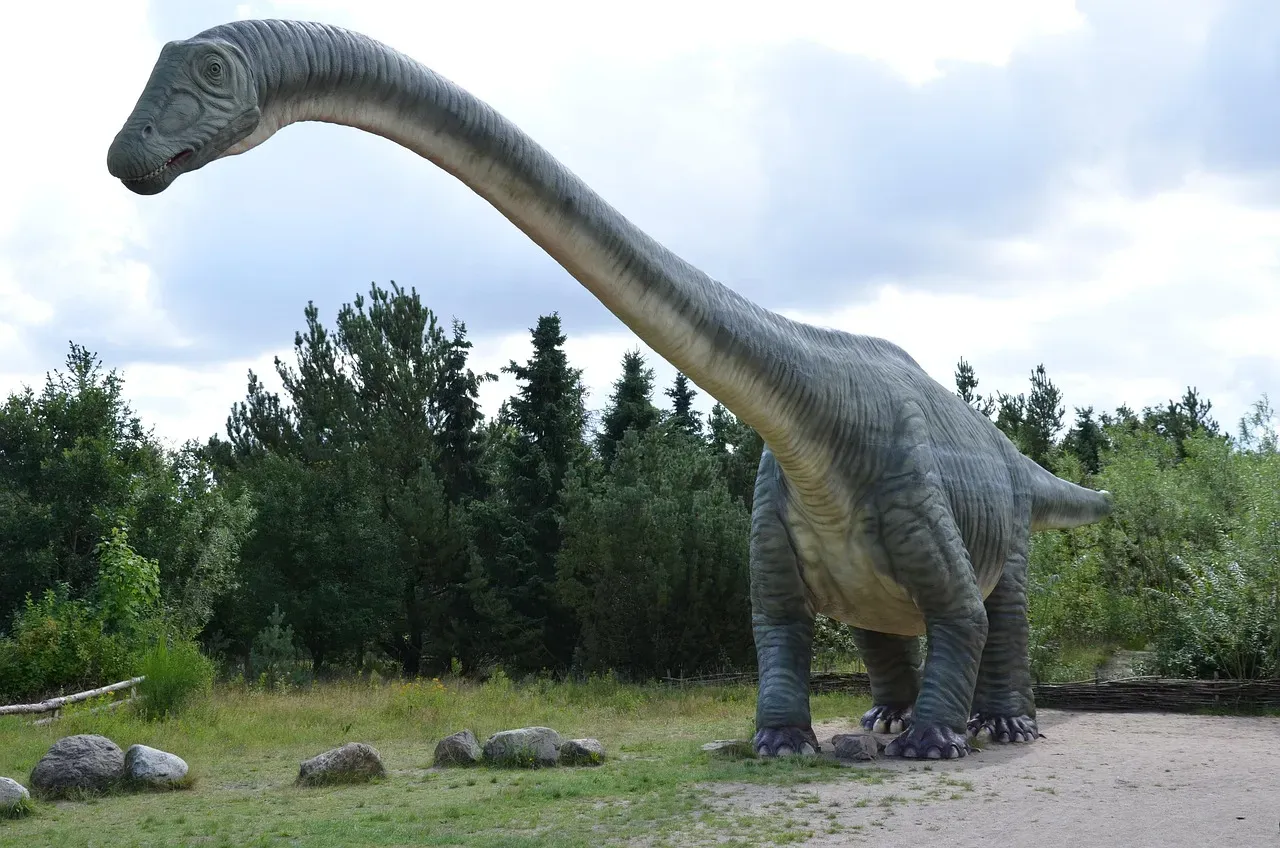
When you picture a massive sauropod, it is natural to wonder how such a giant animal ever got comfortable enough to sleep. There is a real biomechanical puzzle there: getting a multi‑ton body down to the ground and back up again is risky and energy‑intensive. Large modern animals, like elephants and giraffes, give you a hint. They do lie down and sleep, but often for short stretches, and they mix that with periods of standing rest and drowsy alertness.
So you can reasonably imagine that many giant dinosaurs used similar strategies. A huge herbivore might have dozed while standing, locked joints taking some of the strain, then occasionally committed to lying down when it was safer or when deeper rest was necessary. Smaller dinosaurs, like many theropods or early bird‑like species, probably had far more freedom to curl up, tuck in their limbs, and rest in ways that look surprisingly like the birds you see perching and roosting today.
Fossil Snapshots of Dinosaurs Curled Up Asleep
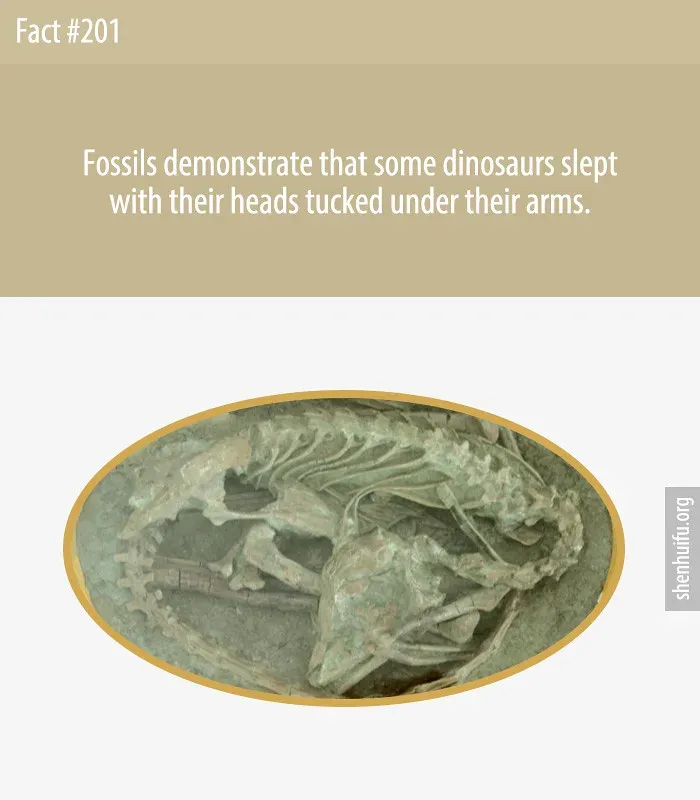
Every once in a while, you get incredibly lucky and find a fossil that looks like a frozen moment in time. Some small, bird‑like dinosaurs have been found tucked up with their heads under their arms or tails wrapped around their bodies, strikingly similar to how living birds sleep. When you see that posture repeated in different individuals and species, it stops feeling like coincidence and starts looking like a regular sleep position that helped conserve heat and protect vulnerable parts of the body.
There are also dinosaur fossils preserved in burrows and curled up in ways that clearly suggest rest rather than active movement. You can treat these as snapshots of behavior: you are not guessing whether that animal could sleep; you are probably looking at how it slept when it died suddenly, maybe during a storm, volcanic event, or rapid burial. Those rare fossils help bridge the gap between anatomy and real life, giving you a glimpse of sleep as a daily behavior, not just a theoretical need.
Predators, Prey, and the Constant Trade‑Off Between Sleep and Safety
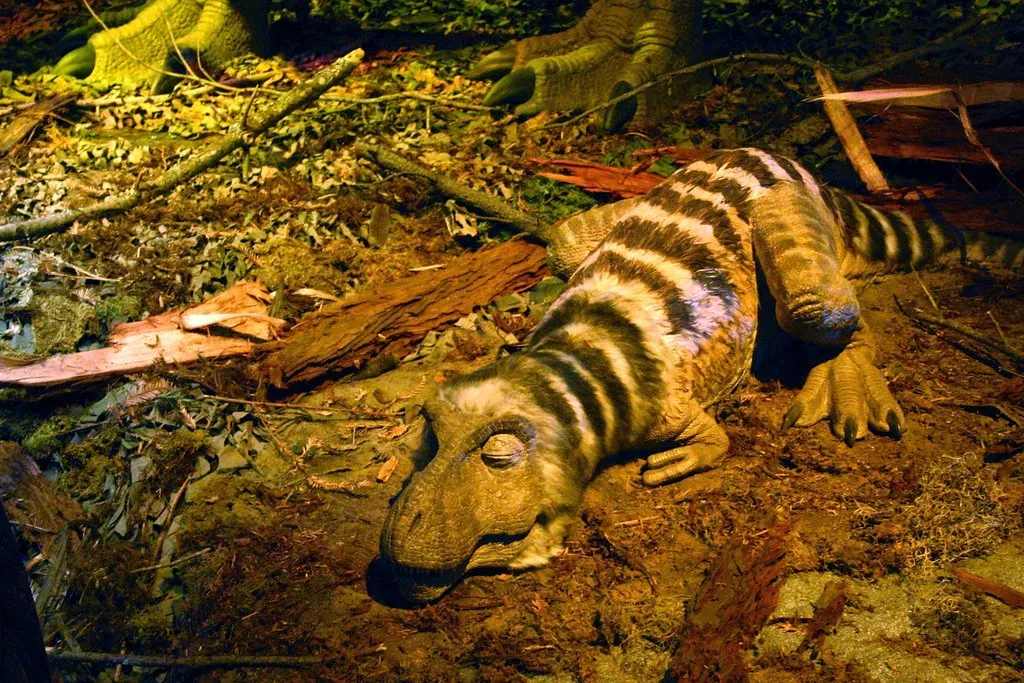
If you think about your own sleep, you know it is a balance between needing rest and staying safe, and the same logic holds for dinosaurs. Prey species likely could not afford long, unbroken stretches of deep, helpless sleep, especially in open environments. Instead, they probably relied on short bouts, light dozing, and group behavior, much like herds of antelope or flocks of geese today. Sleeping near others can mean more eyes and ears on alert, even if each individual only rests lightly at a time.
Predators had a different problem: they might have had safer resting spots, but they also needed to time their sleep around hunting opportunities and the movements of prey. A large carnivore burning huge amounts of energy in a burst of activity would then need extended rest to recover, much like big cats today spend much of their time sleeping or lounging. You can imagine dinosaur ecosystems running on the same trade‑offs you see now, where every animal constantly negotiates how much it can afford to sleep without losing its chance to eat or its chance to survive.
Brains, Metabolism, and the Mystery of Dinosaur Dreaming
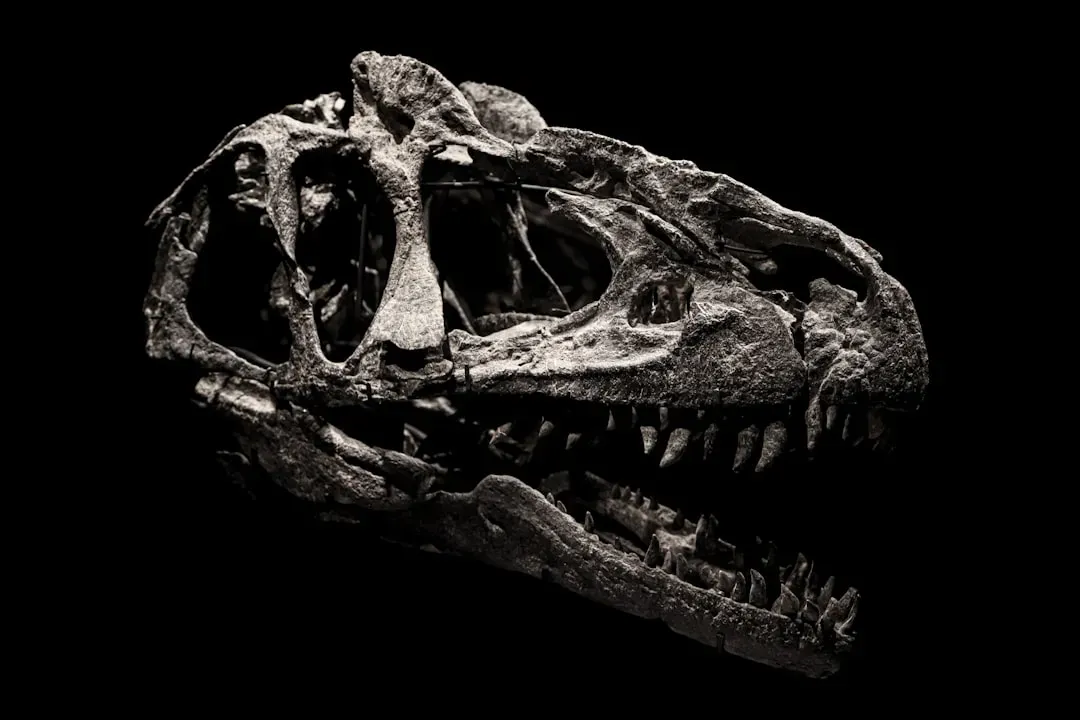
When you look at the brain cases of some dinosaurs and compare them to birds, you see signs of relatively complex brains and active metabolisms, especially in smaller, more agile species. In living animals, that combination of a high‑energy lifestyle and a capable brain usually goes hand in hand with structured sleep, including different stages and deeper phases that help with memory and repair. You cannot measure brainwaves in a fossil, but you can reasonably suspect that at least some dinosaurs had more than a simple on‑off rest mode.
Modern birds and mammals show cycles of lighter and deeper sleep, and in birds you see quick eye movements and brain activity that hint at dream‑like processes. If you follow that line of thought carefully and stay honest about the limits, you can say this: dinosaurs likely had sleep that was more organized than the basic torpor of many reptiles, especially in bird‑like species, but you cannot claim detailed stages or dream content. Still, it is hard not to wonder what a dozing raptor’s brain might have replayed from a day of hunting and exploring.
What You Can Say for Sure – and Where You Have to Be Careful
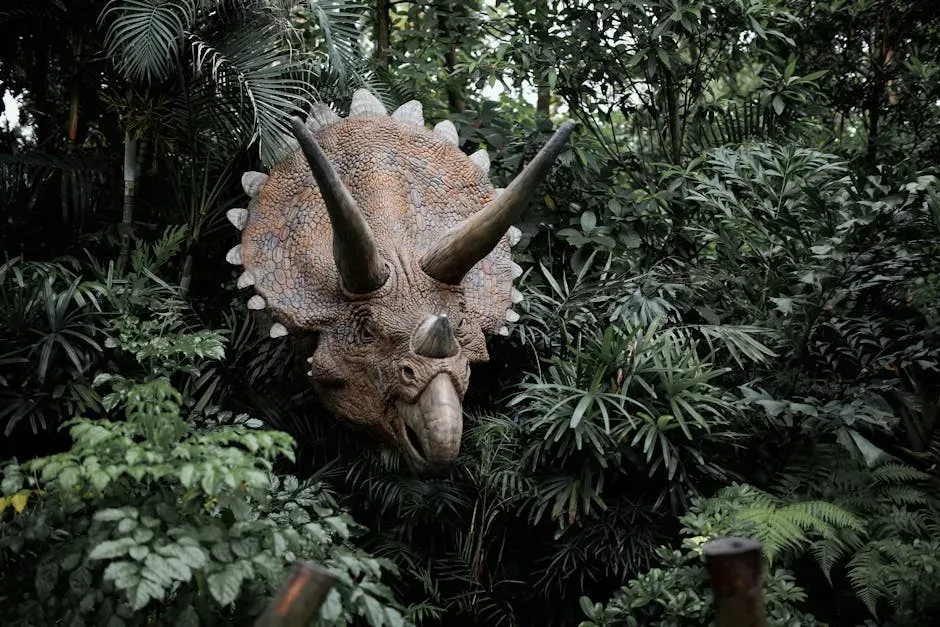
By now, you can see that the answer to whether dinosaurs slept is not really in doubt. Everything you know about animal biology, from energy budgets to bone growth to brain function, points in the same direction: these creatures needed regular rest to survive, grow, and reproduce. You have fossils that catch them in sleep‑like positions, modern relatives that show intricate sleep patterns, and biomechanical realities that make nonstop activity impossible. Sleep, in one form or another, was simply part of dinosaur life.
Where you have to tread more carefully is in the fine details: exact sleep durations, precise stages of brain activity, or whether specific species napped at noon or midnight. Those are places where the evidence thins out and imagination wants to rush in. If you stay grounded, you can paint a vivid but honest picture: prehistoric beasts that curled up like birds, dozed like crocodiles, balanced risk and rest like deer and lions, and woke each day to the same basic rhythm you know today – move, eat, avoid danger, and eventually, sleep again.
In the end, thinking about dinosaur sleep pulls them closer to you. They stop being distant monsters and start feeling more like real animals that got tired, sought comfort, and needed downtime just as you do. Their days were louder and more dangerous than yours, but their nights were probably full of the same quiet vulnerability that comes with closing your eyes. When you next look at a fossil skeleton, can you picture not just how it roared or ran, but also how it rested?