
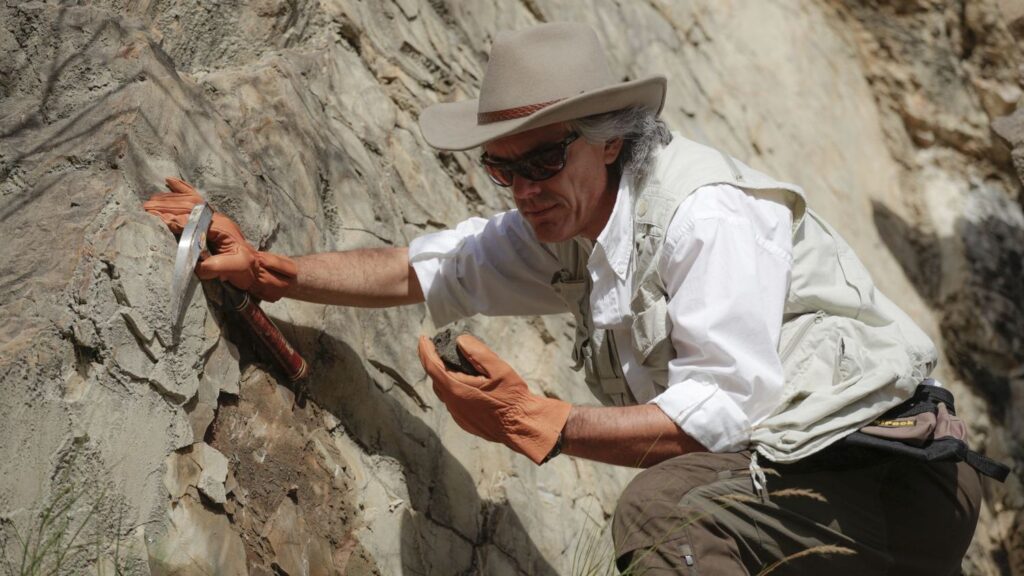
You know that feeling when you stumble on a random fact and suddenly you’re ten tabs deep, wondering how you got from dinosaurs to dark matter? That’s the paleontologist energy: digging, sifting, connecting, following a hunch simply because you need to know what’s buried underneath. Some zodiac signs live in that energy almost all the time. They treat life like a field site, the past like a puzzle, and every conversation like a chance to uncover a new fossil of truth.
In astrology, curiosity shows up in different ways: mental restlessness, love of research, hunger for experience, or a drive to understand how things became what they are. When you combine that with a taste for adventure, you get a personality that doesn’t just ask questions but goes out into the wild to chase the answers. Among the twelve signs, three stand out for having the curiosity of an adventurous paleontologist: Gemini, Sagittarius, and Scorpio. You might already feel yourself in one of these descriptions.
Gemini: The Mental Excavator of Ideas

If you’re a Gemini, your mind is like a constantly rotating dig site, moving from one trench of thought to another, cataloguing fragments of information, and reconstructing bigger stories from scattered pieces. You’re the type who hears one casual comment about an ancient civilization and suddenly spends the rest of the evening reading about fossils, lost cities, and climate shifts thousands of years ago. Just like a paleontologist brushes away layers of dust, you mentally brush past headlines and surface-level gossip because what really hooks you is the context behind everything.
You probably notice that you collect facts the way others collect souvenirs. A date here, a detail there, a strange theory someone mentioned once, and then your brain effortlessly links them together when you least expect it. Conversations with you can feel like guided tours through a museum of ideas: you jump between eras, topics, and disciplines, and somehow it all fits. Your adventurous streak tends to be social and intellectual more than purely physical; you want to explore different people’s perspectives, new books, niche podcasts, and rabbit holes that most people never think to enter.
Sagittarius: The Field Explorer of Time and Culture

If you’re a Sagittarius, you don’t just want to read about the past from a distance; you want to stand where it happened. You’ve probably daydreamed about hiking through ancient sites, visiting fossil beds, or walking through deserts and cliffs where you can see the layers of the earth stacked like pages in a history book. Your curiosity is not satisfied by theory alone. You need the smell of dust, the feel of the wind, the sense of scale that only comes when you’re actually there, even if “there” is just the closest museum or natural history exhibit in your town.
You tend to see history as a story still in progress, not something finished and locked away. That is exactly how an adventurous paleontologist looks at the earth: not as a dead archive, but as a living record still being interpreted. You’re drawn to big questions: how species evolved, how civilizations rose and fell, what beliefs shaped people’s choices. Travel, philosophy, and science all blend together in your mind, and you naturally look for the meaning behind the facts. You are at your happiest when you’re free to roam, ask unfiltered questions, and follow your hunches beyond the edges of the map.
Scorpio: The Deep-Dig Detective of Hidden Truths
If you’re a Scorpio, you have the emotional and psychological version of a paleontologist’s patience. You’re willing to sit with mysteries longer than most people can stand, and you instinctively know that the most important truths are buried under many layers of fear, secrecy, and denial. Instead of bones, you uncover motives. Instead of fossils, you search for patterns in behavior, power, and desire. Nothing about the human story feels too dark or too complex for you; in fact, the more taboo or hidden it is, the more you feel compelled to understand it.
You likely approach research like an investigation. You go beyond first impressions, cross-check what you hear, and dig through backstory until the deeper narrative appears. This is the same energy a paleontologist uses when reconstructing a long-extinct creature from just a few fragments. You sense what is missing and infer what once was there. Emotionally, you might travel to some intense places, but that is part of your adventurous side: you are willing to confront uncomfortable truths because you know that real understanding rarely comes from staying on the surface.
How Curiosity Shows Up in Your Everyday Life

You might not be out in the desert with a pickaxe and a clipboard, but if you share this paleontologist-style curiosity, it shows in small, everyday habits. You’re the one who pauses movies to look up whether a detail is historically accurate. You click through footnotes and reference lists. When someone tells you a story, you catch inconsistencies, ask follow-up questions, and mentally map out the sequence of events. You treat even casual topics like mini field studies, constantly layering new information on top of what you already know.
You probably notice that boredom hits you hard when there is nothing to explore. Routine without discovery feels like a room without windows. That is why you might fill your time with documentaries, long-form articles, virtual tours, deep-dive conversations, or hands-on experiments. You turn hobbies into investigations: gardening becomes a lesson in soil and climate; cooking becomes a study of culture and migration; hiking becomes a way to read the landscape like a fossil record. The common thread is that you are always learning what lies behind what you can see at first glance.
Turning Your Paleontologist Curiosity into a Life Path
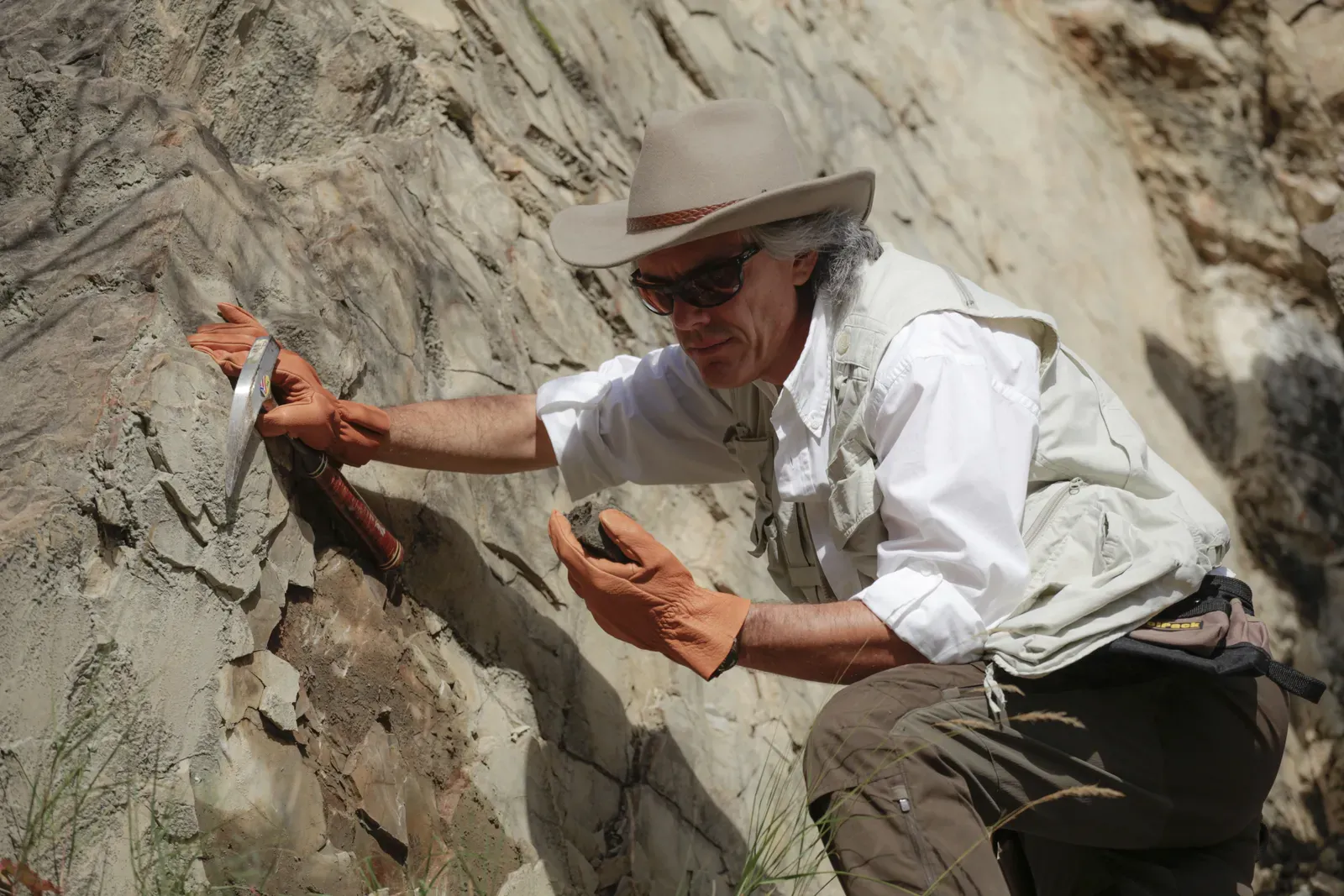
When you lean into this kind of curiosity, you can build a life that constantly feeds your need to explore, question, and understand. That might mean formal study in fields like history, archaeology, geology, psychology, or anthropology, but it can also look like teaching yourself through open courses, community programs, or personal projects. You might volunteer at museums, join local science groups, or travel to places that hold historical or natural significance. The important part is giving yourself permission to follow your fascinations, even if they seem niche or impractical at first.
You can also weave this energy into careers that benefit from deep research and long-range thinking. Fields like investigative journalism, data analysis, environmental science, counseling, or cultural studies all need people who are willing to dig for buried patterns and connect the dots. Even if you work in something completely different, you can bring a paleontologist mindset to your job by asking: what is really going on underneath the surface here, and what story do these fragments tell when you put them together? That question alone keeps your work feeling meaningful instead of mechanical.
Relationships and Conversations with a Paleontologist Mind
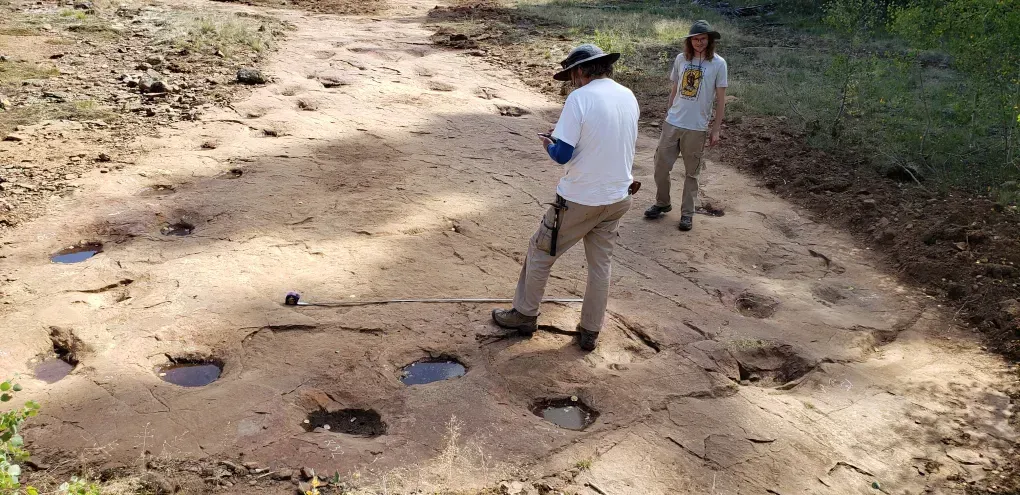
In relationships, your adventurous curiosity makes you a fascinating person to talk to, but it can also be intense for people who prefer to stay on lighter topics. You might be the friend who remembers someone’s childhood detail from a conversation years ago and connects it to something they are going through now. You do not just accept people’s self-descriptions; you notice their contradictions, unspoken fears, and unclaimed strengths. In a way, you treat every close connection like a personal excavation, gradually revealing deeper layers of who they really are.
To keep this from feeling overwhelming for others, you can learn to balance your probing questions with warmth, humor, and patience. When you create a safe space around your curiosity, people often feel strangely relieved to be seen so deeply. You might find that your best conversations happen late at night, on long walks, or in quiet corners where you and someone else can wander through memories, theories, and what-ifs together. The same energy that would have you brushing dust off fossils becomes, in relationships, the gentle patience to help someone brush away the old stories that no longer fit them.
Embracing the Explorer Within, No Matter Your Sign
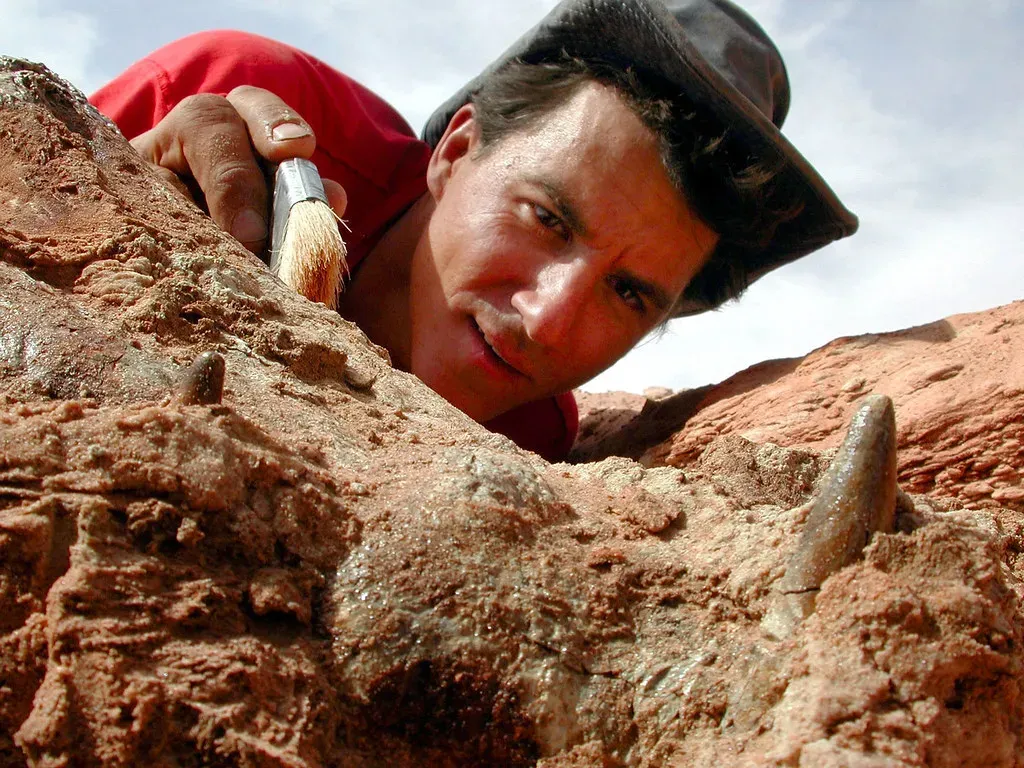
Even if you are not a Gemini, Sagittarius, or Scorpio, you probably recognize pieces of this paleontologist curiosity in yourself. You might feel it as a pull toward certain documentaries, a sudden obsession with a historical period, or a desire to know how your own family’s story unfolded across generations. You do not need a specific sign to give yourself permission to dig into what fascinates you. Astrology simply gives you a language to notice where your natural tendencies already lean toward exploration, research, or meaning-making.
When you honor that explorer within, you start to treat your life less like a straight line and more like an excavation site full of layers you have not uncovered yet. Your interests, your habits, even your old wounds all hold clues about who you are and what you are here to learn. You do not have to figure it out all at once; you just have to keep brushing away a little dust at a time. Who knows what kind of ancient, powerful, or beautiful truths about yourself you might uncover if you keep going just a bit deeper than you did yesterday?
In the end, having the curiosity of an adventurous paleontologist is not really about dinosaurs or deserts; it is about how you choose to approach reality itself. You can move through life skimming the surface, or you can treat every day like a chance to uncover something hidden, connect scattered clues, and rewrite the story you thought you knew. When you do that, you turn even ordinary moments into discoveries. So, if you had to guess, which layer of your own life is waiting to be unearthed next?