
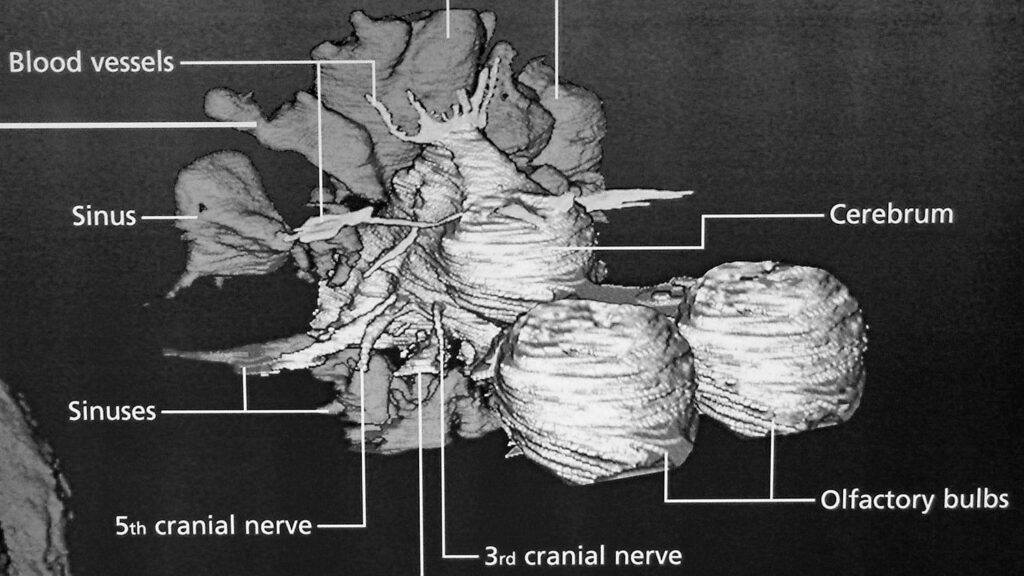
If you grew up picturing dinosaurs as giant, lumbering reptiles with pea‑sized brains, you’re in for a bit of a shock. Over the past few decades, paleontologists have torn that stereotype apart, uncovering evidence that some dinosaurs were far sharper, more social, and more adaptable than anyone expected. The story of dinosaur intelligence is not a straight line from “stupid lizard” to “secret genius,” but it’s far more interesting than the old cartoons ever suggested.
What fascinates me most is that we’re piecing all of this together from fossils: bones, tracks, rare impressions of soft tissue, and comparisons with living animals like birds and crocodiles. It’s detective work with a time gap of more than sixty million years. As you read through these nine facts, keep one thing in mind: scientists are still arguing, refining, and discovering. The result is a picture that’s both grounded in evidence and full of open questions – exactly the kind of scientific mystery that keeps people like me hooked.
1. Some Dinosaurs Had Brain‑to‑Body Ratios Similar to Modern Birds
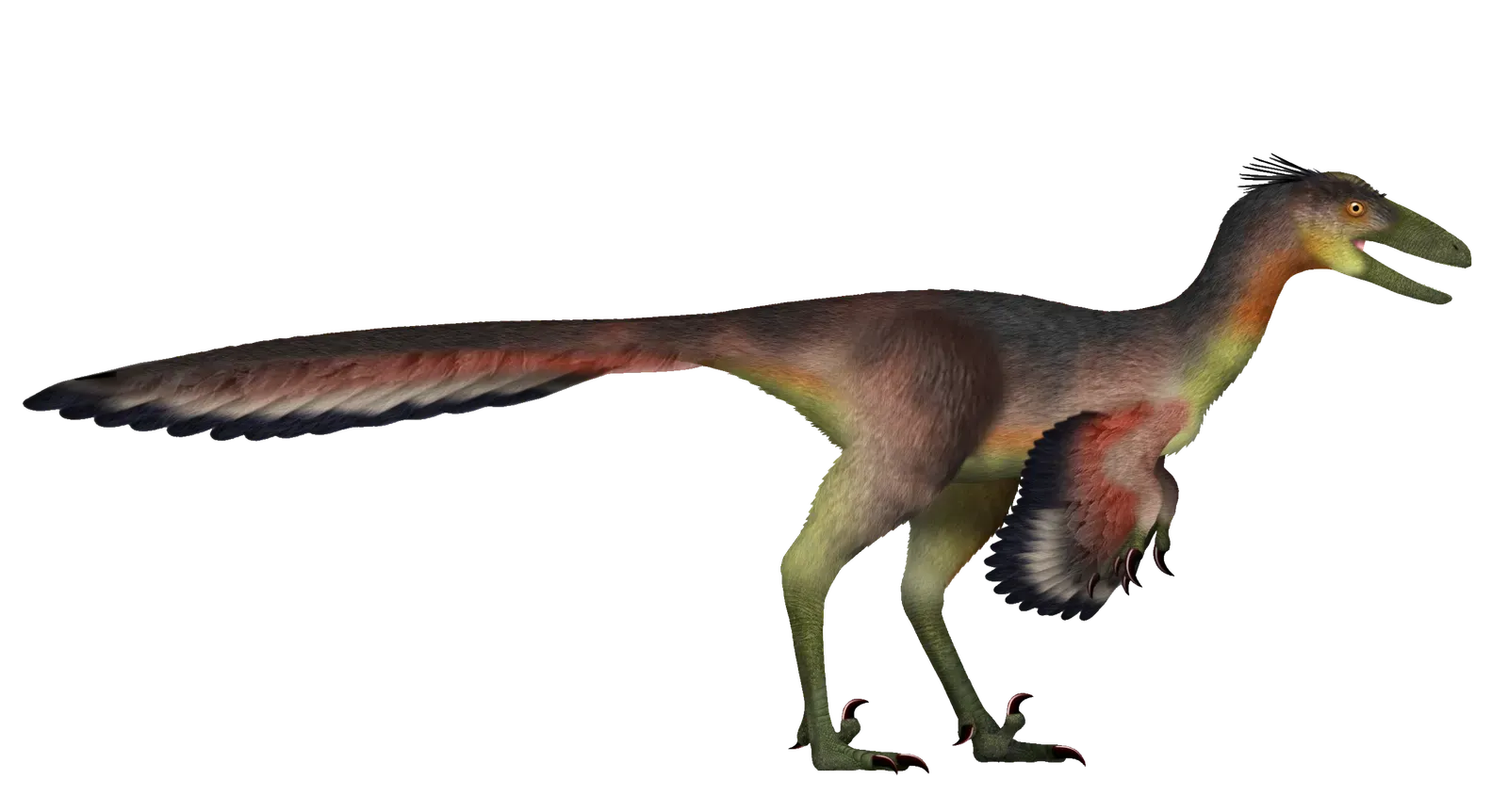
One of the most surprising discoveries is that certain small, bird‑like dinosaurs had brain sizes, relative to their bodies, roughly on par with modern birds. Paleontologists measure this with something called an encephalization quotient, which is a fancy way of comparing brain size to what you’d expect for an animal that big. When they do that for dinosaurs like troodontids and some dromaeosaurs, the numbers land in a range that overlaps with crows and other clever birds. That doesn’t mean a troodontid was running a stock market, but it does mean it wasn’t some slow, dim creature either.
Think about it this way: if you shrank a crow to the size of a mouse, you’d still recognize that sharp, darting awareness in its eyes and movements. Now scale that kind of relative braininess up into a human‑sized or dog‑sized dinosaur, and you start to understand why researchers talk about these animals as agile, alert predators. They probably relied heavily on vision, coordination, and fast decision‑making, traits that match their enlarged brain regions. The stereotype of dinosaurs as evolutionary dead ends just does not survive that comparison.
2. T. rex Had a Bigger Brain Than You Think (But Not a Super‑Genius One)
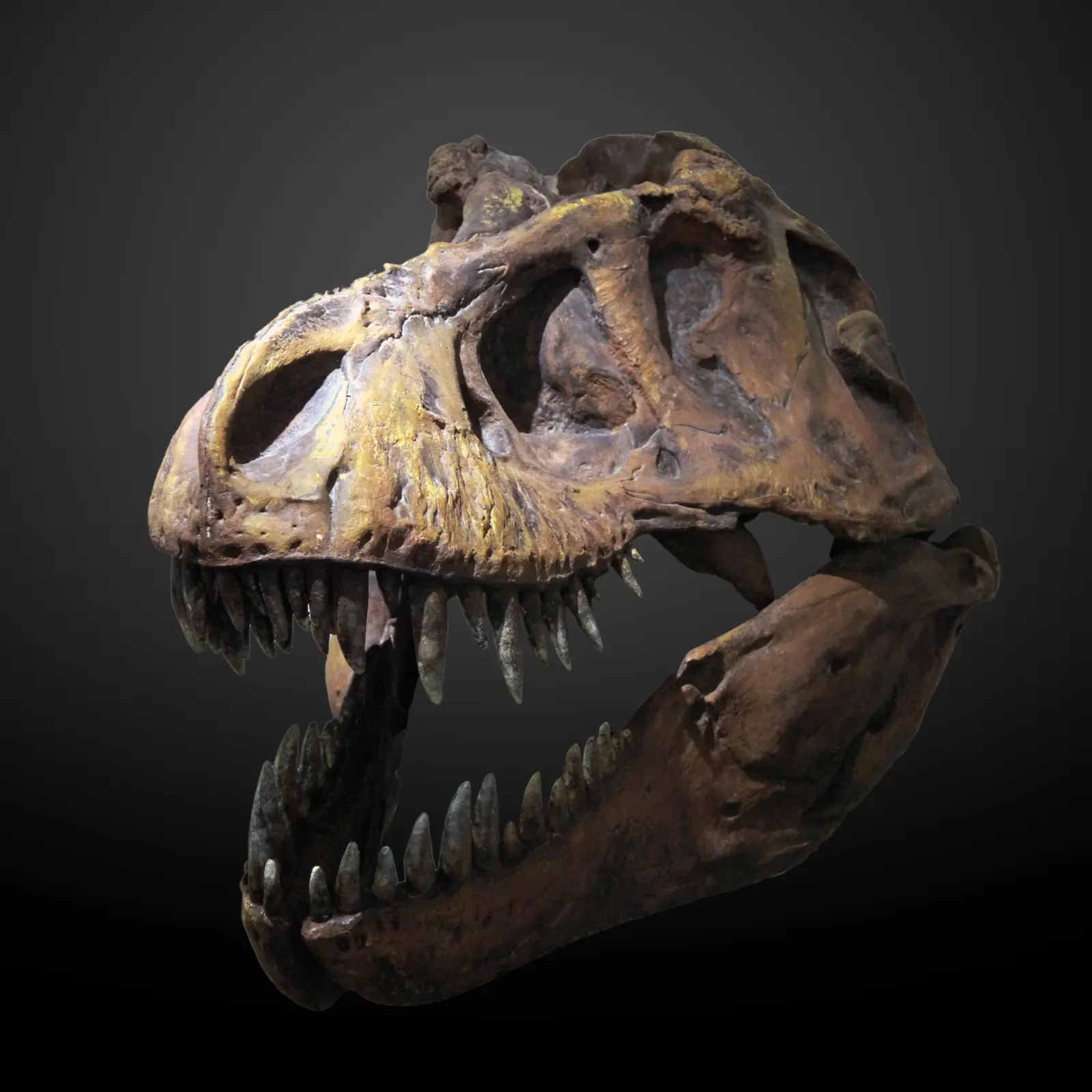
People love to joke that Tyrannosaurus rex had a walnut‑sized brain, but that’s simply not true. The brain of an adult T. rex, reconstructed from the space inside its skull, was more like the size of a large banana, elongated to fit its skull shape. For a multi‑ton predator, that’s still not enormous by mammal standards, but it’s nowhere near the comic caricature. More importantly, parts of the brain linked to smell and vision appear to have been well developed, suggesting a hunter that relied on more than just brute force.
At the same time, we have to be honest about limits: T. rex was no dinosaur Einstein. Its overall brain‑to‑body ratio was closer to that of modern crocodiles than to that of clever birds. That likely meant a solid, efficient set of instincts honed for tracking, ambushing, and competing, rather than flexible, problem‑solving intelligence. In my view, that actually makes it more impressive – evolution built a predator that was terrifyingly effective without needing mammal‑style smarts. Sometimes raw, optimized instinct is its own kind of genius.
3. Bird‑Like Dinosaurs Show Signs of Complex Sensory Worlds
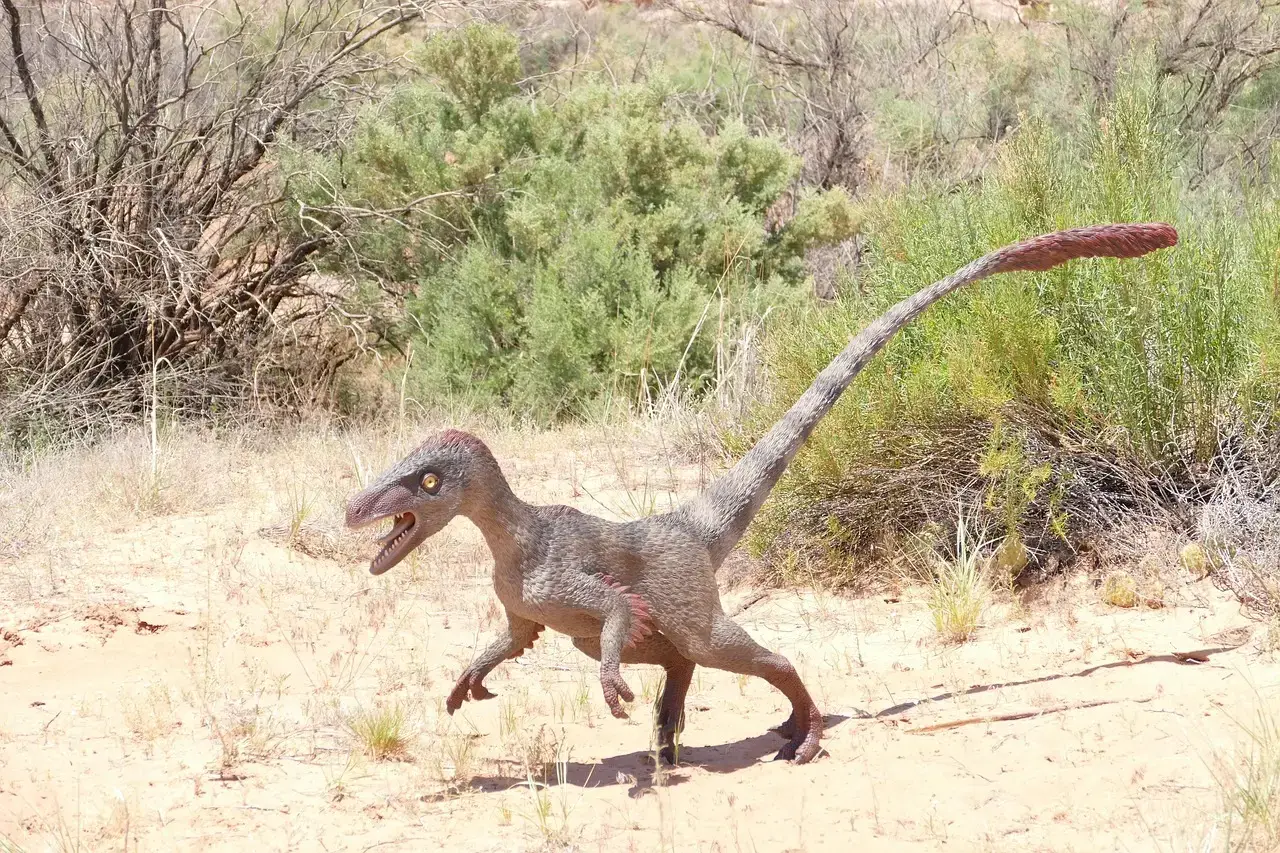
When scientists study the skulls of small theropods – the group that includes Velociraptor‑type animals and the ancestors of birds – they find enlarged regions that would have housed the optic lobes and parts involved in balance and coordination. That hints at creatures wired for sharp vision and agile movement, much like modern raptors (the birds, not the movie monsters). If you imagine something with the sensory alertness of a hawk, scaled back into a dinosaurian body, you’re not far off from current thinking for some of these species.
Fossil evidence and comparisons with living birds also suggest that at least some of these dinosaurs may have seen a wide range of colors and possibly ultraviolet light. That opens the door to complex visual signaling: feathers or skin patterns that meant more than simple camouflage. Even if we can’t see the original colors for most species, the anatomical hints of a rich sensory world are there. These weren’t just animals stumbling through their environment; they were reading a visual and auditory landscape we can only partly reconstruct.
4. Herd Behavior in Some Dinosaurs Points to Social Intelligence
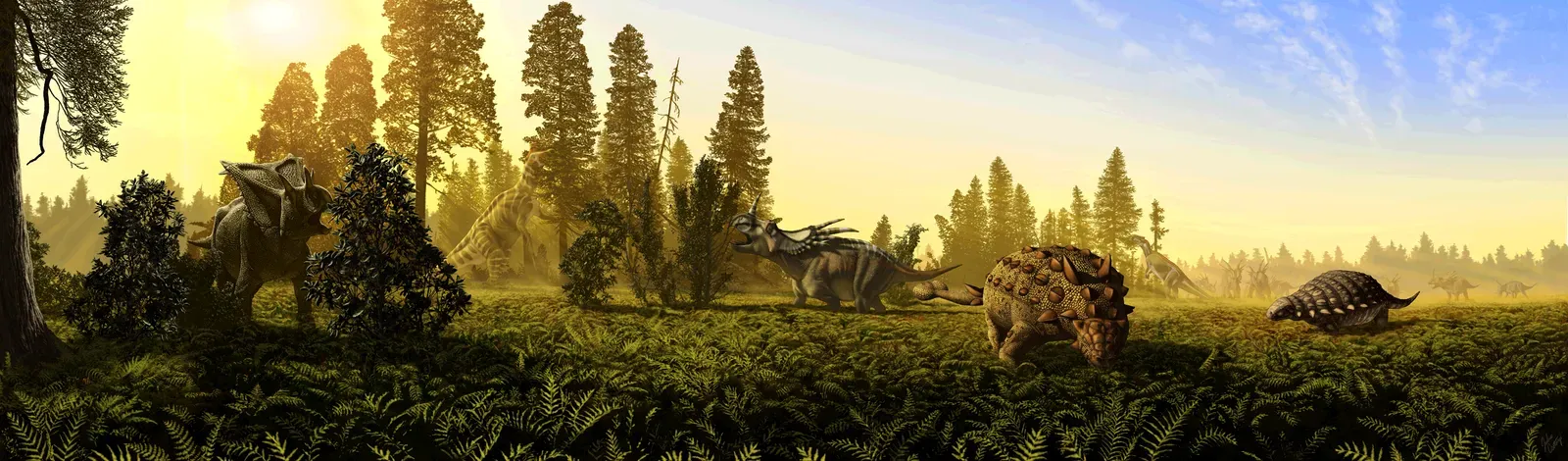
One of the most quietly mind‑blowing lines of evidence for dinosaur smarts is how many of them seem to have lived and moved in groups. Paleontologists have found trackways – fossilized footprints – showing multiple individuals walking together in the same direction, with smaller prints often keeping pace with larger ones. There are also bonebeds containing dozens or even hundreds of individuals of the same species, interpreted as herds struck by sudden disasters. While not every cluster of bones equals a social group, the pattern is hard to dismiss.
Living in herds is not just a lifestyle choice; it requires coordination, communication, and at least some awareness of others. Think about modern wildebeest or elephants: they remember routes, react to the movements of their neighbors, and sometimes protect their young cooperatively. For dinosaurs like duck‑billed hadrosaurs or some sauropods, similar behavior would imply a form of social intelligence, even if it was mostly driven by instinct. To me, the image of a long line of massive animals migrating together, responding to each other’s cues, is a powerful reminder that intelligence is not always about solving puzzles – it can also be about fitting into a complex social flow.
5. Nesting Sites Suggest Parental Care and Learned Behavior
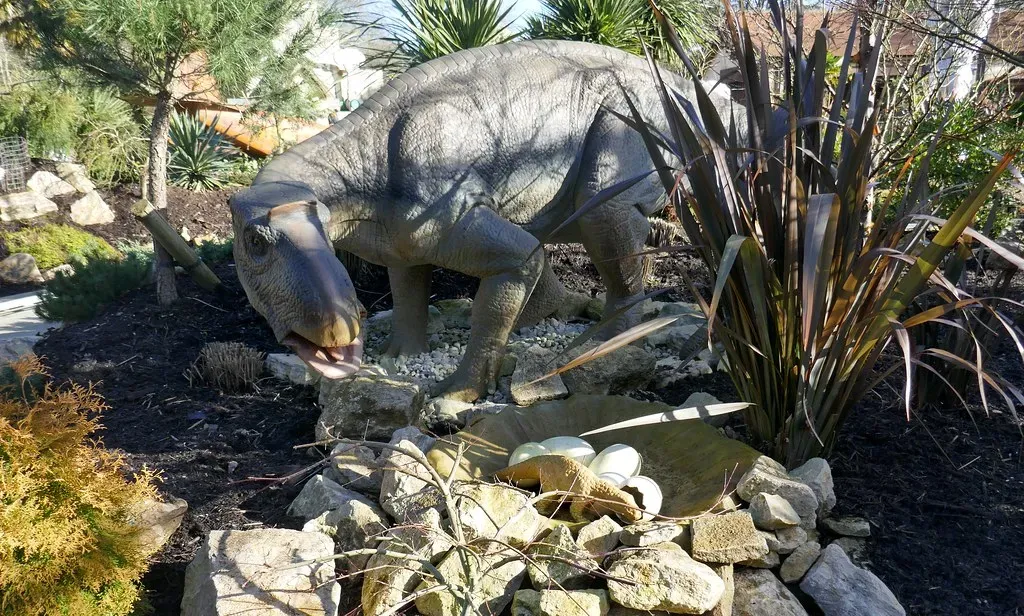
One of the most tender – and revealing – windows into dinosaur minds comes from their nests. Scientists have uncovered fossilized nesting grounds where eggs are arranged in careful patterns and sometimes found in multiple layers, suggesting that dinosaurs returned to the same place year after year. In some cases, fossilized embryos and hatchlings have been found close to adults, and a few specimens show adults seemingly positioned as if brooding over eggs, much like birds do today. That level of investment in offspring tells us these animals were not simply laying eggs and wandering off.
Parental care, even on a basic level, usually demands memory, recognition, and some ability to adjust behavior in response to vulnerable young. Modern animals that care for their offspring – whether birds, crocodiles, or mammals – tend to show a certain behavioral flexibility and emotional range. While we should be cautious about projecting our feelings onto dinosaurs, the evidence makes it hard to see them as cold, detached machines. At least some species likely guarded nests, possibly brought food, and may have led their young to safer areas, passing on simple learned behaviors across generations.
6. Not All Dinosaurs Were Smart – Many Thrived With Simple Brains
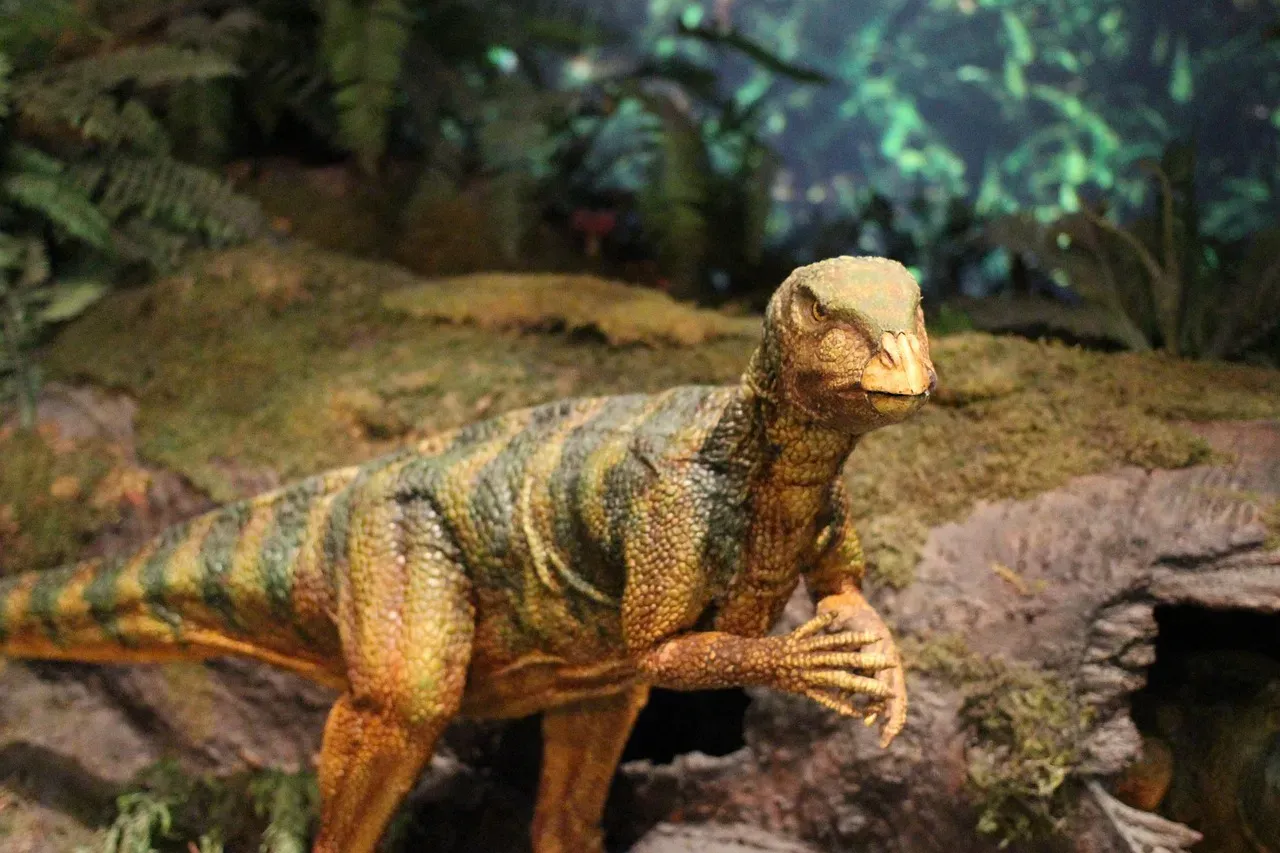
It’s tempting, in the age of documentaries and flashy headlines, to act as if we suddenly discovered that all dinosaurs were geniuses. That’s not true, and it actually undersells how evolution works. Many dinosaurs had small brains relative to their enormous bodies, especially the giant sauropods with their long necks and tails. These herbivores seem to have relied on sheer size, slow but steady movement, and a plant‑based diet that did not demand elaborate hunting strategies. Their brains were probably adequate for migration, mating, and basic defense, and that was enough.
This matters because it reminds us that intelligence is expensive. Large, complex brains require energy, long developmental periods, and often extended care of young. For many dinosaurs, that trade‑off just was not worth it. They dominated ecosystems for tens of millions of years using a more minimalist neurological setup. In a strange way, that is its own kind of brilliance: rather than overbuilding mental capacity they did not need, they optimized for size, endurance, and reproductive success. The world they lived in rewarded different solutions, and a “simple” brain was often the winning one.
7. Dinosaur Brains Help Explain How Birds Became So Smart
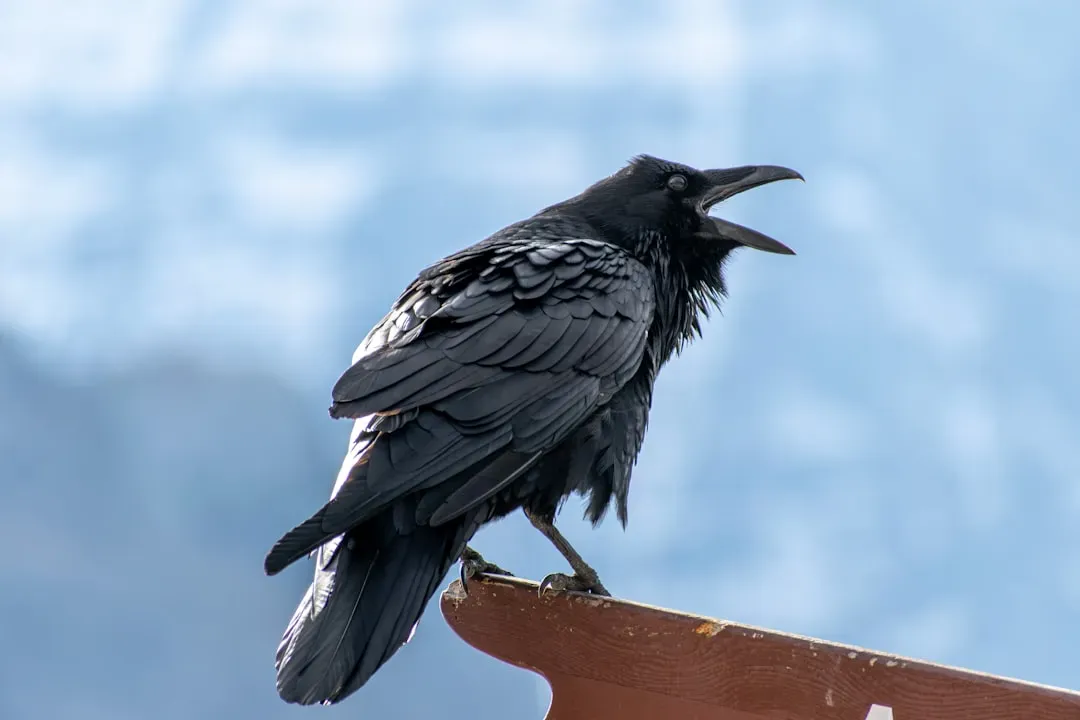
Modern birds, from ravens to parrots, rank among the most intelligent animals on Earth, and their story begins with small, feathered dinosaurs. When scientists scan the skulls of these ancient relatives, they see a trend: over time, certain brain regions associated with vision, balance, and higher processing become more prominent. Essentially, the mental toolkit that allows a crow to use tools or recognize human faces did not appear out of nowhere; it was built gradually on a dinosaur foundation. The more we learn about those early brains, the less shocking bird intelligence becomes.
There’s something humbling about eating breakfast while a sparrow watches you from a nearby branch, carrying in its skull the legacy of millions of years of dinosaur evolution. Birds are living test cases of what dinosaur brains could do when pushed toward flight, complex social lives, and flexible foraging. I find it more honest – and more awe‑inspiring – to say that dinosaur intelligence didn’t vanish; it took off, literally, and kept evolving above our heads. Every clever crow or problem‑solving parrot is, in a sense, a modern echo of brains that were already trending toward complexity long before the asteroid struck.
8. Myths About “Second Civilizations” or Hyper‑Intelligent Dinosaurs Miss the Point
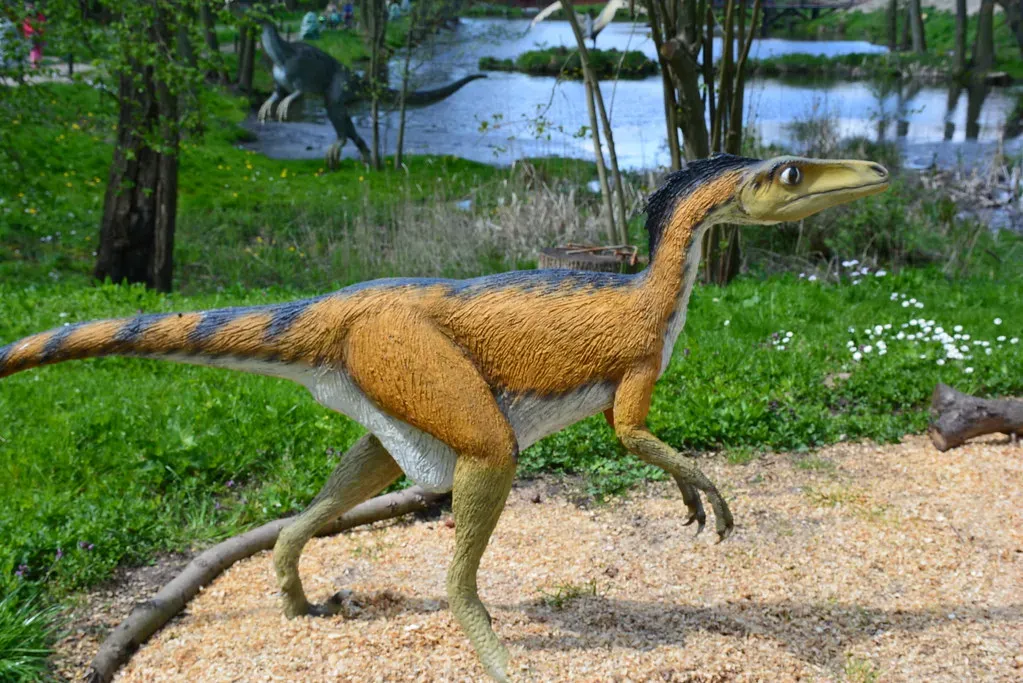
Every few years, someone floats the idea that if some dinosaurs were fairly smart, maybe one lineage evolved human‑like thinking or even technology before the extinction. From a storytelling perspective, it’s irresistible. From a scientific one, the evidence just is not there. We don’t see patterns in the fossil record that suggest tool use, built structures, or the kind of rapid brain expansion we see in human evolution. The smartest known dinosaurs were probably in the range of today’s most capable birds or reptiles, which is impressive but a far cry from running factories or building cities.
Ironically, these myths distract from what is actually remarkable. Dinosaurs did not need human‑style intelligence to dominate the planet for an astonishingly long time. They conquered almost every environment, evolved into a dizzying variety of forms, and gave rise to birds, all without inventing a single gadget. When we insist on asking whether they were “as smart as us,” we flatten the story into a competition they were never playing. A better question is: how did their kind of intelligence, in all its variety, make them so successful for so long?
9. The Fossil Record Shows Just Enough to Be Awe‑Inspiring – and To Keep Us Guessing
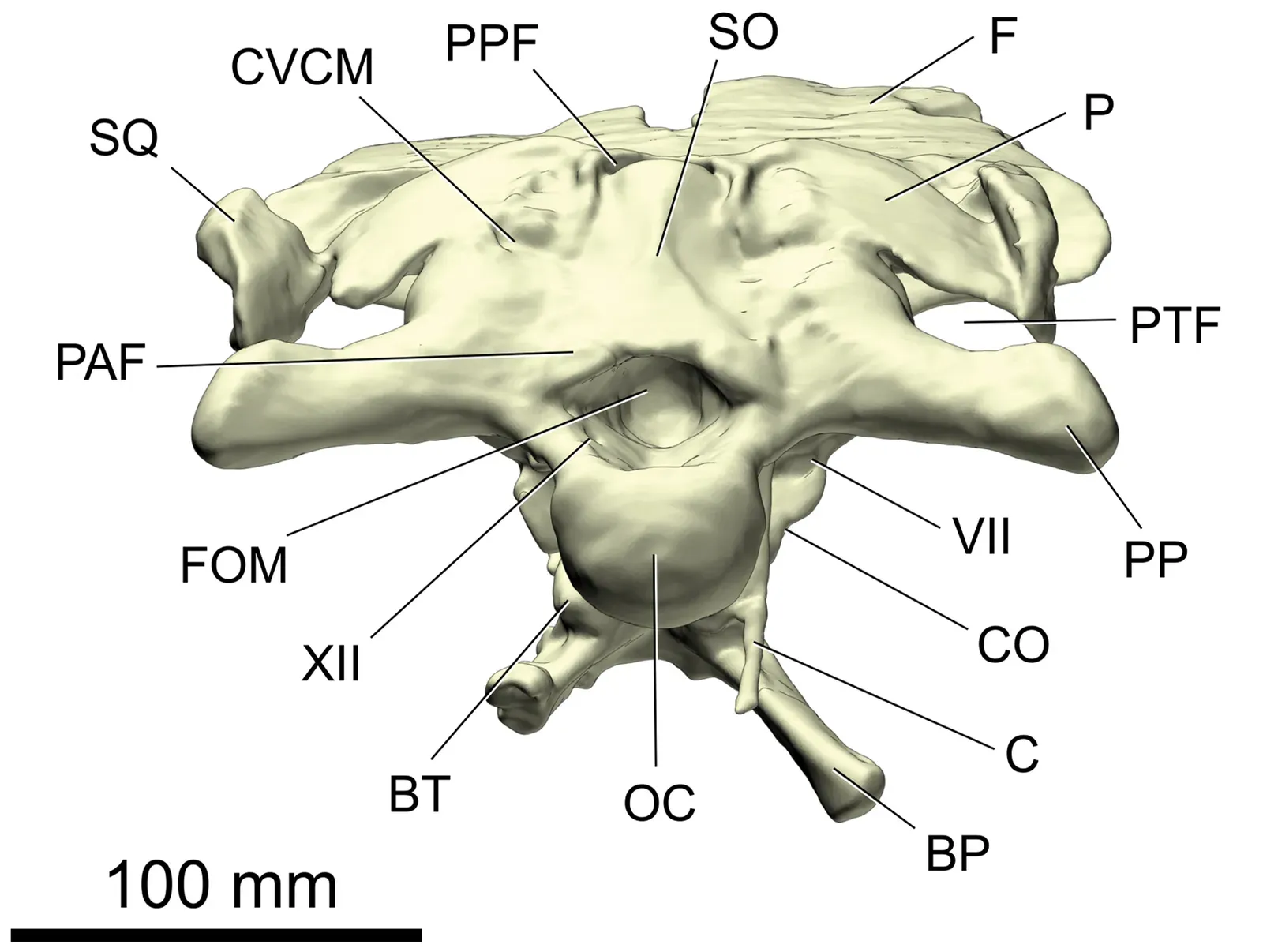
For all the progress in studying dinosaur brains, there is a built‑in limitation: brains rarely fossilize. Most of what we know comes from the shape of the braincase, comparisons with living animals, and a handful of extraordinary finds. That means every claim about dinosaur intelligence has to be hedged with uncertainty. We can say that some groups were likely as smart as modern birds, that others were closer to crocodiles, and that social and parental behaviors were present in at least some lineages. Beyond that, we are working with educated, careful inferences rather than crystal‑clear answers.
Personally, I like that uncertainty. It forces us to balance imagination with restraint, to treat every new discovery like a clue rather than a final verdict. The truth is that dinosaur minds were probably stranger than our neat little categories allow, blending instinct, sensory richness, and social behavior in ways that don’t map cleanly onto any modern species. When you look at a fossil skull in a museum, you are staring at the outer shell of a vanished inner life. That gap – between what we can prove and what we can only glimpse – is where the real wonder lives.
Conclusion: Dinosaur Minds Were Different, Not Lesser
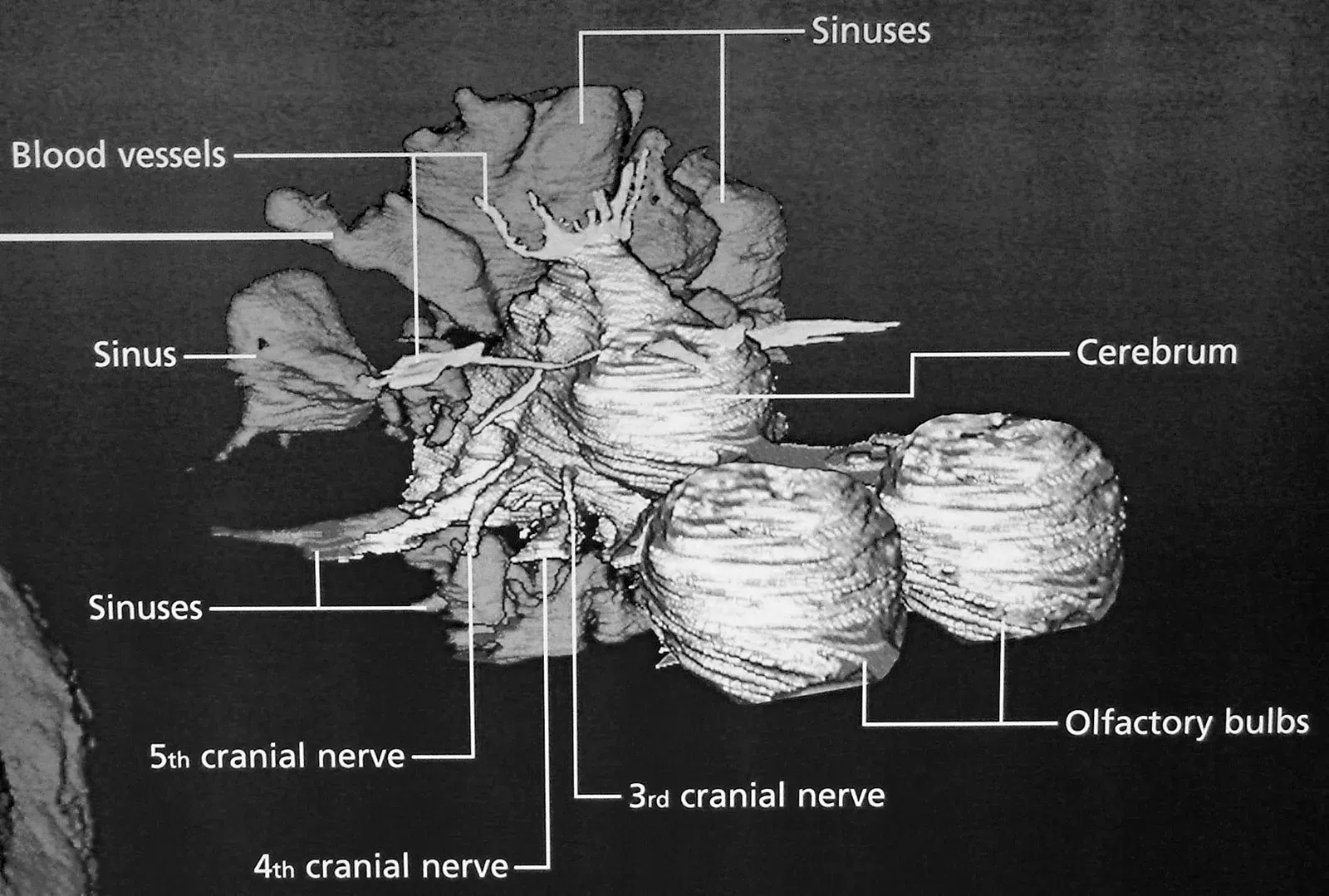
When you put all of this together, a clear picture emerges: dinosaurs were not the dull, plodding creatures pop culture once painted. Some had brains and senses that rivaled or even surpassed those of many modern animals; others thrived with simpler setups finely tuned to their roles in ancient ecosystems. The real mistake is trying to rank them on a single ladder of intelligence with humans at the top and everything else below. Dinosaur minds evolved for dinosaur problems, and by that standard, they were wildly successful.
In my opinion, the most unbelievable fact about dinosaur intelligence is not that a few species were relatively smart – it’s that we still underestimate how many different ways a brain can be “good enough” to conquer a world. We keep looking for ourselves in the past, when we should be appreciating how alien and effective those ancient solutions really were. Next time you watch a bird tilt its head and size you up, remember that you are being measured by a tiny descendant of creatures that once ruled the Earth. Does it change how you see both of you, even a little?