
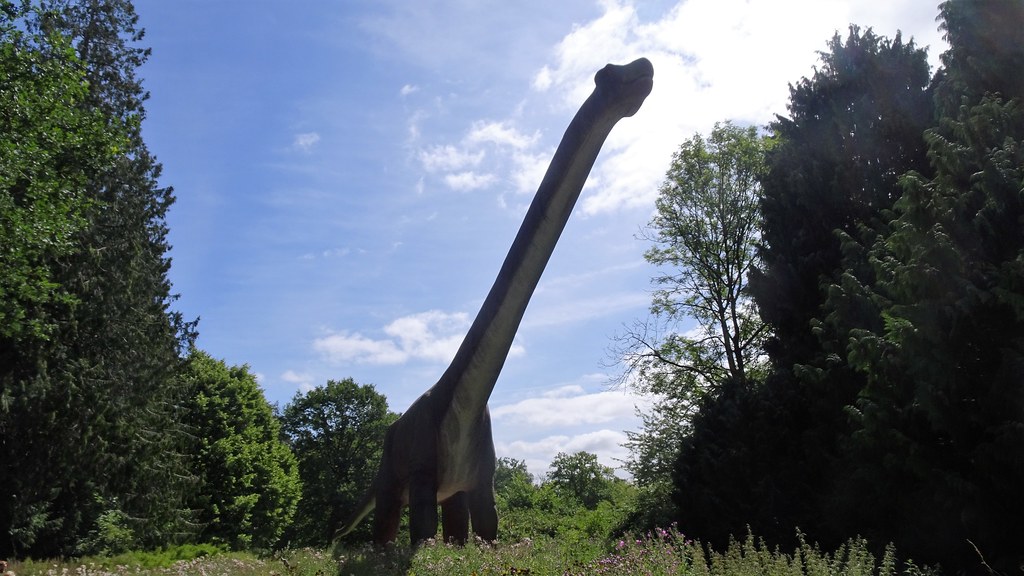
If you grew up picturing every giant dinosaur as a scaly movie monster stomping through a jungle, the real story is both stranger and far more impressive. The biggest dinosaurs to ever walk the Earth were not just oversized lizards; they were living engineering experiments that pushed bone, muscle and biology right up to the edge of what seems physically possible. When you dive into their world, you start to realize that our planet once hosted animals so large they make elephants look like house pets.
What fascinates me most is how much we still do not know, even after more than a century of digging. Many of the largest species are known from just a few bones, sometimes a single vertebra longer than your arm, yet from that we try to rebuild a creature the size of an office building. It is a bit like trying to reconstruct an airplane from a single wing bolt, and still, bit by bit, the picture is getting clearer. Let’s walk through what we can actually say about these lost giants – without the movie myths, but with all the real wonder left in.
The Sauropod Super-Size Mystery: How Big Could a Land Animal Really Get?
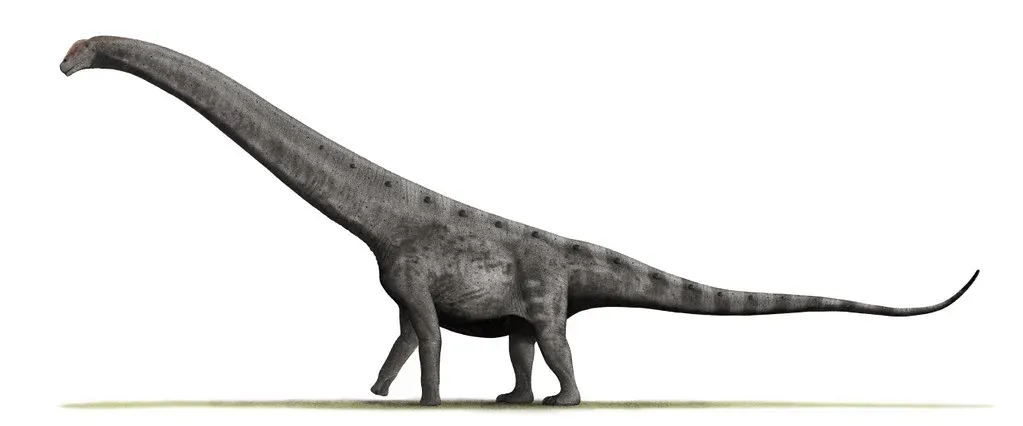
The true titans of the dinosaur world were sauropods, the long-necked, long-tailed plant eaters like Argentinosaurus and Patagotitan that turned sheer size into a survival strategy. These animals stretched upwards of thirty meters from nose to tail and likely weighed more than several dozen cars stacked together, turning entire landscapes into all-you-can-eat salad bars. For a long time, scientists wondered if estimates had gone too far, but advances in bone modeling and comparisons with living animals suggest these extreme sizes were real, even if exact numbers still come with a margin of uncertainty.
What makes this so wild is that no land animal today even comes close; the biggest elephants are only a small fraction of these giants’ mass. That gap raises a hard question: why could dinosaurs pull off such outrageous size when mammals never did on land? Part of the answer lies in their anatomy – lightweight, air-filled bones and powerful but efficient muscles – combined with warm climates and lush vegetation that could fuel enormous appetites. It is one of those topics where every new fossil nudges the upper limit of what we thought life on Earth could handle.
Air-Filled Bones and Giant Hearts: The Anatomy That Made Monsters Possible
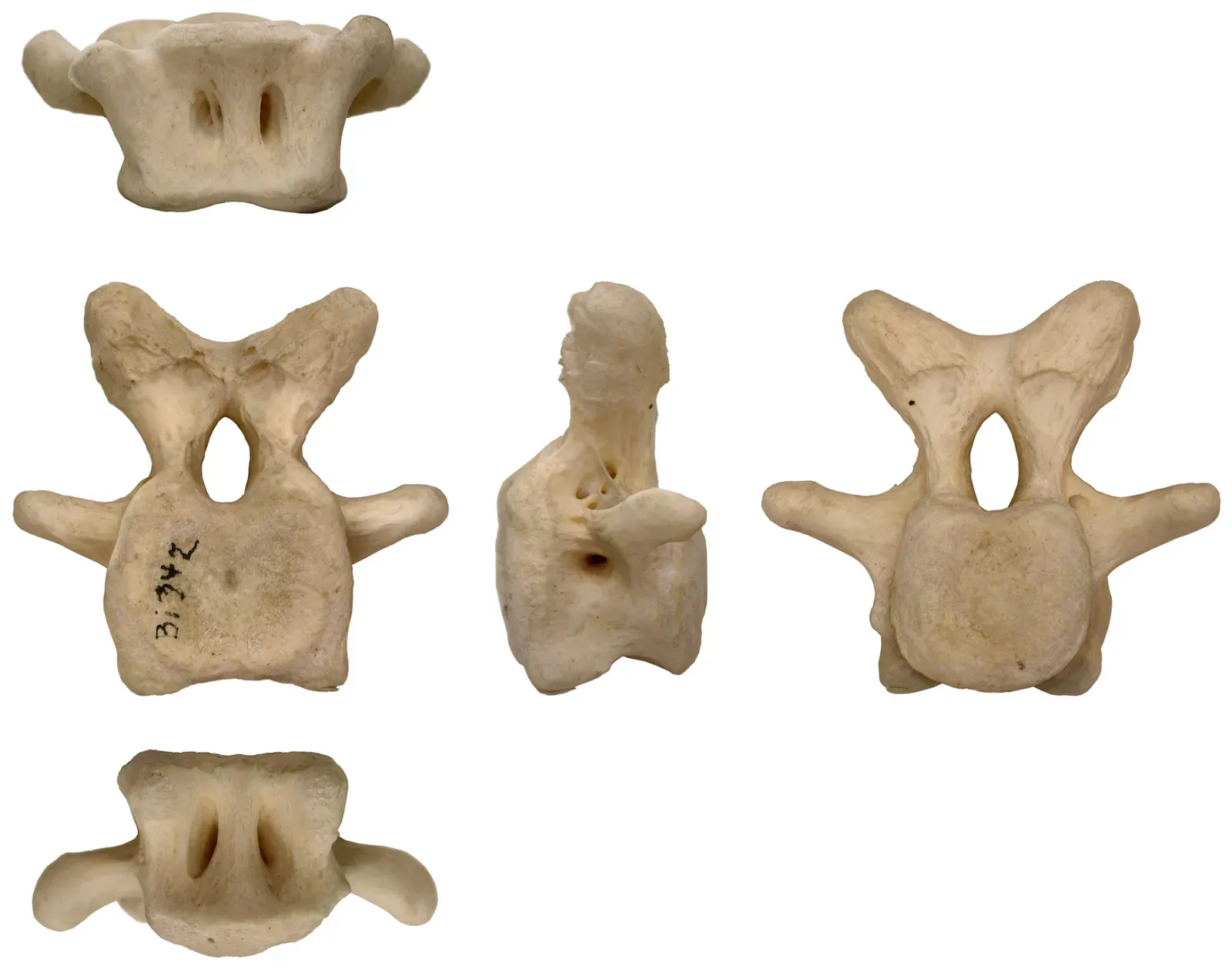
If you or I tried to scale up to sauropod size, our bones would snap and our hearts would give out long before we got there. Sauropods got around this problem with skeletons that were simultaneously massive and strangely delicate, with vertebrae riddled by complex hollow spaces. These air-filled chambers, similar to those in bird bones, made the overall skeleton much lighter than it looked, like a cathedral built of stone but secretly shot through with arches and tunnels to spread out the load. It is a brilliant natural solution to the problem of carrying a multi-ton body on four legs.
Their circulatory systems had to be equally impressive, especially to get blood up long necks to the brain. Scientists still debate exactly how their hearts and blood pressure systems worked, but the consensus is that they needed powerful hearts and specialized blood vessels to keep everything flowing without blowing out delicate tissues. They likely combined high-efficiency lungs, again more like birds than reptiles, with clever posture and behavior to reduce how hard their systems had to work. Put simply, these giants were not clumsy brutes; they were walking compromises between physics and biology that somehow stayed upright for decades.
Eggs, Growth Spurts, and Herd Life: How You Raise a Sixty-Ton Baby
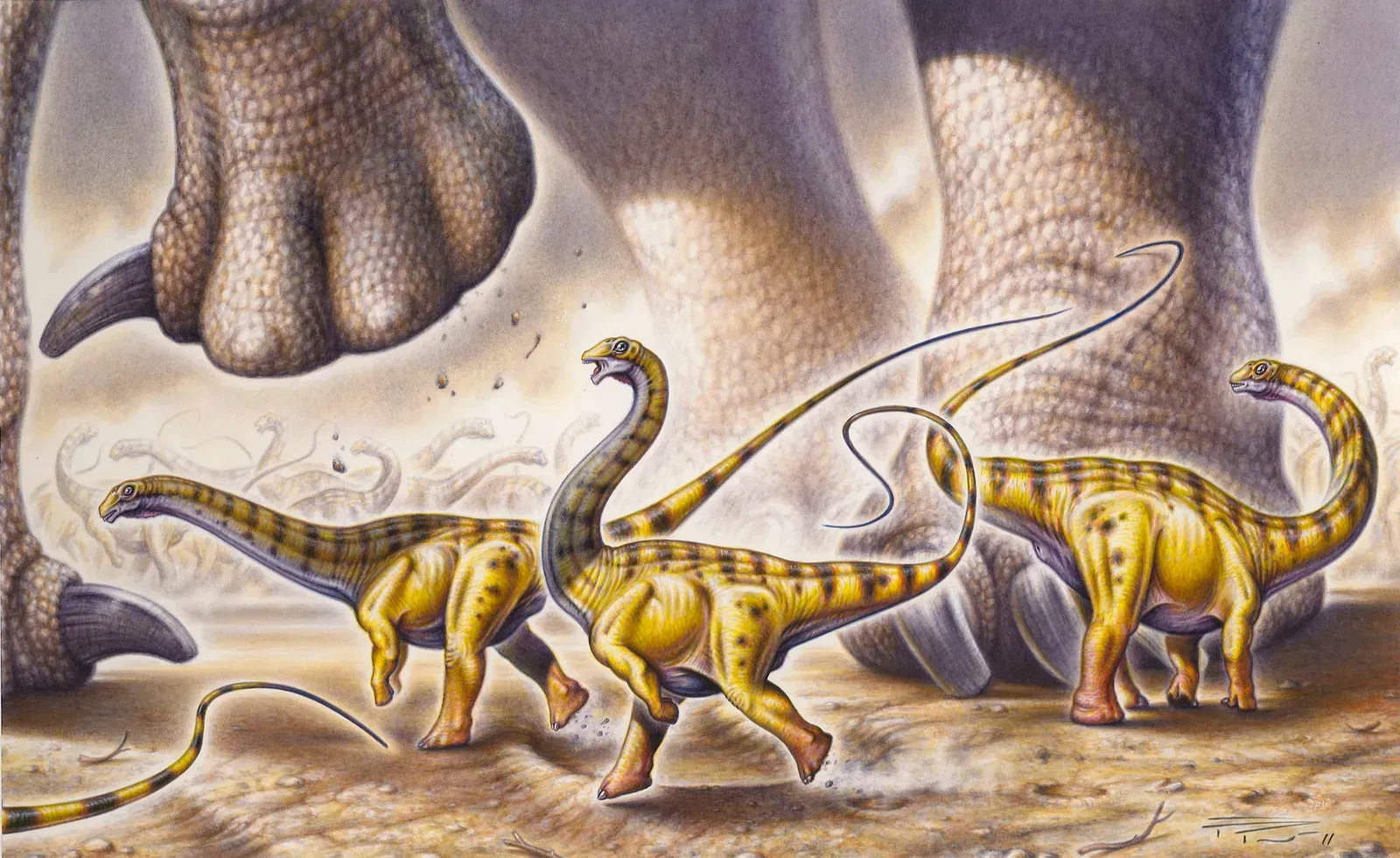
One of the strangest facts about giant sauropods is that they all started life inside eggs that were, in human terms, surprisingly modest in size. There is a hard upper limit on egg dimensions because of shell strength and gas exchange, so even the biggest species hatched from something that might fit in your two hands rather than from something the size of a car. That means a baby sauropod had to go from roughly the mass of a small dog to that of a semi-truck in just a couple of decades, implying rapid growth rates that rival or even exceed those of modern large mammals. Bone tissues from juveniles show patterns that match this kind of fast-paced growth.
Growing that quickly is not just a biological challenge; it is also a survival strategy. By racing through the “bite-sized” phase of life, young sauropods could escape the most dangerous years where predators would easily pick them off. Fossil evidence of nesting sites and trackways suggests that at least some species nested in groups and perhaps moved in herds, which would have offered another layer of protection. When I imagine a landscape full of fast-growing juveniles and massive adults lumbering from feeding ground to feeding ground, it starts to feel less like a static museum diorama and more like a busy, living world.
Not Just Plant-Eaters: The Massive Carnivores That Hunted the Giants
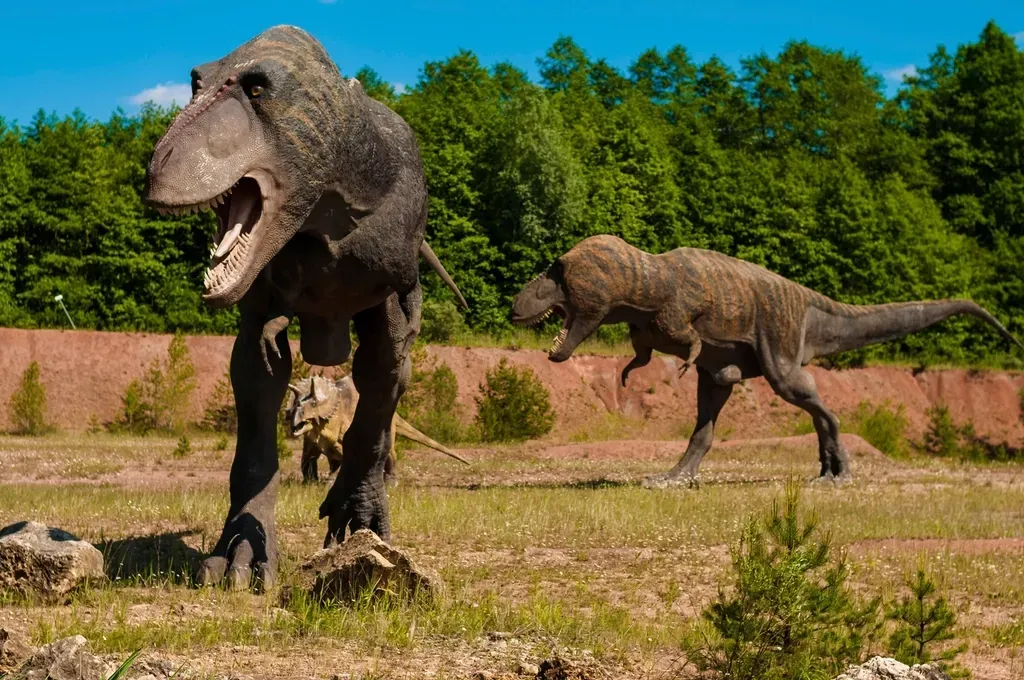
Where there are enormous plant eaters, there are usually equally impressive predators trying to turn them into food. The largest carnivorous dinosaurs, like Tyrannosaurus rex in North America and Giganotosaurus or Carcharodontosaurus in the Southern Hemisphere, were not as heavy as the biggest sauropods, but they still reached body lengths that would tower over a double-decker bus. Their skulls were built to deliver crushing bites or powerful slashes, and many had serrated teeth that worked like steak knives scaled to nightmare proportions. Even if they only occasionally brought down full-grown sauropods, their presence shaped the entire ecosystem.
Paleontologists debate how often these big predators attacked healthy giant adults versus targeting the young, sick or injured. It is likely that much of their diet came from easier prey, including smaller dinosaurs, juveniles and scavenged carcasses. Still, the risk of an attack, even if rare, could have influenced where and how sauropods moved, much the way modern herds of wildebeest alter their behavior in lion country. To me, that interplay between massive hunter and massive hunted is one of the most dramatic, if still partially hidden, stories in deep time.
Patagotitan, Argentinosaurus, and the Race for “Biggest Dinosaur Ever”
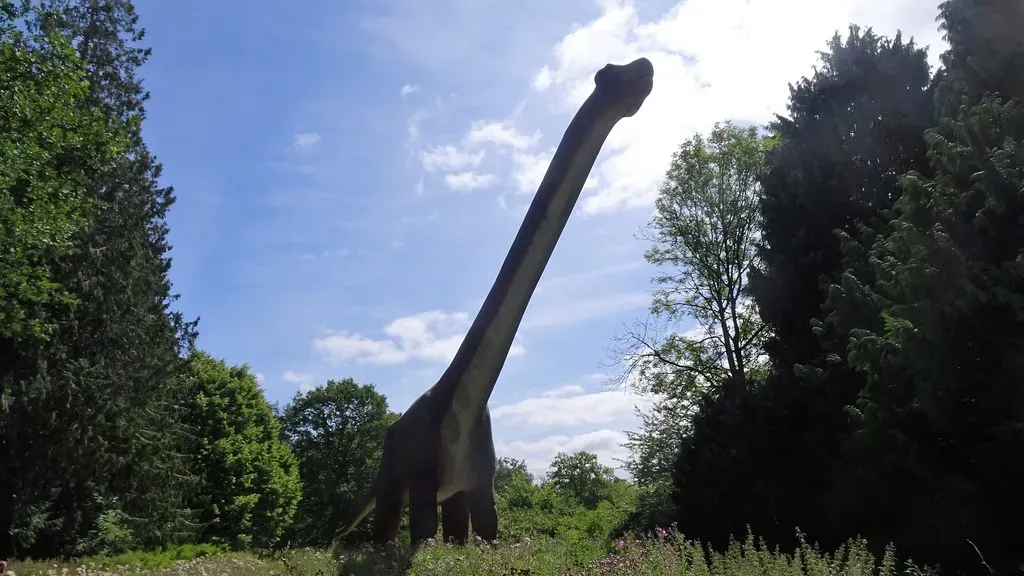
If you have ever seen a headline declaring that the biggest dinosaur has just been found, you have witnessed a quiet arms race in paleontology. Names like Argentinosaurus, Patagotitan, Dreadnoughtus and others keep trading places near the top of the size charts as new fossils are unearthed and old ones reanalyzed. The reality is that many of these contenders are known from incomplete skeletons, often just a few vertebrae and limb bones, which means mass estimates carry a wide range of possible values. In practice, several of these giants probably fell into a similar ballpark of size, even if one or two squeaked ahead.
This might sound like a letdown if you were hoping for a clear champion, but I think the uncertainty makes it more interesting. It is like trying to crown the tallest person in a crowded, foggy stadium where only a few silhouettes are visible; you can rank them roughly yet still miss the real outlier. On top of that, there may be even larger species lurking in rocks we have not dug yet, or in fossils sitting unrecognized in museum collections. The label of “biggest ever” is really a snapshot of what we know right now, not a final verdict from the past.
Life at the Top: What Daily Existence Looked Like for a Titanosaur
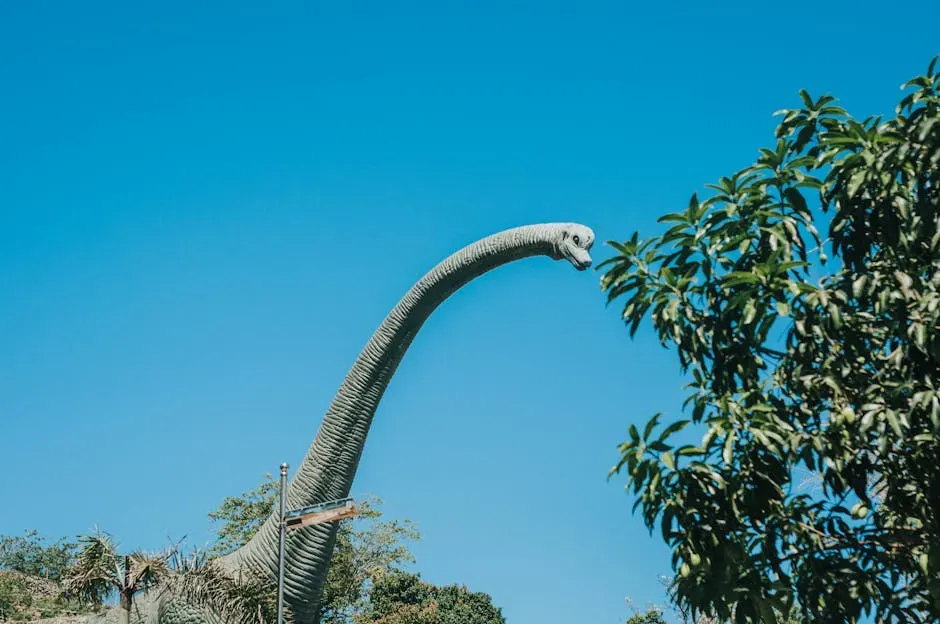
It is easy to treat these animals as statistics – length, height, estimated tonnage – but they were once living, breathing creatures with daily routines. A gigantic titanosaur lumbering through a floodplain likely spent most of its waking hours doing something quite simple: eating. To fuel that huge body, it probably stripped leaves and branches from trees and shrubs almost continuously, using its long neck to reach a wide feeding zone without taking many steps. Think of it more like a slow-moving conveyor belt of plant matter than a dramatic movie monster roaring at the sky.
Climate and environment played huge roles in making this lifestyle possible. Many of the largest sauropods lived in warm, seasonal regions with abundant vegetation and broad river systems that regularly reshaped the landscape. Herds may have migrated to track fresh growth or retreat from drought, leaving behind the footprints and bone beds we find today. Imagining these animals in motion, rather than frozen as skeletons, makes them feel less alien; they become supersized versions of familiar grazers like cattle or bison, following the food and trying to avoid trouble.
Why No Giants Like This Today? The Puzzle of Post-Dinosaur Size Limits
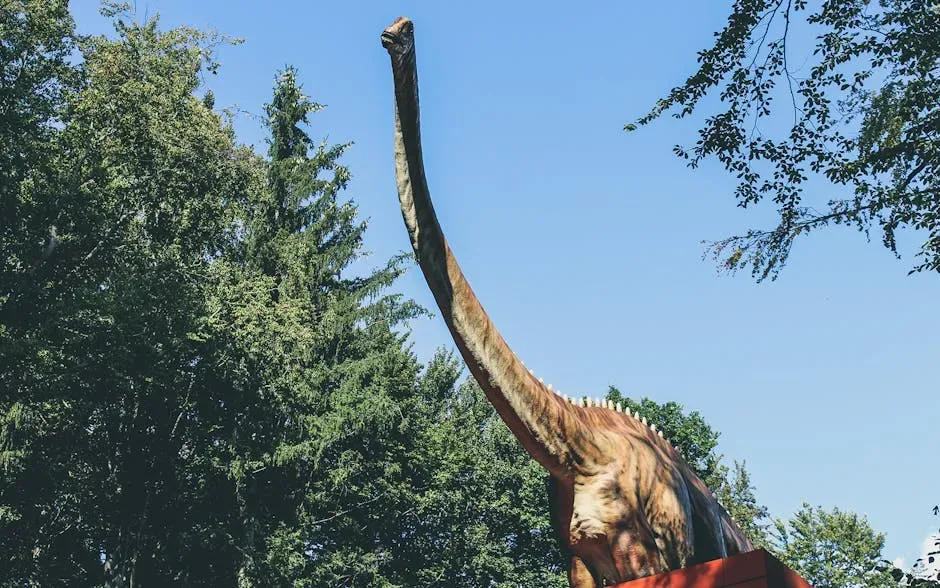
One of the biggest questions people ask is why, if the planet once supported land animals the size of small buildings, we do not see anything close to that now. Part of the answer is brutal: the mass extinction at the end of the Cretaceous wiped out non-bird dinosaurs and reset many ecosystems. In the aftermath, mammals diversified into many of the vacant roles, but they evolved under different constraints, including changing climates and plant communities. Over tens of millions of years, the window that once allowed extreme sauropod size seems to have closed.
Even the largest land mammals that ever lived, like Paraceratherium, likely came in at only a portion of the mass of the biggest sauropods. Modern ecosystems tend to favor somewhat smaller, more flexible generalists over super-specialized giants, especially in a world where climates shift and human activity adds new stresses. In my view, there is also a psychological piece: we are so used to being the dominant large species that it is hard to picture sharing the planet with creatures that outweigh us by dozens of times. The age of terrestrial giants is over, and what remains are ocean giants like whales that took the size crown in a very different medium.
What These Lost Giants Really Tell Us About Earth’s Possibilities
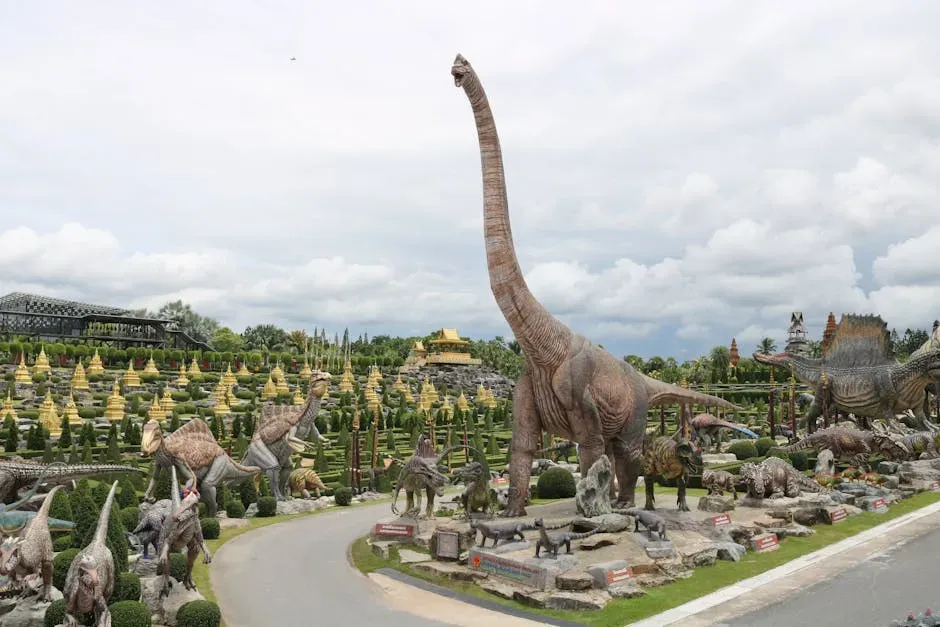
The story of the world’s most massive dinosaurs is not just about record-breaking animals; it is also a story about the planet that made them possible. Their existence tells us that under the right mix of climate, oxygen levels, vegetation, and evolutionary innovation, life can explore size ranges that seem almost absurd from a human-centered perspective. For me, that stretches what I consider “normal” in nature and makes our current world feel like just one chapter in a much stranger, longer book. When you think about all the combinations of conditions Earth has cycled through, you start to see these giants as one of many bold experiments, not an impossible outlier.
At the same time, the thin evidence we have – a vertebra here, a femur there – reminds us how fragile our understanding really is. We build entire narratives from scraps and then have to be willing to revise them when a new bone comes out of the ground. My own opinion is that we should lean into that uncertainty instead of pretending we have precise answers about which dinosaur was the absolute biggest or exactly how they lived. The power of these lost giants is not in winning a size contest; it is in showing us that the universe of what life can do is far larger than our everyday experience suggests. Did you expect the real story behind the biggest dinosaurs to be this unfinished – and this much more fascinating than the movie version?