
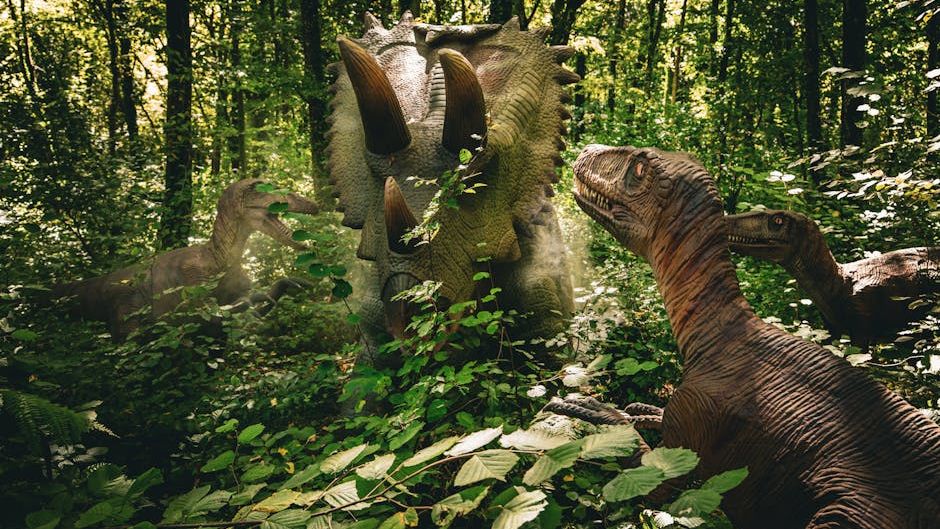
Imagine walking through a forest where dragon-sized reptiles cast shadows over ferns taller than houses, where the ground vibrates with the footsteps of giants and the air buzzes with the wings of insect predators the size of birds. The Age of Reptiles, spanning much of the Mesozoic Era, is often reduced to a highlight reel of famous dinosaurs, but that barely scratches the surface of what Earth really looked and felt like back then. Beneath the blockbuster moments of T. rex and Triceratops was an entire world of strange climates, hidden microhabitats, and quietly thriving creatures that never make it into the movies.
In many ways, we have only glimpsed this ancient planet through a keyhole. Fossils are snapshots, not full documentaries, and a shocking amount of life leaves no direct trace at all. Yet, by piecing together bones, microscopic fossils, chemistry locked in rocks, and comparisons with modern ecosystems, scientists are slowly reconstructing the unseen webs of life that made the Age of Reptiles so successful. The deeper we look, the more we realize: this was not just a world of monsters, but a complex, living, breathing planet with rhythms and relationships that echo into our own time.
Life Under Giants: Micro‑Worlds in the Shadow of Dinosaurs
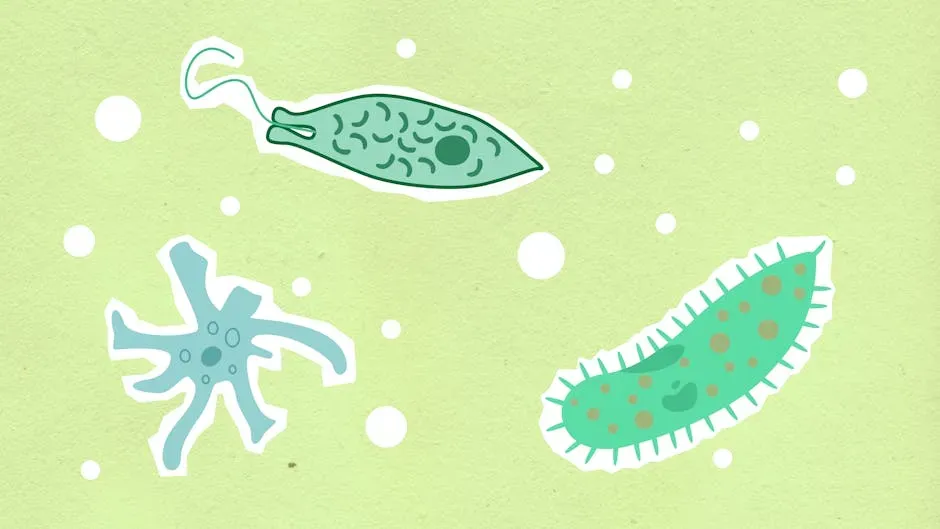
When you picture a dinosaur landscape, your brain probably jumps straight to towering sauropods or snarling predators, but the most crowded and dynamic parts of those ecosystems were much closer to the ground. Beneath the feet of giants, there would have been carpets of mosses, low ferns, fungi, and tiny invertebrates recycling dead leaves, dung, and fallen branches. In the same way that a modern elephant herd reshapes the African savanna, huge herbivorous dinosaurs likely created trails, clearings, and nutrient hotspots that became micro-worlds teeming with small life.
Think of a dinosaur trackway like a construction site that never stops: churned mud, broken plants, shallow ponds formed in footprints, and dung piles rich in nutrients. Those disturbed zones would have attracted insects, worms, early crustaceans in wet patches, and small reptiles and mammals hunting for easy meals. Fossilized burrows, tiny teeth, and coprolites (fossil dung) hint at this underfoot chaos, even if the soft-bodied majority of those communities never fossilized. The Age of Reptiles was not just about one food chain, but countless stacked layers of life, from microbes to megafauna.
Forests of a Different Planet: Ferns, Conifers, and the First Flowering Plants

Prehistoric forests during much of the Mesozoic would have felt strangely familiar and alien at the same time. Instead of the broad-leaved hardwood forests many of us know today, large parts of the landscape were dominated by conifers, cycads, ginkgos, and vast fern understories. Walking through such a forest would be like hiking in a modern conifer woodland crossed with a tropical fern greenhouse: dark, resin-scented air, thick fanning fronds, and trunks armored with scales and cones. These plant communities set the stage for everything from nesting sites to feeding strategies in reptiles.
By the middle to late Mesozoic, flowering plants began their slow but unstoppable rise, reshaping ecosystems in surprisingly subtle ways at first. New types of fruits, seeds, and leaves opened opportunities for small mammals, insects, and eventually some herbivorous dinosaurs to specialize in new diets. Pollinators diversified, plant growth rates shifted, and forests likely became patchier and more dynamic. Even though reptiles stayed on top for a long time, their world was being quietly re-engineered from the ground up by evolving plants, much like the way smartphones quietly rewired our daily lives long before we fully realized what was happening.
Rivers, Swamps, and Inland Seas: Blue Corridors of the Reptile World
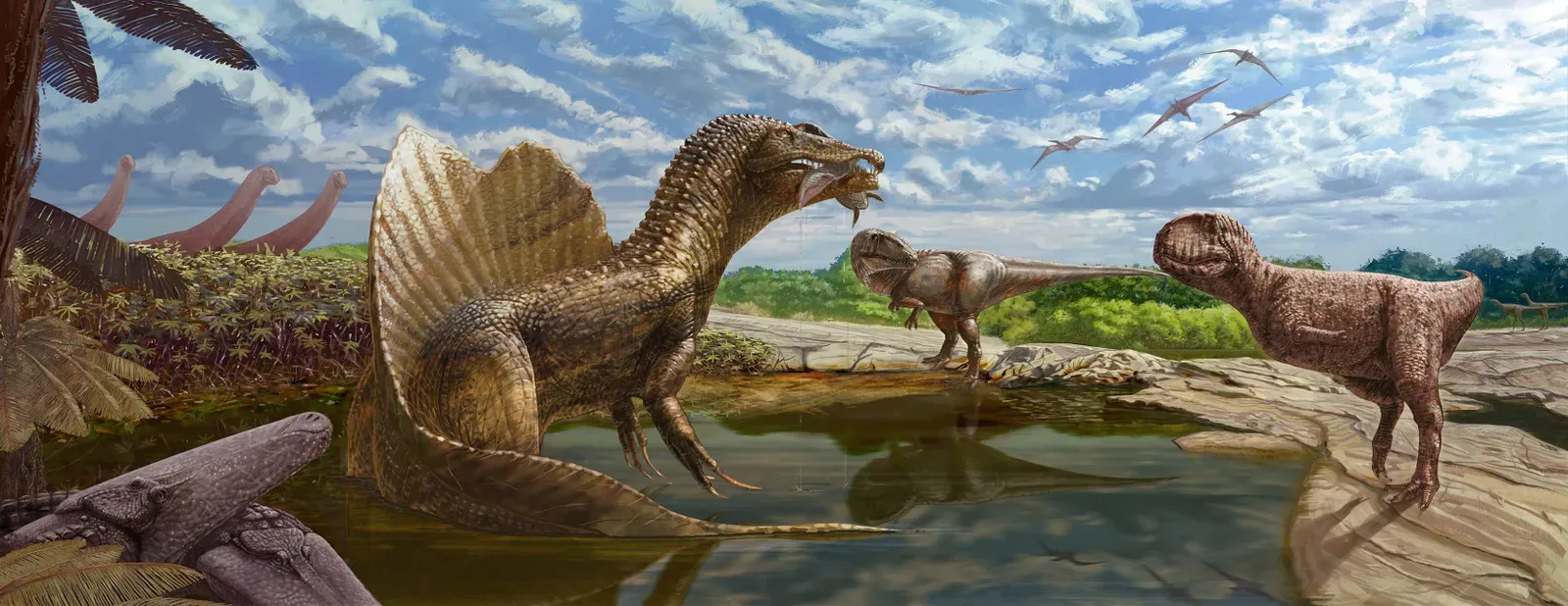
Wherever there was water, there was life, and in the Age of Reptiles, rivers and swamps were the beating hearts of many ecosystems. Floodplains hosted rich, seasonally replenished soils, perfect for lush vegetation that supported herbivores both large and small. Crocodile relatives, turtles, amphibians, and fish thrived in these muddy, shifting environments, while flying reptiles and early birds cruised overhead, snapping up insects and small animals. These wet landscapes would have been noisy, humid, and often dangerous, with hidden predators lurking at the water’s edge.
On a larger scale, epic inland seas split continents into archipelagos and coasts, creating long, shallow marine habitats that nurtured marine reptiles such as plesiosaurs and mosasaurs. These seas acted like blue highways, connecting distant regions and allowing species to spread, compete, and diversify. Coastal lagoons, estuaries, and mangrove‑like plant communities likely supported nurseries for young reptiles and fish, just as mangroves and seagrass beds do today. If you zoom out, the Age of Reptiles looks less like a uniform dinosaur theme park and more like a patchwork of watery corridors stitching together a wildly diverse planet.
Skies of Scales and Feathers: Aerial Ecosystems Above the Dinosaur Earth
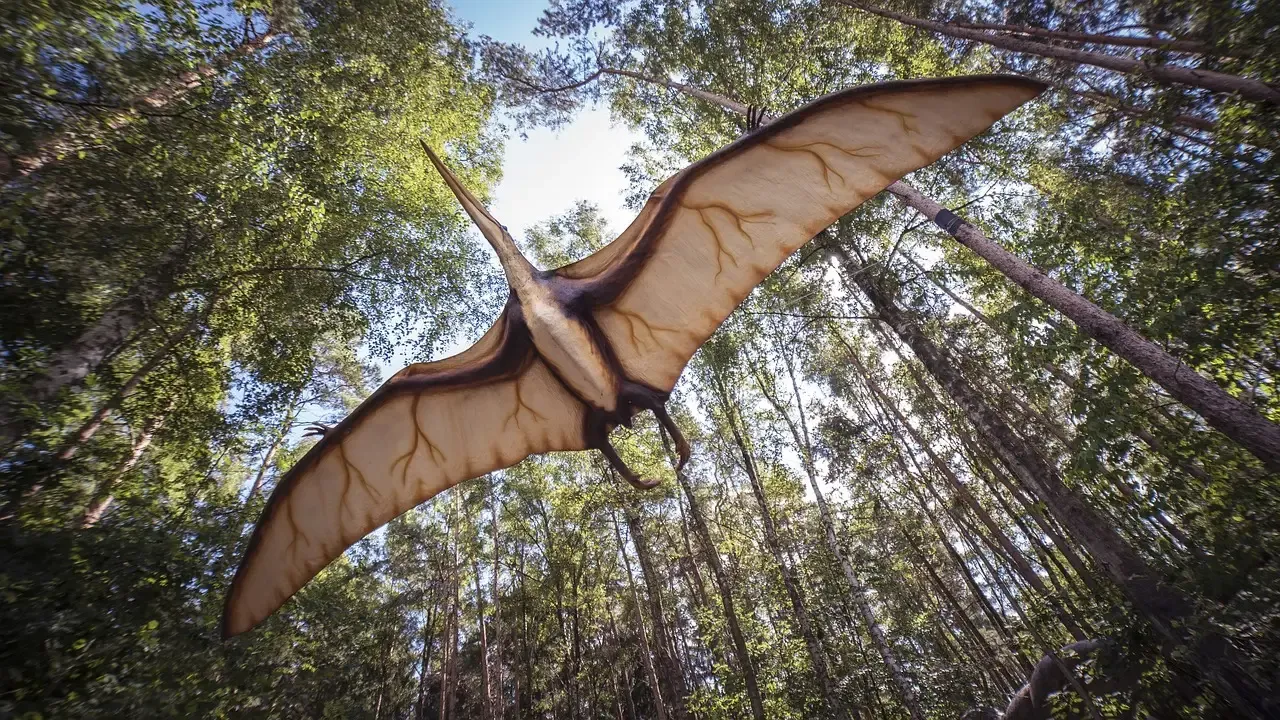
The air above Mesozoic landscapes was not empty space between the ground and the clouds; it was its own thriving ecosystem. Pterosaurs, with wingspans ranging from the size of small birds to small airplanes, occupied many of the aerial niches that bats and large birds fill today. Some soared over oceans snatching fish, others hunted in coastal areas, and smaller species may have flitted through forests, snapping up insects. Their presence alone would have changed how life on the ground behaved, much like raptors and vultures shape scavenging and predation patterns today.
Later in the Mesozoic, feathered dinosaurs and early birds began to carve out their own slice of the skies, further complicating aerial food webs. As forests evolved richer canopies, the airspace between branches likely hosted a blur of gliding and flapping creatures chasing insects, fruits, and each other. Predator–prey dynamics extended vertically: a small mammal on the forest floor had to worry not only about ground predators, but also about sudden death from above. The sky was not a neutral backdrop; it was contested habitat, layered with risk, opportunity, and constant motion.
Climate on the Edge: Super Greenhouse Worlds and Sudden Shocks
One of the most striking features of the Age of Reptiles is just how warm much of it seems to have been compared with today. For long stretches, Earth behaved more like a greenhouse than a planet with polar freezers: higher average temperatures, little or no permanent polar ice, and widespread warm seas reaching into high latitudes. Reptiles, with their temperature-linked metabolisms, could push farther toward the poles than many large mammals can today, turning regions that we think of as icy into surprisingly hospitable landscapes with forests and diverse animal life.
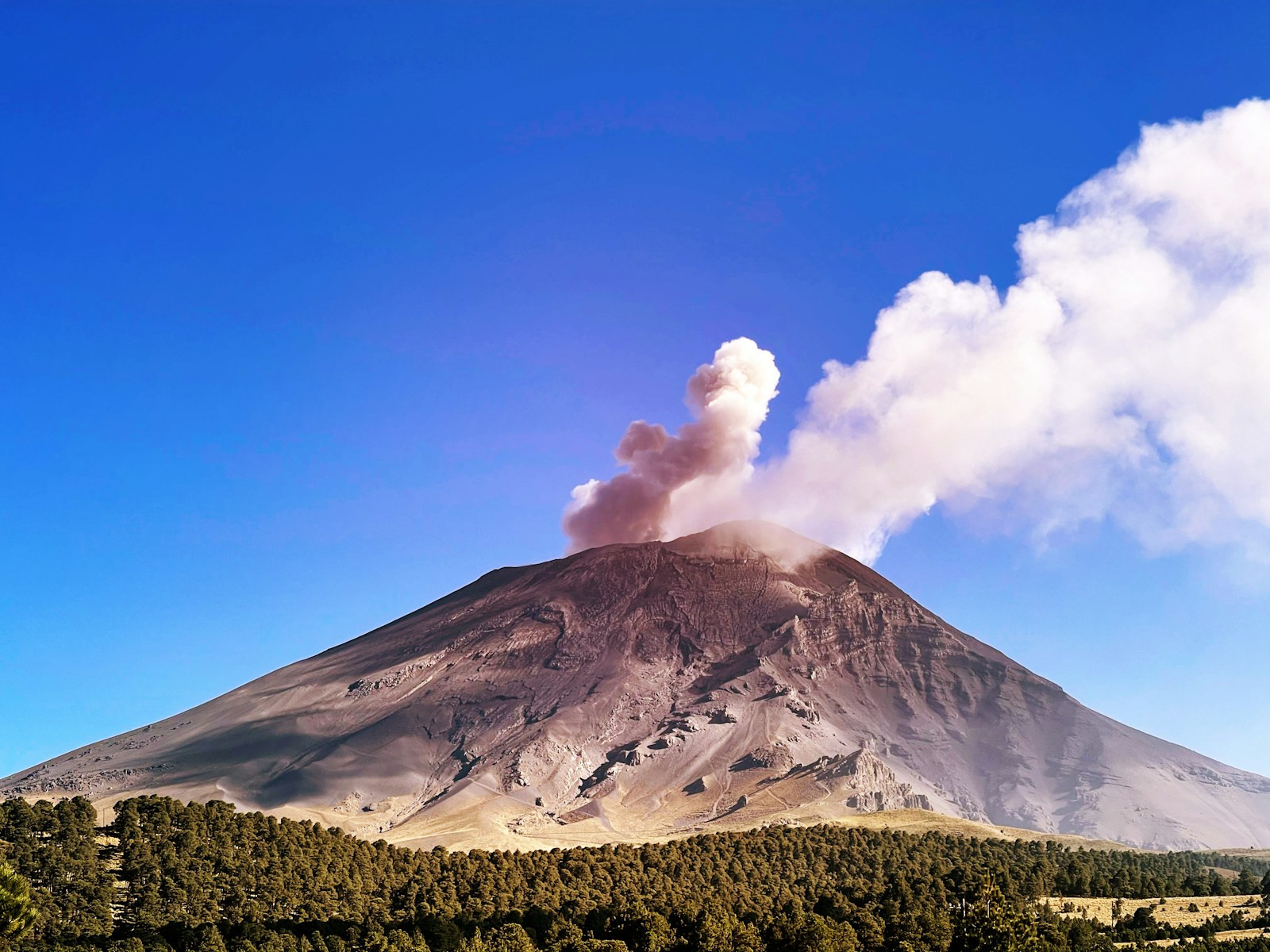
But this relative warmth did not mean stability or safety. Throughout the Mesozoic, the planet was rocked by volcanic super-eruptions, shifting continents, and occasional meteorite impacts that triggered sharp climate shocks. Rapid warming or cooling, acidifying oceans, and collapsing food webs punctuated the long, calmer intervals of evolutionary flourishing. These swings acted like stress tests on ecosystems, wiping out some groups while opening doors for survivors to diversify in new directions. When you hear about an extinction boundary in the fossil record, you are seeing the fingerprints of these brutal climate and environmental jolts.
Invisible Engines: Insects, Microbes, and the Recycling of Prehistoric Life
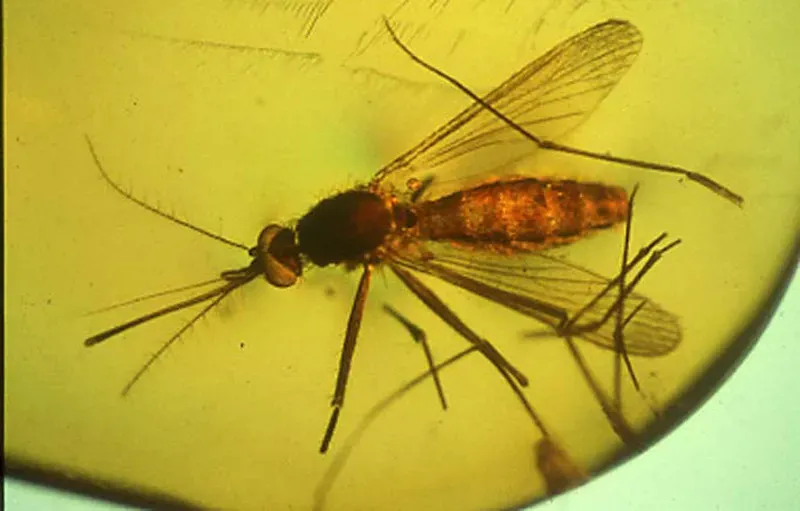
For all the attention placed on giant reptiles, the real engines of prehistoric ecosystems were mostly tiny and almost completely invisible in the fossil record. Insects pollinated early plants, devoured leaves, bored into wood, and recycled dead matter, shaping plant evolution and nutrient cycling in ways we are only starting to understand. Evidence of their activity shows up in bite marks on leaves, burrows in fossil wood, and rare exquisitely preserved bodies in amber. Without these tireless workers, dinosaur forests would have been choked with undecomposed debris, and plant communities might have looked very different.
Even smaller and more elusive were the microbial worlds hidden in soils, water, and guts of animals. Microbes broke down waste, fixed nitrogen, and partnered with plants in their roots, just as they do today. In the stomachs and intestines of giant herbivorous dinosaurs, complex microbial communities likely helped break down tough plant fibers, turning inedible foliage into usable energy. When you picture a herd of sauropods, it is not just reptile physiology doing the heavy lifting; it is trillions of unseen microorganisms working together. In that sense, the Age of Reptiles was also an age of microbes, quietly running the planet behind the scenes.
Survivors and Successors: How Prehistoric Ecosystems Still Shape Our World
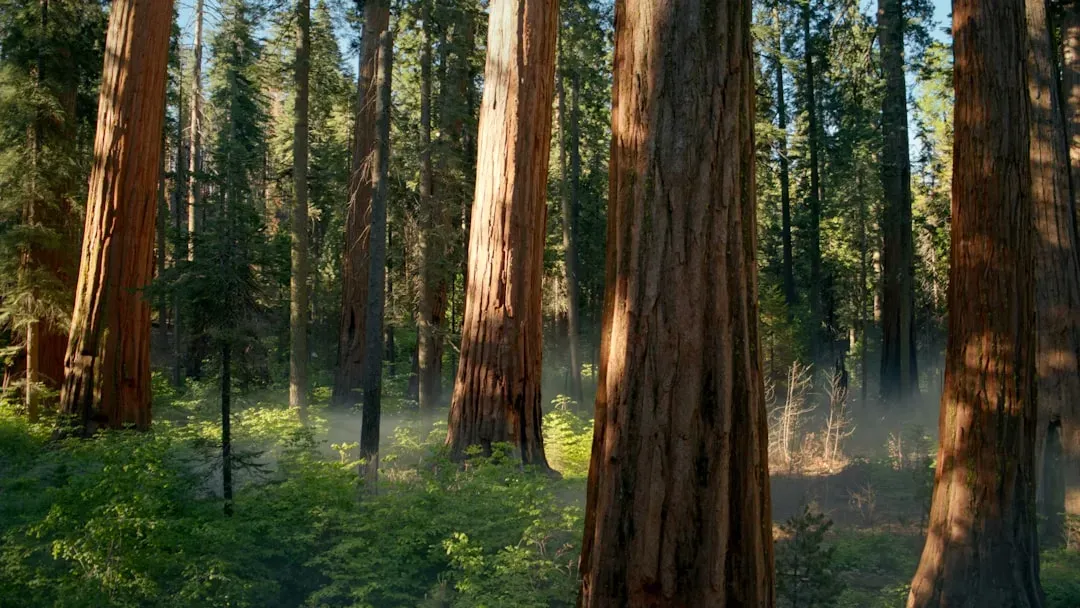
Although the classic dinosaurs are long gone, the ecological patterns of their world did not vanish; they evolved, fragmented, and reappeared in new forms. Crocodilians, turtles, lizards, and birds are direct or close survivors of those ancient lineages, still playing roles that echo their Mesozoic ancestors. Modern wetlands full of crocodiles, wading birds, and fish are not perfect copies of Cretaceous swamps, but they show similar energy flows and predator–prey relationships. Some rainforest and conifer ecosystems still carry the structural DNA of those older plant communities, even as flowering plants dominate.
At the same time, humans have become the ultimate ecosystem engineers, reshaping land, water, and climate at a pace that rivals some prehistoric upheavals. The brutal irony is that by burning fossil fuels – ancient plant and plankton remains from eras including the Age of Reptiles – we are dragging our climate back toward conditions that favored reptiles on a mostly ice‑free planet. Whether we like it or not, our future is entangled with lessons from that distant past. Understanding how those systems functioned, thrived, and sometimes collapsed is less of a niche curiosity and more of a survival guide.
Conclusion: Rethinking the Age of Reptiles as a Living, Breathing World
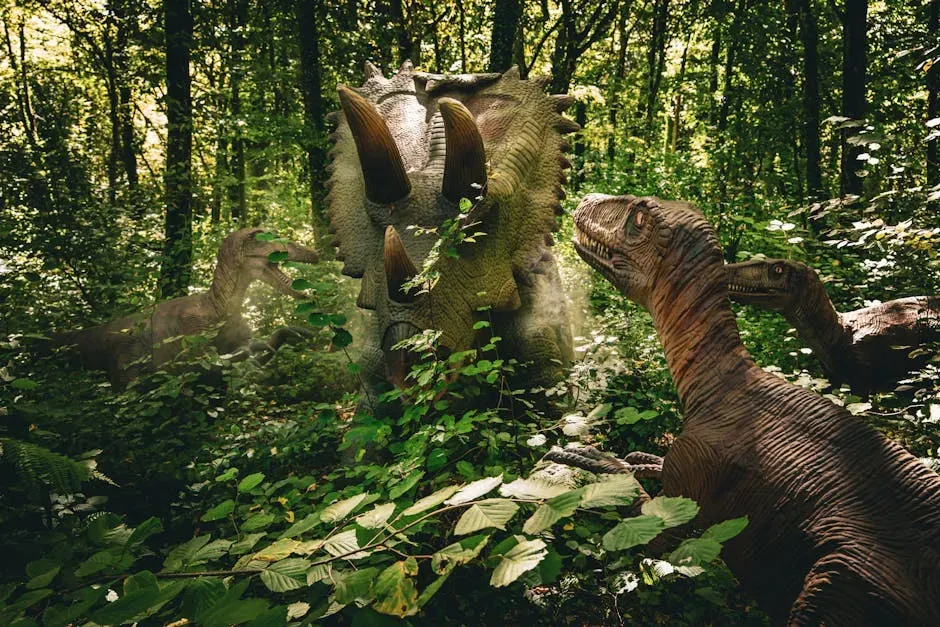
It is tempting to see the Age of Reptiles as a parade of monsters rather than a coherent world, but that view sells both the science and the story dangerously short. The more we learn, the more it becomes clear that this was a planet humming with intricate ecological networks: microbes in dinosaur guts, insects in fern forests, pterosaurs in the skies, and marine reptiles cruising inland seas. My own opinion is that treating it like a mere backdrop for a few famous predators is a bit like judging the entire internet by a single viral video: technically not wrong, but wildly incomplete and frankly unfair.
What makes this ancient era so compelling is not just the size of its reptiles, but the sophistication of the ecosystems that supported them and survived their extinction in transformed ways. Many of the rules that govern our world – how food webs form, how climate jolts ripple through life, how small creatures quietly run big systems – were stress‑tested long before mammals or humans took the stage. If we look at the Age of Reptiles with that in mind, it stops being a closed chapter and becomes a mirror, reflecting possibilities and warnings for our own age. When you picture that prehistoric Earth now, do you still see only monsters, or can you sense the unseen worlds pulsing underneath?