
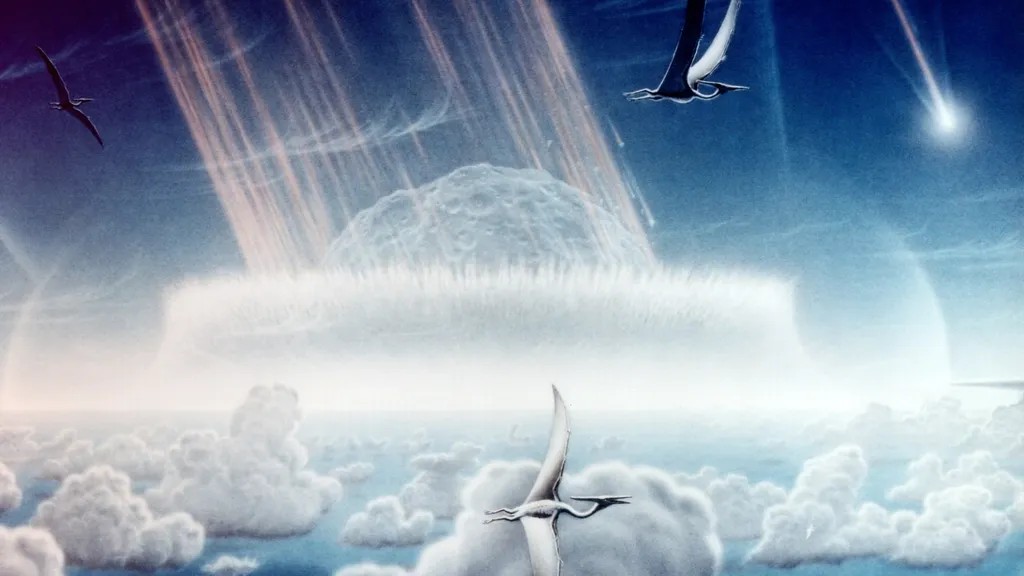
If you grew up picturing one giant rock from space wiping out the dinosaurs in a single fiery moment, you’re not alone. That story is dramatic, simple, and incredibly satisfying. But the closer scientists look at the rocks, the fossils, the chemistry, and the climate records, the messier the picture gets. The asteroid was real and unimaginably destructive – but a growing number of researchers suspect it crashed into a world that was already in serious trouble.
Over the last few decades, new data has been quietly rewriting the script of the dinosaurs’ final days. Massive volcanic eruptions, slow-motion climate chaos, poisoned oceans, shifting continents, and fragile ecosystems may all have played starring roles. The extinction starts to look less like a single bad day and more like a long, brutal unraveling, with the asteroid acting as the final shove over the edge. So what actually killed the dinosaurs – and how sure are we, really?
A World Already on the Edge: Climate Stress Before Impact
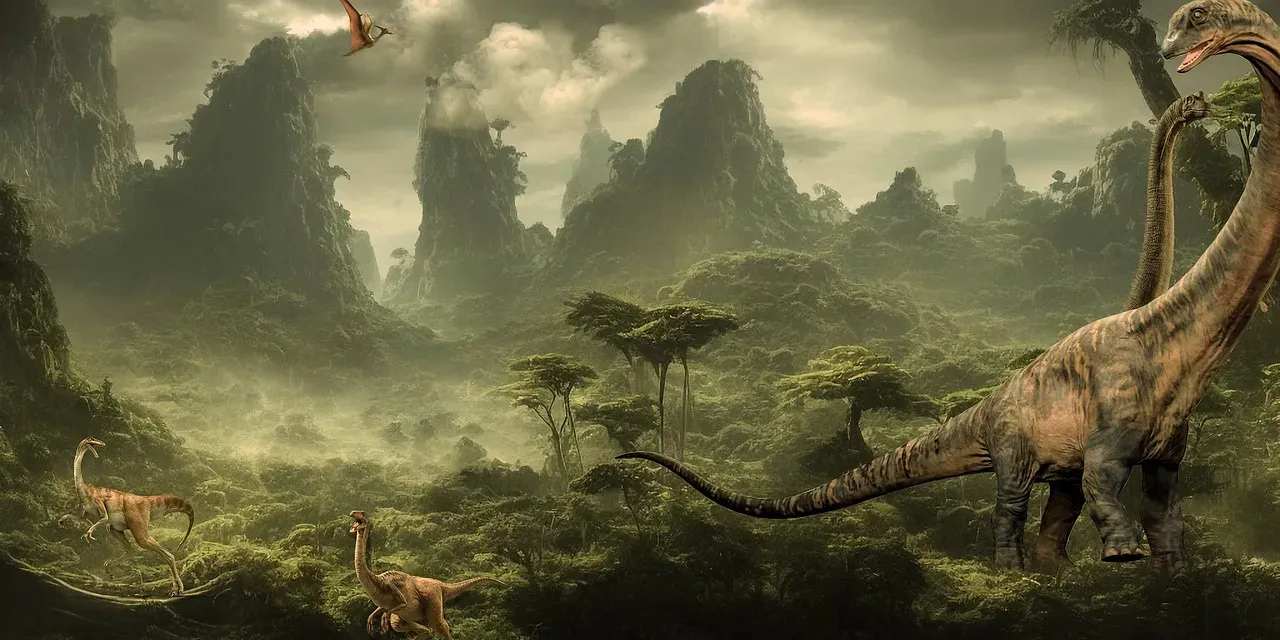
Imagine walking into a room where a glass is already tipped right to the brink of falling off the table; the slightest bump sends it over. Many scientists now think the late Cretaceous Earth looked a lot like that glass. Instead of a stable dinosaur paradise suddenly shattered by an asteroid, evidence from rock layers suggests the climate was already shifting in ways that would have stressed ecosystems long before the final impact. Temperature records preserved in ancient shells and minerals hint at long-term swings between warmer and cooler phases as the Cretaceous drew to a close.
These changes might not sound dramatic on human timescales, but for animals that had evolved for particular habitats, slow climate drift can be deadly. Some studies suggest that certain dinosaur groups were already declining in diversity millions of years before the Chicxulub impact, especially in North America. That does not mean dinosaurs were universally doomed, but it does weaken the idea that everything was perfectly fine until a single bad afternoon. To me, that’s more unsettling: extinction not as a surprise explosion, but as a long, creeping vulnerability that leaves a whole planet ready to break.
The Deccan Traps: Volcanoes That Turned the Sky Toxic
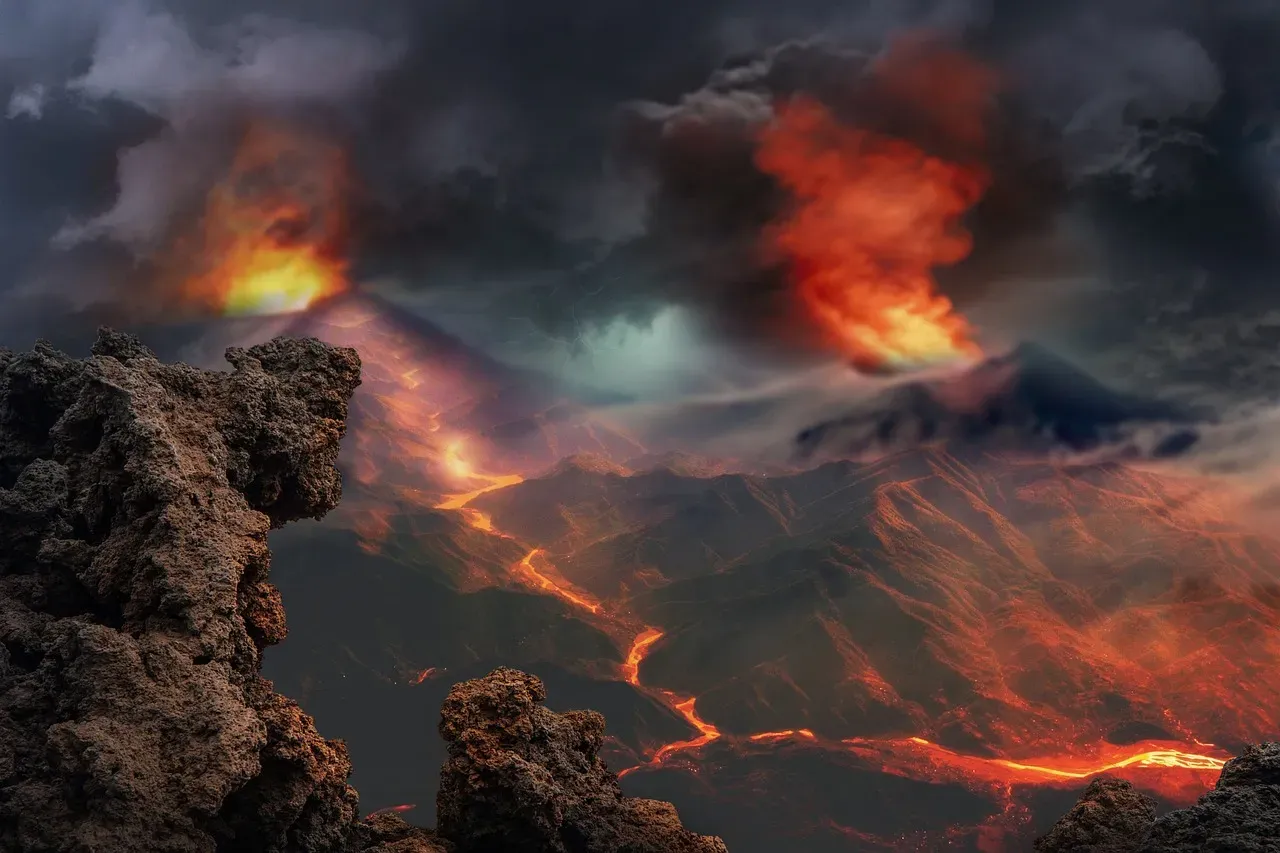
If there’s a serious rival to the asteroid in this story, it’s the Deccan Traps – one of the largest volcanic provinces ever to erupt on Earth. In what’s now western India, vast lava flows built up layer upon layer, eventually covering an area larger than many countries combined and piling up several kilometers thick in places. These eruptions did not just spill out lava; they belched enormous amounts of carbon dioxide and sulfur gases into the atmosphere, exactly the kind of ingredients that can reshape climate and acidify rain and oceans.
The timing here is uncomfortably close to the dinosaur extinction. Many geologists now argue that the most intense phases of Deccan volcanism happened within a few hundred thousand years of the end-Cretaceous boundary, overlapping the extinction window. The big debate is whether the volcanoes did most of the damage gradually, with the asteroid merely finishing the job, or whether the impact itself actually changed Earth’s interior enough to “turn up” the volcanic activity afterward. Either way, it is hard to imagine a stable world underneath skies repeatedly filled with ash and gas. I find it more believable that dinosaurs were hit by a one-two punch: long-term volcanic stress followed by a sudden cosmic knockout.
Multiple Kill Mechanisms: A Perfect Storm of Death
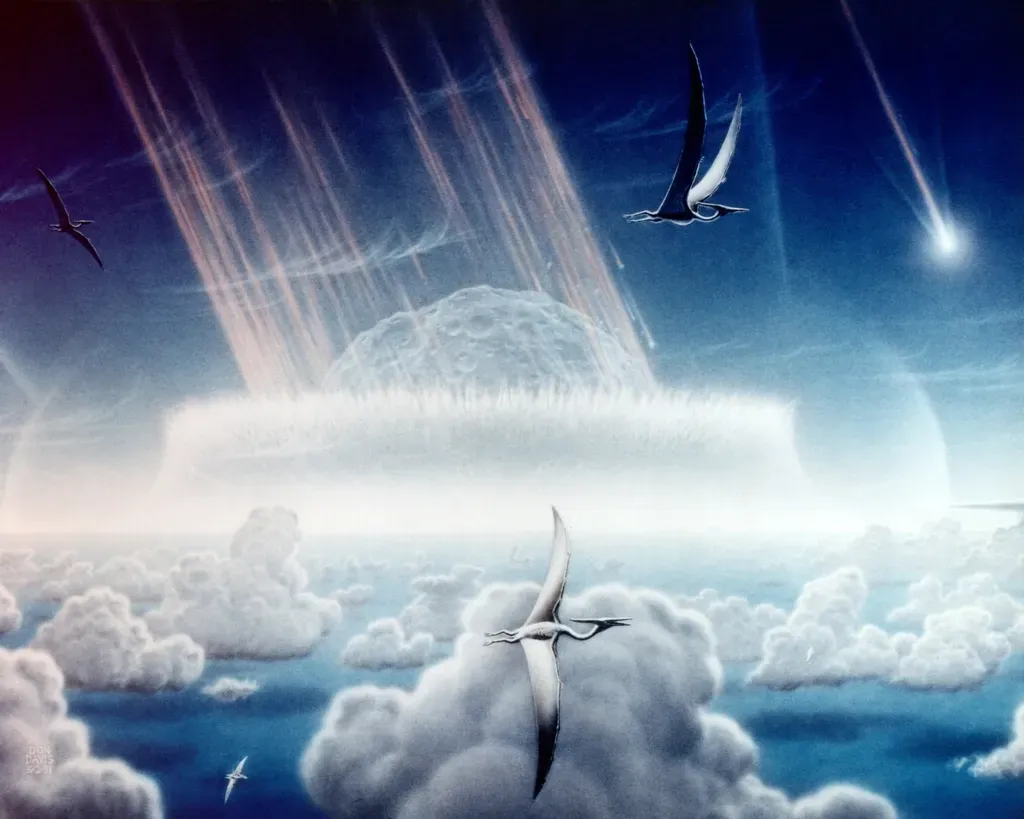
When people talk about the asteroid, they often focus on impact force and firestorms, but the real killers were probably indirect. A huge impact can launch so much dust, soot, and vaporized rock into the atmosphere that sunlight gets blocked for months or even years. That would slam photosynthesis almost to a halt, starving food webs from the bottom up. At the same time, sulfur released from both the target rocks and possible volcanic activity could have created acid rain and short-term cooling, while carbon dioxide built up after could have driven longer-term warming. This is not one simple disaster; it is a sequence of layered, overlapping blows.
Now add in sea-level changes driven by shifting tectonic plates and climate fluctuations. As shallow seas retreated, coastal habitats would have shrunk, squeezing species into tighter spaces and making ecosystems more fragile. Some researchers think that by the time the asteroid hit, food webs were already stretched thin, dominated by fewer species and more vulnerable to collapse. It is like pulling out piece after piece from a Jenga tower; the final block gets the blame for the crash, but the instability had been building for a long time. In that sense, the asteroid was less an assassin and more the last straw.
Selective Survival: Why Birds Made It and Big Dinosaurs Did Not
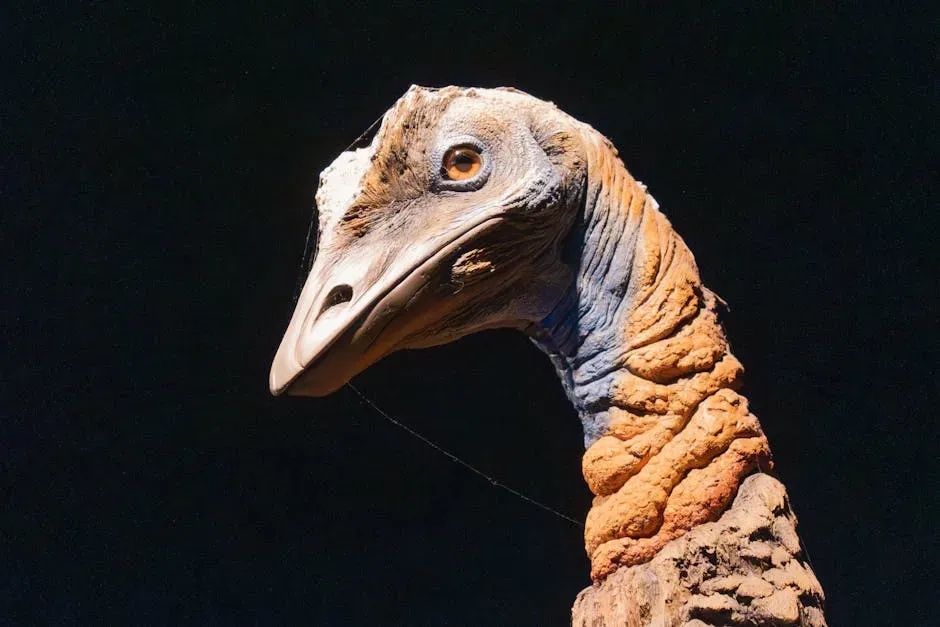
One of the strangest parts of this story is that not all dinosaurs died. Birds are living dinosaurs, descended from small, feathered theropods that somehow slipped through the extinction bottleneck. That alone tells us the kill mechanisms were not universally fatal to everything that looked remotely dinosaurian. Size likely mattered: smaller animals generally need less food, can hide more easily, and often reproduce faster, which helps in unstable environments. When global food chains collapse, being a giant, heat-loving, high-calorie predator is a terrible survival strategy.
Diet and flexibility probably mattered just as much. There is evidence that some early birds and small mammals could eat seeds, insects, or detritus – resources that might have remained available even when lush forests thinned and primary productivity crashed. Meanwhile, many large herbivorous dinosaurs depended on abundant fresh plant growth, and large carnivores depended on those herbivores. When the bottom collapsed, the biggest and most specialized animals were boxed into a corner. This selective survival makes the extinction feel less like random cosmic cruelty and more like a brutal test of adaptability, one that reshaped life on Earth in a deeply unfair but not entirely mysterious way.
Alternative Ideas: Dark Matter, Supernovae, and Cosmic Long Shots
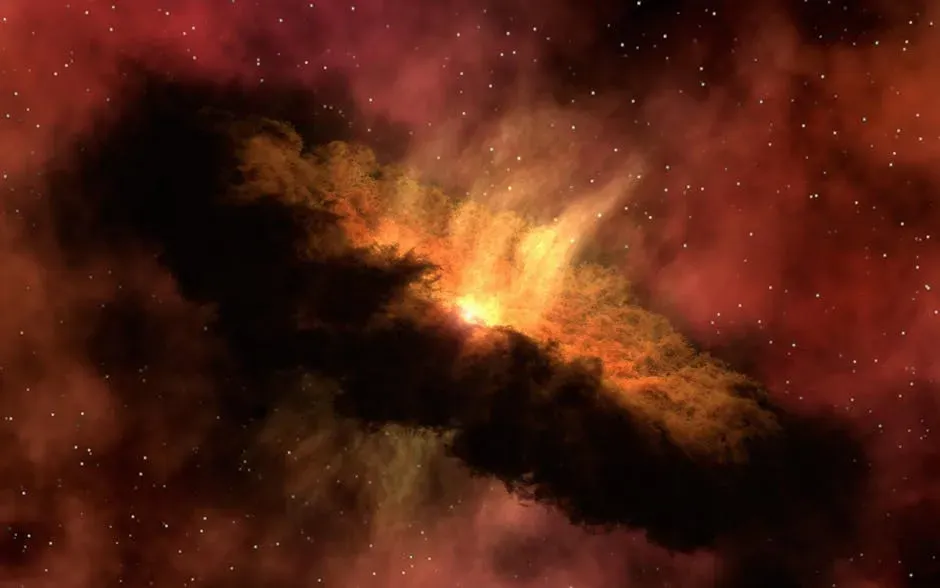
Every time a big mystery sits at the edge of our understanding, more speculative ideas rush in to fill the gaps, and dinosaur extinction is no exception. Some proposals suggest that as our solar system orbits the galaxy, it might periodically pass through dense regions of dark matter or interstellar clouds that disturb comets and subtly affect climate, potentially increasing impact rates or triggering long-term environmental stress. Others have floated the idea of nearby supernova explosions showering Earth with radiation, damaging the ozone layer and stressing life before or during the end-Cretaceous window.
These ideas are undeniably intriguing, and they tap into something very human: the urge to connect cosmic cycles with dramatic moments in Earth’s history. But right now, they sit on much shakier ground than the more conventional mix of impact, volcanism, and climate change. Evidence for dark matter or supernova-driven extinction mechanisms is far more indirect, often based on patterns that can be interpreted in multiple ways. Personally, I see them as reminder theories – hints that we still might be missing pieces of the puzzle – rather than serious competitors to the main story. They keep the conversation honest by forcing scientists to ask whether they are overlooking something bigger, even if the evidence to support them is currently thin.
Rewriting the Story: A Messy Ending, Not a Single Moment
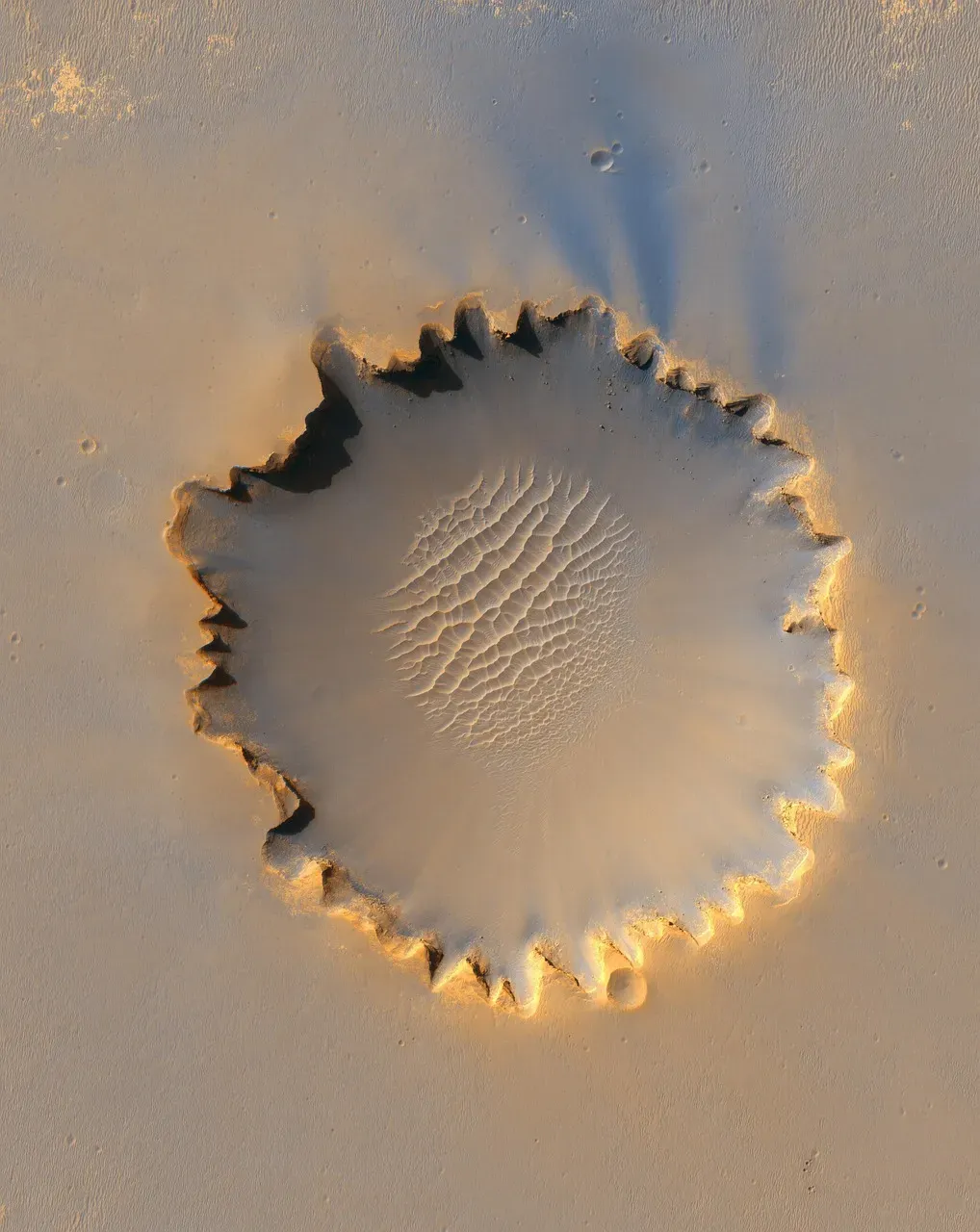
When you put all of this together, the classic clean narrative – happy dinosaurs, sudden rock, instant apocalypse – feels more like a movie script than a realistic reconstruction. The more data piles up, the more the end of the Cretaceous looks like a long, troubled period culminating in a catastrophic event. There were long-term climate trends, gigantic volcanic eruptions, shifting seas, and increasingly fragile ecosystems that left the world primed for disaster. The asteroid did not strike a stable Eden; it slammed into a planet already wobbling. In that sense, the real story is more complex, but also more believable.
My own view is that clinging to a single-cause explanation undersells how dynamic and precarious Earth’s systems really are. The dinosaurs likely died because multiple stressors converged: slow-burn crises plus a sudden blow that life simply could not absorb. That uncomfortable conclusion hits close to home today, when we are layering our own pressures – climate change, habitat loss, pollution – onto an already complicated planet. The dinosaurs never saw their asteroid coming; we at least can see the warnings in the rocks. The unsettling question is not just what really killed the dinosaurs, but whether we are any better at reading the signs before our own tower starts to fall.