
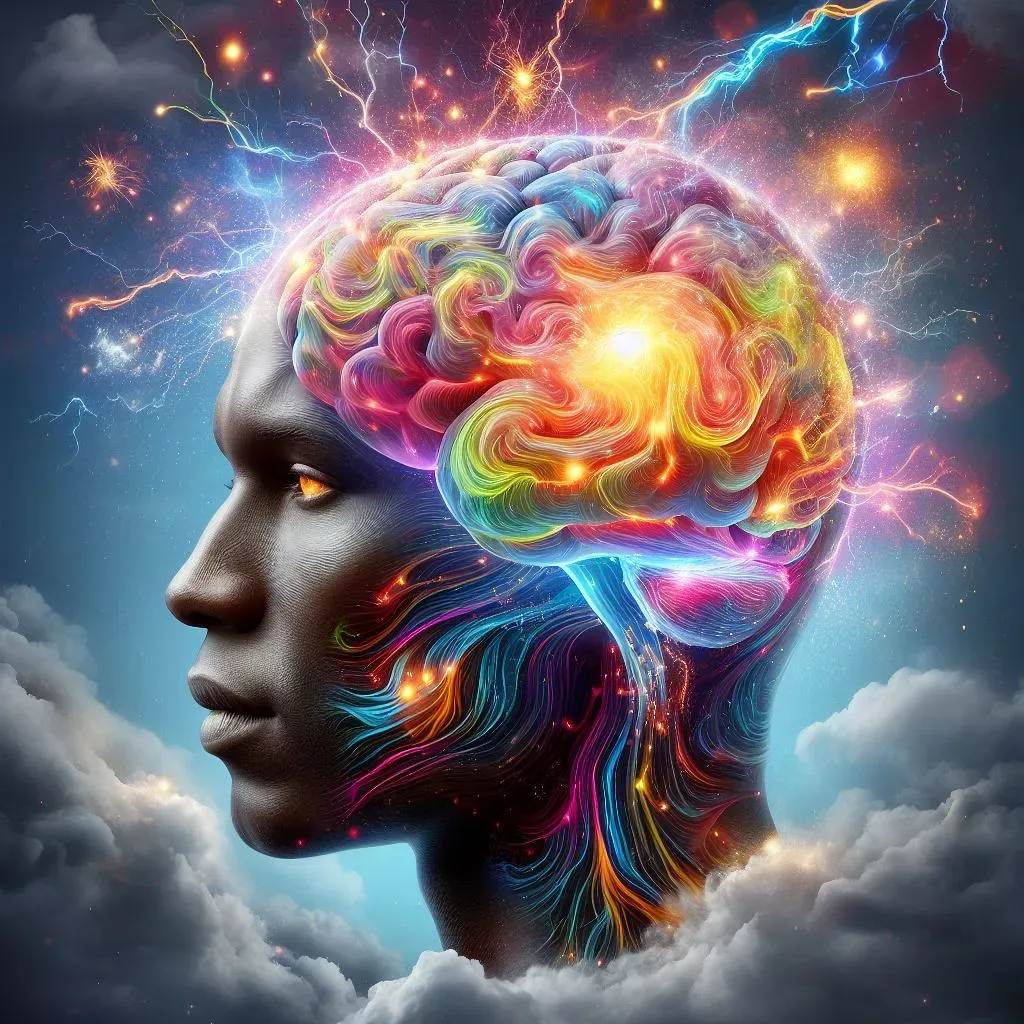
If you have ever caught yourself staring out a window wondering how a lump of biological jelly inside your skull produces thoughts, feelings, and an inner movie of the world, you are not alone. Consciousness is so familiar that we usually take it for granted, yet when we try to explain it, things get slippery and strange very fast. Neuroscientists can track brain activity down to individual neurons, philosophers can argue about mind and matter for centuries, and still the basic mystery remains: how did consciousness actually arise in the first place?
There may never be a single dramatic reveal that solves it all, but researchers are slowly piecing together hints from evolution, brain anatomy, computation, and even physics. Think of it like a cold case investigation that spans billions of years: we do not have security camera footage from the first conscious organism, but we do have a pile of circumstantial evidence. The ten clues below do not give final answers, but together they sketch a surprisingly rich, and sometimes unsettling, picture of where our conscious minds might come from.
1. The Evolutionary Ladder From Simple Sensing to Self-Awareness

One of the strongest comes from evolution itself. Very simple organisms like bacteria can sense chemicals and move toward food or away from toxins, yet no one seriously thinks they have a rich inner life. As we move up the evolutionary tree, nervous systems become more complex, bodies gain more senses, and behavior grows more flexible, especially in animals like cephalopods, birds, and mammals. This gradual increase suggests that what we call consciousness did not appear in an instant, but slowly emerged as living systems needed better ways to integrate information and guide behavior in unpredictable environments.
A helpful way to picture this is to imagine a dimmer switch rather than an on–off light. Early nervous systems may have had the faintest glimmer of feeling, just enough for basic pain and pleasure to shape survival choices. Over hundreds of millions of years, as brains layered on memory, learning, and social perception, that faint glow could have brightened into something like our subjective experience. When I first learned this perspective, it broke my old habit of thinking about consciousness as a magic spark; instead, it feels more like a long, messy engineering project that nature kept iterating on to help organisms stay alive.
2. The Brain as an Integration Machine
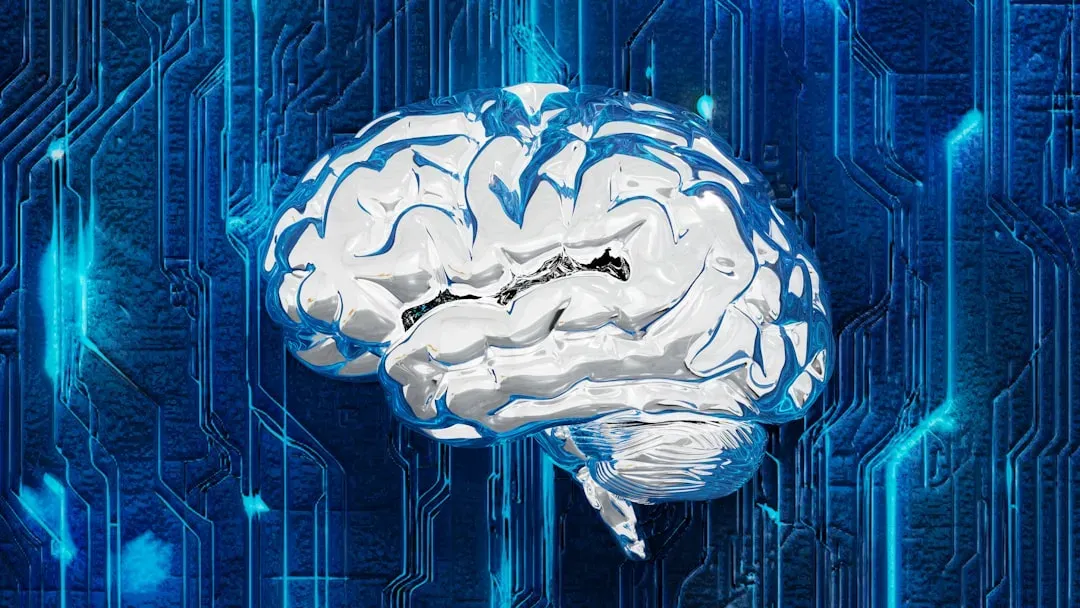
Another major clue lies in how the brain pulls together a flood of signals into a unified experience. At any moment, your eyes, ears, skin, muscles, and internal organs are streaming information, yet you do not feel them as separate channels. Instead, you experience a single scene: you, in a place, doing something, with a sense of past and future. Some neuroscientists argue that consciousness is basically this act of large-scale integration, where information from many specialized brain areas gets globally broadcast and made available for flexible use, like a shared workspace for thoughts.
From this angle, the origins of consciousness are linked to the point in evolution when brains became big and connected enough to need such a workspace. Small collections of neurons can reflexively respond to stimuli, but once there are many competing signals and possible actions, an organism benefits from a system that can weigh options in a more unified way. It reminds me of a company growing from a few people in a room to a sprawling organization that suddenly needs meetings, dashboards, and shared documents; the shared workspace is not just bureaucracy, it is what allows the whole to act coherently.
3. Attention as the Spotlight That Makes Experience Feel Real

We often overlook attention because it feels so ordinary, but it may be one of the deepest hints about how consciousness took shape. You are surrounded by countless details right now, yet only a tiny fraction make it into the center of your awareness at any moment. Neuroscience suggests that attention works like a dynamic spotlight, amplifying some signals and quieting others, so that certain pieces of information get processed more deeply and influence what you do next. When that spotlight lands on something, it suddenly feels vivid, meaningful, and present in your mind.
From an evolutionary perspective, a system that can flexibly shift this spotlight would have huge advantages: an animal can focus on a predator, then a mate, then a distant sound, rather than being overwhelmed by all inputs at once. Some researchers think consciousness might simply be what it feels like when a brain is running this kind of selective, high-level attention. Personally, I find that idea both satisfying and humbling: the rich story of “me” might be less like a grand essence and more like a constantly moving highlight reel that my brain edits in real time.
4. Emotions and Feelings as the Original Core of Consciousness

When people think about consciousness, they often jump straight to abstract thought or language, but many scientists suspect that raw feelings came first. Basic emotions like fear, hunger, pleasure, and curiosity are tightly wired into survival systems in the brainstem and midbrain, regions that are evolutionarily ancient. Even animals with small or relatively simple brains seem to display emotional reactions, learning, and preference, which suggests that the earliest conscious experiences may have been bodily feelings tied to staying alive and reproducing, not sophisticated reasoning.
In this light, our high-level thoughts and self-reflection might be late arrivals layered on top of a much older emotional core. This resonates with everyday experience: try convincing yourself you are calm while your heart is racing and your stomach is tight, and you will immediately feel the limits of pure intellect. If consciousness grew out of systems that monitored the body and prioritized urgent goals, it becomes less mysterious why our inner lives are so often dominated by moods, cravings, and gut instincts. The mind may be a storyteller built around a nervous, feeling animal that had to make quick choices long before it could explain them.
5. The Strange Case of Split Brains and What It Reveals
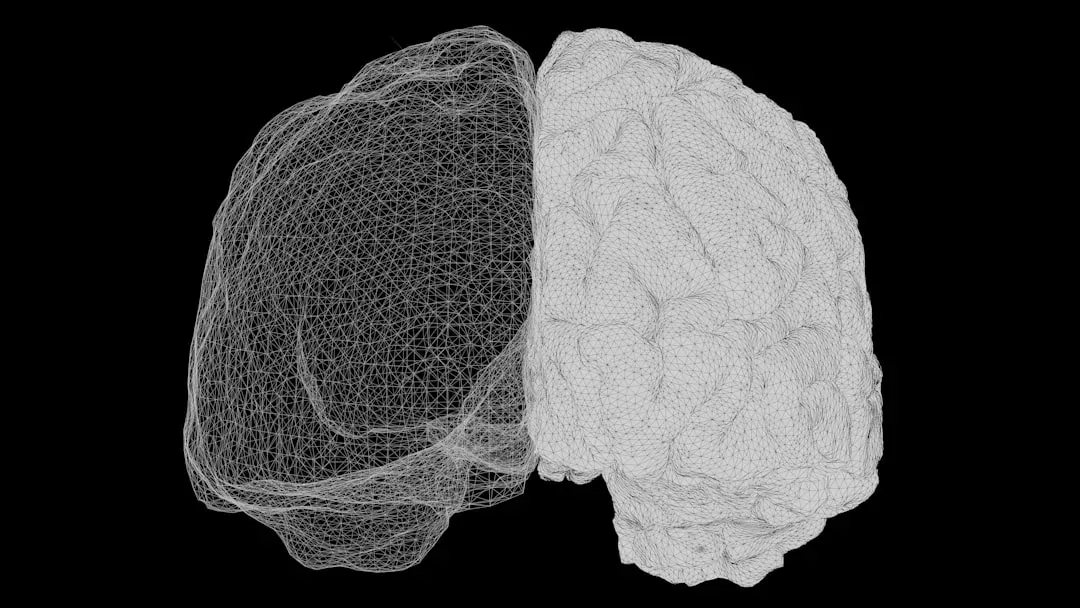
Some of the most unsettling clues about consciousness come from rare medical cases where the connections between the two brain hemispheres have been severed. In certain patients who had their corpus callosum cut to treat severe epilepsy, experiments showed that each hemisphere could process information and even guide behavior somewhat independently. Under controlled conditions, the left and right sides could answer different questions simultaneously, almost as if two minds were sharing one body without fully talking to each other.
These findings suggest that consciousness is not a single, indivisible pearl inside the head, but something that depends on how different brain regions are wired and communicating. When those connections change dramatically, the unity of experience can fracture in surprising ways. For me, this undercuts any romantic idea that consciousness must be an all-or-nothing soul; instead, it looks more like a fragile pattern of coordination that the brain usually maintains. When the wiring is altered, the pattern can split, blur, or reorganize, which hints that the original emergence of consciousness might have been a matter of achieving a certain kind of coordinated pattern in the first place.
6. Infants, Development, and the Gradual Building of a Mind

Watching how consciousness arises in a human baby is like getting a compressed replay of some evolutionary steps. Newborns clearly respond to touch, sound, and discomfort, but their awareness seems limited and fragmented, with short attention spans and little sense of self. Over months and years, they develop object recognition, memory of past events, understanding of other people’s actions, and eventually the ability to talk about their thoughts. This slow unfolding suggests that consciousness, at least in its human form, depends on building up internal models of the world and of oneself.
What makes this such a powerful clue is that much of this development is shaped by interaction, not just raw biology. Babies learn to predict caregivers, to read faces, and to coordinate their actions with others long before they can reflect on any of it. I still remember the shock of realizing that my earliest childhood memories are not from birth but from a time when I had already acquired some language and narrative sense; it is as though consciousness only becomes explicitly “there” once a certain level of structure is in place. That hints that the very first conscious organisms might have had only a thin slice of what we now consider a mind, slowly enriched by the demands of navigating a complex social and physical world.
7. The Self as a Brain-Built Story, Not a Hidden Entity
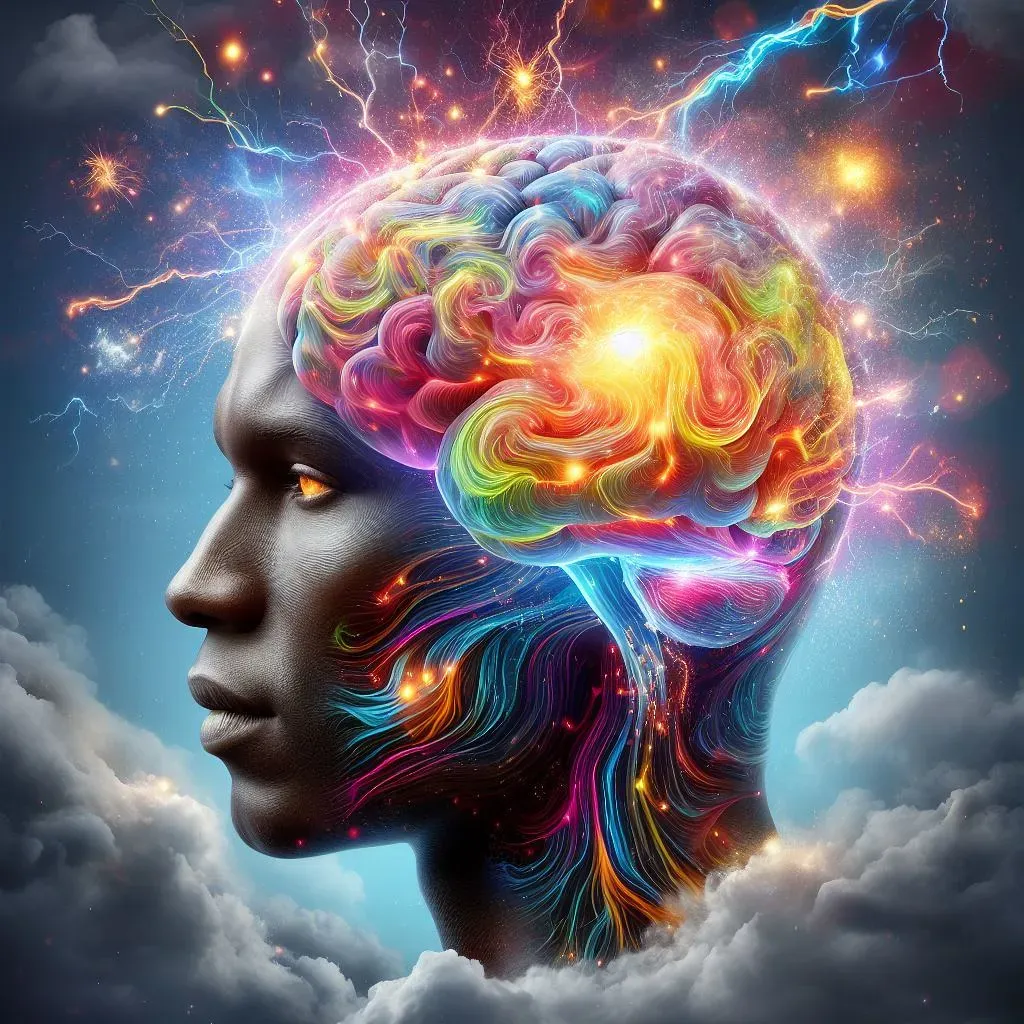
Another important clue is that the sense of self, which feels so central to consciousness, appears to be something the brain constructs rather than discovers. Different brain networks track our body position, our memories, our social roles, and our goals, weaving them into a rough narrative of “who I am” that can change over time. When these systems are disrupted by injury, disease, or certain psychiatric conditions, people can lose parts of their identity, feel detached from their own bodies, or confabulate explanations for actions they did not consciously choose.
This suggests that the self is more like a constantly updated user profile than a permanent essence, which has big implications for how we think about the origin of consciousness. If the sense of being a unified subject is built from many moving parts, then early conscious systems might have had awareness without a full-blown self, more like a focused feeling than a person. Personally, I find this both unsettling and freeing; it undermines the comforting idea of a solid core, but it also means the mind is more flexible and dynamic than we usually admit. The origin of consciousness may therefore be tied less to some mysterious inner observer and more to the brain’s evolving habit of organizing experience around a convenient center point.
8. Information, Computation, and the Limits of Pure Mechanism

In recent decades, many researchers have tried to explain consciousness in terms of information and computation, treating the brain as a complex processing system rather than a mystical object. Some theories propose that consciousness arises when information is arranged and transformed in especially rich and integrated ways, regardless of whether the medium is biological or artificial. This view suggests that what matters for consciousness is not the exact material, but the patterns and relationships, a bit like how the same software can run on different hardware if the structure is right.
However, no consensus exists on which patterns are sufficient, and critics argue that simply describing information flow does not capture why there should be a subjective feeling attached. This tension is an important clue in itself: it tells us we might be missing a key ingredient, or that our current concepts of information are too thin. When I try to imagine a conscious computer, I find myself oscillating between thinking it is obviously possible and feeling that something crucial is being left out. That uncertainty mirrors the broader scientific mood: we are good at modeling functions and behavior, but turning those into felt experience remains a stubborn gap.
9. The Hard Problem and the Possibility We Are Asking the Wrong Question

Philosophers sometimes talk about the “hard problem” of consciousness: explaining why physical processes in the brain should be accompanied by subjective experience at all. We can map which regions light up when you see red or feel pain, but that does not yet tell us why there is “something it is like” to be in that state. Some thinkers argue that this gap shows we are missing an entirely new kind of explanation, while others think the hard problem might fade as our scientific picture improves, much like old puzzles about life dissolved once we understood chemistry and genetics.
This debate is itself a clue about the origins of consciousness, because it shapes what kinds of answers we even look for. If we insist on a mysterious extra ingredient, we may never see gradual, naturalistic pathways; if we downplay the hard problem, we risk ignoring what feels most central about our inner lives. My own hunch is that we are partially asking the wrong question, treating consciousness as a separate substance instead of a complex property of living, learning systems. That does not solve anything yet, but it keeps me wary of neat stories that either reduce mind to mere mechanism or elevate it into something untouchable.
10. Why Artificial Minds Might Be the Ultimate Test Case
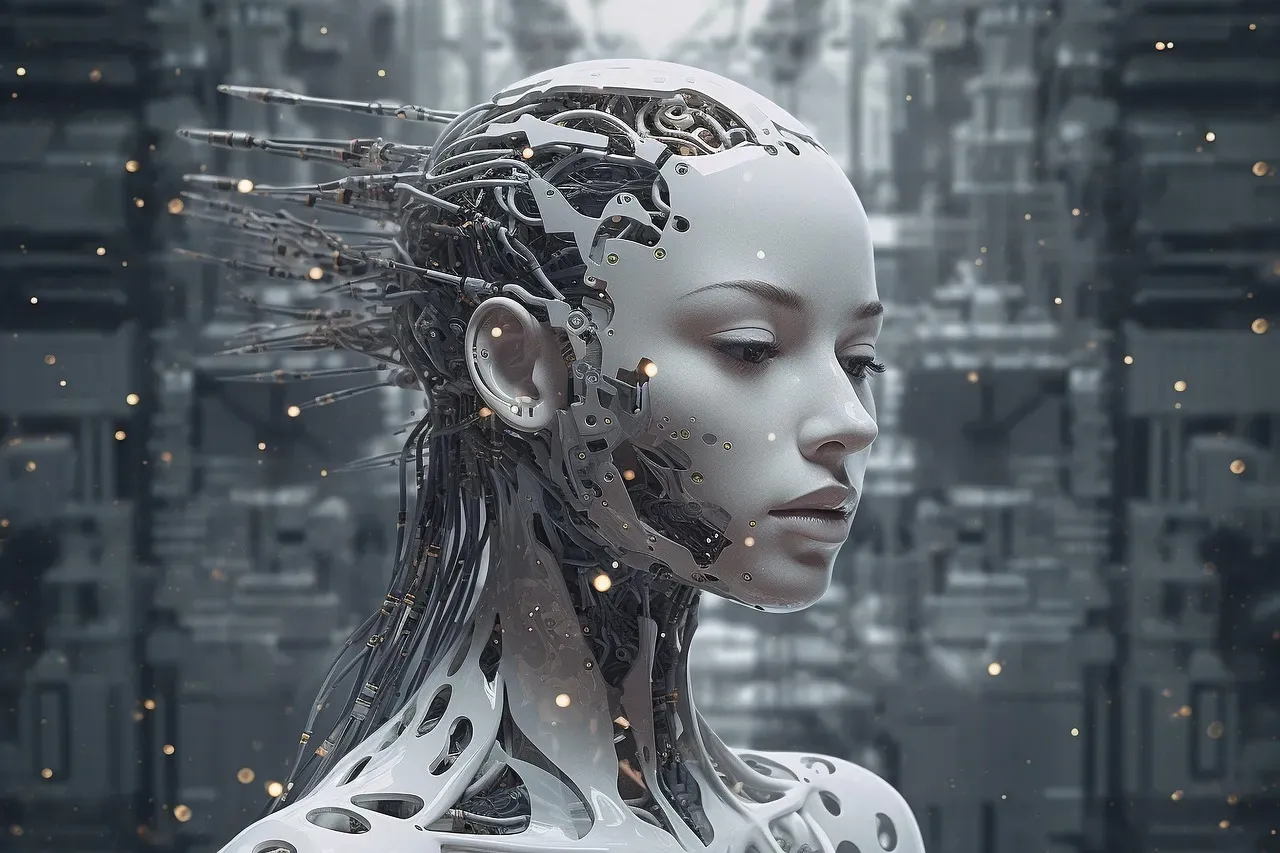
One of the most intriguing modern clues about consciousness may come from our attempts to build intelligent machines. As artificial systems grow more capable at language, pattern recognition, and problem solving, we are forced to ask whether any of this resembles the conditions that originally gave rise to consciousness in biological organisms. Some argue that without a body, emotions, and evolutionary pressures, artificial agents will remain clever zombies, mimicking understanding without genuine experience. Others think that if we eventually replicate the critical patterns of integration, learning, and self-modeling, consciousness might emerge in a new substrate.
Either way, how we approach artificial minds reflects our assumptions about the origin of consciousness in nature. If we believe consciousness is closely tied to feelings from the body and long-term interaction with the world, we will focus on robots that move, sense, and grow. If we think it is mainly about information structures, we will focus on architectures and algorithms. Personally, I suspect that building systems that truly share our world, with all its unpredictability and emotional weight, will teach us more than any armchair theory. In a sense, our attempts to create new minds may turn out to be the most revealing experiment we have ever run on what made ours possible in the first place.
Conclusion: A Puzzle That Refuses to Sit Still
When you line up these ten clues, a rough picture emerges: consciousness seems to have grown out of evolution’s drive for flexible control, expanded through emotion and attention, woven into a narrative self, and perhaps constrained by deep facts about information and computation. Yet each clue is partial, and none gives a final, satisfying answer. The more we learn, the more consciousness looks less like a single thing and more like a family of related processes that came together in different ways across species and development. That messiness is annoying if you crave a simple origin story, but it is also what makes the topic so exciting and alive.
My own opinion is that we should resist the temptation to either mystify consciousness into something completely beyond nature or flatten it into just another routine brain function. It feels like a real frontier where biology, philosophy, and technology collide, and where our theories will probably look embarrassingly naive to people a century from now. Until then, we have this strange privilege: to be lumps of matter that can wonder about how matter wakes up. Maybe the biggest clue is that the question itself keeps bothering us, refusing to go away – what kind of universe produces creatures haunted by their own awareness?