
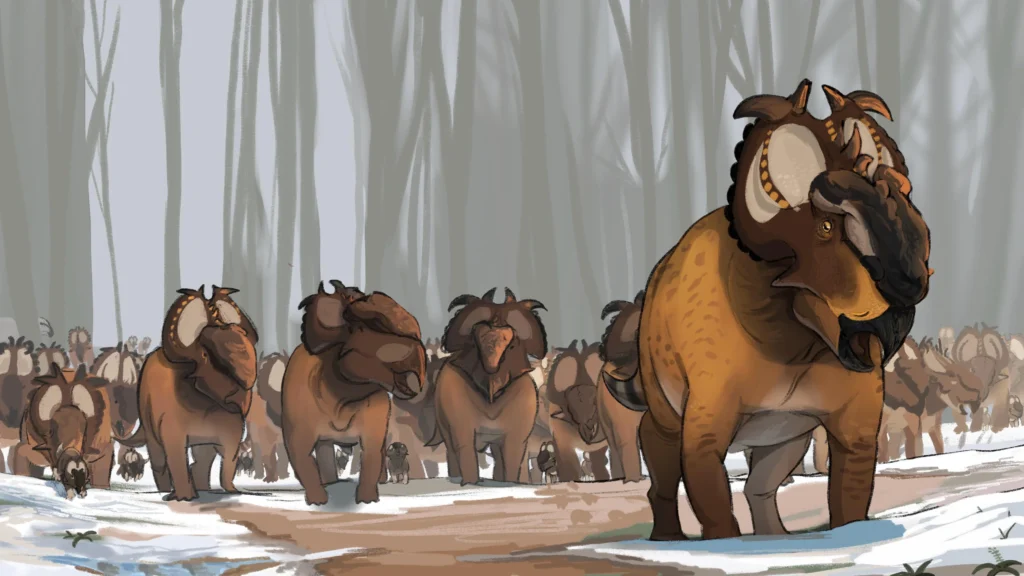
Picture a line of gigantic sauropods stretching across the horizon, their silhouettes fading into volcanic haze, walking not for minutes or days, but for seasons on end. The idea that dinosaurs migrated like modern caribou or wildebeest feels almost cinematic, yet it is increasingly supported by real, stubborn pieces of evidence preserved in rock. When you realize some of these animals may have walked from what is now one climate zone to a completely different one every year, the ancient world suddenly stops being static and starts to feel startlingly alive.
What makes dinosaur migration so intriguing is how much we still do not know. We are trying to reconstruct million‑year‑old road trips from broken bones, scattered teeth, and faint chemical fingerprints in fossilized rock. It is messy, imperfect, and occasionally frustrating, but that is exactly what makes the story so compelling. As scientists pull together clues from geology, climate science, and biology, a clearer picture is emerging of dinosaurs as active, mobile survivors constantly adjusting to a changing planet.
Why Would Dinosaurs Migrate At All?
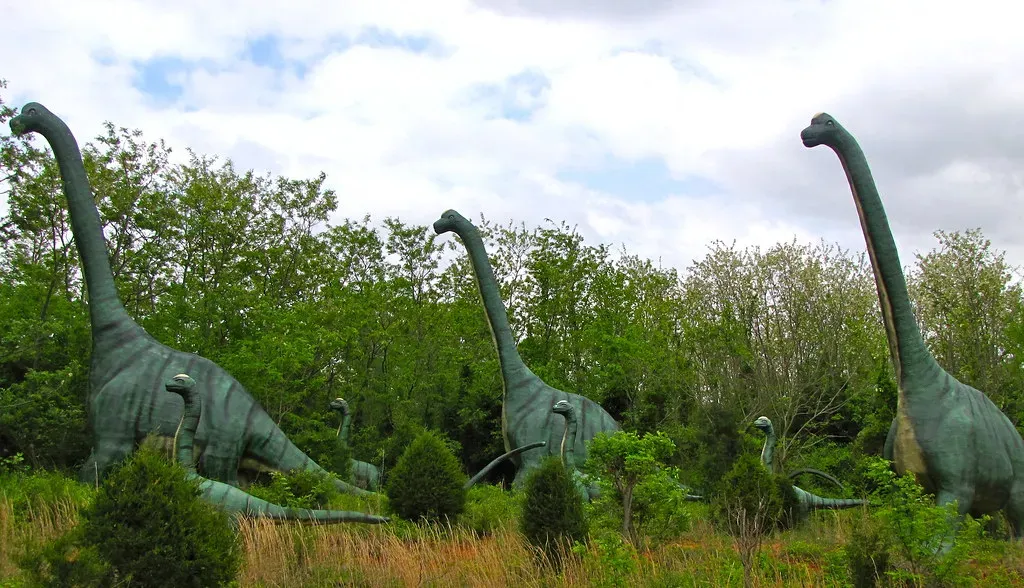
At first glance, dinosaurs look like the last animals that would bother with long‑distance travel. A multi‑ton sauropod trudging across a continent sounds wildly inefficient, but nature tends to be brutally practical. If food, water, or safe nesting grounds shift with the seasons, staying put can be more dangerous than moving, no matter how big you are. Just like modern elephants follow the rains, many dinosaurs likely followed seasonal plant growth, river levels, or coastal changes to stay ahead of scarcity.
Earth during the Mesozoic was not a stable background painting; it was a restless, reshaping planet with fluctuating sea levels, drifting continents, and dramatic swings between wet and dry seasons. In some regions, lush floodplains could transform into harsh, dusty landscapes over the course of a year. If you are a herd of herbivores with a huge daily calorie requirement, that seasonal flip is a serious problem. Migration becomes a life‑or‑death strategy: go where the plants are, or starve where you stand.
Footprints, Bonebeds, And The First Clues Of Long Journeys
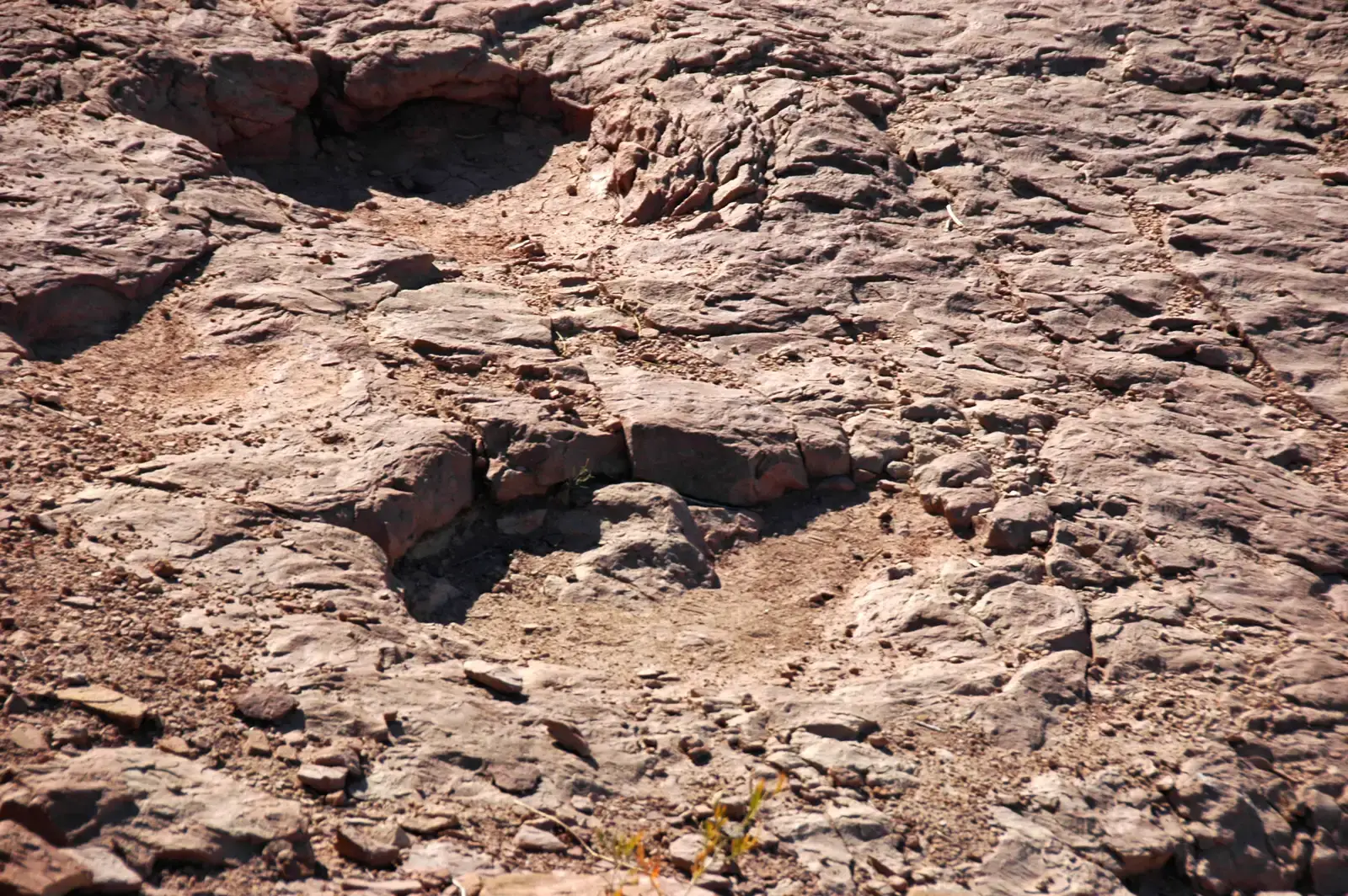
One of the most haunting images in dinosaur science is not a skeleton in a museum, but a trackway: a set of footprints marching across an ancient mudflat, frozen mid‑stride. In places like North America, Europe, and parts of Asia, we find trackways that run in consistent directions over surprising distances and sometimes contain footprints of multiple individuals, all heading the same way. It is hard not to see these as snapshots of a migrating herd, caught in a moment of their seasonal journey. The fact that some of these trackways cut across what would have been river crossings or different types of terrain adds weight to the idea of purposeful, long‑distance movement.
Then there are the giant bonebeds: huge accumulations of fossils from the same species found in a single layer, scattered over large areas. In some cases, these look a lot like mass death events involving herds, similar to modern catastrophes where migrating animals die at drought‑stricken water holes or during floods. While not every dinosaur bonebed screams migration, the combination of herd evidence, age distribution of individuals, and the surrounding sediment can hint that these animals were on the move as a group when disaster struck. It is like stumbling on an ancient traffic pileup and trying to reconstruct where everyone was going.
Chemical Signatures: Reading Dinosaur Travel Logs In Their Bones
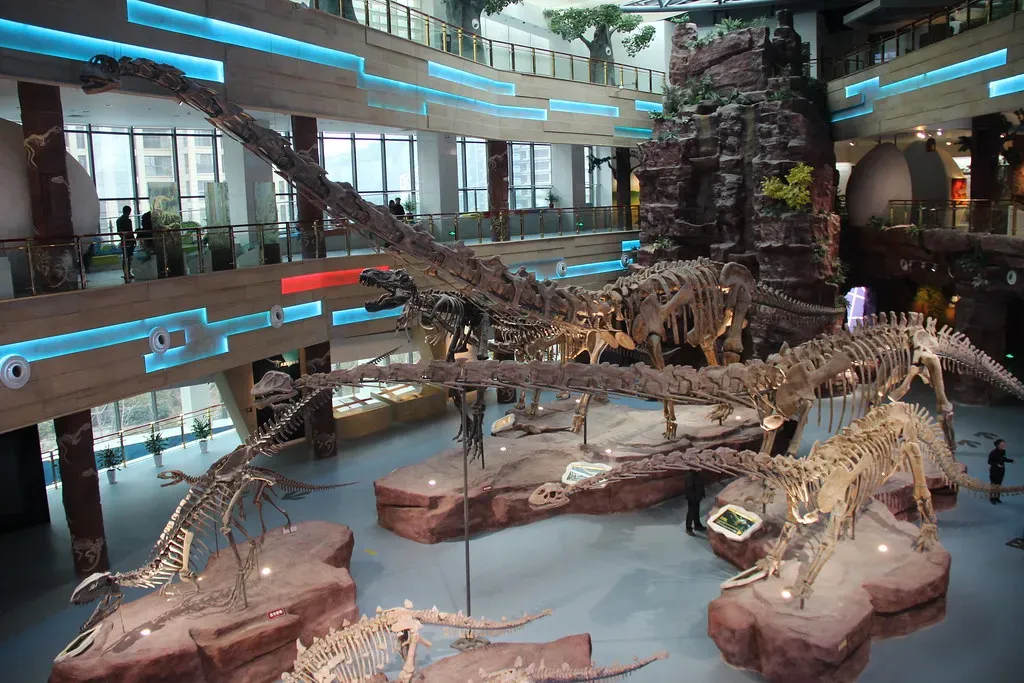
Some of the strongest evidence for dinosaur migration comes from chemistry rather than from what we see with the naked eye. Dinosaur bones and teeth can preserve subtle ratios of different forms of elements, such as oxygen and strontium, which vary from place to place based on local rocks, water sources, and climate. When a dinosaur drank water or ate plants, it essentially recorded the local environmental chemistry into its growing bones and teeth. Millions of years later, scientists can sample that chemistry to see if an animal’s life story stayed rooted in one region or wandered across multiple environments.
In several cases, researchers have found that the chemical fingerprints in a single dinosaur’s remains do not match the local geology where the fossil was found. That suggests the animal grew up or spent parts of its life somewhere else, then moved into the area where it eventually died. Some sauropods, for example, appear to have shuttled between higher and lower elevations over the course of a year, just like modern elk or mountain goats. To me, that detail is surprisingly intimate: you are not just looking at a fossil, you are reading the ghost of a yearly routine etched into its bones.
Herds On The Move: Social Lives And Seasonal Routines
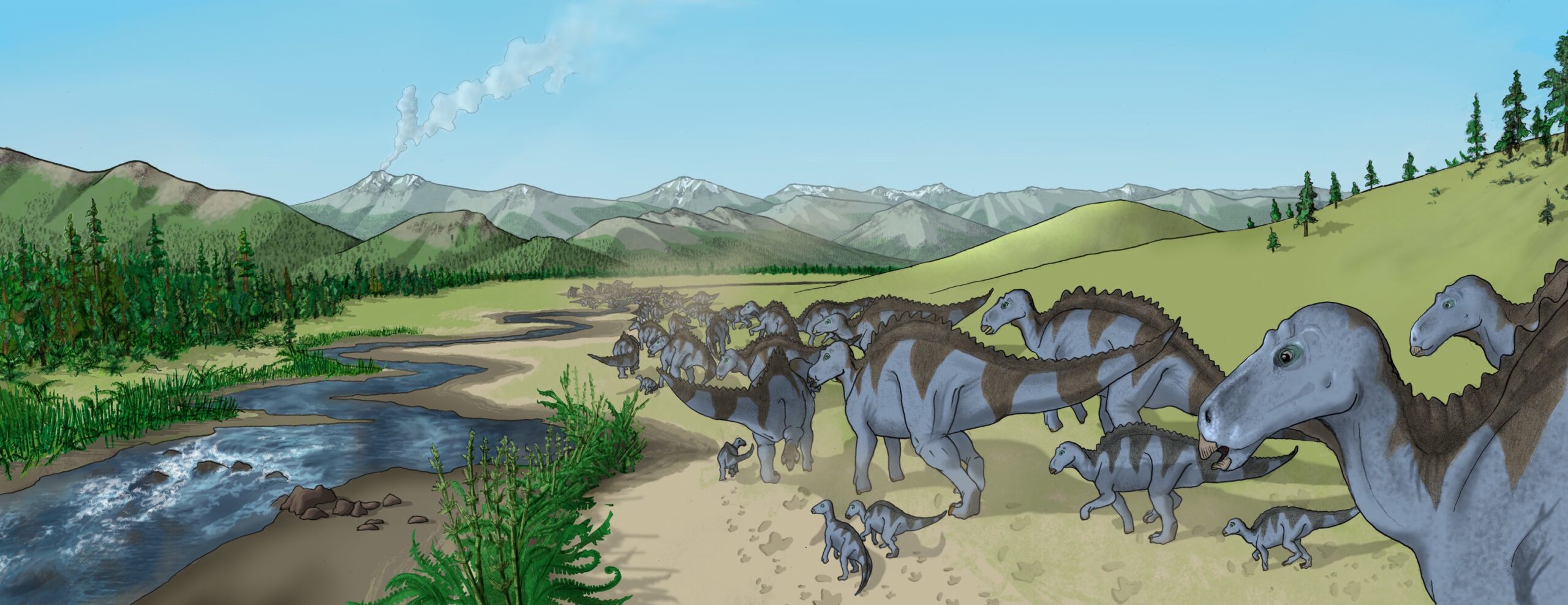
Migration is rarely a solo act, and the evidence for herding in many dinosaur species makes their journeys feel even more dynamic. Nesting sites with eggs and hatchlings clustered together, combined with trackways of multiple individuals walking side by side, strongly suggest that at least some herbivorous dinosaurs moved as family groups or large herds. If those same species also show signs of chemical or geographic movement, a picture emerges of massive, coordinated seasonal treks across ancient landscapes. Imagine the sound, the dust, the shaking ground as hundreds or thousands of animals shifted from one valley to the next.
For the young, migration would have been both a risk and a training ground. Moving with a herd exposes juveniles to predators, exhausting distances, and new terrain, but it also offers protection in numbers and shared knowledge of routes. Modern animals like wildebeest and cranes learn migratory paths by following older individuals, and it is hard not to suspect similar patterns in dinosaurs. The idea that season after season, generation after generation, dinosaur herds reused familiar routes turns their world into something oddly relatable, like an ancient version of a family road trip that everyone simply accepts as part of life.
Polar Dinosaurs And The Big Question: Did They Stay Or Go?
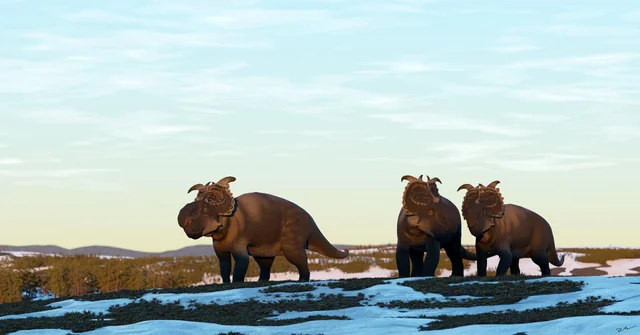
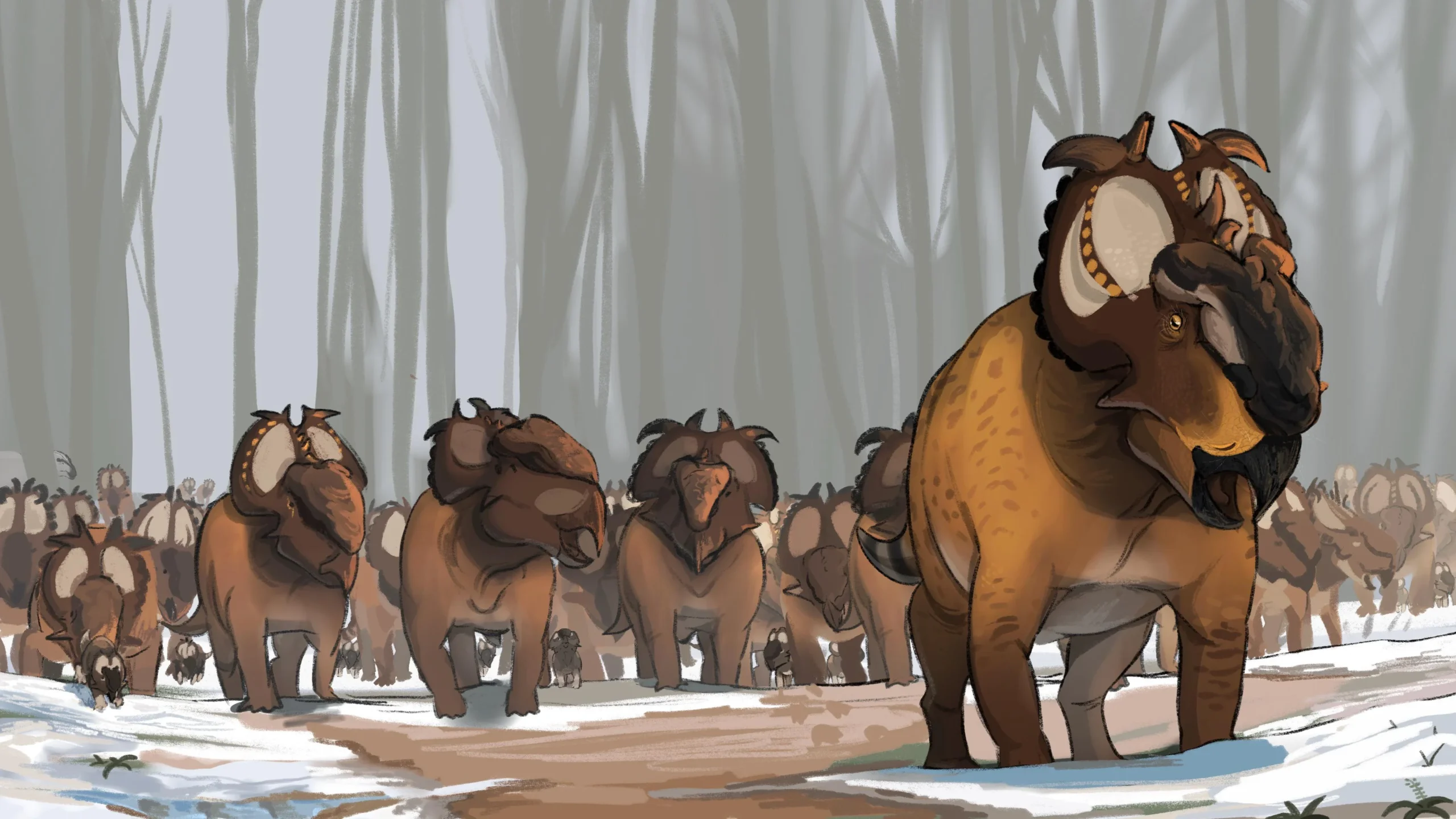
One of the hottest debates in dinosaur migration research centers on dinosaurs that lived at high latitudes, in what are now polar regions. Fossils from places like ancient Alaska and Antarctica show that dinosaurs did live in areas with long, dark winters and significant seasonal changes. The big question is whether these animals toughed out the cold, dim months in place, or whether they migrated to lower latitudes and then returned when conditions improved. Both options are dramatic: either they were cold‑adapted champions, or they undertook truly epic journeys spanning thousands of kilometers.
Some evidence, such as the presence of small juveniles in high‑latitude deposits, hints that at least a portion of these populations stayed year‑round, possibly using thick forests and coastal environments to find food even in the lean season. Yet, other researchers argue that large, plant‑eating dinosaurs would simply have needed too much food to remain in a winter landscape with limited plant growth, making migration more plausible. Personally, I think the most realistic answer is that different species did different things: some remained, some moved, and some perhaps switched strategies as climates shifted over millions of years. It is a reminder that “dinosaurs” were not a single block of behavior, but a whole spectrum of solutions to the same seasonal problem.
How Much Can We Really Know About Dinosaur Migration?
As exciting as the evidence sounds, there is also a healthy dose of humility baked into modern dinosaur migration research. Every fossil record is incomplete, every chemical analysis has margins of error, and every interpretation sits on a stack of assumptions about ancient climate and geography. It is incredibly tempting to over‑dramatize and imagine every trackway as a heroic migration, but scientists are increasingly careful to distinguish between local movement, regional wandering, and true, repeated seasonal migration. That caution makes the stories we can tell more convincing, even if they are less flashy.
From my perspective, the most honest stance is to treat dinosaur migration as a spectrum of likelihoods rather than a single, neat conclusion. In some cases, such as specific herbivores in strongly seasonal environments, the argument for migration is quite strong. In other cases, especially when data are thin or conflicting, the fairest answer is a thoughtful “we do not know yet.” That uncertainty can be frustrating, but it is also where the field is most alive. Every new fossil bed, every refined climate model, and every improved chemical method has the potential to quietly reshape our picture of how far these animals really roamed.
Conclusion: Ancient Journeys, Modern Imagination
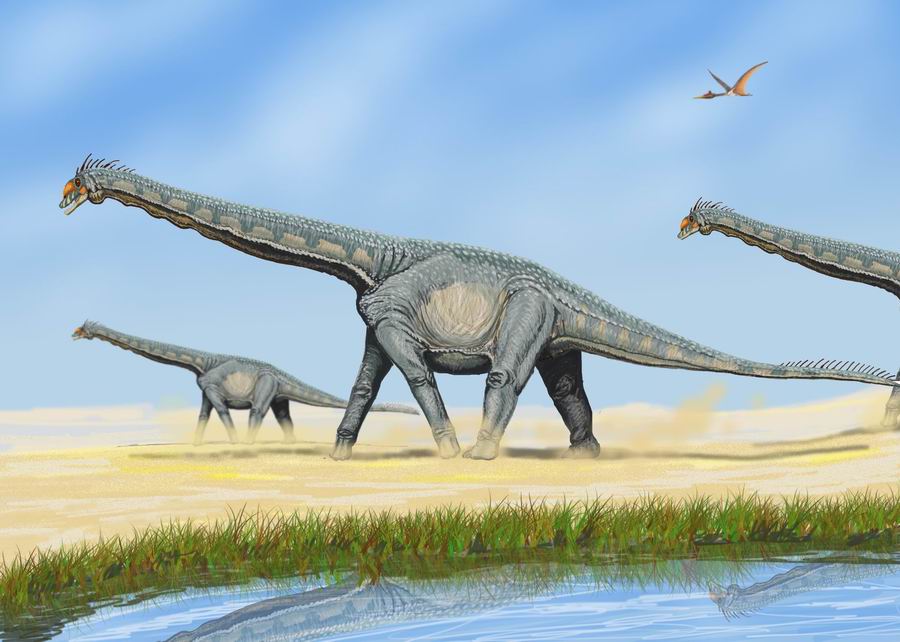
When you step back and look at the big picture, dinosaur migration changes how we feel about these animals. They stop being static skeletons posed in museum halls and become travelers navigating a dangerous, ever‑changing world. I find it far more compelling to imagine them dealing with droughts, floods, changing seasons, and shifting landscapes in ways that parallel the struggles of living animals today. Whether it was a herd of hadrosaurs shadowing a retreating shoreline or a sauropod climbing toward higher, greener ground, their movements tell a story of resilience rather than just brute size.
At the same time, I think we owe it to the science not to turn every dinosaur into a marathon migrant just because it makes a good mental movie. The strongest evidence points to migration in some species and some regions, not everywhere and always, and that patchiness is actually what makes the story feel real. To me, the most powerful image is not of a world constantly on the move, but of certain ancient roads carved into deep time by repeated seasonal journeys, slowly written and rewritten in the landscape. Those faint, fossilized pathways are a quiet reminder that even Earth’s most legendary giants still had to chase food, water, and safety like any other animal. Which dinosaur’s journey do you find yourself imagining most vividly?