Every time paleontologists pull a new fossil from the ground, our mental picture of dinosaurs shifts a little. In the last few years, that slow evolution has felt more like a series of plot twists: fluffy predators, duck-billed herds with unexpected social lives, and tiny, birdlike species that blur the line between the Jurassic and your backyard sparrows. If you grew up imagining dinosaurs as scaly, swamp-dwelling monsters, the newest discoveries might feel almost shocking.
What makes this moment especially exciting is how fast the field is moving. New sites are being uncovered on nearly every continent, backed by high-tech tools that can scan fossils without breaking them and even peek inside ancient eggs. As someone who once stared at a plastic T. rex on a bedroom shelf and assumed we already knew the full story, I find it wild to realize we were only holding the table of contents. The real book is only now being opened.
Feathered Giants and Fluffy Predators: Rethinking What Dinosaurs Looked Like
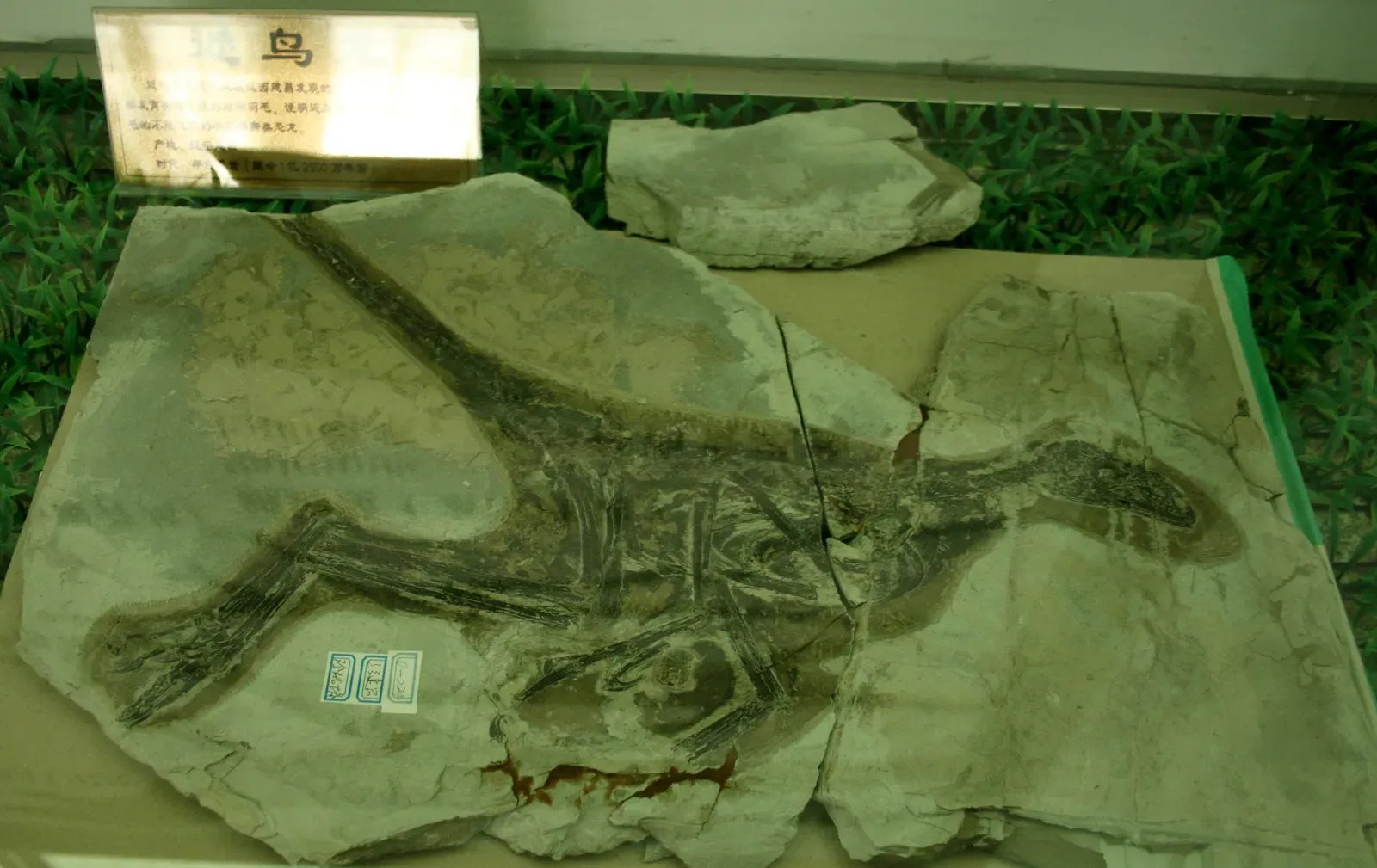
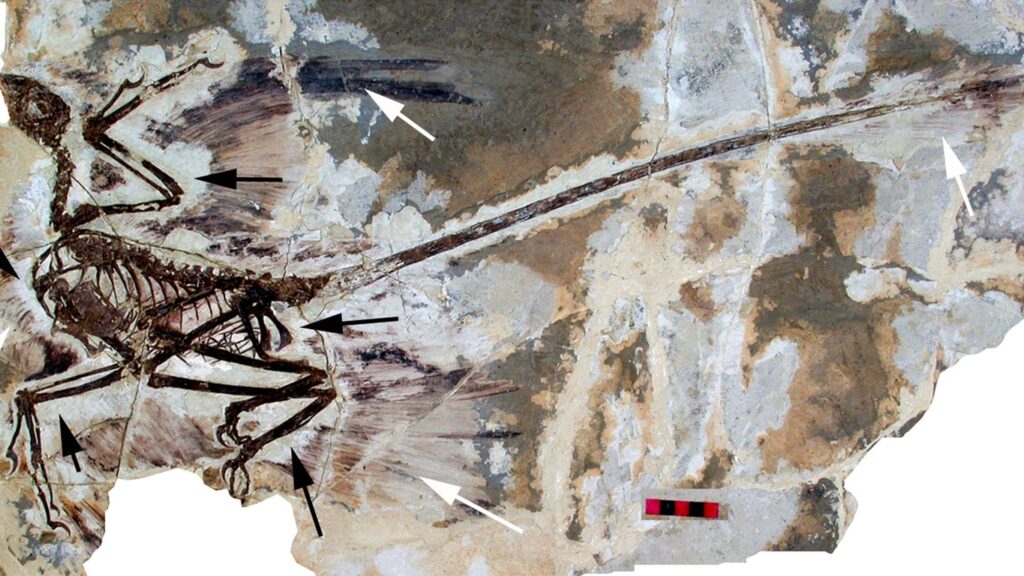
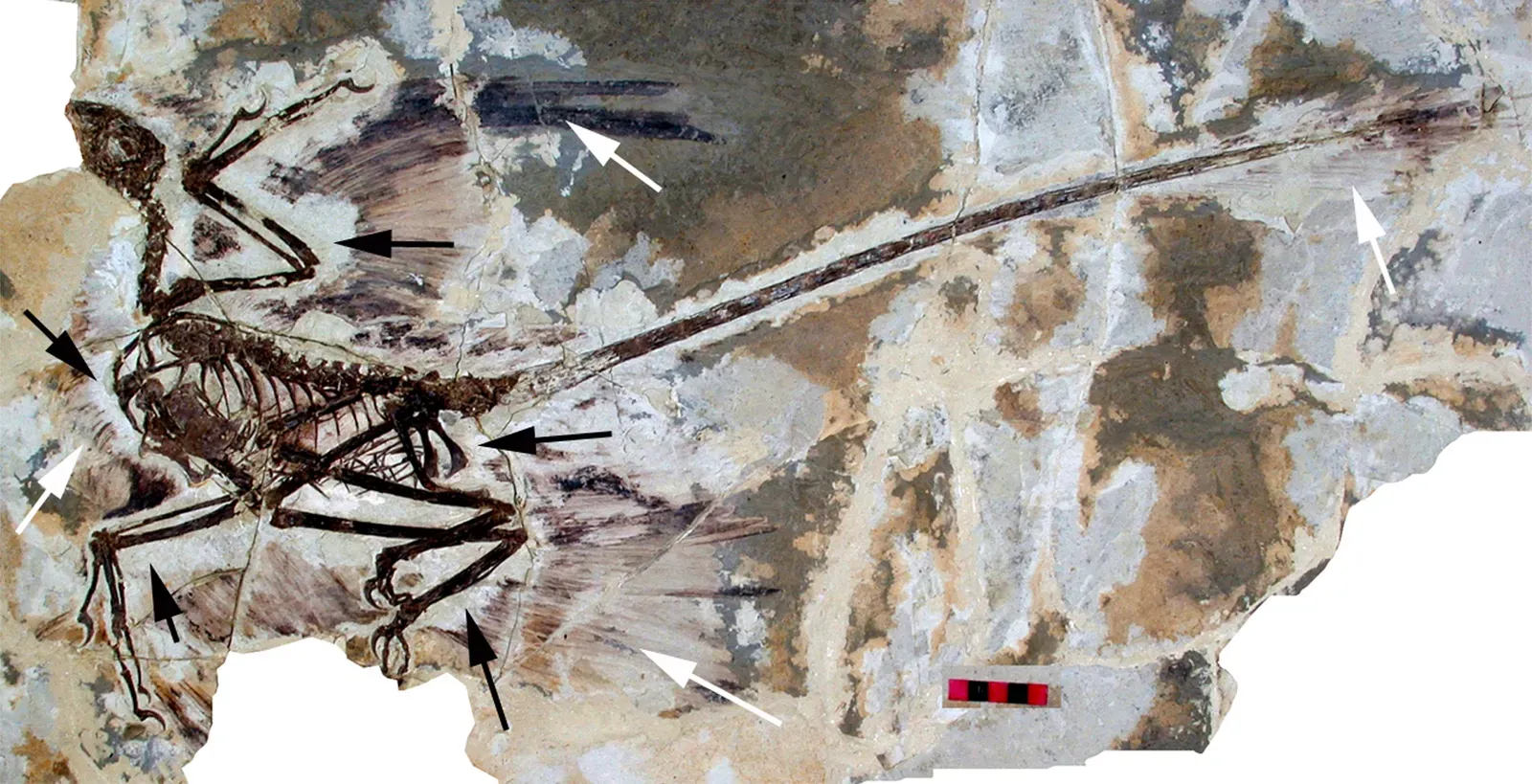
The idea that many dinosaurs had feathers is no longer fringe science; it is one of the most dramatic shifts in our understanding of prehistory. Over the past couple of decades, and especially recently, exquisitely preserved fossils from places like northeastern China and other fine-grained deposits have revealed feather impressions, filament-like structures, and complex plumage on a range of theropods. Some of these animals were small, agile hunters, but others were surprisingly large, forcing scientists to accept that the “big scaly lizard” stereotype only tells part of the story.
These discoveries are not just cosmetic details; they change how we think about dinosaur behavior and biology. Feathers can hint at insulation, display, or even brooding behaviors similar to modern birds. Bright, patterned plumage could have been used to attract mates or signal dominance, the way peacocks or birds-of-paradise do today. The more we learn, the more dinosaurs start to feel less like movie monsters and more like real, living animals that cared about staying warm, finding partners, and raising young. It is a strange feeling to realize your childhood T. rex probably needed a stylist.
New Species on the Map: Fresh Fossils from Unexpected Places
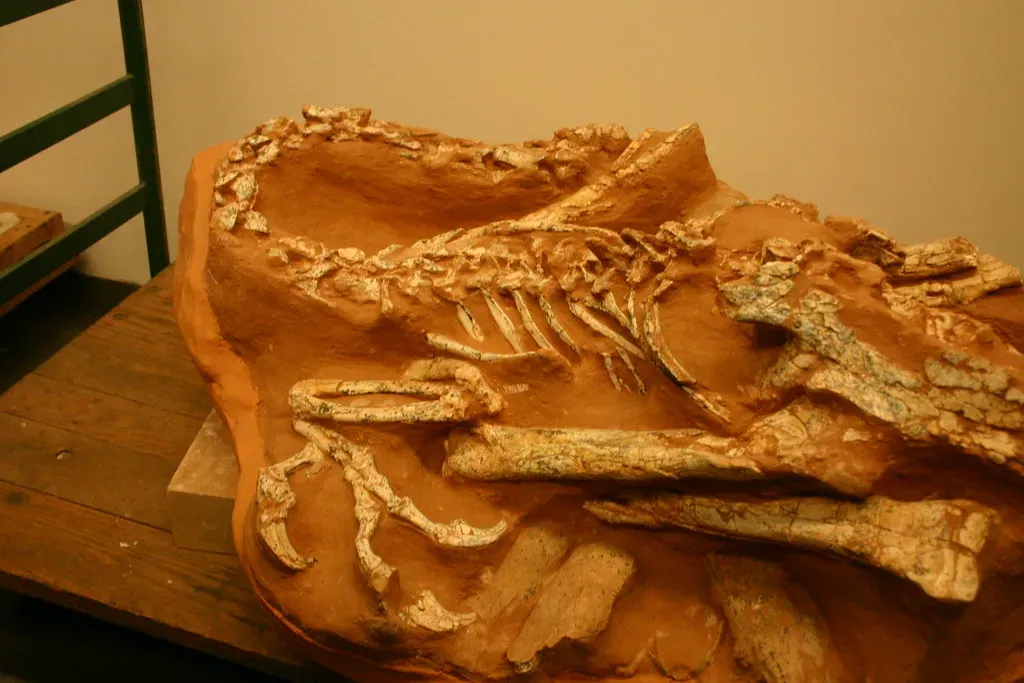
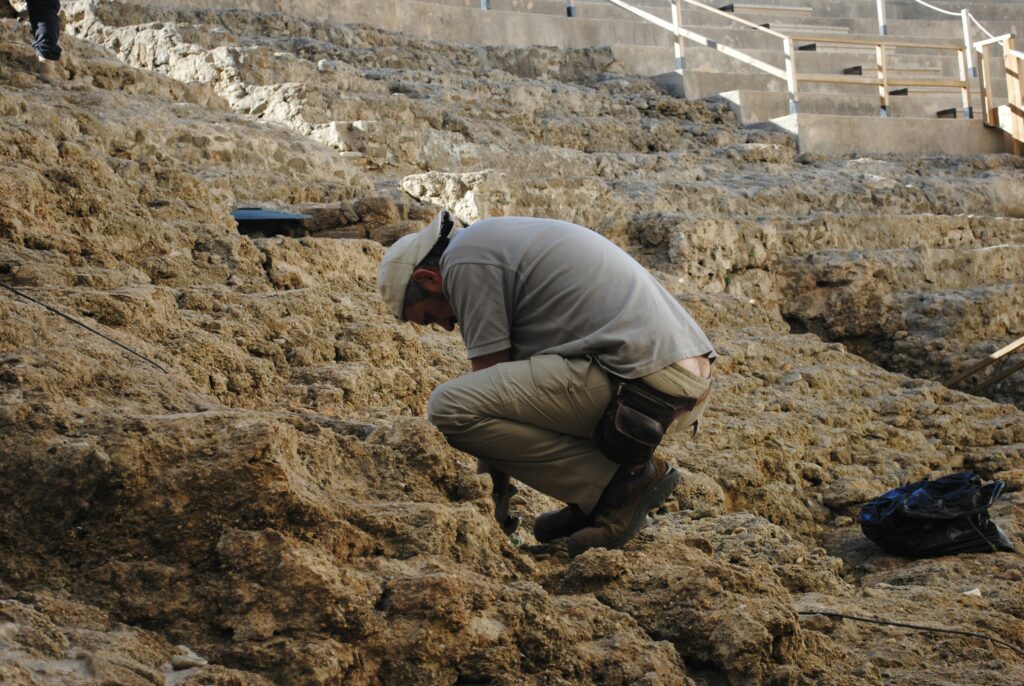
One of the most thrilling trends in paleontology is how many new species are being named from regions that did not use to be on the dinosaur tourism map. Countries in South America, Africa, and Asia, along with parts of Europe and North America that were poorly explored, are now yielding surprising finds. Every fresh dig season seems to bring another long-necked sauropod, unusual horned dinosaur, or strange little predator with an anatomy that does not quite match anything we have seen before.
These new discoveries are not just more names to add to an already long list; they fill crucial gaps in the global dinosaur puzzle. By finding fossils in new layers of rock and in new geographic areas, scientists can track how dinosaur groups moved across ancient continents, how they evolved in isolation, and how ecosystems changed over tens of millions of years. It feels a bit like suddenly discovering new chapters in a novel you thought you had finished, chapters that explain why certain characters appear where they do and how the plot really hangs together.
Dinosaur Behavior Frozen in Time: Nests, Trackways, and Social Lives
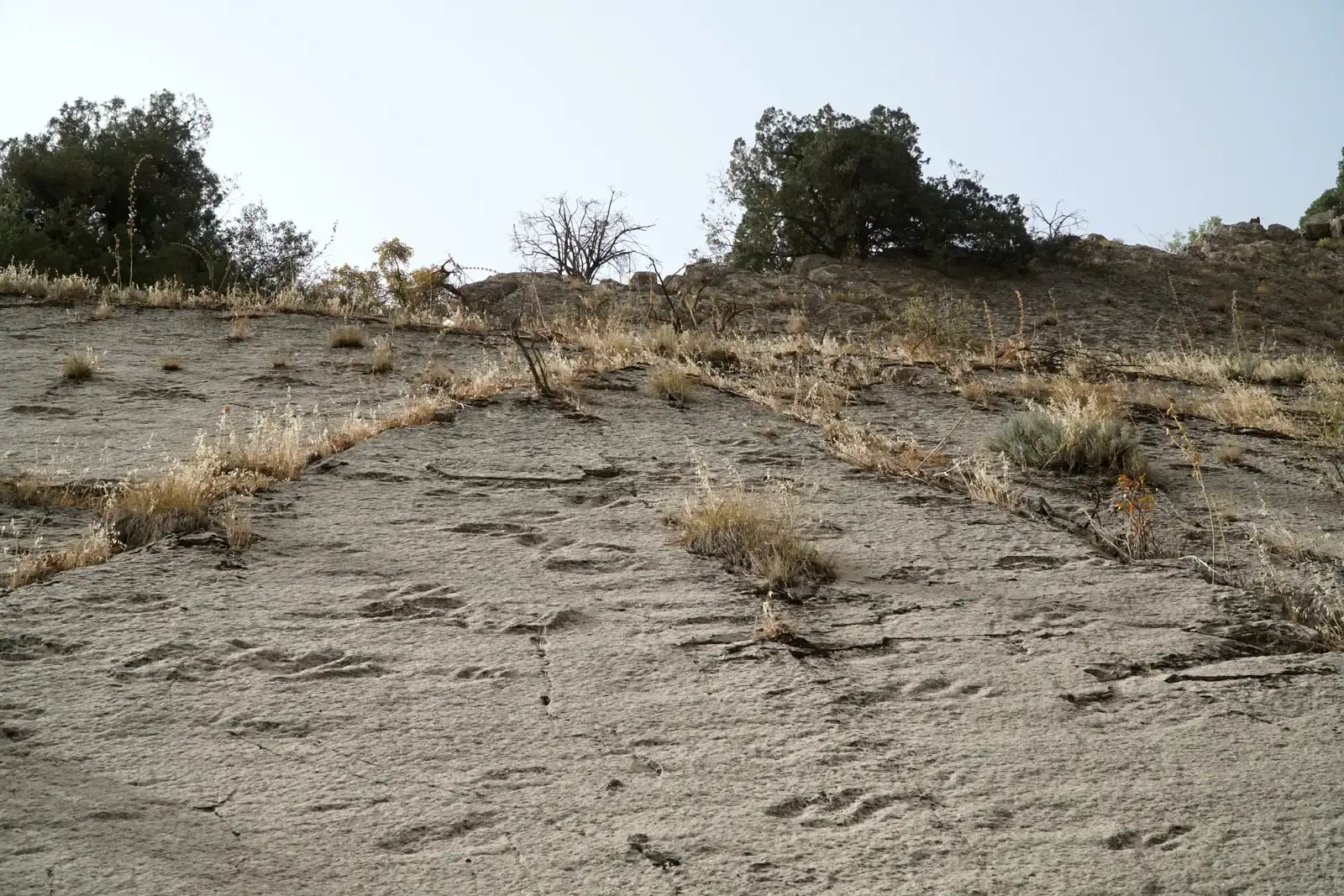
Body fossils tell us what dinosaurs looked like, but the latest excavations are increasingly revealing what they did. Fossilized nests, clutches of eggs, trackways, and even rare instances of preserved soft tissue or stomach contents are giving a more intimate look at daily dinosaur life. Some nesting grounds show multiple generations using the same areas, hinting that certain species may have returned seasonally to traditional “maternity wards,” a behavior seen in many modern birds and turtles.
Trackways – those long chains of fossil footprints – are especially powerful when found in large numbers. Wide pathways of parallel footprints can suggest herding behavior, while different track sizes moving together might signal mixed-age groups, like a dinosaur family on the move. There is something eerily moving about standing where researchers have mapped out the steps of animals that walked together more than sixty million years ago. It transforms dinosaurs from isolated skeletons behind glass into living, breathing creatures that traveled, nested, and maybe even protected one another.
From Bones to Brains: High-Tech Scans Revealing Hidden Details
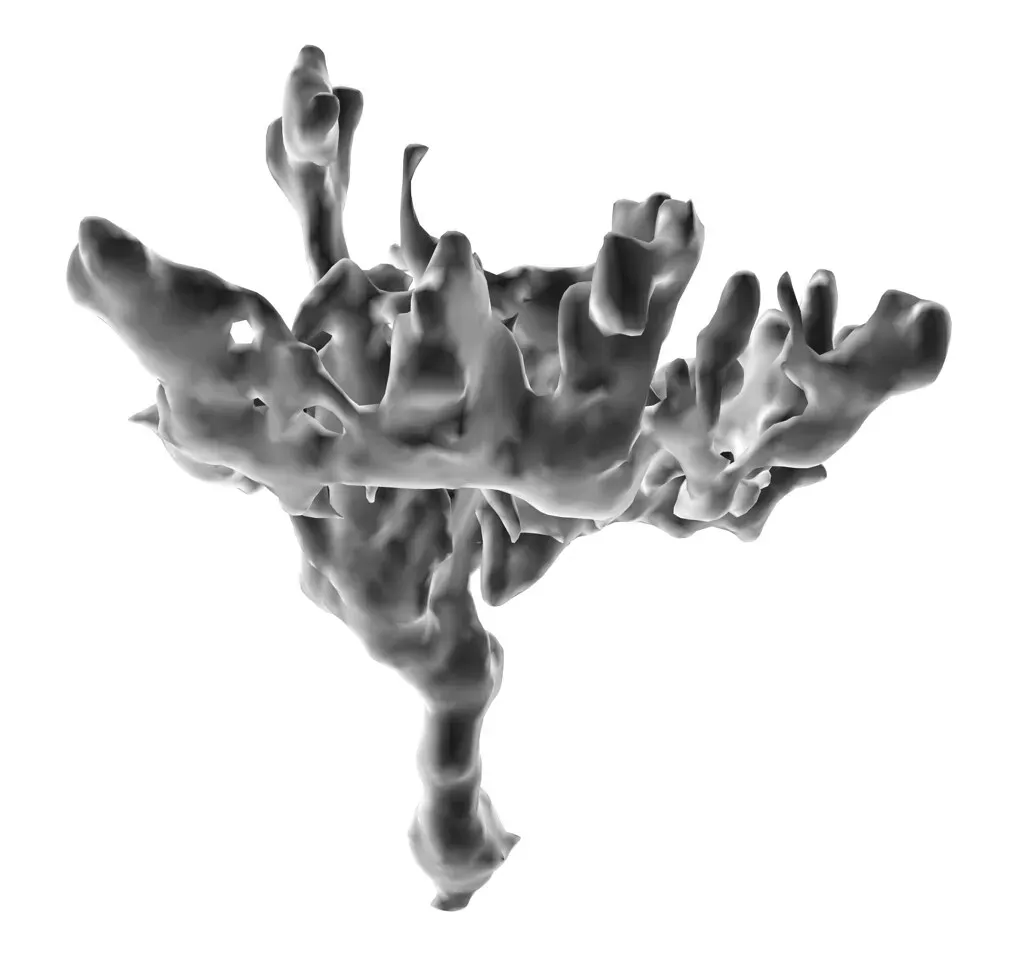
Modern dinosaur science is as much about powerful machines as it is about dusty shovels and brushes. Tools like CT scanning and 3D imaging let researchers peer inside skulls, bones, and even fossilized eggs without cracking them open. By reconstructing brain cavities and inner ear structures, scientists can estimate how well a dinosaur could hear, balance, or process sensory information. This in turn helps build educated guesses about things like hunting strategies, social interaction, and daily activity cycles.
Advanced imaging is also rewriting what we think we know about growth and aging. By analyzing bone microstructure – essentially counting and examining growth lines – researchers can estimate how fast a dinosaur grew, at what age it reached maturity, and how long it might have lived. Some species seem to have grown almost explosively, racing to adult size in just a handful of years, more like large mammals than sluggish reptiles. It is a reminder that technology is not just a buzzword; it is actively reshaping the most basic assumptions we once made about these animals.
The Bird-Dinosaur Bridge: New Fossils Tightening the Evolutionary Link
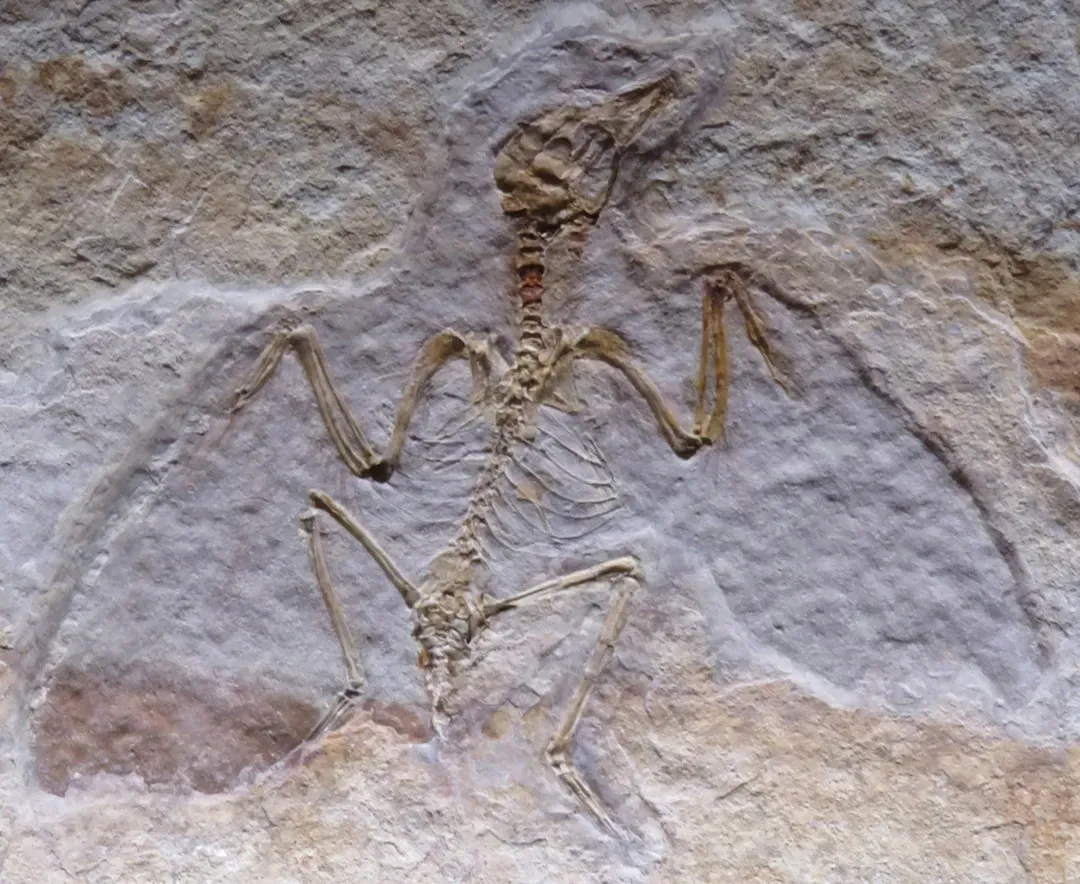
The connection between birds and dinosaurs used to be something you only heard from specialists; now it is front-and-center in documentaries, museums, and school textbooks. Recent excavations have uncovered more and more transitional species that sit right on the blurry line between non-avian dinosaurs and early birds. These animals often combine features like long, bony tails and teeth with wings, feathers, and birdlike skeletons, underlining that flight did not just appear out of nowhere.
Each new fossil with a mix of dinosaur and bird traits tightens the evolutionary bridge and closes room for doubt that birds are living dinosaurs. For many people, that realization is quietly mind-blowing: when you watch a hawk circling a field or a pigeon raiding a city sidewalk, you are basically looking at the last surviving branch of a once-dominant dynasty. I still catch myself glancing at a chicken and thinking it has absolutely no idea its ancestors once towered over forests. That everyday connection might be the most radical dinosaur discovery of all.
Mass Extinction Under the Microscope: Fresh Clues from the End of the Age of Dinosaurs
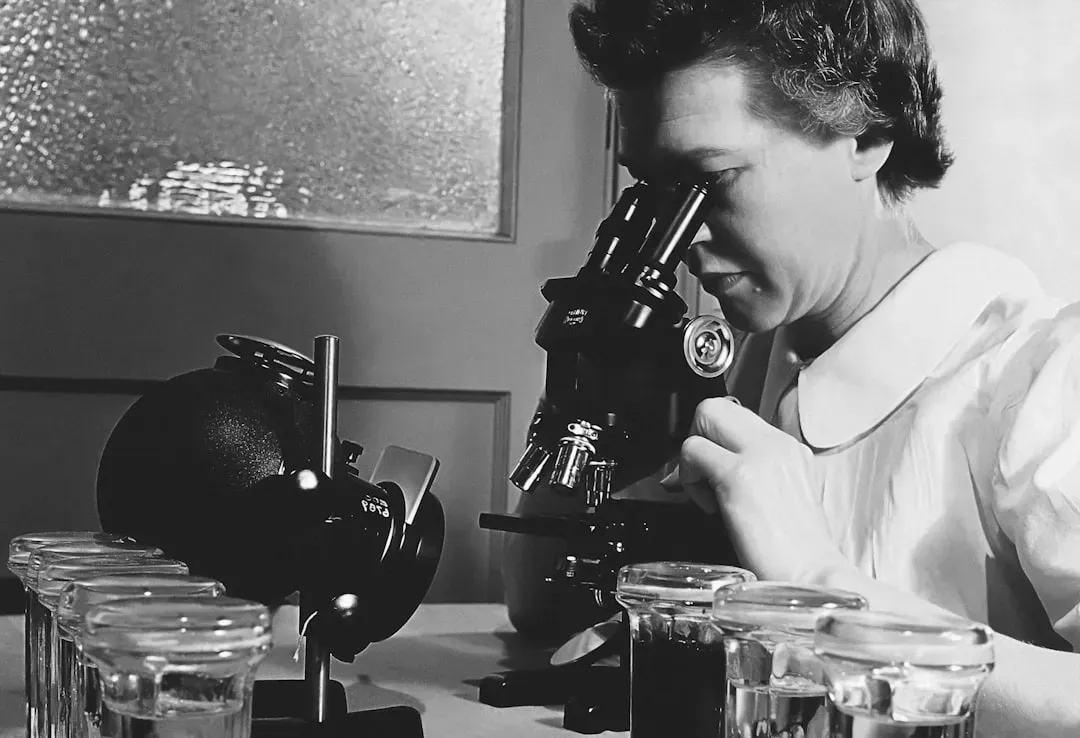
The story of how the dinosaurs (apart from birds) disappeared has always had a touch of drama: a massive asteroid impact, global fires, dust-darkened skies, and a collapsing food chain. New fieldwork near the boundary layers that mark the end of the Cretaceous period is filling in gritty details, from tsunami deposits to charcoal-rich sediments that speak of wildfires. Microfossils, pollen grains, and chemical signatures preserved in these rocks are helping researchers reconstruct how quickly ecosystems crashed and which groups were hit hardest and first.
What makes these discoveries especially relevant now is how they echo modern concerns about climate change and biodiversity loss. By studying exactly how ancient ecosystems failed – and how some groups, such as early birds and mammals, managed to survive – scientists gain a long-term perspective on resilience and vulnerability. It is humbling to realize that the world can flip from dinosaur-dominated to something entirely new in what amounts to a geological instant. Personally, I think the dinosaurs’ downfall is less a distant tragedy and more a mirror we would be unwise to ignore.
Conclusion: A Moving Target, Not a Finished Picture
Looking at all these discoveries together, it is clear that dinosaurs are not a solved mystery; they are a moving target. Feathered predators, social herds, brain scans, and extinction forensics all push back against the old, static image of lumbering beasts that simply roamed and roared until a rock from space took them out. Instead, we are left with a picture of complex, adaptive, and sometimes surprisingly familiar animals whose world was as dynamic and fragile as our own. In my view, the biggest mistake we can make is assuming the story is finished just because a few big names like T. rex and Triceratops feel familiar.
New excavations will keep overturning ideas we currently treat as settled, and that is exactly how good science should work. The truth is probably stranger, richer, and more nuanced than any documentary or museum exhibit we have today, and that should excite us rather than threaten our nostalgia. If anything, the latest dinosaur discoveries are a reminder that certainty is overrated, curiosity is essential, and the past is far less dead than it looks in stone. When the next headline announces a bizarre new species or a shocking new behavior, will it genuinely surprise you – or are you starting to expect the unexpected?