
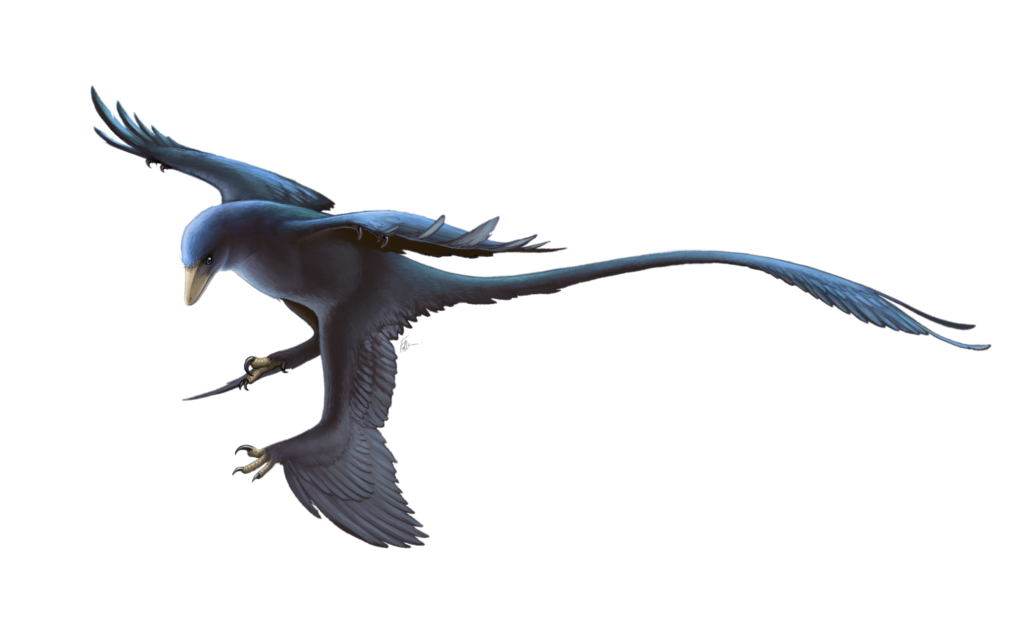
If you could stand in a Jurassic forest at sunrise, the sky above you wouldn’t be empty. It would be alive with beating wings, flashing feathers, and small, sharp-eyed dinosaurs gliding between the trees. The idea that birds are living dinosaurs sounds almost like science fiction, yet it is one of the most solid, thrilling conclusions in modern biology. Your backyard sparrow is more closely related to a T. rex than a lizard is, and once you feel that in your gut, the whole world starts to look different.
I still remember the first time I saw a fossil of a feathered dinosaur in a museum; it felt almost unsettling, like seeing a secret the world had been hiding in plain sight. It made me wonder: how did a planet ruled by huge, earth-shaking reptiles end up giving us hummingbirds, swifts, and falcons that can slice through the air with ridiculous precision? That story – the dawn of flight – is not a single leap but a tangled journey of small, scrappy dinosaurs experimenting with feathers, speed, and gravity until, eventually, some of them owned the sky.
From Ground-Shaking Giants to Small, Feathery Hunters
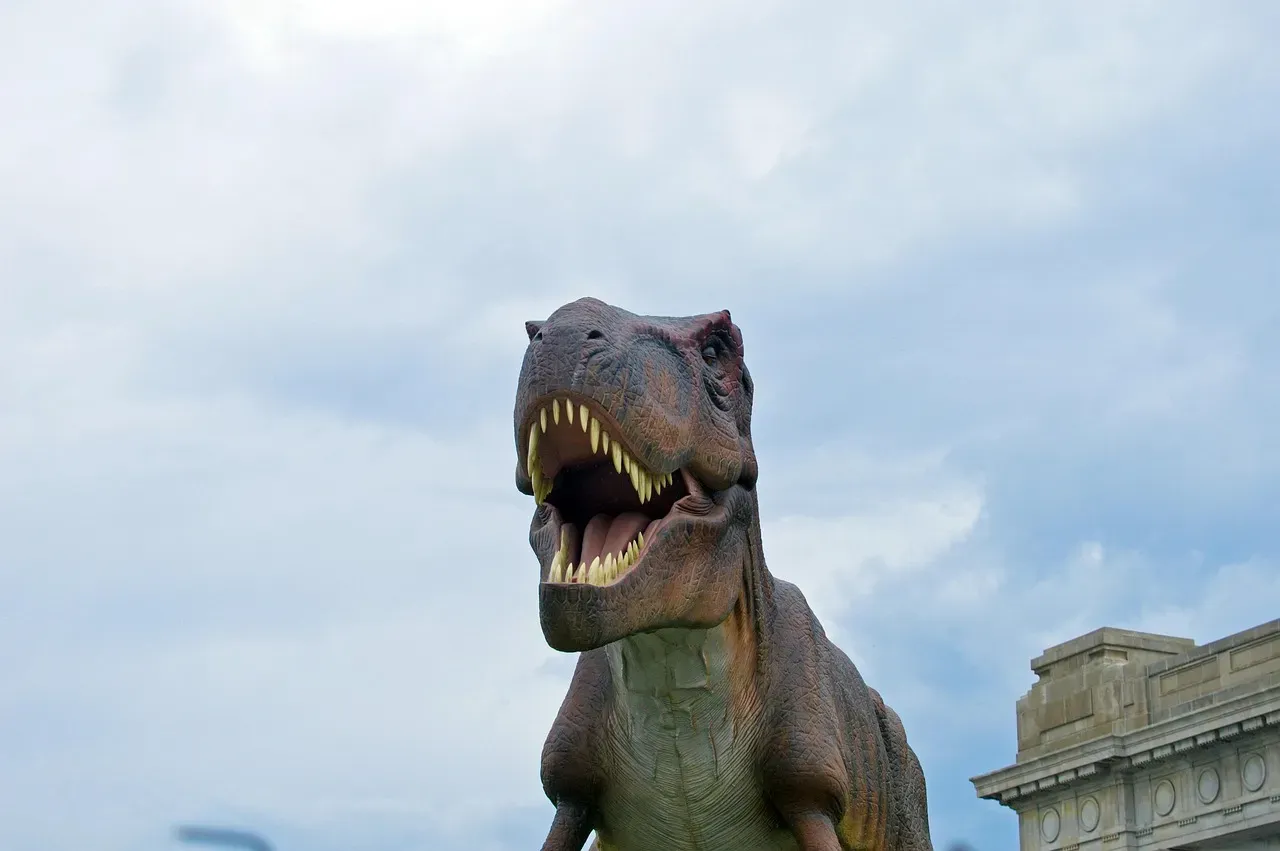
When most people hear the word dinosaur, they picture giants: long-necked sauropods or towering predators with teeth like knives. But the real revolution in dinosaur evolution happened in the small and often overlooked species, the ones that could dart between trees, stalk prey with quick steps, and potentially scramble up branches. These nimble theropods – two-legged, mostly carnivorous dinosaurs – were the stage on which the story of flight began to unfold.
Among these were the maniraptorans, a group that includes the ancestors of birds. They were not huge; think more along the lines of a turkey-sized or crow-sized animal with claws, sharp teeth, and surprisingly sophisticated balance and agility. Many of them probably relied on speed, agility, and stealth instead of brute strength. In a world full of giant predators and dangerous herbivores with tail clubs and horns, being small and quick was not a weakness; it was a survival strategy that opened the door to new possibilities, including, one day, leaving the ground altogether.
Feathers Before Flight: A Game-Changing Evolutionary Invention
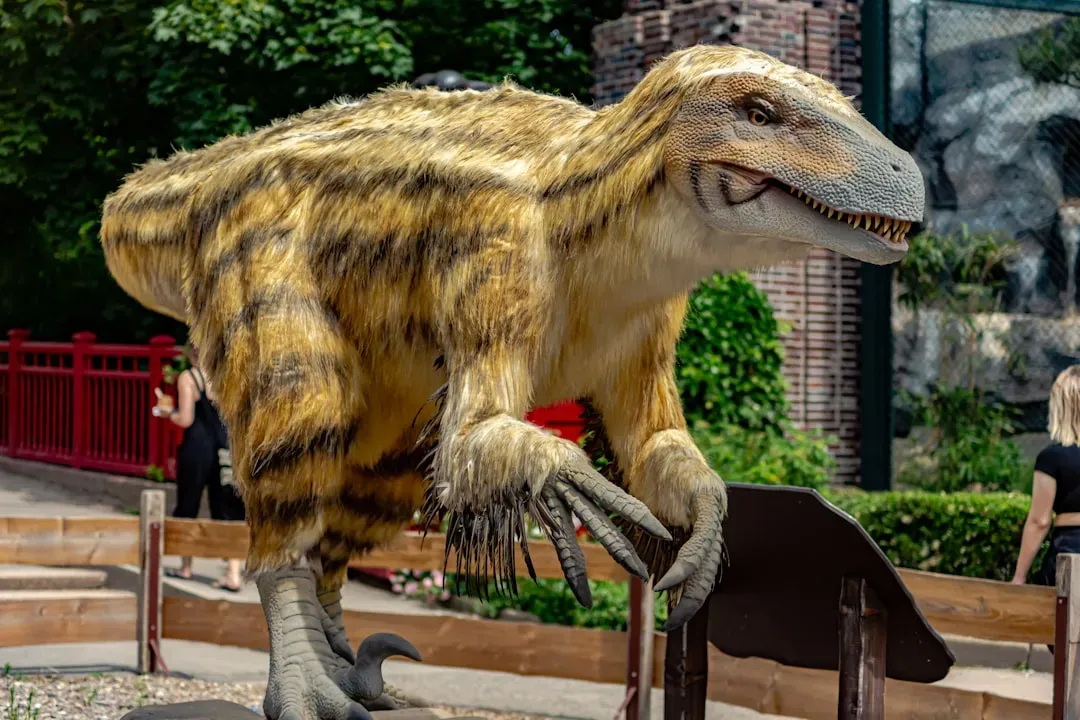
The biggest twist in this story is that feathers did not evolve for flight. Instead, feathers likely started out as simple filaments – kind of like fuzzy insulation – for warmth, display, and maybe even for shielding eggs. Some early feathered dinosaurs wore a coat of downy structures that looked more like hair than the sleek flight feathers we see on modern birds. Over time, these simple filaments became more complex, branching and flattening into structures that resemble the feathers we recognize today.
Feathers turned out to be an evolutionary Swiss army knife. They could keep an animal warm, flash bright colors for courtship, make individuals look bigger to scare rivals, and maybe help camouflage them in a dappled forest. Once you have something that useful, natural selection keeps tinkering with it. At some point, in the right body plan and the right environment, those feathers started to interact with air in a way that mattered – first maybe slowing a fall, then helping with balance or steering, and eventually generating lift.
Arms Turned into Wings: The Anatomy of an Aerial Dinosaur
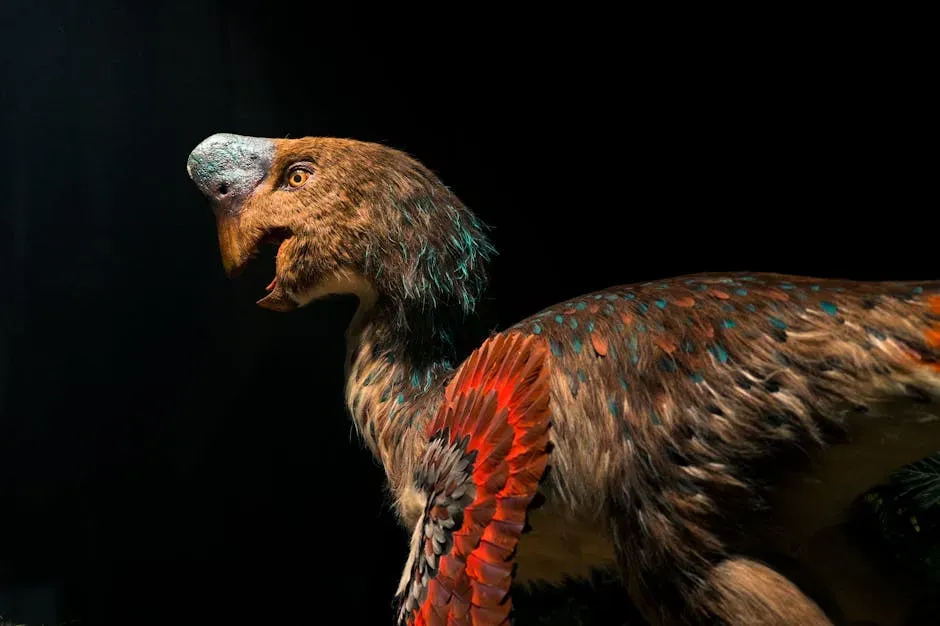
Flight did not arrive as a magical moment where one dinosaur simply leaped and started flapping. It came from small, gradual changes to bodies that were already built for running, pouncing, and grabbing. Many theropod dinosaurs already had long, flexible arms and strongly curved claws used for grasping prey. As feathers thickened along these arms and hands, the skeleton beneath them started to shift: bones fused, joints became more specialized, and some muscles strengthened while others shrank or vanished.
This slow remodeling is easiest to see in the hands and shoulders. In early birdlike dinosaurs, the hand bones begin to fuse into a single, more rigid structure that can withstand the forces of flapping. The shoulder joint rotates into a position that allows the arm to sweep in a powerful arc rather than just reaching outward. Even the wishbone, or furcula, begins as a structure in non-flying dinosaurs and becomes a spring-like brace in flying forms. Bit by bit, what started as grasping arms on the ground became wings capable of pushing against air with serious force.
Running, Gliding, or Climbing? Competing Paths to the First Takeoff
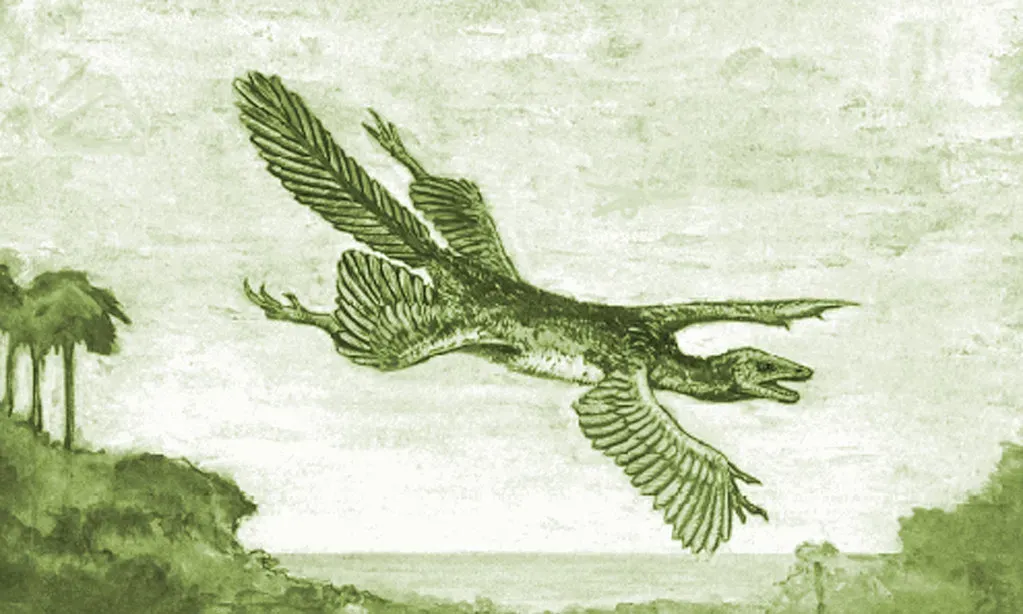
Scientists still argue about the exact way the first dinosaurs got off the ground, and the truth may be a messy mix rather than a single clean path. One idea suggests that small, fast-running dinosaurs used their feathered arms to help them run up steep slopes or leap farther, slowly turning running jumps into controlled air time. Another idea imagines tree-climbing dinosaurs that glided from branch to branch, like modern flying squirrels, with feathers helping them extend and steer their glide.
Personally, I find the most convincing picture to be that nature tried both strategies in different groups and environments. On a forest floor, flapping feathered arms could help a dinosaur scramble up logs or escape predators by boosting jumps. In the canopy, a slightly different body plan with longer arms and tail feathers might turn that same basic toolkit into a glider. Evolution is not a single-track story; it is more like a crowded crossroads where multiple experiments happen at once, and whichever works best in a given habitat gets to stick around.
Archaeopteryx and Other “Missing Links” That Changed Everything
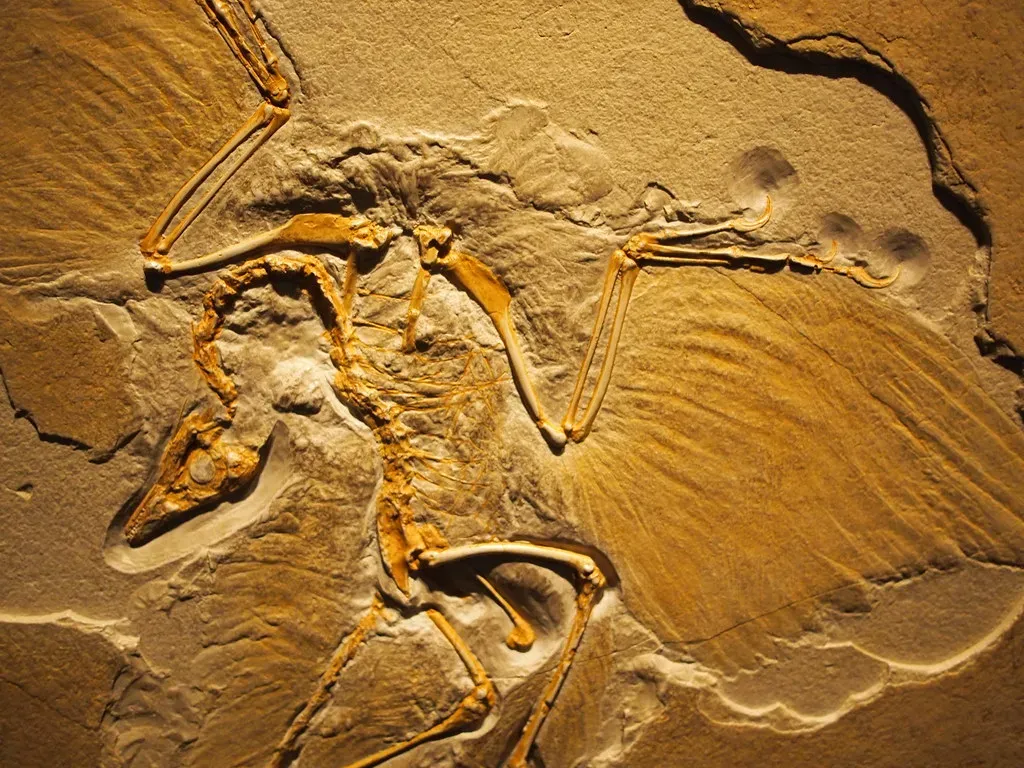
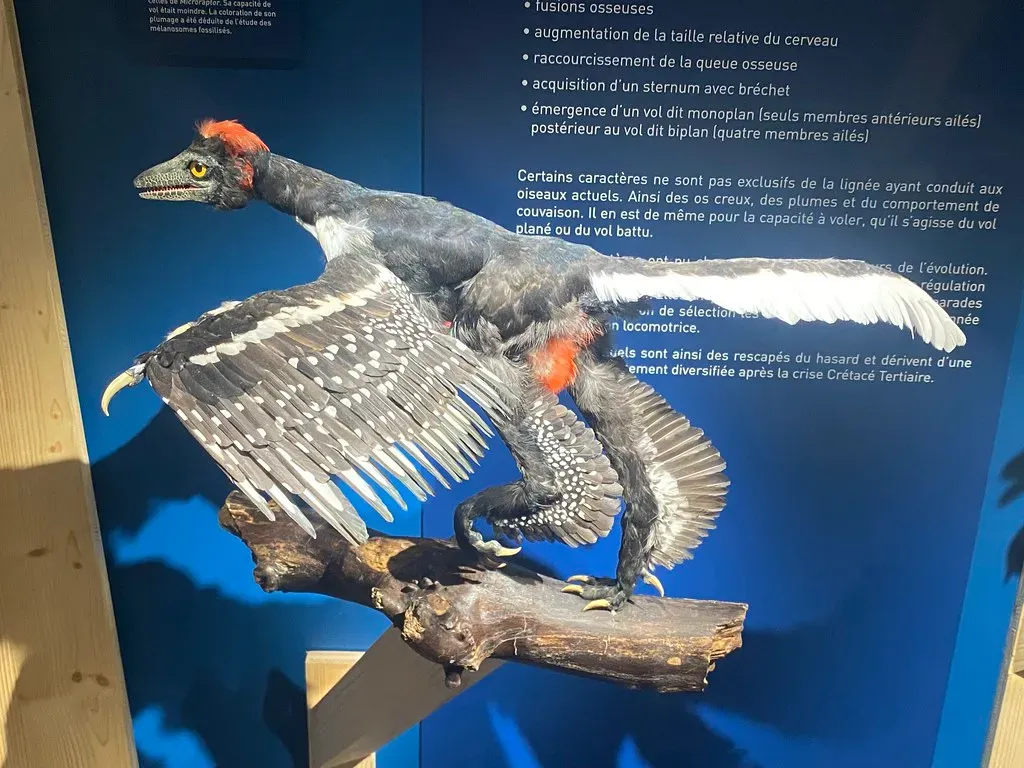
Every big scientific shift has a fossil that acts like a turning point, and for the origin of bird flight, one of the most famous is Archaeopteryx. This Jurassic creature had wings and feathers that look very similar to those of modern birds, but its skeleton still carried unmistakably dinosaurian features: teeth in its jaws, a long bony tail, and clawed fingers on its wings. It sits right at that deliciously uncomfortable boundary between what we used to call dinosaur and what we now call bird.
Since then, researchers have unearthed a flood of feathered dinosaurs from places like northeastern China, revealing forms that blur the lines even more. Some had four wings, with long feathers on both arms and legs. Others had extravagant tail fans likely used for display as much as for aerodynamics. These fossils make it clear that flight was not a single narrow path but a noisy, experimental phase of evolution, with some lineages trying partial flight, gliding, or just enhanced leaping before vanishing from the tree of life, leaving only birds as their airborne heirs.
The Aerodynamics of Early Flight: Learning to Ride the Air
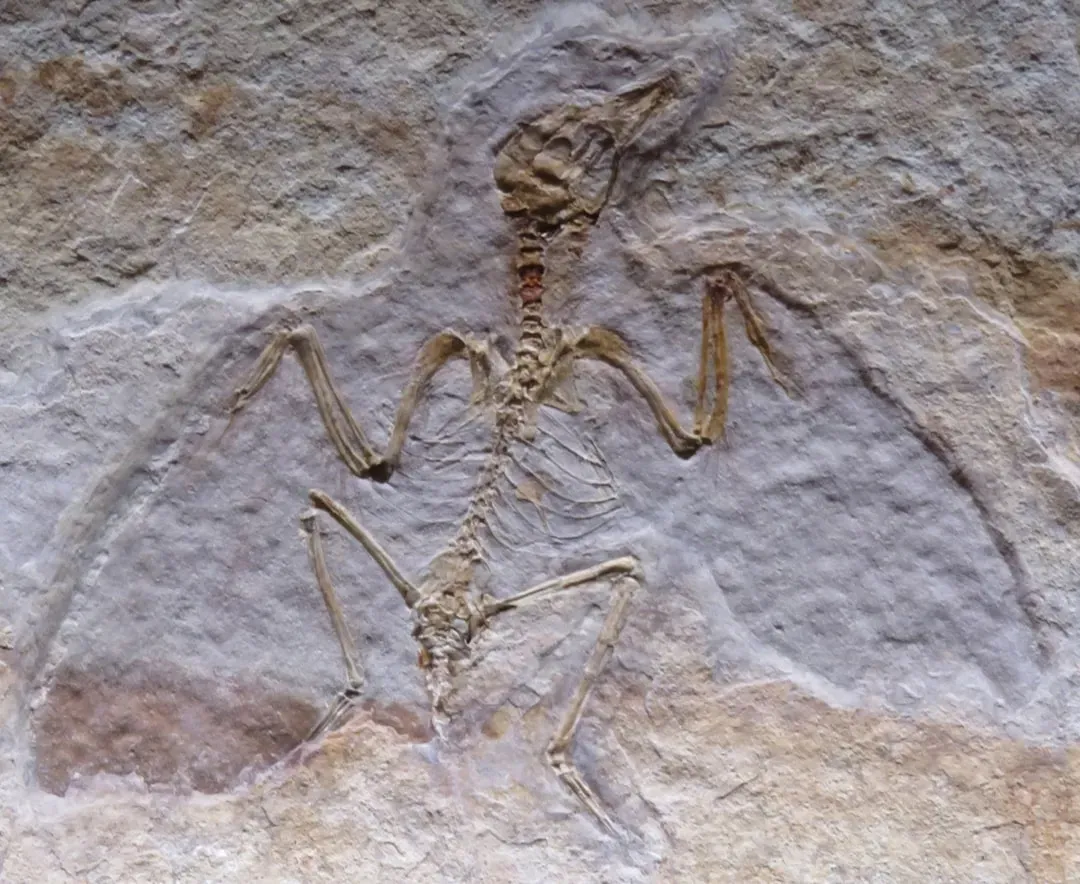
Once wings and feathers reached a certain threshold of size and structure, they started to interact with air in very specific, powerful ways. At that point, natural selection would have strongly favored any dinosaur that could angle its wings to slow a fall, bank during a leap, or stretch a glide just a little farther. Even modest tweaks to wing shape, feather arrangement, and muscle strength could mean the difference between a safe landing and a deadly crash. Over many generations, those tiny advantages add up to real, controlled flight.
Early fliers probably were not graceful long-distance travelers. Imagine more of a manic parkour artist than a soaring eagle: short bursts of flapping, chaotic but improving control, and lots of trial-and-error as new behaviors evolved. As flight became more refined, wings lengthened or shortened depending on the lifestyle, tails shrank into compact stabilizers, and chest muscles ballooned to power stronger wingbeats. At some point, those small, feathered dinosaurs crossed a tipping point and became animals we would, without hesitation, recognize as birds.
Why Flight Won: Escapes, New Foods, and Empty Niches in the Sky
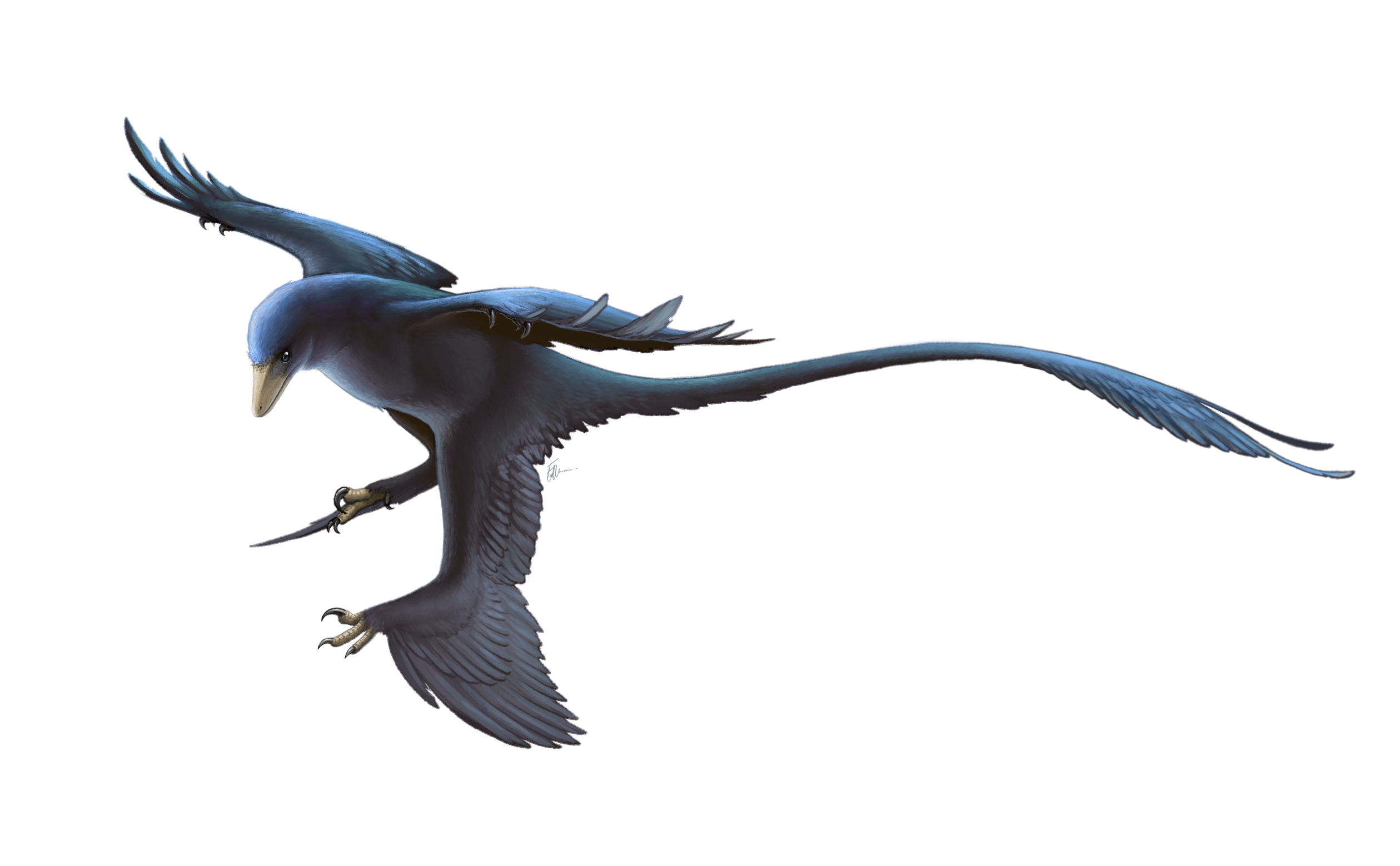
Flight is expensive; it burns a lot of energy and demands high-performance lungs, strong hearts, and precision bones and muscles. So why did it pay off so spectacularly for dinosaurs that tried it? One big reason is freedom. The ability to escape predators by going upward instead of only sideways is a huge advantage. It also opens doors to new food sources: insects in the canopy, fruits high on branches, and even the chance to swoop down on smaller animals from above.
On top of that, the sky was a relatively open frontier compared with the packed, competitive ground. Once you can fly, migration becomes possible, letting animals chase seasons and exploit resources far apart in space. Nesting in cliffs or trees becomes safer; reaching islands across water becomes realistic. In that sense, the first flying dinosaurs were not just taking off; they were stepping into a less crowded world where being a little more efficient, a little faster, or a little more agile could translate into a huge evolutionary payoff over time.
Birds as Living Dinosaurs: The Sky’s Most Successful Survivors
When the asteroid struck at the end of the Cretaceous and wiped out the non-avian dinosaurs, it did not erase the entire dinosaur lineage. A subset of small, adaptable, probably ground-dwelling birds survived, carrying with them the long, tangled history of theropod evolution and the hard-won tools of flight. Every pigeon, eagle, or swallow today is an echo of that narrow escape. In a way, the age of dinosaurs never really ended; it just changed shape and moved into the air with even more determination.
That perspective changes how the everyday world feels. The gull stealing fries at the beach, the hawk circling above a highway, the hummingbird hovering at a flower – they are not distant relatives of dinosaurs but direct descendants, still using the same basic blueprint that started with feathered, running theropods. In my view, flight is their greatest act of defiance against extinction and time, a reminder that what looks like the end of a story can, under the right conditions, turn into a new chapter written in the sky. Next time you see a bird take off, it is worth asking yourself: would you have guessed you were watching a dinosaur in disguise?