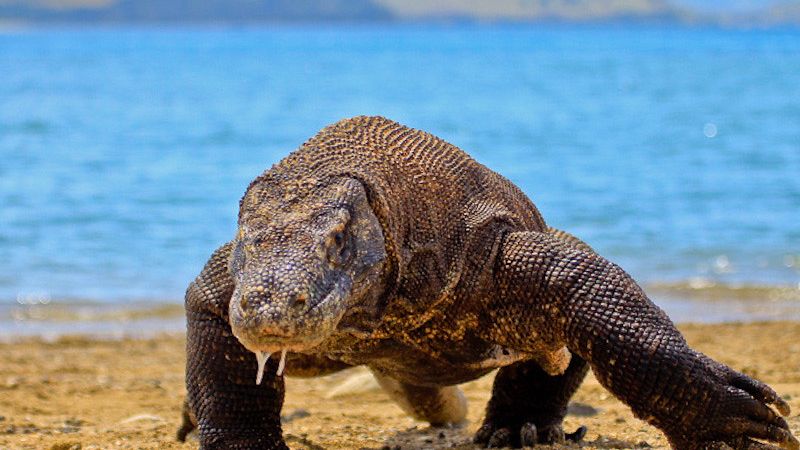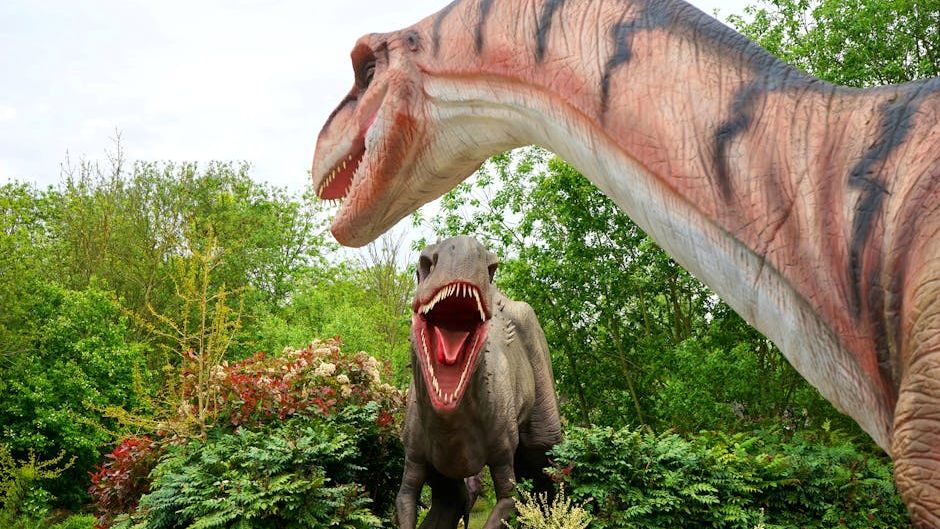
If you could meet your prehistoric self as a dinosaur or ancient sea monster, what would you see staring back at you? Not the scales or teeth, but the temperament, the instincts, the way you react when life suddenly shifts. Modern personality psychology and what we know about ancient predators surprisingly overlap: both are about survival strategies, energy levels, and how a creature moves through its environment. When you strip away the mystical packaging around astrology, what you’re left with can feel a lot like biology and behavioral science in disguise.
Think of your zodiac sign as an inner ecosystem and prehistoric predators as the ultimate stress test for that system. Some people stalk opportunities slowly like a crocodile, others burst forward like a raptor, and some float above the chaos like a massive pterosaur riding the wind. In this article, we’ll look at ten core personality traits that often define your sign’s style and show how they echo traits in ancient hunters. No lists of signs, no cookie-cutter horoscopes – just the raw instincts that have echoed through millions of years of evolution.
1. Instinctive Drive: The Predator’s First Language
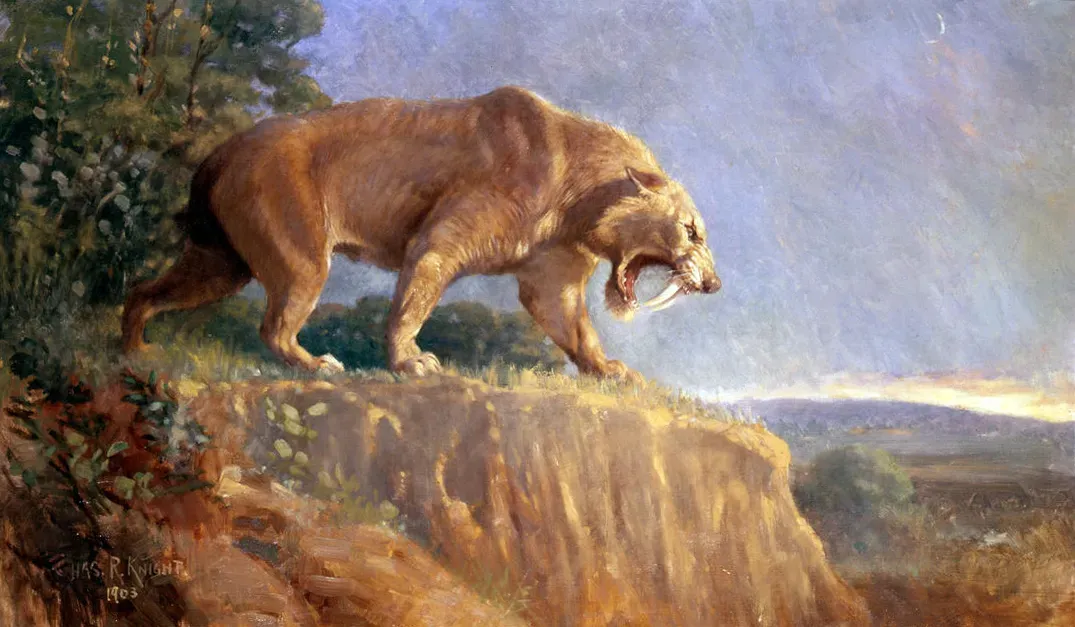
Every serious predator, from saber-toothed cats to theropod dinosaurs, survived by trusting its instincts long before it had time to think things through. That gut-level awareness – where to move, when to pounce, when to retreat – isn’t magic; it is pattern recognition wired into the nervous system. In people, instinct often shows up as that feeling of just knowing whether a person can be trusted, whether a deal is worth it, or whether a situation is about to go sideways. Some zodiac personalities lean heavily on this inner radar, preferring to act fast and refine the plan on the fly.
Researchers today describe intuition as the brain quickly processing experience and context behind the scenes, giving you a nudge before you can articulate why. That is not so different from a prehistoric hunter reacting to the scent of prey or the rustle of foliage without consciously analyzing it all. If your sign is known for acting first and analyzing later, your inner prehistoric predator is that apex hunter that moves with a kind of quiet confidence. It may not always be right, but it rarely stands frozen in doubt when it matters.
2. Strategic Patience: The Art of Lurking in the Long Grass
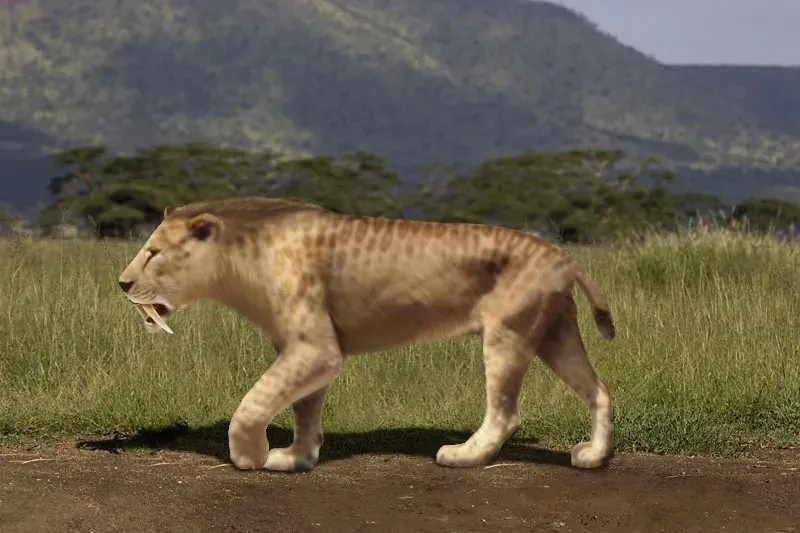
Some predators did not chase; they waited. Think of ambush hunters like early crocodilians or sabre-toothed predators crouched in tall grass or near waterlines, conserving energy until the perfect moment. This is strategic patience, and certain zodiac personalities mirror it in how they navigate life. They are the ones who do not rush into relationships, careers, or big decisions. Instead, they observe, gather information, and line up their advantages before making a move that looks sudden to everyone else.
From a psychological standpoint, this style often blends high self-control with a long-term mindset. People who operate this way may appear slow to commit, but they tend to pick their battles and their opportunities carefully. Just as a prehistoric ambush predator could not afford to waste effort on weak chances, these individuals hate squandering energy on half-baked plans. When their moment finally arrives, it can feel to others like a dramatic leap forward, when in reality they have simply been lurking in the metaphorical reeds, waiting for the odds to tip fully in their favor.
3. Alpha Dominance: Territory, Status, and the Need to Lead

In many prehistoric ecosystems, the largest or most capable predators commanded territory, access to resources, and mating rights. That drive to dominate was not just vanity; it was a survival advantage. In human personalities, some zodiac archetypes embody that alpha edge – the need to set the pace, make the rules, and sit at the metaphorical top of the food chain. These people walk into a room and naturally start steering the conversation or organizing the chaos without even realizing they are doing it.
Modern social science shows that dominance can be expressed in healthy or unhealthy ways. At its best, it becomes leadership: taking responsibility, defending the group, and making hard calls under pressure. At its worst, it turns into control and intimidation. Prehistoric predators lived on that same knife edge; protecting territory was necessary, but constant fighting came with a cost. If your sign resonates with this alpha trait, your inner prehistoric predator is the one standing on the highest rock, scanning the horizon – not to look pretty, but to make sure nothing threatens the domain you have claimed.
4. Hyper-Awareness: Living on the Edge of Fight-or-Flight

Not all predators were carefree killers; many were just as likely to become prey for something bigger. That meant living with heightened senses, always scanning for movement, scent, or sound. This constant vigilance is echoed in human personalities that are intensely observant, often anxious, and acutely tuned into subtle signals in their environment. People like this notice tone shifts in a conversation, small changes in a partner’s behavior, or the early warning signs of burnout at work before others see anything wrong.
From a scientific angle, this is tied to sensitivity and a more easily activated stress response. It can feel exhausting, but it is also a kind of superpower, like carrying an invisible radar dish on your head. Prehistoric animals that survived in harsh conditions often did so because they overreacted rather than underreacted to threats. If your sign is known for worry, carefulness, or reading between the lines, your inner predator is not the loudest hunter – it is the one sleeping with one eye open, alive precisely because it never fully relaxes.
5. Social Coordination: Pack Hunters and Tribal Hearts

Some of the most successful prehistoric predators did not hunt alone. Early canids and possible pack-hunting dinosaurs relied on coordination, roles, and even what looks like teamwork to bring down larger prey. In people, this maps closely onto zodiac personalities that thrive in groups, friend circles, or collaborative projects. These are the natural team players, the ones who feel safer and stronger when they move with a pack instead of going solo against the world.
Psychologists talk about social intelligence – the ability to read others, negotiate needs, and maintain alliances – as one of the defining strengths of human evolution. A sign that mirrors pack-hunter energy often excels at building networks, keeping peace within the group, and sensing when the “herd” is restless or hurting. Their prehistoric mirror is that predator that never hunts alone, that seems weaker individually but unstoppable when synchronized with others. If this is you, your power does not come from being the biggest; it comes from being the one who knows how to make everyone pull in the same direction.
6. Resourcefulness and Adaptability: The Survivors of Extinction

Many prehistoric predators vanished, but some lineages adapted, shifted diets, changed habitats, and survived catastrophic changes. That survival depended on flexibility: the ability to exploit new food sources, adjust hunting styles, or move into a different niche. Certain zodiac personalities share this adaptive trait; they change careers mid-life, reinvent their social circle, or shift belief systems when the old ones no longer work. Instead of breaking under pressure, they bend and come back in a new form.
From a scientific standpoint, adaptability is one of the most robust predictors of long-term success in a changing world. People who embody this trait often see crises as forced evolution rather than pure disaster. Their prehistoric counterpart is that predator that does not die out when the climate cools or the landscape changes, but instead figures out how to live in the new normal. If your sign is known for reinvention, your inner ancient predator is less a one-trick killer and more a cunning survivor, quietly rewriting its own nature when survival demands it.
7. Obsessive Focus: The Lock-On-and-Do-Not-Let-Go Instinct

Certain prehistoric predators had a bite designed not just to injure but to cling – a grip that, once latched onto prey, was nearly impossible to shake. Translating that into personality, some zodiac types show an intense, sometimes obsessive focus once they decide on a target. It could be a career goal, a relationship, a creative project, or even a grudge; once locked in, they struggle to let it go, even when it might be healthier to release their grip and swim away.
Neuroscientists link this sort of focus to persistence, reward circuits, and sometimes even to traits close to compulsive behavior. It can be incredibly productive – these are the people who finish long-term projects, build empires, or transform their bodies and lives through sheer repetition. But the same laser focus can also trap them. Their inner prehistoric predator is that ancient creature whose power comes from not losing hold, a reminder that sometimes the instinct that keeps you fed can also keep you stuck if you never learn when to unclench your jaws.
8. Curiosity and Exploration: The Edge-of-the-Map Instinct

Predators did not only survive by brute force; many thrived by exploring new territories, testing unfamiliar water sources, or following migrating herds into unknown lands. This exploratory drive feels very familiar in zodiac personalities known for restlessness, travel, and a hunger for novelty. These people tend to treat the world like a giant experiment, always asking what is over the next hill, who else they could meet, or what new idea could flip their worldview upside down.
In psychology, novelty-seeking is linked to dopamine and reward systems in the brain, making exploration genuinely pleasurable. While that can sometimes lead to risk-taking or inconsistency, it is also the energy that pushes civilizations forward – discovering new resources, new routes, and new ways to live. The prehistoric mirror for this trait is that predator that drifts further from its birthplace, that wanders beyond familiar hunting grounds, and in doing so finds opportunities others never see. If your sign leans this way, your inner ancient predator is less a territorial guard dog and more an ocean-roaming hunter charting invisible paths through deep time.
9. Emotional Intensity: Deep Waters and Silent Depths

Some of the most formidable ancient predators were not fast sprinters or loud roarers; they were quiet, deep-water hunters that operated in shadows and murk. In human terms, this energy can look like emotional intensity – people whose inner world runs deep, private, and sometimes stormy. Certain zodiac archetypes carry this intensity, feeling things strongly, sensing undercurrents in relationships, and needing more time than others to process emotional events.
Emotional depth is often linked with higher empathy, creativity, and vulnerability to mood swings. These individuals may not always be the loudest in the room, but when they love, hurt, or commit to something, they do it with a depth that can be both beautiful and overwhelming. Their prehistoric reflection is that silent predator in dark water, unseen until it chooses to rise. If your sign is known for emotional complexity, your inner ancient creature is not stomping across plains – it is gliding beneath the surface, holding entire storms inside its chest.
10. Protective Loyalty: The Guardian at the Cave Mouth
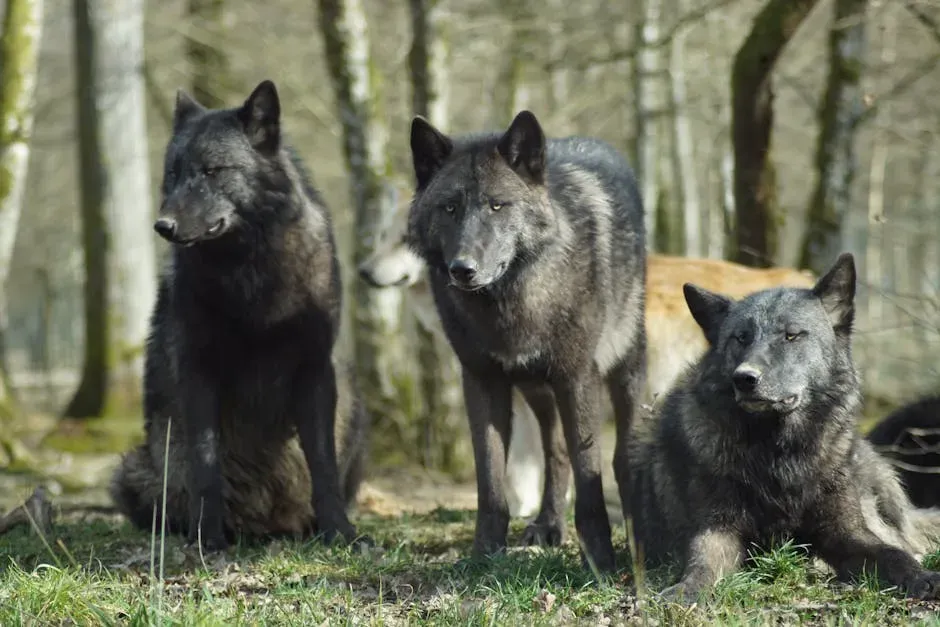
Even the fiercest prehistoric predators sometimes played the role of protector – defending dens, nests, mates, and offspring from rivals or scavengers. That protective instinct runs strong in certain zodiac personalities that are defined less by ambition and more by loyalty. These are the people who will fight hardest not for status but for family, friends, or the communities they call home. They might look gentle until someone threatens their circle, and then a very old, very sharp set of teeth suddenly shows.
Psychologically, loyalty and protectiveness are tied to attachment, identity, and a sense of belonging. People with this trait often see their loved ones as extensions of themselves, just like animals guarding a shared territory or shared genes. Their inner prehistoric predator is not hunting for glory; it is standing at the cave mouth, facing down whatever tries to get in. If your sign resonates with this, your deepest power is not in conquering strangers but in making sure your chosen people are safe enough to sleep.
Conclusion: Your Inner Ancient Hunter Is More Human Than You Think
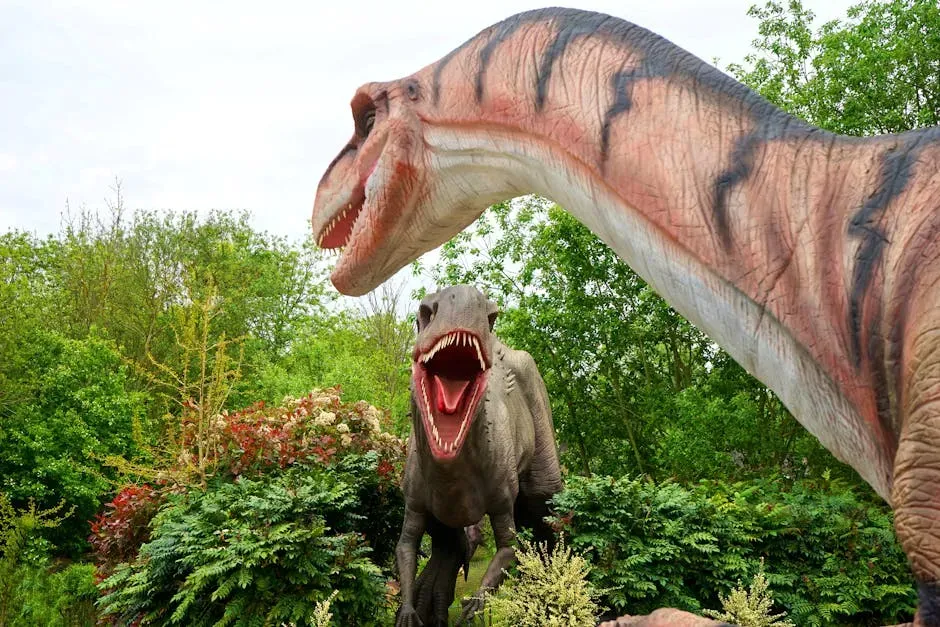
When you strip away the symbolic language and mystical flair, what connects zodiac traits to prehistoric predators is not fate written in the stars but patterns in behavior: how we hunt for opportunities, defend our territory, adapt to change, and hold on to the people we love. You do not need to believe that the planets control your life to see that some people move through the world like ambush hunters, some like pack leaders, and others like quiet deep-sea predators. To me, the real magic is that these patterns have echoed across millions of years, from tooth and claw to text and calendar apps.
If anything, thinking of your sign as a prehistoric predator is less about fantasy and more about honesty. It asks you blunt questions: How do you stalk what you want? What scares you enough to make you hyper-alert? Do you cling too hard, or do you abandon the hunt too soon? You might never know exactly which ancient creature best matches your chart, but the traits are already visible in how you live right now. The real challenge is deciding which instincts to feed and which ones to finally let go – so, which ancient hunter do you secretly feel echoing in your bones?