

There is a quiet moment after a party, a work meeting, or even brunch with friends when the noise finally stops, and something in you almost collapses with relief. The room is empty, your phone is face down, and for the first time in hours, your nervous system stops buzzing like a power line in a storm. If you live for that moment, you might have wondered if you are antisocial, broken, or just weirdly sensitive. But what if that intense need for space is not a flaw at all, but a sign that your brain is working hard to recover from emotional overstimulation?
Modern life glorifies the person who can network endlessly, bounce between group chats, and say yes to every invite. Meanwhile, many people leave even pleasant social time feeling drained, foggy, or inexplicably irritable. Instead of dismissing that as being dramatic or shy, it is worth looking at what is actually happening inside the brain when you socialize. Once you understand the inner chaos that can come from too much emotional input, your craving for alone time starts to feel less like a character defect and more like a smart, built‑in recovery strategy.
Why Some Brains Crash After Socializing

Imagine your brain as a laptop with way too many tabs open: each conversation, facial expression, and shift in tone is a new tab demanding attention. For some people, those tabs barely register as effort; for others, the brain is constantly scanning, interpreting, and emotionally reacting in the background. That invisible workload means socializing is not just talking; it is a full‑body cognitive marathon. By the time you get home, you are not just “tired,” you are mentally and emotionally saturated.
People with higher emotional sensitivity, social anxiety, neurodivergent traits like ADHD or autism, or a history of stress and trauma often process social environments more intensely. They notice subtle changes in facial expressions, background noise, group dynamics, and unspoken tension that others miss. This can be a superpower in terms of empathy and awareness, but it also ramps up internal effort. Needing to withdraw afterwards is often simply your brain saying it has hit its limit and needs to reboot before it can function smoothly again.
Emotional Overstimulation: What It Actually Is

Emotional overstimulation is basically what happens when your emotional system receives more input than it can comfortably process in real time. Social spaces bombard you with feelings – your own and everyone else’s. You are tracking whether people like you, reading between the lines of what they say, adjusting your reactions, and managing your own self‑consciousness. That constant emotional load can reach a tipping point, where even small interactions start to feel like too much.
When that threshold is crossed, people often report feeling scattered, on edge, or oddly empty. Your reactions may feel bigger than the situation, or you might swing the other way and go numb. It is not that the people you were with did something wrong, and it is not always about how long you were out. Sometimes it is simply that the intensity, complexity, or unpredictability of the social setting overloaded the emotional circuits that help you stay regulated and present.
The Brain Systems Working Overtime In Social Settings
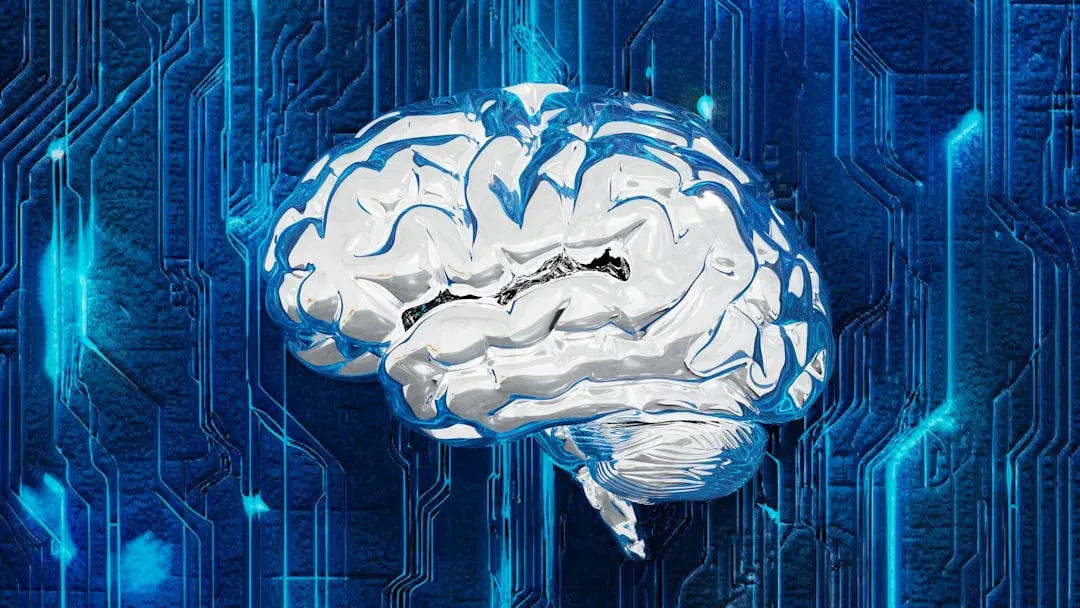
Under the hood, several brain regions are hustling during social time. The amygdala scans for emotional signals and potential threats, the prefrontal cortex helps you decide what to say and what to hold back, and networks involved in empathy and theory of mind work to understand other people’s perspectives. This is a huge amount of neural processing, especially if you are around unfamiliar people, in a loud environment, or in situations where you feel evaluated. Your brain is not just chatting; it is continuously predicting, analyzing, and adapting.
When this goes on for too long, those regions can become overtaxed, similar to how a muscle burns out after repeated use. You might notice you become more awkward, more reactive, or weirdly quiet as your brain’s self‑control and social finesse start to fade. That is not proof you lack social skills; it can be a sign that your prefrontal cortex is simply fatigued. Stepping away gives these systems a chance to calm down, clear out some of the emotional “data,” and restore your ability to think clearly and respond thoughtfully.
The Role Of The Nervous System: From Fight‑Or‑Flight To Shutdown

Social settings do not just live in your head; they hit your body too. Your autonomic nervous system, which regulates stress responses, plays a huge role in how you feel around people. If your system leans toward fight‑or‑flight, even normal social interactions can subtly raise your heart rate, tense your muscles, or tighten your chest. You may appear calm on the outside, but internally, your body is getting the message that it needs to stay on alert.
Stay in that state long enough, and your system often flips into exhaustion or shutdown mode. That is when you get home and feel wiped out, achey, or like you cannot handle even minor requests from others. Alone time is not just a preference then; it becomes an attempt to bring your nervous system back into balance. Quiet, predictable environments signal safety, allowing your body to dial down its stress response so you can actually rest instead of just enduring one more interaction.
Introversion, Sensitivity, Or Something Else?

It is very tempting to slap the label “introvert” on this experience and move on, but it is more nuanced than that. Many introverts absolutely need solitude to recharge, but so do a lot of self‑identified extroverts who love people and still feel strangely hungover after a big social day. High sensitivity, neurodivergence, underlying anxiety, or chronic stress can all increase the likelihood of emotional overstimulation, regardless of whether you enjoy socializing overall.
I used to insist I was an extrovert because I loved deep conversations and hosting dinners, yet I would crash hard afterwards and need an entire day of silence to feel normal again. It felt contradictory until I realized I was both socially hungry and easily overstimulated. That mix is more common than people think. The takeaway is that your need for alone time is not simply a personality quirk; it can be the visible tip of a deeper pattern in how your brain and nervous system respond to social input.
How Alone Time Helps Your Brain Recover

When you finally step away from social demands, your brain can shift from reacting to processing. Solitude gives your prefrontal cortex space to organize memories, integrate emotions, and make sense of what just happened. That is why, in the shower or lying in bed, you suddenly replay conversations, realize how you really felt, or come up with the response you wish you had said earlier. Your brain is quietly catching up on emotional bookkeeping that it could not fully handle in the moment.
Alone time also lets your nervous system downshift from high alert into a more relaxed, restorative mode. Your breathing slows, muscles loosen, and your sensory load drops. Even small rituals – changing into comfortable clothes, dimming the lights, or making tea – can act like signals to your body that the performance is over. Far from being selfish or dramatic, that craving for space is often your system doing exactly what it needs to do to stay functional over the long haul.
Signs You Are Experiencing Emotional Overstimulation (Not Just Being “Dramatic”)

Emotional overstimulation can show up in ways that are easy to misinterpret if you do not know what you are looking for. You might notice that after social time you become unusually irritable, snap at people you actually care about, or feel a strong urge to cancel future plans. Some people feel almost hungover: heavy head, mental fog, and zero enthusiasm for anything that involves other humans. Others go quiet and withdrawn, not because they are upset with anyone, but because their inner battery has dropped into the red zone.
There can also be more subtle signs, like struggling to make simple decisions, zoning out while someone is talking, or feeling oddly disconnected from your own emotions. You might keep scrolling your phone without really absorbing anything, because your brain is too depleted to engage but too wired to fully rest. If these patterns consistently show up after social events, it is worth considering that your brain and nervous system are not being dramatic – they are signaling overload and asking for recovery time.
Practical Ways To Protect Your Bandwidth Before, During, And After Social Time

If you know you get emotionally overstimulated, planning around your limits is not overkill; it is self‑respect. Before a big social event, it can help to build in a buffer of quiet, even ten or fifteen minutes of doing nothing. During social time, tiny adjustments make a big difference: stepping outside for fresh air, going to the bathroom just to breathe, or choosing a seat on the edge of a group instead of in the center. You are not failing at socializing by doing this; you are pacing yourself like an athlete who wants to finish the race standing, not collapsed.
Afterwards, assuming you can just “push through” often backfires. It is usually smarter to schedule decompression, the same way you would plan the event itself. That might look like a solo walk with music, a quiet drive, journaling, or simply lying down with no stimulation. I have learned that saying no to back‑to‑back plans is not antisocial; it is how I make sure the few connections I do show up for actually get the best version of me. Protecting your bandwidth is not only kinder to you, it is ultimately kinder to the people in your life too.
Reframing Your Need For Space: From Flaw To Feature

Needing alone time after socializing often gets framed as being cold, oversensitive, or bad at people, but that story is incredibly shallow. When you understand that your brain is genuinely doing more emotional processing work than average, the whole picture shifts. Your withdrawal is not a rejection of others; it is an act of internal maintenance. Just like an athlete needs recovery days and a singer needs vocal rest, an emotionally tuned‑in brain needs periods of quiet to stay sharp and compassionate.
There is also something quietly radical about honoring that need in a culture that pushes nonstop availability. Choosing to leave a gathering when you still like everyone there, or turning down an invite because you know yesterday’s event already maxed you out, is a way of saying your inner world matters. The truth is, people who protect their emotional bandwidth often show up in relationships with more depth, presence, and honesty. The world does not need more exhausted, overextended social performers; it needs more people who understand themselves well enough to rest when their brains are clearly asking for it.
Conclusion: Your Brain Is Not Broken For Needing Time Alone

At this point, it is hard to ignore the pattern: if you consistently crash after socializing, it is very likely your brain is not being overly dramatic – it is trying to recover from emotional overstimulation. That does not make you fragile or defective; it makes you aware. In my view, the real problem is not that some of us need more solitude, but that we live in a culture that treats constant interaction as the default and quiet as something to apologize for. When you listen to your brain’s demand for space, you are doing something quietly rebellious and deeply healthy.
So the next time you leave a gathering desperate for silence, try dropping the guilt and seeing it as a clear, intelligent signal from your nervous system. You are not less social, less kind, or less strong because you need to unplug after being with people; you may actually be more attuned, more thoughtful, and more honest about your limits. I would argue that people who respect those limits are better equipped for real intimacy than those who never stop talking long enough to hear themselves think. If you really think about it, would you rather be endlessly available – or genuinely present when it actually matters?