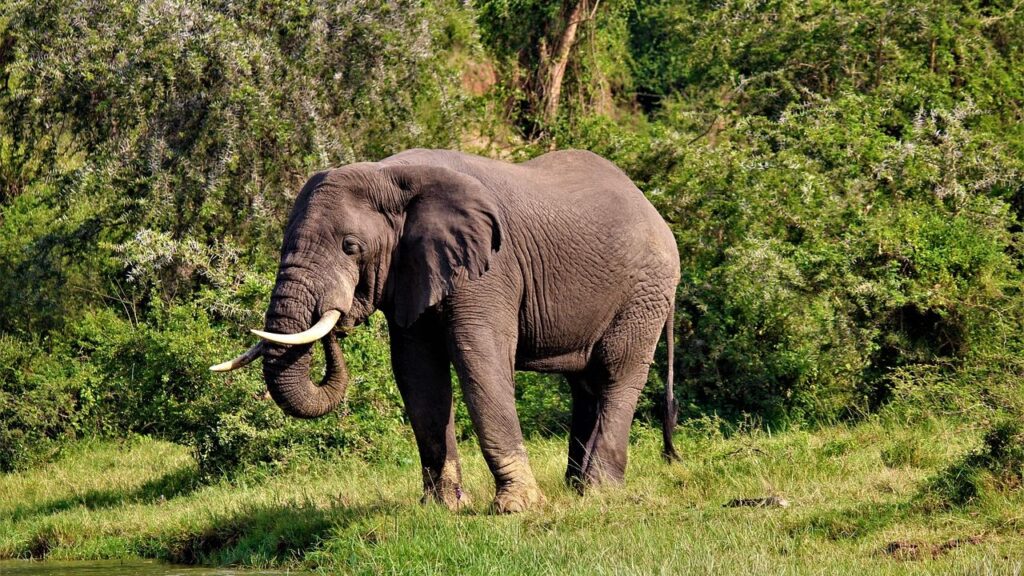
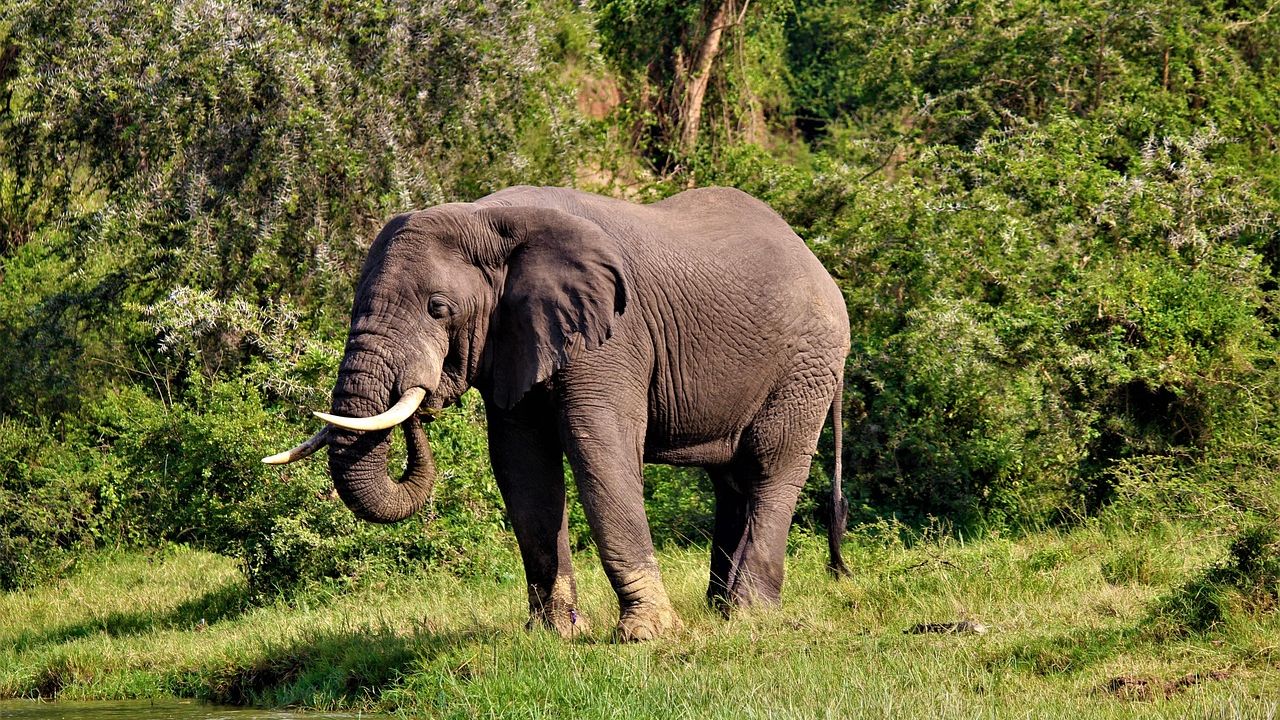
Elephants return to Mount Elgon side of Uganda after four decades – Image for illustrative purposes only (Image credits: Pixabay)
Mount Elgon – At least 60 elephants crossed from Kenya into Uganda last year, marking the first sustained return to this side of the vast volcanic mountain in more than four decades. Wildlife monitors equipped the animals with tracking collars and recorded the movements across the international border. The development has drawn fresh attention to conservation work along the shared ecosystem.
Tracking Reveals a Quiet Comeback
Teams from the Mount Elgon Foundation fitted collars on elephants living on the Kenyan slopes and followed their routes in real time. The data showed repeated crossings of the Suam River, which forms the boundary between the two countries. Earlier observations in 2022 had already noted four individuals making the same journey, but the scale increased sharply in the following year.
Drone surveys conducted by Ugandan authorities later confirmed groups of elephants grazing and moving through the national park on their side of the mountain. The sightings ended a long absence that began during periods of heavy poaching in the late 1970s and 1980s.
Factors Behind the Shift
Chris Powles, chair of the Mount Elgon Foundation, pointed to several possible drivers. The elephant population on the Kenyan side has grown, while human settlement and farming have intensified there as well. In contrast, the entire Ugandan portion of the mountain lies inside a protected national park, offering greater security.
Powles also noted that older elephants who witnessed past killings in Uganda have likely died of natural causes. Their absence may have removed the learned avoidance that kept younger animals away for generations. No single explanation accounts for the full pattern, yet the combination of pressure and safety appears decisive.
Community Work Supports the Trend
The Mount Elgon Foundation backs local projects that reduce forest damage and teach residents about wildlife protection. It also maintains a team of 18 community scouts who patrol the Kenyan slopes as part of the East African Wild Life Society’s Mount Elgon Elephant Project. These efforts aim to ease conflicts that could otherwise push elephants toward riskier areas.
Officials on both sides of the border now watch the new movements closely. Continued monitoring will show whether the animals establish permanent use of the Ugandan forests or treat the area as seasonal range.
Looking Ahead
The return adds a rare positive note to regional conservation stories. It demonstrates how protected status on one side of a border can influence animal behavior across an entire landscape. Future collar data and park reports will clarify whether this marks the start of a lasting recovery or a temporary shift.