

If you’re the person who notices the buzz of the lights, the tension in someone’s voice, and the smell of the coffee all at the same time, you’re not dramatic or weak. Your nervous system is simply doing more work than most people can imagine. And when your brain is processing life on hard mode, exhaustion is not a character flaw – it’s a predictable outcome.
Highly sensitive people often grow up hearing that they’re “too much,” “too emotional,” or “too easily overwhelmed.” What almost no one tells them is that there is a solid, well‑researched, biological reason for why they feel drained so fast. Once you see what’s actually happening under the surface, a lot of shame falls away – and you can finally start working with your sensitivity instead of constantly fighting it.
The real root: a nervous system wired for deep processing
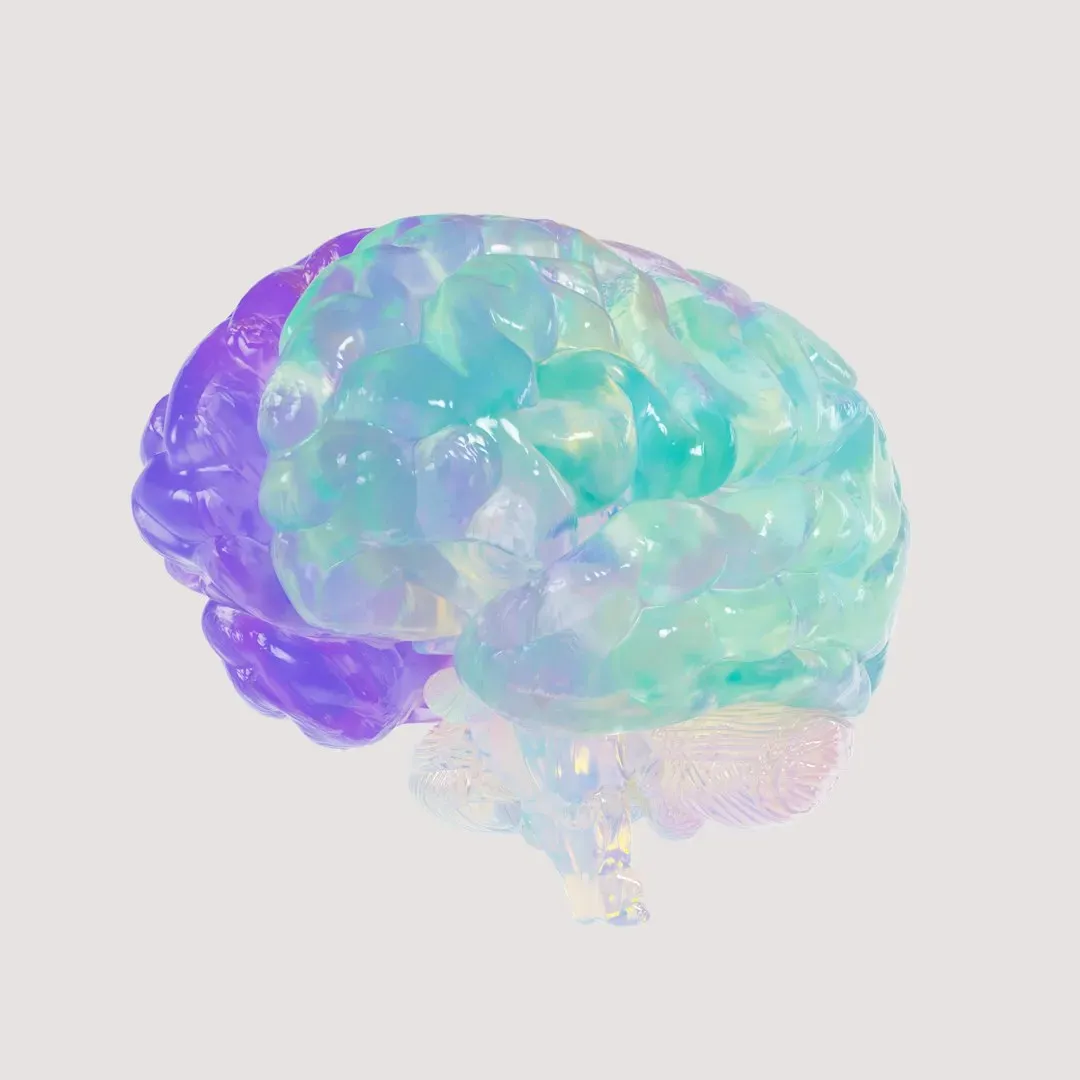
starts with how their brains are wired to process information. Research on sensory processing sensitivity suggests that HSPs have stronger activity in brain regions linked to deeper cognitive processing, awareness, and emotional meaning-making. In plain language, your brain does not just see a situation; it analyzes it, slices it into layers, compares it with past experiences, and anticipates possible outcomes – often automatically and all at once.
That depth sounds like a superpower, and in many ways it is, but it also costs mental energy. Imagine two people watching the same movie: one is just following the plot, while the other is tracking facial expressions, background music, subtle themes, and what the ending says about human nature. The second person is going to feel more tired at the end, even though they were “just sitting there.” For HSPs, that level of analysis is not occasional – it is the default setting.
Overstimulation: when everyday life feels like standing next to a speaker

Another big part of the exhaustion puzzle is simple, brutal overstimulation. Because highly sensitive people take in more sensory and emotional detail, normal environments can quickly become overwhelming. A loud office, a crowded supermarket, or even a lively family gathering can feel like being stuck next to a concert speaker while everyone else thinks the volume is fine. Your system is hit with sound, light, smells, micro-expressions, and social dynamics all at once.
Overstimulation pushes the nervous system into a state of constant alert, and that state burns through energy fast. It is similar to leaving dozens of apps open on your phone: none of them is extreme on its own, but together they drain the battery. When HSPs say they “hit a wall” socially or mentally, they are often describing this invisible overload point where the nervous system has simply had enough input for one day.
Mirror neurons and emotional contagion: you feel what others feel
Highly sensitive people are often the emotional “sponges” of a room, and that is not just a poetic description. Studies using brain imaging have found that people with high sensitivity show stronger activation in areas associated with empathy and mirror neuron systems. These are the circuits that help you understand and internally simulate what others are feeling. For an HSP, that simulation can be intense enough that someone else’s stress feels almost like your own.
That means you are rarely experiencing just your inner world; you are carrying fragments of the emotional weather of everyone around you. A tense coworker, an anxious partner, or even a stranger’s irritation in line can land in your body. Over hours and days, that constant emotional contagion is exhausting, especially if you have not learned to recognize, protect, and reset your boundaries. It is like running background downloads on your emotional bandwidth all day long without realizing it.
Chronic fight‑or‑flight: when sensitivity meets a harsh world

Being highly sensitive in a loud, rushed, productivity‑obsessed culture can nudge your body into a chronic stress response. If you grew up being criticized for your sensitivity or pressured to “toughen up,” your nervous system may have learned to live slightly on edge. That shows up as a low‑grade fight‑or‑flight activation: tension in your muscles, shallow breathing, racing thoughts, and a constant sense that you have to be ready for something to go wrong.
Staying in that state is like idling a car engine at a high speed all day – even if you never leave the driveway, you burn fuel. Over time, chronic activation can lead to fatigue, brain fog, headaches, and a sense of emotional burnout. What looks on the surface like “random exhaustion” is often the predictable aftermath of a body that has been quietly bracing itself for hours, days, or even years.
Decision fatigue: the hidden cost of noticing every nuance

Another sneaky drain on highly sensitive people is decision fatigue. Because you notice more variables – what others might think, small risks, subtle ripple effects – even simple choices can feel heavy. You are not just picking a restaurant; you are considering noise level, menu options, cost, everyone’s mood, and whether you will be tired the next day. That careful analysis can be a gift, but it also means your decision‑making system gets used far more often and more intensely than the average person’s.
Research on willpower and self‑control suggests that the brain’s capacity for making decisions and resisting impulses is limited over the short term. When HSPs are constantly weighing options and scanning for potential problems, that limited resource drains quickly. By midday or evening, this can show up as irritability, overwhelmed tears, or the sudden urge to cancel everything and hide under a blanket. It is not immaturity; it is a brain that has been playing mental chess non‑stop since breakfast.
Sleep, recovery, and why “normal” rest often is not enough

Because HSPs burn through mental and emotional energy more quickly, they also tend to need more intentional recovery than others. The catch is that many highly sensitive people think they are “resting” when they are actually still stimulating their system – scrolling through social media, watching intense shows, checking messages, replaying conversations in their heads. The body is on the couch, but the nervous system is still running a marathon.
Quality sleep and true downtime are especially critical for sensitive nervous systems to reset. When sleep is short, disrupted, or filled with late‑night screens, exhaustion compounds rapidly. Over weeks and months, this creates a kind of sensitivity hangover, where everything feels just a bit sharper and more overwhelming than it should. It is not that HSPs are weaker; it is that their system requires a different kind of refueling than the cultural default of “just push through” ever acknowledges.
The social mask: the energy cost of pretending you are not sensitive

One of the most draining habits highly sensitive people develop is masking – acting less sensitive than they are to avoid judgment or rejection. That might mean forcing themselves to stay longer at loud events, laughing off comments that actually hurt, or constantly monitoring how they come across so they do not seem “needy.” On the outside, they may appear chill and composed; on the inside, they are juggling discomfort, self‑criticism, and performance all at once.
Wearing that social mask is like holding in your stomach all day: eventually, your muscles shake, and you just want to exhale. The exhaustion is not just from the environment but from constantly editing your reactions to be more acceptable. When HSPs finally get home and “crash,” it is often the release of this hidden tension as much as the end of the day itself. Giving yourself permission to respond as you truly feel – within reasonable boundaries – can free up a surprising amount of energy.
Reframing sensitivity: from liability to energy‑intensive strength

Once you understand that the hidden reason for your exhaustion is an energy‑intense nervous system, the whole story changes. Instead of asking why you are so “weak,” you can ask a better question: given how deeply I process and feel, what do I need to function well? That shift sounds small but it is radical. It moves you from self‑blame to self‑leadership, from thinking you are broken to recognizing you are simply built differently.
In my own life, realizing I was highly sensitive finally made sense of why I needed more alone time after social events and why certain workplaces felt like psychological sandpaper. It was like discovering the user manual for a device I had been misusing for years. Sensitivity is not a free pass to avoid all discomfort – but it is a clear signal that you must budget your energy differently. The goal is not to “fix” your sensitivity; it is to respect it enough that it can become the strength it was always meant to be.
Conclusion: exhaustion is a message, not a moral failure

When you zoom out, the pattern becomes obvious: highly sensitive people are not exhausted because they are weaker; they are exhausted because they are running more data, more emotion, and more nuance through their systems every single day. Deep processing, overstimulation, emotional contagion, chronic stress, decision fatigue, poor recovery, and masking all stack together until collapse feels inevitable. The tragedy is that so many HSPs interpret that collapse as proof that something is wrong with them, instead of as evidence that something is wrong with the way they are living and being treated.
My honest opinion is that the problem is not sensitivity; it is a culture that worships numbness, speed, and constant availability. If you are highly sensitive, your exhaustion is not laziness or drama – it is your nervous system waving a red flag and asking you to build a life that actually fits. That might mean more boundaries, more rest, fewer loud commitments, and a lot less pretending. And maybe the real question is not why you get tired so easily, but how powerful you might be if your sensitivity were finally supported instead of constantly pushed past its limit – what do you think would change first?