
Have you ever looked at someone who seems perfectly composed and thought, they’re handling life so well… only to later discover they were falling apart inside? Emotional overwhelm often hides behind the people who look the most “together.” They keep functioning, they show up to work, they crack jokes, they say they’re fine. On the surface, nothing looks wrong. Underneath, their nervous system is working overtime.
I learned this the hard way in my own life. People kept telling me I was “so calm” during one of the most stressful years I’ve ever had, when in reality I was barely sleeping and felt like my brain was running a hundred browser tabs at once. That experience taught me something important: emotional overload is often quiet, subtle, and easy to miss, especially in people who pride themselves on being strong. Here are eight signs someone might be calm on the outside but deeply overwhelmed inside.
1. They Say “I’m Fine” but Never Explain How They Actually Feel

One of the clearest signs of hidden overwhelm is the all-purpose response: “I’m fine.” On its own, it’s not a red flag. But when it’s the only answer they ever give, and they quickly change the subject or joke their way out of deeper questions, it can be a protective shield. Psychologists often point out that when someone avoids talking about their emotions repeatedly, it can be a way to keep the floodgates closed so everything does not come crashing out at once.
What makes this tricky is that on the outside, this looks very calm and controlled. They never raise their voice, they do not cry, they do not rant. But the emotional shutdown is not always peace; sometimes it is self-defense. If a person seems almost allergic to phrases like “I feel,” or “I’m scared,” or “I’m hurt,” and leans heavily on neutral phrases instead, there is a decent chance their inner world is a lot louder than they let on.
2. They Stay Hyper-Functional While Quietly Burning Out

Another classic sign: they keep performing. They go to work, handle tasks, take care of other people, and hit deadlines, even when life is clearly heavy. From the outside, this looks impressive: they are productive, reliable, and composed. Inside, the emotional cost can be immense. Research on stress and burnout shows that many people stay in a “high-functioning” mode long after their mental and emotional reserves are drained, relying on adrenaline, perfectionism, and fear of letting others down.
Over time, this can look like a person who never rests, never says no, and never allows themselves to fall apart in front of anyone. They might even get praised for their resilience, which unintentionally reinforces the mask. If you notice someone who seems to be carrying ten times more than most people but insists they are “just busy,” they might not be calm at all; they might simply be running on fumes in a very organized way.
3. Their Body Shows Stress Their Words Will Not Admit

Emotional overwhelm does not just live in the mind; it shows up in the body. Someone may speak in a steady tone and insist everything is under control, but their body tells a different story. You might notice clenched jaws, tight shoulders, shallow breathing, fidgety hands, or difficulty sitting still. Many people internalize stress physically while trying hard to stay mentally “cool” and composed, especially if they were taught that showing emotion is a weakness.
Sometimes the signs are even more subtle: frequent headaches, stomach issues, difficulty sleeping, or feeling exhausted all the time while insisting they are just “a little tired.” The nervous system can be in a constant state of alert even when their face looks relaxed. If their body looks like it is bracing for impact, even while they are giving you calm, logical answers, chances are their inner world is not as peaceful as it appears.
4. They Avoid Conflict at All Costs, Even When Hurt

People who are emotionally overwhelmed on the inside often have very low capacity for more emotional input, so they avoid conflict like it is a burning building. They may downplay hurtful comments, brush off being mistreated, or say things like “It’s not a big deal” when it clearly is. Engaging in conflict would mean feeling their emotions more intensely, and that can feel unbearable when they already feel full to the brim.
On the outside, this can make them seem easygoing, unbothered, or extremely patient. In reality, they might be bottling up resentment, sadness, or anger that never gets expressed. Over time, this can lead to emotional numbness or sudden explosions over something minor. If you know someone who never stands up for themselves, never complains, and always tries to smooth things over politely, it is possible they are not calm… they are overloaded.
5. They Joke About Their Stress Instead of Processing It

Humor can be a beautiful coping mechanism, but it can also be a disguise. Someone who is emotionally overwhelmed might constantly make jokes about how stressed, anxious, or broken they feel, turning their pain into punchlines. Everyone laughs, and the moment passes. On the surface, it looks like they have a lighthearted attitude. Underneath, the humor can be a way to bring up serious feelings without risking real vulnerability.
I have done this myself more times than I can count, cracking a joke about my chaotic brain instead of saying, “I am not okay.” When people respond with laughter instead of concern, it can reinforce the idea that joking is safer than being honest. If a person regularly turns serious struggles into comedy, watch the moments right after the joke – do their eyes look tired, do they go quiet for a second, do they quickly change the subject? Those tiny cracks often reveal more than the punchline.
6. They Need More Alone Time but Do Not Seem Rested

Emotionally overwhelmed people are often desperate for escape, but not always in obvious ways. They may start canceling plans more often, disappearing into their room, endlessly scrolling on their phone, or getting lost in shows and games. They pull back from social situations that require emotional energy, telling others they just need some time to themselves. In moderation, this is normal and healthy. The difference is that their alone time does not actually leave them feeling refreshed.
If someone keeps withdrawing but never seems more rested, more grounded, or more present afterwards, it may mean their mind is still racing when they are alone. Instead of true rest, they might be numbing out. It is like taking your phone into airplane mode but never actually charging it. From the outside, this can look like peaceful solitude. On the inside, it can feel like quietly drowning in thoughts with no lifeline.
7. They Struggle to Make Simple Decisions
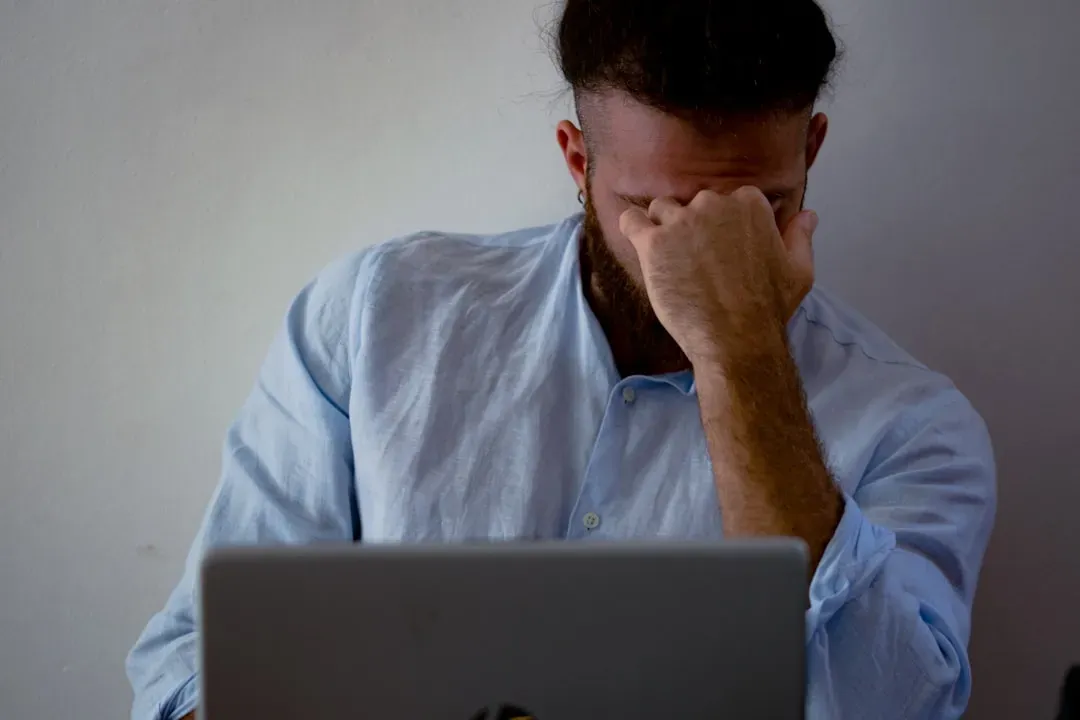
When someone is emotionally overloaded, even small choices can feel huge. Their brain is already juggling a lot, so one more decision – what to eat, where to go, how to respond to a message – can push them into paralysis. They might respond with “I don’t mind, you choose,” or “Whatever’s easiest,” all the time. It can look like flexibility or easygoingness, but sometimes it is actually decision fatigue and emotional exhaustion.
Scientifically, chronic stress narrows our mental bandwidth and makes it harder for the brain to weigh options and handle uncertainty. So if a usually decisive person suddenly becomes vague, indecisive, or overwhelmed by trivial choices, it might be a sign their internal capacity is maxed out. They are not necessarily calm; they are desperately trying to avoid one more thing to think or feel about.
8. They Minimize Their Pain Compared to Others

A very subtle sign of hidden overwhelm is constant comparison and minimization: “Other people have it worse,” “It’s not that bad,” “I shouldn’t complain.” On the surface, this can sound humble, rational, or even grateful. Inside, it can be a way to invalidate their own emotions so they do not have to fully feel or address them. If they keep dismissing their pain, it has nowhere to go, so it just builds up quietly.
This shows up when someone rushes to comfort others but will not accept comfort themselves. They might say they do not want to be a burden or that they should be able to handle things on their own. That narrative can make them seem calm, strong, and selfless, yet it often masks a deep sense of overload and loneliness. When someone consistently downplays their struggles, it is worth gently remembering them that pain does not have to be the worst to be real.
Conclusion: Calm Is Not Always Peace

We live in a culture that praises composure, productivity, and emotional control, so it is no surprise that many overwhelmed people learn to hide in plain sight. Calm behavior is not a reliable indicator of inner peace. In my view, we romanticize the person who “handles everything” far too much, and we underestimate how much invisible weight they might be carrying. Sometimes the steady one in the room is not the one suffering least – they are just the one who has learned to suffer quietly.
If you recognized yourself in any of these signs, it does not mean you are broken. It probably means you have been in survival mode for a long time. Reaching out, slowing down, or admitting you are not okay is not weakness; it is what allows your nervous system to finally exhale. And if you recognized someone you love, maybe the kindest thing you can do is stop assuming their calm means they are fine, and instead ask one more gentle question: “How are you really doing?”