Some people walk into a crowded party and instinctively scan for the dog. They feel calmer with a cat on their lap than in a room full of small talk. To others, that can look cold, antisocial, or even a little strange. But dig into what psychology has to say, and a very different picture emerges: many people who prefer animals over humans are not lacking empathy at all – they may actually feel too much of it.
This idea surprises a lot of folks, because it cuts against the usual stereotype that “animal people” are avoiding human connection. Yet when you look at how empathy works in the brain, how sensitive people process emotions, and how animals invite a special kind of trust, you start to see a pattern. Liking animals more is often less about disliking people and more about being overwhelmed by them. Let’s unpack what is really going on underneath that quiet moment on the floor with the dog while the party rages on around you.
The Hidden Science of Empathy: Why Sensitivity Hurts Before It Heals
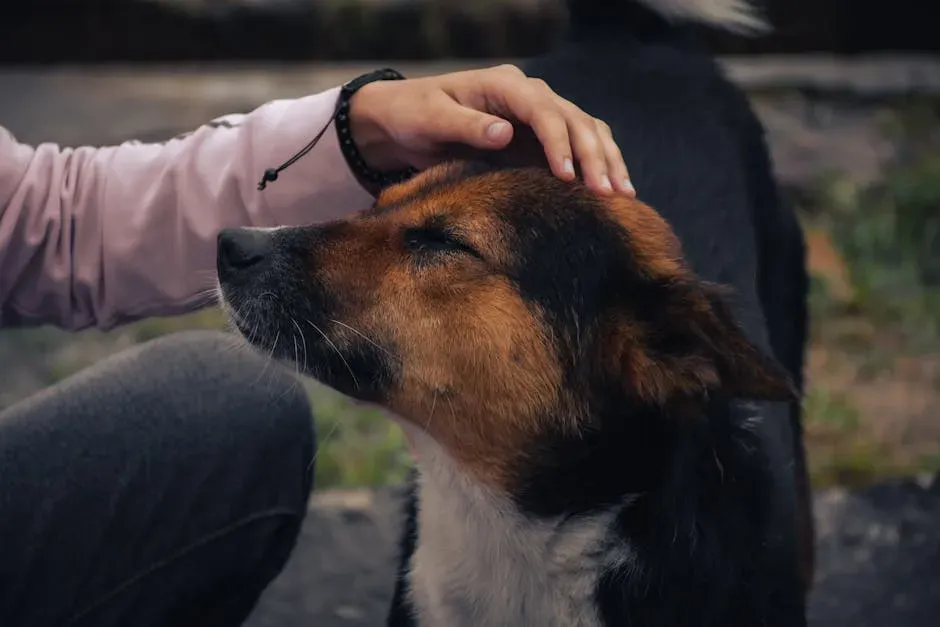
Empathy is not just “being nice.” In psychological research, it usually breaks down into at least two parts: cognitive empathy (understanding what someone else might be thinking or feeling) and affective empathy (actually feeling some of their emotion in your own body). People who gravitate toward animals often show high levels of affective empathy – they do not just notice distress, they absorb it, almost like an emotional sponge. That can make ordinary social situations surprisingly draining rather than energizing.
When your nervous system is wired this way, the world can feel loud in a way others do not notice. Crowded offices, tense family gatherings, or even scrolling past arguments online can land like emotional static buzzing in the background. Turning toward animals can be a way of regulating that constant intensity. With a dog, a cat, or even a rabbit, the emotional information is simpler, more direct, and rarely manipulative. You still feel deeply, but you are not constantly decoding mixed signals or managing hidden agendas, and that can feel like stepping out of a storm.
Anthropomorphism: Seeing a Soul in Fur and Feathers
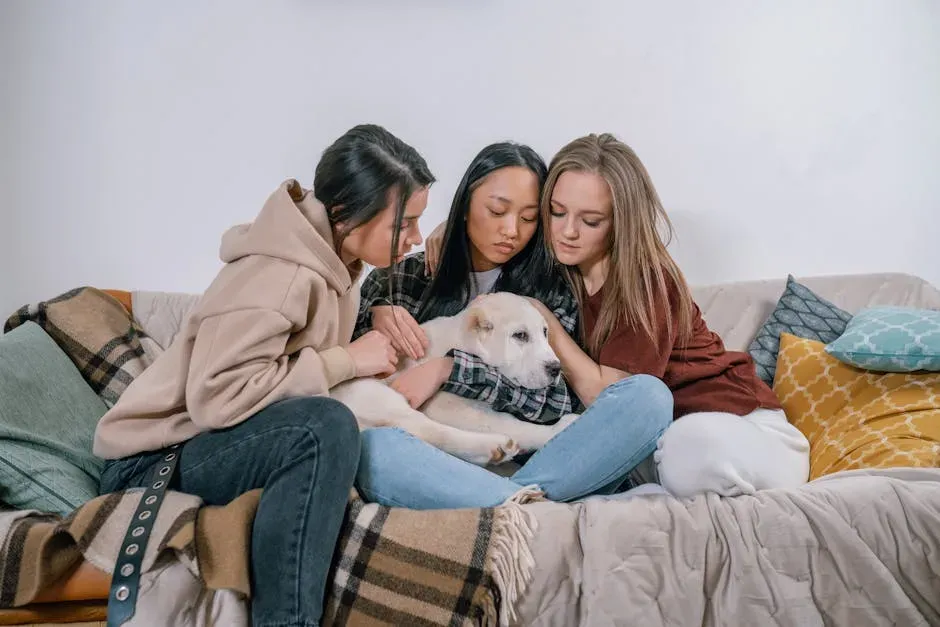
People who prefer animals are often accused of “humanizing” them too much, but in psychology this tendency has a name: anthropomorphism. It means attributing human-like minds, feelings, and intentions to nonhuman beings. Interestingly, studies show that people who anthropomorphize more tend to score higher on measures of social sensitivity and emotional awareness. They notice subtleties in posture, gaze, and behavior that others brush off as random or trivial.
If you have ever felt that your dog “gets you” better than your coworkers do, what may be happening is not simple fantasy. Your brain is reading patterns in the animal’s behavior – the way the dog leans into you when you are upset, or how the cat avoids you when you are tense – and connecting them to your own emotional landscape. This capacity to see an inner world behind someone else’s eyes is a building block of empathy. Whether that “someone else” is wearing a business suit or covered in fur, the core skill is the same: you are capable of treating another being’s inner experience as real and important.
The Safe-Haven Effect: Why Animals Feel Easier to Love
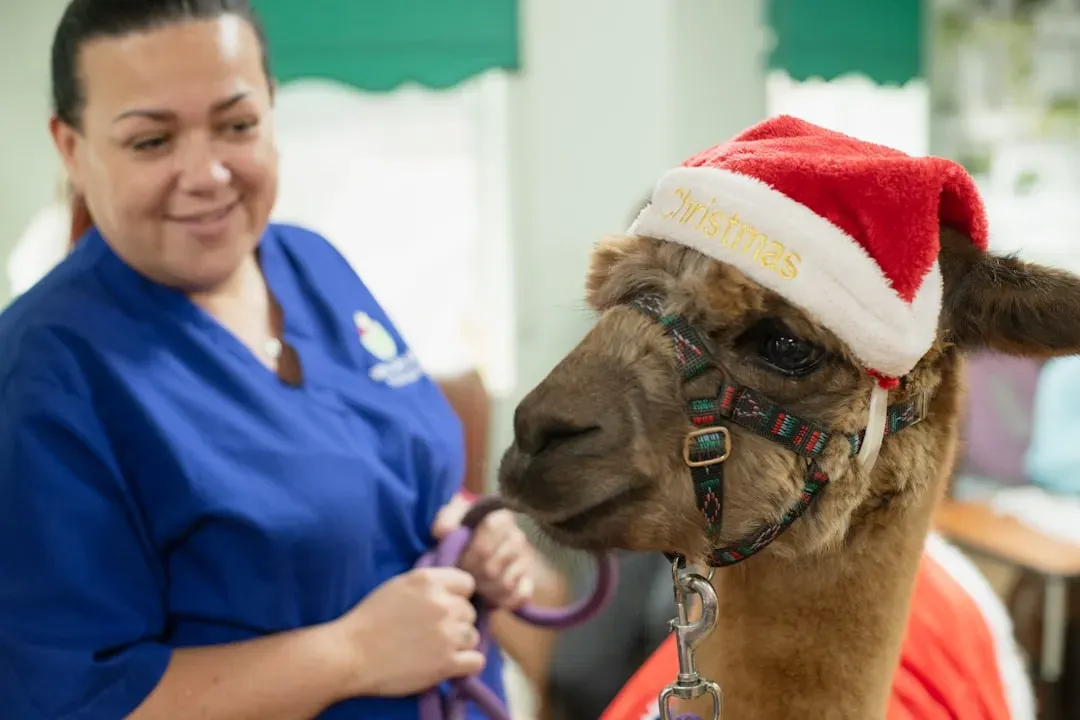
Attachment theory, originally developed to understand how infants bond with caregivers, has been extended in modern research to human–animal relationships. Many people use pets as what psychologists call a “secure base” or “safe haven” – a stable, comforting presence they can turn to when stressed. That is not a sign of emotional immaturity; it is a very human way of regulating stress and fear. Animals offer a kind of connection that feels pure: they do not judge, hold grudges in the same way, or weaponize your vulnerabilities later.
For someone with a deep capacity for empathy, this matters a lot. When you care intensely about others, human relationships can feel like walking through a minefield of potential hurt, misunderstanding, and guilt. With animals, the emotional rules are simpler. You feed them, protect them, respond to their signals, and in return you get affection, loyalty, or at least predictability. The relationship lets your empathy breathe without constantly worrying about being used, rejected, or misread. It is not that you do not care about people; it is that you can finally relax enough to show just how much you care.
Moral Circles and Compassion Fatigue: When the World Is Just Too Much

Psychologists sometimes talk about a “moral circle” – the group of beings we feel deserve moral concern. For some people, that circle focuses mainly on family, friends, or their own community. For others, the circle is much wider, extending to strangers, animals, and even ecosystems. Those who prefer animals often have an unusually broad moral circle; they see a farmed animal, a stray dog, or a lab rat and intuitively feel that this creature’s suffering matters. That is not softness; it is a moral stance.
The downside is that this broad concern can easily slide into compassion fatigue. Constantly being aware of suffering – from shelter dogs to climate-threatened wildlife – can feel unbearably heavy. In a world where human cruelty and indifference are in the news every day, it is not shocking that some people retreat toward animals as a way to cope. Paradoxically, that retreat can look like withdrawal, but underneath it is often a wide, aching sense of responsibility for living beings most people barely notice.
Social Pain and Betrayal: When Human Relationships Teach You to Love Animals More
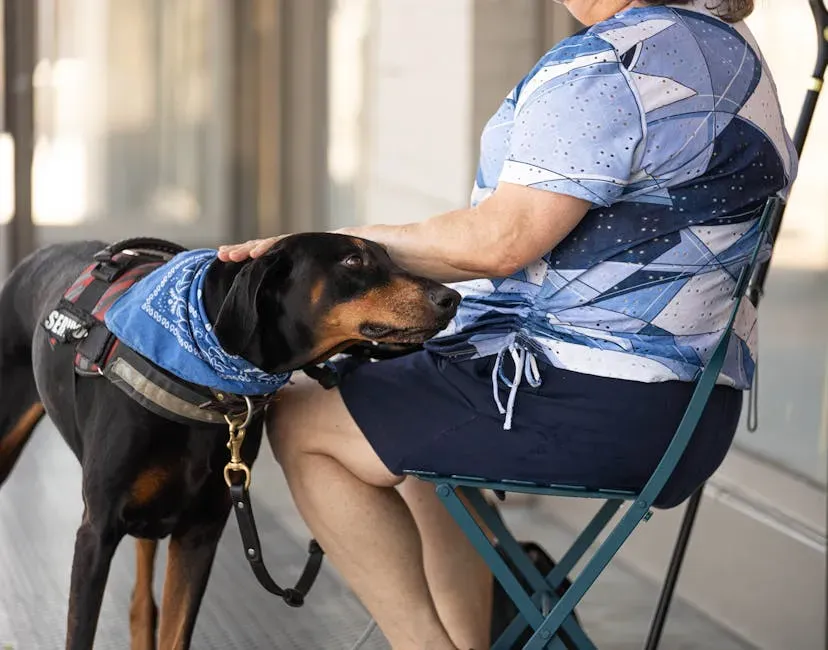
Personal history plays a huge role here, too. Many animal-preferring people have experienced some form of betrayal, rejection, or emotional neglect from other humans. Their nervous system learns a brutal lesson: people hurt, deceive, or abandon, but the dog stayed. In psychological terms, this shapes internal working models of relationships – deep assumptions about what to expect from others. Animals often become the exception to a rule that people have written in pain: trust is dangerous.
That does not mean their empathy is damaged; in many cases, it is intensified and redirected. The more they know what it feels like to be powerless or unseen, the more fiercely they protect and nurture creatures who rely entirely on human kindness. They may pour themselves into rescue work, fostering, or simply being the one person who never hits, never yells, never walks away. Their preference for animals is then less a rejection of humanity in general and more a refusal to replay their own wounds in another living being’s life.
Neurodivergence, Introversion, and the Calm of Nonverbal Connection
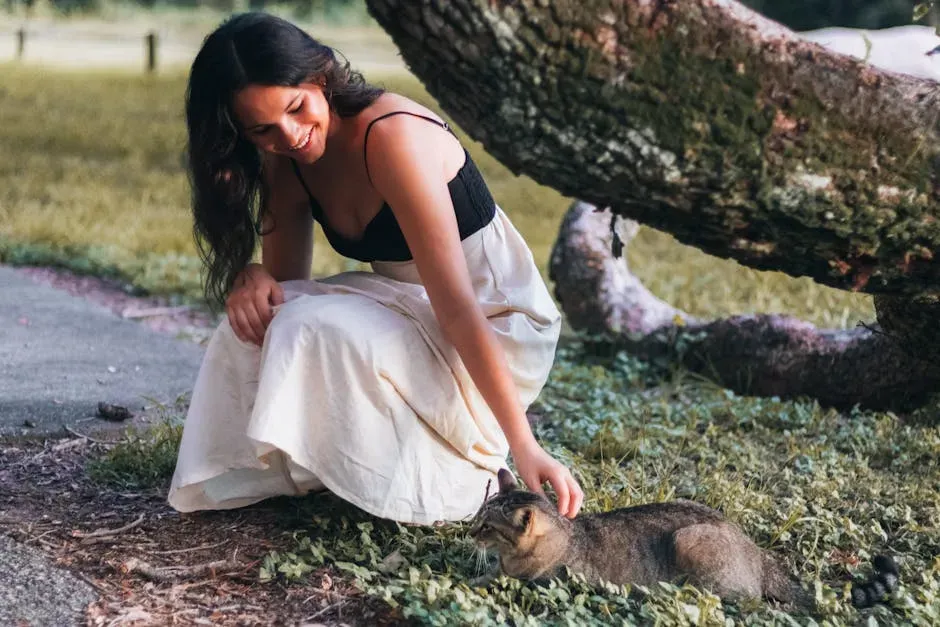
There is also a quiet overlap between preferring animals and traits like introversion, high sensitivity, or neurodivergence (for example, autism or ADHD). Human social interaction can involve rapid-fire small talk, complicated body language, and unwritten rules that change from setting to setting. For some brains, that is exhausting or confusing. Animals, by contrast, communicate mostly through clear, consistent signals: tail positions, ear movements, posture, vocalizations. You do not have to decode sarcasm from a cat.
People who find human interaction draining are not necessarily less empathetic; they may actually be processing too much information at once. With animals, they can channel their empathy into touch, tone of voice, and routine care without scripting every sentence in their head. The bond becomes a form of social connection that is sensory-rich and emotionally real, but far less cognitively overloaded. That can reveal just how much warmth and tenderness they have been holding back simply because human interaction felt like a test they were destined to fail.
Action-Based Empathy: The Quiet Heroes of Animal Care and Protection
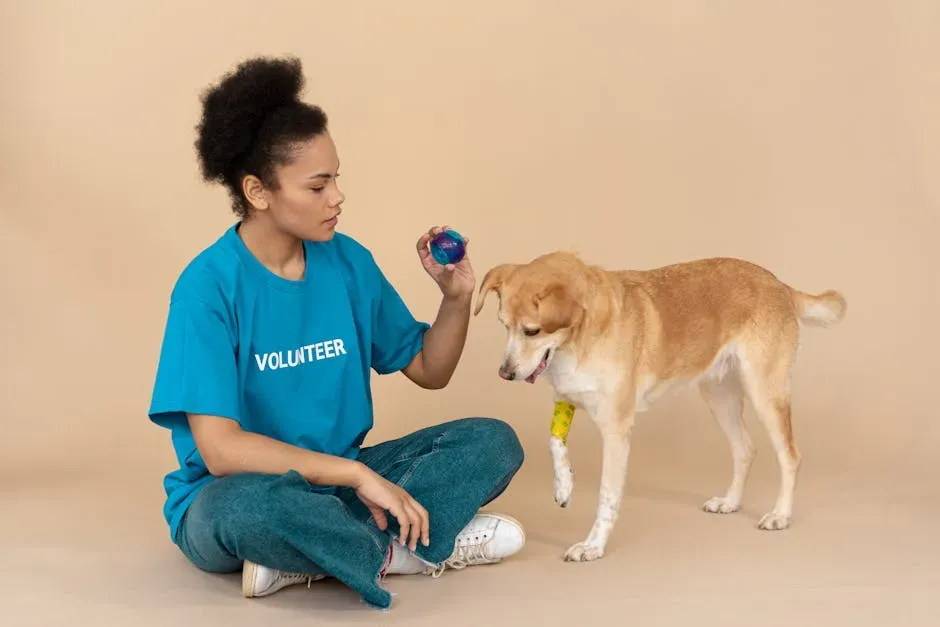
One thing that often gets overlooked in this whole discussion is that many “animal people” do not just feel deeply – they act on it. They adopt senior dogs nobody else wants, volunteer at shelters, bottle-feed orphaned kittens at 2 a.m., or donate to sanctuaries on a tight budget. This is empathy with skin in the game. Instead of just feeling bad, they let their daily routines, bank accounts, and sleep schedules be reshaped by the needs of another species.
Psychology often distinguishes between emotional empathy and what is sometimes called compassionate or prosocial empathy: the motivation to help. Over and over, you see that those who prefer animals often express their caring through sustained, practical effort. They quietly accept inconvenience, mess, grief, and responsibility because they cannot bear the idea of a defenseless creature suffering alone. If anything, their empathy is so large that it refuses to stay theoretical; it spills over into food bowls, vet bills, and late-night walks in the rain.
Do Animal Lovers Really Dislike People, or Just Expect More From Them?
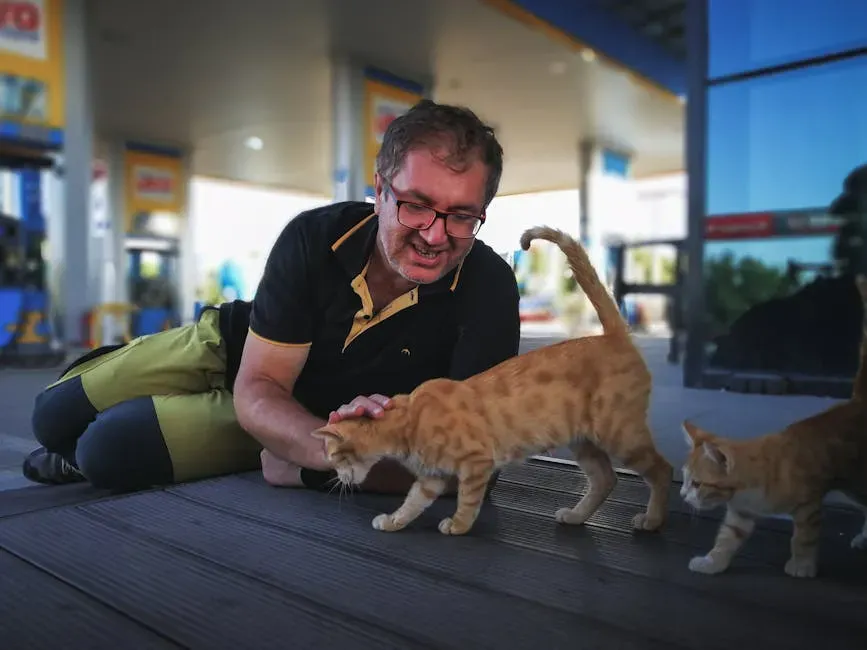
It is tempting to frame all of this as a simple either–or: you either like animals more, or you like humans more. But in real life, people are messier than that. Many who say they prefer animals are not incapable of connecting with people; they are just less tolerant of cruelty, hypocrisy, or selfishness. Because they know how good unconditional care can feel – they have lived it with their pets – they are often brutally disappointed when humans fall short. In a way, their standards for human kindness are higher, not lower.
Personally, I have noticed that some of the most “animal-obsessed” people I know are also the ones who show up first when a friend is struggling. They might grumble about hating crowds or hating drama, but when it comes to quiet, one-on-one presence – the kind an anxious dog or grieving friend really needs – they shine. They listen, they notice, they remember the details. It is as if the skills they hone with animals – patience, gentleness, attention – overflow into the rest of their lives, even if they swear they like dogs better than people.
Conclusion: Choosing Fur Over Handshakes Is Not a Flaw – It Is a Clue
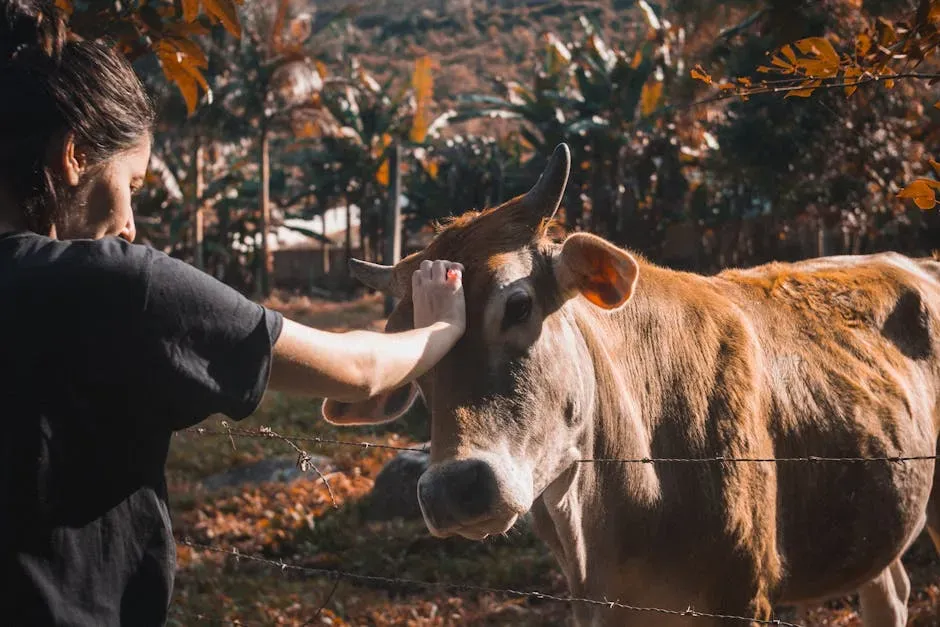
When you pull all these threads together – sensitivity, moral concern, past hurt, neurodivergence, and the safe-haven comfort of animals – the old stereotype that “loving animals more means you are cold toward people” starts to look pretty lazy. The evidence points toward a more uncomfortable truth: people who prefer animals often feel so much that they have to be careful where they place that feeling. Preferring animals can be a protective strategy, a moral stance, or a way of surviving in a world that rarely honors tenderness.
My own opinion is that we have it backwards: instead of side-eyeing those who bond more easily with animals, we should probably be asking what their instincts are trying to tell us about the kind of world they wish existed. Their behavior is not proof that they lack empathy; it is often a quiet protest against environments where empathy is punished or dismissed. So the next time you see someone sitting on the floor with the dog instead of mingling with the crowd, maybe do not assume they are antisocial. Ask yourself instead: what does it say about us that the dog feels safer to love than most people would expect?