
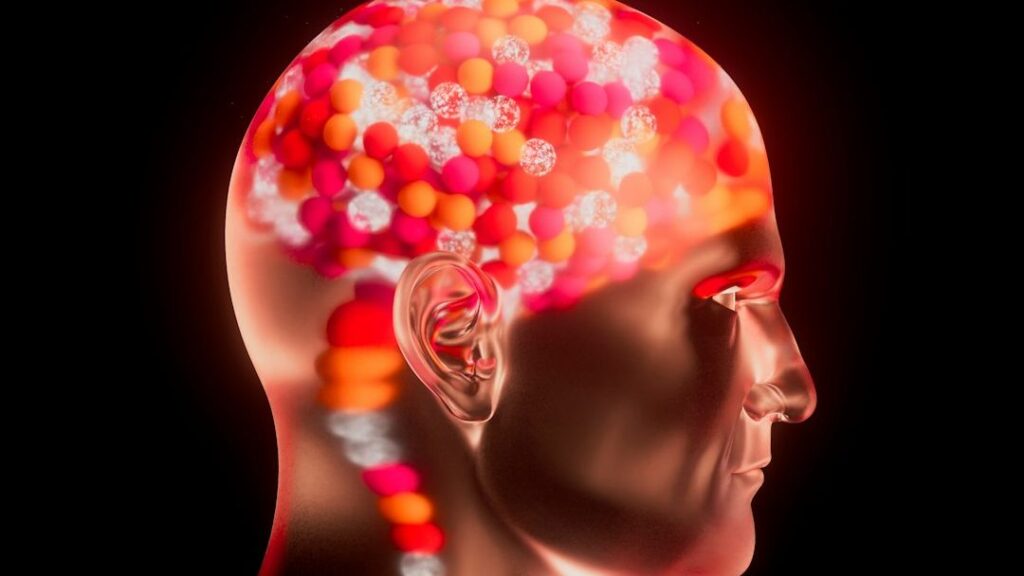
Picture an early human staring into the fire for the very first time, not just seeing light and heat, but suddenly wondering what it all means. At some point in our deep past, sensations turned into experiences, instincts turned into thoughts, and a creature that simply reacted to the world began to reflect on it. That mysterious shift – when a brain stopped being only a survival machine and started hosting an inner life – is what we really mean when we ask how consciousness evolved .
We do not have fossils of thoughts, and no ancient skull comes with a neatly labeled “self-awareness” tag. Instead, we have to read between the lines of bones, tools, art, and the brains of other animals to piece together a story that is still very much in progress. What emerges is not a single “light switch” moment but a slow, uneven climb: layer upon layer of perception, memory, emotion, and social understanding, stacking up until a mind appeared that could say, in one form or another, “I am.”
From Simple Senses To A Spark Of Awareness
One surprising idea scientists emphasize today is that consciousness did not suddenly pop into existence with early humans; it likely grew out of much older sensory and emotional systems. Long before there were people, nervous systems were already guiding animals toward food, away from danger, and into social contact. You can think of this as the “baseline operating system”: pain, pleasure, fear, curiosity, and the basic feeling of being a body in a world. Early humans inherited this ancient toolkit, but their expanding brains allowed them to combine and reinterpret those signals in richer ways.
As the human brain grew larger and more complex, especially in areas involved in integrating different senses, these creatures could form a more coherent inner scene of what was happening around them. Instead of just reacting to a sound or a shadow, early humans could perceive patterns over time, anticipate outcomes, and hold multiple possibilities in mind at once. That shift – from immediate reaction to flexible modeling of the world – creates a kind of mental “space” where an inner point of view can form. Consciousness, in this view, is less like a mysterious flame and more like a high-resolution control room that slowly got upgraded across millions of years.
The Expanding Human Brain: Hardware For Inner Life
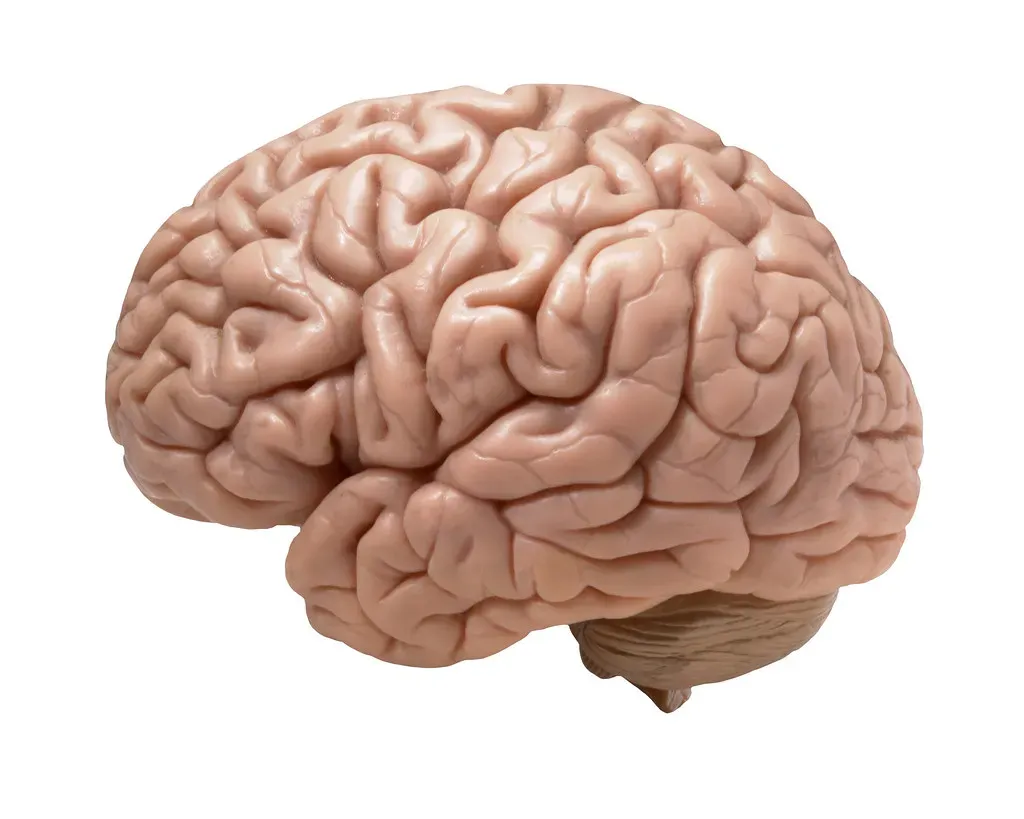
If consciousness is the software of experience, the human brain is the hardware that made new versions possible. Compared to earlier hominins, the brains of species like Homo erectus and later Homo sapiens became larger relative to body size and especially richer in the wrinkled outer layer called the cortex. Regions in the frontal and parietal areas, which help with planning, attention, and coordinating different types of information, became increasingly important. This is exactly the sort of neural infrastructure you would expect for a mind that can switch between tasks, reflect on choices, and evaluate its own behavior.
But growth alone was not the whole story; it was also about how those brain areas wired together. More intricate connections between regions involved in memory, emotion, and sensory processing allowed early humans to blend the past, present, and imagined futures into a single flowing narrative. Instead of isolated snapshots, consciousness became more like a continuous film with a plot and a main character. When you feel yourself as the same person who went to sleep last night and woke up this morning, you are relying on the same kinds of integrated processes that slowly took shape as hominin brains reorganized and became more connected over evolutionary time.
From Instinct To Imagination: The Rise Of Mental Time Travel

One of the biggest leaps in conscious experience was the ability to mentally step out of the present moment. Many animals can learn from previous experiences, but humans seem particularly skilled at what researchers sometimes call mental time travel: vividly replaying the past and imagining different futures. This skill likely emerged gradually as memory systems and executive functions in the brain became more sophisticated. Early humans who could rehearse possible hunts, plan migrations, or foresee conflicts had a massive survival advantage.
With richer imagination came a more complex inner life. Instead of simply feeling hunger, fear, or desire, early humans could picture ways to satisfy or avoid those states before acting. They could revisit social mishaps, wonder what others were thinking, and simulate better strategies for next time. That constant back-and-forth between remembered scenes and anticipated outcomes would have filled their minds with stories, daydreams, worries, and hopes. Consciousness, in that sense, is not just a passive movie but an active rehearsal stage – one that allowed early humans to try out different lives without having to risk them first in the real world.
Language: Turning Thoughts Into Shared Worlds

If imagination gave early humans a private theater in their heads, language turned that theater into a shared cinema. The development of complex, symbolic communication let individuals package their inner experiences into sounds and gestures that others could understand. Instead of one person silently thinking about danger by the river, a group could now talk through what happened yesterday, argue about who is responsible, and plan what to do tomorrow. This shared storytelling did not just express consciousness; it reshaped it.
Once people could name emotions, weave myths, describe invisible causes, and pass down lessons, their inner worlds grew larger and more structured. A child born into a group with language did not have to invent concepts like kinship, fairness, or spirits from scratch; those mental tools were handed down through conversation. Consciousness, in this light, is partly a cultural achievement: by learning a language, you inherit a ready-made way of carving up reality, which then colors how you feel, remember, and interpret what happens to you. In my view, this is one of the most underrated turning points – without language, our minds would probably feel far more fragmented and less richly self-aware.
Art, Ritual, And The Birth Of Symbolic Minds
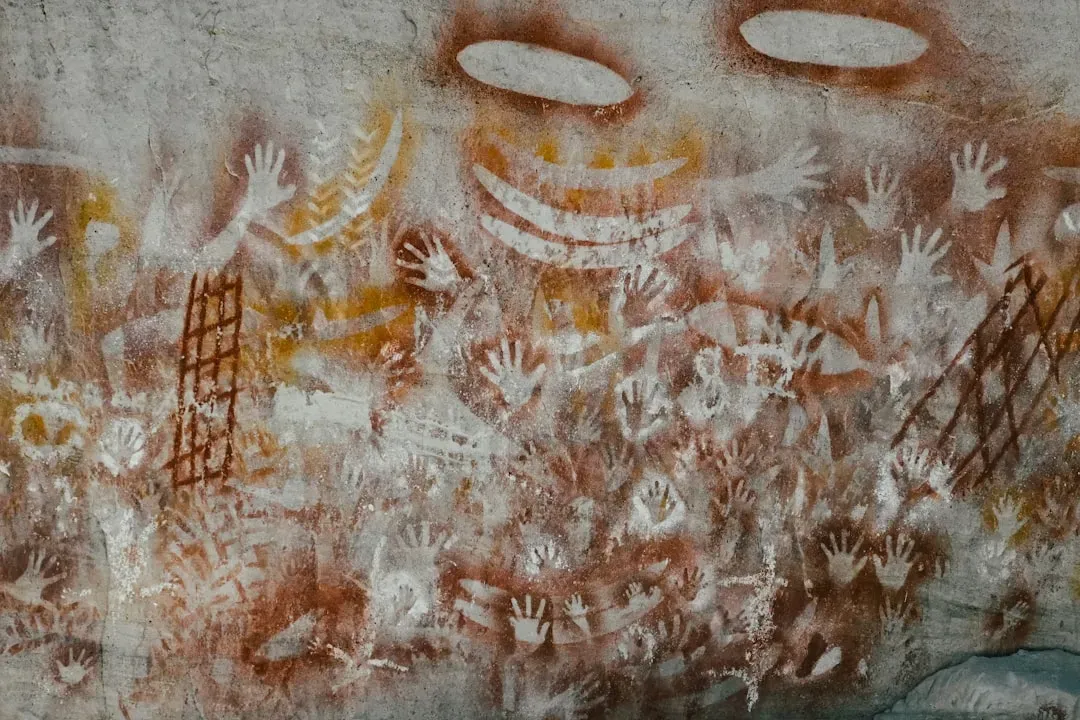
Sooner or later in the archaeological record, something striking appears: objects and markings that seem to go beyond raw survival. Cave paintings, beads, carved figurines, and deliberate burials suggest that early humans were not just navigating the physical world but wrestling with meaning. When someone takes the time to paint animals on a wall or carefully arrange a grave, they are thinking about more than immediate needs. They are reflecting on identity, memory, death, and perhaps invisible forces or stories that stretch beyond a single lifetime.
These symbolic behaviors point to a new layer of consciousness: an awareness that life has patterns and themes, that there is a past to honor and a future to influence, even after an individual is gone. Participating in shared rituals – dancing around fires, telling origin stories, marking transitions like birth or adulthood – would have synchronized emotions and created powerful group experiences. Standing inside such a ritual, an early human might have felt themselves as part of something larger: a clan, a lineage, a cosmic drama. That feeling of belonging to a story bigger than your own heartbeat is a deep and distinct form of human consciousness that still shapes us today.
Self, Other, And The Social Mirror

Consciousness is not just about having experiences; it is also about knowing that you are the one having them. This sense of self does not arise in isolation but in constant interaction with others. Early humans lived in tightly knit groups where cooperation, reputation, and trust could make the difference between life and death. In such an environment, being able to model what others think, feel, and intend – sometimes called a theory of mind – would have been invaluable. A brain tuned to social nuance is a brain that spends a lot of time looking at itself from the outside.
Over time, that social mirror likely sharpened self-awareness. When you anticipate judgment, remember past embarrassments, or try to impress someone, you are effectively watching your own mind from a second vantage point. Early humans would have practiced this constantly: negotiating alliances, reading status cues, and passing on gossip. I suspect this social pressure sculpted a form of consciousness that is intensely self-reflective and sometimes painfully self-conscious. The upside is that it also enabled empathy, moral reflection, and a sense of responsibility – traits that define not just how we think, but who we believe we are.
Modern Minds, Ancient Brains: What Has Really Changed?
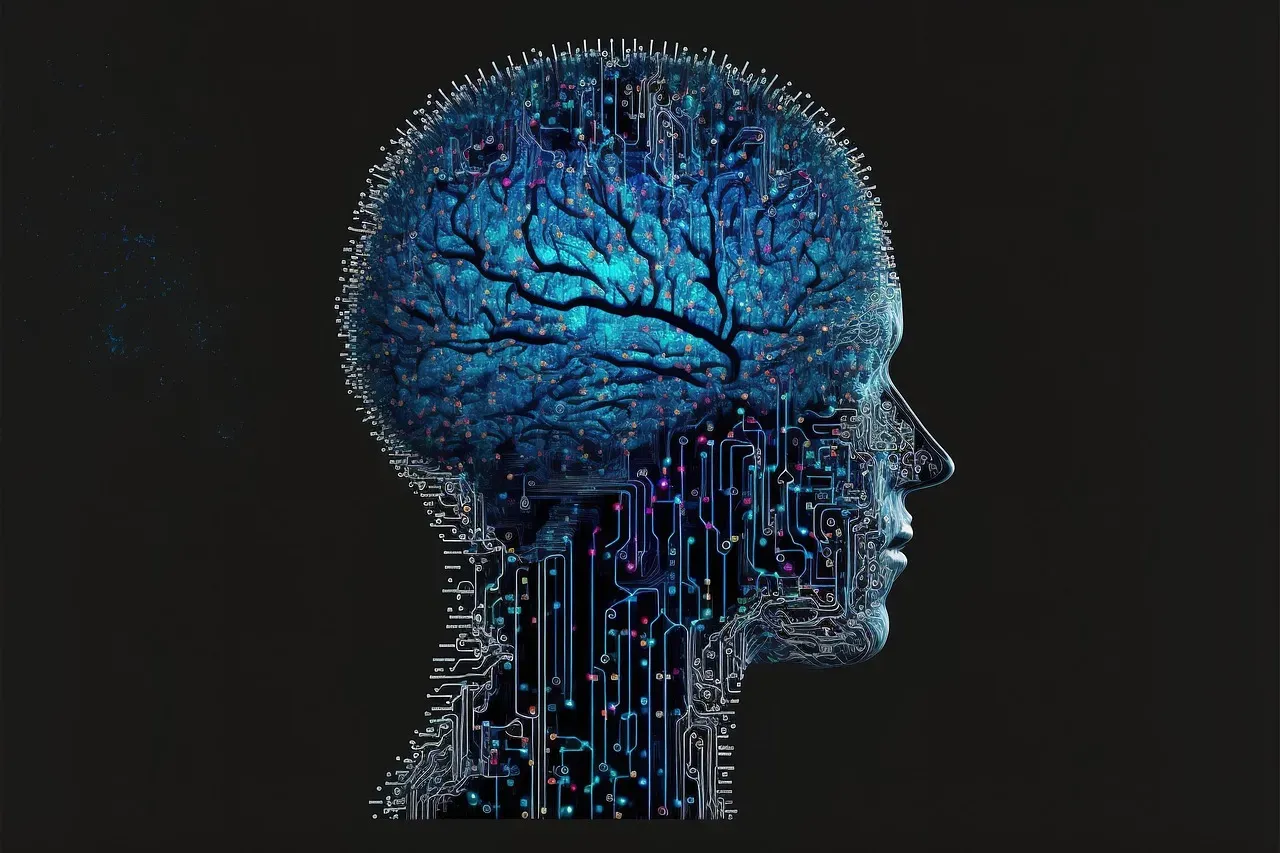
Looking at smartphones, social media, and virtual reality, it can feel like our consciousness today is completely different from that of early humans. But under the shiny surface, the core machinery is still remarkably ancient. We still rely on emotional signals that evolved for life in small bands, we still bond over stories around metaphorical campfires, and we still struggle with fear, status, and belonging. The main difference is that our cultural environment has exploded in complexity, layering new norms, symbols, and technologies on top of very old neural foundations.
That mismatch can be jarring: a brain wired to scan a savanna now scrolls nonstop through feeds, news, and competing narratives. In some ways, our consciousness might be more fragmented and overstimulated than what early humans experienced; in other ways, we have access to levels of reflection and knowledge they could not have imagined. What has not changed is the basic architecture: a storytelling, pattern-hungry mind trying to make sense of itself and its place in the world. When you sit quietly and notice your own thoughts drifting, you are tapping into processes that were already taking shape when our ancestors first shaped stone tools and watched the stars in awe.
Conclusion: Consciousness As An Ongoing Experiment
When I look at the evidence, I do not see consciousness as a mysterious gift that appeared overnight, but as a rough, unfinished project millions of years in the making. Sensation grew into awareness, awareness into imagination, imagination into shared stories, and shared stories into complex inner lives that could question their own foundations. Early humans did not wake up one morning and suddenly become “conscious” in the modern sense. They were participants in a long chain of tiny changes – biological, social, and cultural – that slowly turned reacting animals into reflective beings.
My opinion, for what it is worth, is that this process is still very much underway. Our tools now include artificial intelligence, global networks, and scientific models of the brain itself, and all of these are feeding back into how we understand and experience our own minds. In a sense, consciousness is evolving again, not by changing our genes overnight, but by reshaping the worlds we live in and the stories we tell about ourselves. The next time you catch yourself wondering why you exist or what it all means, you are continuing a question that began around ancient fires and echoed through painted caves. If our inner life has already transformed this much, it is worth asking: what kind of consciousness are we choosing to grow into next?