
Close your eyes for a second and imagine this: an ocean with no humans, no ships, no safe beaches, just endless water ruled by monsters with jaws like bear traps and teeth longer than your fingers. Prehistoric seas were not just dangerous; they were utterly unforgiving, the kind of place where even top predators had to watch their backs. When you start digging into what actually lived there, you quickly realize that the scariest sea creatures in horror movies are often the tame versions.
But which of these ancient marine nightmares was the most terrifying of all? That question sparks arguments among paleontologists, shark fans, dinosaur lovers, and honestly, anyone who has ever been nervous swimming in deep water. Was it the bone-crushing giant shark, the reptile with a crocodile head and flippers, or something stranger that barely even looks real to our modern eyes? Let’s dive into the fossil record and line up the contenders, then decide which one truly earns the title of creature.
The heavyweight favorite: Megalodon, the giant shark
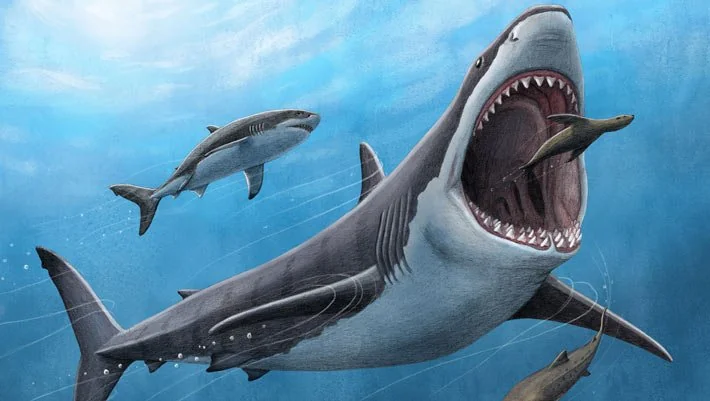
If there’s one prehistoric sea creature everyone has heard of, it’s the giant shark often called Megalodon. This apex predator swam the oceans millions of years ago and could grow longer than a city bus, with some estimates suggesting lengths of more than fifteen meters. Its tooth fossils alone are the size of a grown person’s hand, thick and triangular, built to slice through flesh and bone like a serrated steel blade. Scientists know it did not just nip; it crushed, and it targeted big prey like whales, not small fish.
What makes this shark so terrifying is not just the size, but the sheer power and strategy suggested by its fossils. Bite force estimates put it comfortably above anything in the modern ocean, far beyond even great white sharks, meaning a single bite could cripple or kill large marine mammals. There is evidence it may have aimed for critical areas like chest cavities and fins, essentially disabling prey before finishing the kill. Picture a whale thinking it is safe in deep water, only to be hit from below by a torpedo of muscle and teeth. If fear is about imagined scenarios, Megalodon delivers nightmare fuel effortlessly.
The marine dinosaur lookalike: Mosasaurus, the reptilian torpedo
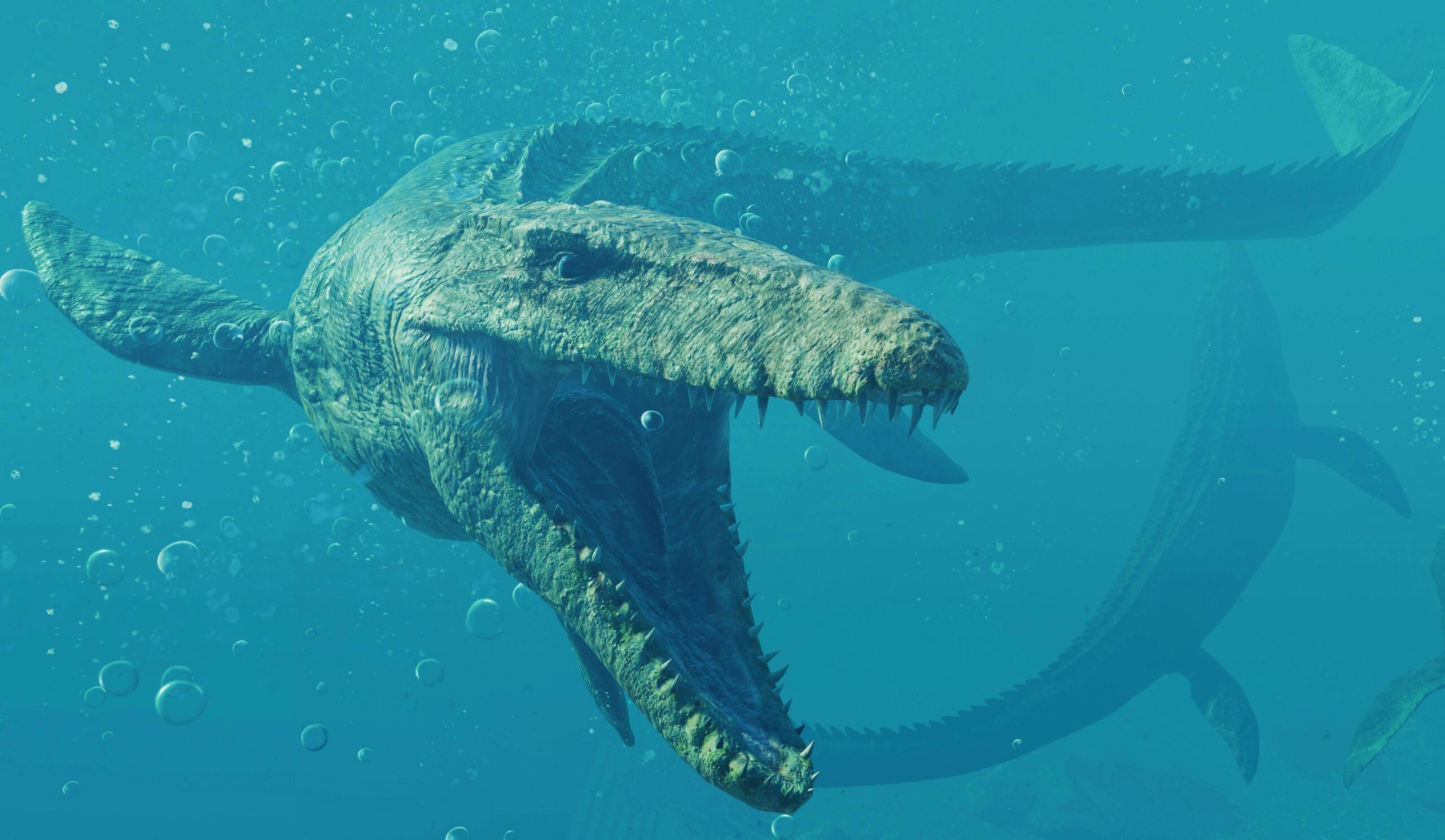
Now let’s talk about a creature that looks like a dinosaur adapted for high-speed underwater murder: Mosasaurus. It was not technically a dinosaur, but a marine reptile with a long, muscular body, powerful paddles, and a tail built for propulsion. Its skull resembles an overclocked crocodile, armed with conical, recurved teeth designed to grip slippery prey and keep it from escaping. This animal hunted in the Late Cretaceous seas, sharing the water with large fish, turtles, and even other big reptiles.
What makes Mosasaurus uniquely terrifying is the combination of agility and brutality. Its body structure suggests it could twist, accelerate, and maneuver quickly through the water column, turning hunting into a three‑dimensional ambush game. Some fossils show bite marks from other mosasaurs, hinting at violent clashes and maybe even cannibalism. Imagine a world where the open ocean was patrolled by streamlined reptilian missiles capable of ambushing you from below, the side, or behind in seconds. Compared to that, modern crocodiles suddenly feel like slow, grumpy amateurs.
The long‑necked nightmare: Liopleurodon and the pliosaur giants
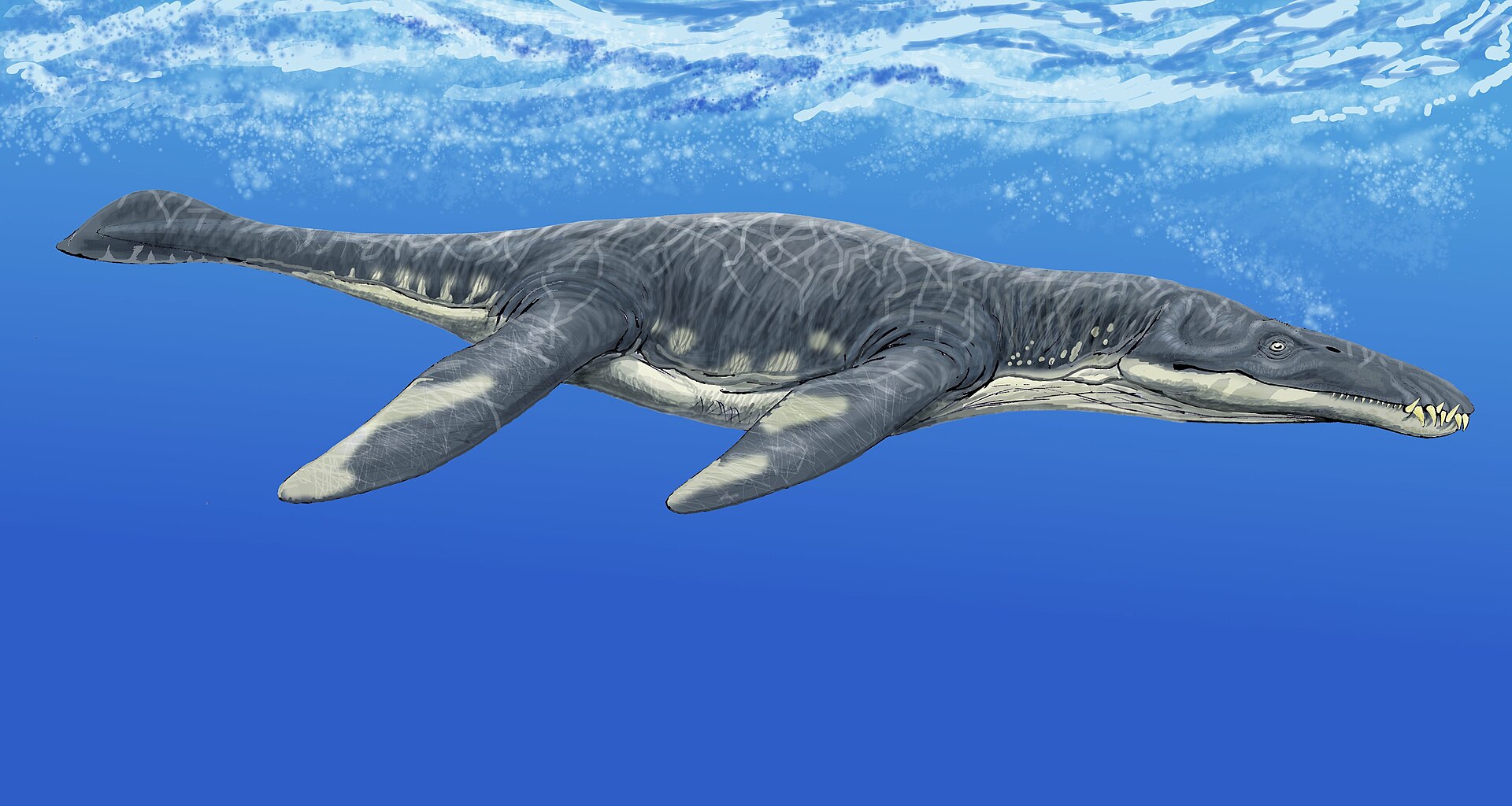
If you grew up on dinosaur documentaries, you probably remember a huge, dark shape gliding through murky water: a massive reptile called Liopleurodon. This animal belonged to a group known as pliosaurs, with huge heads, short necks, and barrel‑shaped bodies driven by four large flippers. Earlier popular depictions exaggerated its size wildly, but even conservative estimates place it as a multi‑ton predator with a skull roughly the length of a human adult. The jaws were filled with thick, conical teeth, more like spikes than blades, tailor‑made for gripping large, struggling prey.
The terror factor with Liopleurodon and its pliosaur cousins is the ambush style of hunting that scientists infer from their body shape. These animals seem built to cruise steadily, then suddenly surge forward with a powerful burst of speed using those four flippers like a set of underwater wings. They likely targeted other large marine reptiles, fish, and maybe early marine crocodiles, turning the prehistoric ocean into a warzone of super‑predators. Picture swimming above what looks like just a shadow, only for that shadow to explode upward into a wall of teeth and muscle. It is the kind of predator that makes the phrase “out of nowhere” feel uncomfortably real.
The crocodile from hell: Deinosuchus and other giant marine crocs
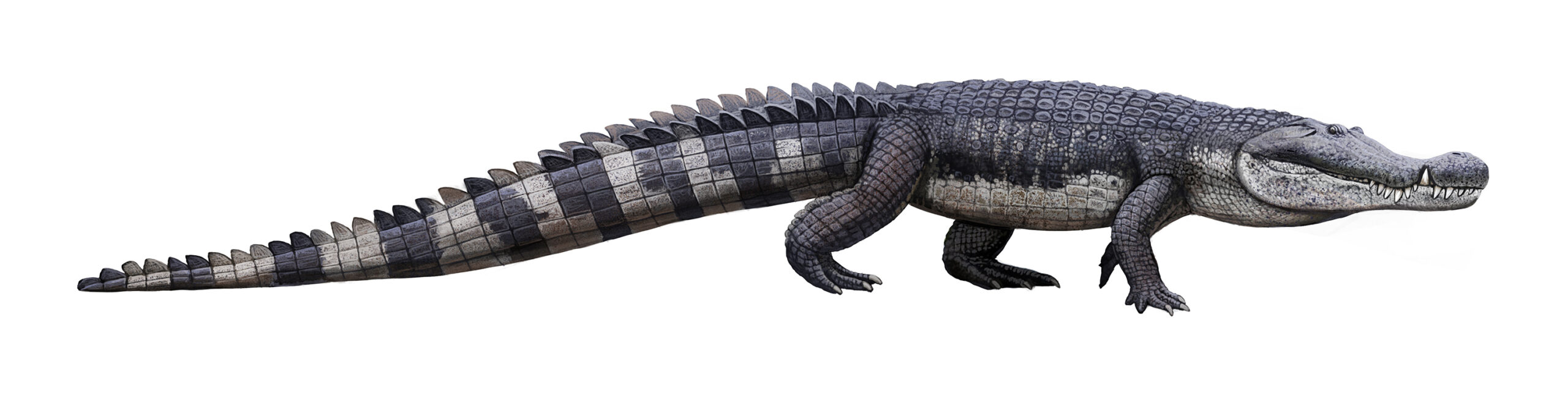
Strictly speaking, creatures like Deinosuchus were not full‑time ocean dwellers, but they hunted in coastal and estuarine waters and absolutely deserve a seat at this terrifying table. Deinosuchus looked like a crocodile dragged into a monster movie: enormous skull, thick armor plates, and a bite that could crush bone and turtle shells like they were nothing. Some estimates put its length in the range of a school bus, with a head big enough that a human could almost disappear in its jaws. It waited in shallow waters, blending into murky banks that looked deceptively harmless.
The fear with Deinosuchus and similar giant crocodilians is the stealth factor combined with raw violence. They were ambush predators, ready to launch from near stillness into explosive motion, dragging prey underwater in a sudden, chaotic struggle. Fossil evidence suggests they may have attacked dinosaurs that ventured too close to the water’s edge, hauling them in with terrifying force. Imagine standing at what you think is just a calm shoreline, unaware that the “log” a few meters away has eyes and a hunger for anything that moves. In that sense, these giant crocs are horror stories that feel uncomfortably close to modern reality.
The armored tank of the deep: Dunkleosteus, the biting machine
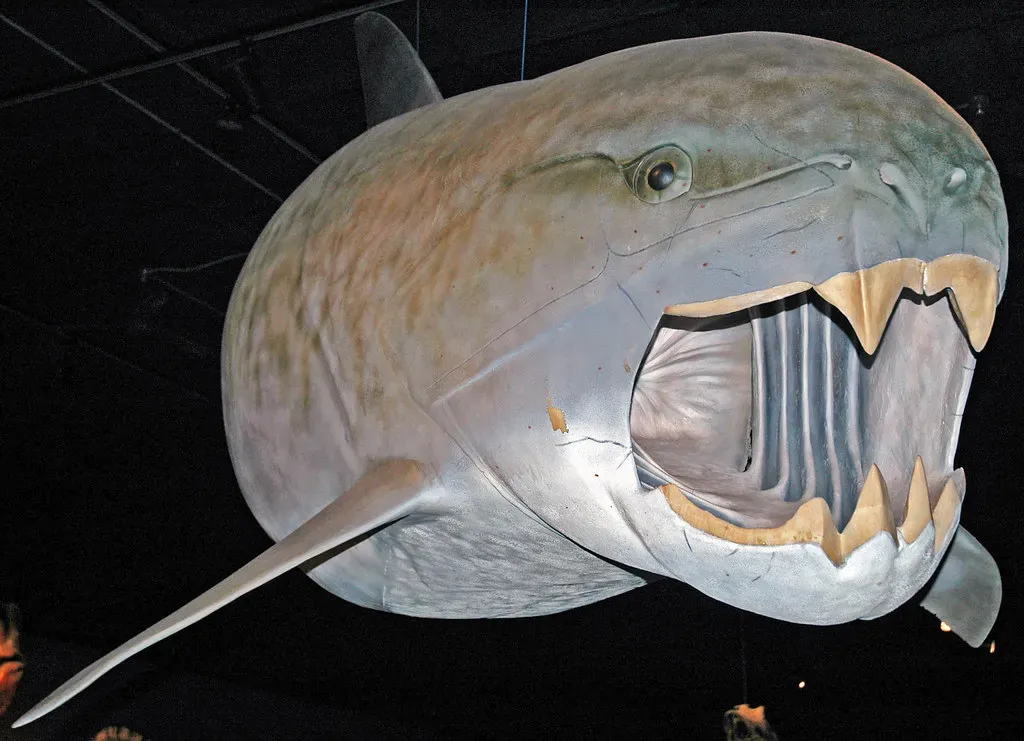
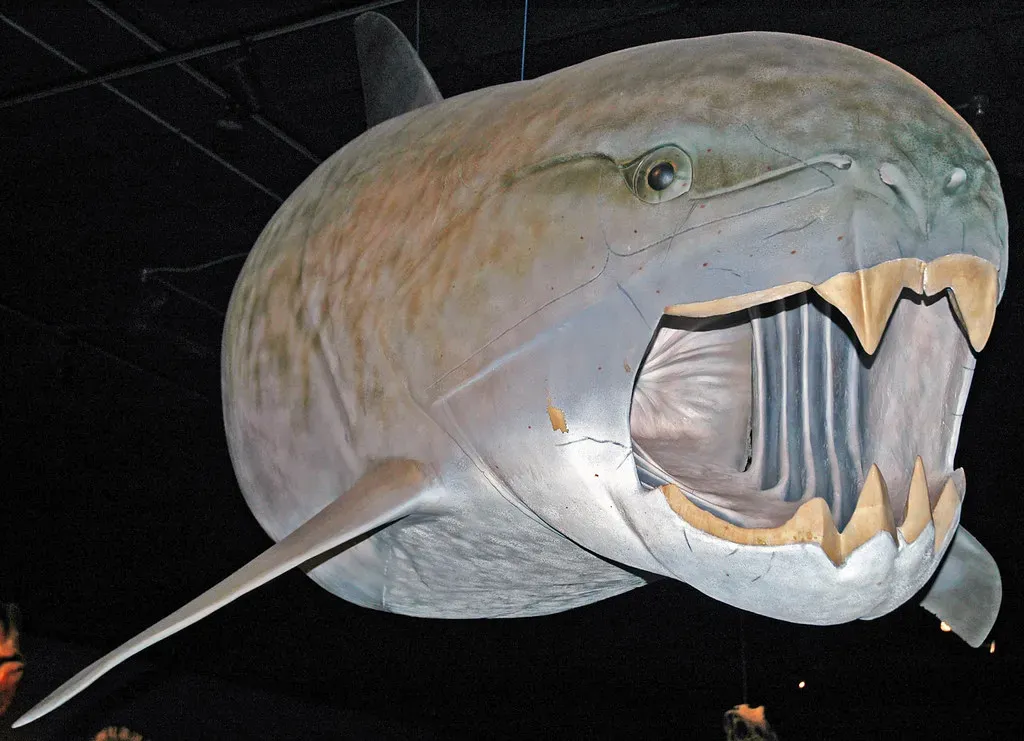
Long before the age of dinosaurs, the Devonian seas were ruled by something that looked like it had been built in a metal workshop: Dunkleosteus. This armored fish had a massive, bony skull and plates instead of traditional teeth, forming sharp cutting edges like a natural pair of shears. Some species grew as long as a small bus, and biomechanical studies suggest its bite force was among the strongest of any animal that has ever lived. When it snapped its jaws, the pressure focused along those bony edges, turning each bite into a combination of crush and slice.
The terror of Dunkleosteus is almost industrial in nature, as if evolution designed a piece of machinery instead of a fish. Its head was all business: armor in the front, engines of muscle in the back, and a mouth built to process whatever it caught, including other armored prey. The front half looks like a living battering ram, while the back of the body stays more flexible for swimming, creating a strange balance between protection and maneuverability. Picture a hybrid of a tank, a guillotine, and a shark, gliding through murky water a few hundred million years ago. If you are imagining a world where even other predators kept their distance, you are not far off.
The truly alien horror: Anomalocaris and early ocean predators
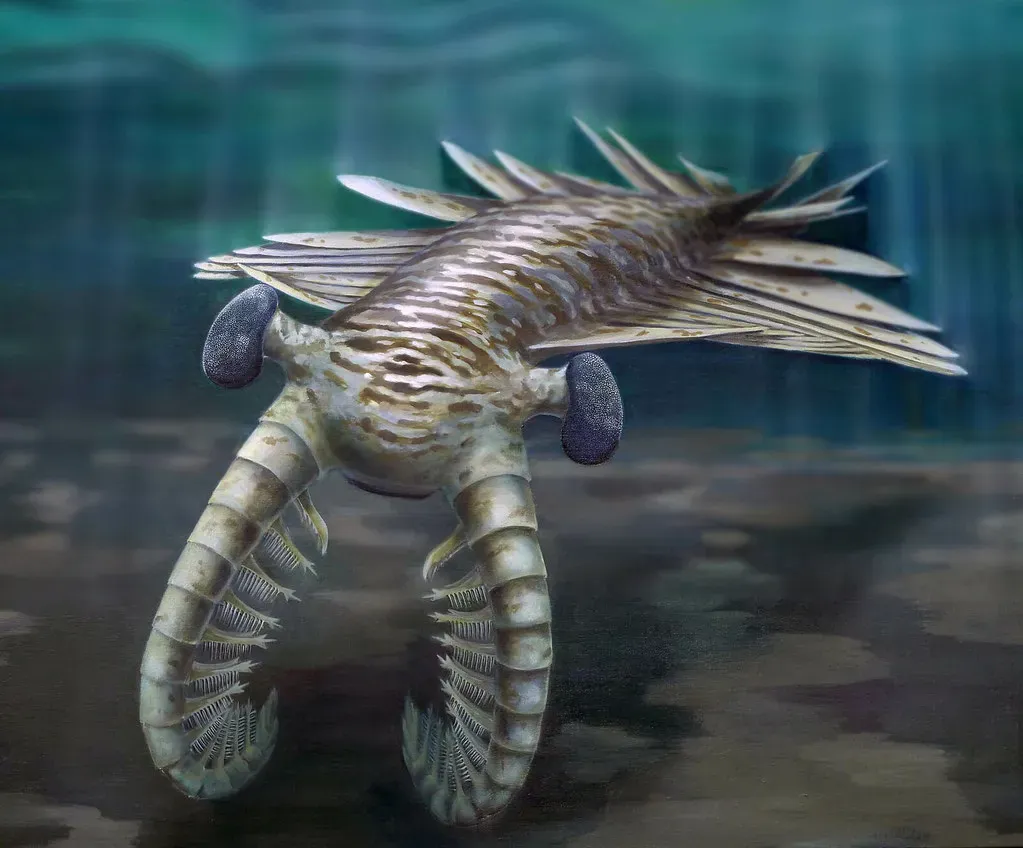
To really crank up the weirdness, you have to go much farther back in time, to the Cambrian seas, where creatures like Anomalocaris were rewriting the rules of predation. This animal looked like nothing alive today: a segmented body, large compound eyes, grasping appendages at the front, and a circular mouth lined with hard plates. It swam with undulating flaps along its sides, almost like a cross between a shrimp and a manta ray from a science‑fiction movie. For its time, it was likely one of the top predators, hunting soft‑bodied animals and early hard‑shelled creatures.
Anomalocaris feels terrifying in a different way from the hulking monsters that came later. Its horror lies in how alien it appears, reminding us that evolution has produced shapes and strategies that our modern ocean does not really show anymore. Imagine being a small Cambrian animal, drifting along, and suddenly a set of spiny, flexible arms swoops in from above, folding you toward a grinding, ring‑shaped mouth. There is no familiar face, no comforting sense of “oh, it’s just a big fish.” It is a reminder that the ocean has always been a place where survival can depend on how well you navigate designs that look like they came from another planet.
So which one wins? A clear verdict on the most terrifying
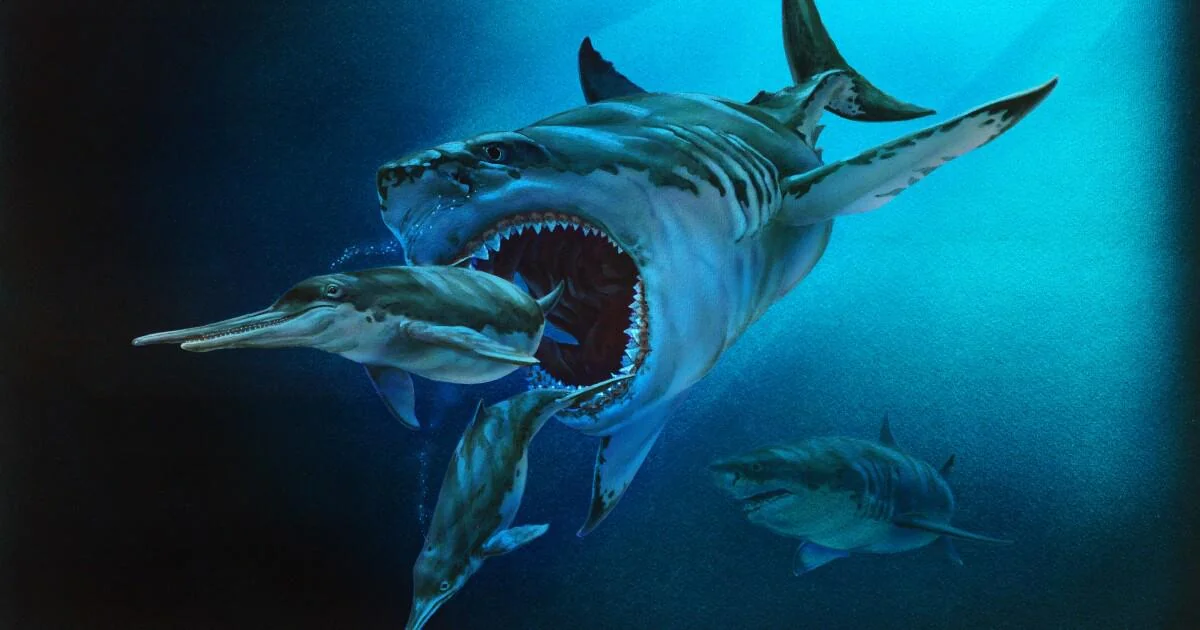
Here is my honest opinion: if we are talking about pure scale and raw, gut‑level fear, the crown goes to Megalodon. There is something uniquely horrifying about a predator that could hunt whales the way modern sharks hunt seals, roaming the open ocean with almost no natural enemies. Its combination of size, bite force, and highly efficient shark design makes it feel like the ultimate expression of the classic marine nightmare. When people imagine a dark shape passing under their boat, they are usually picturing something very much like this giant shark.
But if we broaden “terrifying” to include strangeness and unpredictability, the real answer is that prehistoric seas were ruled by multiple kinds of horror at once. Mosasaurs offered the reptilian torpedo version, pliosaurs were like underwater lions with flippers, Dunkleosteus was a living jaw with armor, and creatures like Anomalocaris showed that alien designs can dominate just as easily. Personally, I’d still pick Megalodon as the most terrifying overall, simply because it is the one animal that makes even a massive whale look vulnerable and small. The unsettling truth, though, is that for hundreds of millions of years, Earth’s oceans have been a rotating stage for monsters that would make any modern swimmer freeze. Knowing that, how calm do you really feel the next time you cannot see the bottom?