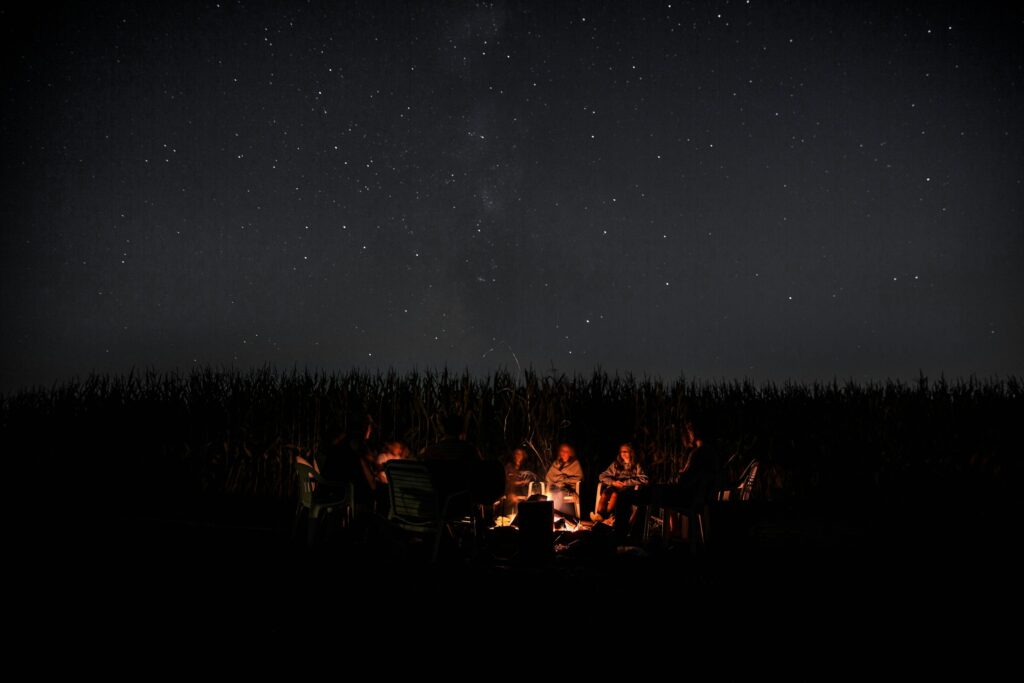
Imagine walking into a firelit camp thousands of years ago and instantly feeling like everyone there somehow already understands you. The way you talk, the way you move, the way you dream about life – it all just fits. That is the feeling people often hope to get from zodiac signs today: the sense that there was, or could be, a culture where your specific flavor of personality would not just be tolerated, but celebrated.
Of course, no ancient tribe ever sat around asking who was an Aries or a Libra. Astrology, as we use it now, came later and from a very specific cultural context. But human personality and group dynamics are universal. Looking at what we know from archaeology, anthropology and history about how different peoples lived, fought, loved and organized their worlds, we can sketch a playful but grounded answer to a very modern question: if you were born under a certain zodiac sign, which kind of ancient tribe might have looked at you and said, “You belong with us”?
Aries – The Bold Pathfinder Among Nomadic Horse Tribes
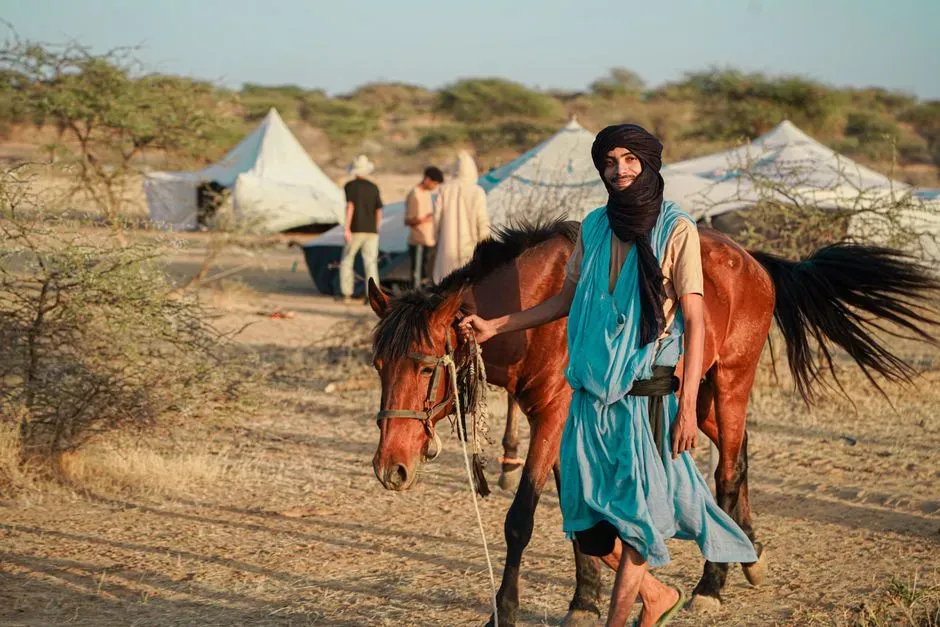
Aries energy is often described as fiery, impulsive and pioneering, the kind of personality that gets restless when things are too calm for too long. If you recognize yourself in that description, you might have felt strangely at home among ancient nomadic horse peoples of the great steppe regions, such as the Scythians or early Sarmatian groups. These were societies that moved with the seasons, followed game, and treated mobility as both survival strategy and identity.
In tribes like this, courage and quick decisions were not abstract virtues; they were a daily requirement. A personality that likes to act first and figure it out on the way – a very Aries pattern – would have been a natural fit for scouting, raiding, or leading fast-moving groups across vast open land. While modern life can punish impulsiveness, a steppe camp depending on decisive riders might have seen that same trait as pure gold. You would not necessarily be the wise elder by the fire, but you might be the one everyone watches when danger appears on the horizon.
Taurus – The Grounded Soul in Early Farming Villages
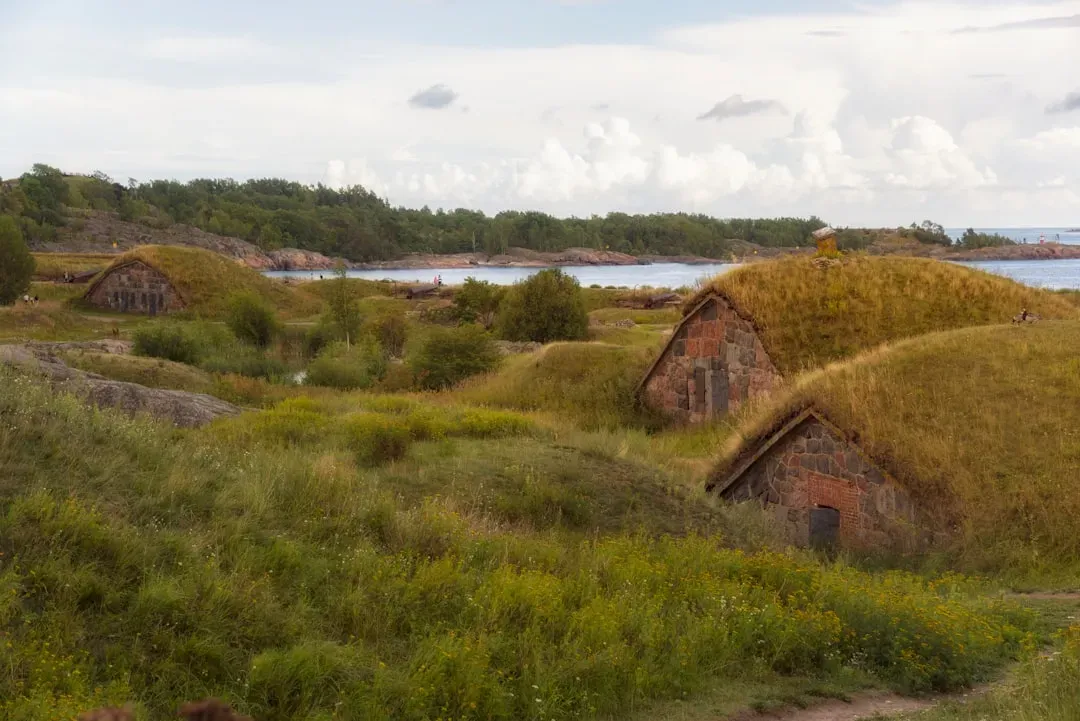
Taurus is famous for being steady, sensual and stubborn in the best possible way, drawn to comfort, beauty and routine. That profile lines up remarkably well with some of the earliest settled farming communities, like the Neolithic villages scattered across the Fertile Crescent or early European river valleys. These were societies that turned wild landscapes into patterned fields, slowly and patiently, over many seasons.
In a place where food security hinged on quietly repeating the same tasks – tending crops, storing grain, protecting herds – a Taurus-like temperament would have been treasured. Your love of good food and pleasant surroundings would not be a luxury; it would be a compass pointing the group toward fertile soil, stable shelters and reliable resources. While more restless personalities might have chafed at the predictability of plowing and harvesting, your calm persistence would have helped anchor the tribe in both body and spirit.
Gemini – The Lively Messenger in Trade and Caravan Cultures
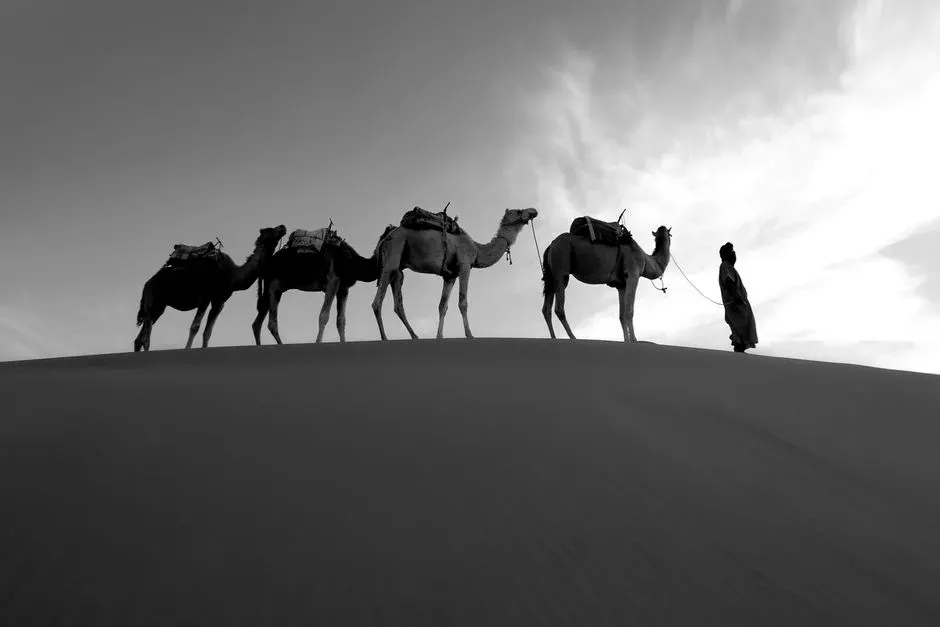
Gemini often shows up as curious, talkative, mentally quick and easily bored by repetition. If that sounds familiar, you would probably have thrived in cultures built around trade, travel and information exchange, such as ancient caravan networks that ran through regions like Arabia, Central Asia or North Africa. These were not single tribes in a narrow sense, but overlapping communities linked by roads, oases and markets.
Such worlds depended on people who could pick up new languages, decode social cues, negotiate with strangers and carry news between settlements. A Gemini-like mind, constantly hungry for novelty and connection, would have lit up in that environment. You might have been the one who always knew who was selling what, which distant city was rising or falling, or what clever story would keep a negotiation friendly. In a small, isolated village, your rapid-fire curiosity might have annoyed people; along ancient trade routes, it would have been an asset and maybe even a source of subtle power.
Cancer – The Heart of the Clan in Kinship-Based Tribes
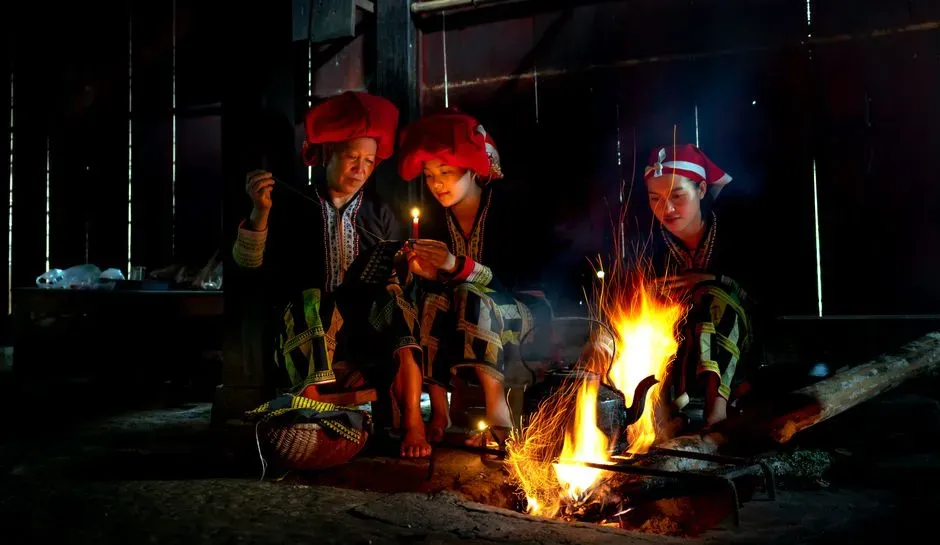
Cancer is usually linked to emotional depth, protectiveness and a strong pull toward home and family. That cluster of traits would have made you feel deeply rooted in kinship-centered tribal societies, from early Celtic clans to many Indigenous groups where extended family ties shaped everything from land rights to rituals. These cultures often organized themselves around households, lineages and shared ancestry stories.
In a setting like that, someone with Cancer-like qualities would naturally gravitate toward roles that kept the emotional and practical core of the group intact. You might have overseen food storage, nurtured children, comforted the grieving, or quietly tracked who was struggling and needed support. Where more warrior-oriented members focused on the external threat, you would have been the one making sure the hearth remained warm, the bonds remained unbroken, and no one was forgotten at the edges. Your sensitivity, which modern life sometimes treats as a weakness, would have been understood as a kind of inner radar that kept the tribe humane.
Leo – The Radiant Performer in Warrior and Festival Cultures
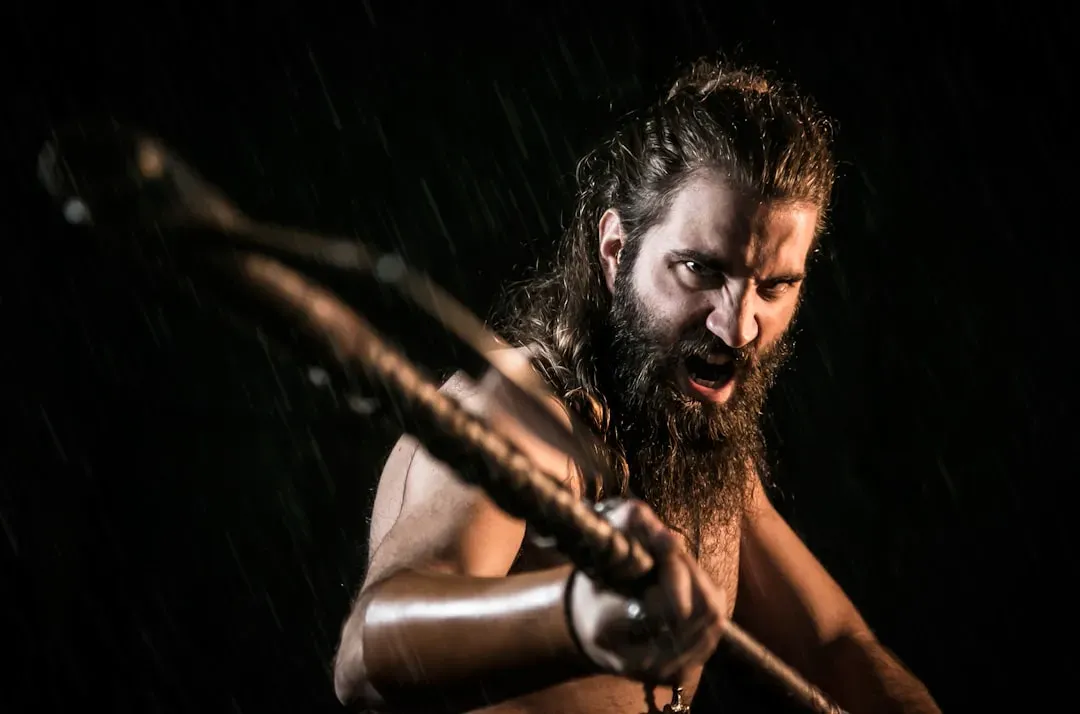
Leo energy tends to be expressive, proud, dramatic and hungry for recognition, in a way that can be both magnetic and occasionally overwhelming. That kind of personality would likely have been embraced in warrior and festival-heavy cultures, such as certain ancient Celtic, Germanic or Mesoamerican societies where public rituals, feasts and displays of bravery were central to identity. These worlds made space for spectacle and ceremony instead of pretending everything had to be modest and quiet.
In those settings, a Leo type might be the warrior whose bravery becomes legend, the singer leading chants around the fire, or the charismatic leader who rallies people before a raid or celebration. Your flair for drama would not have been brushed off as “too much”; it would have been woven into songs, costumes, face paint and ritual dances. While your ego might still have needed balancing, the tribe would have given you a stage where your light did more than entertain – it helped bind people together in shared emotion and pride.
Virgo – The Detail Keeper in Craft and Healing Traditions
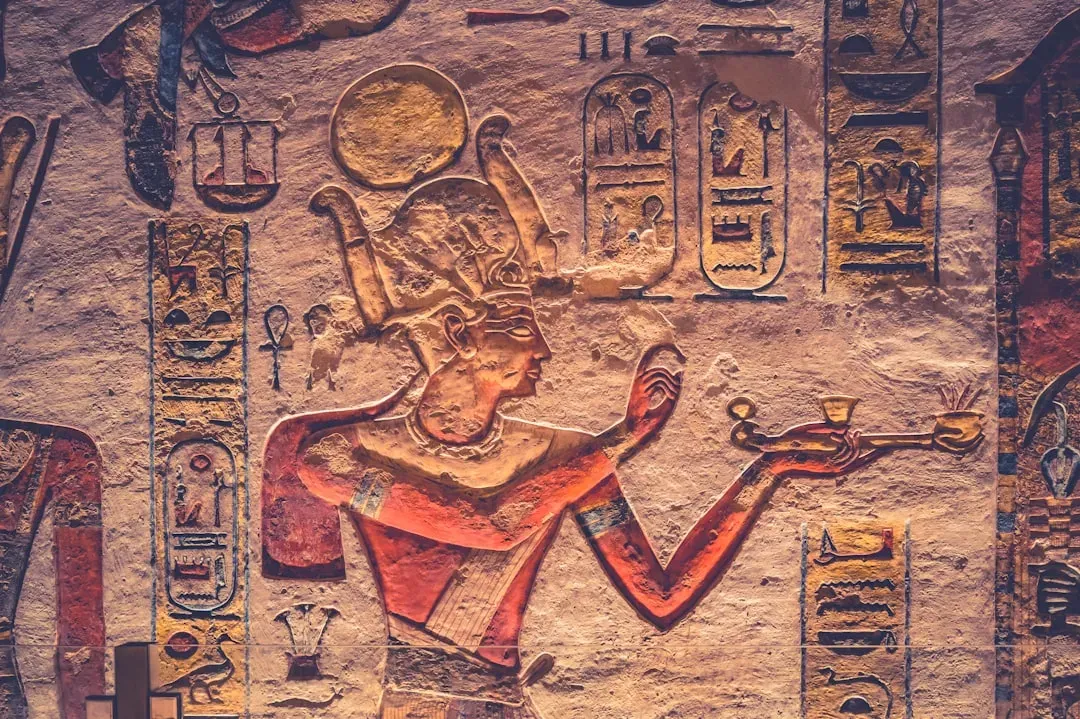
Virgo is typically linked to precision, practicality, service and a keen eye for what is just slightly off. That temperament often goes unnoticed until you imagine life in an ancient village without anyone who cared about details. In many societies, from early Mesopotamian towns to complex Andean communities, craft specialists and healers needed exactly the traits we now associate with Virgo-like minds.
You might have been the person who knew how much of each herb to add, or who kept careful track of seasonal cycles and household inventories. Potters, weavers, early scribes and midwives all relied on a combination of patience, observation and quiet perfectionism. In a tribe that understood the value of craft and subtle knowledge, your tendency to ask whether something could be done a little better would not have been nitpicking; it would have been how you protected the group, one small correction at a time.
Libra – The Diplomatic Bridge in Alliance-Driven Societies
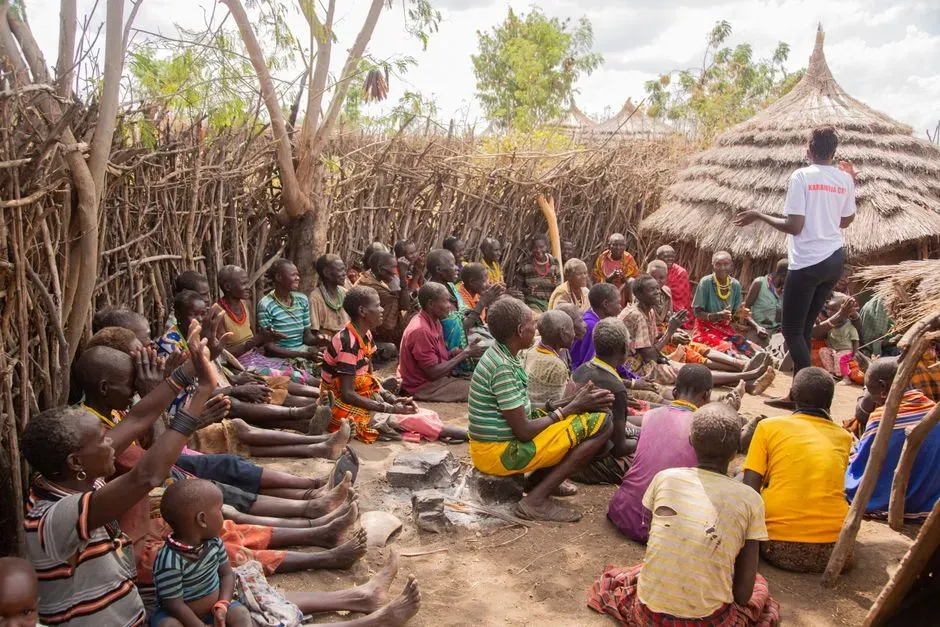
Libra is associated with balance, fairness, aesthetics and a strong instinct for harmony in relationships. That naturally points toward ancient cultures where alliances, negotiations and shared rituals between groups were vital, such as confederations of neighboring tribes or city-states bound together by treaties and intermarriage. In these landscapes, survival often depended on skillful diplomacy, not just brute strength.
A Libra-like person would have slid beautifully into roles as a mediator, marriage arranger, or spokesperson during tense meetings between clans. Your ability to see multiple sides of a situation and your dislike of open conflict would not be a personality quirk; it would be a strategic asset. You might also have cared deeply about the beauty of public spaces, ceremonial dress or symbolic objects that signaled peace. Where hot-headed warriors might escalate a minor slight into a generational feud, your calm insistence on fairness could keep resources, and blood, from being wasted.
Scorpio – The Intense Initiate in Mystery and Shamanic Cultures
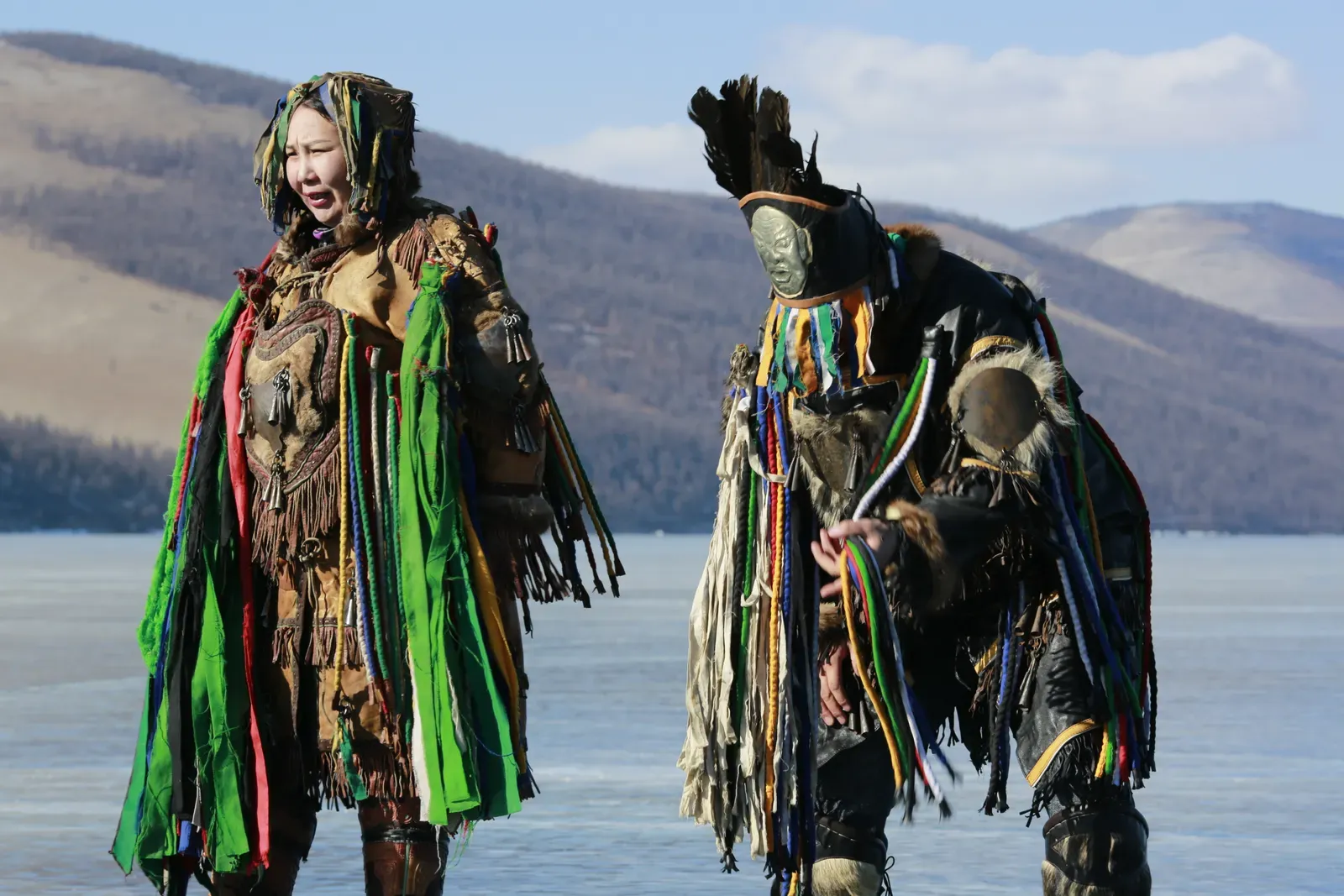
Scorpio is often painted as intense, secretive, transformative and unafraid of the shadow side of life. Many ancient cultures included roles for individuals who worked at the edges of the visible world: shamans, diviners, initiates of mystery rites, or guardians of taboo knowledge. You see this pattern in very different regions, from Siberian shamanic traditions to mystery cults around the Mediterranean and ritual specialists in many Indigenous societies.
In tribes that recognized spiritual intermediaries and rites of passage with deep symbolic death and rebirth, a Scorpio-like temperament would have found a real home. You might have been the one willing to sit with the dying, interpret disturbing dreams or go alone into the forest or desert for vision quests. While others avoided topics like death, betrayal or hidden motives, you would lean in, sensing that real power and healing often hide beneath what people fear. In a culture that carried respect rather than suspicion for that role, your intensity would have been seen as necessary rather than unsettling.
Sagittarius – The Restless Explorer in Seafaring and Expansionist Tribes

Sagittarius is usually linked to exploration, philosophy, humor and a craving for wide horizons, both literal and metaphorical. That spells instant resonance with seafaring or expansion-oriented cultures such as early Polynesian voyagers, Phoenician traders, or steppe groups that pushed into distant lands. These were societies that treated movement, discovery and cultural exchange as normal rather than exceptional.
In those worlds, a Sagittarius-like personality might have been first to volunteer for voyages beyond the known map, whether by canoe, horse or foot. You would likely have come back not just with goods, but with stories, new beliefs and questions about how your home tribe’s customs fit into a bigger picture. Where more settled minds might find comfort in repeating ancestral patterns unchanged, you would press for new horizons, sometimes annoying people but just as often opening paths that eventually benefited everyone.
Capricorn – The Strategic Elder in Hierarchical and Law-Focused Cultures
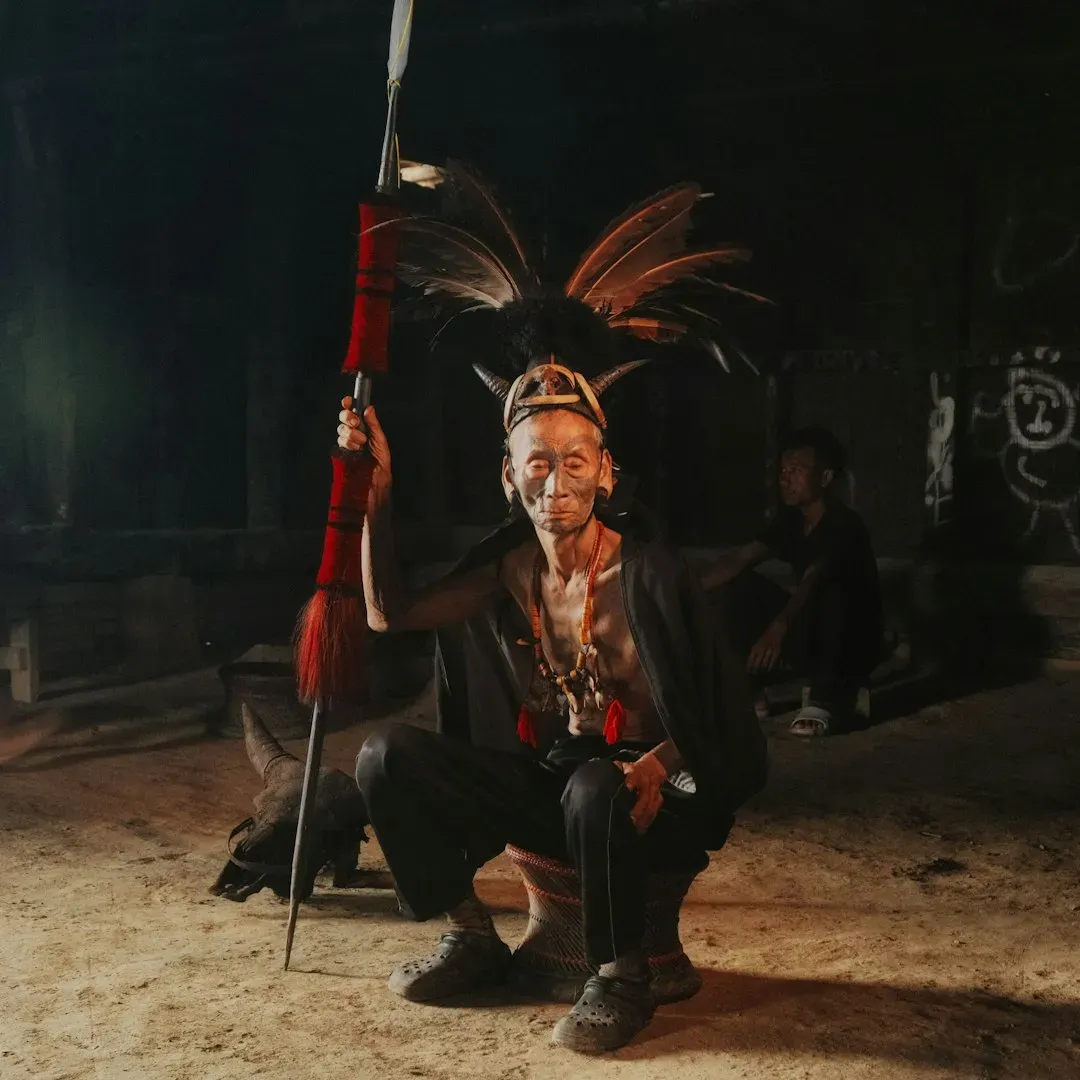
Capricorn is associated with discipline, ambition, structure and a long-term view that can seem almost severe. In many complex ancient societies, from early city-states in Mesopotamia to stratified chiefdoms in various parts of the world, order and hierarchy were not accidental; they were carefully maintained. These cultures tended to value clear rules, serious leadership and respect for tradition, all areas where Capricorn-like qualities shine.
In a setting like that, you might have been the one advising leaders, organizing labor for large communal projects, or preserving the memory of laws and precedents. Your comfort with responsibility and delayed gratification would fit a world where massive irrigation systems, stone monuments or complex rituals could take years to complete. While more free-spirited personalities might feel crushed by formality, you would see structure as a way to turn chaos into survival and even glory. The tribe might not always love your sternness, but they would probably turn to you when things got truly serious.
Aquarius – The Visionary Outsider in Reforming or Egalitarian Groups
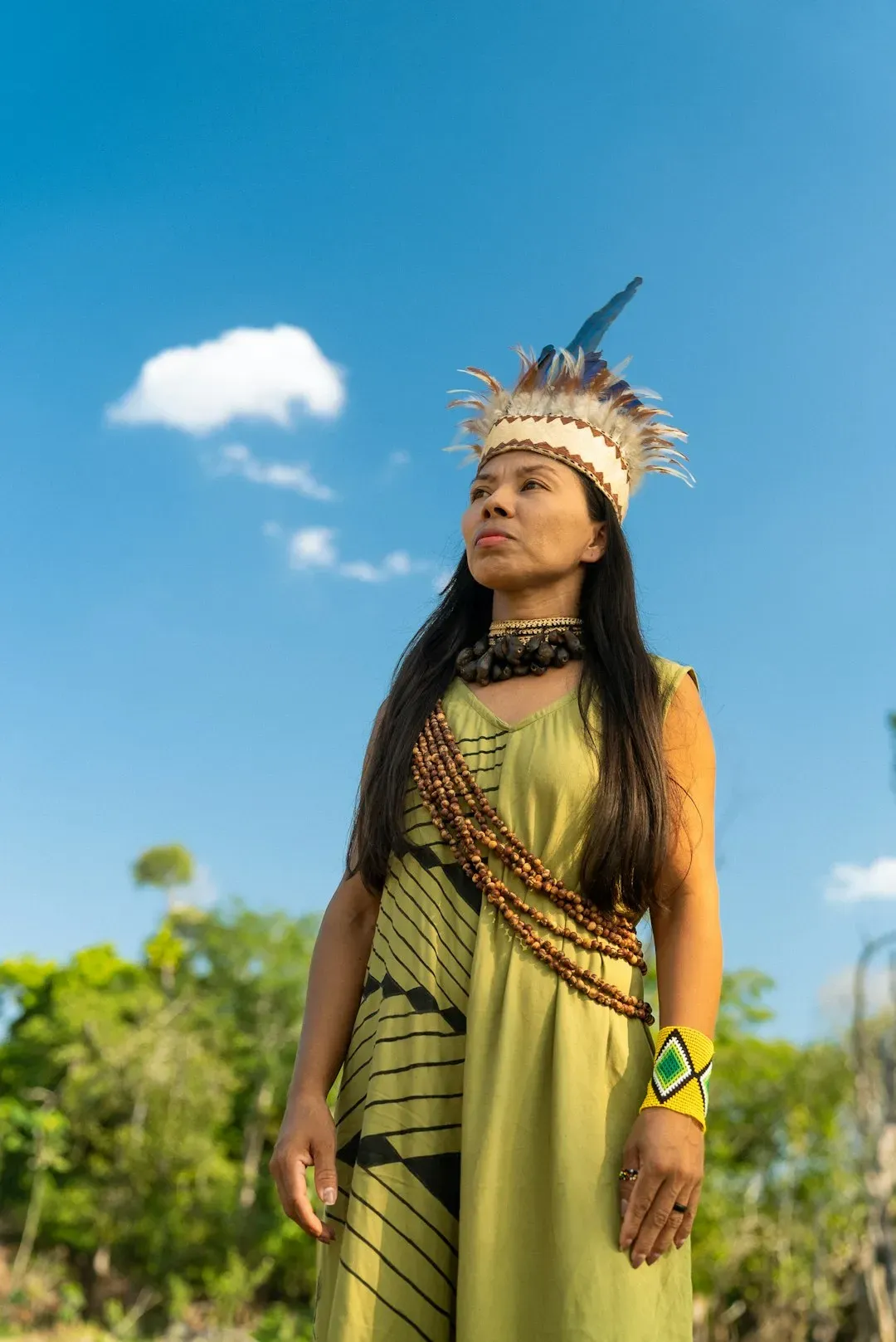
Aquarius is often tied to innovation, idealism, rebellion and an attraction to unconventional ideas. That makes you sound like a misfit in most rigid traditional societies, but anthropology shows many examples of groups experimenting with unusual social arrangements, councils of equals, or radical spiritual reforms. In moments of change, when tribes remade their structures or challenged old hierarchies, Aquarius-like people often would have found their moment.
You might have been the voice suggesting that resources be shared differently, that decisions be made by a broader council, or that some old taboo had lost its meaning. In clan federations with relatively horizontal power structures, or among dissident offshoots that left their parent culture to start something new, your appetite for fresh models would have been less threatening and more inspiring. You would still risk being seen as strange, but in communities open to experimentation, that strangeness could translate into the first sparks of lasting change.
Pisces – The Dreaming Mystic in Ritual-Rich and Artistic Cultures
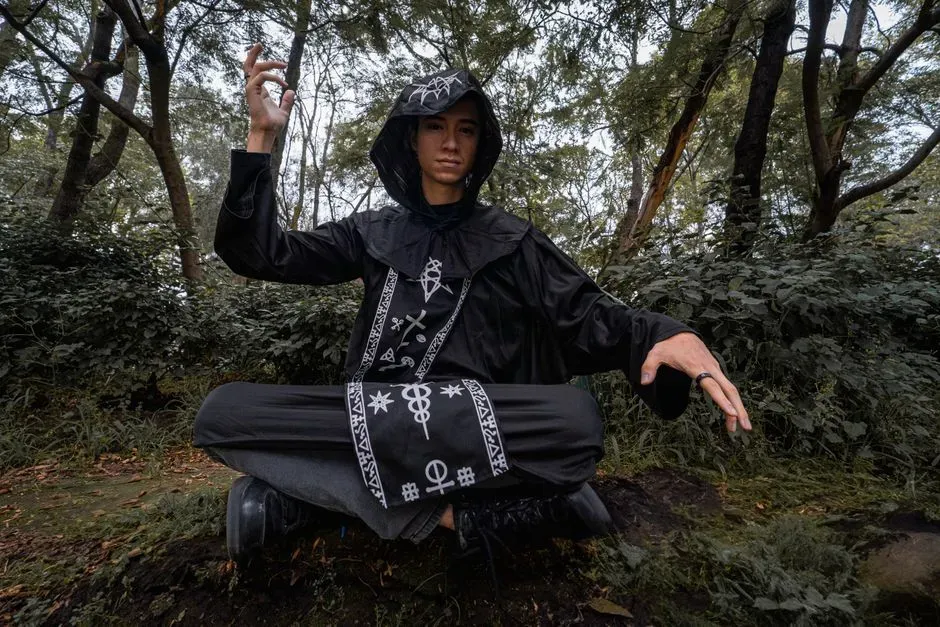
Pisces energy is typically described as sensitive, imaginative, empathetic and somewhat boundary-blurring, often drifting between the worlds of art, religion and emotion. Many ancient cultures carved out significant space for myth, music, trance and altered states of consciousness, from temple singers in the Near East to ritual dancers and storytellers in countless Indigenous traditions. These roles channeled something larger than daily survival, and that is exactly where a Pisces-like temperament tends to come alive.
In a tribe that valued elaborate ceremonies, shared myths and symbolic storytelling, you might have been a singer, a visionary storyteller or a quiet contemplative figure people sought out for comfort. Your tendency to feel what others felt, which can be overwhelming in hard-edged modern systems, would have been reframed as a sign you were especially touched by the sacred or the spirit world. Instead of being told to toughen up, you would be asked to help the tribe remember its deeper, more compassionate side when the pressures of war or scarcity threatened to harden everyone.
Conclusion – Your Sign, Their World, Our Projection
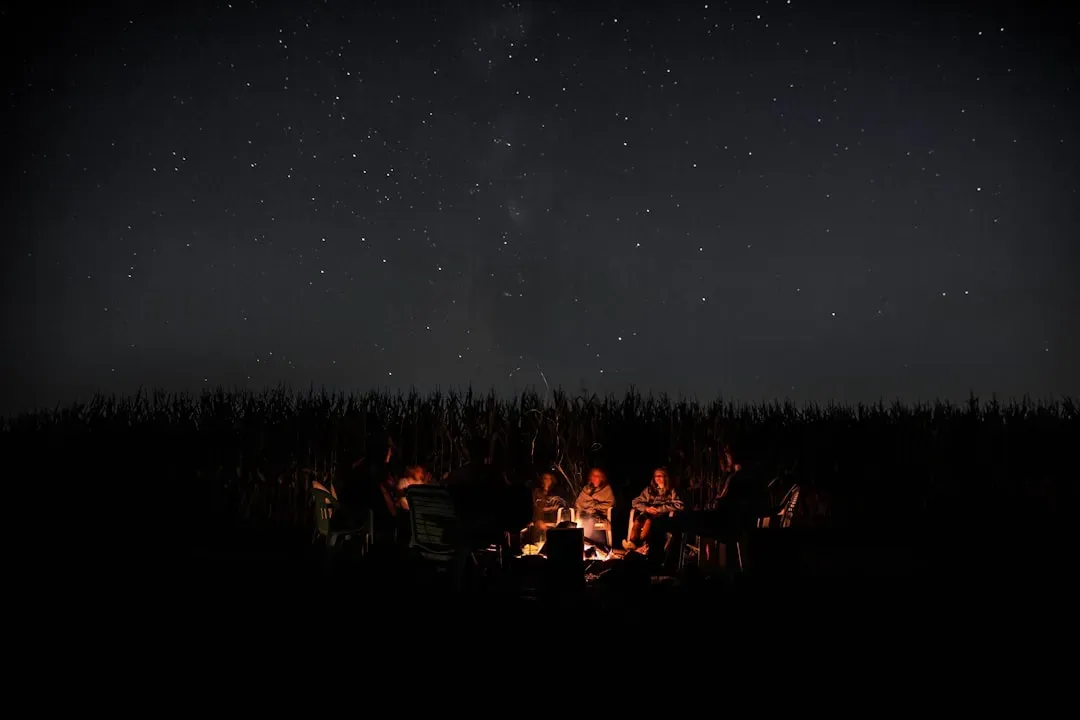
If we are honest, matching zodiac signs to ancient tribes is a creative overlay, not a historical map. No archaeologist has ever dug up Aries-only burial grounds, and no anthropologist has documented a Virgo guild. But when we compare what we know about different cultures’ values and survival strategies with modern personality archetypes, some pairings feel surprisingly intuitive. A fiery, restless person really would have functioned differently in a mobile raiding band than in a slow, ritualized farming village, no astrology required.
That is why I think this kind of exercise is less about proving anything mystical and more about recognizing how context shapes whether our traits are seen as gifts or problems. The same personality that feels out of place in your office could have been prized in a hunter’s camp or a healer’s hut. To me, the real takeaway is not that you belonged to some lost tribe aligned with your birth chart, but that there have always been many ways to be human – and many communities where you might have fit beautifully. If you could choose, which ancient campfire would you walk toward first?