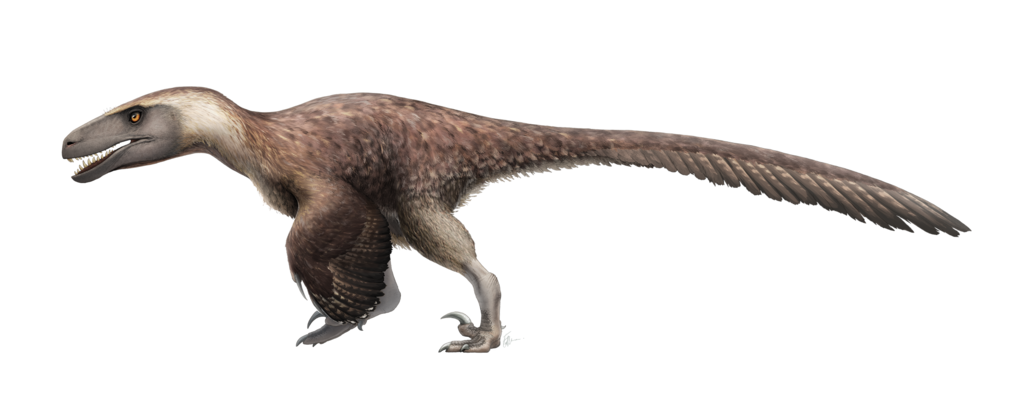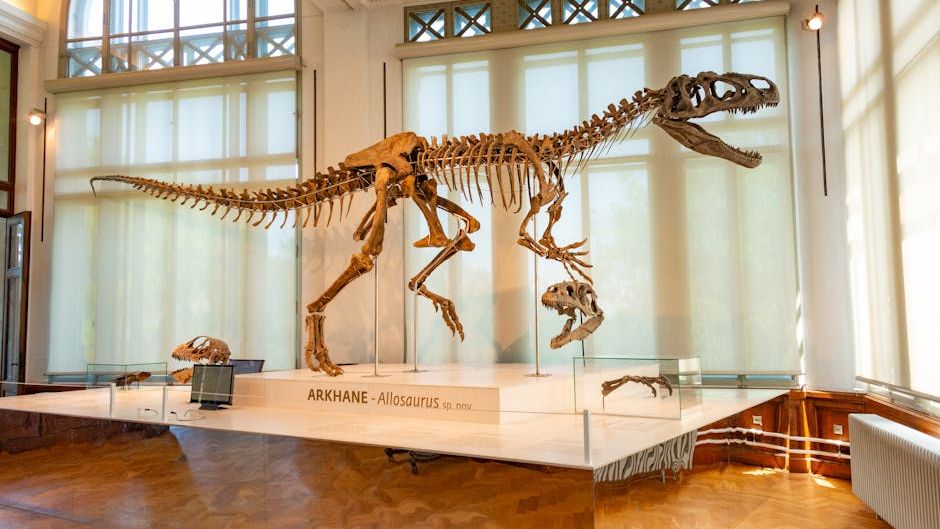
Most people hear “dinosaurs” and think of movie monsters, not money. But buried in that 66‑million‑year‑old catastrophe is a brutally clear message for anyone trying to protect family wealth today: it is not the strongest that survive, it is the most prepared. The dinosaurs ruled the planet for an unimaginably long time, and then, in what was essentially the blink of an eye, almost all of them were gone. Wealth can feel just as solid and permanent, right up until an unexpected impact hits: a health crisis, lawsuit, recession, divorce, or a sudden tax change that wipes out what took years or decades to build.
When you zoom out and look at the end‑Cretaceous extinction like a case study in risk management, the parallels to modern family finances are almost unsettling. The asteroid did not care how big or successful a species had been; it cared only that they were unprepared for the world that followed. In the same way, markets, governments, and life events do not care how hard you’ve worked or how proud you are of your net worth. If your financial ecosystem is fragile, one shock can be enough. The good news is that, unlike the dinosaurs, we can see many of our “asteroids” coming – and adjust before it is too late.
The Asteroid Impact: Why Sudden Shocks Destroy the Unprepared

The leading scientific view is that an asteroid roughly several miles wide slammed into what is now the Yucatán Peninsula about 66 million years ago, triggering tsunamis, wildfires, and a planet‑wide dust cloud that darkened the sky. Temperatures plunged, sunlight dropped, and the food chain collapsed from the bottom up. For the dinosaurs at the top, it was like having the entire rules of the game rewritten overnight. Their size, dominance, and long‑term success could not save them when conditions shifted faster than they could adapt.
Financial shocks play out in a similar way. A family business built on one major client, one founder, or one outdated product can feel unstoppable – right up until the phone stops ringing. A portfolio overexposed to a single sector can look brilliant for years, then implode during one deep downturn. I still remember watching a relative in the 2008 crisis lose what felt like an entire lifetime’s progress in a single brutal year because everything they owned moved in the same direction: down. The lesson from the asteroid is harsh but simple: if your wealth plan assumes tomorrow will look like yesterday, you are quietly setting yourself up to be a dinosaur.
Winners and Survivors: How Small, Flexible Species Outlived Giants
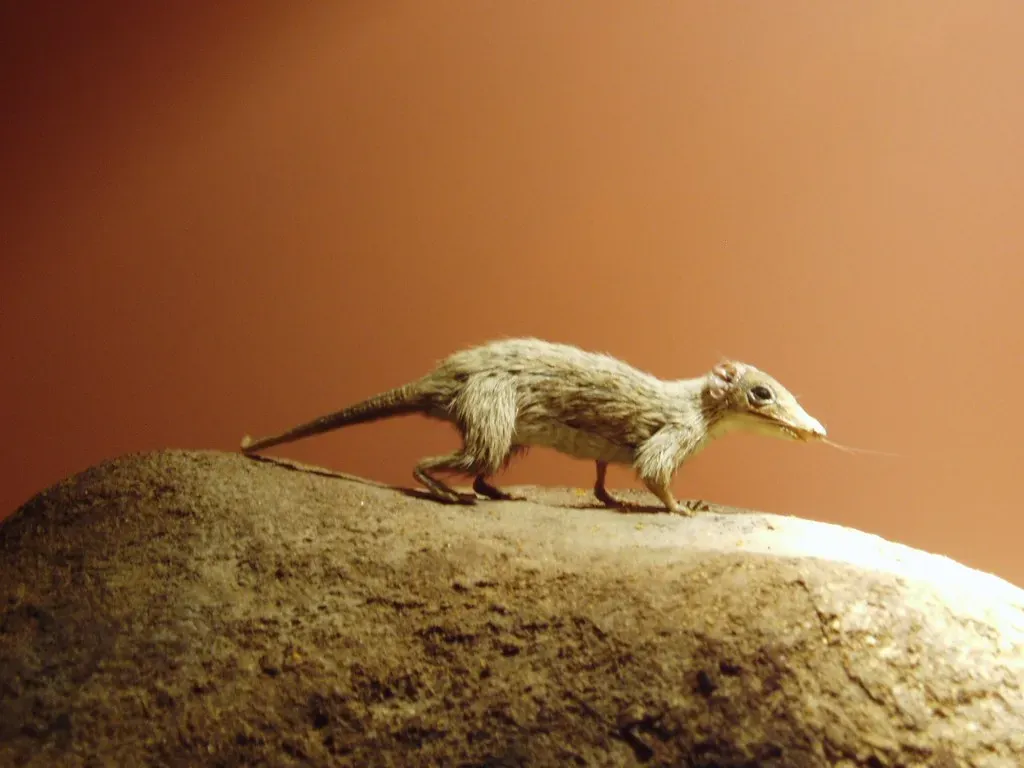
Not every creature died in the extinction event. Small mammals, birds, crocodilians, and some plants made it through the chaos and rebuilt life in the new world. Scientists think factors like smaller body size, flexible diets, faster reproduction, and the ability to hide or migrate gave them a survival edge. In other words, they were not “better” in some cosmic sense, just better suited to rapid change. Their resilience came from adaptability, not brute strength or past dominance.
For families, adaptability looks like building flexibility into everything: where your money is held, how your business can pivot, and how your heirs are educated about money. Instead of locking everything into one illiquid asset (like a single property or company), resilient families hold a mix: some cash, diversified investments, and assets that can be sold or restructured if the environment shifts. They create decision‑making habits – family meetings, written plans, clear roles – that allow them to move quickly rather than freeze or fight when something big happens. In a world that changes as fast as ours, being nimble beats being impressive.
Diversification as an Ecosystem: Avoiding the Single‑Habitat Trap

Before the asteroid, many dinosaur species were highly specialized to particular climates and food sources. That specialization was a superpower in stable conditions, but it turned into a fatal weakness when those conditions vanished. When the forests burned, temperatures swung, or certain plants disappeared, creatures tied to one narrow niche had nowhere to go. Species that could eat a wider range of foods or survive in different habitats had a better shot at scraping through the worst years.
Wealth works the same way. If all your financial “life” lives in one habitat – one company, one type of real estate, one country, one currency – you are effectively betting that this environment will stay friendly forever. True diversification is less about owning a random mix of things and more about thinking in ecosystems: different asset classes, industries, and regions that do not all fail the same way at the same time. It might feel slower or less exciting than going all‑in on the hot thing, but it is the difference between being a specialized dinosaur and a scrappy survivor species when the climate changes.
Hidden Asteroids: Taxes, Inflation, and Policy Shocks

The dinosaur‑killing asteroid was an obvious physical object, but its true power came from the chain reaction it triggered: shock waves, firestorms, atmospheric dust, long winters. In the financial world, our “asteroids” often arrive disguised as boring words like legislation, inflation, or interest rates. A sudden change in tax law can quietly strip away a family’s ability to pass on wealth. Persistent inflation can erode the real value of cash savings year after year, like slow‑motion rust.
Protecting family wealth means respecting these hidden forces instead of ignoring them. That looks like planning for higher taxes down the road rather than hoping for lower ones, building in inflation‑resistant assets instead of leaving too much in idle cash, and stress‑testing your plans against “what if” scenarios. What if property taxes spike? What if your home country tightens inheritance rules? Families who take the time to walk through these uncomfortable questions – ideally with competent professionals – are the ones who do not wake up one morning and discover an invisible impact crater in their balance sheet.
The Fossil Record of Family Failure: From Shirt Sleeves to Shirt Sleeves
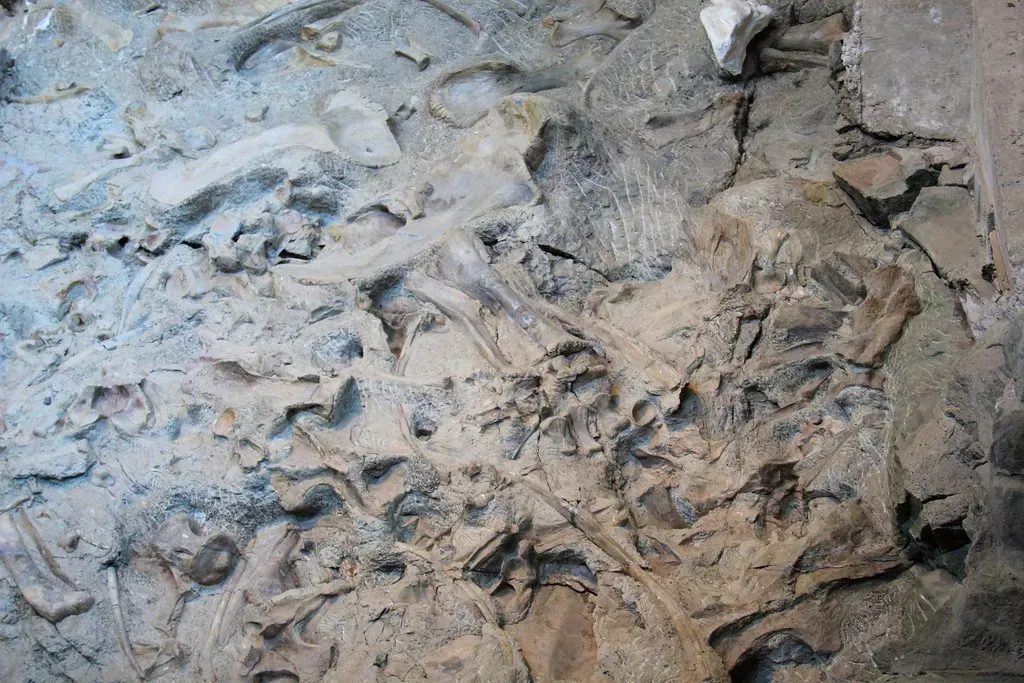
Paleontologists study fossils to understand which species endured and which vanished; wealth planners, whether they admit it or not, do a similar thing with family histories. Across many cultures, there is a version of the same saying: wealth is built by one generation, enjoyed by the next, and gone by the third. You see the pattern in old business dynasties, landowning families, even small local fortunes. The first generation is hungry and careful, the second relaxed, the third often unprepared and overwhelmed.
What usually kills the fortune is not one single blow but the slow erosion of discipline, communication, and shared purpose. The “fossil record” of family failure includes unspoken resentments, heirs who never learned how money actually works, and assets that were never modernized or restructured. In my own circle, I have watched a modest but meaningful inheritance disappear over a decade, not because anyone was evil, but because no one was really in charge. If dinosaurs teach us about sudden impacts, failed family fortunes teach us about slow extinction – and both are preventable if you choose to act early.
Building a Resilient Financial Ecosystem: Structures, Not Just Assets

After the extinction event, the species that thrived did so because their ecosystems recovered in new forms: new forests, new food chains, new predator‑prey relationships. Survival was not just about individual animals; it was about the systems they lived within. Family wealth is similar. It is not enough to collect assets – accounts, properties, businesses – if you do not also build the structures that keep them aligned and protected through different seasons of life.
Those structures can include things like properly drafted wills and trusts, clear ownership agreements for businesses and real estate, thoughtful insurance coverage, and a written family plan that spells out values, goals, and decision rules. I am personally a big fan of simple, recurring family check‑ins where money is not a taboo topic but a shared project. When your financial life operates like a healthy ecosystem – interconnected, redundant, and able to adapt – you are much less likely to be wiped out by the equivalent of a long winter or a lost habitat. You do not just own wealth; you steward a living system.
Teaching the Next Generation: Knowledge as the Ultimate Survival Trait

One of the most powerful advantages early mammals had over many dinosaurs was their reproductive strategy: more frequent breeding, more parental care, and faster generational turnover. That meant useful traits could spread more quickly, and lineages could adapt across many generations in a relatively short geological time. In a sense, they were “updating” themselves more often. In human families, that adaptive edge comes from education and intentional mentoring around money.
Too many parents protect their children from any talk about wealth until it suddenly appears in the form of an inheritance or business stake they are not ready to handle. That is like tossing a juvenile animal into a new, harsh climate and hoping instinct will save it. A calmer, smarter approach is to treat financial literacy, decision‑making, and values as skills to be practiced early and often. Let younger family members manage small amounts, make minor mistakes, see trade‑offs, and ask hard questions long before real stakes show up. Knowledge and experience are the traits that help your family line adapt to whatever “asteroids” the future decides to send.
Conclusion: Do You Want to Be a Dinosaur or a Survivor? (My Take)
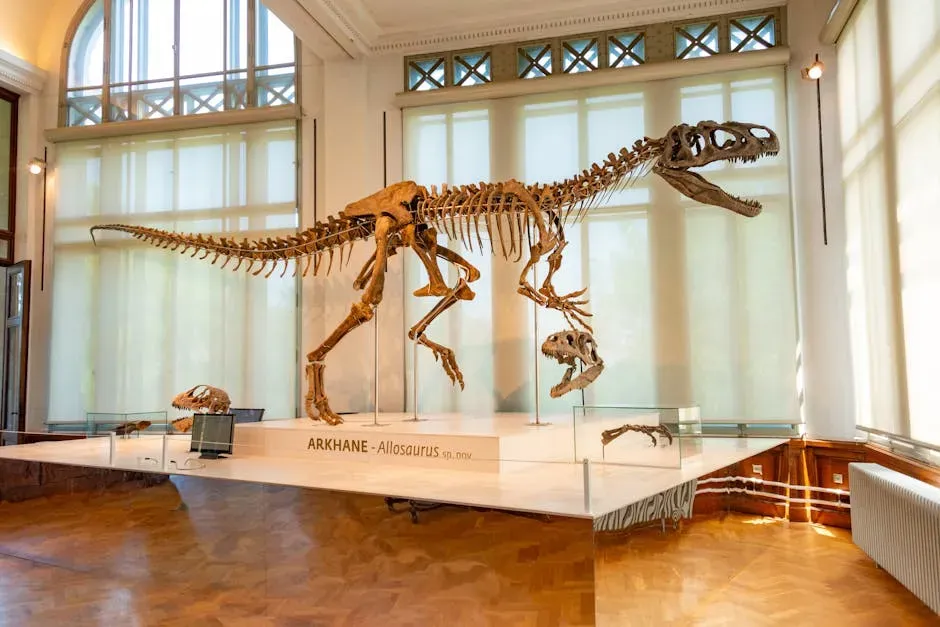
If there is one thing the dinosaur extinction screams across deep time, it is that dominance today is not a guarantee of survival tomorrow. In my view, too many families treat their current success as a permanent state, like giant reptiles convinced they will rule forever. They stack up assets but neglect resilience, communication, and planning, then act shocked when a crisis exposes how fragile the whole thing really was. To me, that is the financial version of standing on the beach, admiring your own reflection in the water, while a fireball streaks toward the horizon.
Choosing not to be a dinosaur is a very practical, almost boring decision: diversify more than feels necessary, plan earlier than feels comfortable, and talk about money more openly than your parents probably did. It means accepting that taxes, inflation, policy changes, and personal curveballs are not unfair tragedies but predictable parts of the landscape. If you start thinking of your family wealth as an evolving ecosystem rather than a static trophy, you give it a fighting chance to outlive you by generations. So the real question is simple and a little uncomfortable: when the next impact comes – because it will – will your family be part of the fossil record or part of what adapts and goes on?