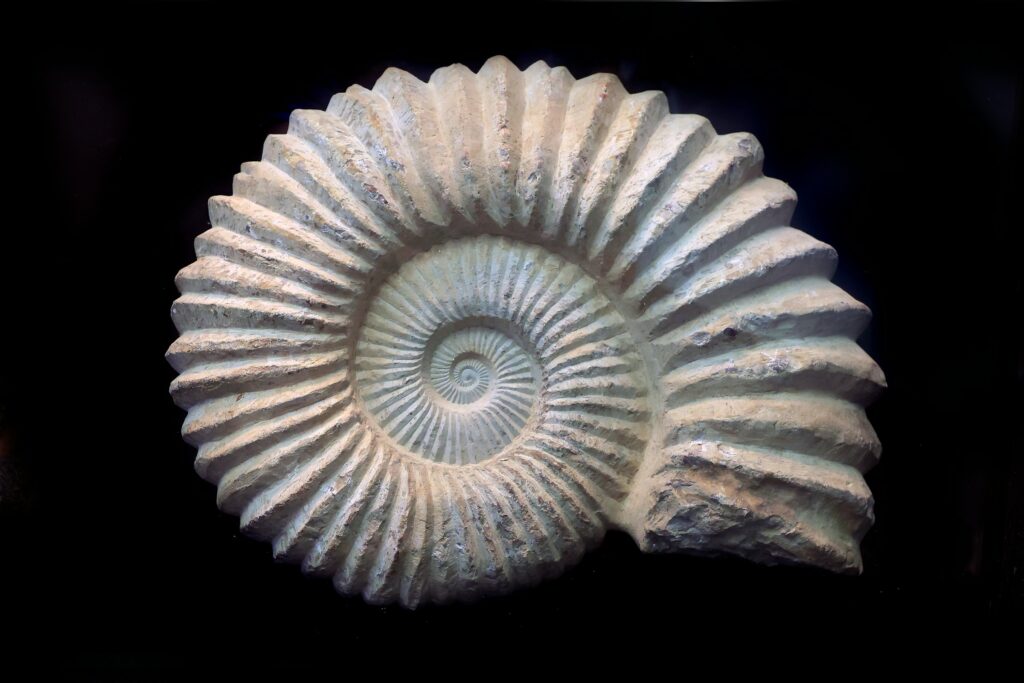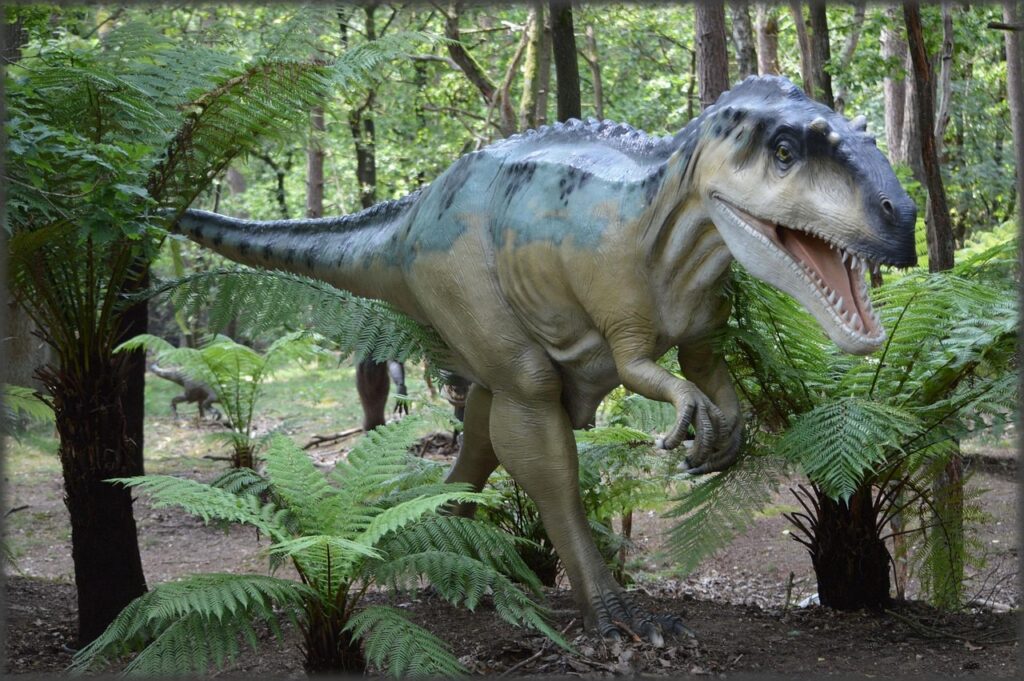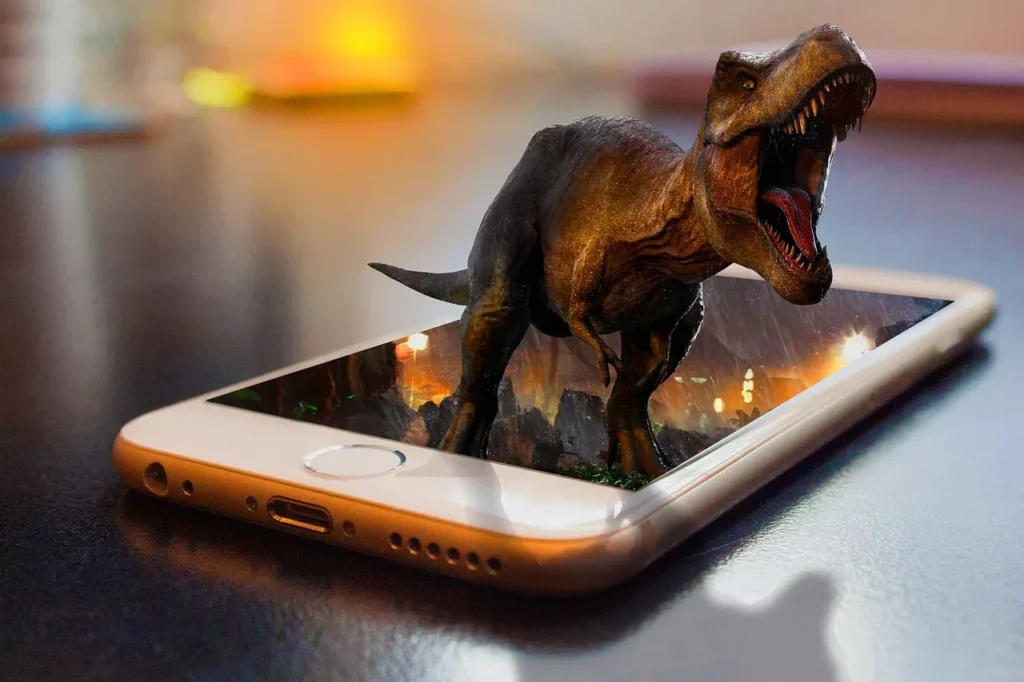
If your feed suddenly looks like a mash‑up of Jurassic Park and a Marvel movie, you’re not imagining it. Hyper‑realistic dinosaur “discoveries” are everywhere: blurry “fossil” photos, dramatic excavation videos, even breaking‑news style posts about a new species found in someone’s backyard. Many look convincing at first glance, and that’s exactly the problem. AI tools have quietly turned anyone with a phone into a passable paleo‑hoax artist, and the results are now colliding with real science in messy ways.
That might sound amusing, but it has a serious side. Paleontologists already fight an uphill battle against outdated myths and movie logic; now they have to compete with algorithmically perfect fake bones too. As someone who has fallen for at least one very cool but totally fake dino image before catching the telltale AI glitches, I can tell you: this is no longer obvious. The good news is that once you know what to look for, you can usually tell which “discoveries” are legit and which are just digital dinosaurs playing dress‑up.
The New Dino Gold Rush: Why AI Is Suddenly Everywhere
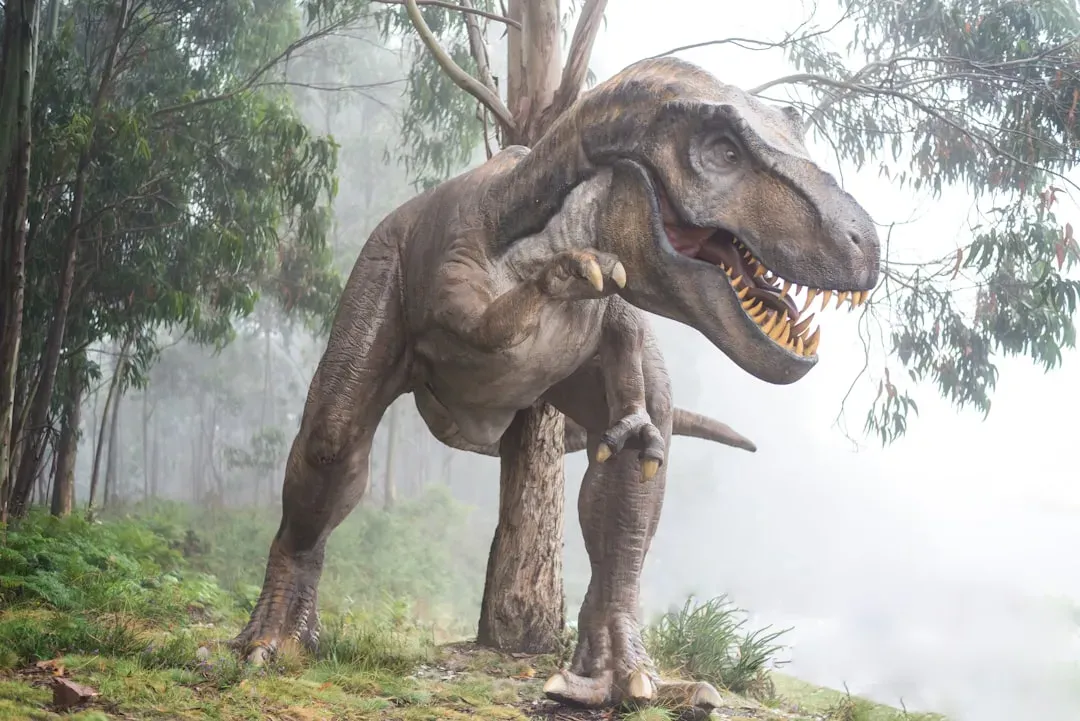
There’s a reason dinosaur fakes feel like they’re multiplying overnight: AI image and video generators have become fast, cheap, and ridiculously easy to use. A few years ago, you needed some technical skill and time to create a convincing paleo illustration; now you can type “photorealistic T. rex fossil emerging from cliff during storm” and get a gallery‑worthy result in seconds. That convenience has collided with the internet’s eternal hunger for shocking visuals, and dinosaurs are a perfect target because they already sit halfway between science and myth in most people’s minds.
On top of that, social platforms reward content that triggers strong emotions – wonder, awe, fear, nostalgia – and dinosaurs hit all those buttons at once. People share first and fact‑check later, especially when something looks like a still from a big‑budget documentary. The end result is a kind of “dino gold rush,” where influencers, hobbyists, and outright scammers all push AI‑generated content to grab attention, followers, or ad revenue. Real paleontology, which is slow, careful, and often visually underwhelming, can struggle to compete with those glossy, algorithmically polished fakes.
First Red Flag: Dinosaurs In the Wrong Place or Time
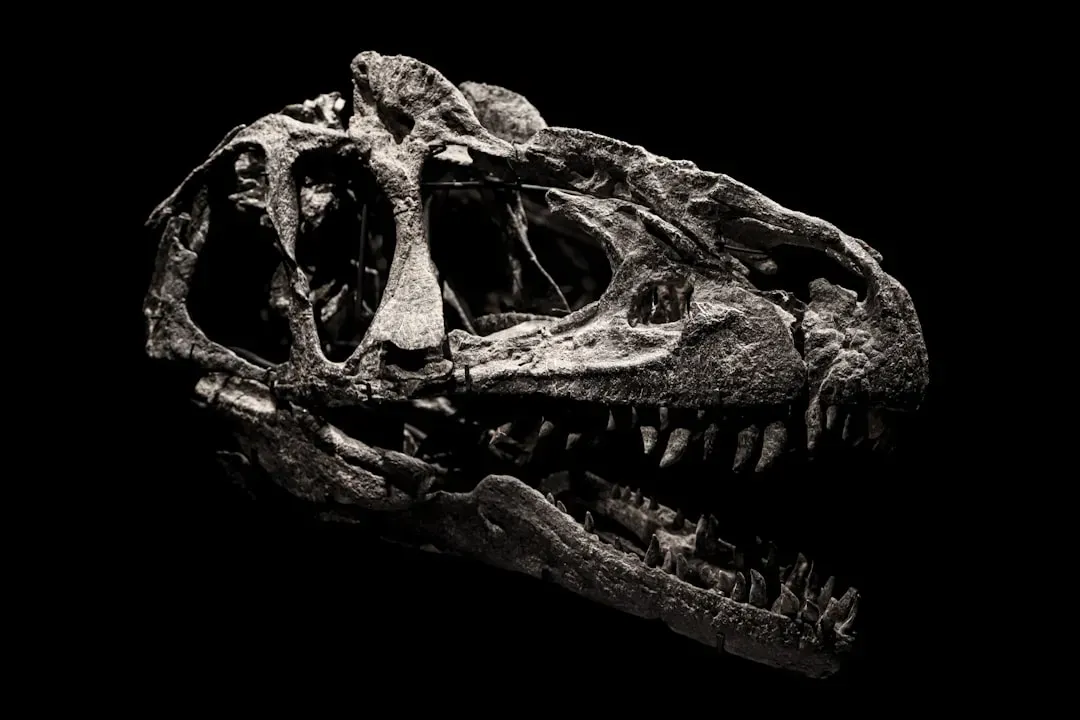
One of the easiest ways to catch a fake is to pay attention to where the “discovery” supposedly happened and what species is being claimed. If someone says a Tyrannosaurus rex skeleton was uncovered in a random European city park, that’s already suspicious: T. rex fossils are known from specific Late Cretaceous formations in North America, not anywhere on the planet. Similarly, if the post casually mixes iconic animals that never coexisted – say, a Stegosaurus walking alongside a T. rex – that’s a classic pop‑culture mash‑up, not science.
Real paleontological finds are insanely specific about geology and time. Scientists talk about formations, layers, and ages: Late Jurassic, Early Cretaceous, particular rock units with names. A vague caption like “ancient dinosaur bones found in old cave” with no mention of rock layers, region, or context should make you raise an eyebrow. When in doubt, ask: does this location match what we actually know about where that animal lived and when? If the story treats dinosaurs like generic monsters that could pop up anywhere, it’s probably more fantasy than fact.
Spotting AI Visual Glitches: Bones, Textures, and Backgrounds
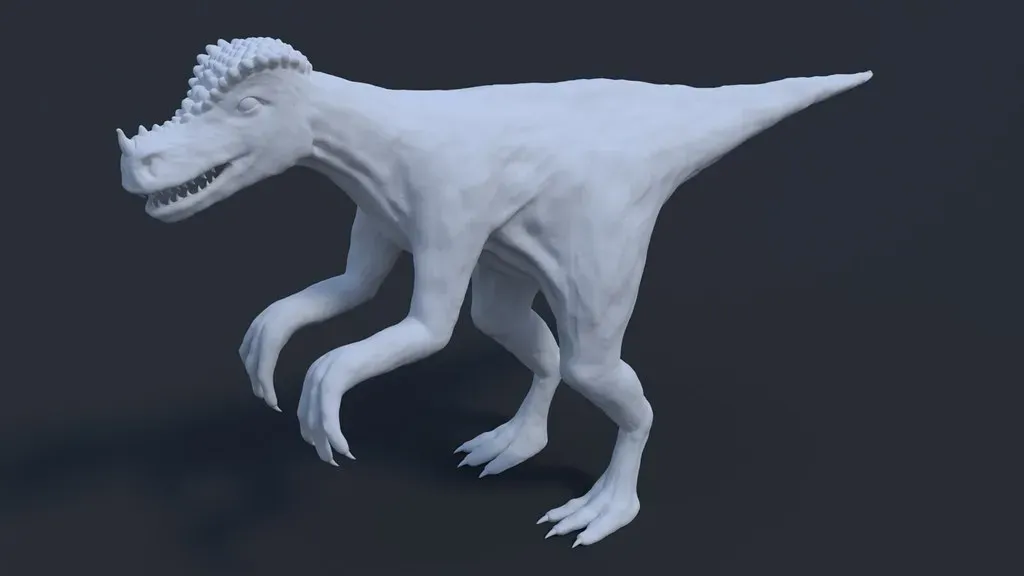
Even the slickest AI images often give themselves away in the details, especially when it comes to anatomy and textures. Look closely at the bones: do the ribs suddenly merge into each other, or do vertebrae blur into a smooth rod instead of a chain of distinct segments? Are there extra limbs, mismatched claws, or skull shapes that feel off compared with well‑known reconstructions? AI models tend to mimic the overall vibe of dinosaur art without truly understanding how skeletons fit together, so the closer you zoom in, the weirder things can get.
Backgrounds are another big tell. Fossil labs and dig sites are cluttered but coherent: tools, sediment bags, labels, lights, dust, and very human mess. AI scenes, by contrast, often have oddly melted equipment, repeating textures, or impossible lighting where the bones glow as if they have their own spotlight. If you see perfectly clean “fossils” lying on dramatically lit, museum‑like floors in the middle of an alleged excavation, be skeptical. Real fieldwork is sweaty, dirty, and surprisingly uncinematic compared to what AI loves to generate.
Too Perfect To Be True: Drama, Lighting, and Cinematic Staging
Another giveaway is how aggressively cinematic many fake discoveries look. A real fossil photo might be taken with a phone under harsh midday sun, with a boot half in the frame and a random shovel leaning against a truck. AI‑generated scenes, on the other hand, often resemble movie posters: moody clouds, dramatic backlighting, swirling dust, and bones posed at just the right angle to look majestic. When every shot feels ready for a streaming‑service thumbnail, that’s a clue you might be looking at a synthetic moment, not a captured one.
Ask yourself: who had time to set this up? Authentic finds usually unfold in chaotic stages – initial glimpse, careful brushing, measuring, protective jackets of plaster or foil. You’ll see progress shots, not just one impossibly perfect image. An isolated, gorgeously lit “final reveal” photo with no context, no intermediate steps, and no signs of the messy work that led to it should trigger your skepticism. Real science rarely happens in a single cinematic frame; AI, by design, lives there.
Reading the Caption Like a Scientist: Language, Claims, and Sources

If the image is the hook, the caption is where you can test how serious the “discovery” really is. Genuine research posts tend to be weirdly modest and technical: they mention the rock formation, the approximate age, and often the institution or university involved. They do not usually scream about rewriting all of dinosaur science or discovering the “largest ever” creature every other week. Overblown language, all caps, or a parade of superlatives without specific details is a classic sign someone is chasing engagement, not sharing data.
Another thing to check is whether the post links to anything beyond itself. Real discoveries almost always tie back to a museum, a paleontology department, a conference presentation, or at least a named researcher. If the only “source” is a handle you’ve never heard of, with no mention of a peer‑reviewed paper, press release, or institutional backing, tread carefully. Even if the image looks convincing, a story with no clear origin in the scientific community is like a fossil with no rock around it: interesting, maybe, but not something you should stake your beliefs on.
How Real Discoveries Actually Get Announced
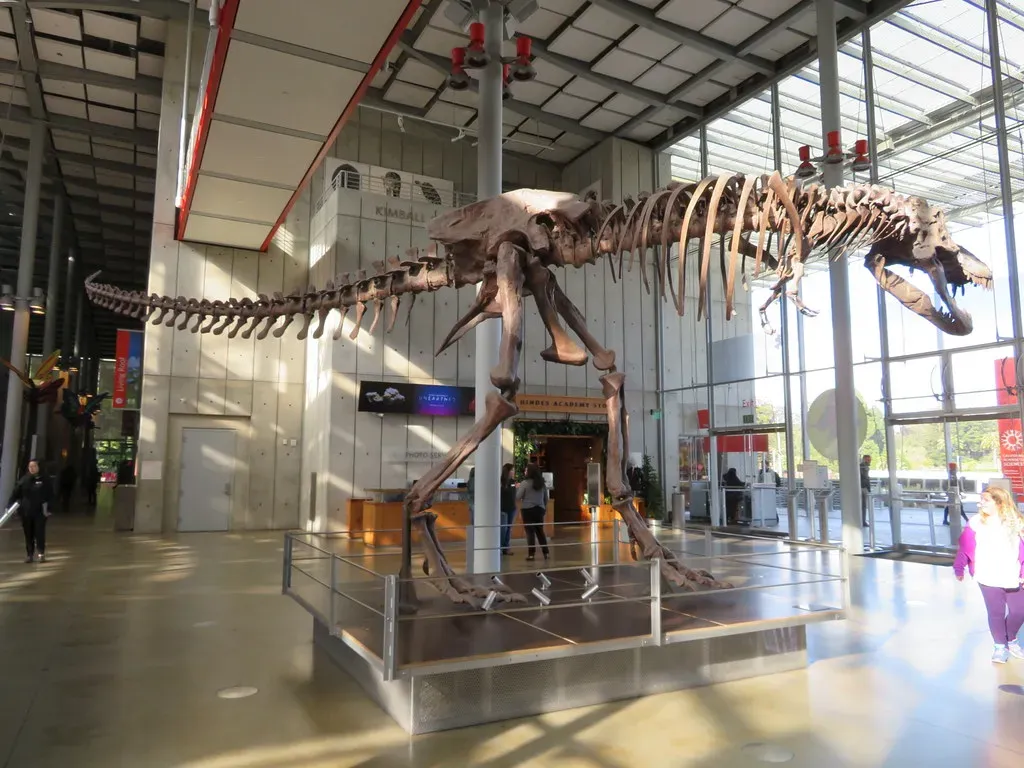
One of the most useful reality checks is understanding how real dinosaur news usually works. When a genuine new species is described, it almost always appears first in a scientific journal or at a major conference, then filters out through universities, museums, and science reporters. You can typically find a press release, a paper, and a few interviews with the researchers all telling a consistent, fairly measured story. There will be technical drawings or CT scans, not just pretty artwork, and usually a dry species name that sounds more Latin than Hollywood.
Timing is another clue. Major finds do not appear from nowhere on some random Tuesday night with zero coverage by any reputable outlets. If a post claims something wildly important – like overturning what we know about feathered dinosaurs or proving humans lived alongside T. rex – but you cannot find even one mention from a known science institution, that’s a massive red flag. Real paradigm‑shifting discoveries are rare, messy, and very public once they’re confirmed. If the story exists only on TikTok or in a viral thread, it is almost certainly not the revolution it claims to be.
Using Reverse Image Tools and Simple Checks (Without Being a Detective)
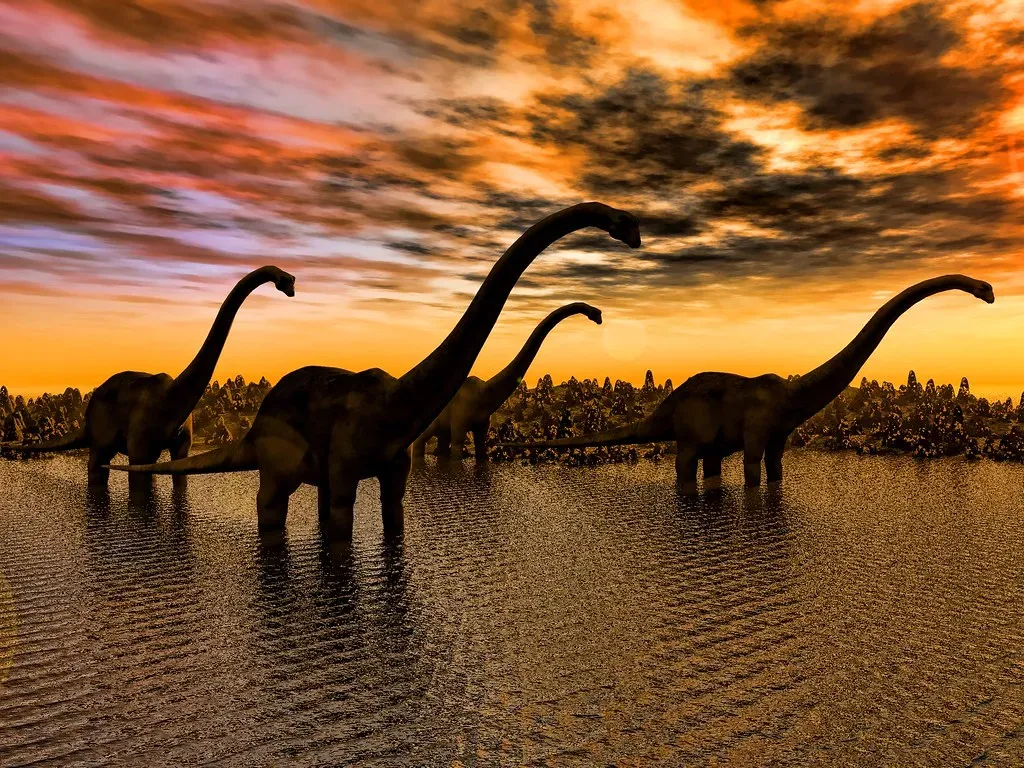
You do not have to turn into a full‑time debunker to protect yourself from AI dino hoaxes. A few quick habits go a long way. One simple trick is to do a basic reverse image search or use built‑in platform tools to see where else the image appears. If the same “discovery” shows up with different locations, dates, or descriptions, you are likely looking at a generic AI render people are recycling. Sometimes you will even find the original prompt or art post it came from, which instantly exposes the fake narrative wrapped around it.
Another easy move is to pair a quick search with a couple of keywords: the supposed location, the claimed species, and the word “museum” or “university.” If nothing credible pops up, or you only find the same viral clip reposted over and over, treat the content as entertainment, not evidence. I’ve started using a simple mental rule: if it’s extraordinary and I can’t verify it in one or two minutes from a serious source, I file it under “probably AI or exaggerated” until proven otherwise. It’s a calmer, less stressful way to scroll without having to believe every dinosaur that stomps onto your screen.
Why This Matters: Trust, Education, and Our Sense of the Past
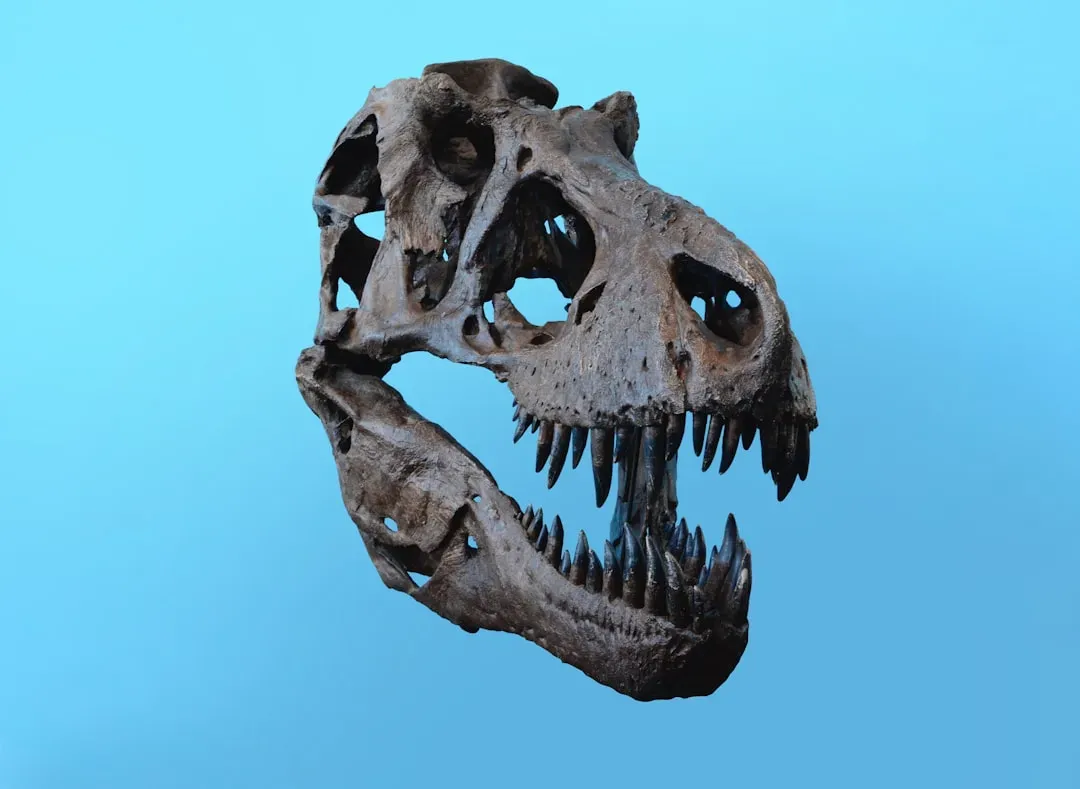
It might be tempting to shrug and say these are just fun pictures, but the flood of AI dinos has real consequences. When fake discoveries repeatedly outshine real ones, it blurs people’s sense of what science actually looks like. Kids (and plenty of adults) can walk away thinking paleontology is all about dramatic full skeletons sticking out of cliffs, instead of the reality of fragmentary bones, painstaking analysis, and years of quiet work to make sure claims hold up. Over time, that mismatch can fuel disappointment, confusion, and mistrust.
There is also a deeper issue: dinosaurs are one of the main ways many people connect with deep time and evolution. If that window is crowded with misinformation and synthetic drama, we lose a chance to ground our understanding of Earth’s history in evidence instead of spectacle. Personally, I think we can enjoy the wild, creative side of AI paleo art while still drawing a firm line between “this is a cool imagined scene” and “this is an actual fossil that tells us something true.” The danger comes when those lines are deliberately blurred for clicks.
Conclusion: Keeping Wonder Alive Without Falling for Fakes
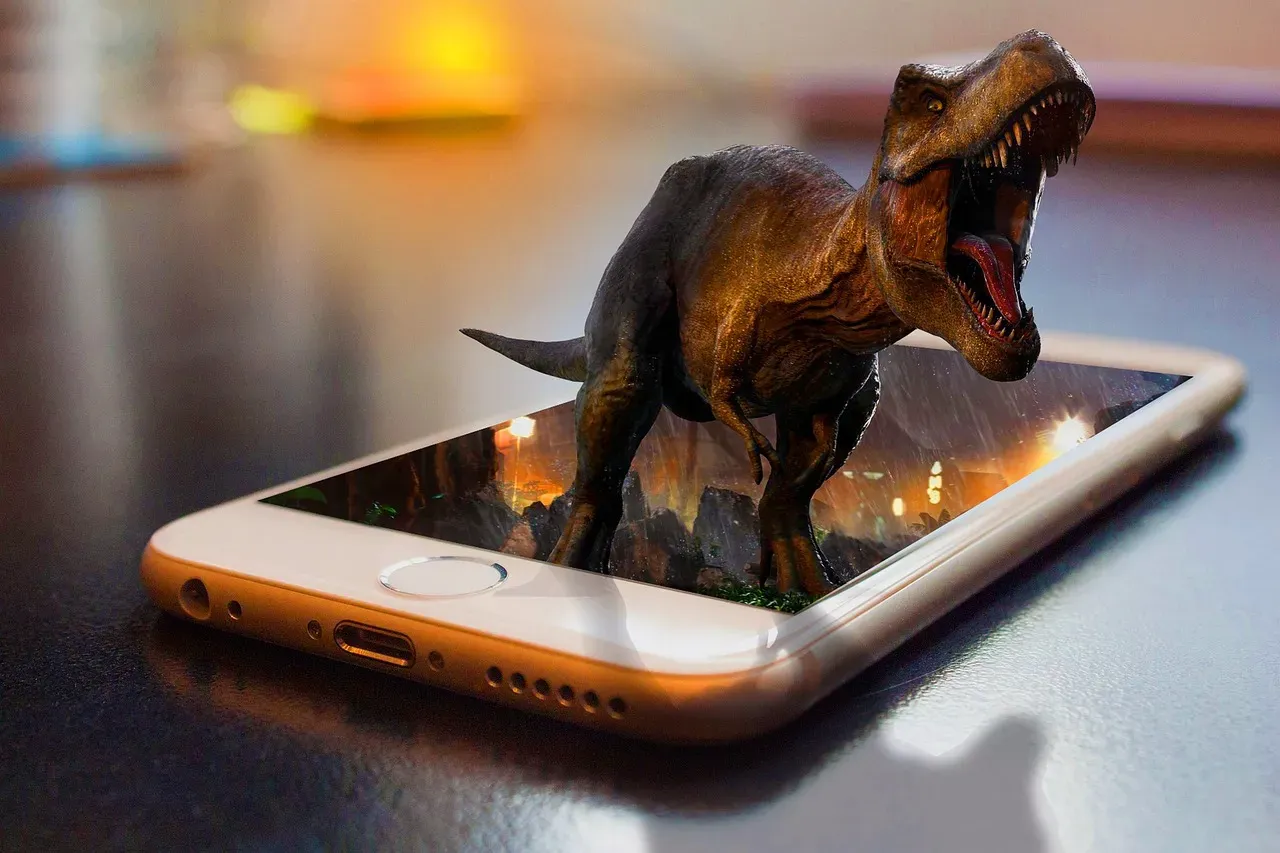
The rise of AI‑generated dinosaur “discoveries” is not going away, and honestly, some of the artwork is breathtaking. But awe without skepticism is a recipe for getting played, and in this case, it also does a disservice to the people who actually dig in the dirt and rewrite our understanding of ancient life one tiny bone at a time. My own rule of thumb is simple: if a post makes my jaw drop, I assume it might be fake until I can find a solid scientific trail behind it. That mindset has saved me from sharing more than a few very convincing, totally invented dinos.
In the end, this is less about policing images and more about choosing what kind of relationship we want with the past. We can let algorithms feed us a nonstop diet of cinematic fossils, or we can treat those as imaginative side dishes while reserving our real respect and attention for the discoveries that survive peer review, not just the For You page. If we get good at telling the difference, we keep both our curiosity and our credibility intact – and that feels like a win. Next time a spectacular new dinosaur pops up in your feed, will you pause long enough to ask if it walked the Earth or just crawled out of a prompt?