
If you only knew prehistory from big-budget movies, you’d think the age of dinosaurs was just T. rex roaring at the camera and raptors sprinting through kitchens. In reality, Earth during the Mesozoic was absolutely packed with strange, vivid creatures that almost never make it on screen. Some looked like nightmares, others like failed design sketches, but all of them shared the planet with famous dinosaurs and left real fossils behind.
When I first started reading about these lesser-known animals, I remember feeling almost cheated. How did no one tell us that, while the big carnivores were stomping around, there were shark-like reptiles gliding in rivers, beaked crocodiles trotting on land, and tiny mammals running complex double lives in the shadows? Let’s walk through seven of the most fascinating prehistoric neighbors of dinosaurs that somehow never get a starring role.
1. Champsosaurus: The Crocodile That Wasn’t
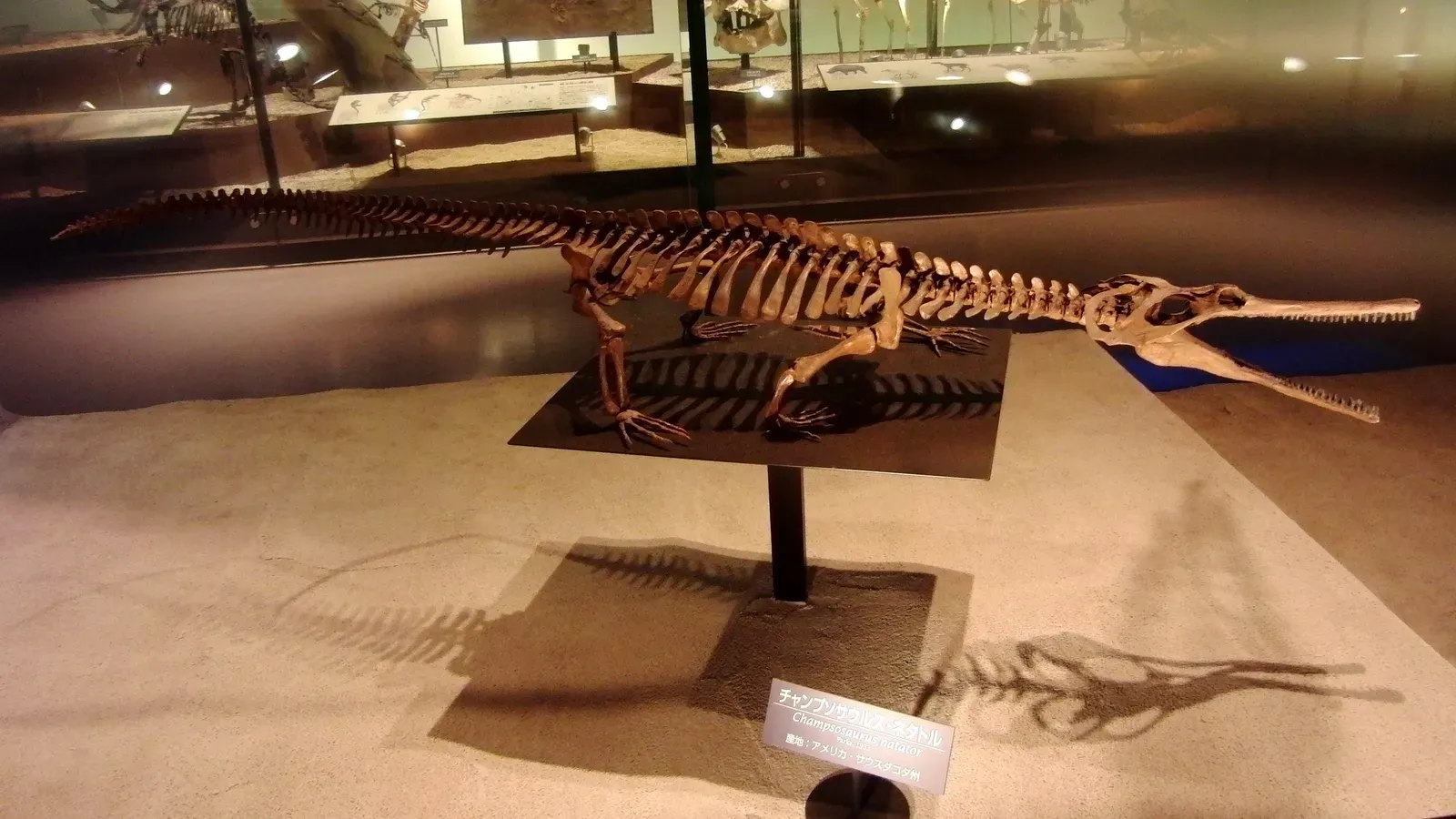
Imagine you are standing on the muddy bank of a Late Cretaceous river about to take a drink. Out of the corner of your eye, you see what looks exactly like a slender-snouted crocodile gliding just under the surface. The body is long and low, the tail is built for swimming, and the jaws are filled with sharp, fish-snatching teeth. Instinctively, you would call it a crocodile, but you would be wrong: you just met Champsosaurus, a reptile from a completely different lineage that only converged on the crocodile lifestyle.
Champsosaurus belonged to a group called choristoderes, a name almost no one hears outside paleontology circles. It lived in the Late Cretaceous and even survived the mass extinction for a while into the early Paleogene, sharing environments with duck-billed dinosaurs and horned giants. Fossils show it grew to the size of a modern alligator, yet it rarely gets a single frame in Mesozoic documentaries. To me, that is a missed opportunity: the idea that a “fake crocodile” lurked in dinosaur rivers is way too good to ignore.
2. Beelzebufo: The Devil Toad of Dinosaur-Era Madagascar
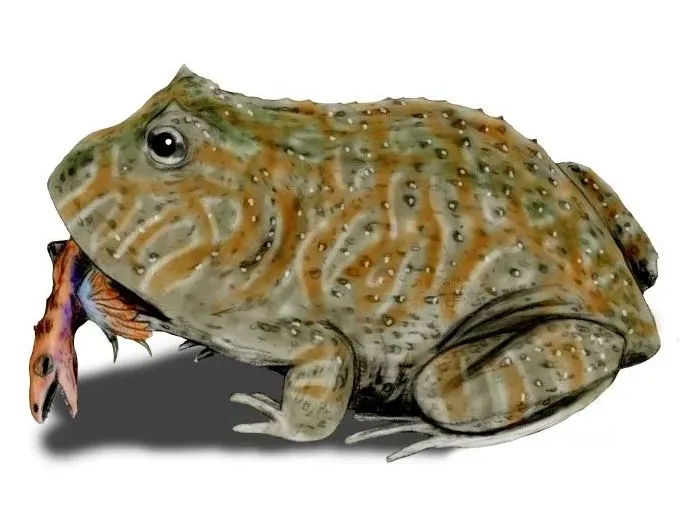
The name Beelzebufo sounds dramatic, but when you learn what it was, it somehow feels justified. This was a gigantic frog from Late Cretaceous Madagascar, living on an island ecosystem full of unusual dinosaurs and reptiles. It was roughly the size of a small dinner plate or even a dinner platter according to some estimates, with a wide, powerful skull and a bite that might have been capable of tackling small vertebrates, not just insects.
Scientists have compared its general build to modern horned frogs, which are notorious ambush predators that will try to eat pretty much anything that fits in their mouth. Picture one of those, scaled up and lurking in the undergrowth while juvenile dinosaurs wander by. No mainstream dinosaur movie has given us a proper villainous “devil frog” snapping at hatchlings or small lizards, even though that kind of niche predator almost certainly made life more dangerous for anything small and unwary during the age of dinosaurs.
3. Thalattosuchia: The Fully Marine “Sea Crocs”
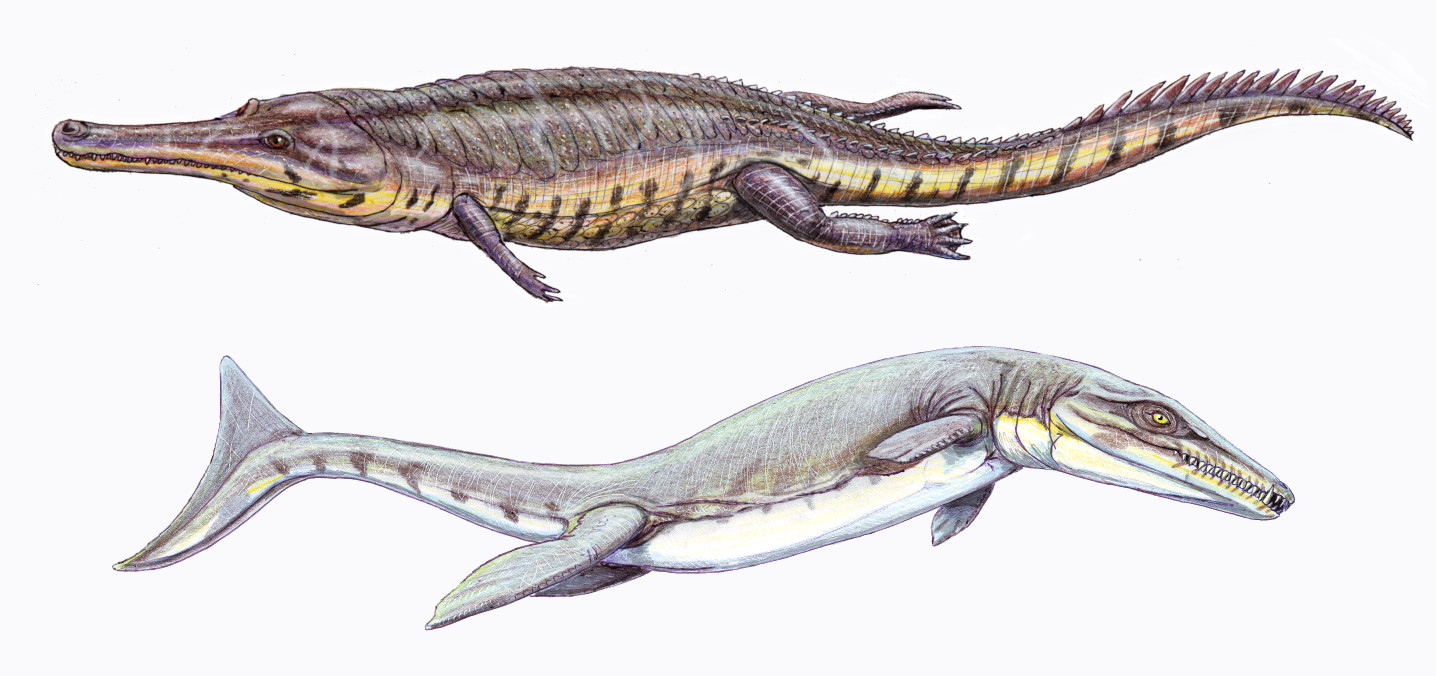
When movies do show prehistoric oceans, they usually roll out the same cast: plesiosaurs with long necks, mosasaurs with big jaws, and maybe a random ichthyosaur speeding by. What they almost never mention is that the Jurassic seas also hosted entire lineages of marine crocodile relatives called thalattosuchians. These were not just crocodiles taking a swim; some had paddle-like limbs, streamlined bodies, and tail flukes that push them closer to the look of marine reptiles or even early whales.
These “sea crocs” hunted fish and other marine animals while iconic dinosaurs like Allosaurus ruled the land above. Some species had snouts crammed with needle-like teeth for grabbing slippery prey, while others had more robust jaws suggesting a generalist or apex role in their ecosystems. It is wild that Hollywood keeps reusing the same mosasaur shot when it could easily stage a chaotic underwater chase featuring these torpedo-bodied crocodile cousins slicing through Jurassic waves alongside schools of ammonites and shoals of fish.
4. Repenomamus: The Mammal That Ate Dinosaurs
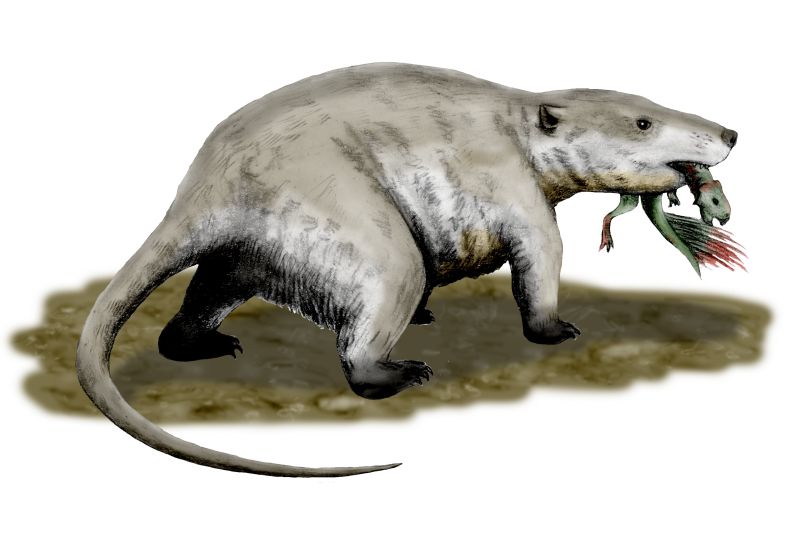
We tend to picture Mesozoic mammals as soft, shrew-like background extras, nervously waiting for the dinosaurs to die out so they can finally matter. Repenomamus shatters that story. This Cretaceous mammal from what is now China was about the size of a badger, with strong jaws and sturdy limbs, and one spectacular fossil was found with juvenile dinosaur bones preserved in its stomach region. In other words, this mammal was not just scavenging scraps; it was actively eating young dinosaurs.
The idea of a dinosaur-eating mammal flips the usual script completely and makes the ecosystem feel more balanced and dangerous from every angle. Instead of a one-way hierarchy where dinosaurs always win and mammals just hide, you get a world where a hungry, mid-sized mammal might ambush a baby ceratopsian or small ornithischian if it got the chance. It is baffling that more films do not pick up on this, because the image of a scruffy, bold little predator turning tables on the dinosaur underdogs is cinematographic gold.
5. Pleurosaurus: The Eel-Like Reptile of Jurassic Lagoons
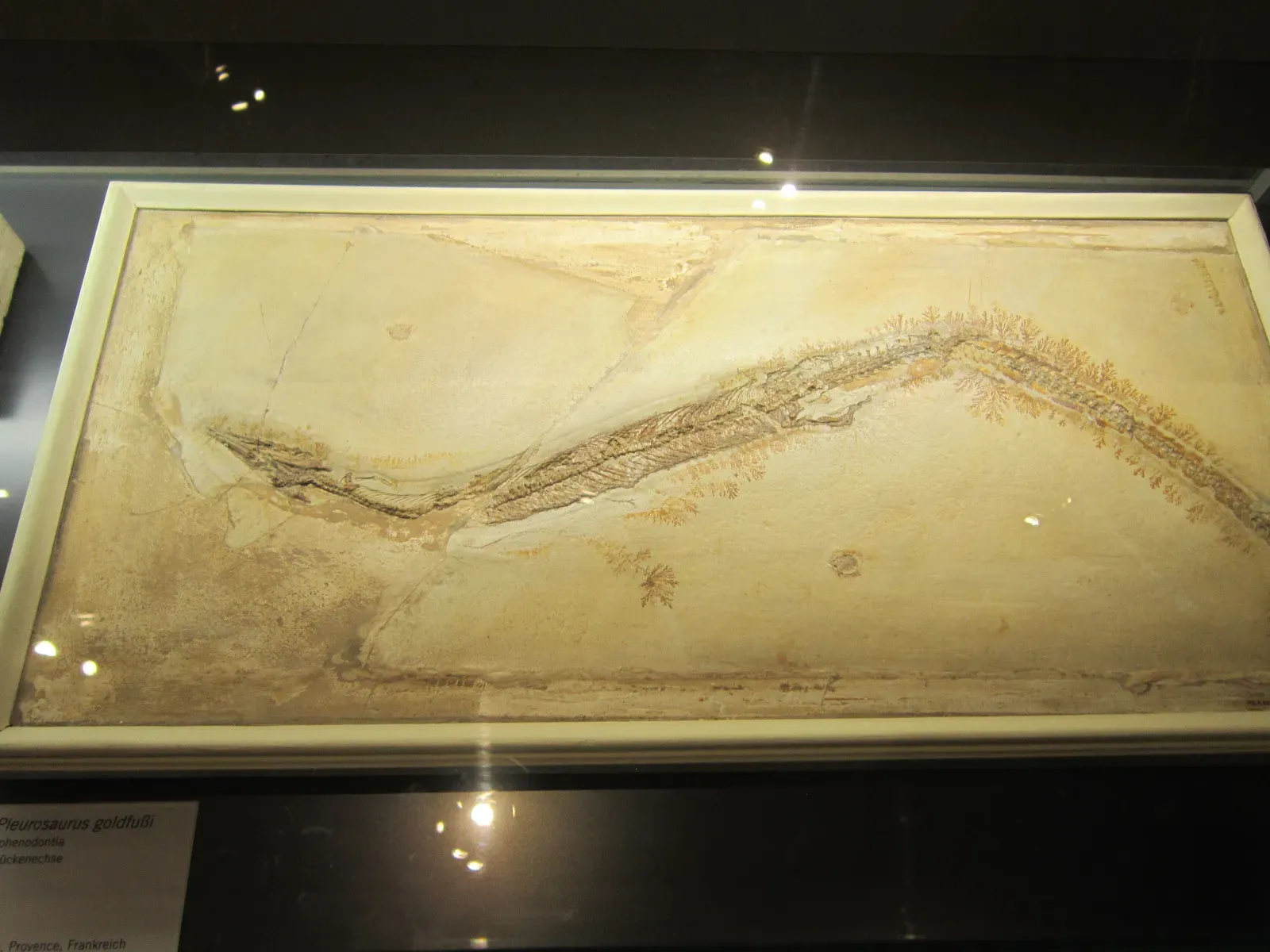
Pleurosaurus is the kind of animal that makes you wonder how many strange body plans we are simply not taught about. It was a long-bodied reptile from the Late Jurassic, belonging to a group called sphenodontians, which are distant relatives of the modern tuatara. Rather than looking like a modest lizard, it evolved an elongated, almost eel-like body with a flexible spine and a tail shaped for swimming in calm lagoons and coastal environments.
Fossils suggest it moved through the water with side-to-side undulations, a bit like an eel or some aquatic salamanders today. That gives it a very different vibe from the bulky marine reptiles we usually see on screen. In a Jurassic setting, you could have had graceful shots of these slender forms weaving through underwater forests of plants and invertebrates while dinosaurs fed along the shore. Instead, Pleurosaurus remains one of those names you almost never hear, even though it lived in the same world as well-known species like Archaeopteryx.
6. Kulindadromeus: The Fluffy, Feathered Plant-Eater
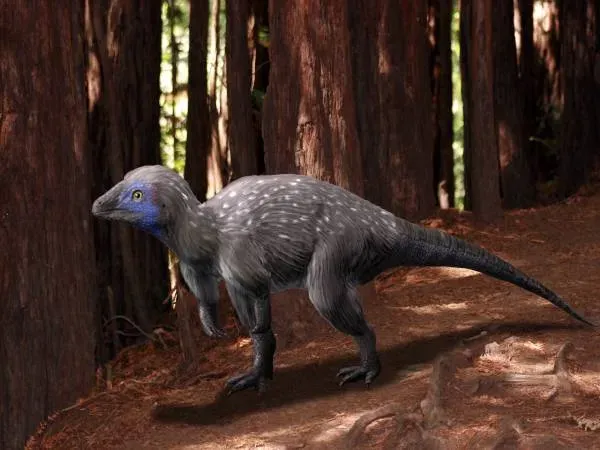
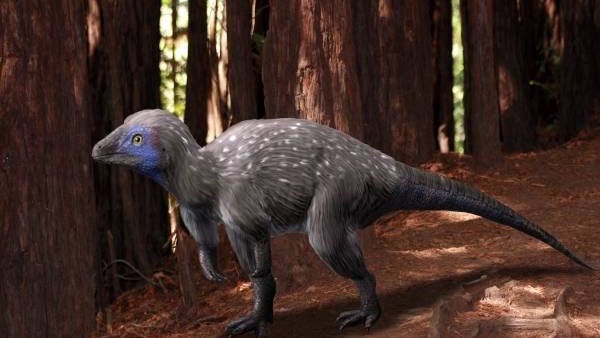
Feathers in dinosaur media are slowly becoming more accepted, but they are usually stuck on small raptors or birdlike species. Kulindadromeus, from Siberia in the Middle Jurassic or early Late Jurassic, is a game changer because it was a small, plant-eating dinosaur with evidence of complex skin structures and filamentous, feather-like coverings. It was not a sleek hunter; it was more like a nimble, chicken-sized herbivore with a mix of scales and fluff, suggesting that feathery coverings were more widespread among dinosaurs than many people think.
Fossils show it had scales on some parts of its body, including the tail and legs, while the rest was covered in various types of filaments that resemble early feathers or hair-like structures. If you imagine flocks of these little, fuzzy bipeds darting between ferns and conifers while larger sauropods and carnivores loom overhead, the Mesozoic suddenly feels more vibrant and textured. Yet, for some reason, family-friendly dinosaur films still lean heavily on scaly skin and ignore this oddly adorable, scientifically important little creature.
7. Simosuchus: The Chunky, Short-Snouted Croc That Ate Plants
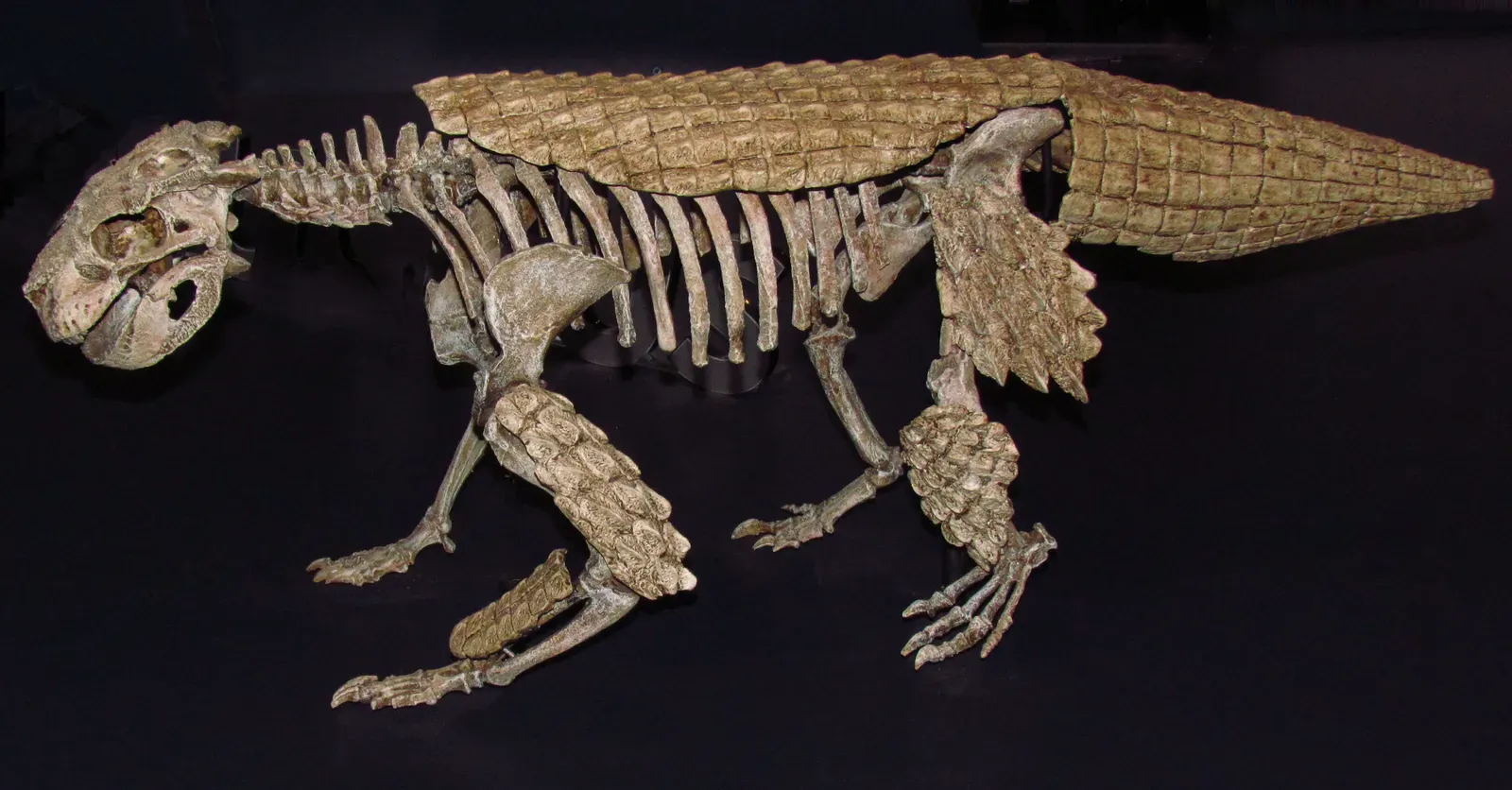
Simosuchus is one of those animals that makes you laugh the first time you see a reconstruction. It was a crocodile relative from Late Cretaceous Madagascar, but it looked more like a cross between a bulldog, an armadillo, and a garden lizard. Instead of a long, pointed snout, it had a short, boxy skull with leaf-shaped teeth that strongly suggest a plant-based diet. Its body was squat and heavily armored, with bony plates protecting its back, giving it a very different energy from the stealthy, river-dwelling crocs we know today.
This little herbivorous croc relative shared its ecosystem with various dinosaurs and other reptiles, carving out a niche as a small, possibly browsing animal instead of a predator. Visually, it is unforgettable: imagine a chunky, low-slung reptile waddling through undergrowth, calmly nibbling on plants while larger carnivores thunder in the distance. Movies love variety when designing alien worlds but rarely apply that same imagination to real Earth history. Simosuchus could easily become a fan favorite in any prehistoric story, yet it is essentially invisible outside scientific circles.
Conclusion: Prehistory Deserves More Than a Greatest-Hits Reel
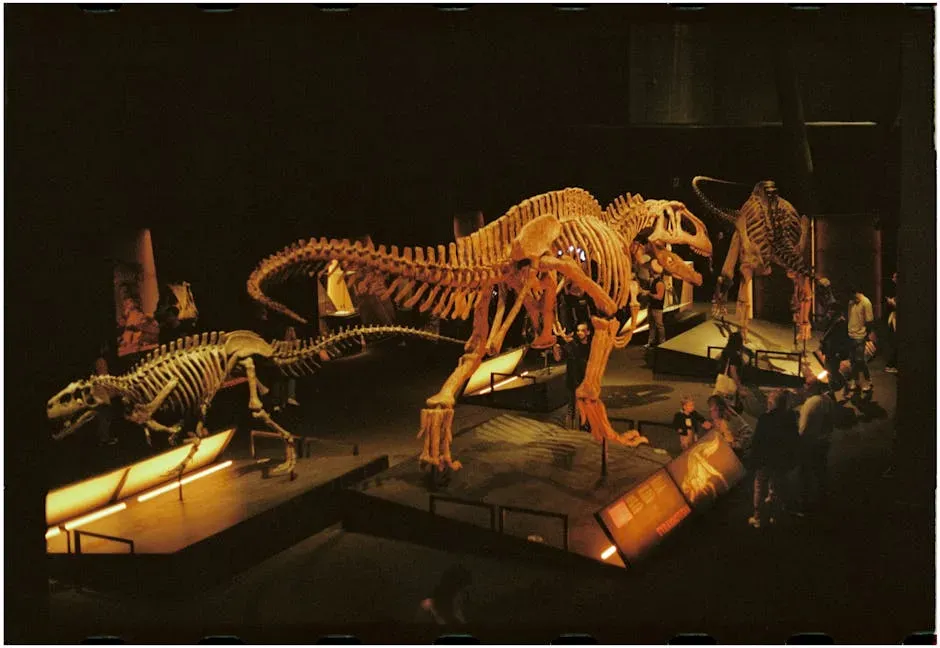
The more you dig into the fossil record, the clearer it becomes that our pop-culture version of prehistory is a highlight reel, not a documentary. Dinosaurs absolutely dominated many ecosystems, but they lived alongside an almost absurd diversity of mammals, amphibians, croc relatives, aquatic reptiles, and experimental body plans that barely get mentioned. Creatures like Champsosaurus, Beelzebufo, thalattosuchian sea crocs, Repenomamus, Pleurosaurus, Kulindadromeus, and Simosuchus fill in the gaps and turn that world from a simple monster movie into something that feels like a real, complex planet.
Personally, I think the next big leap in dinosaur storytelling is not going to come from making the predators bigger or the roars louder. It is going to come from finally embracing these overlooked neighbors and letting audiences see that the age of dinosaurs was just as weird, crowded, and interconnected as life today. If anything, it was stranger. So the next time you watch a dinosaur movie, ask yourself: what fascinating creature from the same time period is missing from this scene, and how much cooler would it be if it were there?