
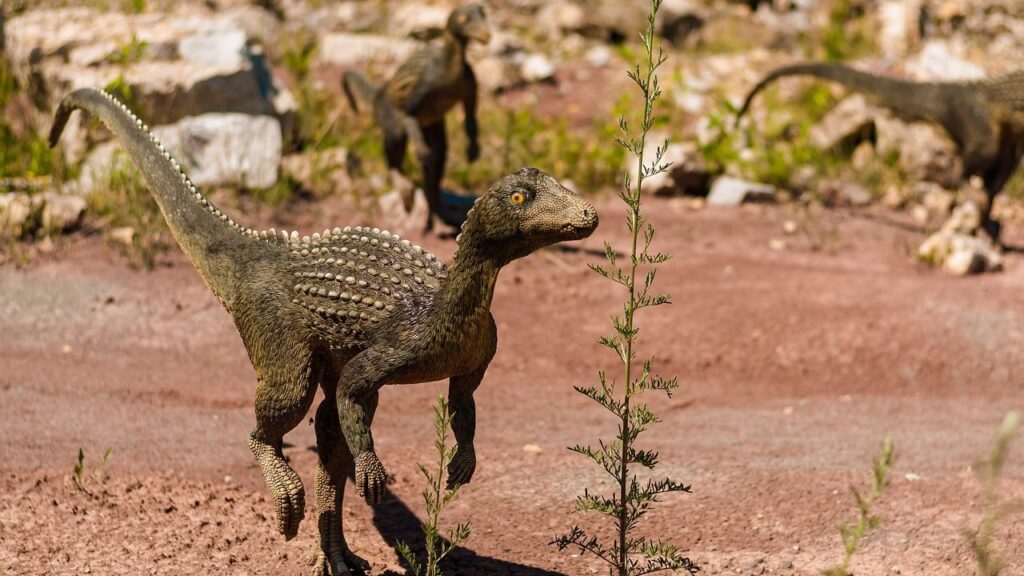
Imagine walking outside and seeing a crocodile with hooves, a dolphin with legs, or a dragonfly the size of a hawk drifting above the trees. Prehistoric Earth was packed with creatures that make today’s wildlife look almost ordinary. The fossil record is basically a highlight reel of evolution experimenting wildly: half-birds, almost-whales, armored fish, and nightmare insects that would send anyone sprinting back indoors.
What follows is a tour through ten of the strangest prehistoric animals we know about so far. Some are eerie because they look almost familiar, like a prototype version of something you’d recognize today. Others are so bizarre they feel like they escaped from a sci‑fi concept sketch. As you read, try to picture these things as living, breathing animals, not just dusty skeletons in a museum. They really walked, swam, and flew across the same planet you’re sitting on right now.
Dunkleosteus: The Armored Bite Machine
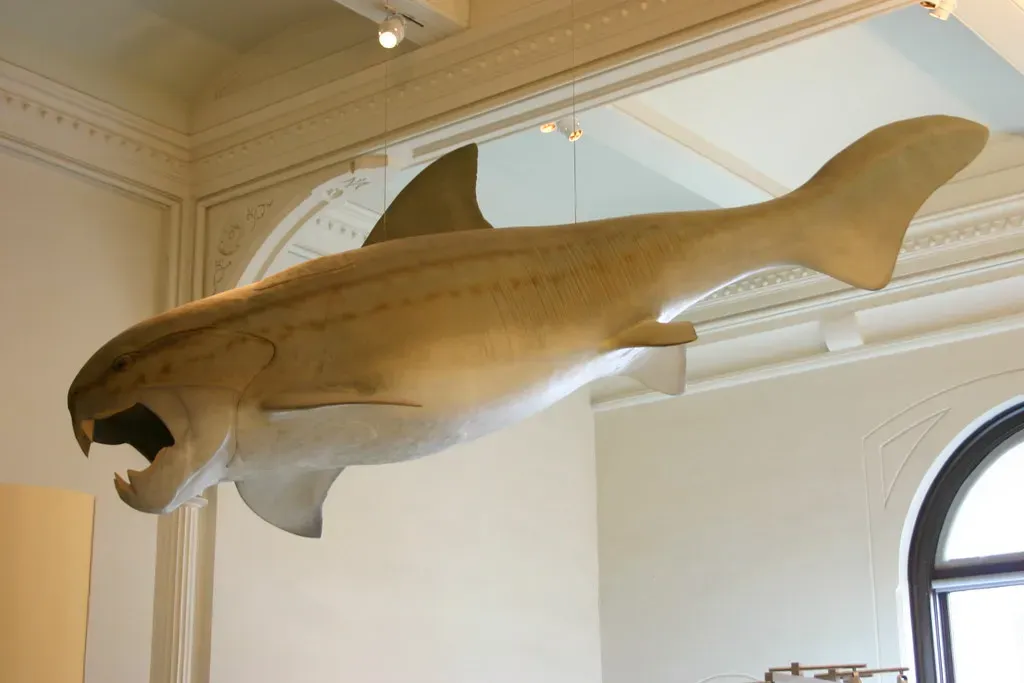
Dunkleosteus looked like a tank that decided to become a fish. Living roughly about 360 million years ago during the Devonian Period, this giant placoderm was covered in heavy bony plates around its head and neck, forming a kind of living helmet. Instead of true teeth, it had sharpened bony plates that formed terrifying shearing edges, like built‑in metal cutters. Picture a bus‑sized fish with a skull that looks half medieval armor, half can opener, cruising ancient seas.
Even more unsettling, studies suggest Dunkleosteus could bite down with a force comparable to some of the strongest modern predators, enough to crush hard‑shelled prey with ease. It probably sat near the top of its food chain, inhaling anything unfortunate enough to cross its path. I still remember standing under a Dunkleosteus skull in a museum as a kid and feeling my stomach drop; it is the kind of animal that makes you very grateful for extinction events. If there’s such a thing as an underwater monster without any need for exaggeration, this is it.
Hallucigenia: The Animal That Looked Inside Out
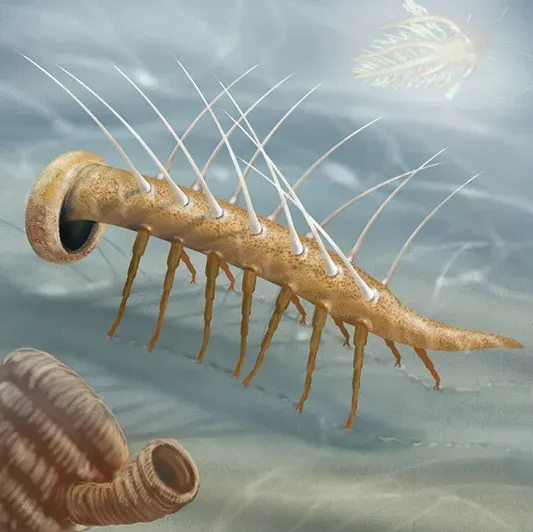
Hallucigenia is one of those fossils that made scientists argue for decades about which way was up. This tiny creature from the Cambrian Period had a soft worm‑like body lined with spines on one side and weird stubby legs on the other. Early reconstructions actually flipped it upside down and backward, mistaking its legs for tentacles and its spines for legs. The name Hallucigenia basically reflects that feeling: you look at it and think your brain is playing tricks on you.
Later discoveries and better preserved fossils helped clear things up, but even with the corrections, Hallucigenia still looks surreal. It had a simple head, little clawed legs, and a forest of sharp spines that probably helped deter hungry predators in those experimental Cambrian seas. To me, it feels like an early rough draft of life, as if evolution was trying out features just to see what stuck. When you realize that this strange little noodle with spikes is part of your distant evolutionary story, it hits you: normal is a very recent invention.
Therizinosaurus: Freddy Krueger, But Make It a Dinosaur
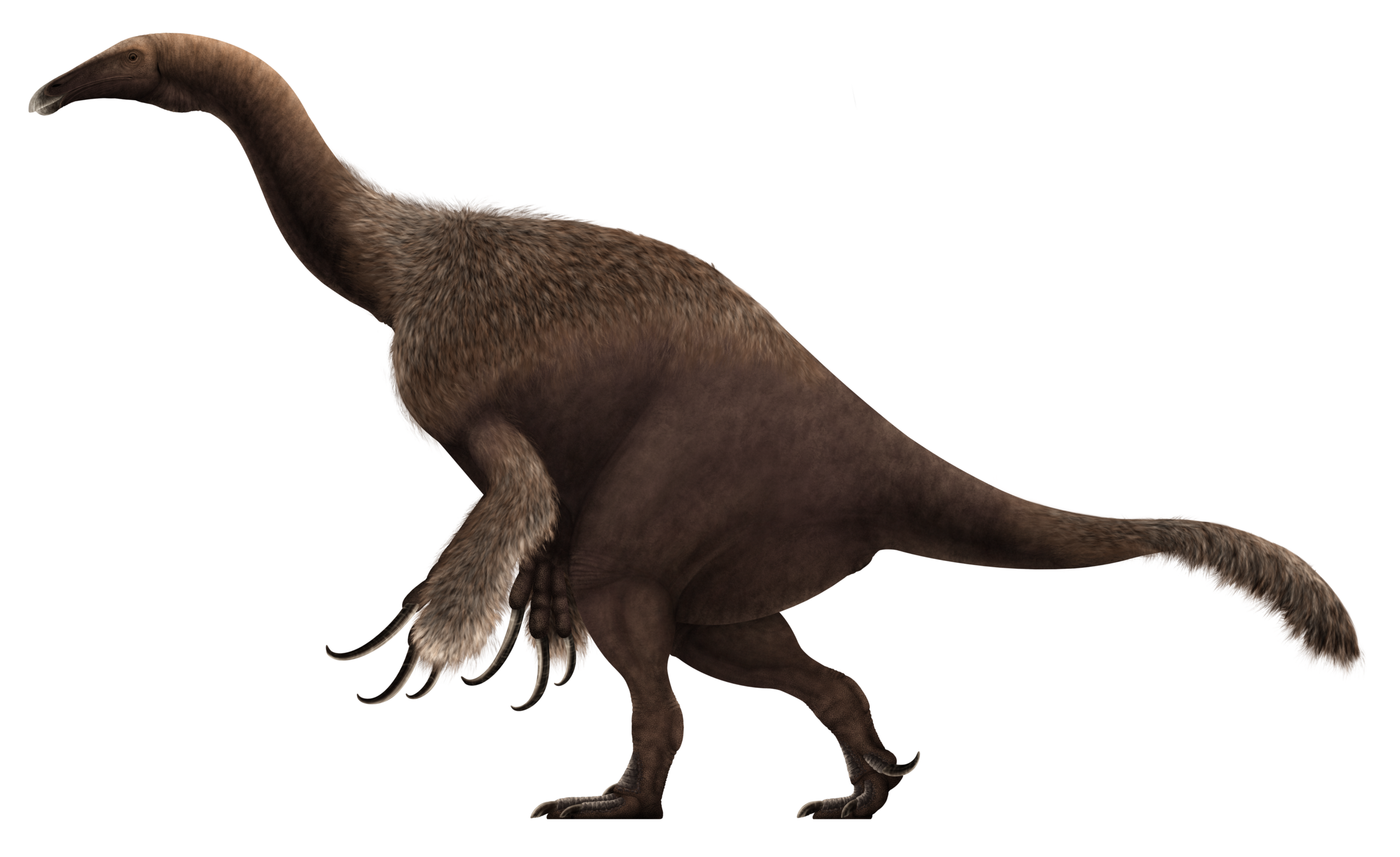
Therizinosaurus is one of those dinosaurs that looks made up, even when you are staring at the bones. It was a large, feathered theropod from the Late Cretaceous, related in a twisted way to raptors and birds. Instead of sleek killing claws, it had absurdly long scythe‑like claws on its forelimbs, each one longer than a human arm. Early on, no one was quite sure what to do with those claws or even what the whole animal looked like, which led to some entertainingly wrong reconstructions.
What makes Therizinosaurus so strange is the mix of traits: a pot‑bellied, plant‑eating body slapped onto a relative of classic meat‑eating theropods, then topped with feathers and those nightmare claws. The current view is that it probably used the claws to pull down branches or defend itself, more gardening tool than horror weapon, but the visual is still alarming. If you grew up thinking dinosaurs were just scaled‑up lizards, Therizinosaurus feels like evolution trolling you. It is my personal favorite example of how dinosaurs were far weirder, and more bird‑like, than the old-school movies ever admitted.
Anomalocaris: The Original Sea Monster
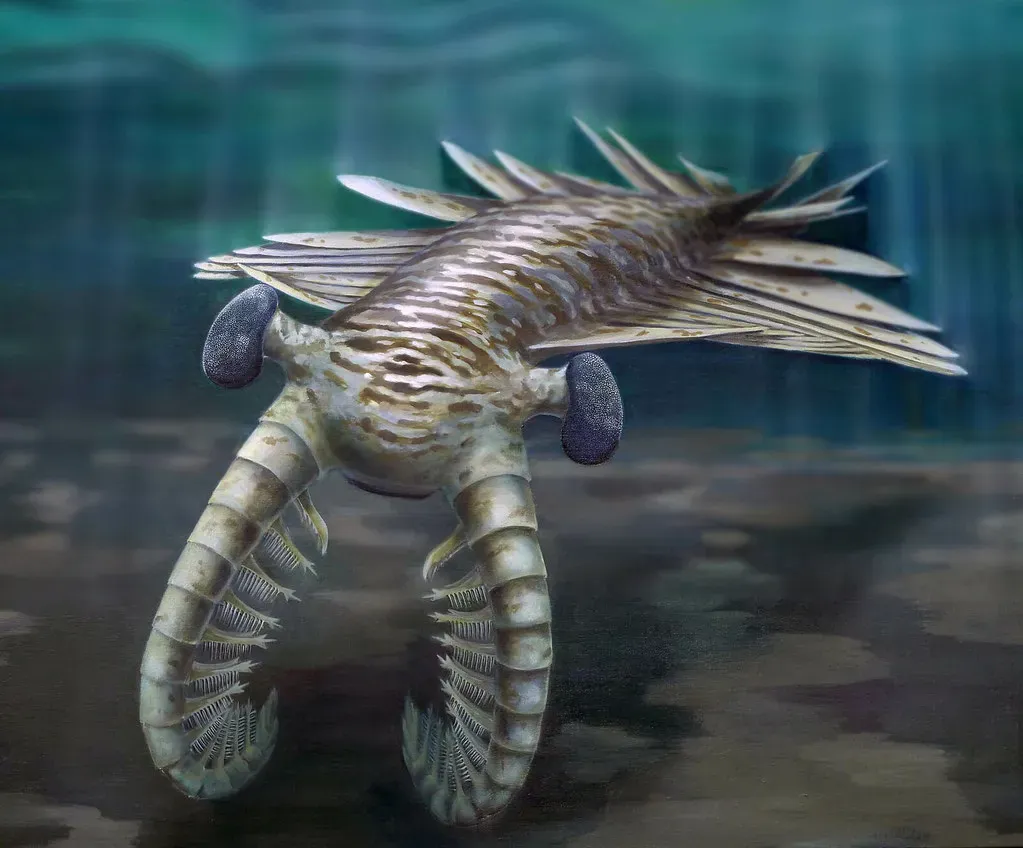
Long before sharks ruled the oceans, Anomalocaris was already there, cruising through Cambrian seas like a biomechanical alien. This animal had a segmented body, large compound eyes, and a pair of strange spiny appendages at the front that it probably used to grab prey. Its mouth was a circular, ring‑like structure with overlapping plates, almost like a pineapple slice that decided to become carnivorous. For its time, it was one of the largest predators in the ocean, which says a lot about how intimidating it must have seemed to smaller creatures.
What really sells the weirdness of Anomalocaris is how futuristic it feels compared to many of its contemporaries. While other Cambrian animals looked like squishy blobs or armored worms, this thing had streamlined swimming flaps down its sides and serious hunting tools on its face. It is easy to picture it gliding in short, fast bursts, lunging into clouds of trilobites and grabbing them in those spiny arms. Anomalocaris proves that top predators have always been just a little unsettling, no matter the era. If you ever get smug about humans being advanced, remember that half a billion years ago, the oceans were ruled by something that looked like a sci‑fi concept art reject.
Archaeopteryx: The Dinosaur Trying Out Bird Mode
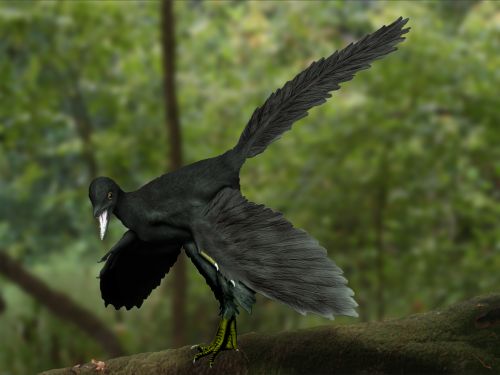
Archaeopteryx is often celebrated as the classic “missing link” between dinosaurs and birds, but what makes it truly strange is how in‑between it looks. It had feathers and wings, similar to modern birds, yet also sported teeth, a long bony tail, and clawed fingers. It lived during the Late Jurassic, fluttering and gliding around ancient islands that would eventually form parts of Europe. Imagine something that looks half like a crow and half like a small predatory dinosaur, and you are in the right mental neighborhood.
Fossils of Archaeopteryx have been incredibly important for understanding how flight evolved, but they are also a reminder that evolution does not draw clean lines. This animal was not a clumsy mistake on the way to “real” birds; it was a successful creature in its own right, just adapted to a slightly different world. When you look at a modern bird hopping along a sidewalk, you are basically looking at a polished descendant of animals like this. Personally, I find that thought both eerie and comforting: the pigeons we mostly ignore are carrying a tiny echo of Jurassic weirdness in every feather.
Sarkastodon: The Bear‑Sized Hyper‑Carnivore You’ve Never Heard Of
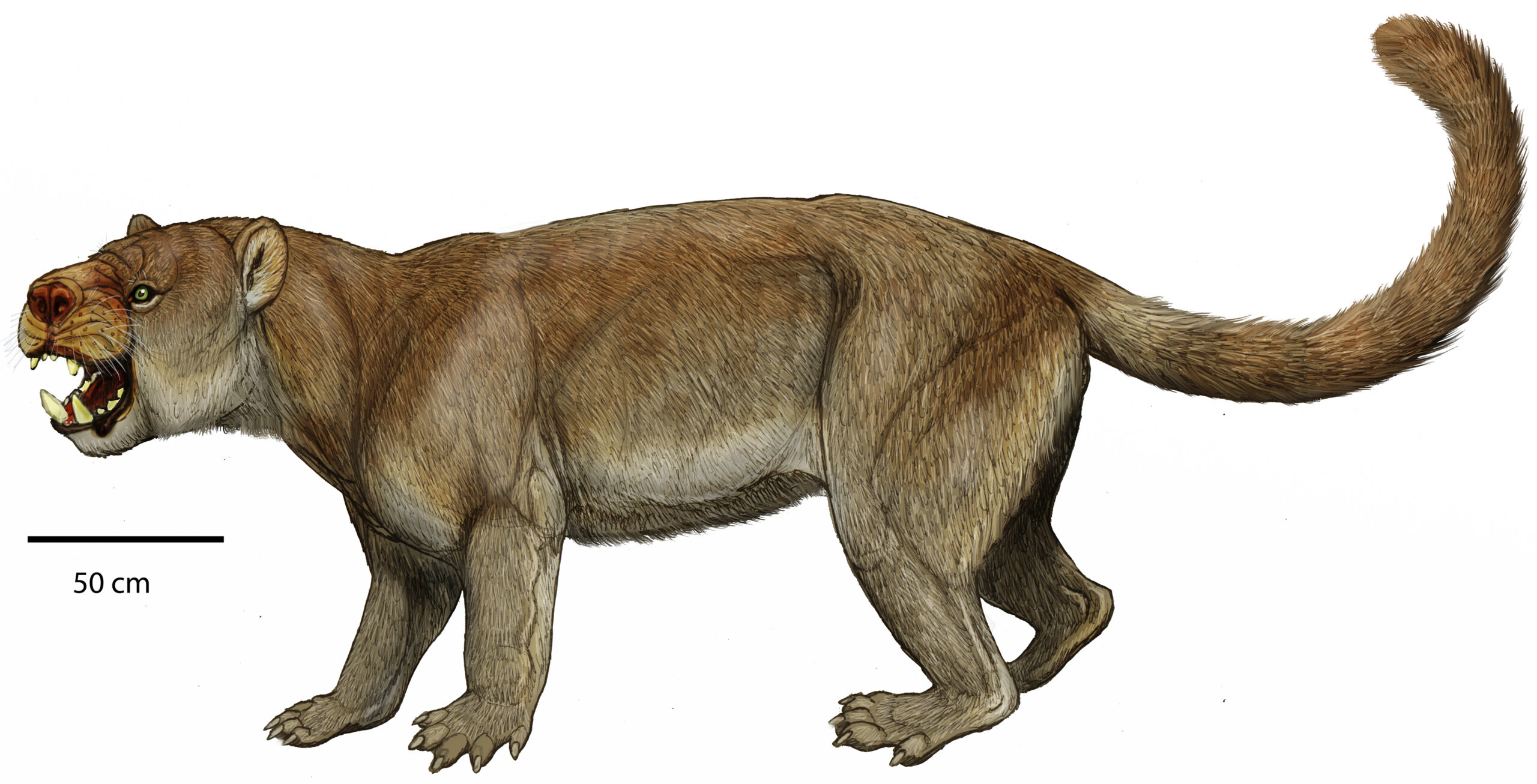
Sarkastodon is one of those prehistoric mammals that sounds like a joke name until you see what it actually was. Living in the Eocene, after the dinosaurs were gone, this giant predator belonged to a group of early specialized meat‑eaters called creodonts. It was roughly bear‑sized, with a deep skull and powerful jaws built for crushing and slicing through the flesh and bones of large prey. Imagine a mash‑up of a lion, a hyena, and a bear, then dial the intensity up a notch.
We do not have perfect, full‑body reconstructions for every detail, but the skull and teeth alone tell a pretty clear story: this was not an animal you wanted to meet if you were a large herbivore. It likely hunted big mammals in open environments, helping shape early mammal ecosystems in the long shadow left by dinosaur extinction. I think part of why Sarkastodon feels so strange is that we tend to imagine the post‑dinosaur world as a quiet recovery period, when in reality, mammals like this were already turning things into an arms race. It is a reminder that nature wastes no time filling the top predator role once it opens up.
Deinocheirus: The Dinosaur That Looked Like a Walking Mistake
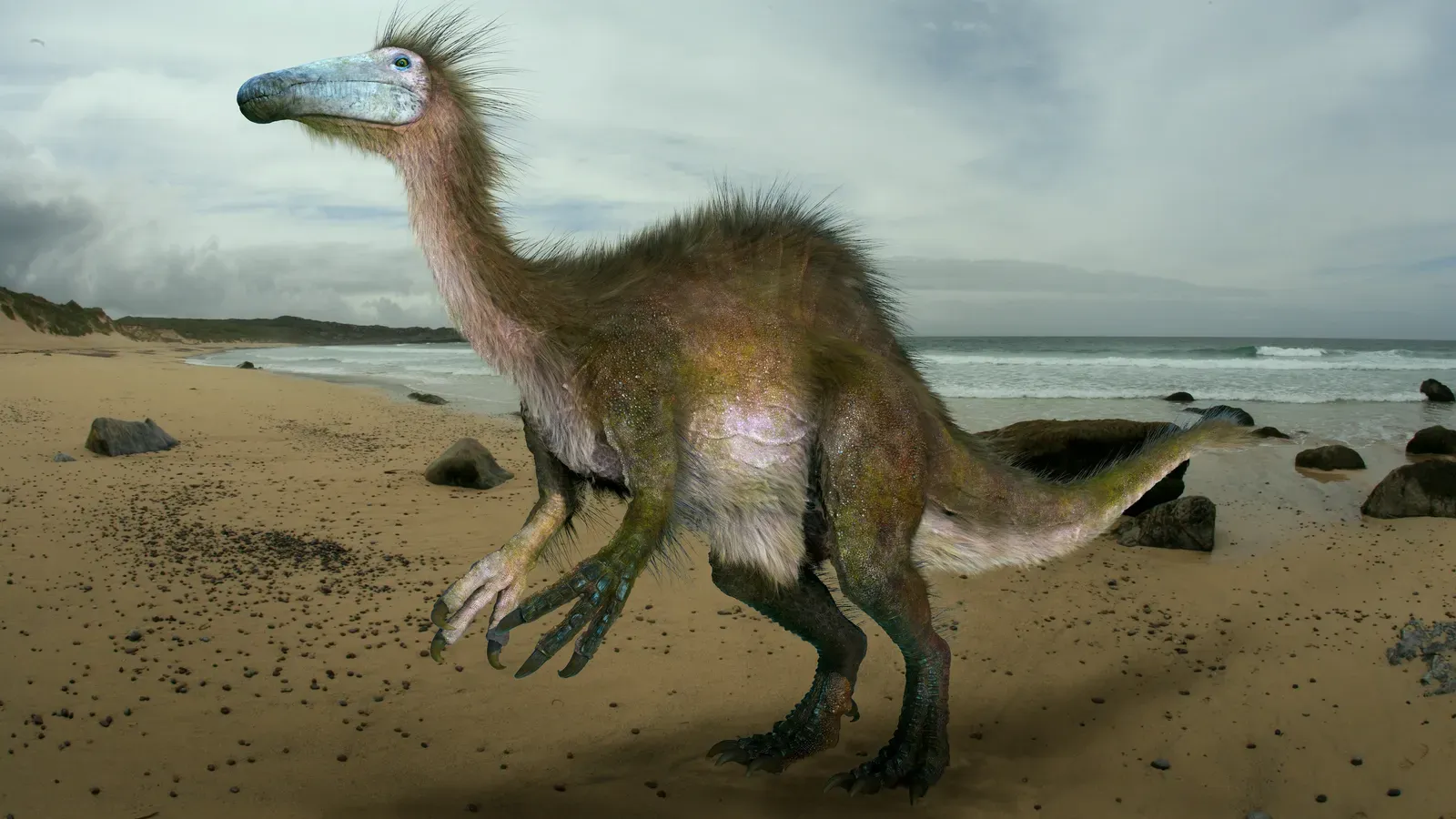
For decades, all we really had of Deinocheirus were a pair of massive, mysterious arms with huge claws, and no one knew what the rest of it looked like. That led to dramatic speculation about some terrifying, super‑predatory dinosaur stalking the Late Cretaceous. When more complete fossils finally surfaced, the truth turned out to be even stranger: Deinocheirus was a huge, duck‑billed, pot‑bellied, hump‑backed omnivore with a goofy-looking head, long arms, and a sail‑like spine. It looked less like a movie monster and more like several animals got glued together by committee.
Instead of being a pure killer, it probably waded around wetlands, munching plants, small animals, and whatever else it could scoop up. Its duck‑like bill and broad feet suggest a lifestyle very different from the classic sharp‑toothed theropod stereotype. I love this animal because it perfectly captures how science can be both humbling and hilarious: all that suspense over the scary mystery arms, and the answer was a gentle giant with a weird back and a long face. Deinocheirus proves that reality does not have to be sleek or cinematic to be fascinating; some it is awkward and oddly charming.
Meganeura: The Giant Dragonfly of Your Nightmares
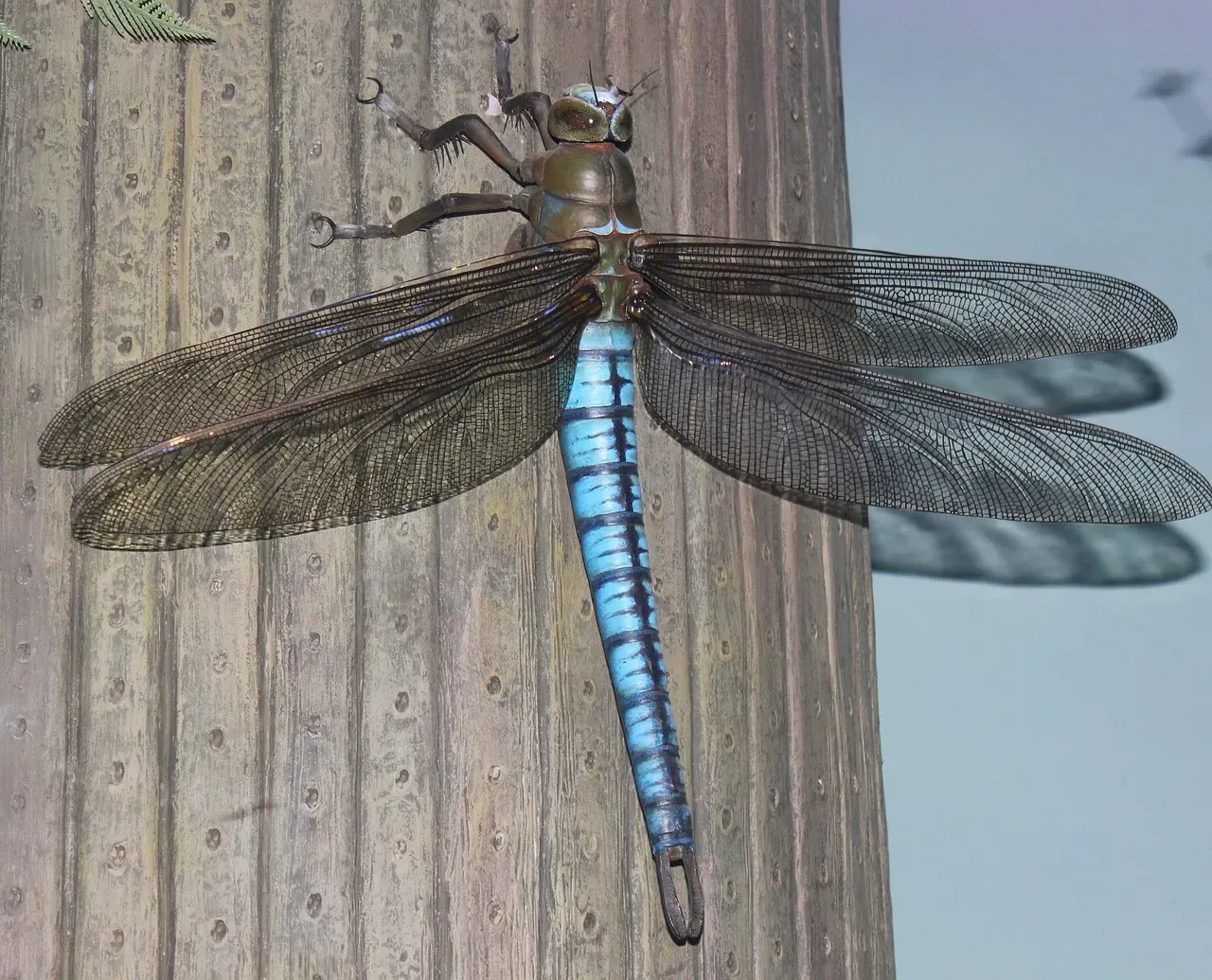
If regular dragonflies already make you a bit uneasy, Meganeura would not have been your friend. This ancient insect from the Carboniferous Period had a wingspan comparable to a modern crow, turning a familiar backyard bug into something that could practically block your view. It probably hunted other insects in midair, using its powerful jaws and excellent vision to snatch them in swift aerial attacks. Picture sitting in a swampy forest and hearing the heavy flutter of wings as an enormous dragonfly glides past your head.
The reason insects like Meganeura could get so large back then likely ties to higher oxygen levels in the atmosphere, which made breathing easier for organisms that rely on simple air‑tube systems. Today, our lower oxygen levels naturally limit insect size, and honestly, I am not complaining. There is something deeply unsettling about the idea that, long before mammals or dinosaurs became impressive, bugs were already ruling the skies. Whenever I swat at a tiny gnat, it is wild to remember that its ancient cousins once flew around as aerial giants.
Opabinia: Five Eyes and a Grabber Nose
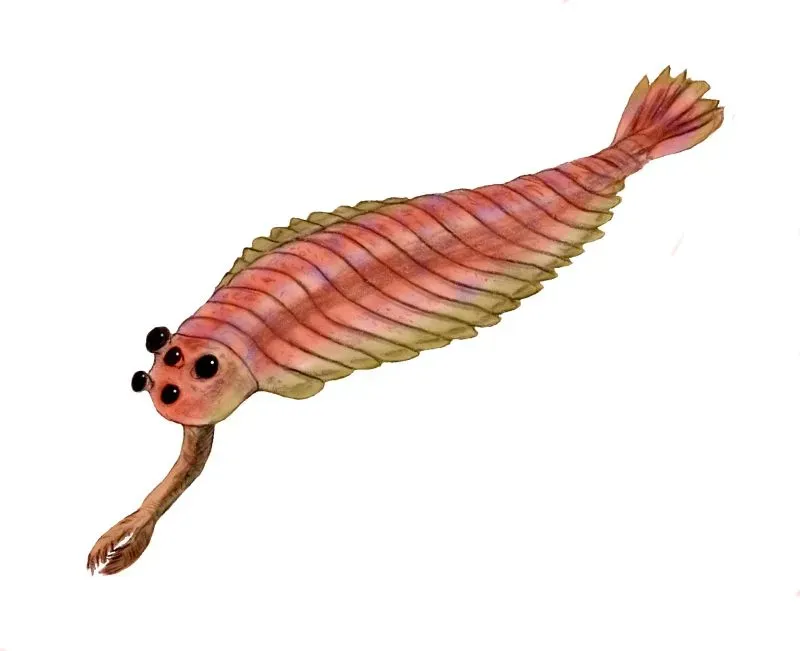
Opabinia might be the poster child for “that cannot be a real animal.” This small Cambrian creature had five eyes perched on its head and a long, flexible proboscis ending in a claw‑like structure. Its body was soft and segmented, with flaps along the side to help it swim, and a fan‑shaped tail at the back. Try to picture a shrimp that someone redesigned while half asleep, then gave extra eyes and a weird extendable nose‑arm just for fun.
Scientists think Opabinia probably lived near the seafloor, using its proboscis to grab bits of food or small animals and bring them back to its mouth. When early reconstructions of it were first presented, it reportedly made audiences laugh out loud because it looked so absurd. Yet this creature was part of a real, functioning ecosystem, not a visual gag. To me, Opabinia is a great reminder that evolution is not aiming for elegance; it is just tinkering with whatever works well enough to survive another day.
Ambulocetus: The Walking Whale
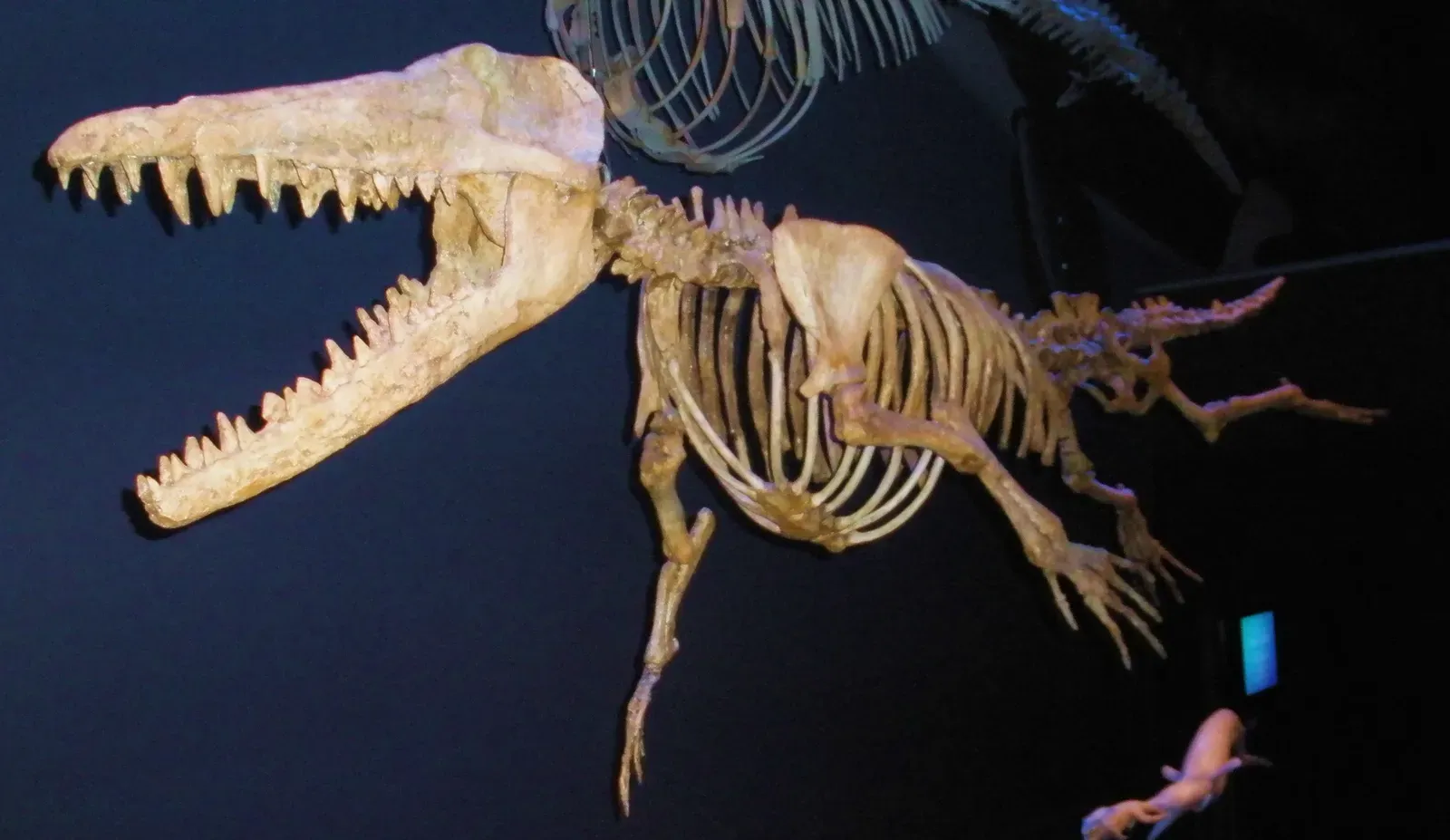
Ambulocetus, whose name essentially means “walking whale,” looked like a crocodile and a seal decided to merge and try life as a semi‑aquatic hunter. This early whale lived during the Eocene and had strong limbs capable of supporting it on land, along with features adapted for swimming. Its body was elongated and muscular, with a long tail and a head full of teeth suited for catching fish or possibly other animals near the water’s edge. Imagine a predator that could lurk in rivers and coastlines, then slide into the water almost as comfortably as it could move on land.
What makes Ambulocetus so strange is knowing where its lineage ended up. Modern whales are fully marine, massive, and beautifully streamlined, yet their ancestors walked on land and probably looked a bit awkward doing both lifestyles. Fossils like this make the evolution of whales much more real and less abstract; you can literally see the stages where “land mammal” is gradually giving way to “ocean specialist.” Personally, I find whale evolution one of the most jaw‑dropping stories in all of natural history, and Ambulocetus sits right in the middle of that transformation like a crucial, weird snapshot.
Conclusion: Prehistoric Weirdness Should Change How We See “Normal”
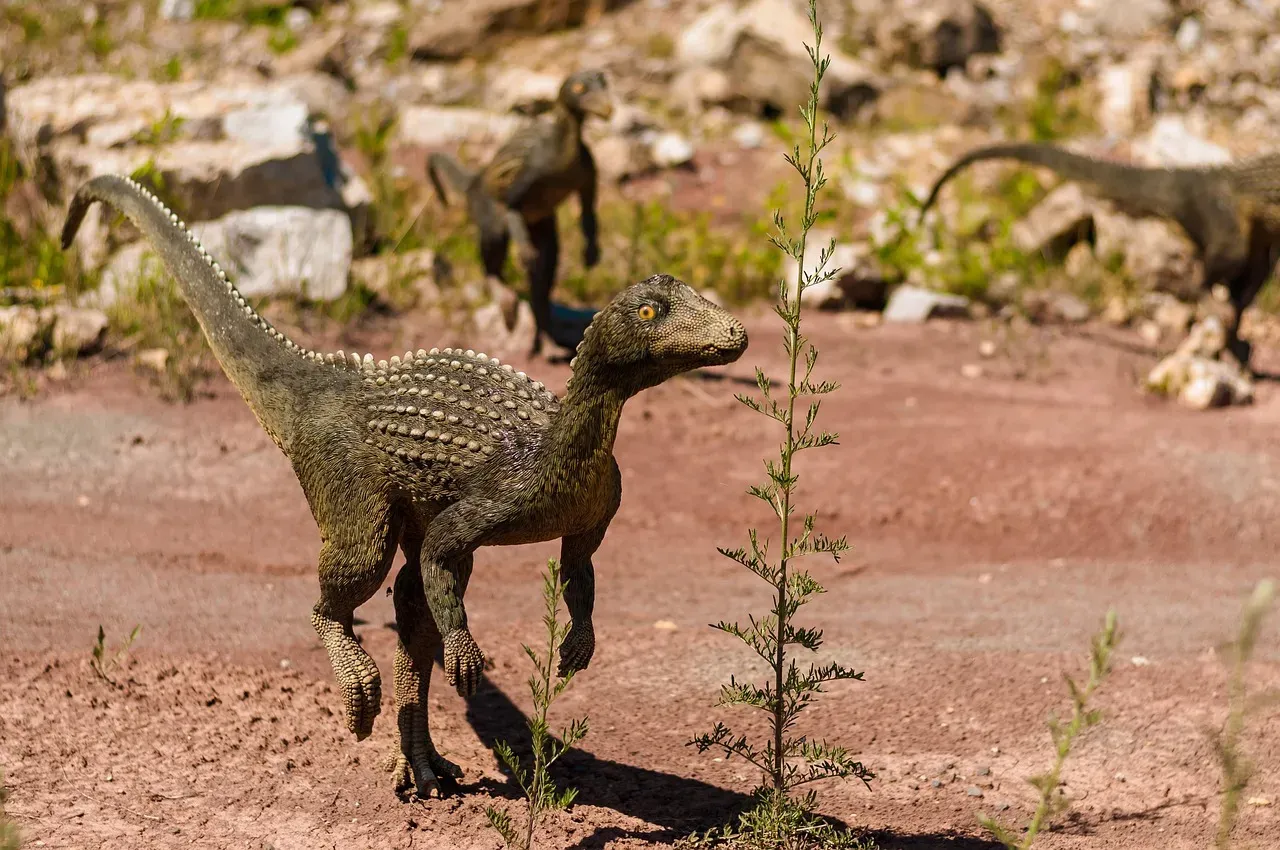
When you line up animals like Hallucigenia, Therizinosaurus, Meganeura, and Ambulocetus, you start to realize something uncomfortable: our sense of what a “normal” animal looks like is incredibly narrow. We just happen to live in one tiny slice of Earth’s history, with one very specific lineup of species. For most of the planet’s past, life came in forms that would look wrong, unsettling, or even comical to us. Yet for the creatures living alongside them, those bizarre shapes were just the everyday background of existence.
I think we seriously underestimate how weird life on Earth actually is, both past and present. We flatten dinosaurs into movie monsters, ignore the alien brilliance of insects, and act like humans are the natural endpoint of evolution instead of just another experiment. Prehistoric oddities make a strong argument that strangeness is the rule, not the exception. So next time you see a heron folding itself into strange angles by a pond or a bat skimming through the night, remember: you are looking at the toned‑down descendants of an impossibly wild past. If the history of life teaches anything, it is that the future will probably look just as strange to someone else – do you think they would recognize our world at all?